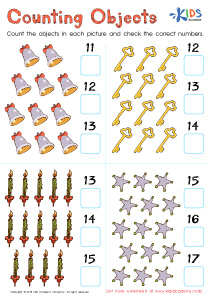
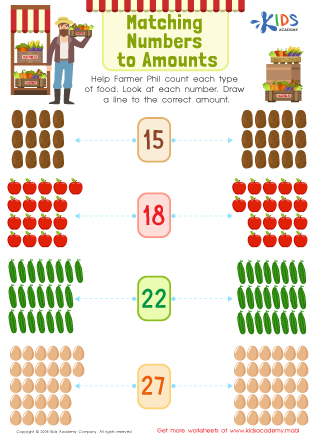
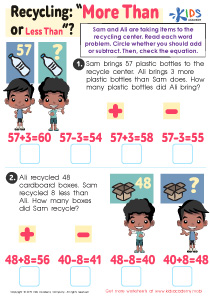
Number Recognition Normal Tracing Numbers Worksheets for Ages 8-9
7 filtered results
-
From - To
Enhance your child’s number recognition skills with our engaging tracing numbers worksheets designed specifically for ages 8-9! Our worksheets provide a fun and interactive way to practice number formation, improve fine motor skills, and build confidence in mathematics. Each worksheet features a variety of activities, including tracing, coloring, and identifying numbers, ensuring an engaging learning experience. These resources are ideal for reinforcing classroom learning or supplementing home education. Download our Number Recognition Normal Tracing Numbers Worksheets today, and watch your child excel in their understanding of numbers while developing essential foundational skills in a creative way! Ideal for parents and educators alike!
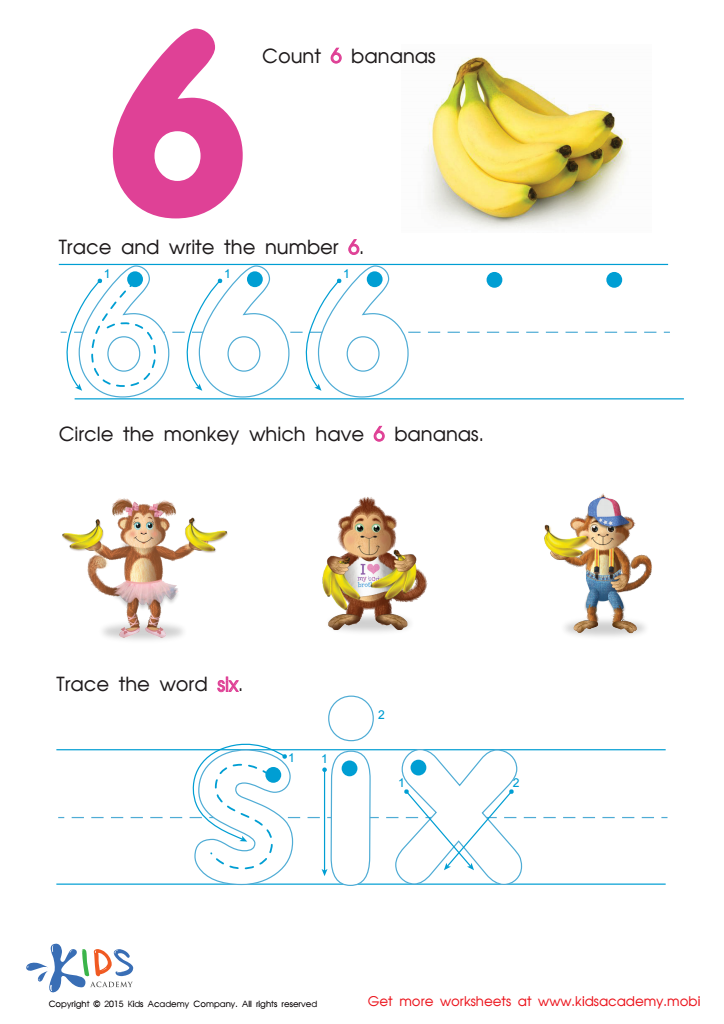
Tracing And Writing Number 6 Worksheet
 Assign to My Students
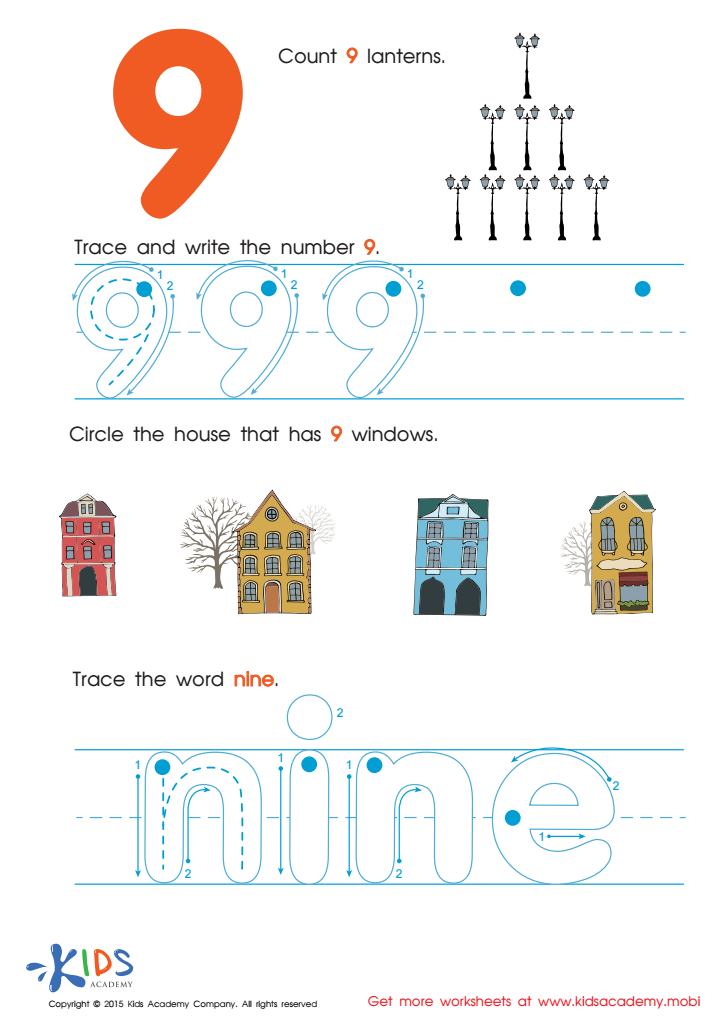
Tracing And Learning to Write Number 9 Worksheet
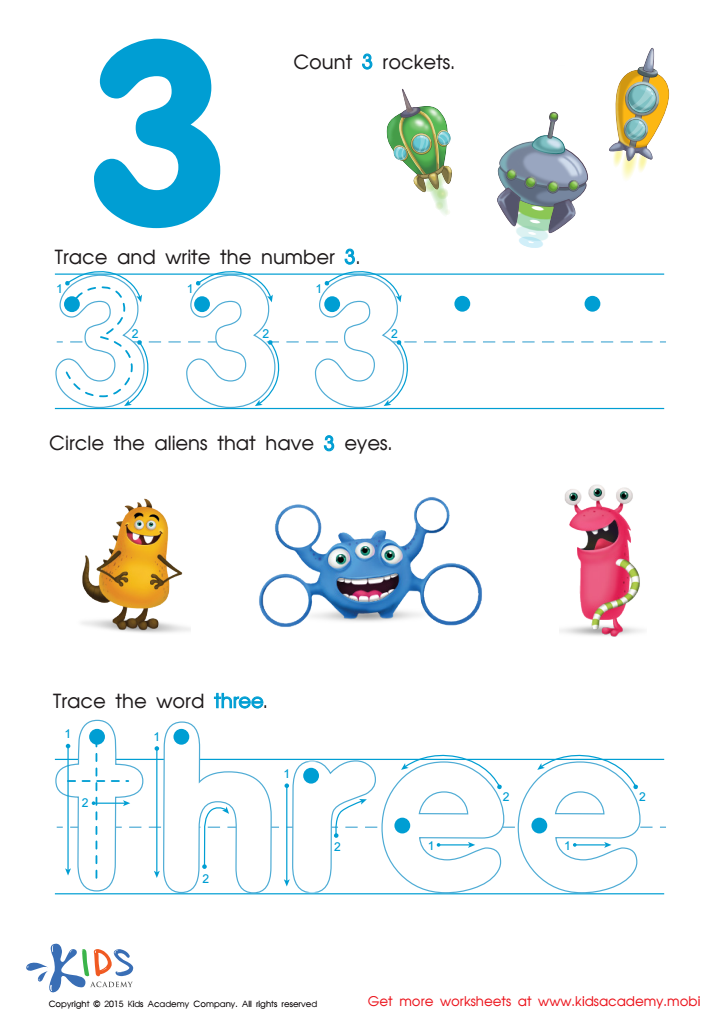
Learning Number Three Worksheet
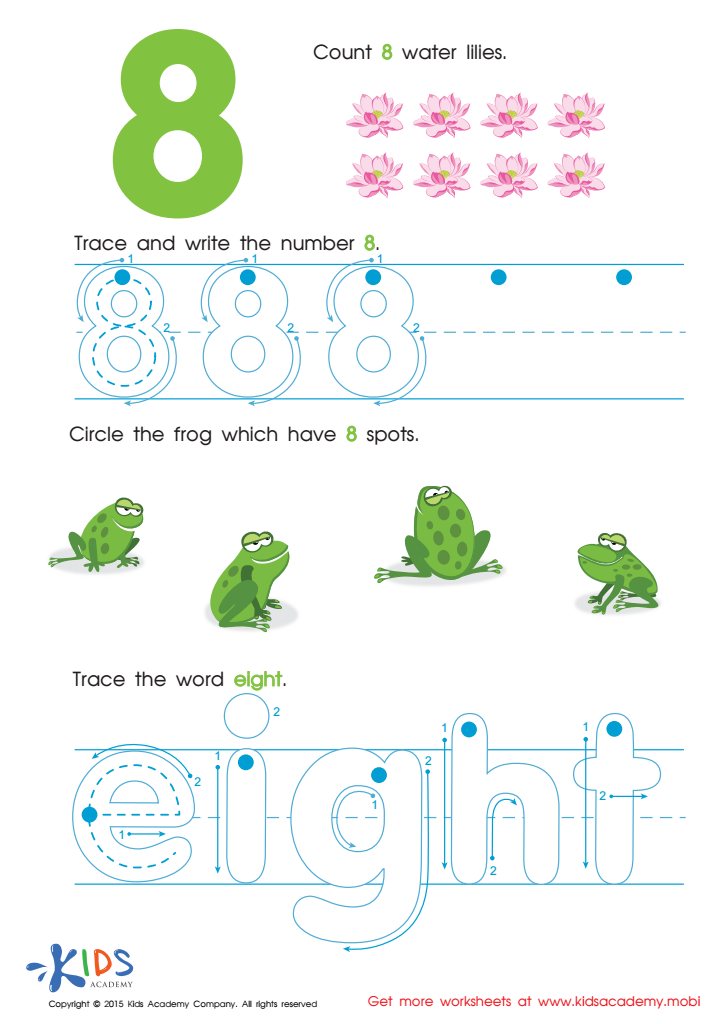
Learn Number 8 Easily Worksheet
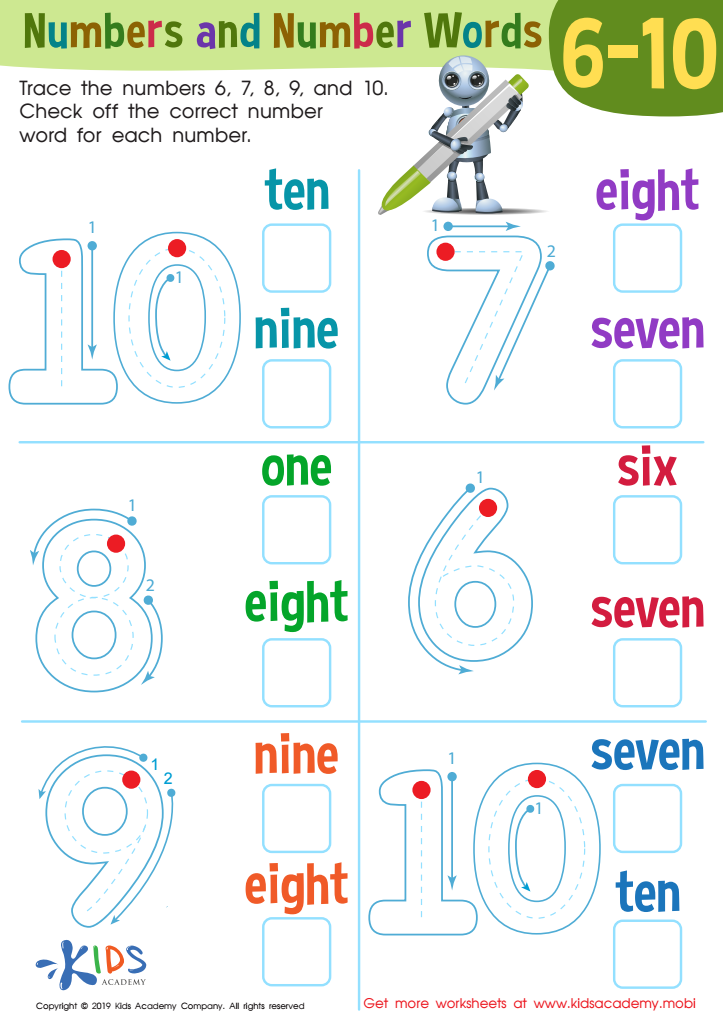
Numbers and Number Words 6–1 Worksheet
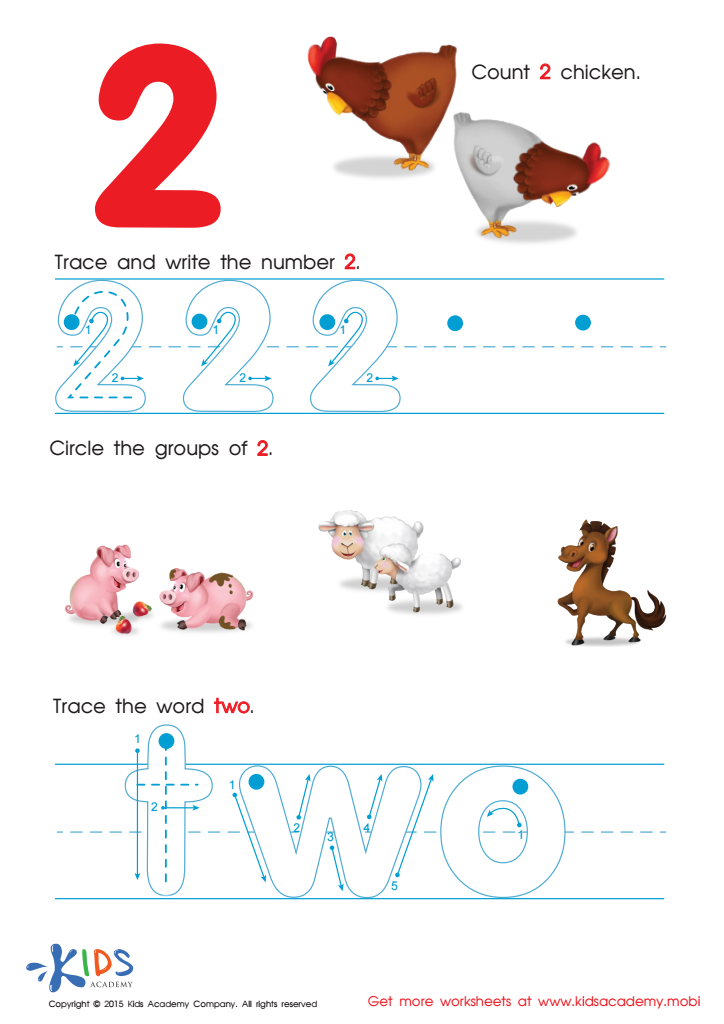
Learn to Write the Number 2 Worksheet
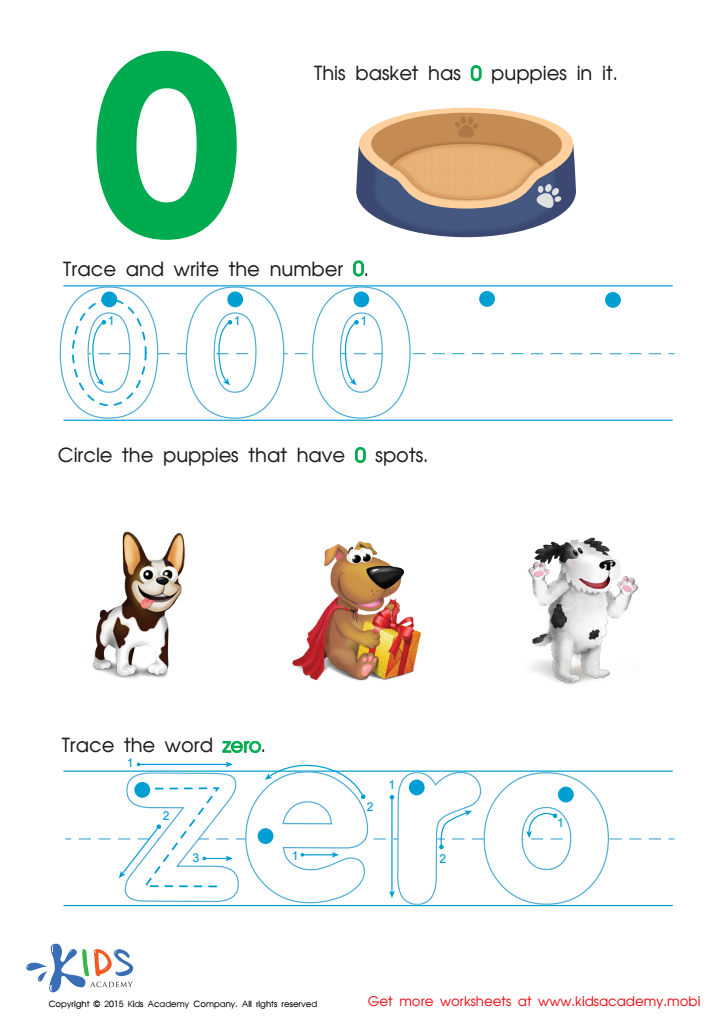
Trace And Write Number 0 Worksheet








Number recognition and tracing activities are crucial for children aged 8-9 as they lay the groundwork for essential mathematical skills. At this age, kids transition from basic counting to more complex concepts such as addition, subtraction, and even multiplication. By practicing number recognition, children learn to identify digits quickly and confidently, which is vital for their overall numerical literacy.
Tracing numbers helps reinforce correct numeral formation, fostering fine motor skills that are necessary for writing. This tactile experience aids in memory retention, making it easier for children to recall numbers when they encounter them in word problems or math exercises. Moreover, engaging in number tracing can promote focus and concentration, as it requires attention to detail.
Parents and teachers should recognize that this foundational stage not only supports academic success but also boosts a child's confidence in their mathematical abilities. As children become proficient in recognizing and accurately writing numbers, they are better prepared to tackle advanced concepts in math and approach problem-solving tasks with a positive mindset. Encouraging practices like these establishes a strong numeracy foundation, ensuring that children are equipped for future learning and real-world scenarios involving math.