Cognitive Development Normal Worksheets for 8-Year-Olds
22 filtered results
-
From - To
Unlock the potential of your 8-year-old with our engaging Cognitive Development Normal Worksheets. Designed to enhance critical thinking, problem-solving, and memory skills, these printable resources offer fun yet educational activities tailored for children at this age. Each worksheet features age-appropriate challenges that encourage creativity and logical reasoning, fostering independent learning. Whether it's puzzles, matching games, or sequencing tasks, our materials provide a comprehensive approach to cognitive growth. Perfect for home or classroom use, these worksheets align with educational standards, ensuring your child’s development is both enjoyable and productive. Start fostering cognitive skills today and watch your child thrive!
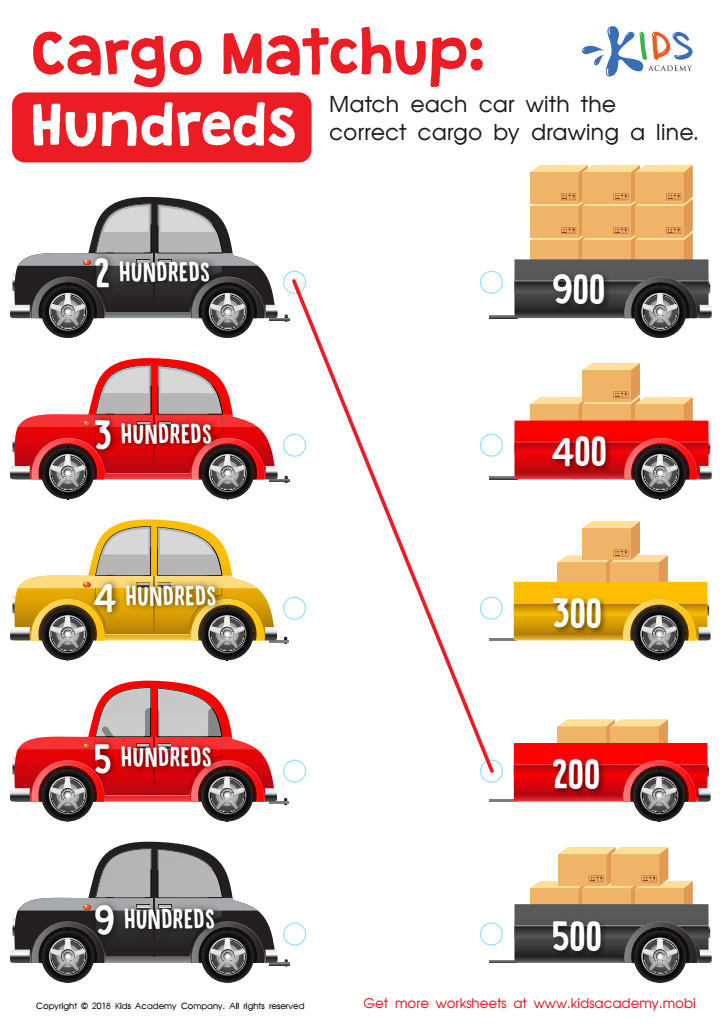
Cargo Matchup: Hundreds Worksheet
 Assign to My Students
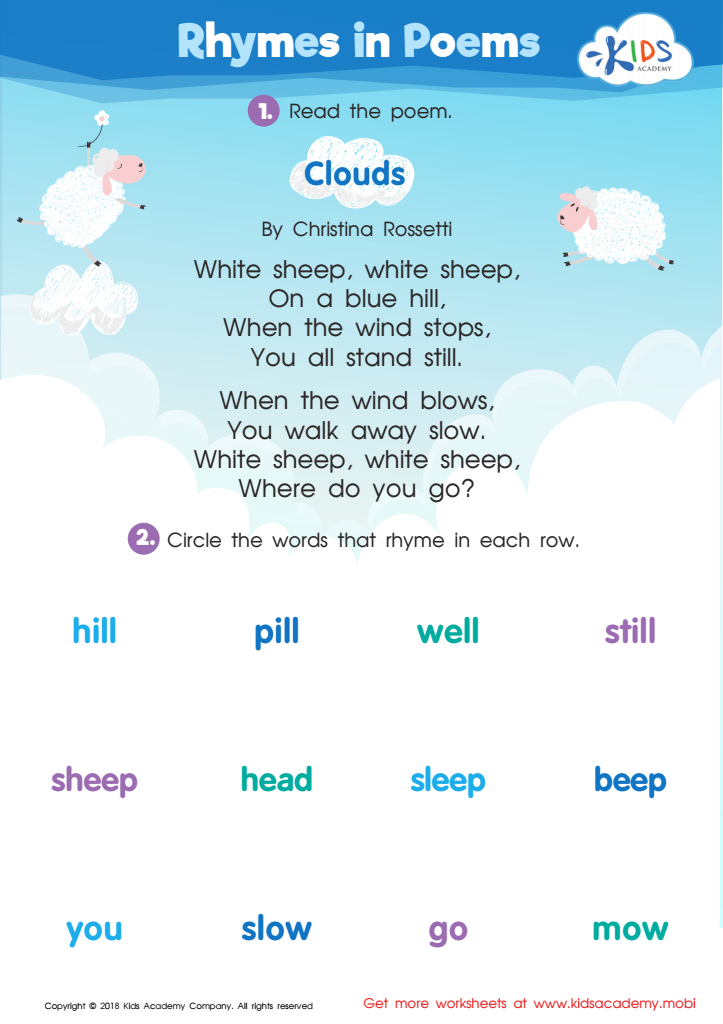
Rhymes in Poems Worksheet
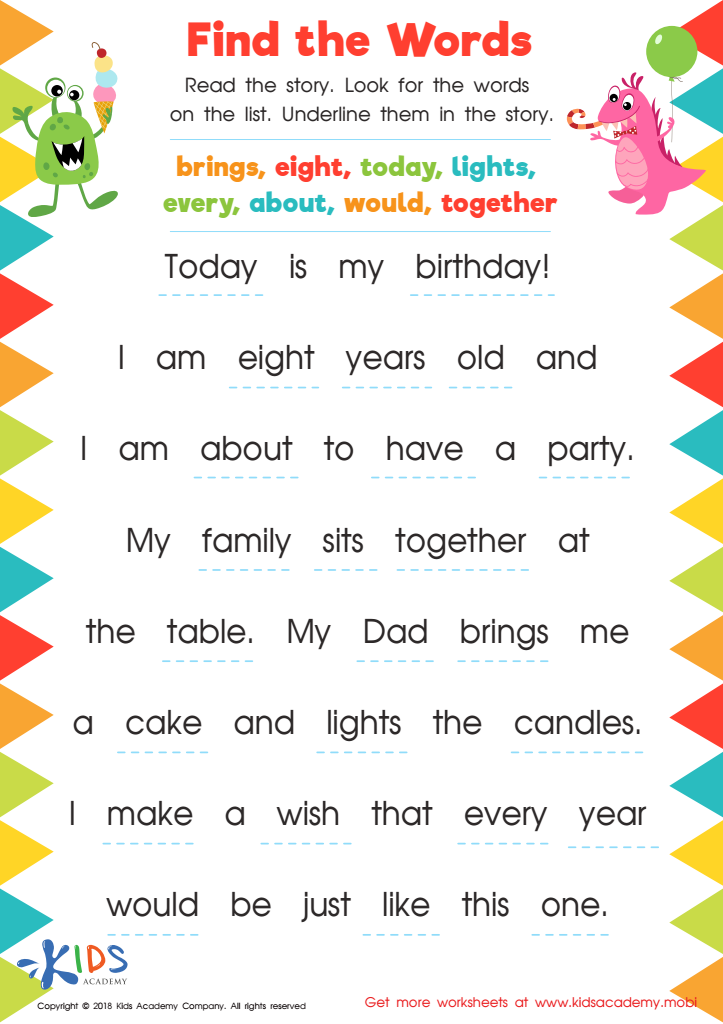
Find The Words Printable Worksheet
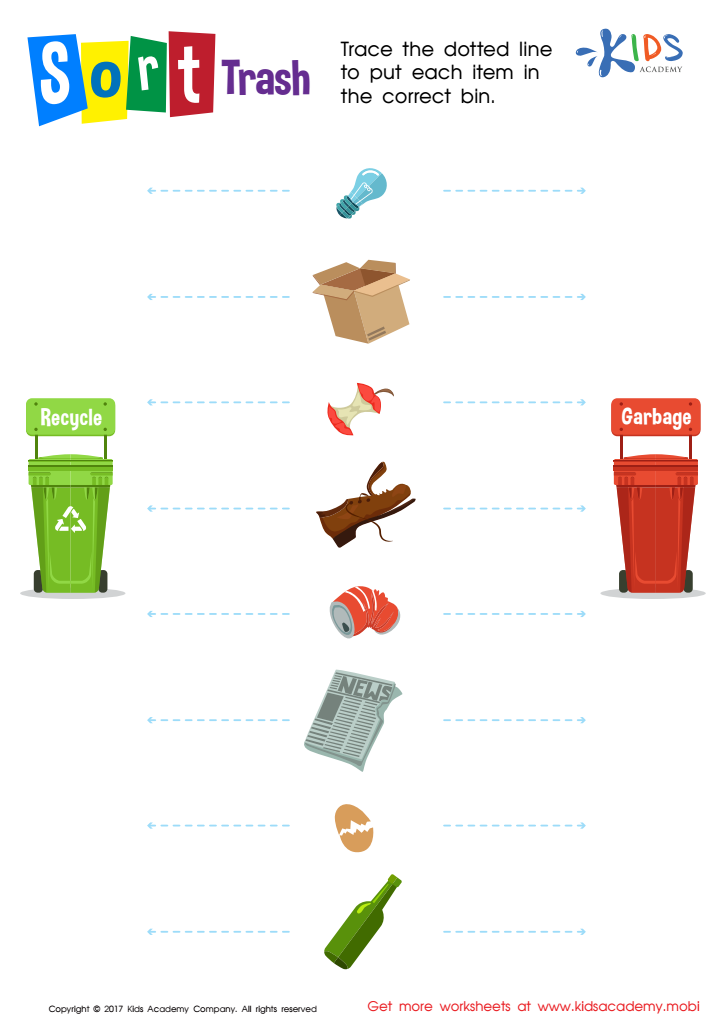
Trash Sorting Worksheet
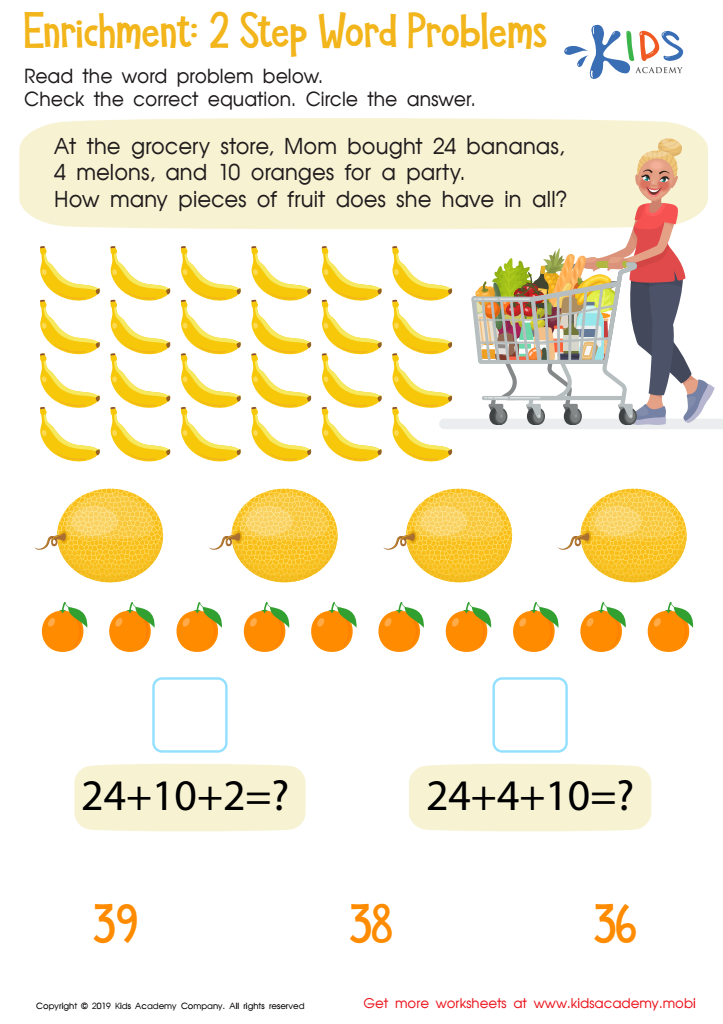
Enrichment -2 Step Word Problems Worksheet
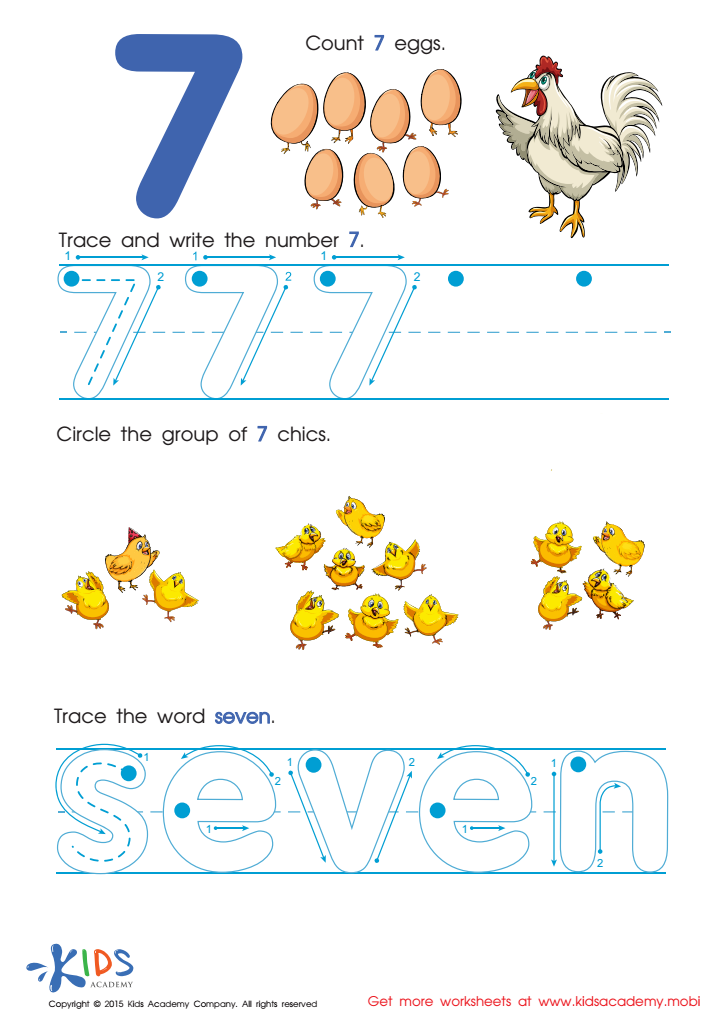
Trace And Write Number 7 with Fun Worksheet
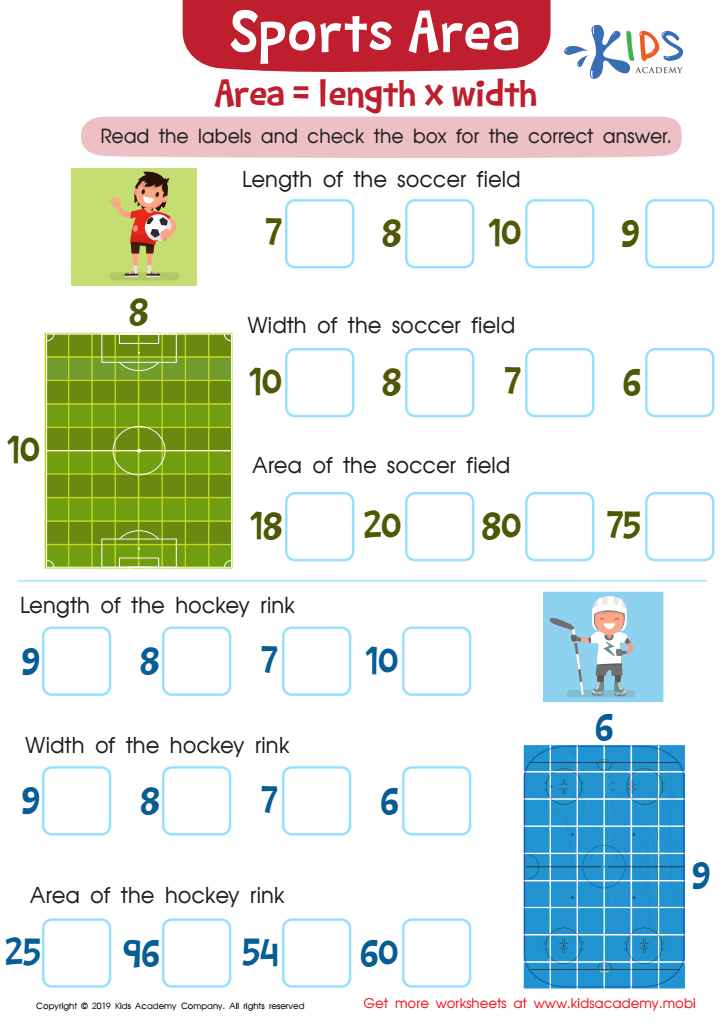
Sports Area Worksheet
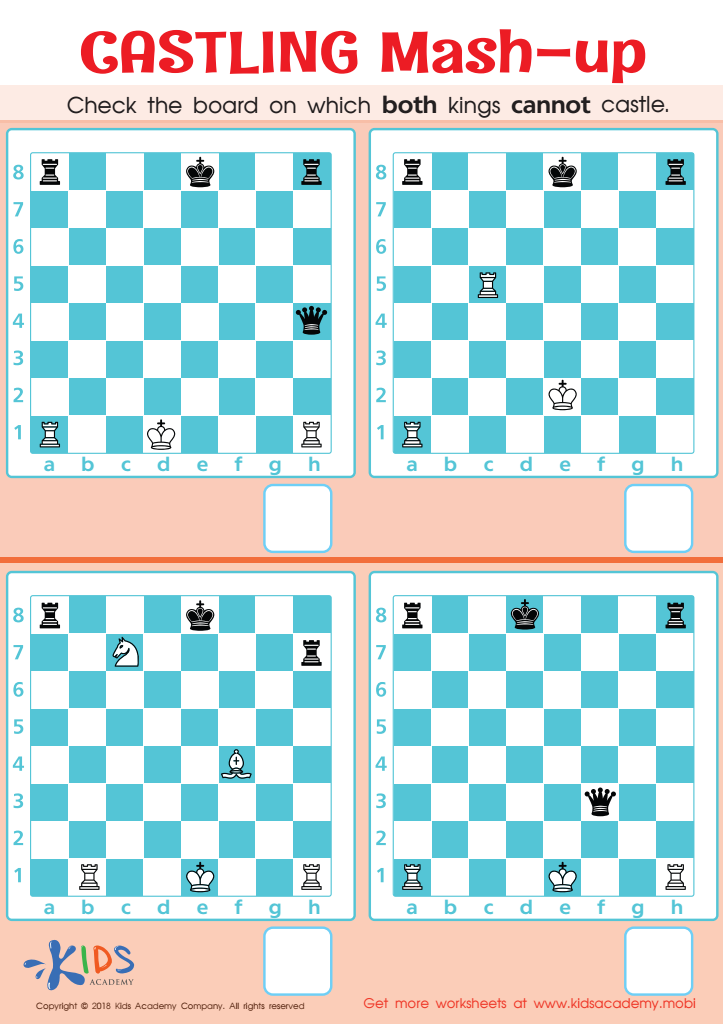
Castling Mash–up Worksheet
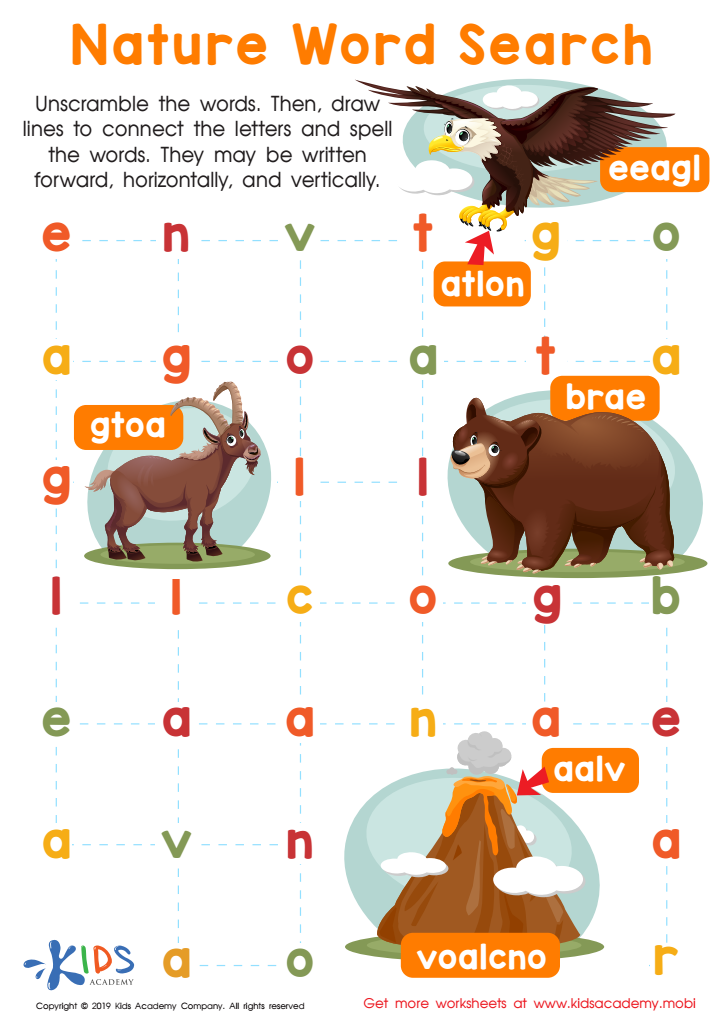
Nature Word Search Worksheet
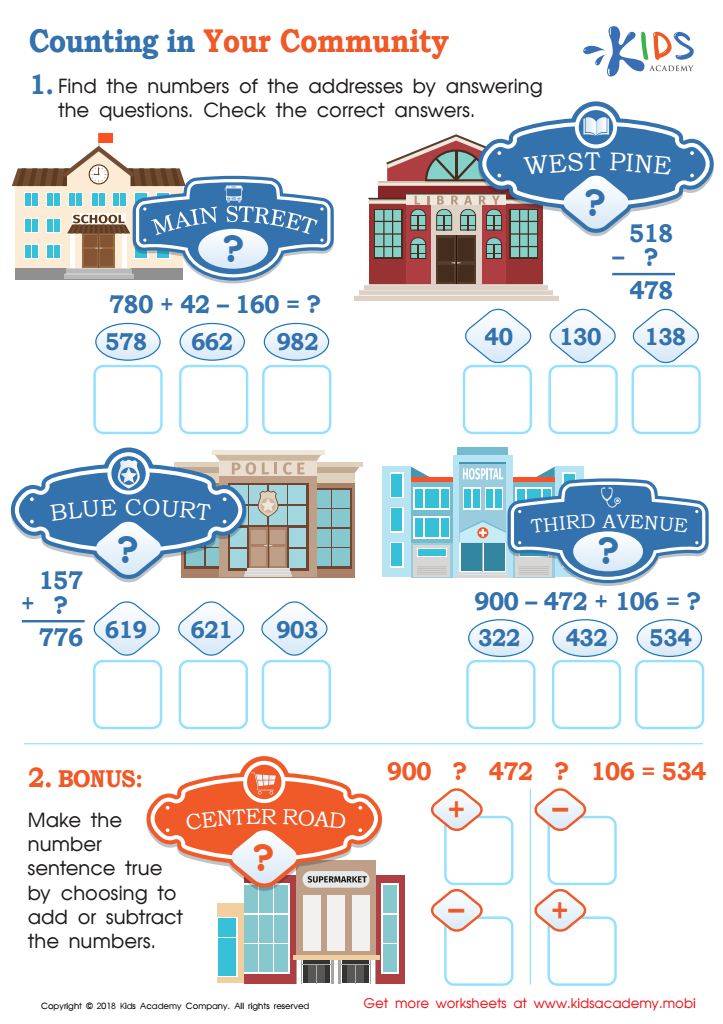
Counting in Your Community Worksheet

Pawns Bingo Worksheet
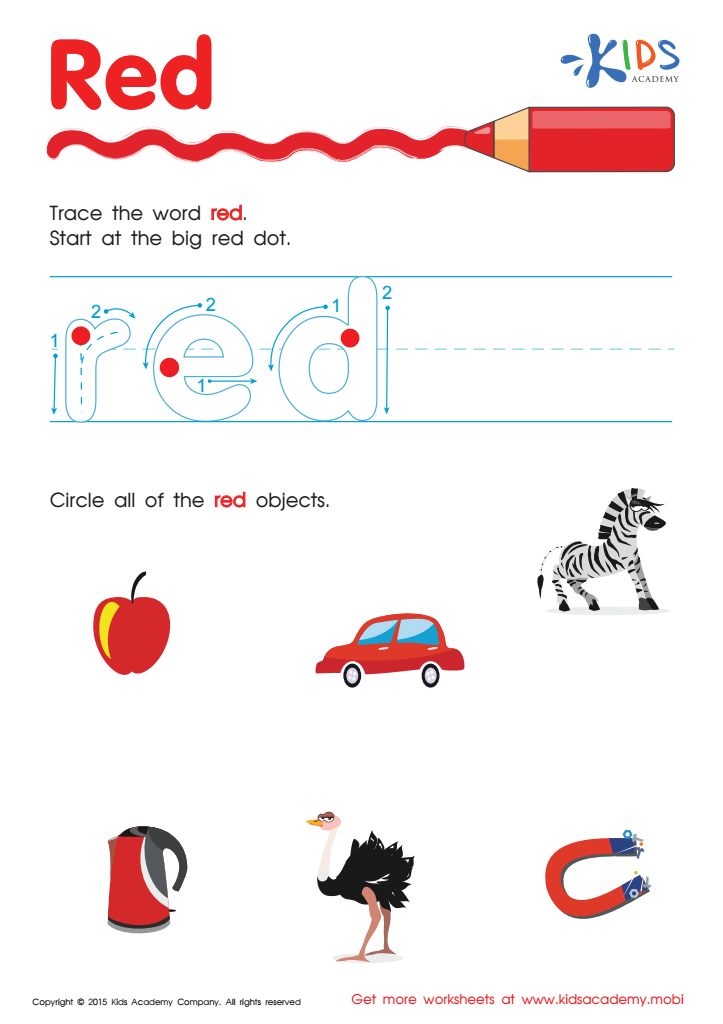
Red Tracing Color Words Printable
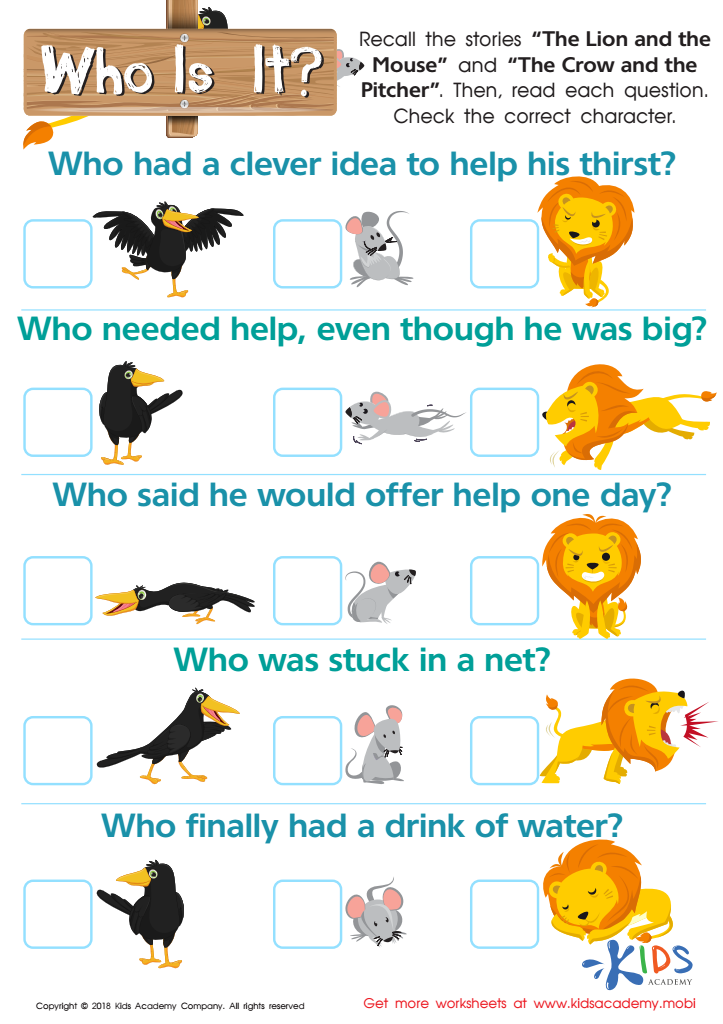
Who Is It? Worksheet
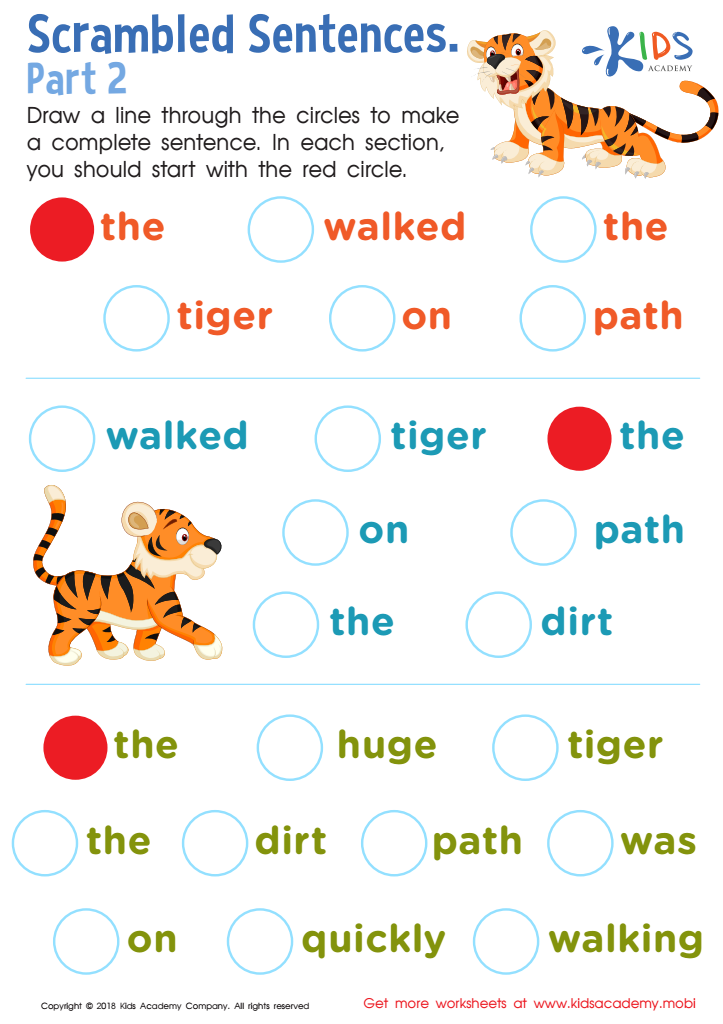
Scrambled Sentences Part 2 Worksheet

Two Rook Bingo Worksheet
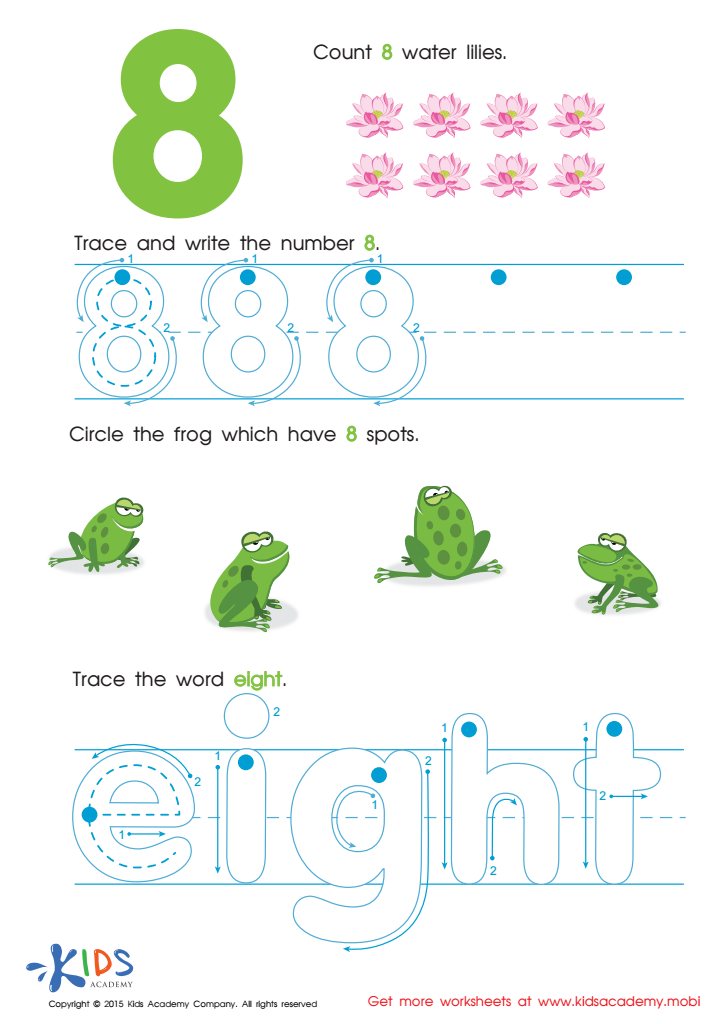
Learn Number 8 Easily Worksheet
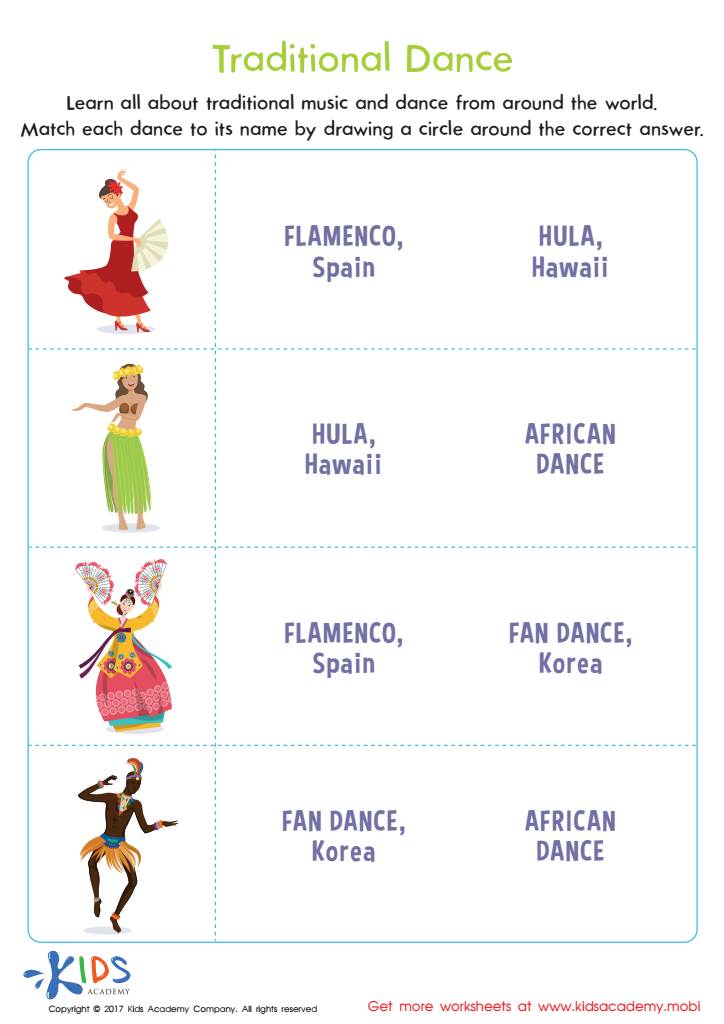
Traditional Dance Printable
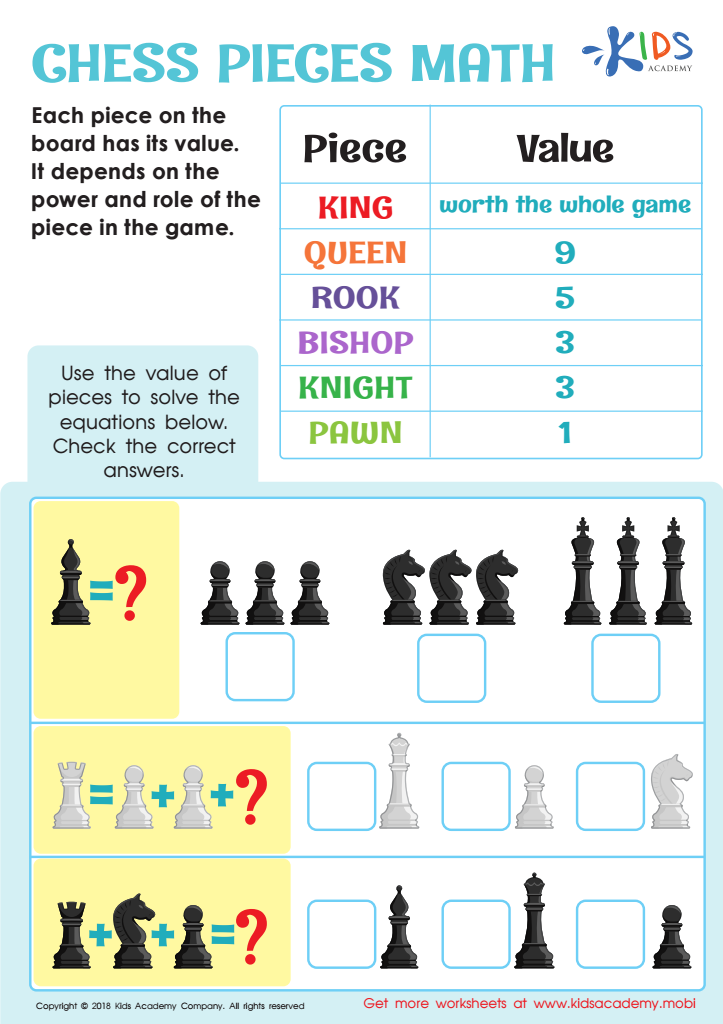
Chess Pieces Math Worksheet
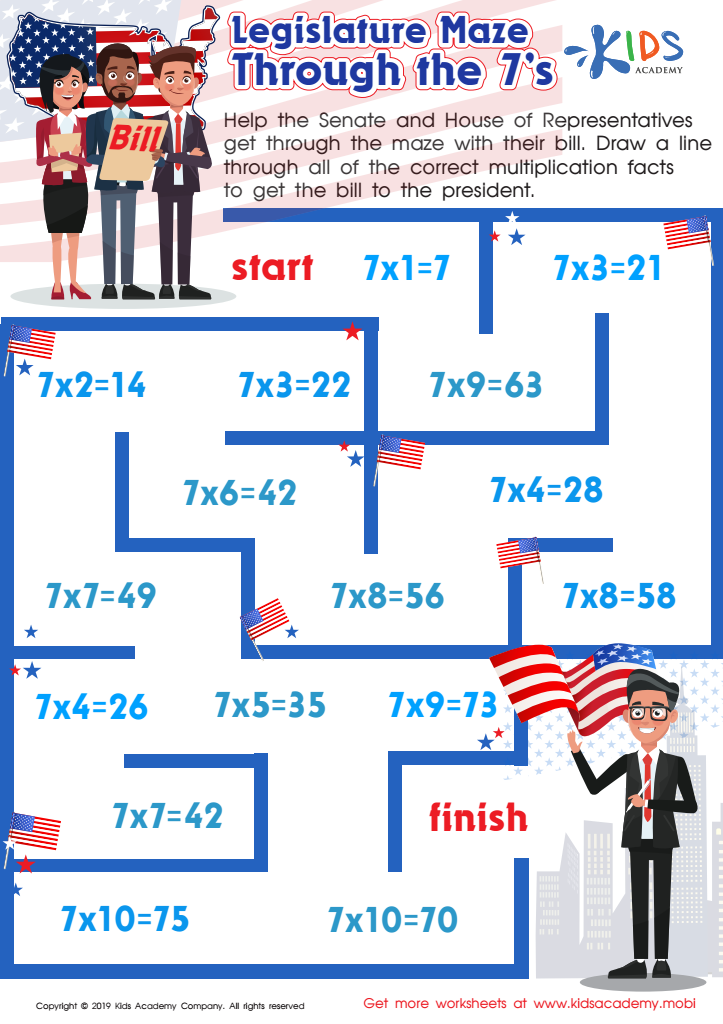
Legislature Maze Through the 7’s Worksheet
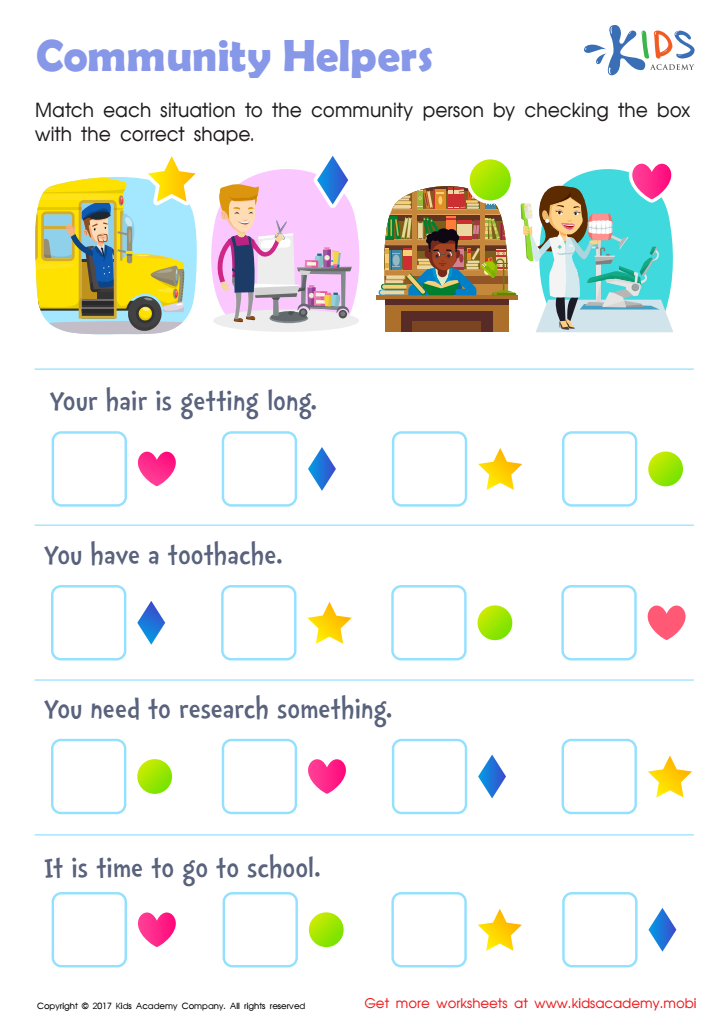
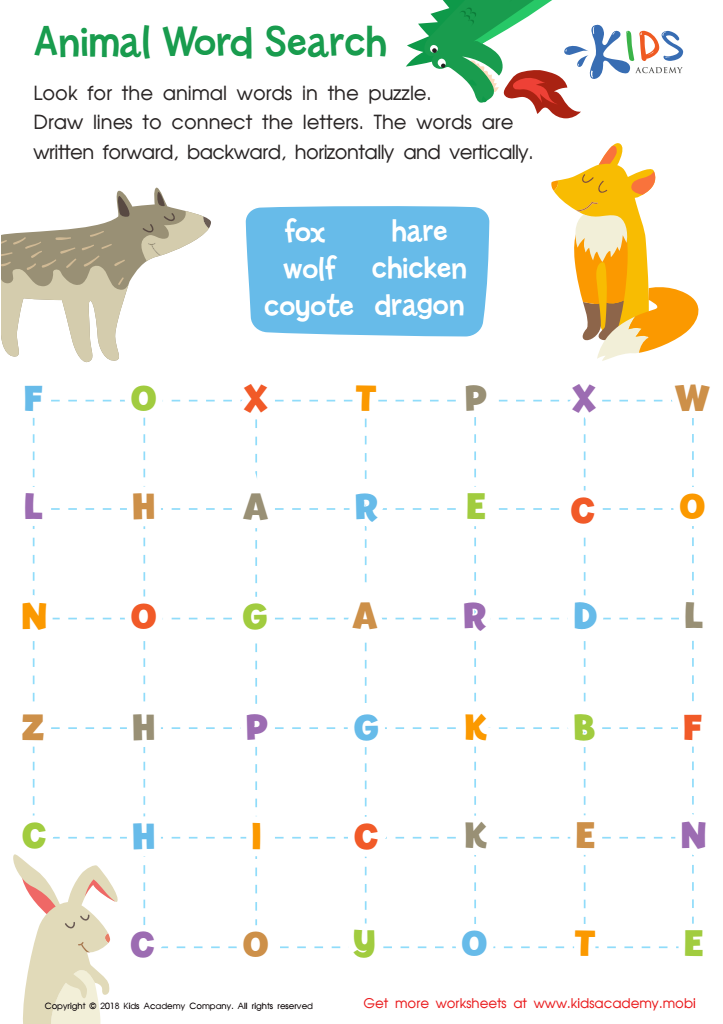
Animal Word Search Worksheet
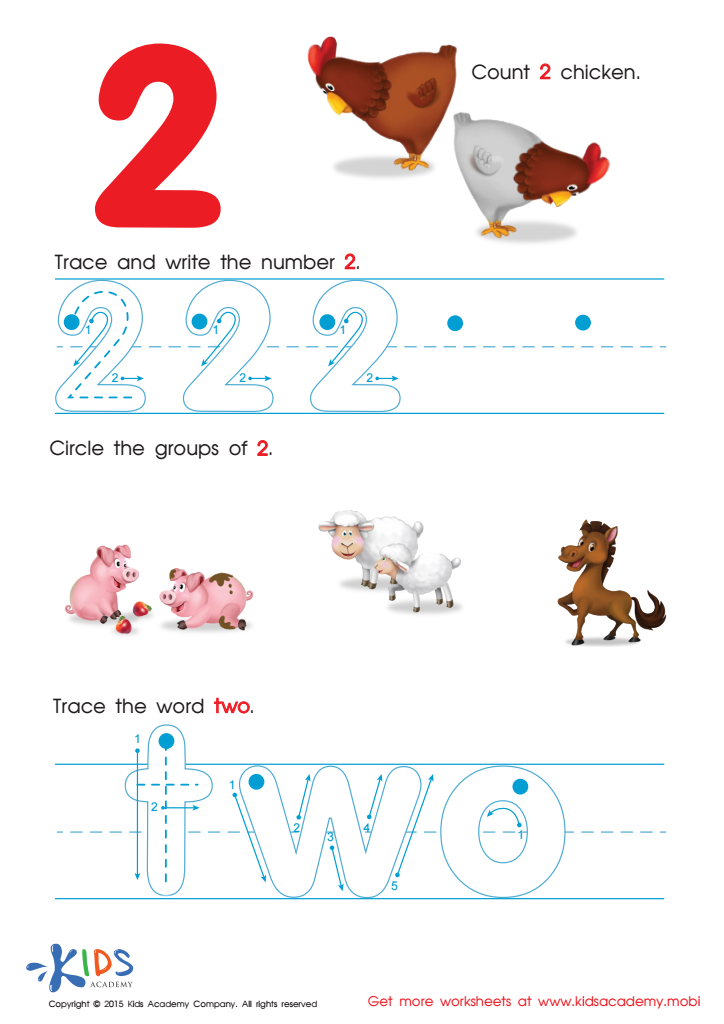
Learn to Write the Number 2 Worksheet








Understanding cognitive development norms for 8-year-olds is crucial for parents and teachers as it directly impacts a child's learning and overall well-being. At this age, children typically begin to think more abstractly and critically. They can understand complex ideas, solve problems, and articulate their thoughts more effectively. Recognizing these milestones allows adults to better support and nurture a child's growth.
Parents and teachers should care because identifying age-appropriate cognitive skills can help identify any potential learning difficulties or delays early on. If a child is struggling, timely interventions can be employed, ensuring the child receives the support they need. Moreover, fostering an environment that encourages curiosity and critical thinking aligns with the child's developmental stage, promoting a love for learning.
Additionally, understanding cognitive norms informs effective communication and engagement strategies, enabling adults to connect with children on their level. By cultivating an enriching learning atmosphere that challenges students without overwhelming them, caregivers can build confidence and resilience. Overall, awareness of cognitive development ensures that children reach their full potential academically and socially, equipping them for future educational endeavors and life skills. It empowers parents and teachers to guide children effectively through this pivotal stage of growth.








