Enhancing critical thinking Normal Worksheets for 8-Year-Olds
5 filtered results
-
From - To
Enhance your 8-year-old's critical thinking skills with our engaging and interactive worksheets! Designed specifically for young learners, these normal worksheets encourage creativity and analytical thinking through a variety of fun exercises. Kids will explore problem-solving techniques, develop reasoning abilities, and strengthen their comprehension through exciting activities tailored to their age and learning level. Perfect for both classroom and home use, our worksheets are an excellent resource for parents and educators aiming to foster independent thinking in their children. Download now to inspire curiosity and equip your child with essential skills for their academic journey!
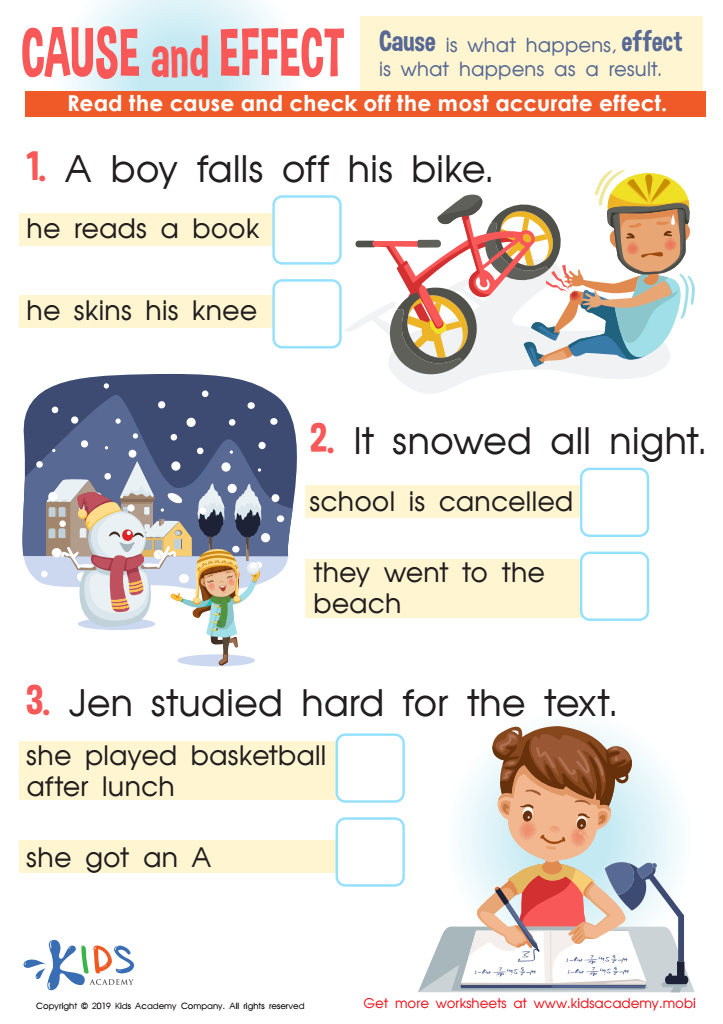
Cause And Effect Worksheet
 Assign to My Students
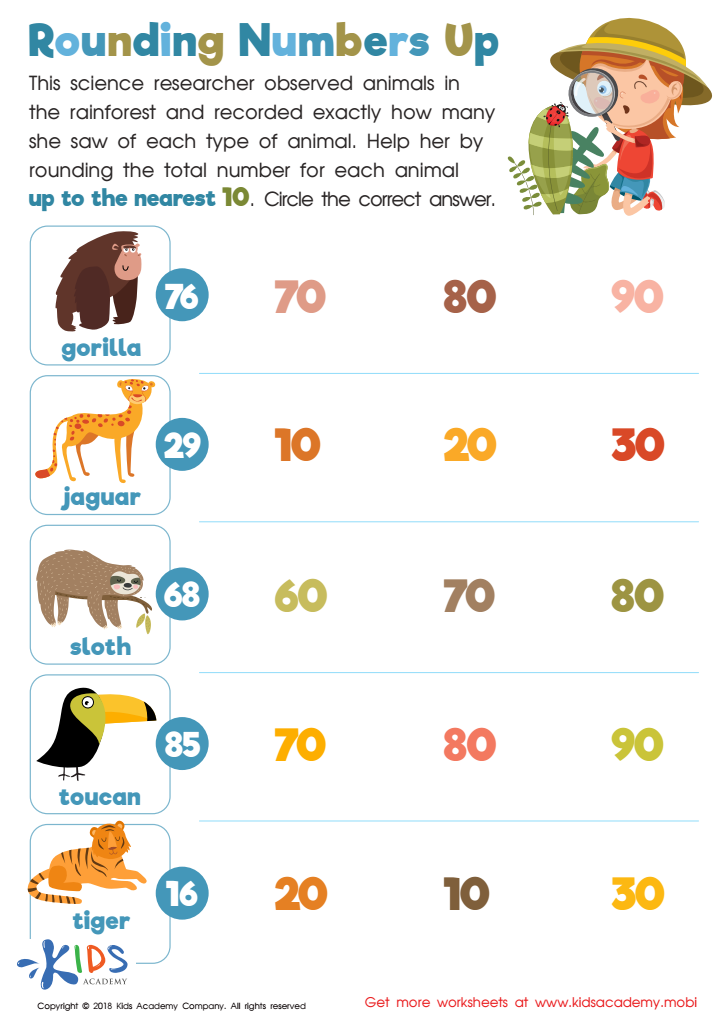
Rounding Numbers Up Worksheet
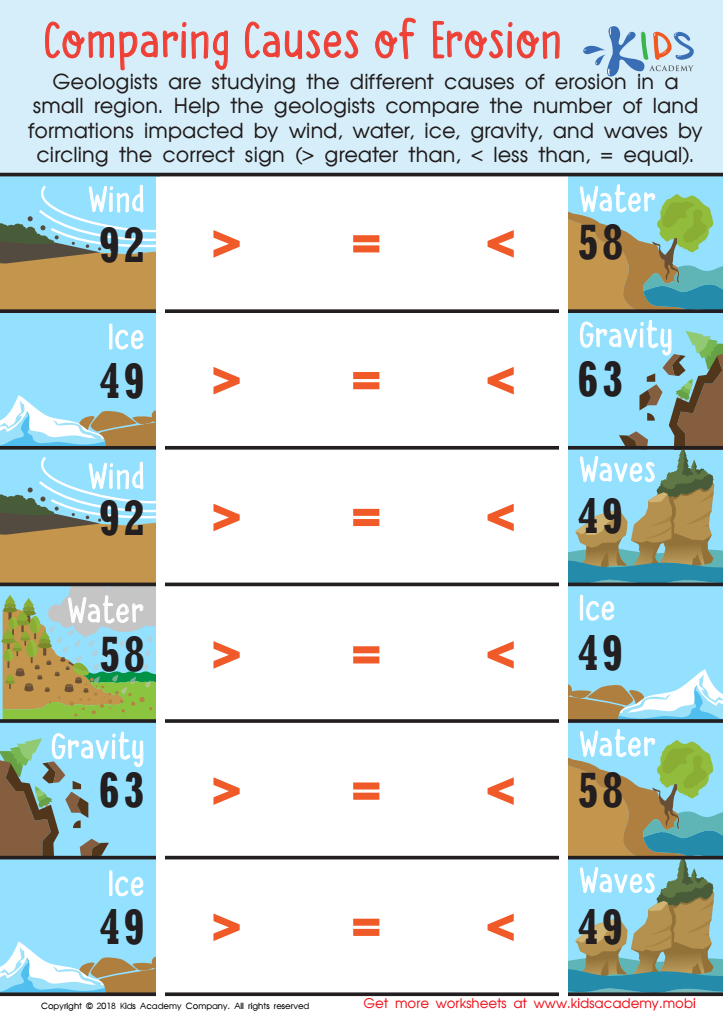
Comparing Causes of Erosion Worksheet
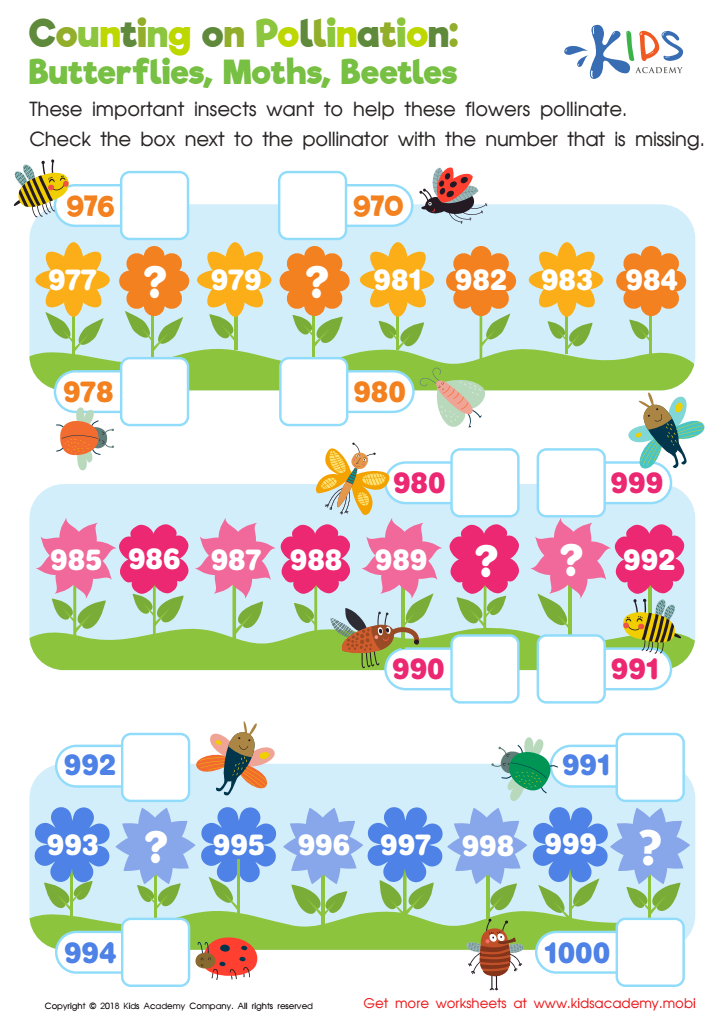
Counting on Pollination: Butterflies, Moths, Beetles Worksheet
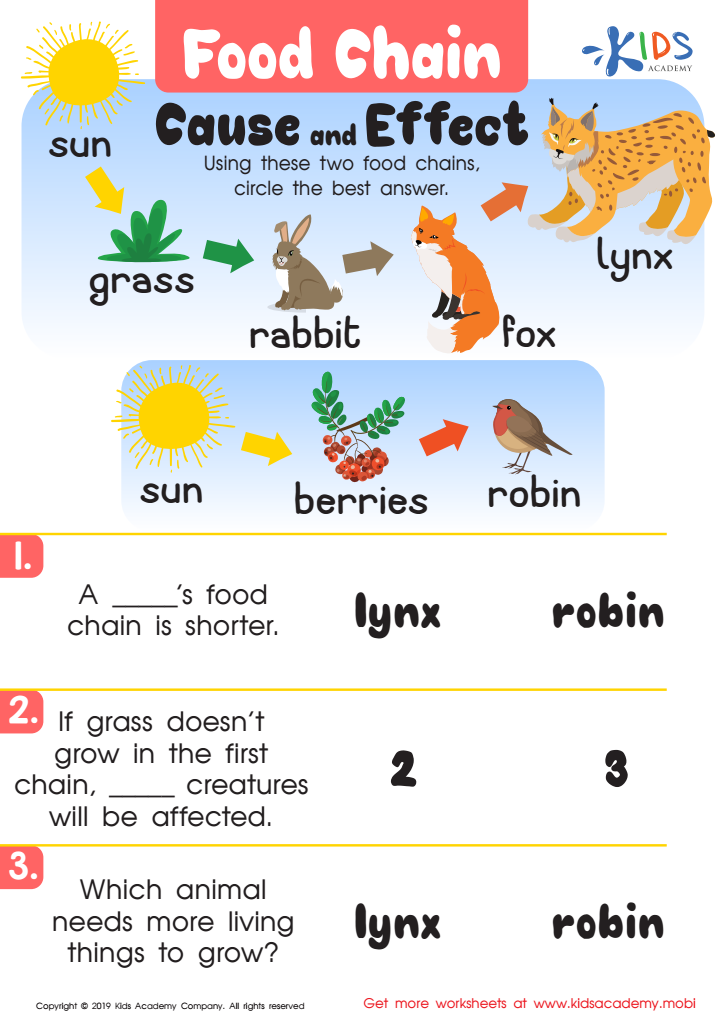
Food Chain Cause Worksheet







Enhancing critical thinking in 8-year-olds is crucial for their cognitive development and future success. At this age, children begin to form opinions, analyze information, and engage in problem-solving, skills that are essential in today’s complex world. When parents and teachers prioritize critical thinking, they are not just focusing on academic achievement but are also fostering independence and confidence in their children.
Critical thinking enables children to evaluate different sources of information, form their own ideas, and make informed decisions. This helps them develop resilience against misinformation and the ability to navigate challenges. Moreover, encouraging critical thinking promotes curiosity and a love for learning, allowing children to explore concepts deeply and creatively.
Additionally, critical thinking skills lay the foundation for effective collaboration and communication. As children learn to express their thoughts and question circumstances, they become better equipped to engage with peers and adults alike, enhancing their social interactions.
In today’s fast-paced and information-saturated environment, the ability to think critically is not just a bonus; it is a necessity. By nurturing these skills early on, parents and teachers empower children to become thoughtful and proactive citizens who can contribute meaningfully to society.








