Logical thinking Normal Worksheets for 8-Year-Olds
7 filtered results
-
From - To
Discover our engaging Normal Worksheets designed to boost logical thinking skills for 8-year-olds. These worksheets provide a fun and interactive approach to help children sharpen their problem-solving abilities and enhance critical thinking through puzzles, pattern recognition, and reasoning exercises. Tailored to capture young learners' interest, our resources promote cognitive development while aligning with educational standards. Each worksheet is crafted to encourage independent thinking and creativity, making learning enjoyable. Perfect for teachers or parents, these Logical Thinking Worksheets offer a comprehensive way to reinforce important skills in a playful and effective manner. Start your child's journey to logical mastery today!
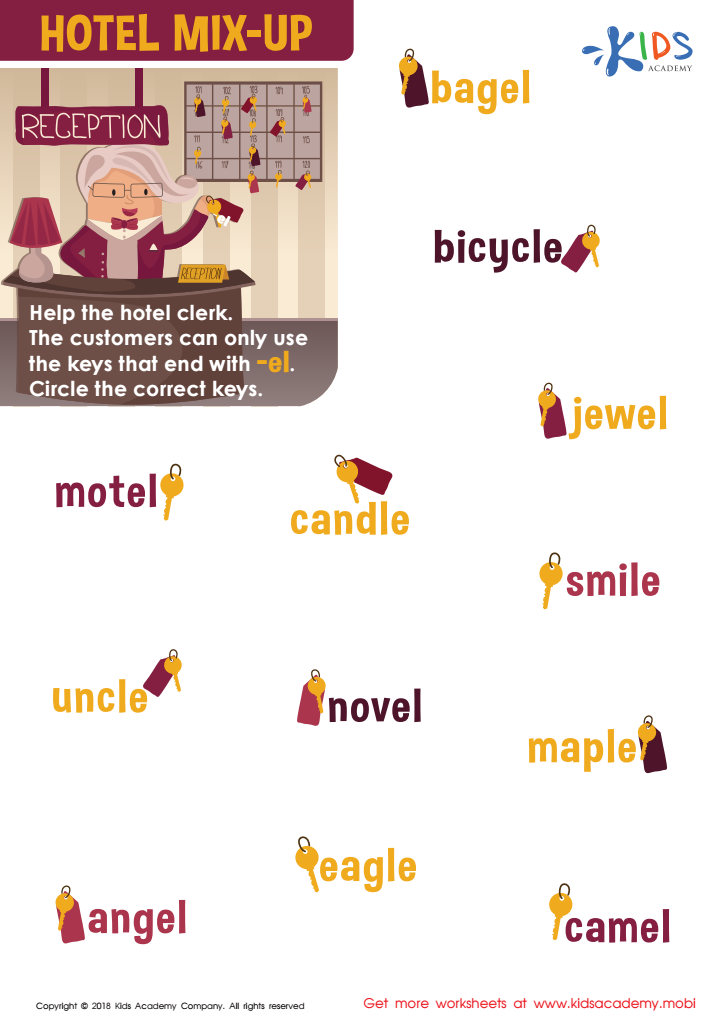
Hotel Mix-up Worksheet
 Assign to My Students
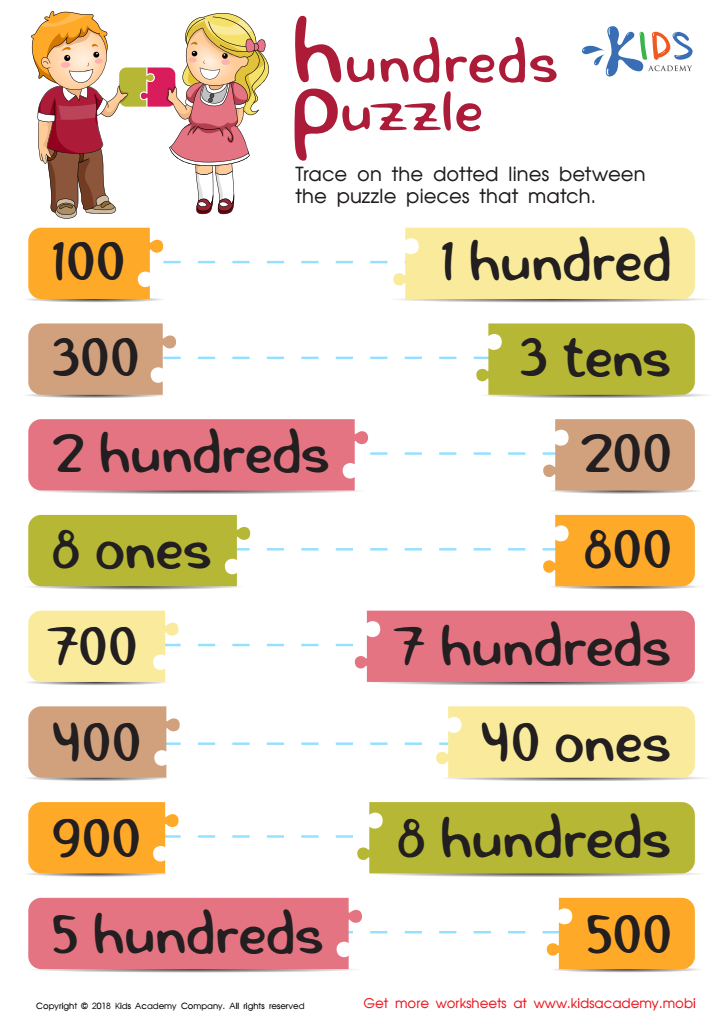
Hundreds Puzzle Worksheet

The Dog and His Bone Worksheet
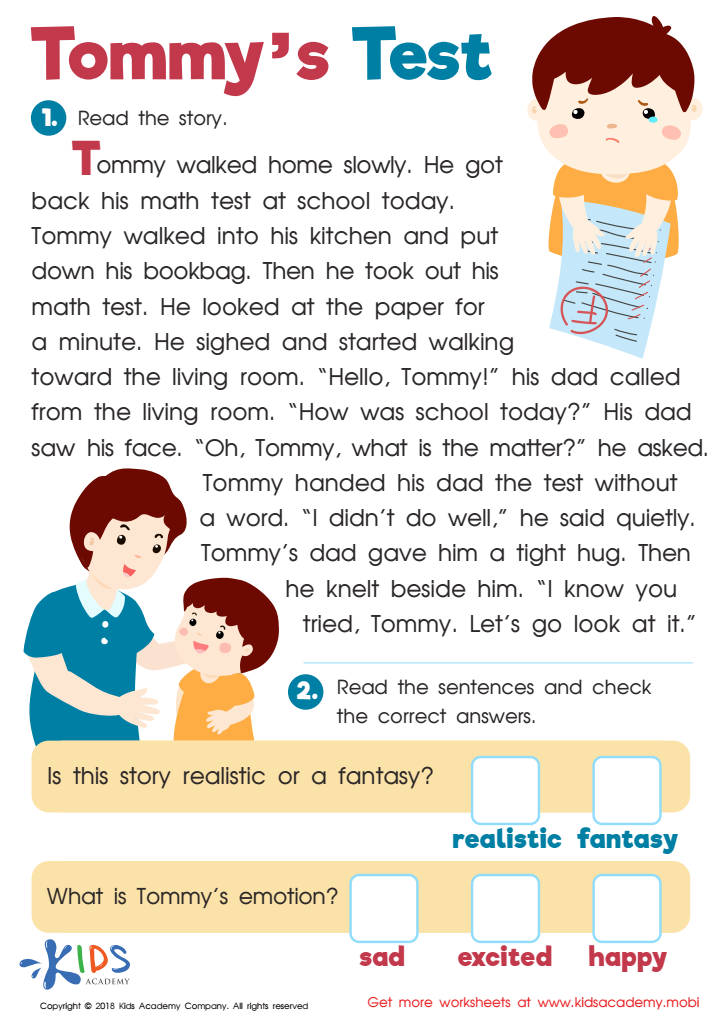
Tommys Test Worksheet
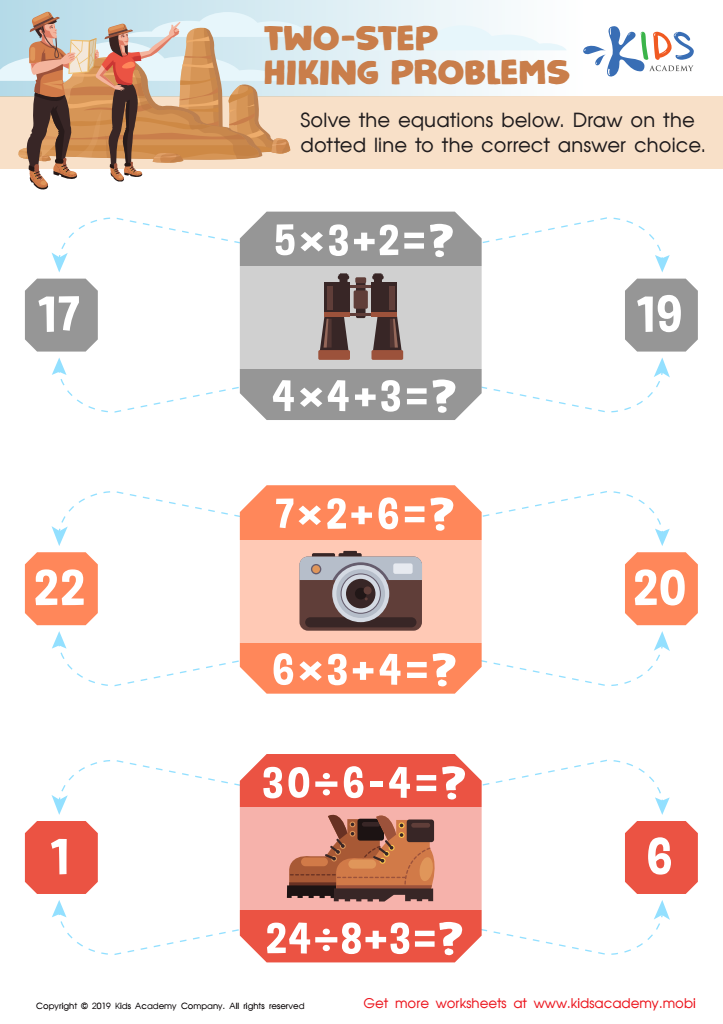
Two-Step Hiking Problems Worksheet
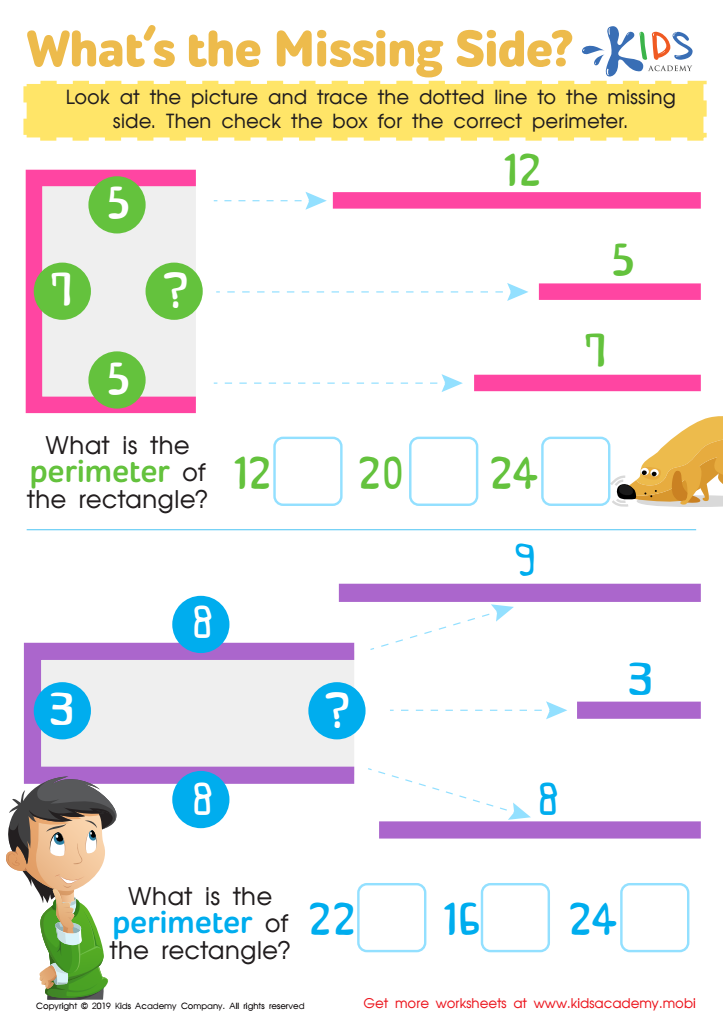
What's the Missing Side Worksheet
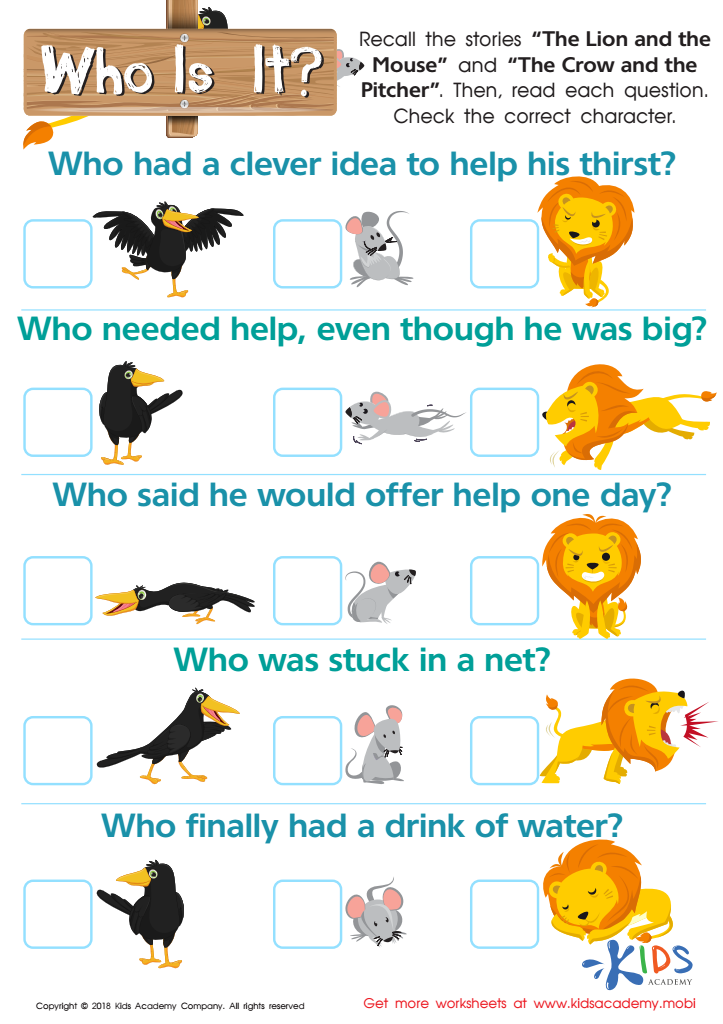
Who Is It? Worksheet







Logical thinking is crucial for 8-year-olds as it lays the foundation for problem-solving and critical analysis. Parents and teachers should care about promoting logical thinking skills because these abilities are essential for success not only in academic settings but also in everyday life.
At this developmental stage, children begin to think abstractly and make connections between ideas. By nurturing logical reasoning, they become adept at understanding complex concepts, solving math problems, and making informed decisions. This enhances their ability to analyze situations, as they learn to evaluate evidence, identify patterns, and forecast outcomes.
Moreover, logical thinking fosters confidence and independence, empowering children to tackle challenges on their own. This skill is directly linked to academic performance, as well-thought-out reasoning enables children to navigate their studies more effectively, leading to a greater engagement in learning.
Furthermore, logical thinking contributes to better communication skills. As children organize their thoughts logically, they express their ideas more clearly, which is vital for collaboration and effective social interactions.
In summary, supporting logical thinking in 8-year-olds equips them with essential skills for lifelong success—academically, personally, and socially. Parents and teachers should prioritize this developmental aspect to create a strong foundation for their future.








