Handwriting practice Normal Worksheets - Page 2
63 filtered results
-
From - To
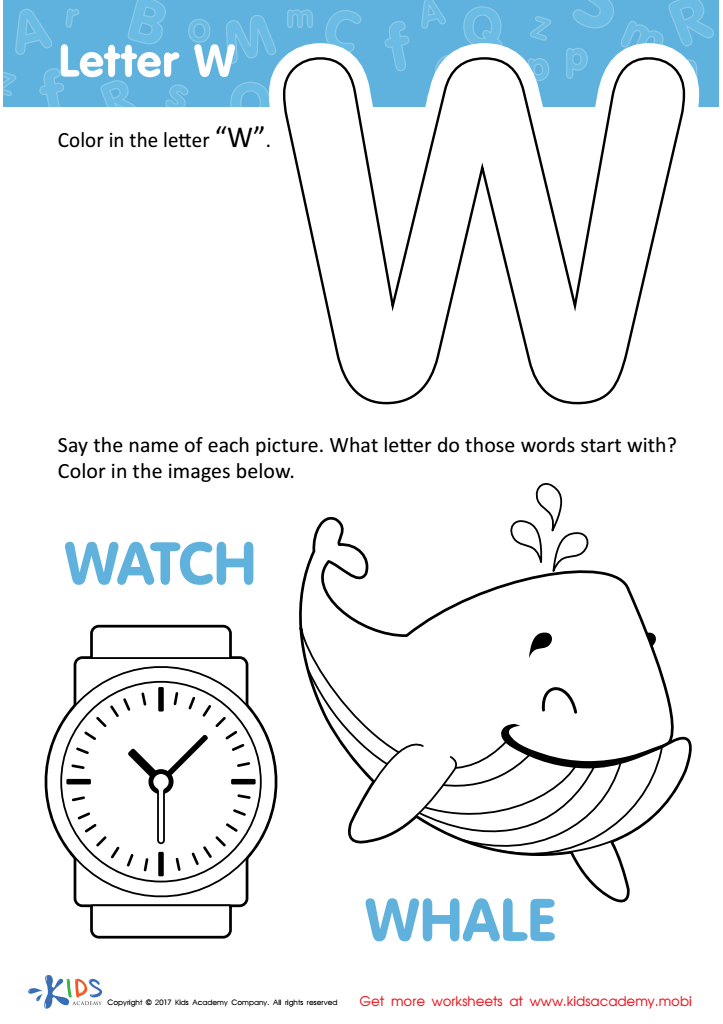
Letter W Coloring Sheet
 Assign to My Students
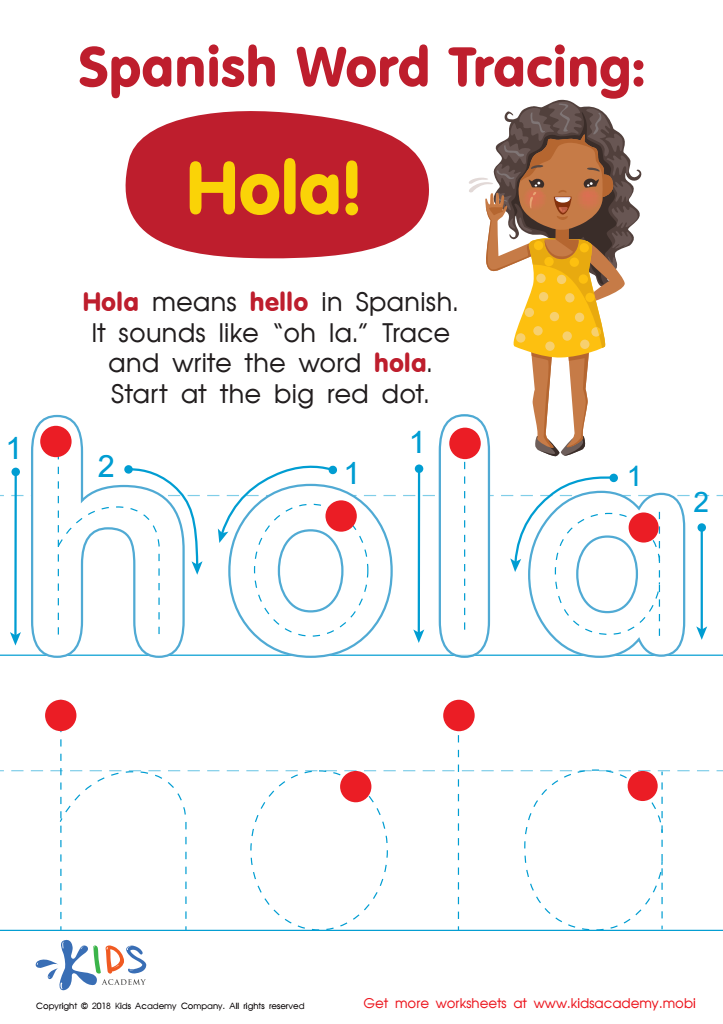
Spanish Word Tracing: Hola Worksheet
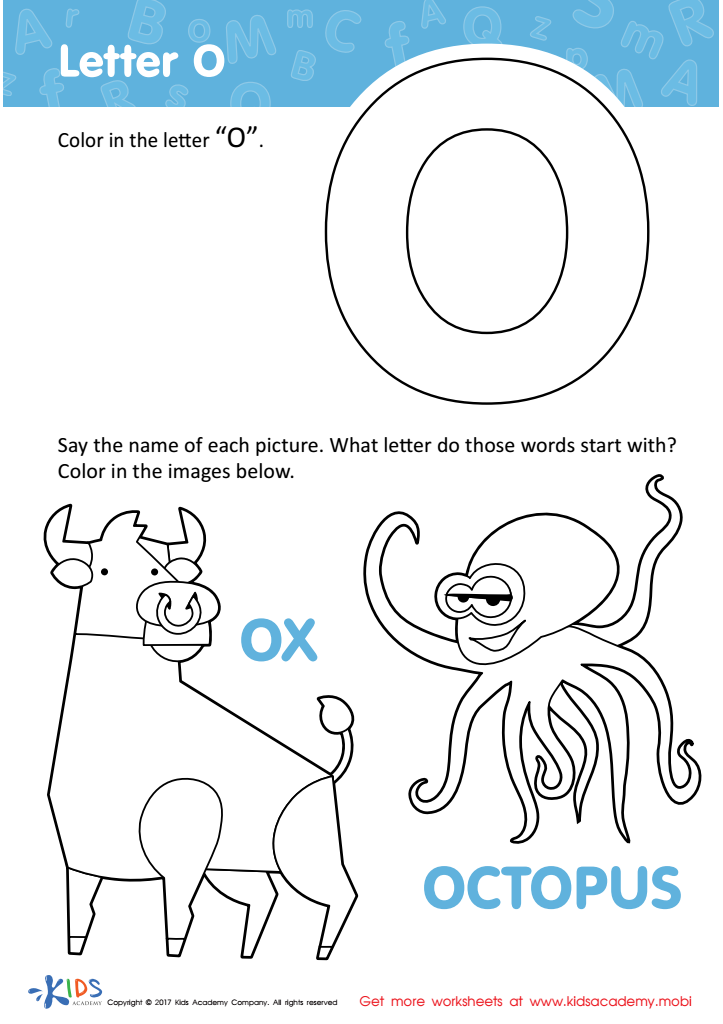
Letter O Coloring Sheet
Assign to My Students
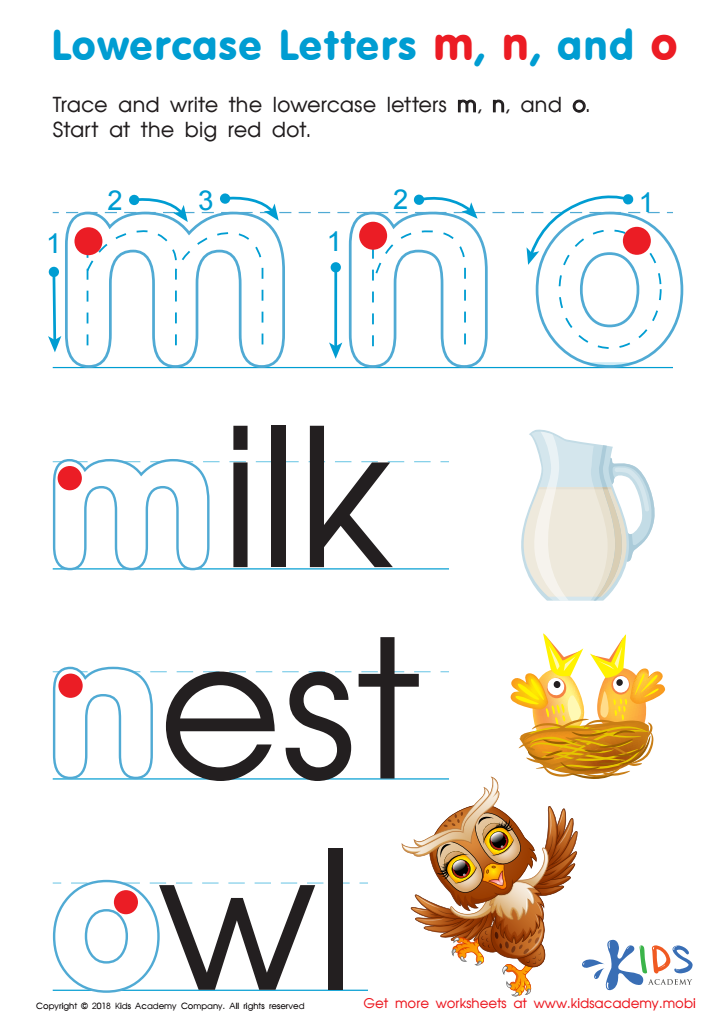
Lowercase Letters m n o Worksheet
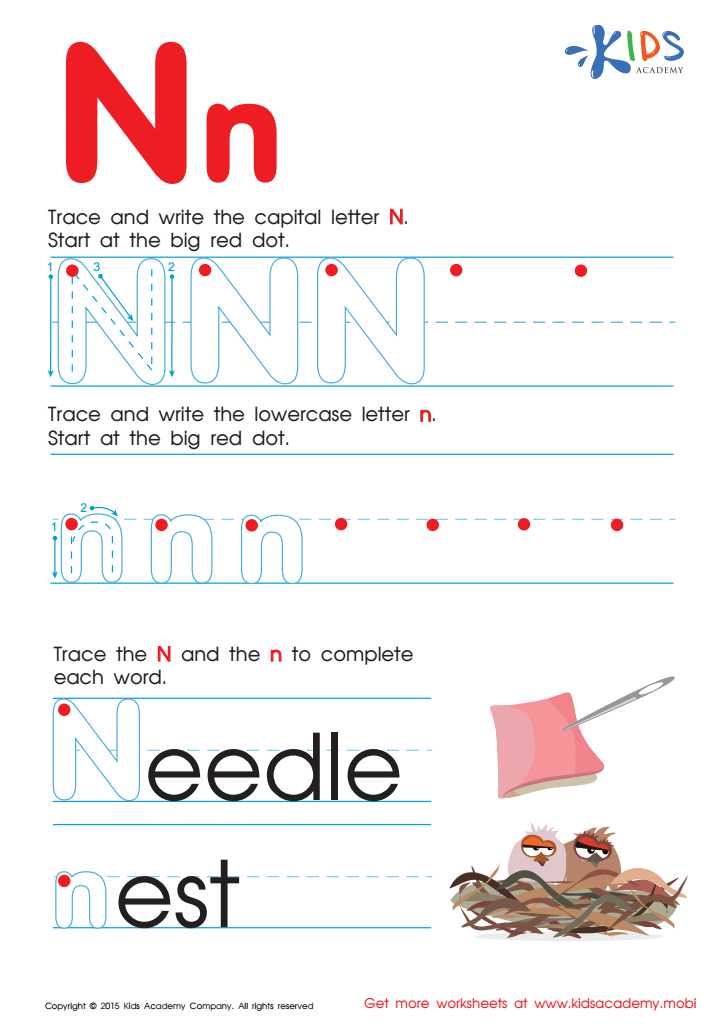
Letter N Tracing Page
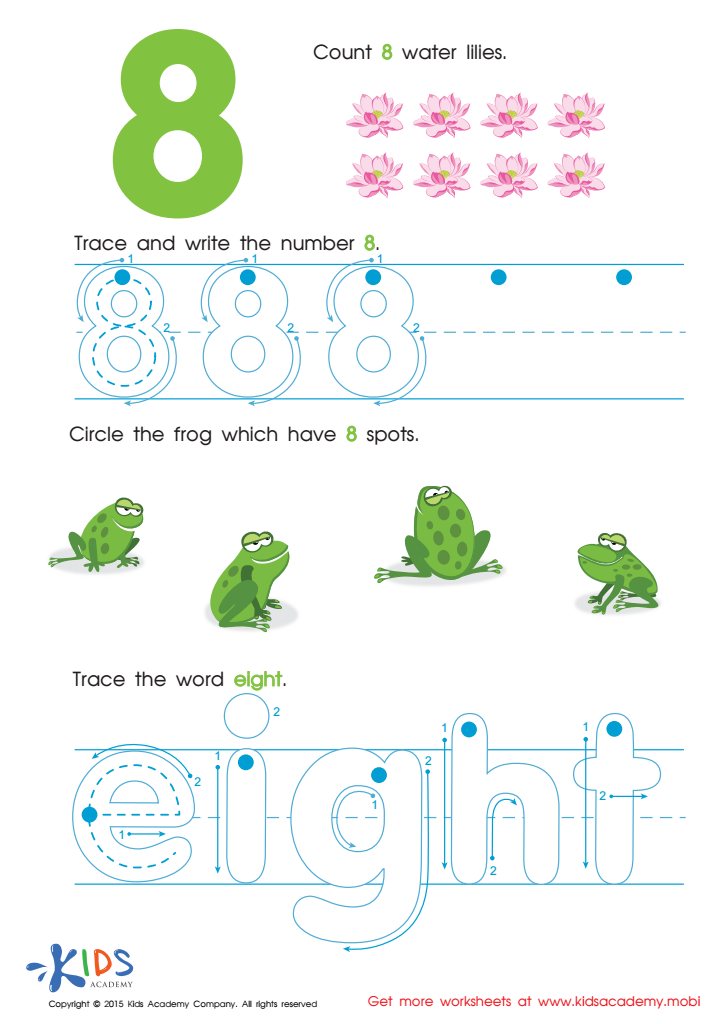
Learn Number 8 Easily Worksheet
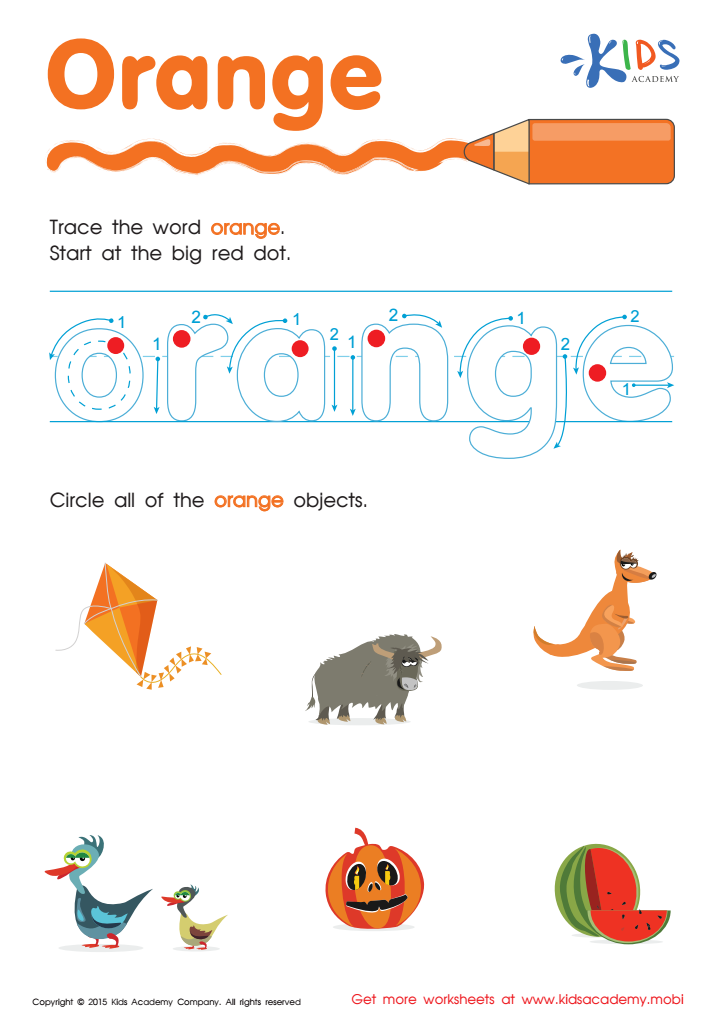
Orange Tracing Color Words Worksheet
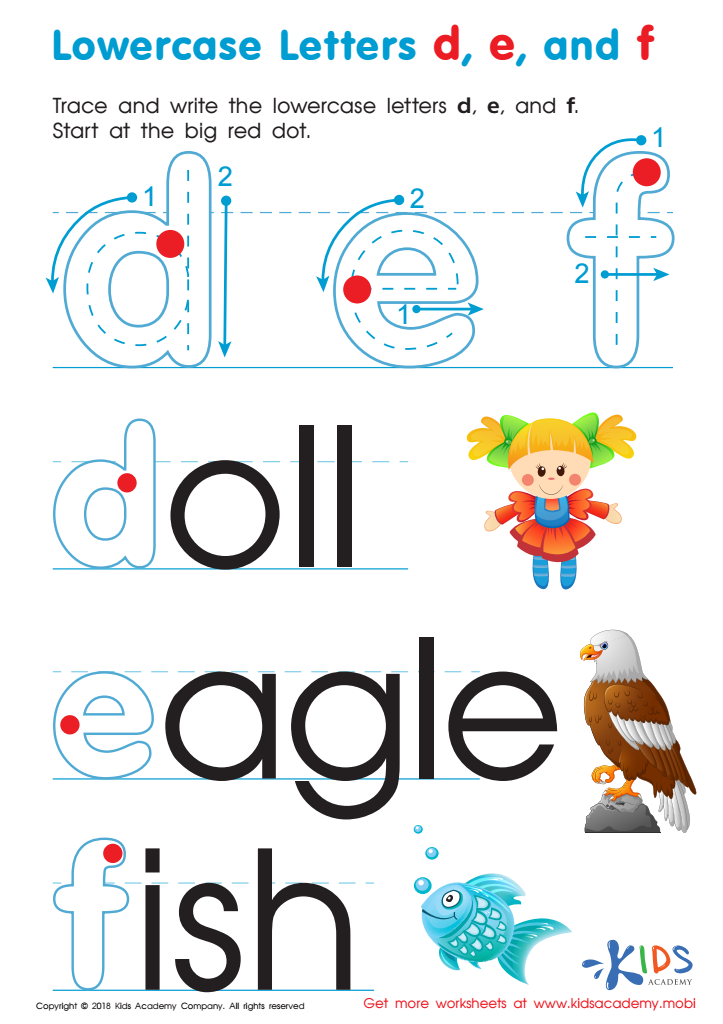
Lowercase Letters d e f Worksheet

Grey Tracing Color Words Worksheet
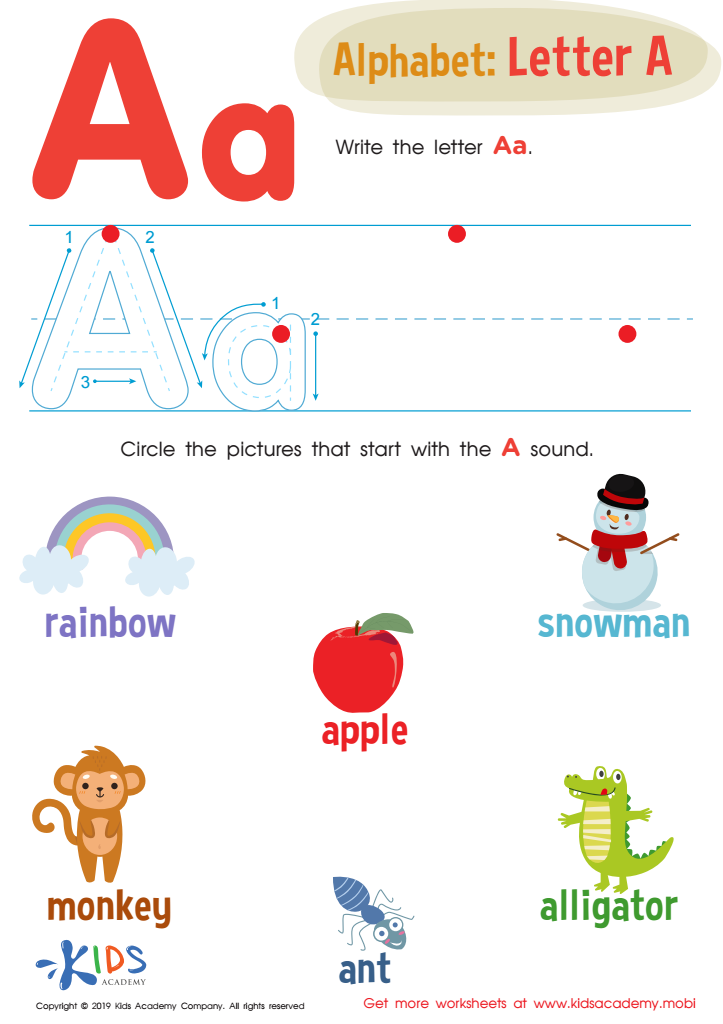
Letter A Tracing Worksheet
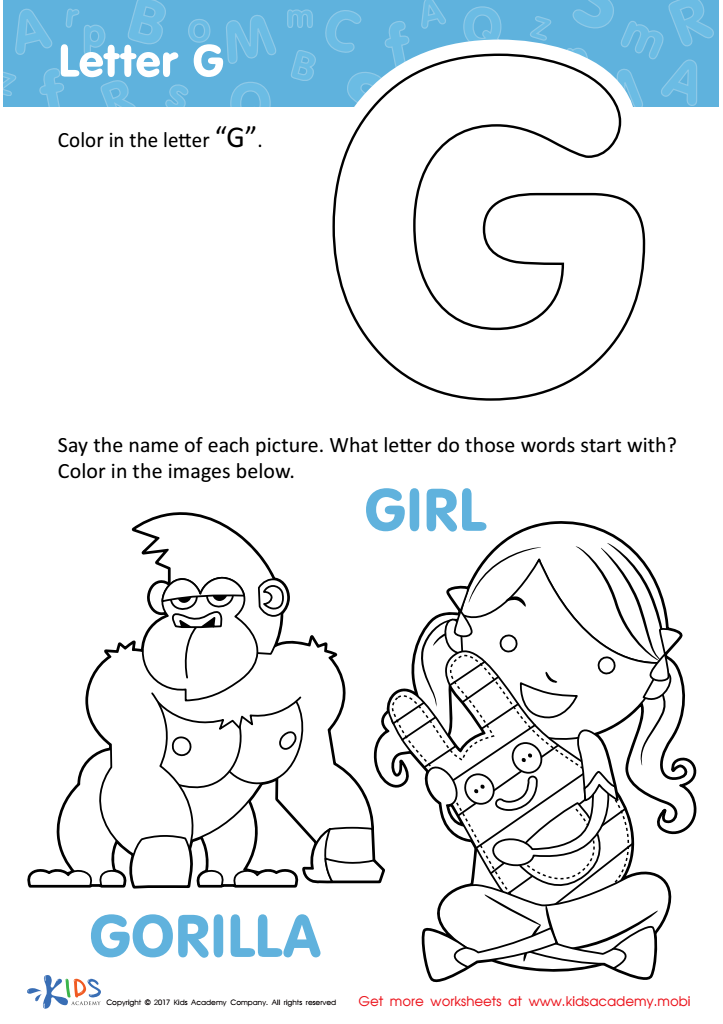
Letter G Coloring Sheet
Assign to My Students

Green Tracing Color Words Worksheet
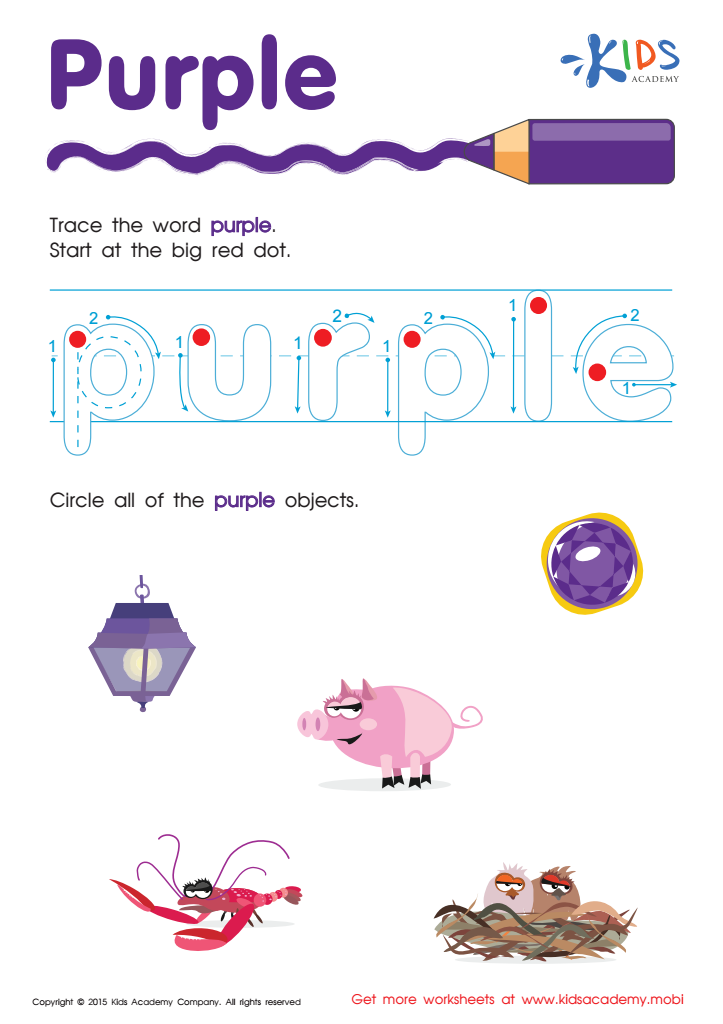
Purple Tracing Color Words Worksheet
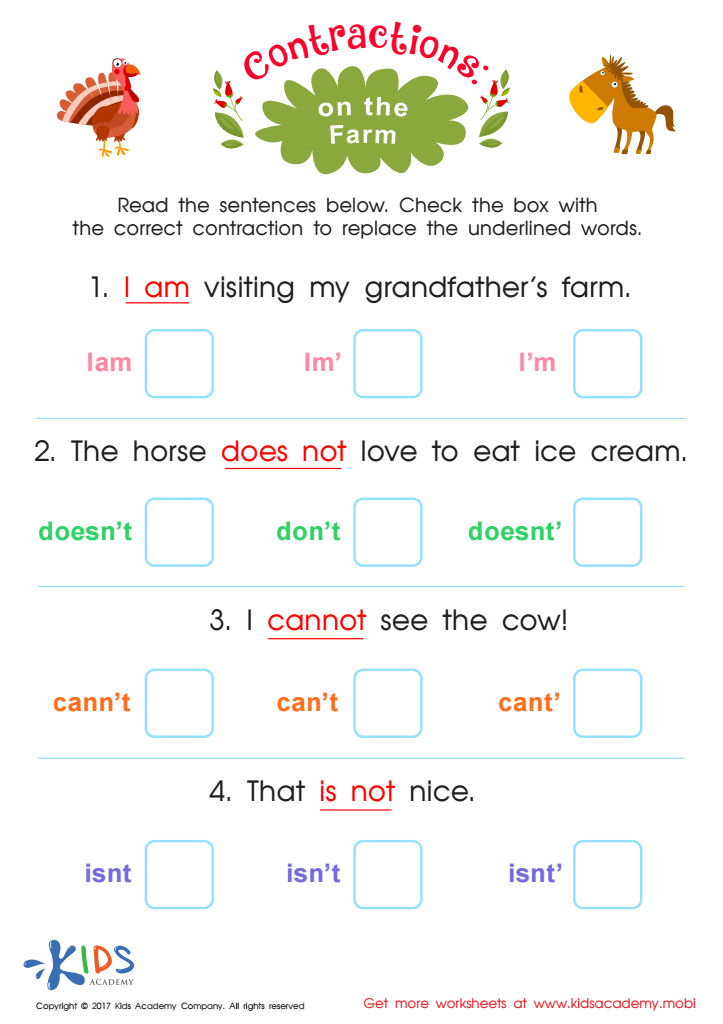
Contractions: On the Farm Printable
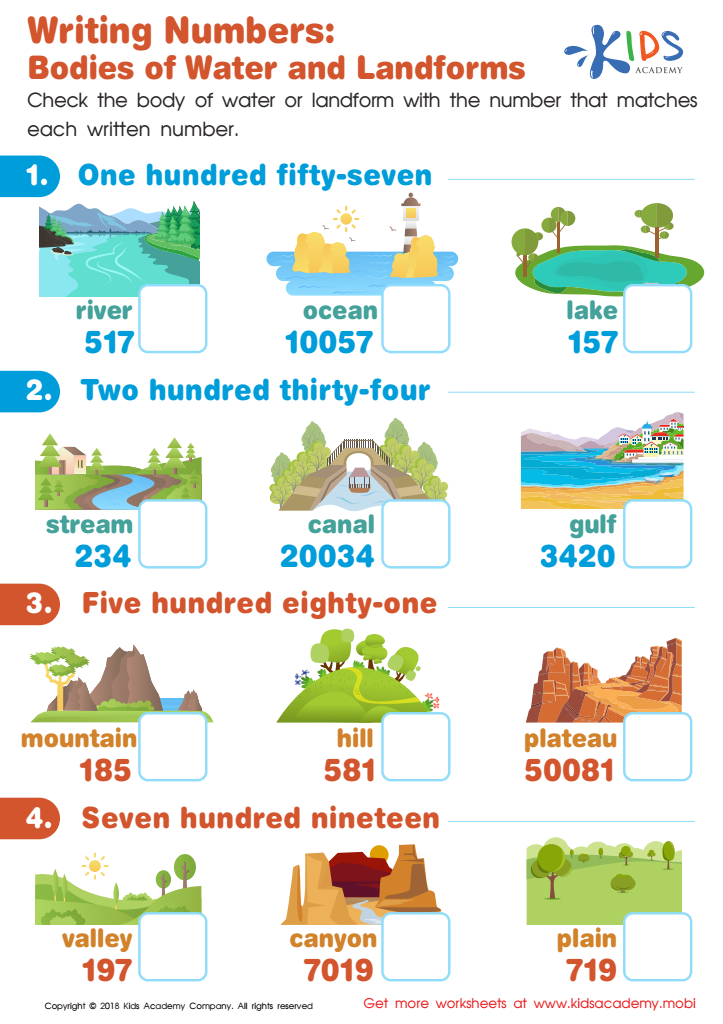
Bodies of Water and Landforms Writing Numbers Worksheet
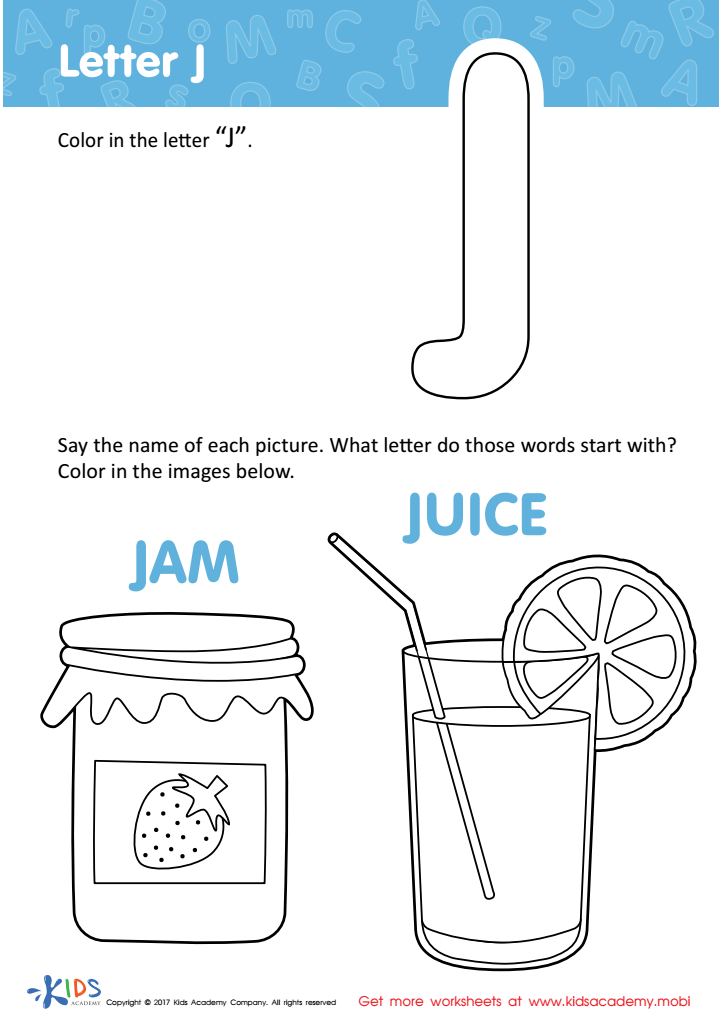
Letter J Coloring Sheet
Assign to My Students
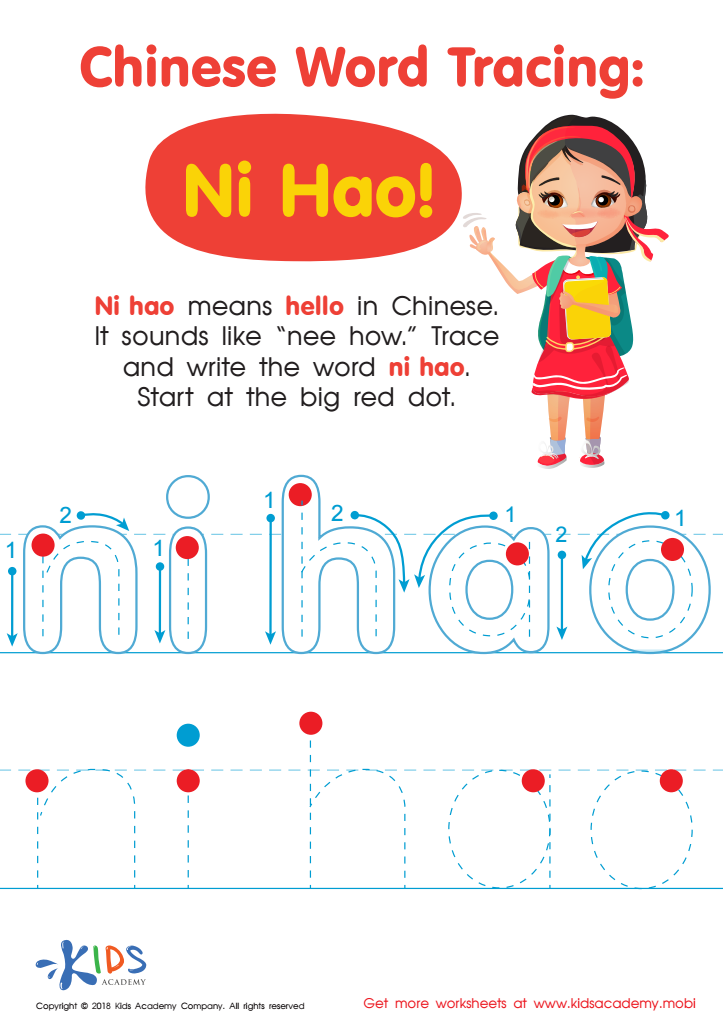
Chinese Word Tracing: Ni Hao Worksheet
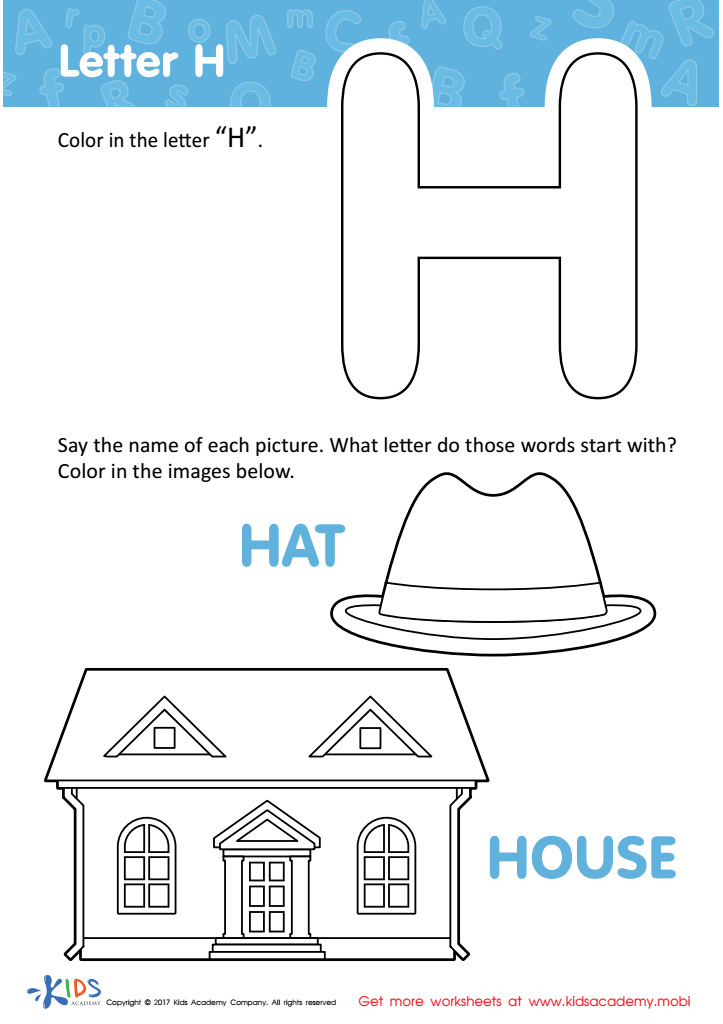
Letter H Coloring Sheet
Assign to My Students
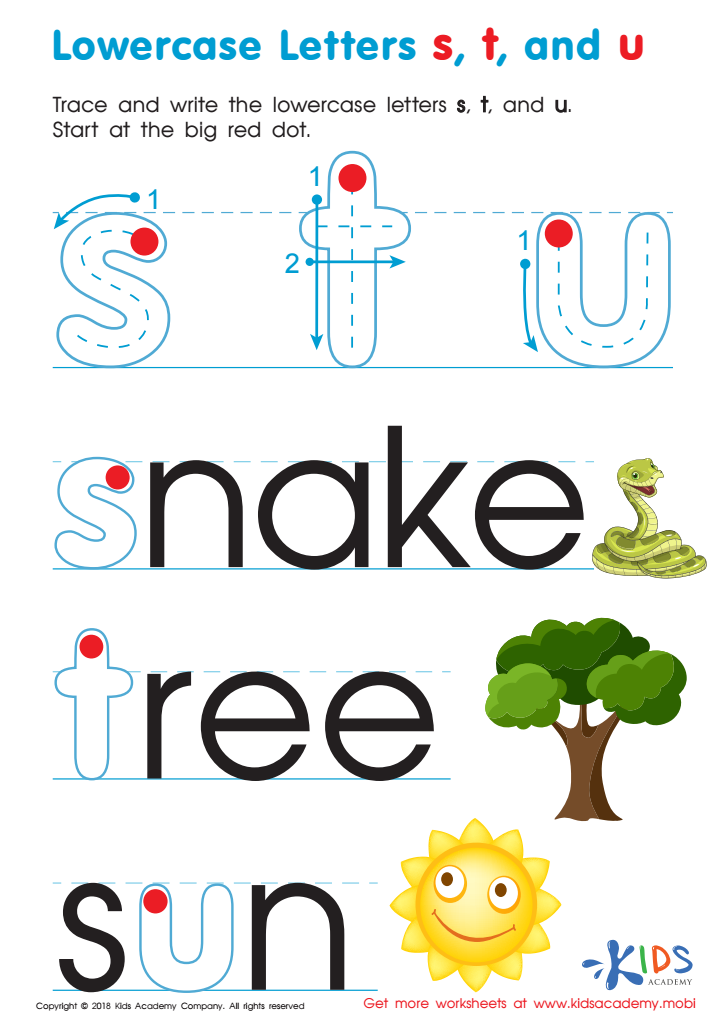
Lowercase Letters s t u Worksheet
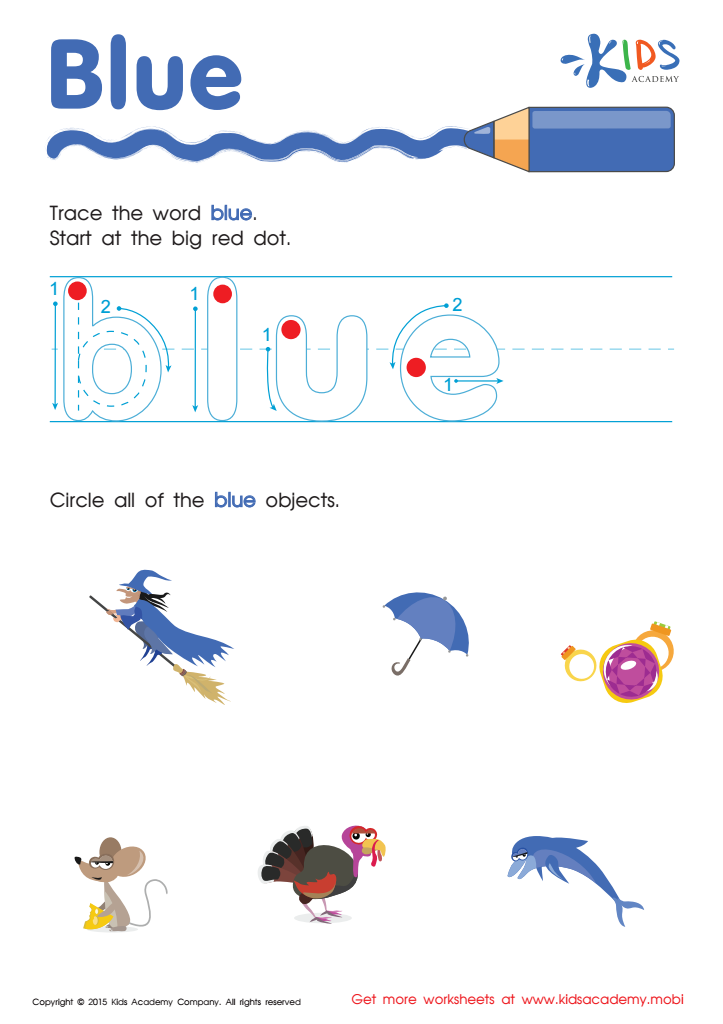
Blue Tracing Color Words Printable
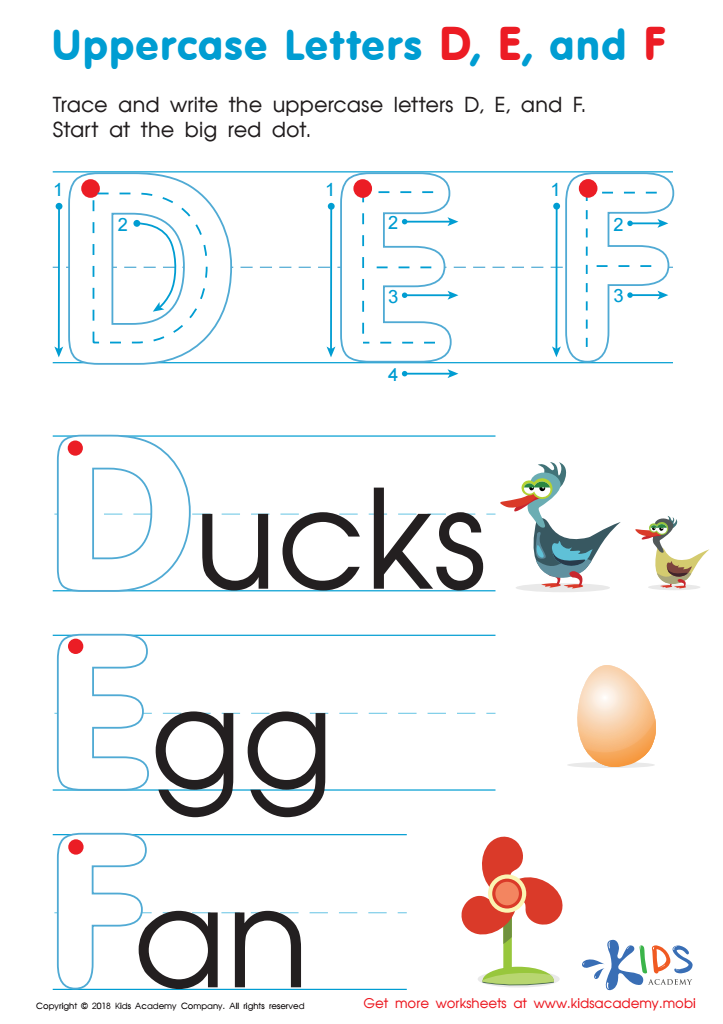
Uppercase Letters D, E, and F Worksheet
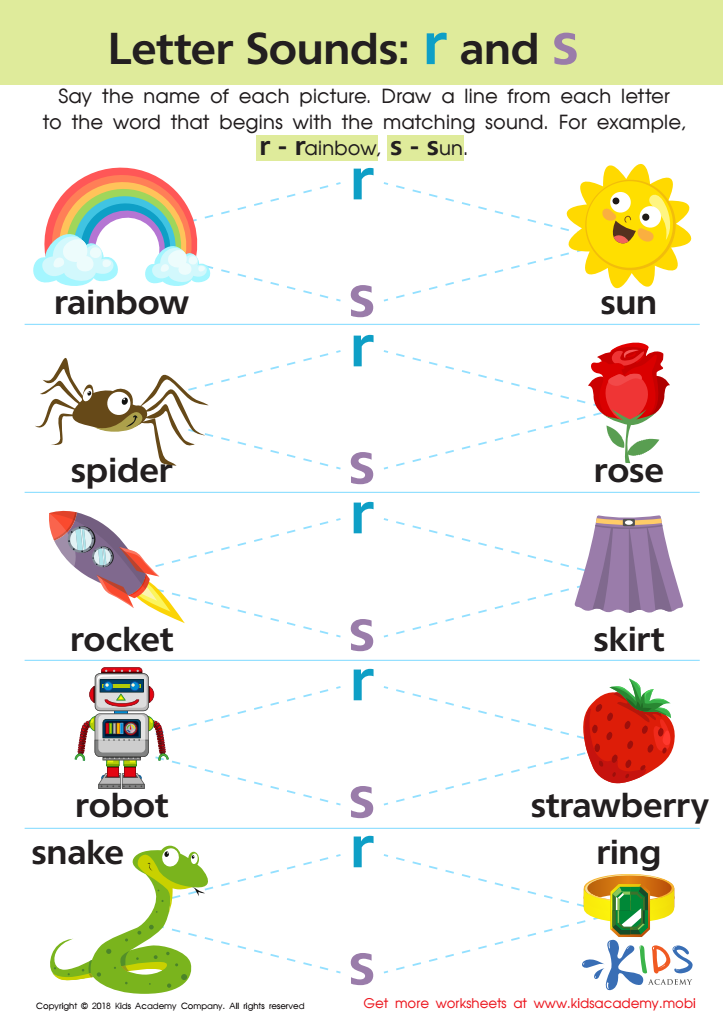
Letter R and S Sounds Worksheet

Brown Tracing Color Words Worksheet
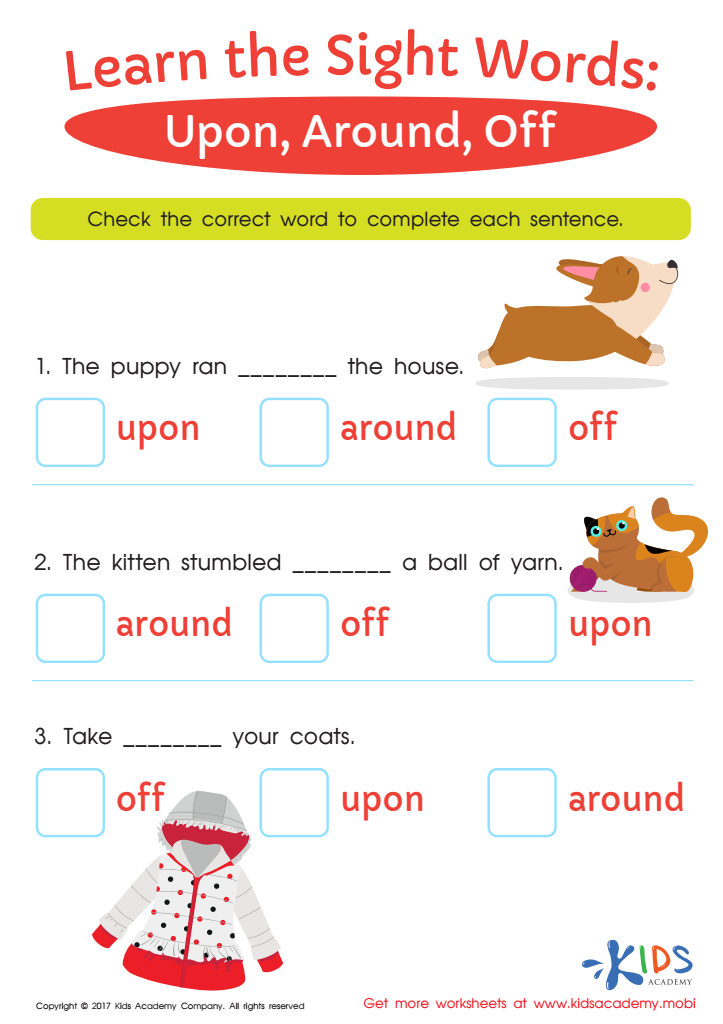
Upon, Around, Off Sight Words Worksheet





.jpg)


Handwriting practice is essential for both children’s development and academic success, making it important for parents and teachers to prioritize it. Firstly, handwriting fosters fine motor skills and hand-eye coordination, crucial developmental components in early childhood. As children practice writing letters and words, they improve dexterity and control, laying the groundwork for future tasks like typing and self-care activities.
Additionally, the cognitive benefits of handwriting are significant. Studies suggest that writing by hand enhances memory retention and understanding of material, as the process engages different brain functions compared to typing. This can lead to improved literacy skills and better performance in reading and comprehension.
Moreover, neat handwriting fosters a sense of pride and ownership in one’s work. Children are likely to take greater care in their written assignments, boosting their confidence and self-esteem. In an educational setting, clear handwriting aids teachers in evaluating student work more effectively, which can drive targeted support and intervention when necessary.
Ultimately, consistent handwriting practice contributes to a student’s overall learning experience and prepares them for a wide range of communication tasks in life. For these reasons, parents and teachers should actively support and encourage handwriting practice in young learners.








