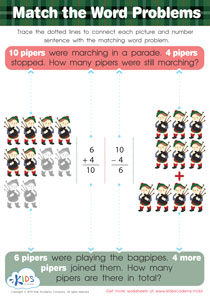
Number Recognition Normal Addition Worksheets
19 filtered results
-
From - To
Enhance your child's math foundations with our Number Recognition Normal Addition Worksheets! Designed for early learners, these engaging worksheets focus on developing essential number recognition skills while introducing the basics of addition. Each activity is thoughtfully crafted to help kids understand numbers, build familiarity, and confidently tackle simple addition problems. With vibrant illustrations and interactive formats, these worksheets make learning math fun and effective. Explore a variety of exercises that promote cognitive growth and problem-solving skills, ensuring a solid mathematical foundation. Perfect for classroom use or at-home practice, our resources offer a playful approach to mastering numbers through enjoyable addition activities!
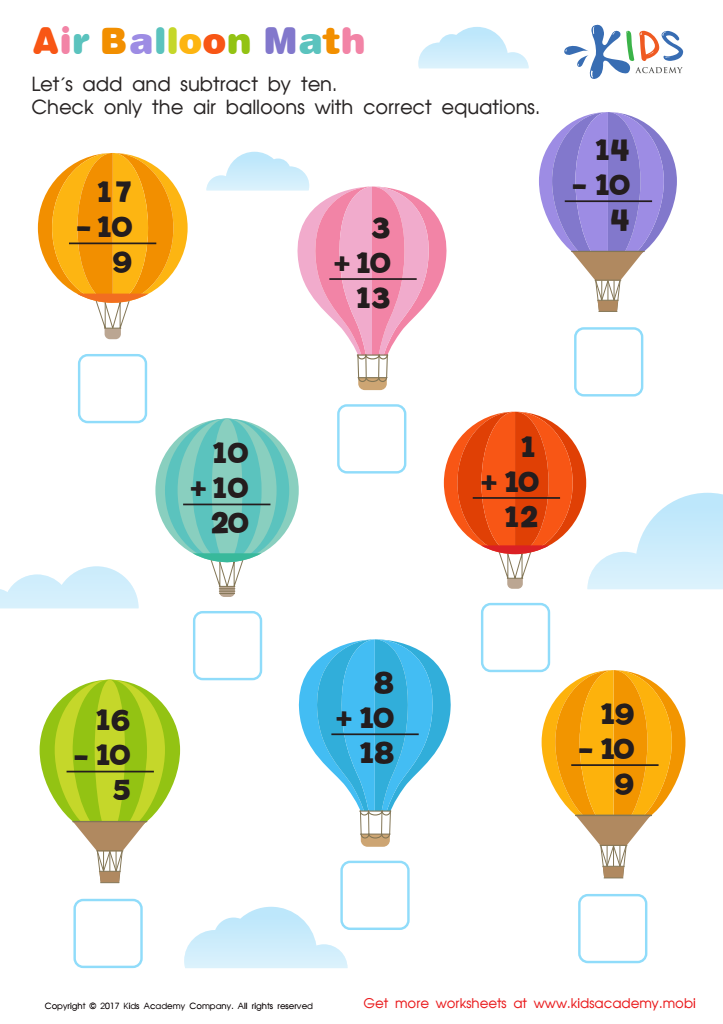
Air Balloon Math Worksheet
 Assign to My Students
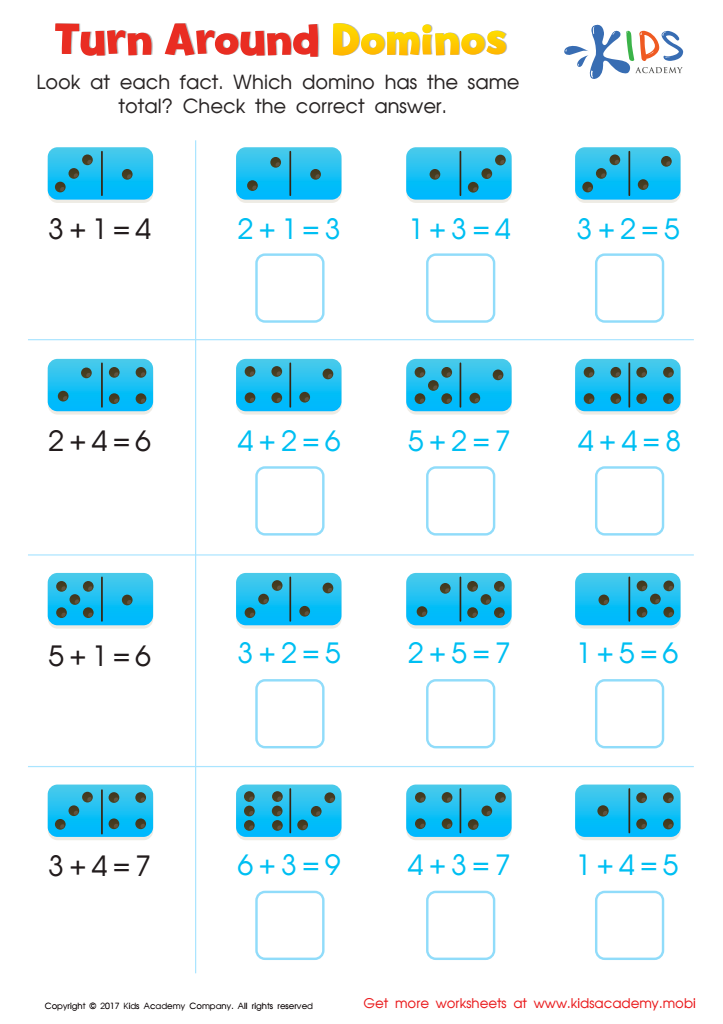
Turn Around Dominos Worksheet
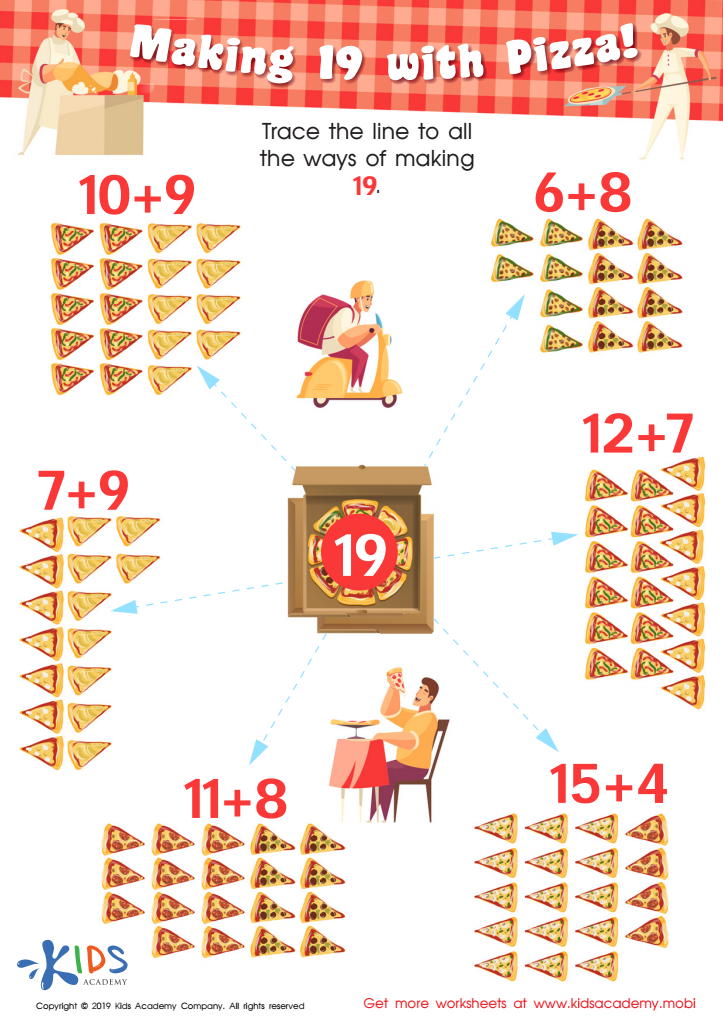
Making 19 with Pizza! Worksheet
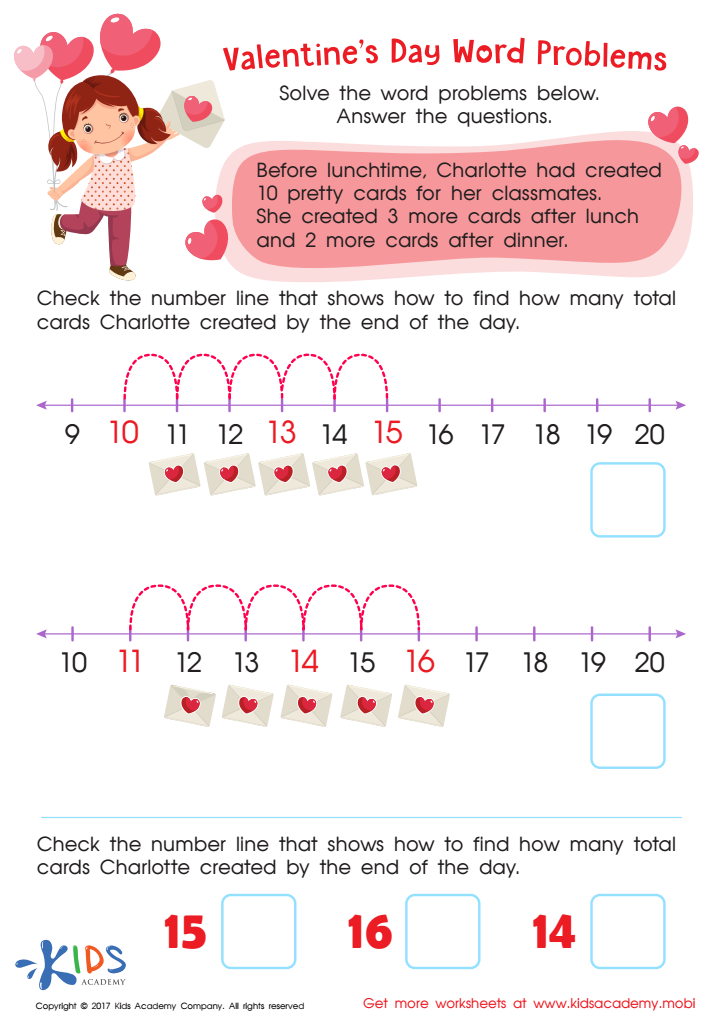
Valentines Day Word Problem Worksheet
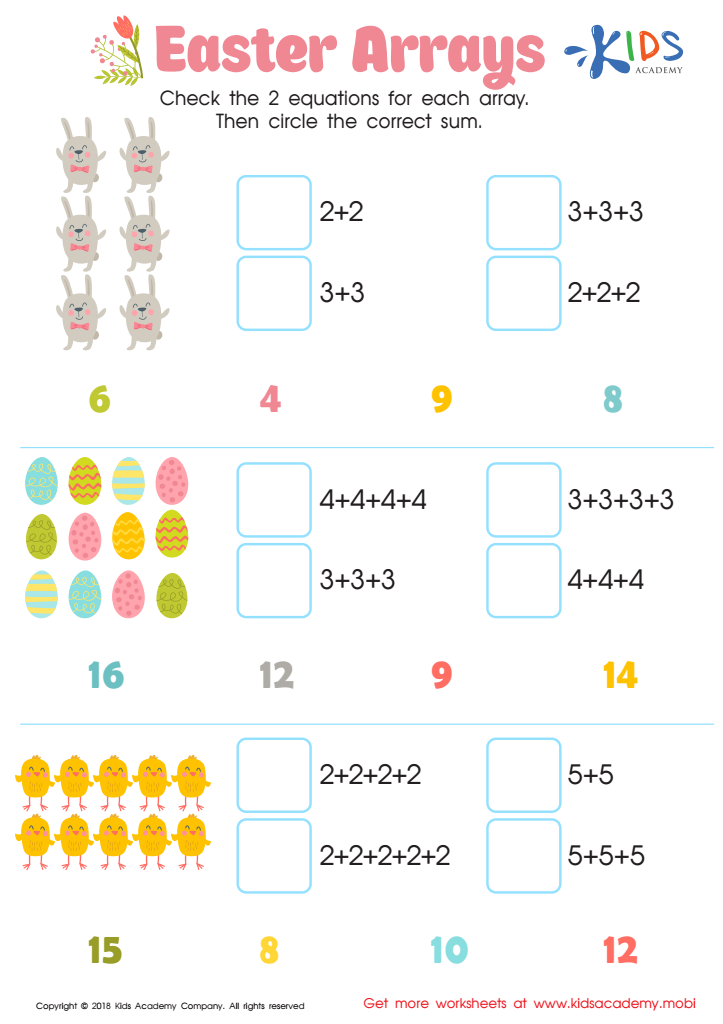
Easter Arrays Worksheet
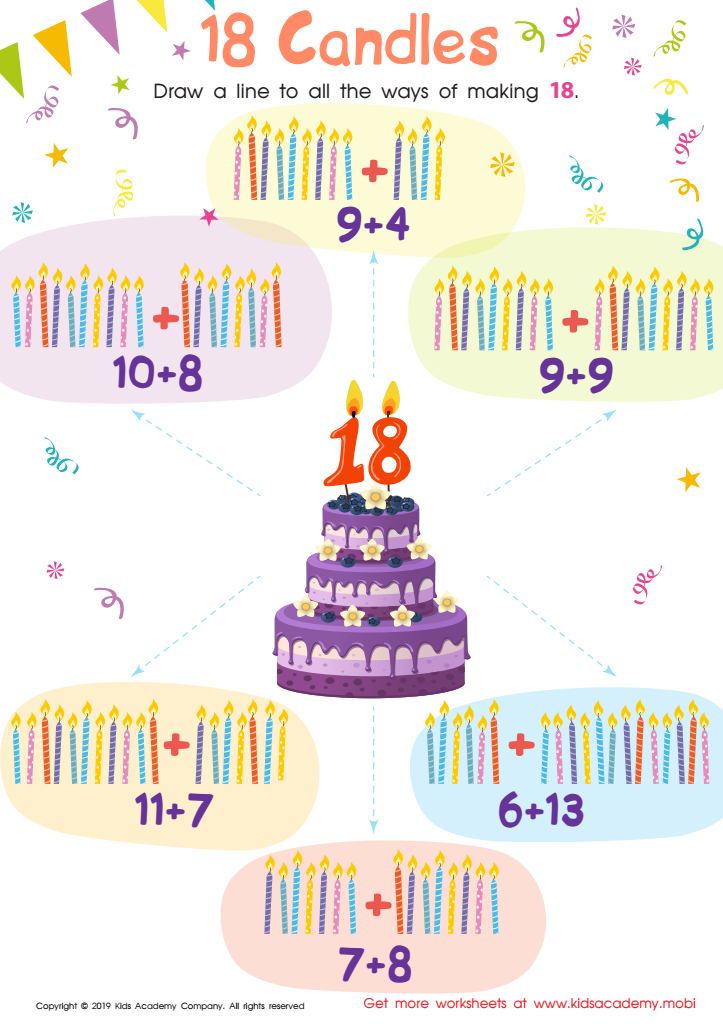
18 Candles Worksheet
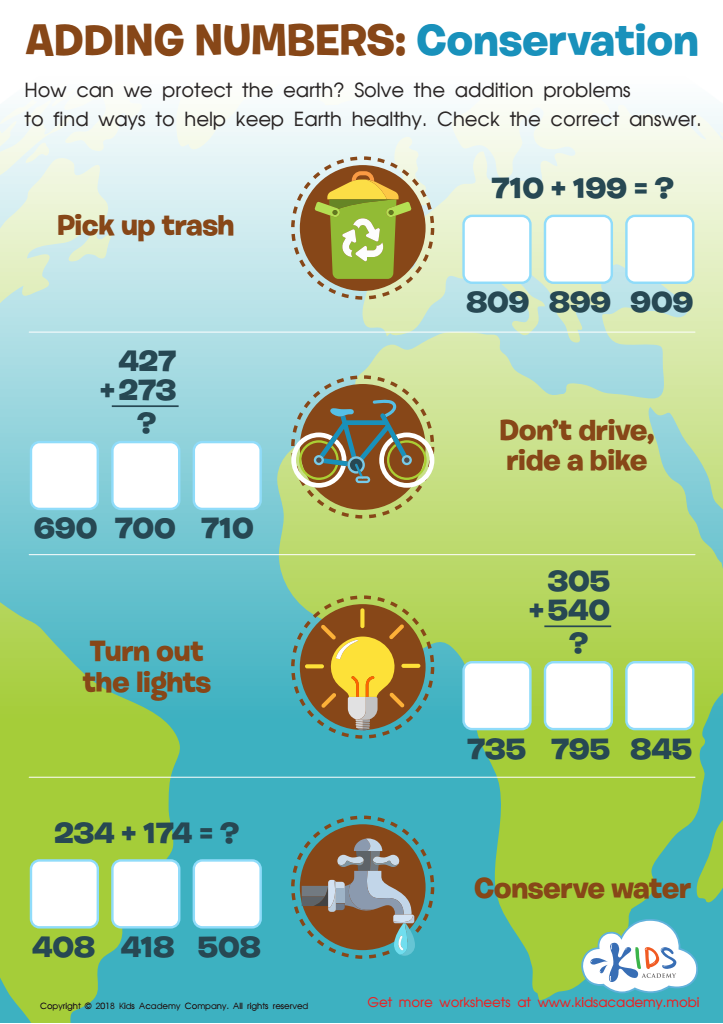
Adding Numbers: Conservation Worksheet
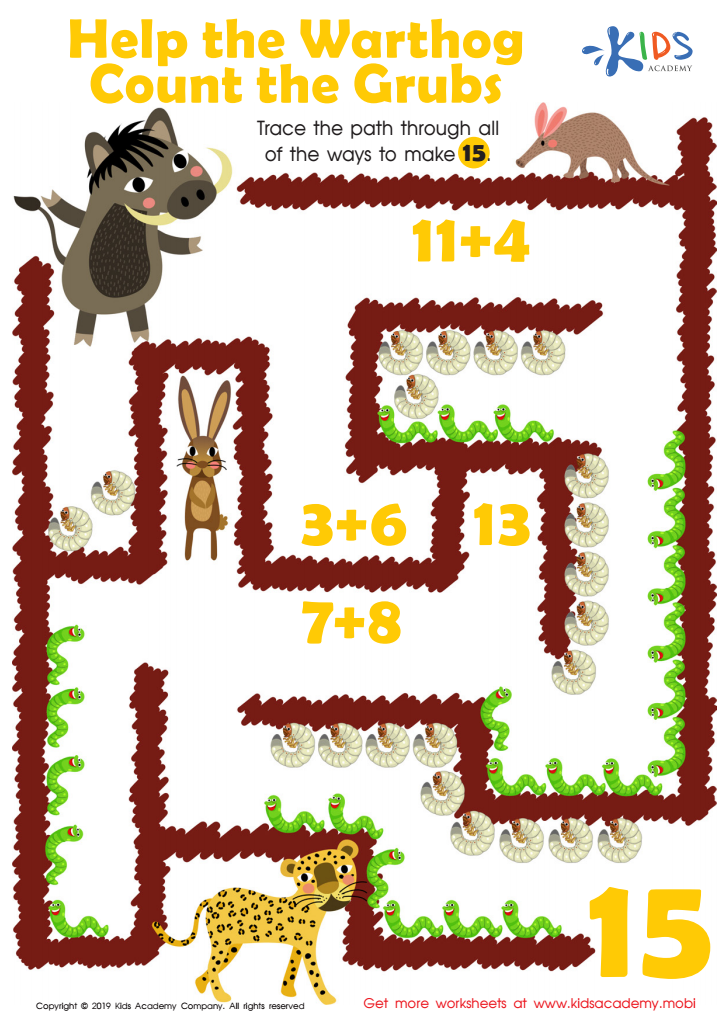
Help the Warthog Count the Grubs Worksheet
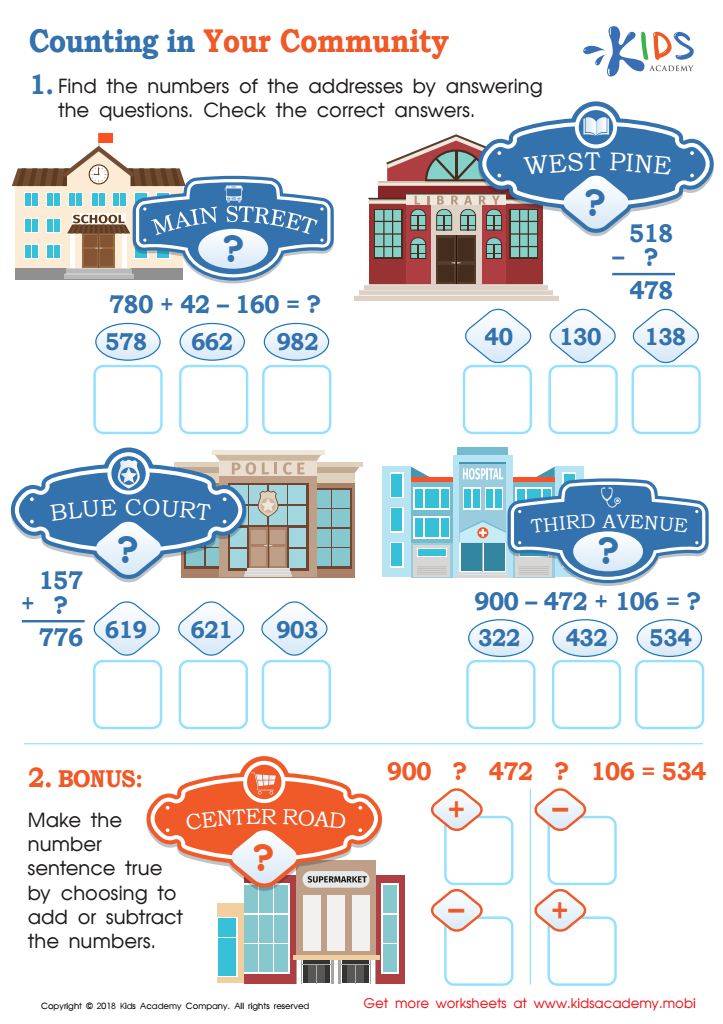
Counting in Your Community Worksheet
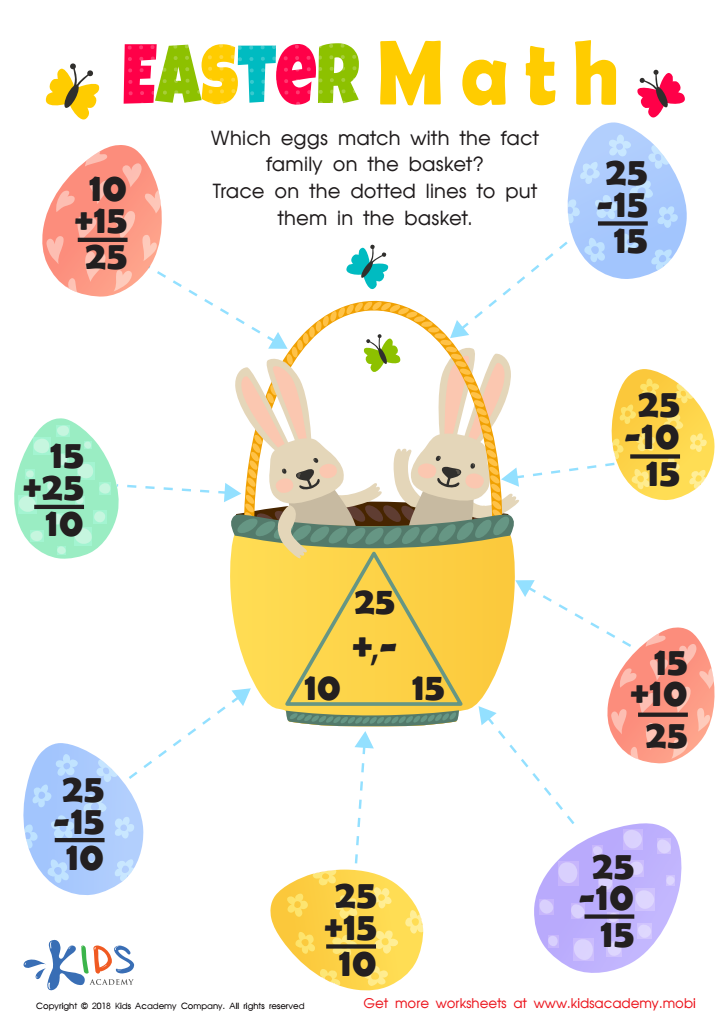
Fact Families: Easter Math Worksheet
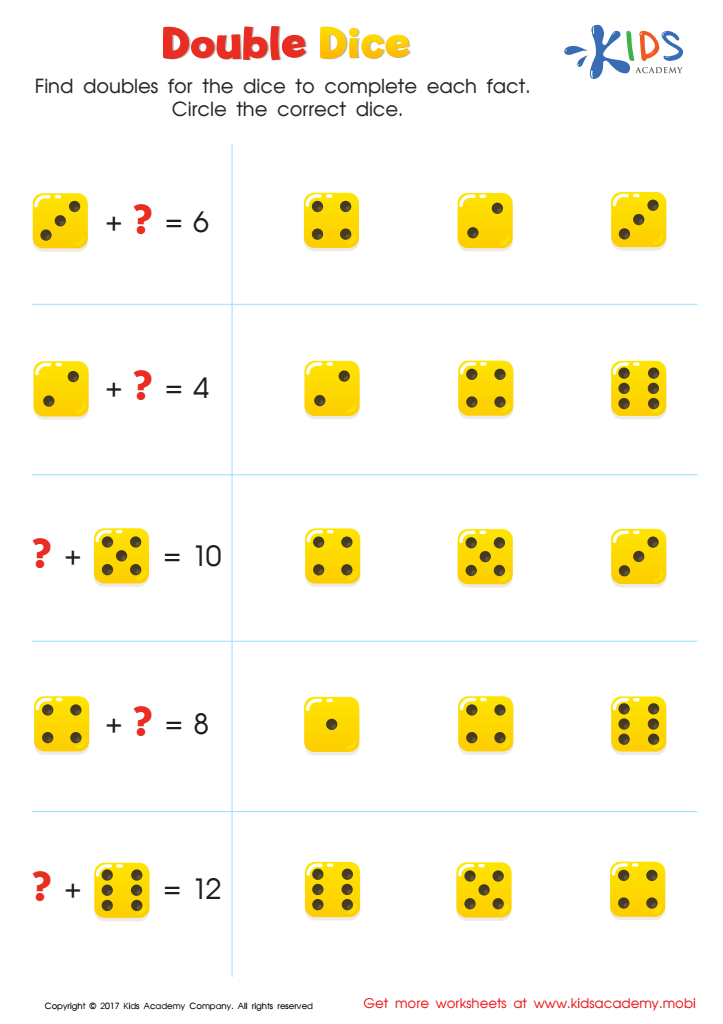
Addition Facts: Double Dice Worksheet
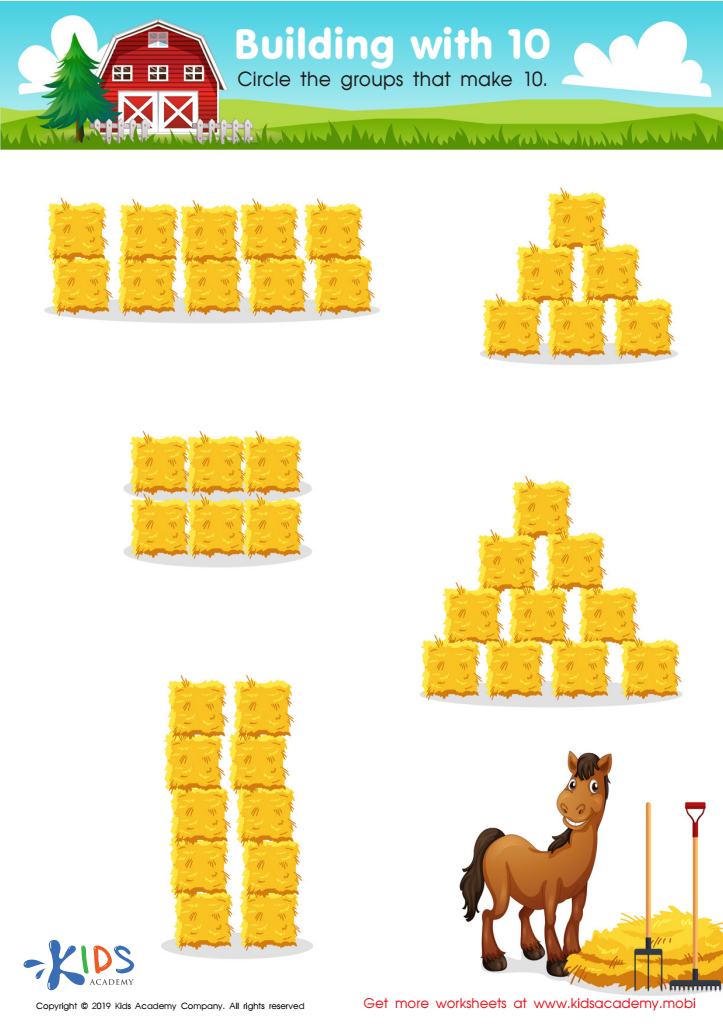
Building with 10 Worksheet
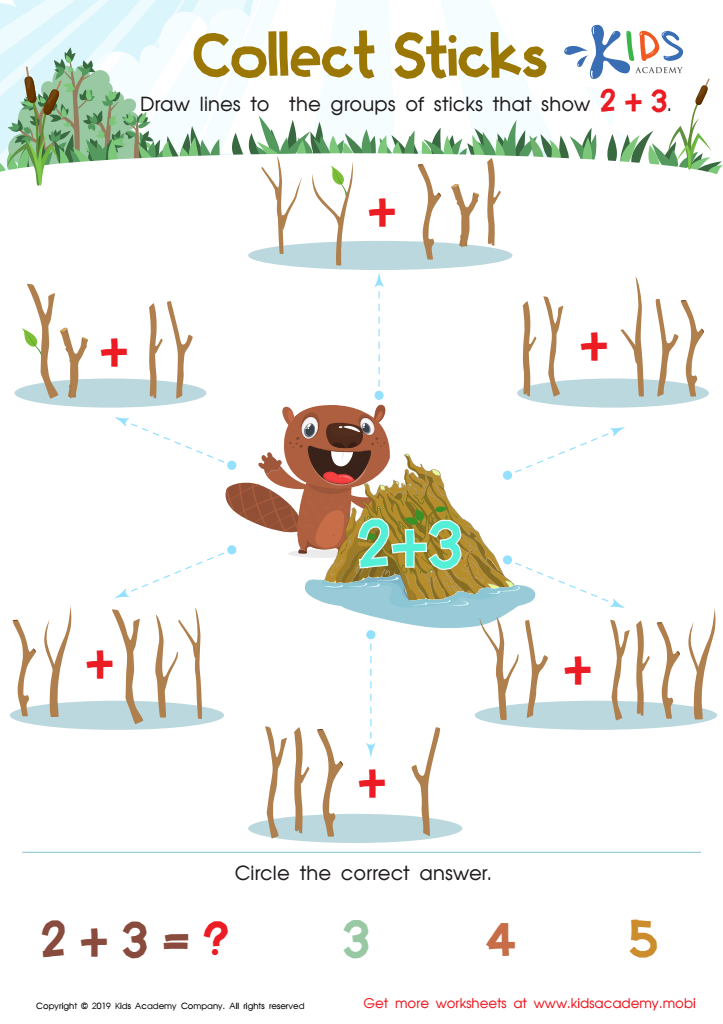
Collect Sticks Worksheet
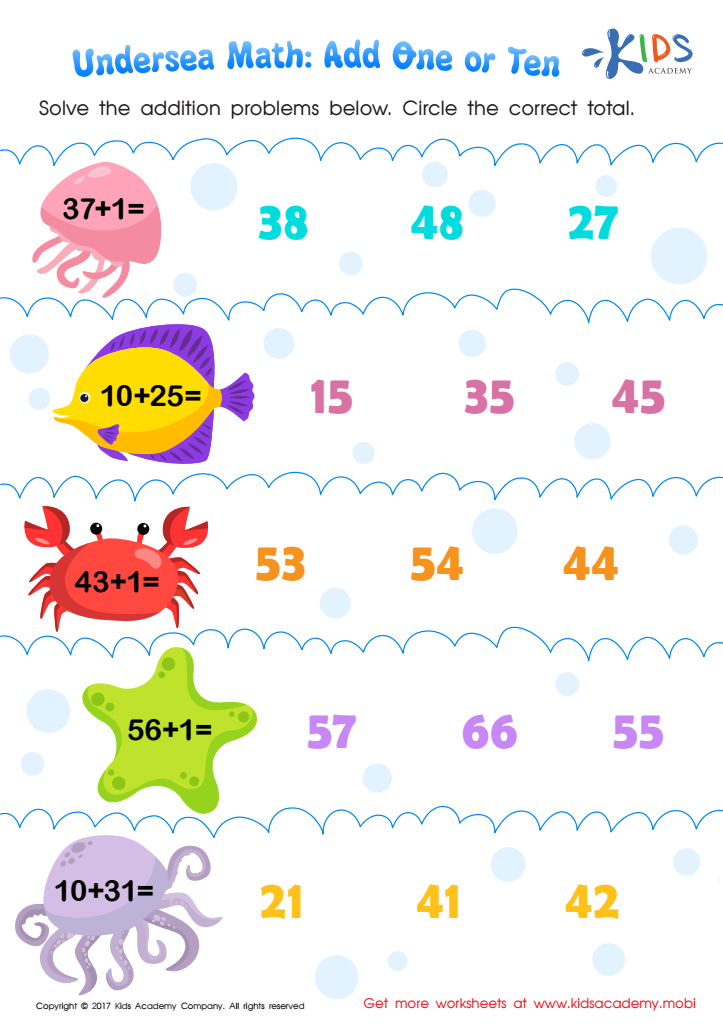
Undersea Math Worksheet
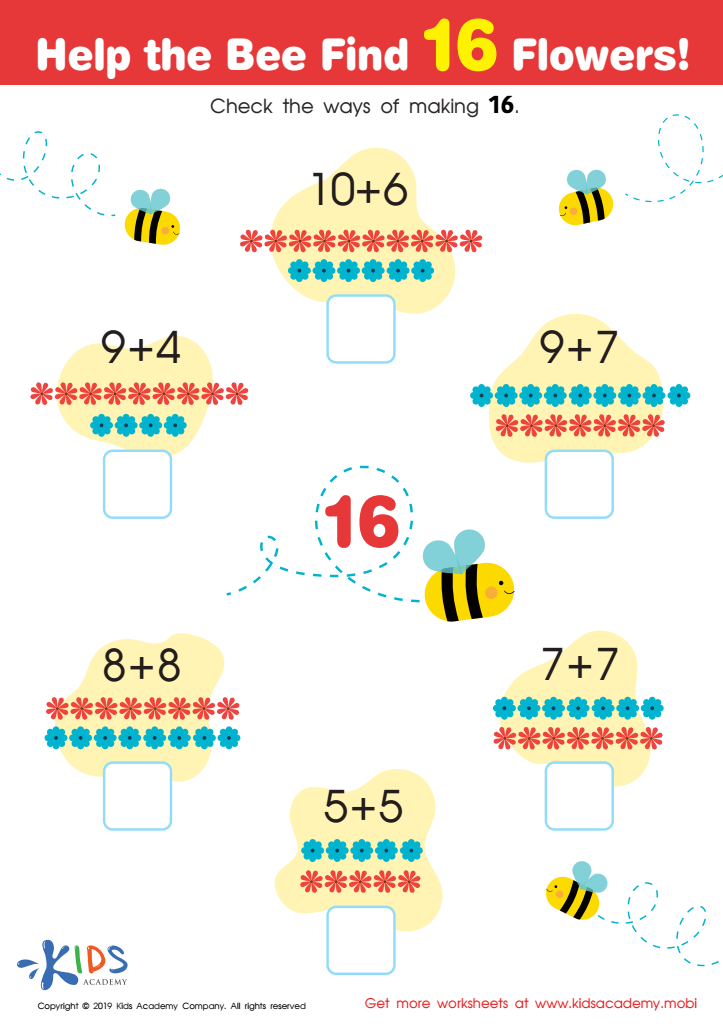
Help the Bee Find 16 Flowers Worksheet
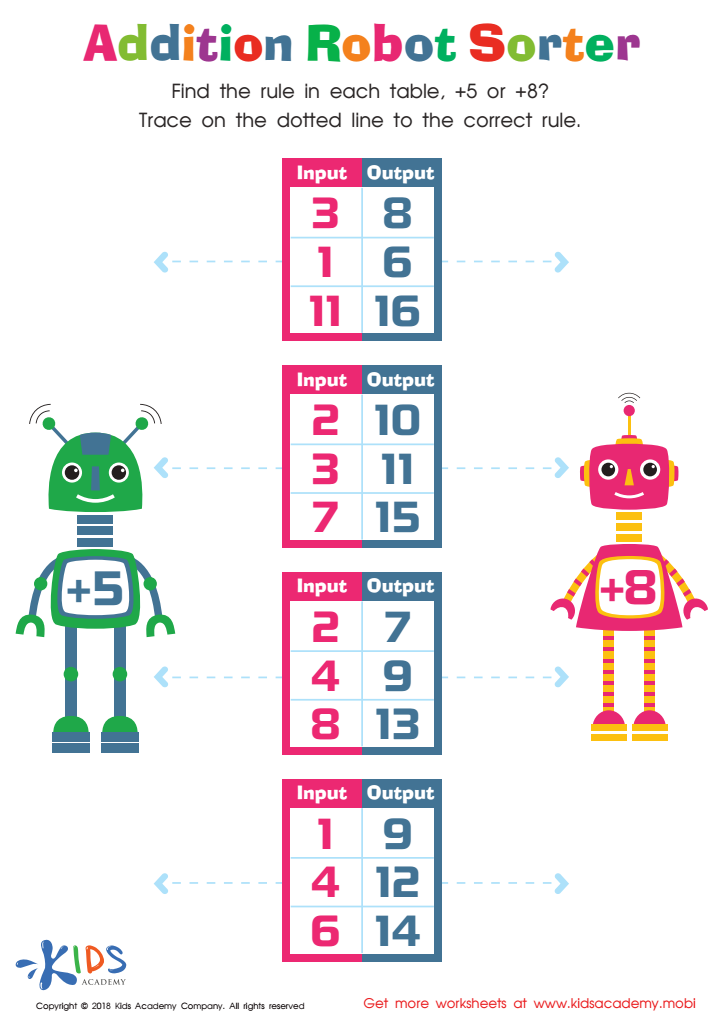
Addition Robot Sorter Worksheet
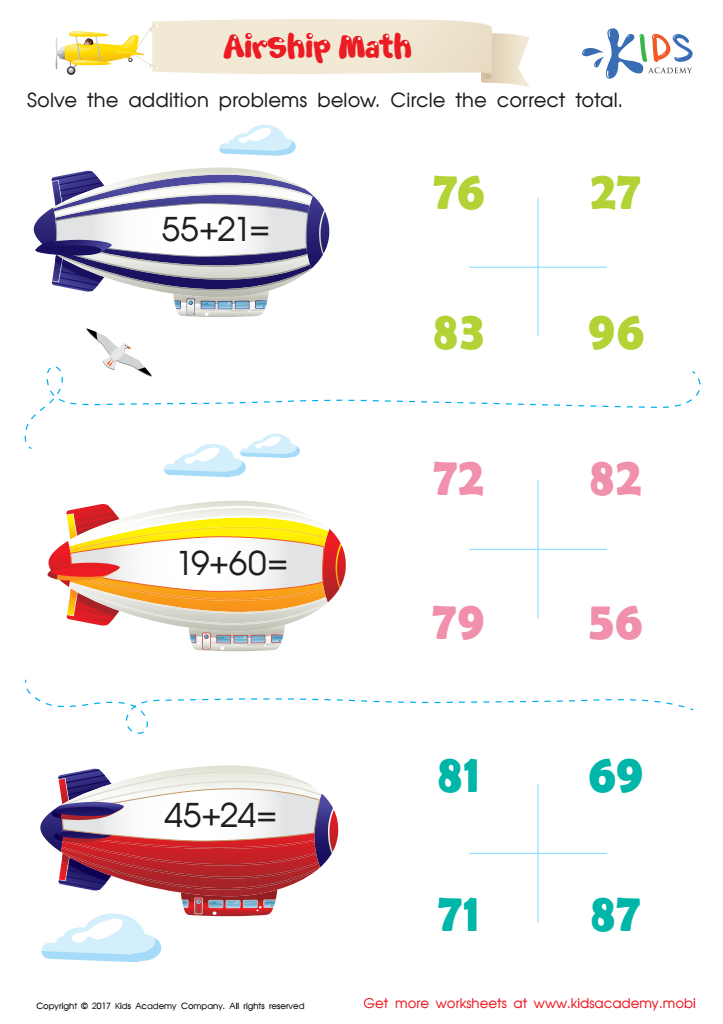
Airship Math Addition Printable
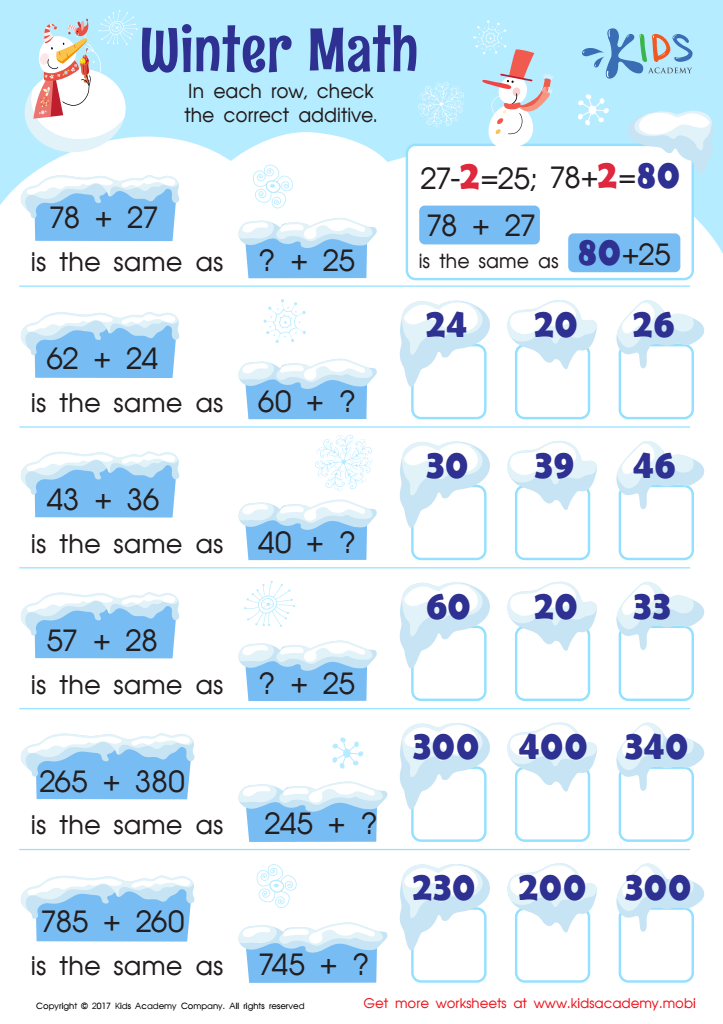
Free Addition Worksheet
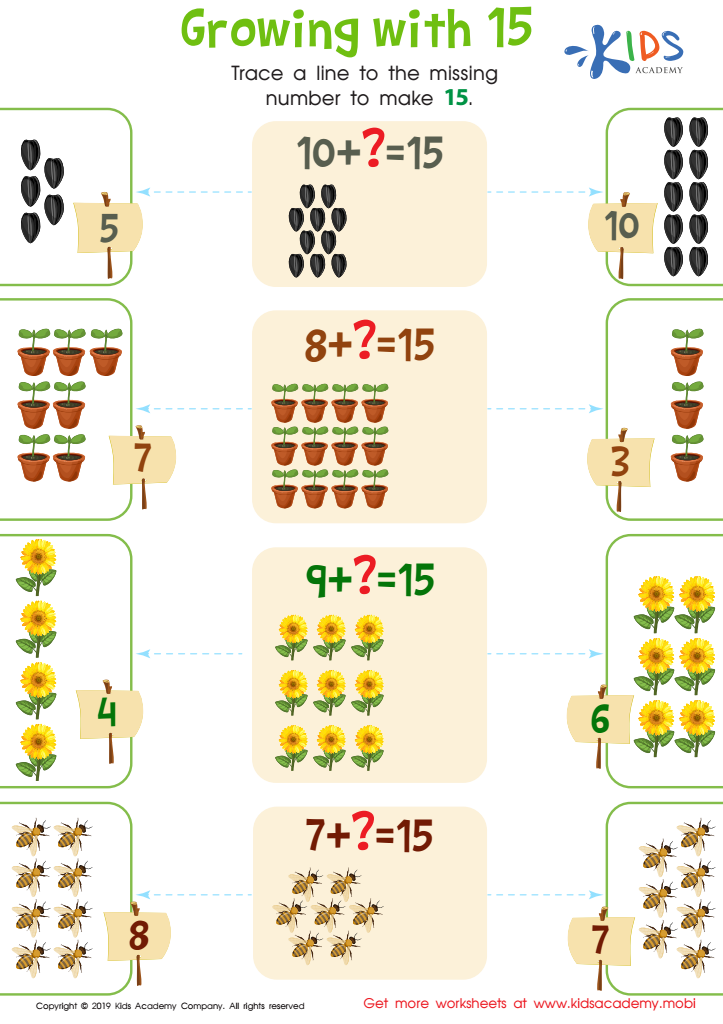
Growing with 15 Worksheet








Number recognition and basic addition are foundational skills in early childhood education that serve as building blocks for a child's mathematical understanding. Parents and teachers should prioritize these skills because they play a crucial role in a child's overall academic development and daily life.
Number recognition enables children to identify, understand, and use numbers in various contexts, fostering confidence in their mathematical abilities. This foundational skill is the first step in developing mental math skills, which are essential for problem-solving and critical thinking. Recognizing numbers lays the groundwork for more advanced mathematical concepts, making it essential for parents and teachers to engage children in activities that promote number awareness.
Normal addition techniques are equally important, as they teach children how to combine quantities, develop number sense, and understand basic arithmetic operations. Mastering addition helps youngsters comprehend the relationships between numbers, aids in early math skills, and encourages mental agility.
Moreover, these skills are vital for real-life scenarios, such as counting, budgeting, and measuring. By focusing on number recognition and normal addition, parents and teachers empower children with the tools they need to succeed academically and navigate everyday challenges, fostering a positive attitude toward mathematics as a lifelong learning process.