Interpreting data Normal Numbers Worksheets
3 filtered results
-
From - To
Explore our "Interpreting Data Normal Numbers Worksheets," designed to enhance young learners' math skills in data interpretation. These engaging worksheets help children understand how to analyze and represent numerical information effectively. Featuring vibrant imagery and interactive exercises, students will learn to identify, compare, and make sense of normal numbers in various contexts. Perfect for kindergarten and early grade school, these resources cater to different learning styles, making math fun and accessible. Equip your child with the essential skills needed for interpreting data accurately, fostering a strong mathematical foundation that will benefit them in future studies. Download now and start learning today!
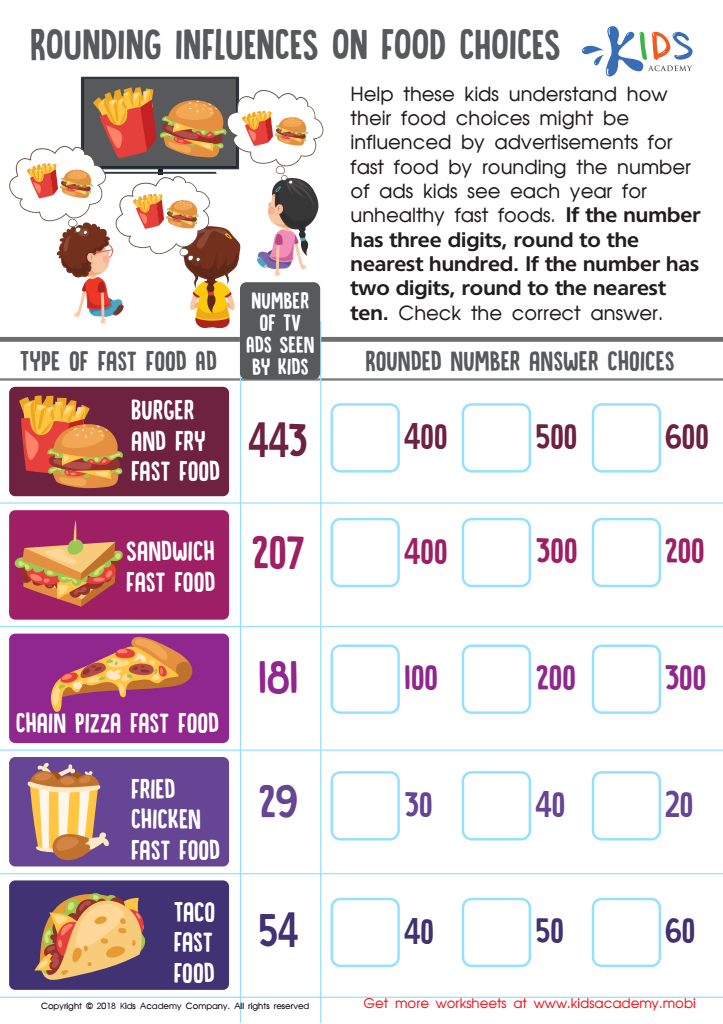
Rounding Influences Food Choices Worksheet
 Assign to My Students
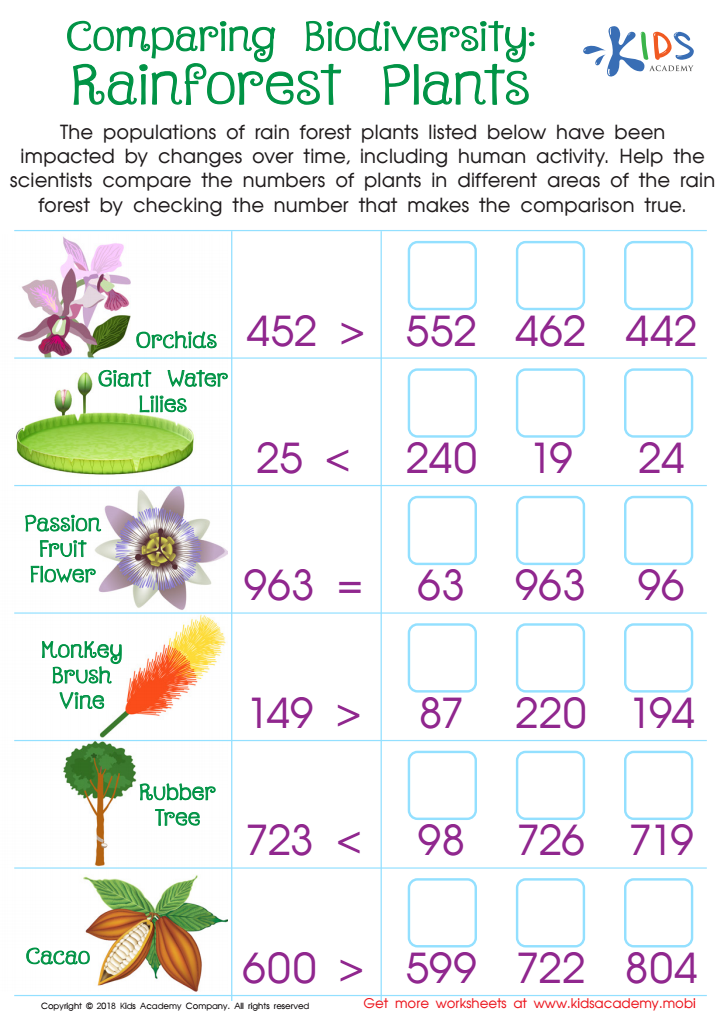
Comparing Biodiversity: Rainforest Plants Worksheet
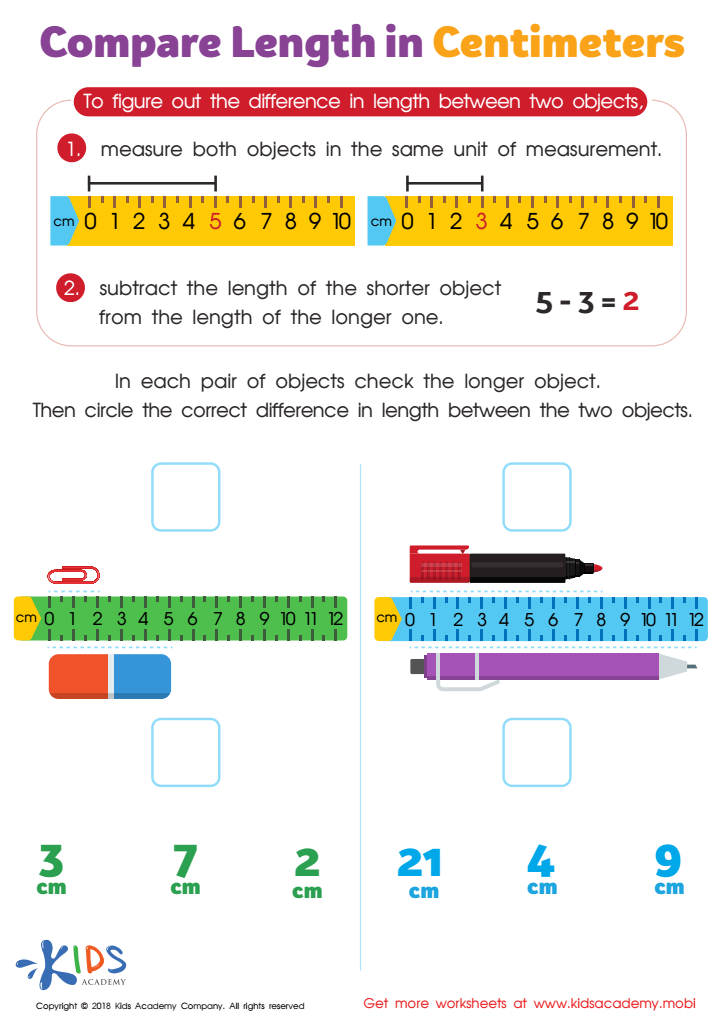
Compare Length in Centimeters Worksheet








Interpreting data using normal numbers is crucial for both parents and teachers because it provides insights into a child's academic progress and social development. Normal numbers, often represented by averages, can reveal a student's standing in comparison to standardized benchmarks. This understanding allows educators to pinpoint areas of strength and identify subjects that may need additional support. By analyzing this data, teachers can tailor their instruction to better meet the needs of their students, ensuring a more personalized learning experience.
For parents, understanding normal numbers helps them engage in their child’s education and foster a supportive home environment. It encourages informed discussions with teachers about their child’s growth and performance. Parents who grasp how their child performs relative to their peers can set realistic academic goals and reinforce positive practices at home.
Additionally, using normal numbers promotes accountability within the educational system. By highlighting trends and data-based outcomes, parents and educators can advocate for necessary resources and support. In today’s data-driven world, a shared understanding of normal numbers empowers both parents and teachers, enabling them to collaboratively foster the holistic development of students and ensure they thrive academically and socially.