Fine Motor Skills Normal Math Worksheets - Page 2
43 filtered results
-
From - To
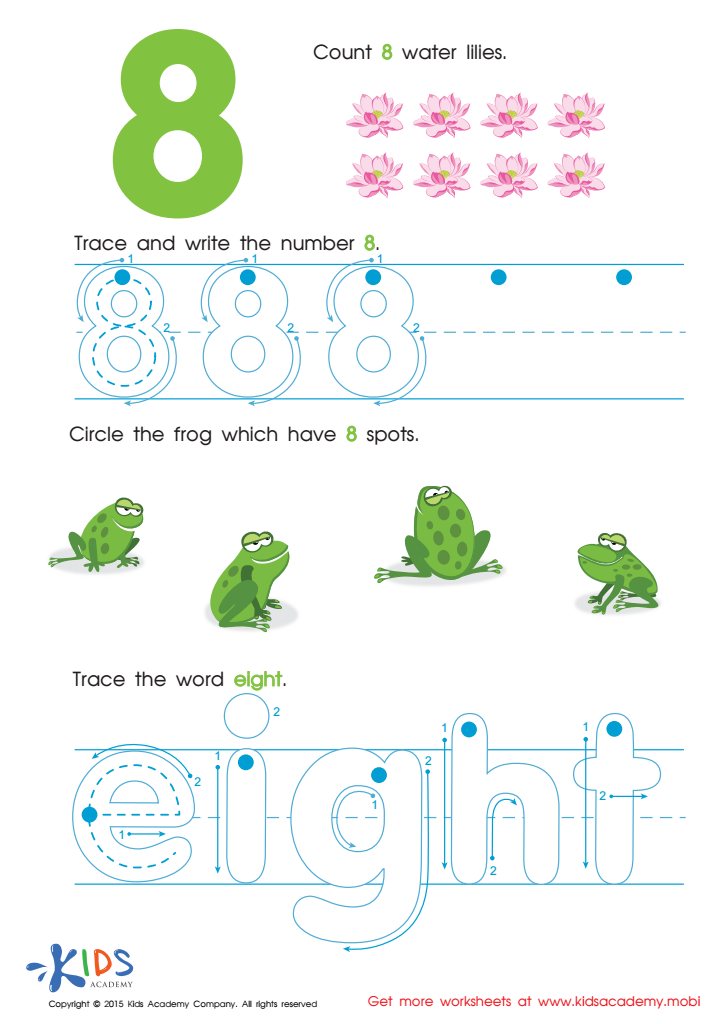
Learn Number 8 Easily Worksheet
 Assign to My Students
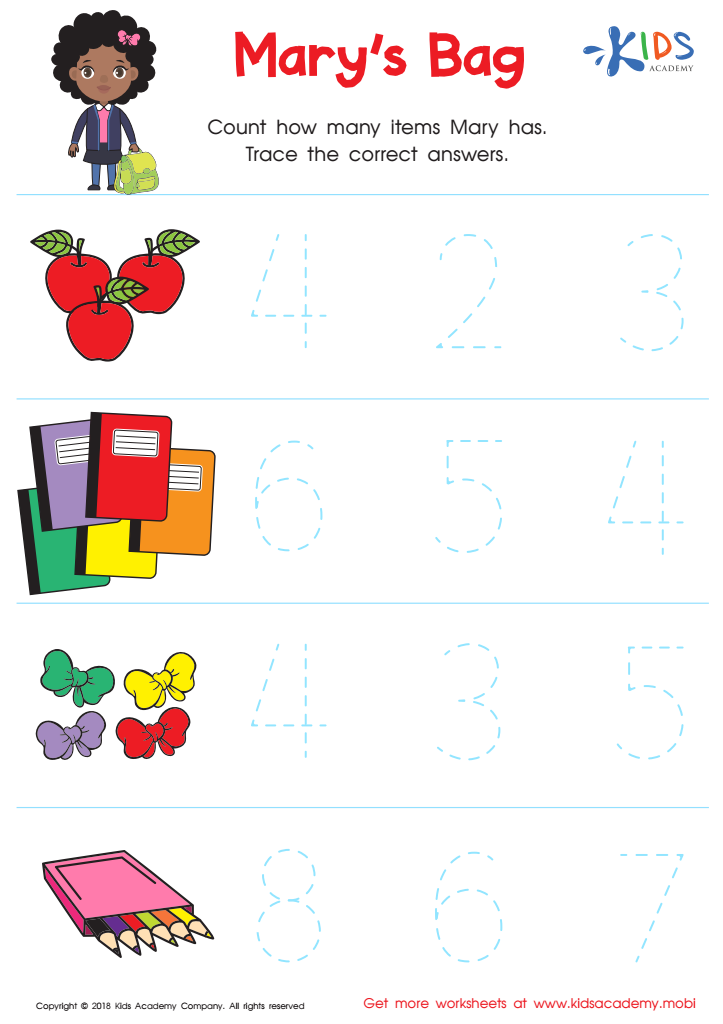
Kindergarten Number Tracing: Mary's Bag Worksheet

Three–Dimensional Shapes: Cylinder Worksheet
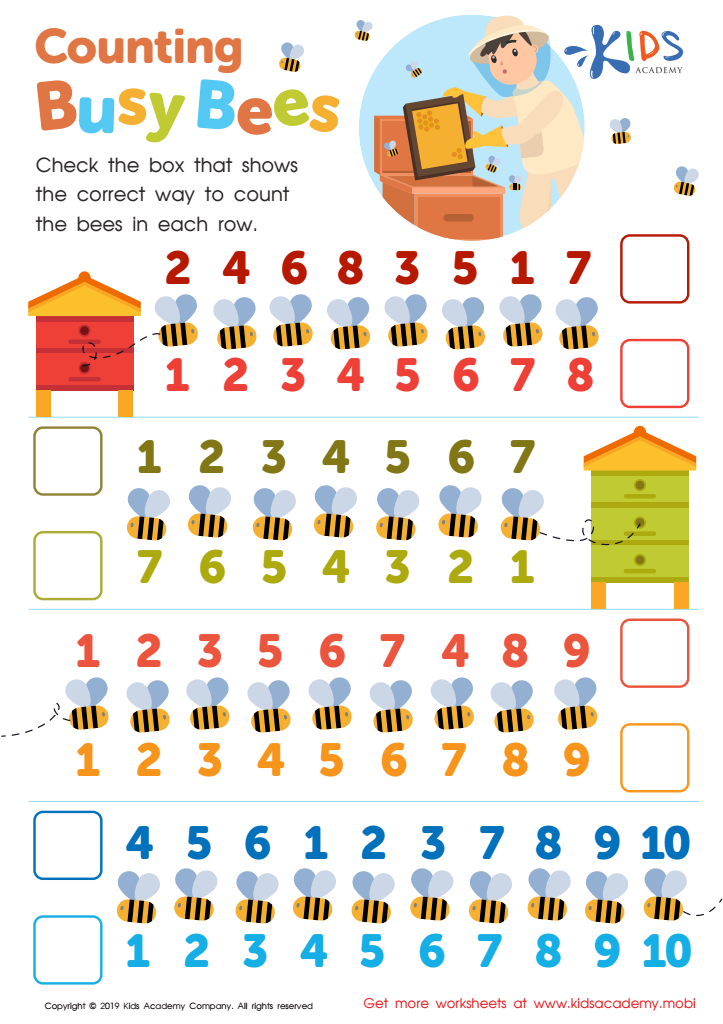
Counting Busy Bees Worksheet
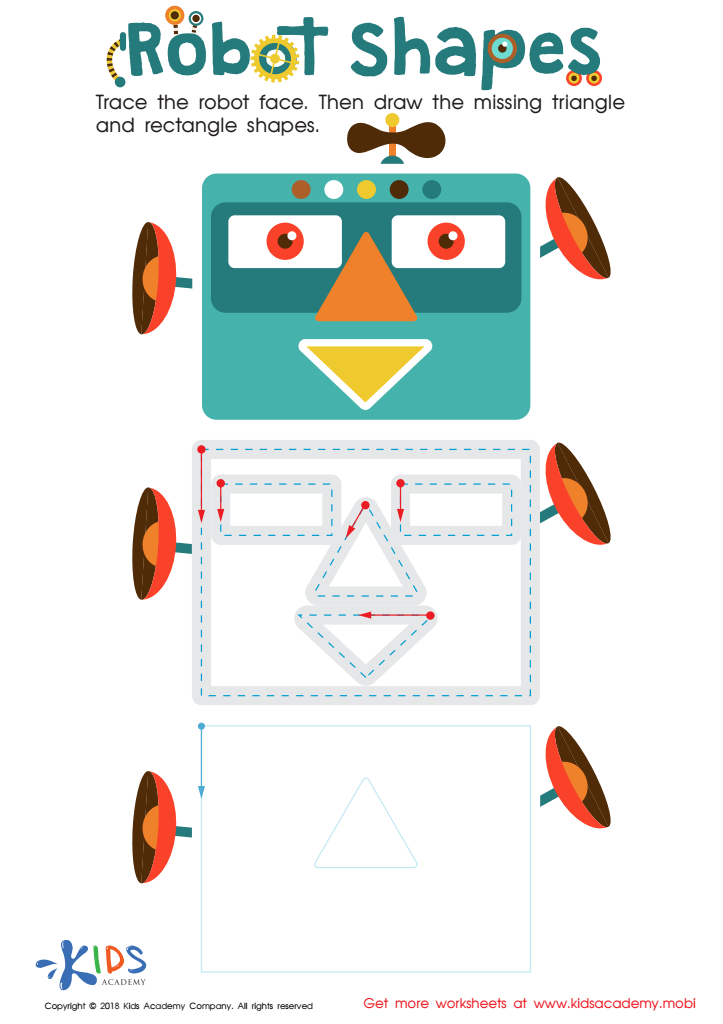
Robot Shapes Worksheet
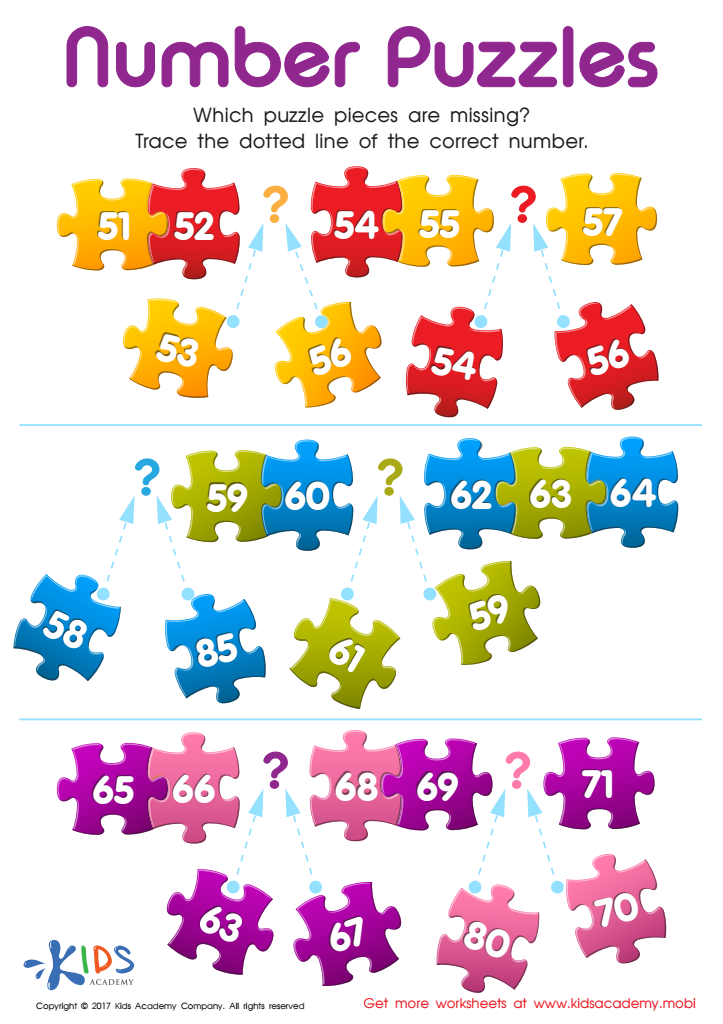
Number Puzzles Worksheet
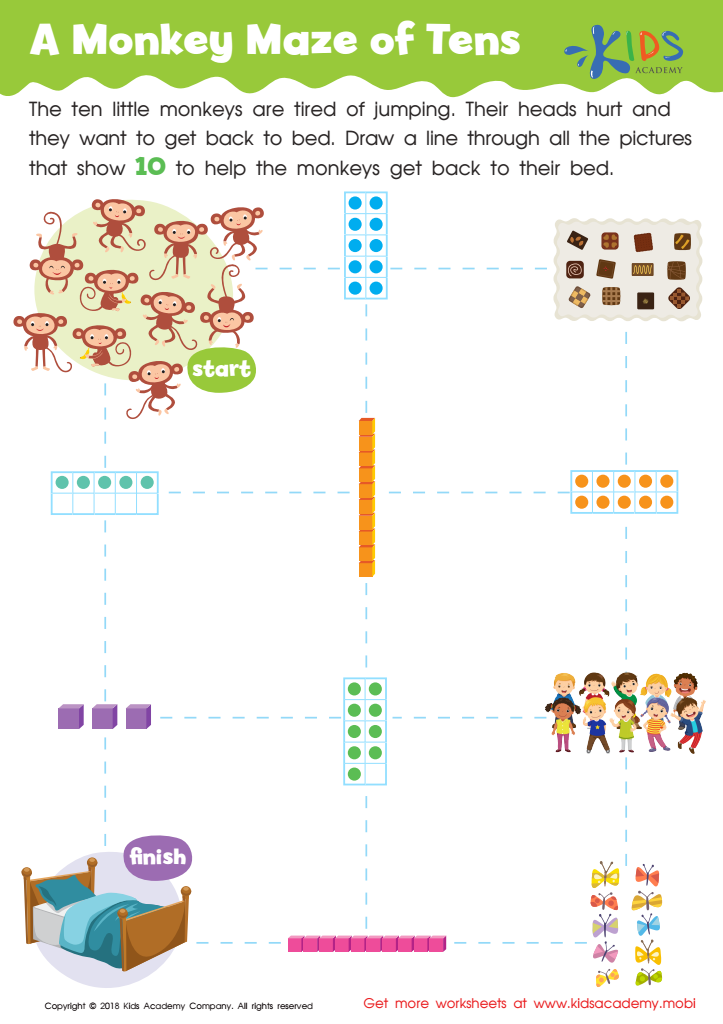
A Monkey Maze of Tens Worksheet
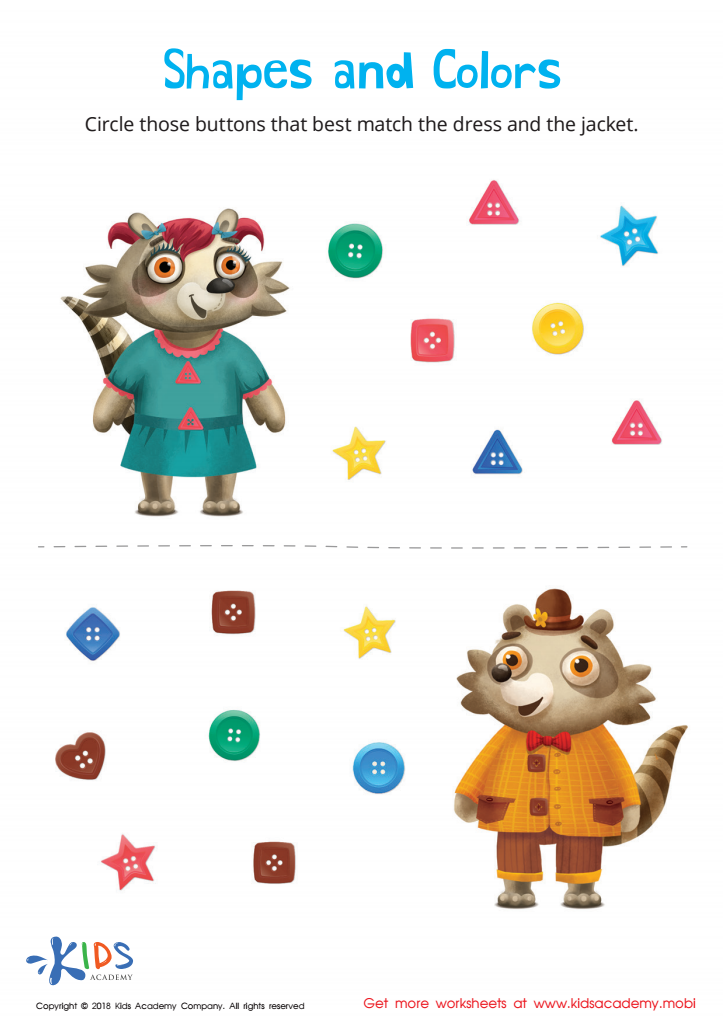
Shapes and Colors Worksheet
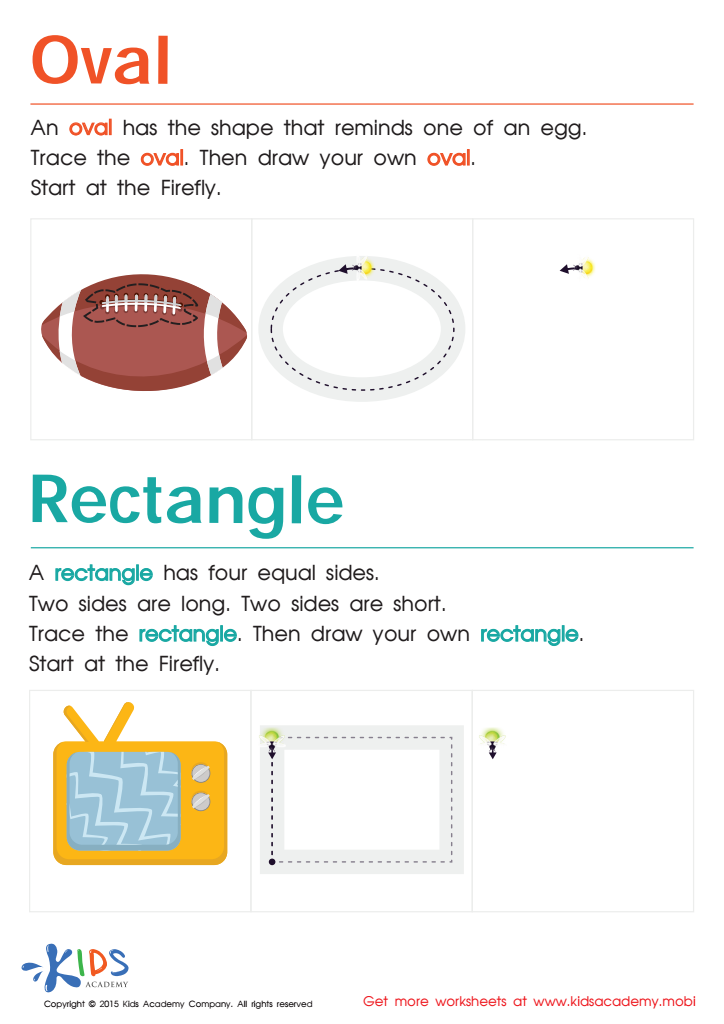
Easy Drawing of Ovals And Rectangles Worksheet
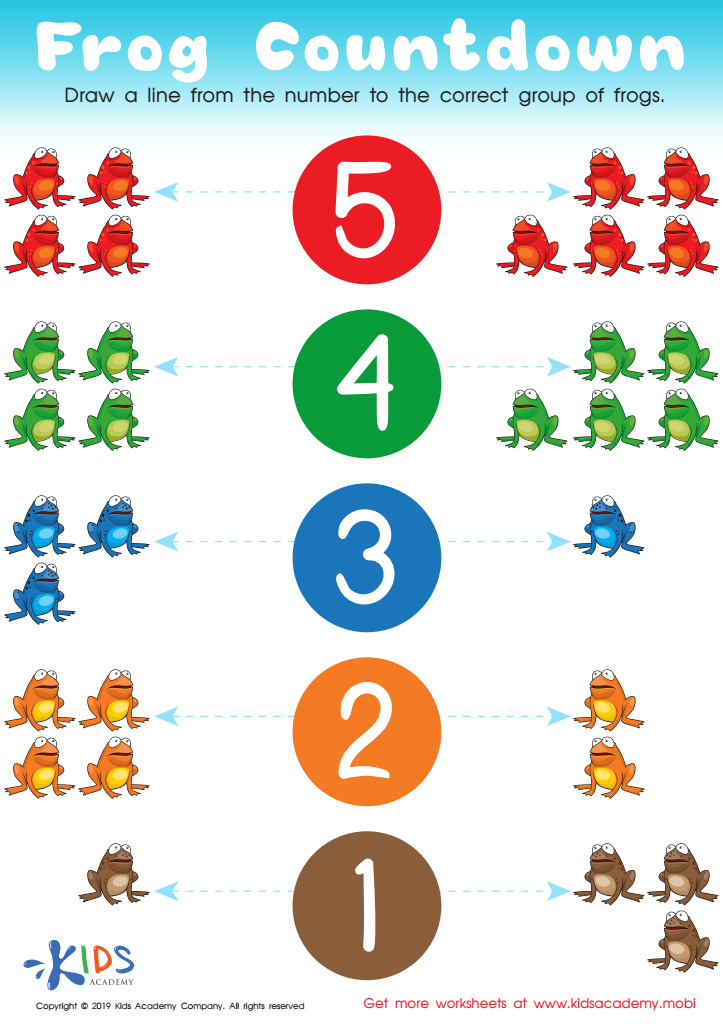
Frog Countdown Worksheet
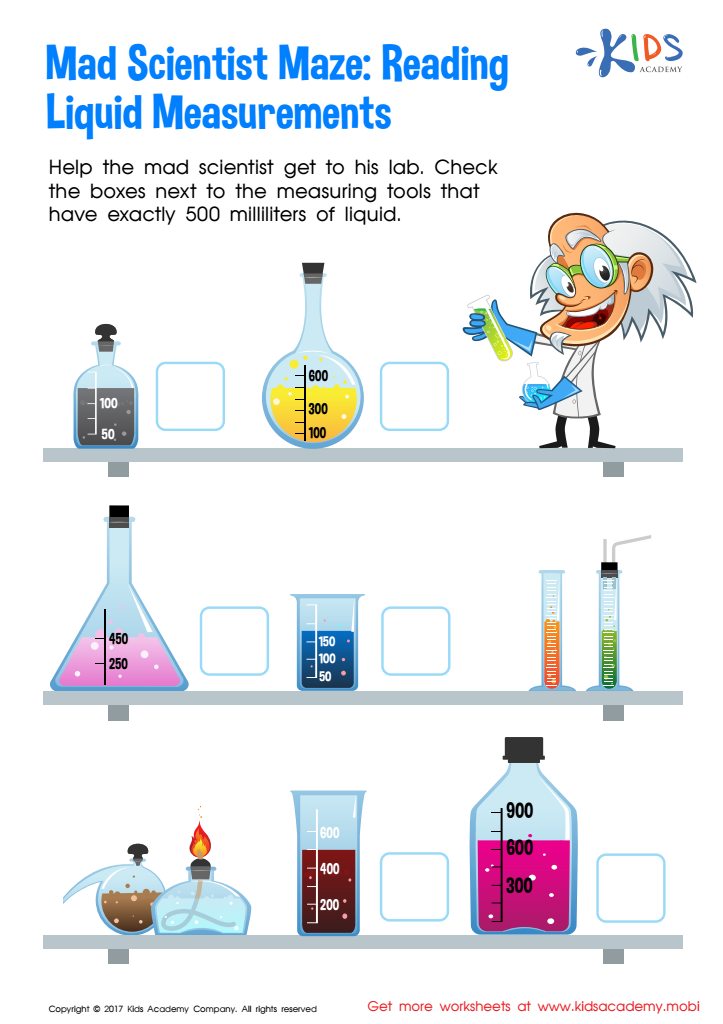
Reading Liquid Measurement Worksheet
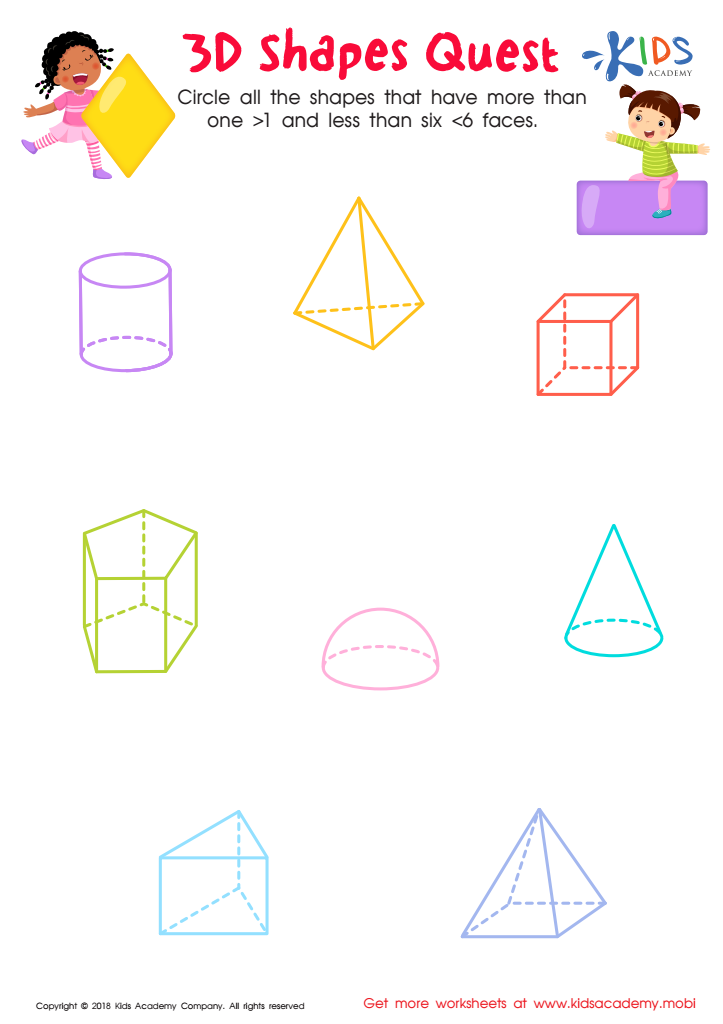
3D Shapes Quest Worksheet
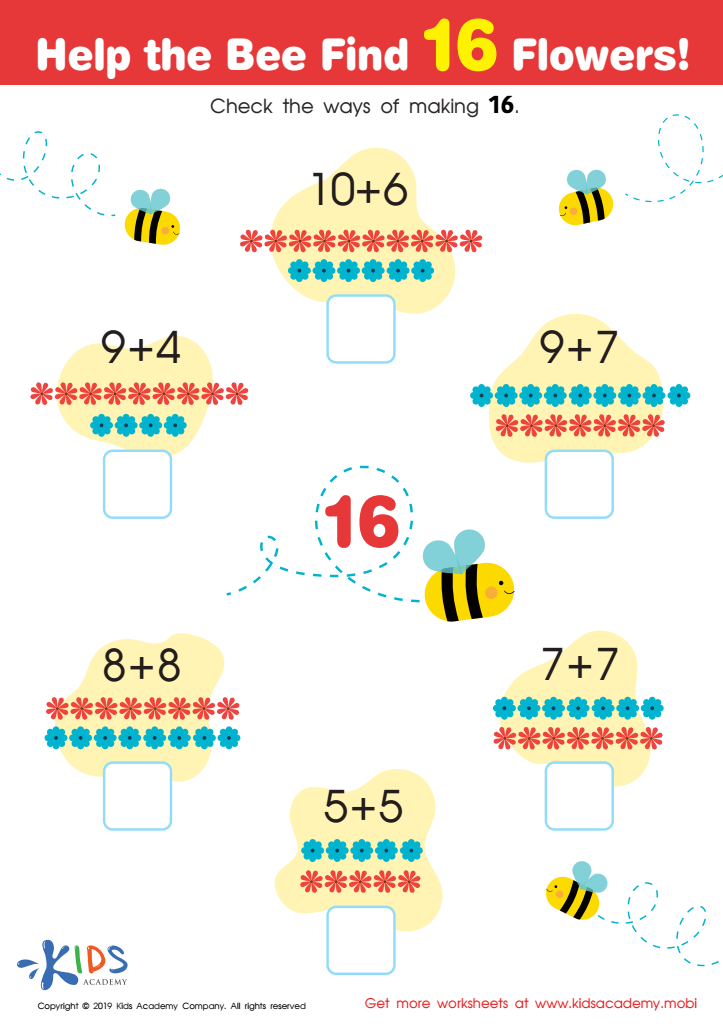
Help the Bee Find 16 Flowers Worksheet
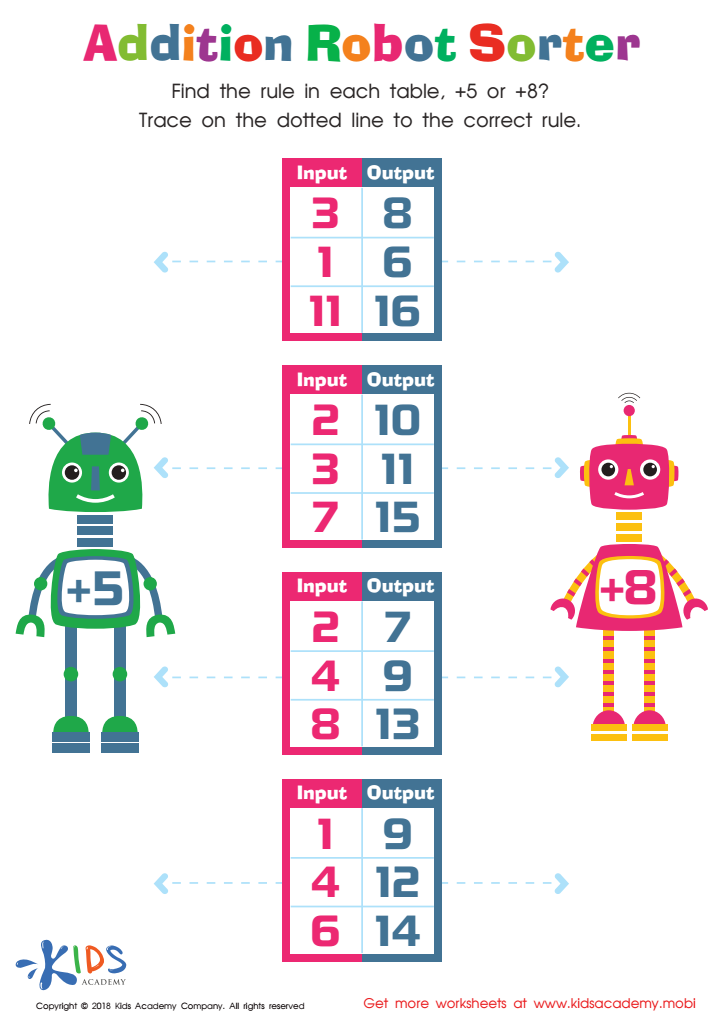
Addition Robot Sorter Worksheet
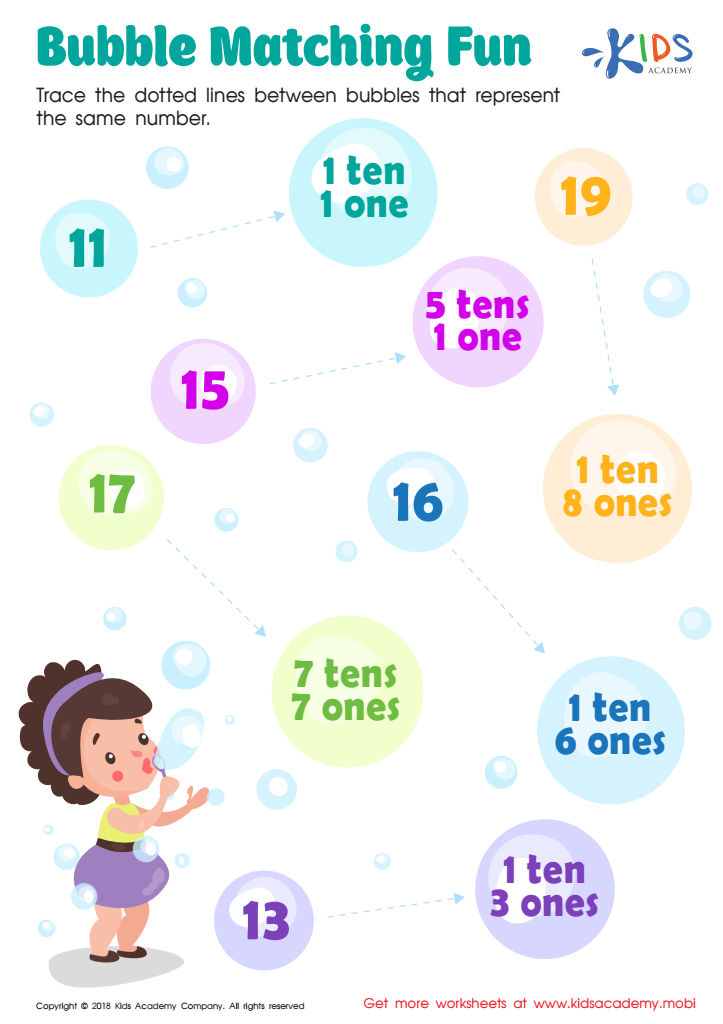
Bubble Matching Fun Worksheet
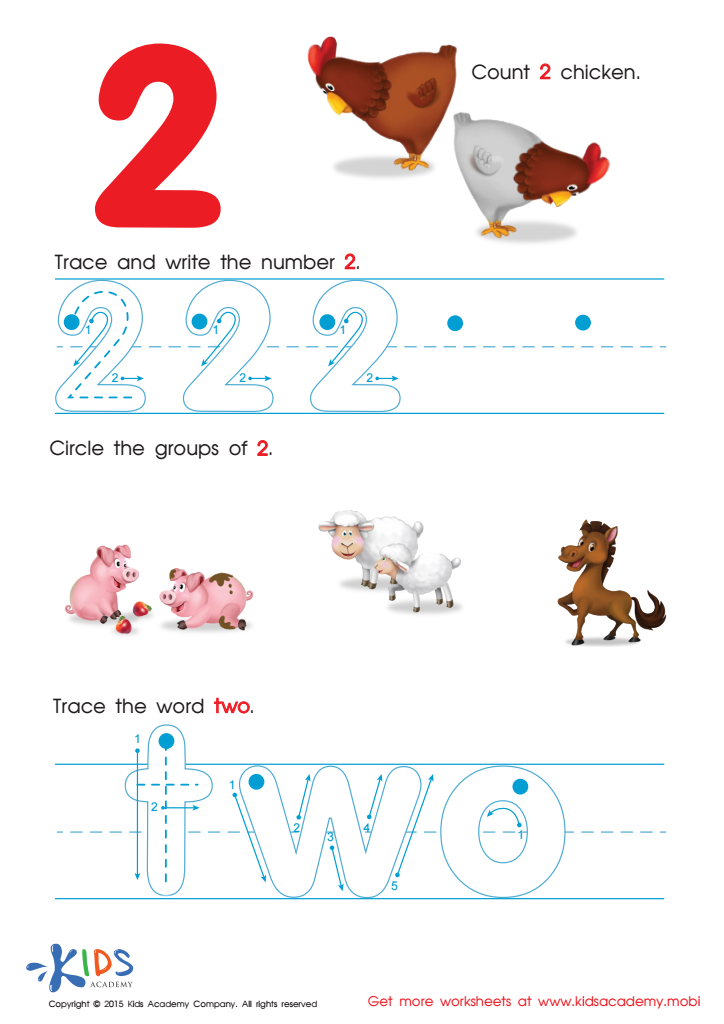
Learn to Write the Number 2 Worksheet
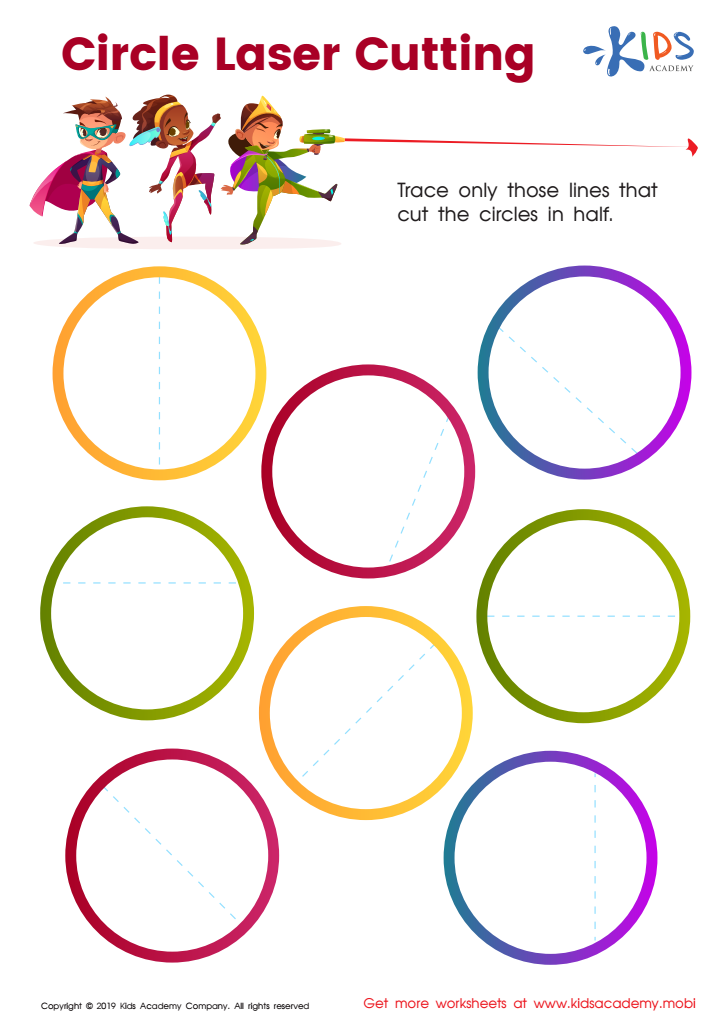
Circle Laser Cutting Worksheet
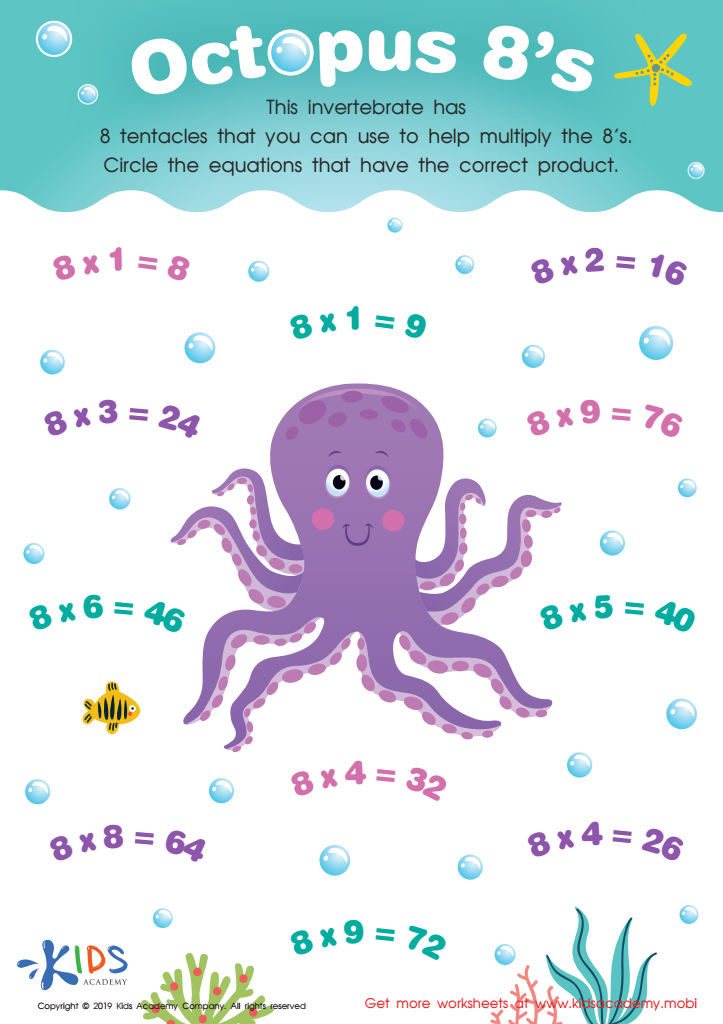
Octopus 8’s Worksheet
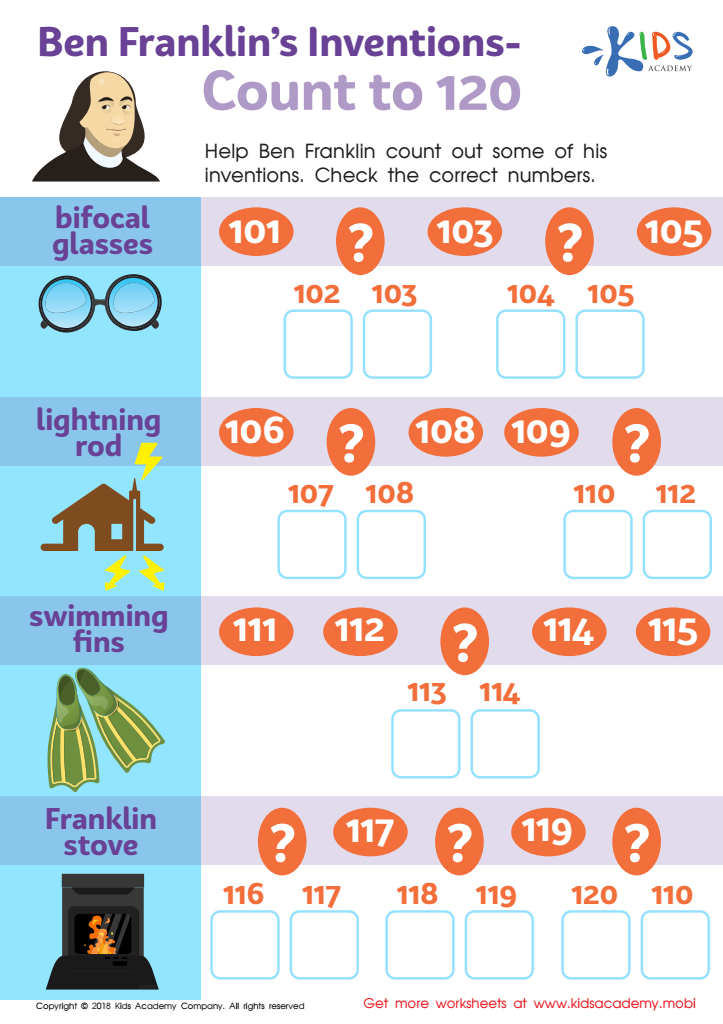
Ben Franklin’s Inventions – Count to 120 Worksheet








Fine motor skills are essential for young children as they form the foundation for everyday tasks and academic success. These skills involve the coordination of small muscles in the hands and fingers, enabling children to perform precise movements. Normal math tasks, such as counting small objects, stacking blocks, or tracing numbers, largely depend on these abilities.
Concern for fine motor skills is integral because it facilitates the development of hand-eye coordination and dexterity. Activities such as coloring, drawing shapes, or holding a pencil correctly are crucial for effective learning in subjects beyond math, especially reading and writing.
Additionally, proficient fine motor skills promote greater independence in daily life. Simple tasks like buttoning a shirt, tying shoelaces, or opening lunchboxes rely on manual dexterity, building a child's confidence and self-reliance.
Delays or issues in fine motor skill development can hinder academic progress and self-esteem. By focusing on these skills through fun, engaging activities, parents and teachers pave the way for not just academic success, but holistic development. Addressing and nurturing fine motor skills ensures that children are prepared for both the school environment and life's daily challenges. Thus, investing time in developing fine motor skills is invaluable for children's overall growth.








