Shape Recognition Normal Math Worksheets - Page 2
36 filtered results
-
From - To
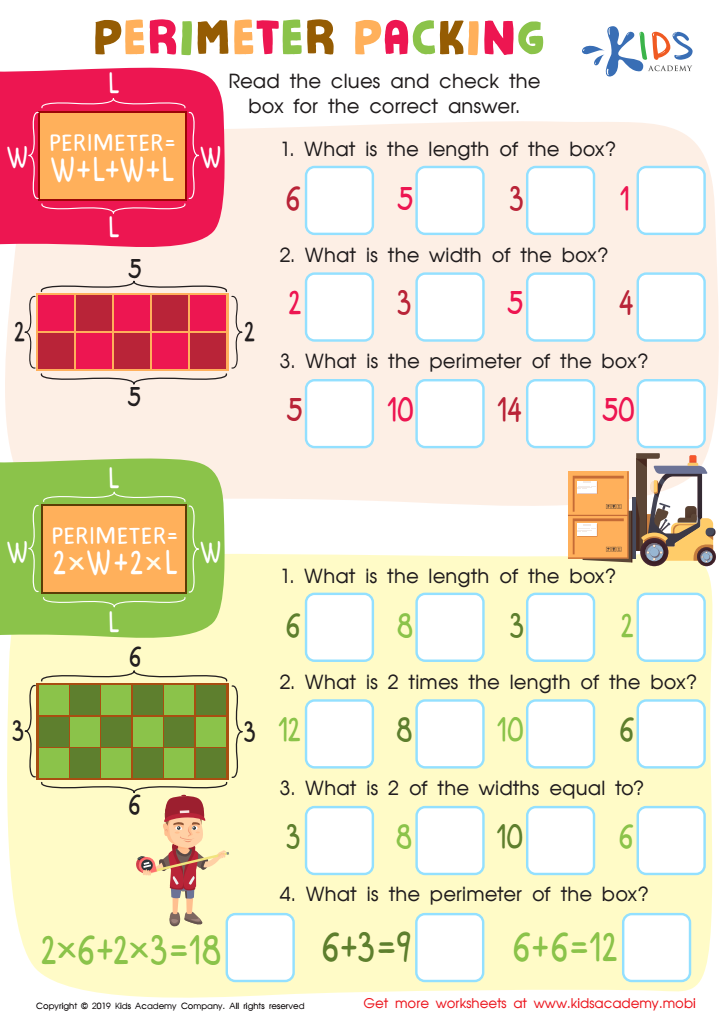
Perimeter Parking Worksheet
 Assign to My Students
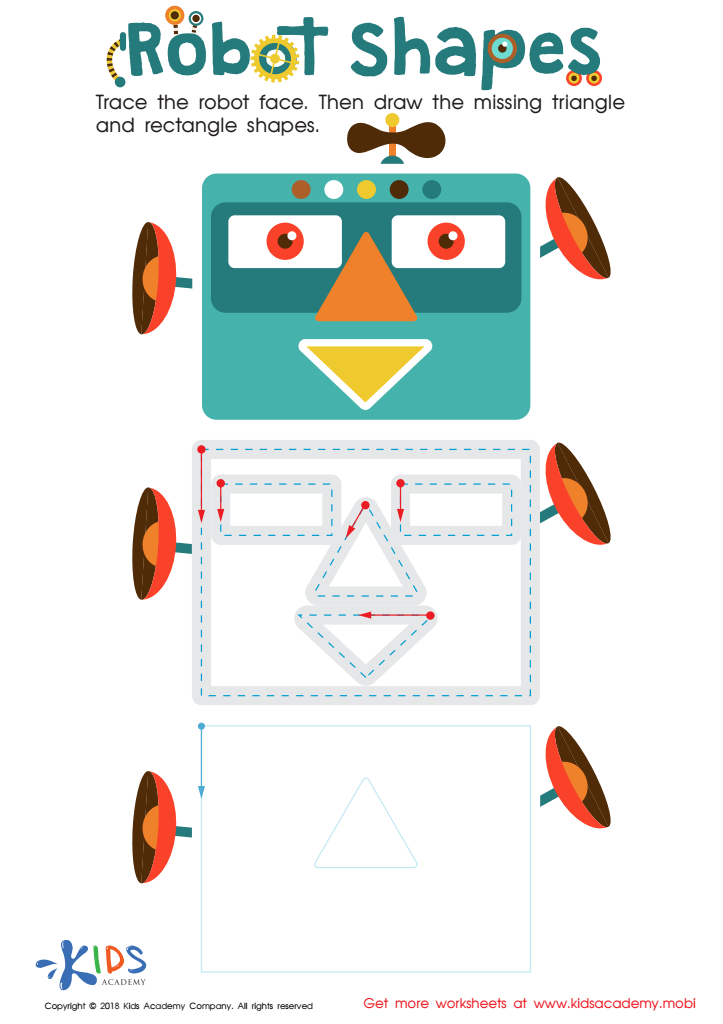
Robot Shapes Worksheet
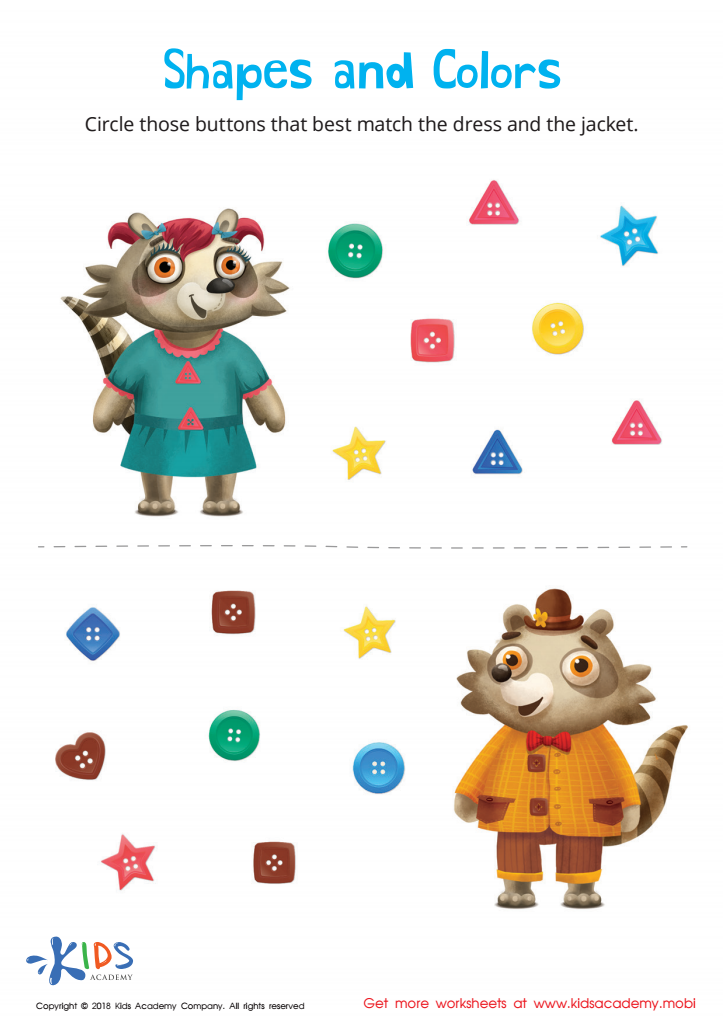
Shapes and Colors Worksheet
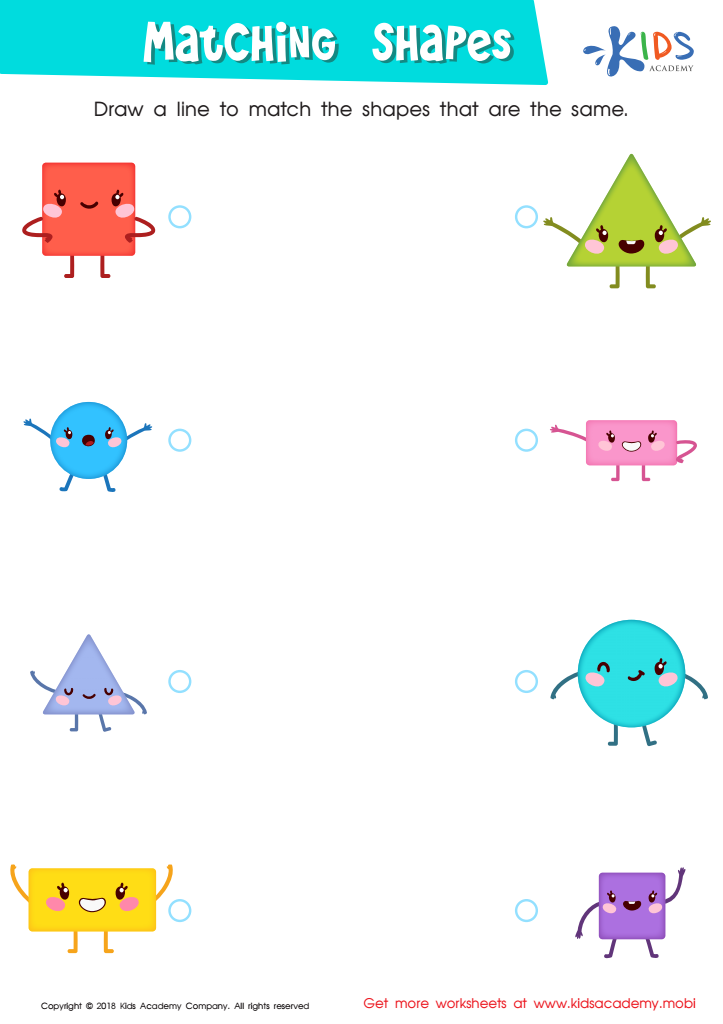
Matching Shapes Worksheet
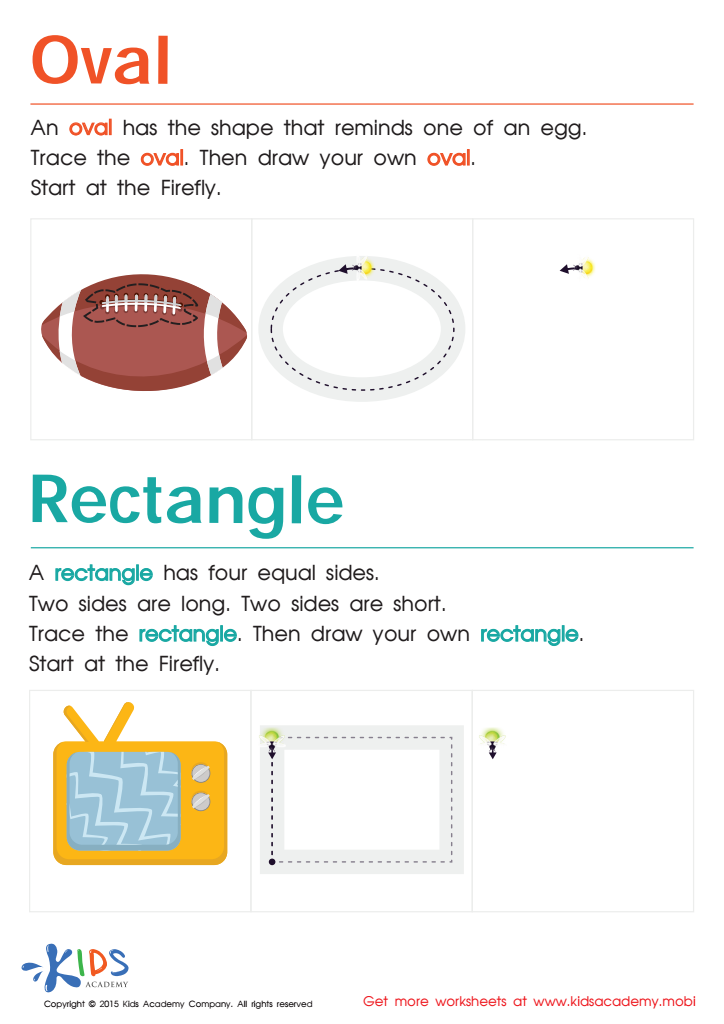
Easy Drawing of Ovals And Rectangles Worksheet
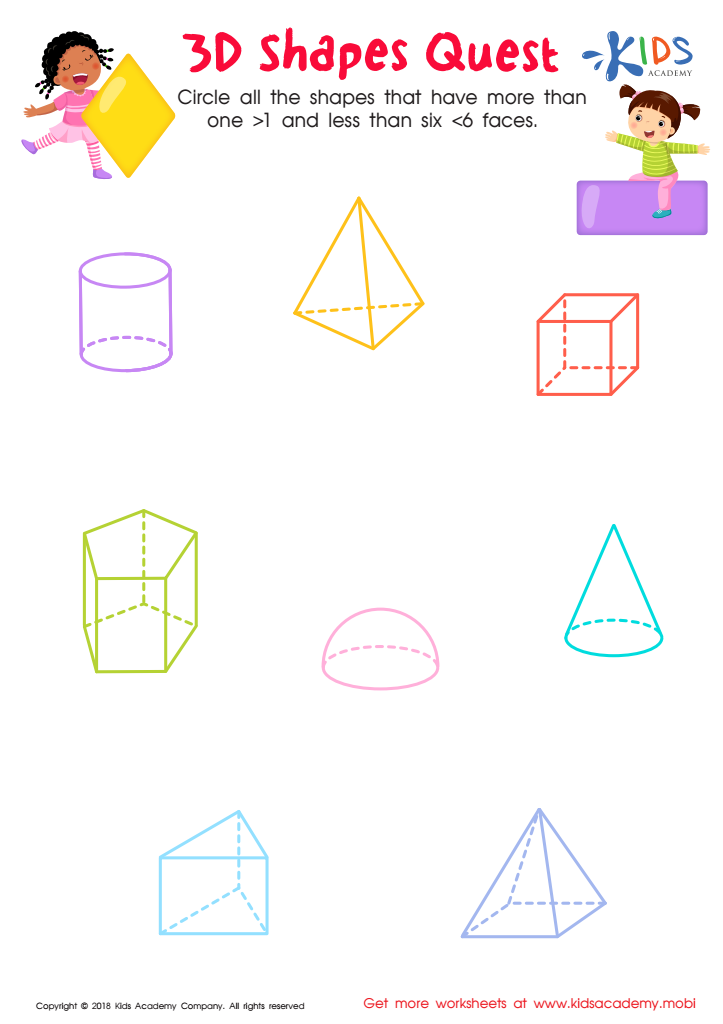
3D Shapes Quest Worksheet
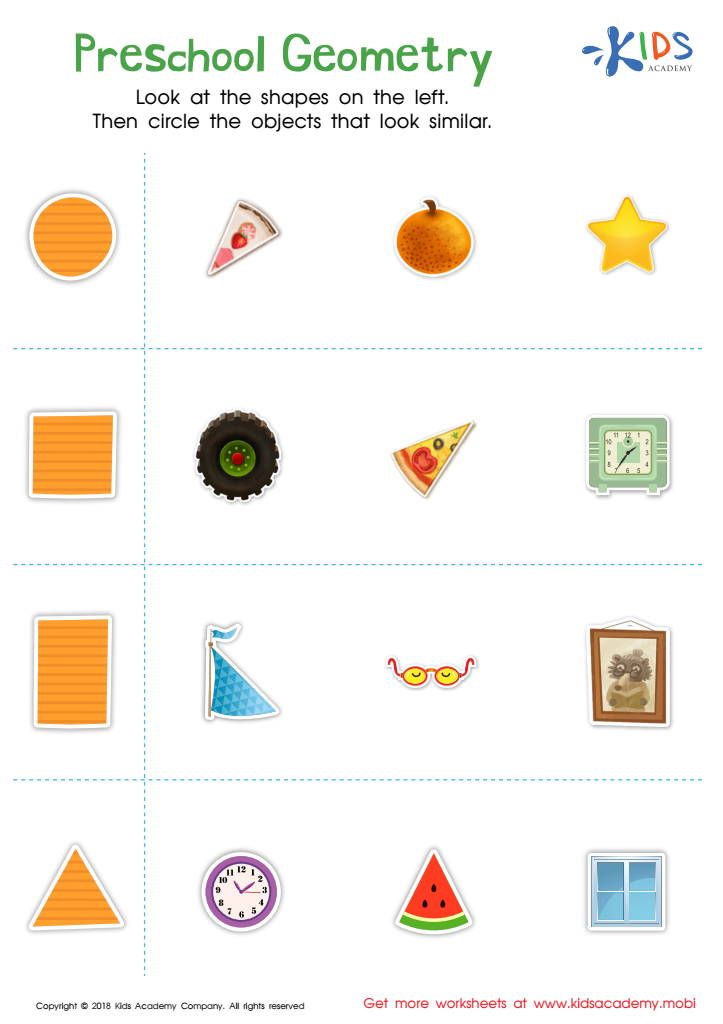
Preschool Geometry Worksheet
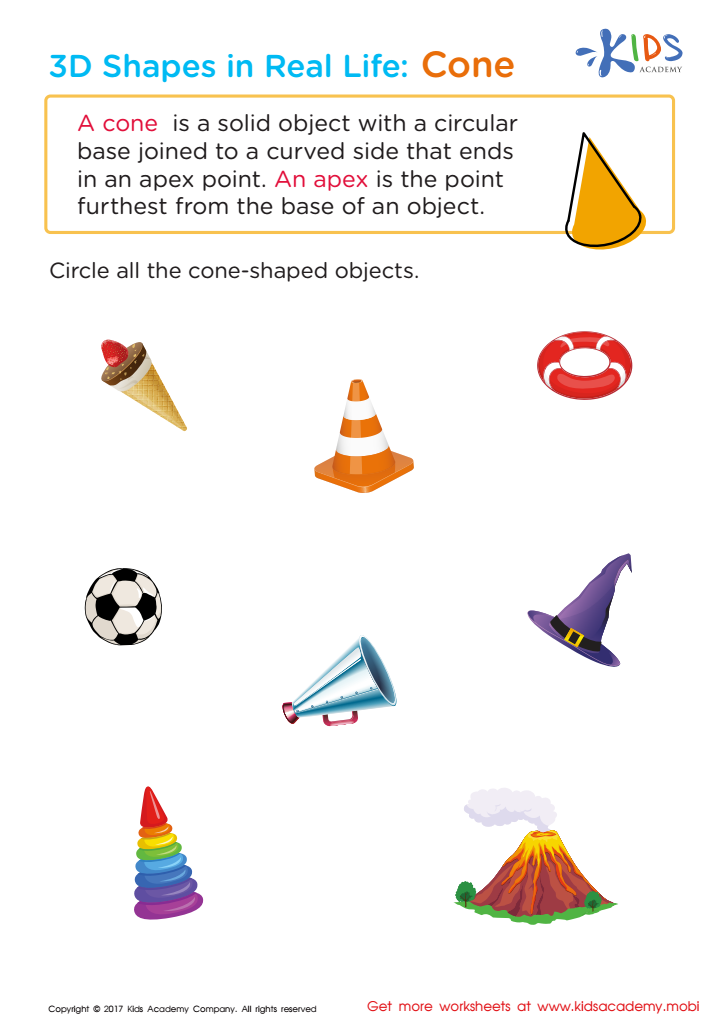
Shapes in Real Life: Cone Worksheet
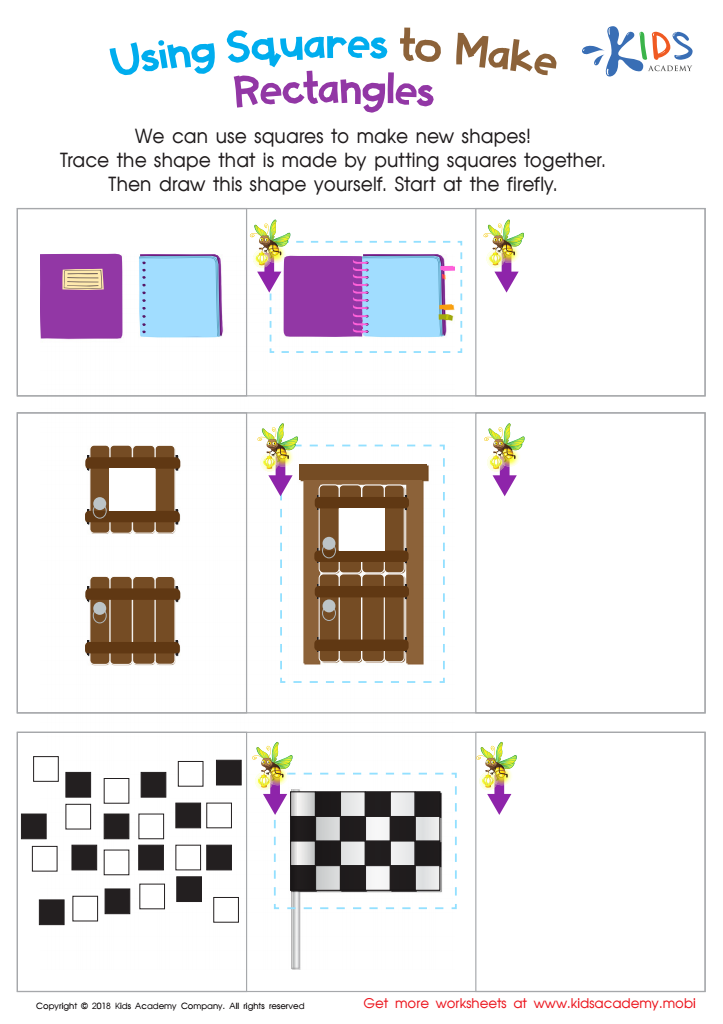
Using Squares to Make Rectangles Worksheet
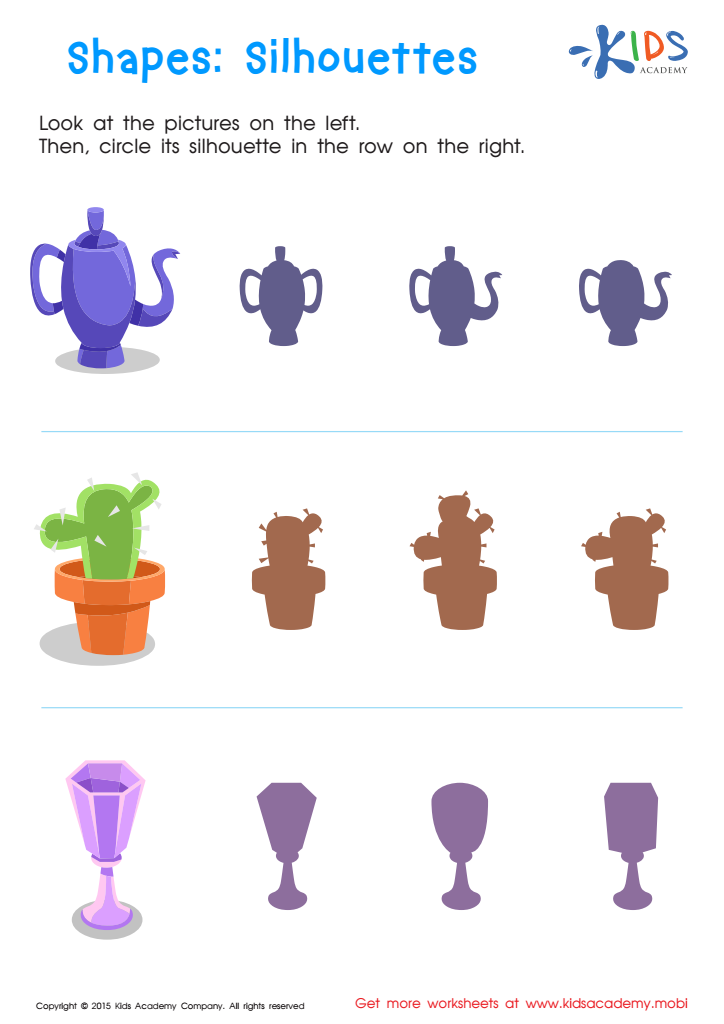
Silhouettes – Shapes Worksheet
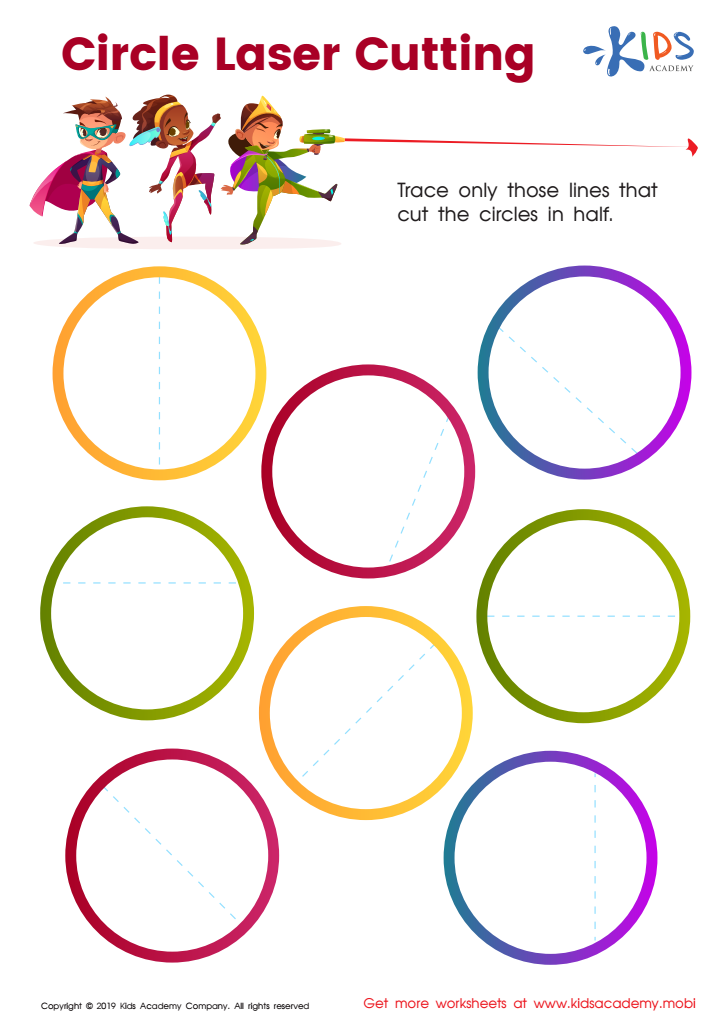
Circle Laser Cutting Worksheet
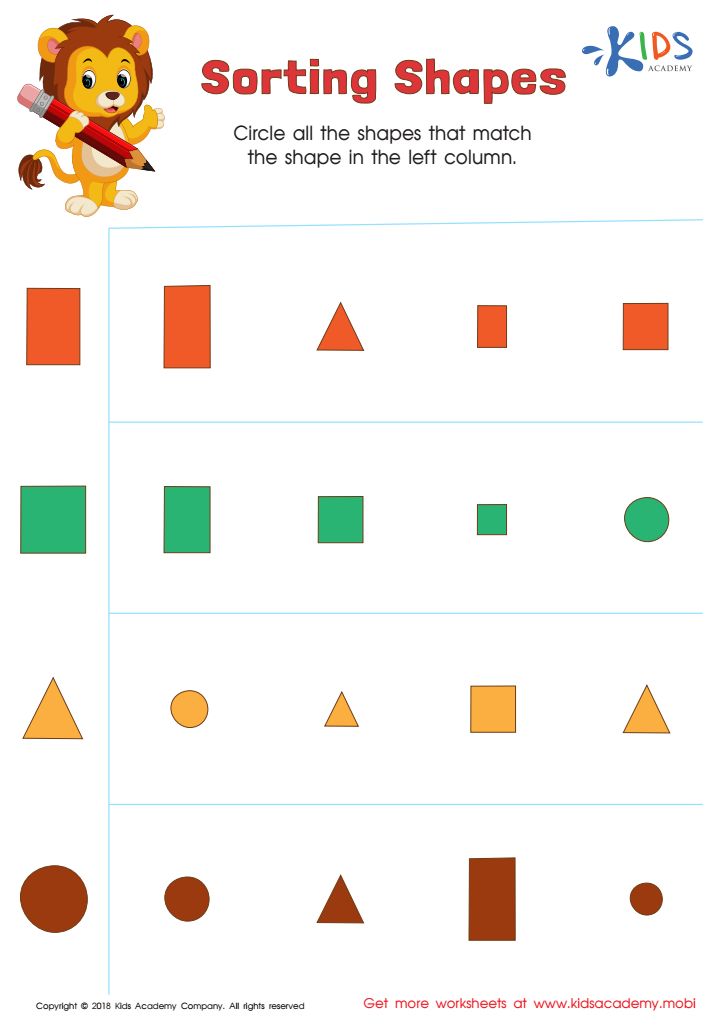
Sorting Shapes - Part 2 Worksheet




%20(1).jpg)



Shape recognition is a fundamental aspect of early math education that serves as a building block for children's cognitive development. Understanding shapes enhances spatial awareness, an essential skill for tasks ranging from problem-solving in math to navigating the physical world. When parents and teachers prioritize shape recognition, they help children develop critical thinking and analytical abilities.
Furthermore, shape recognition enhances vocabulary development as children learn to identify and describe various shapes like squares, circles, and triangles. This vocabulary building is crucial for effective communication in math-related discussions later on.
Additionally, recognizing shapes is interconnected with future mathematical concepts such as geometry and measurement. By nurturing shape recognition skills early on, parents and teachers lay a strong foundation for more complex math skills, leading to greater academic success.
Shapes are everywhere in everyday life, from architecture to nature, thus teaching children to recognize and appreciate them fosters observational skills and creativity. Ultimately, emphasizing shape recognition in early education helps children build a comprehensive mathematical understanding, ensuring they are equipped for future learning and problem-solving challenges. For these reasons, parents and teachers should actively engage in fostering shape recognition in their young learners.








