Visual Learning Normal Math Worksheets
5 filtered results
-
From - To
Discover the benefits of Visual Learning with our Normal Math Worksheets designed for early grade learners. These engaging and interactive worksheets provide students with a visual approach to math concepts, making it easier to understand and retain information. From counting and basic operations to puzzles and matching activities, each worksheet is tailored to enhance critical thinking and problem-solving skills. Ideal for classroom use or at-home practice, our visual learning resources promote active engagement and foster a love for math. Download our free printable worksheets today and help your child build a strong foundational math understanding through visual techniques!
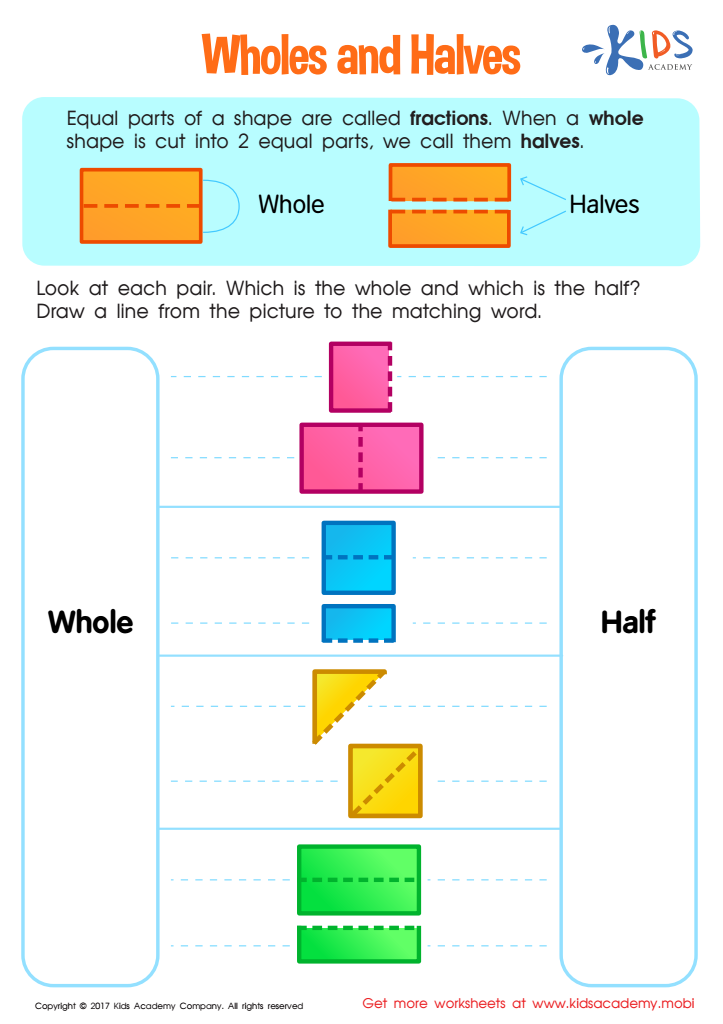
Wholes and Halves Worksheet
 Assign to My Students
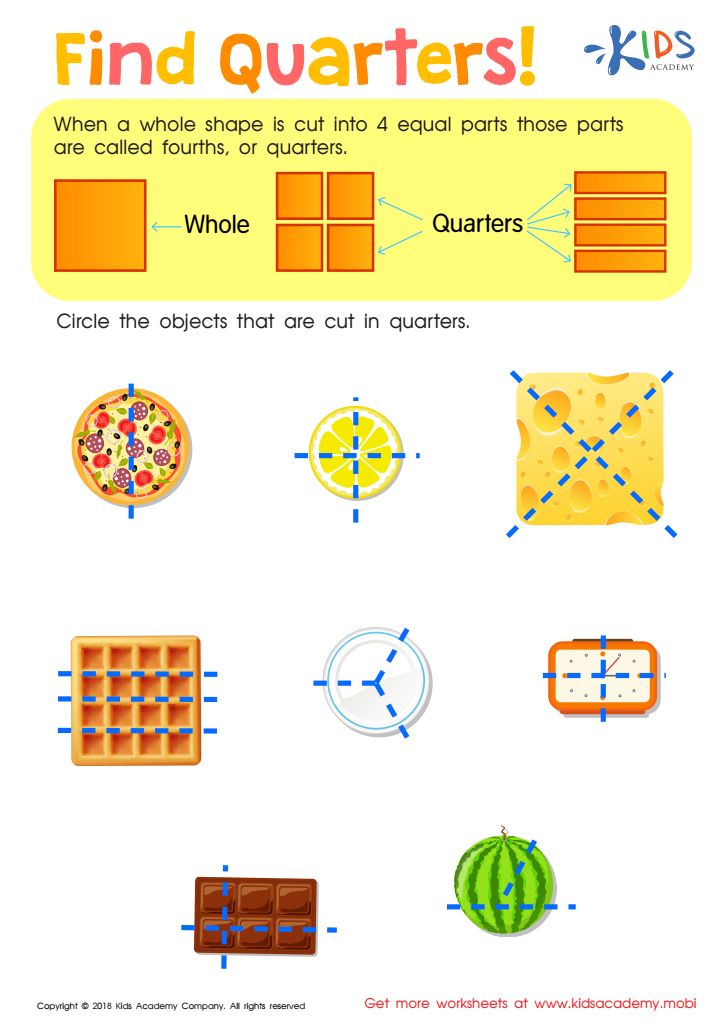
Find Quarters Worksheet
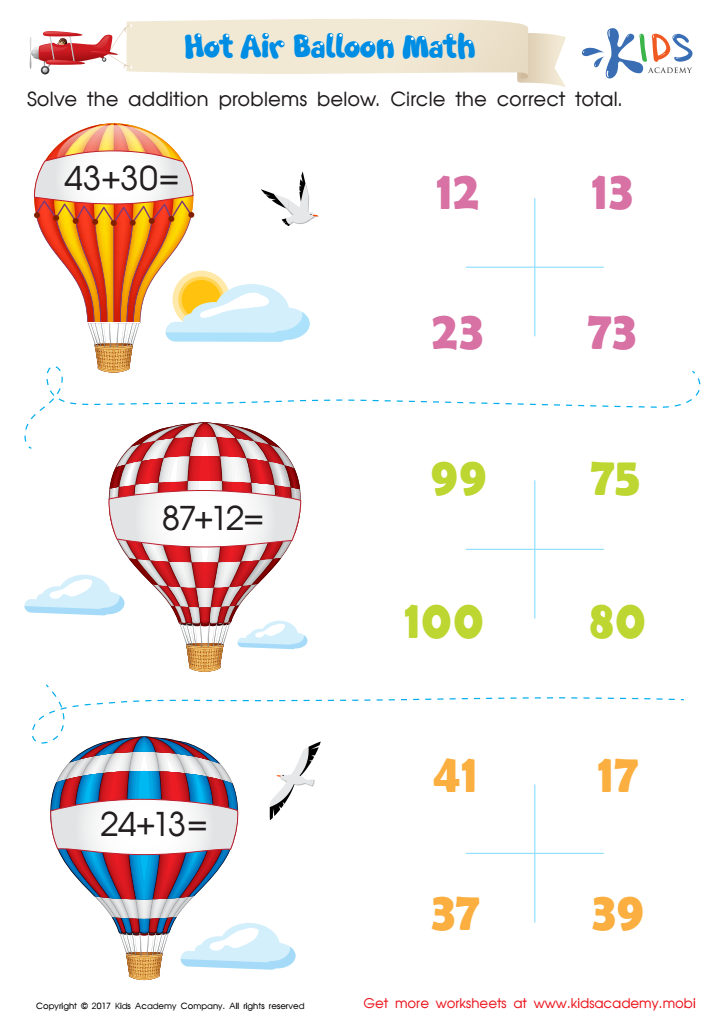
Hot Air Balloon Math Worksheet
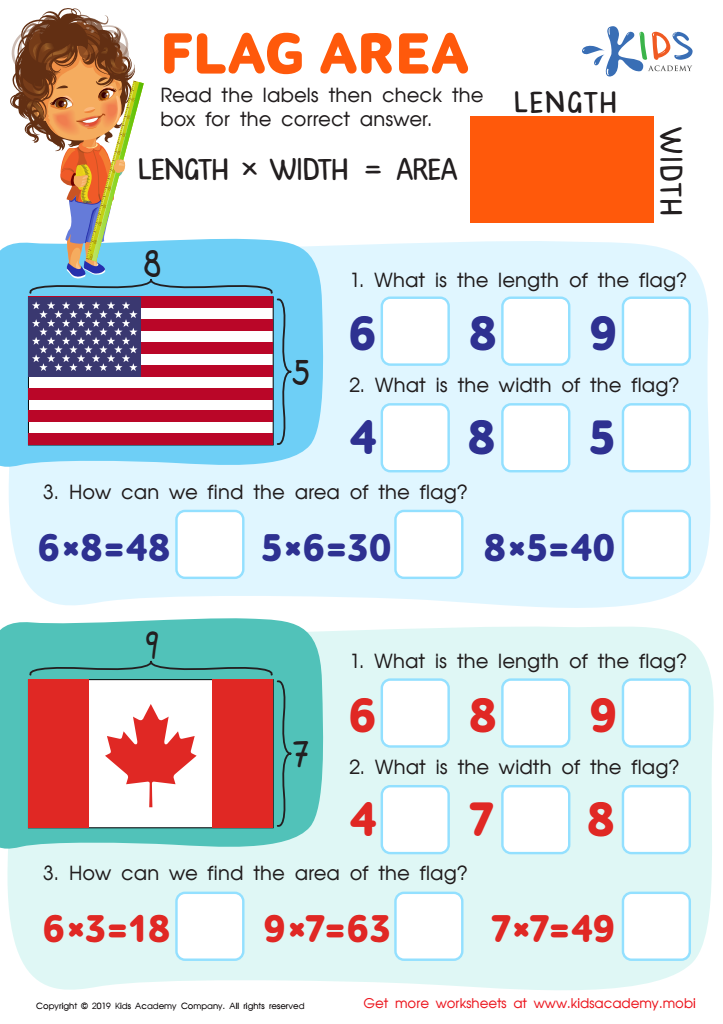
Flag Area Worksheet
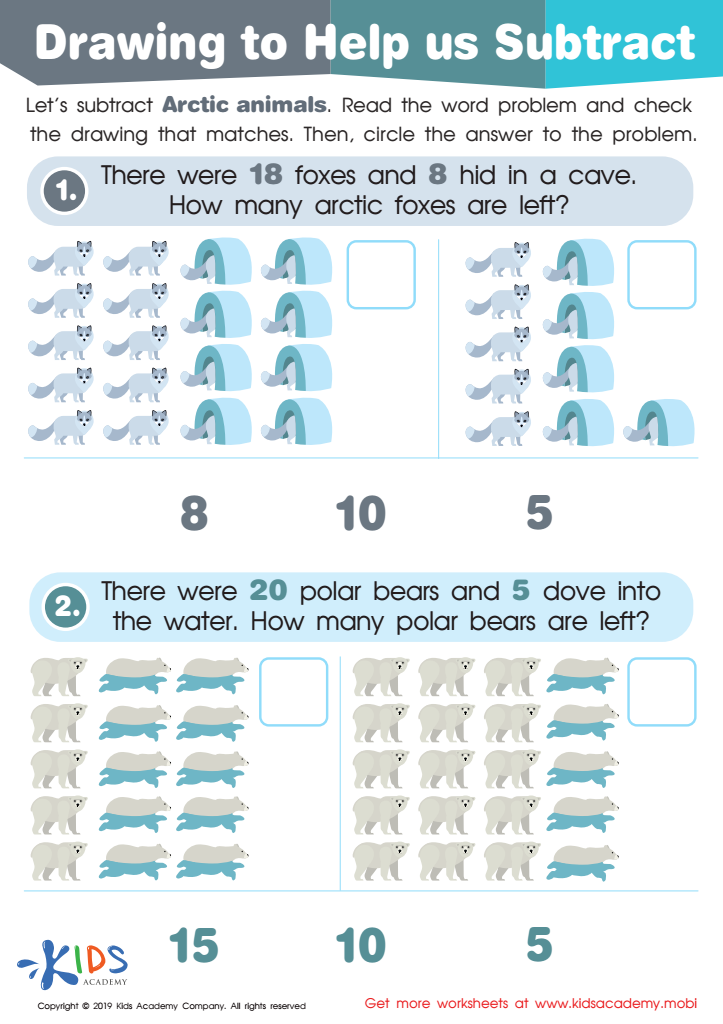
Drawing to Help Us Subtract Worksheet







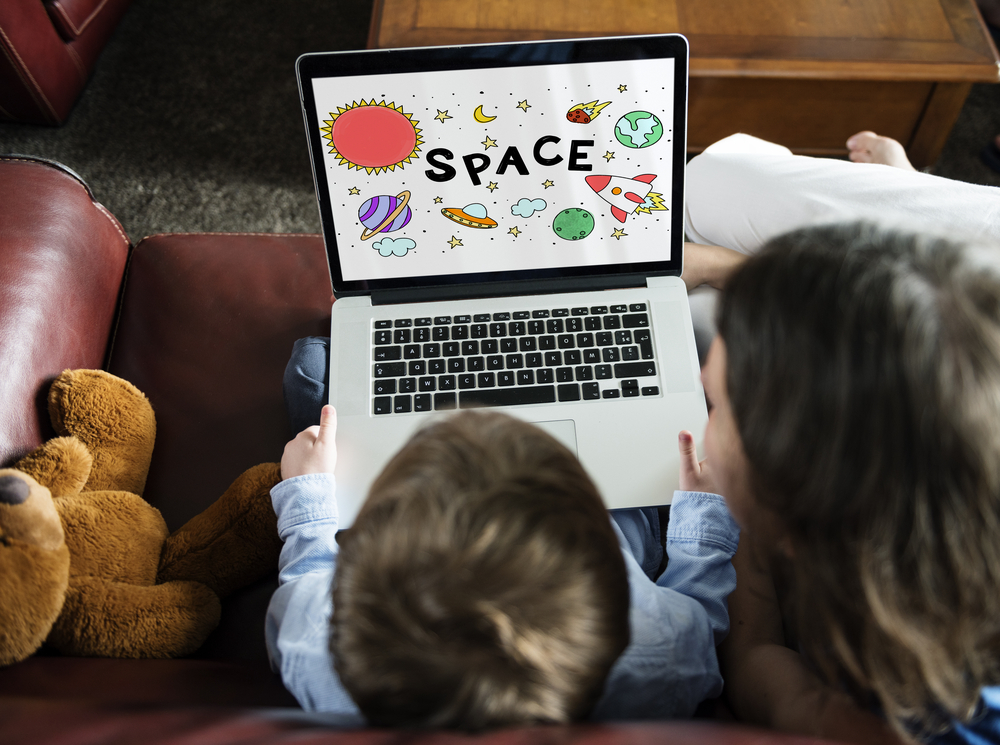
Visual Learning Normal Math emphasizes the importance of using visual aids, diagrams, and imagery in teaching mathematical concepts, making it an essential approach for parents and teachers. Firstly, children are naturally inclined towards visual learning; approximately 65% of learners are visual thinkers. By integrating visual tools in math lessons, students can better grasp abstract concepts and relate them to real-world scenarios, enhancing their understanding and retention.
Moreover, visual learning caters to various learning styles, aiding those who struggle with traditional methods. It supports memory by engaging multiple senses and fostering deeper cognitive links, ultimately leading to improved problem-solving and critical thinking skills. Teachers can create a more inclusive and dynamic classroom experience, motivating students to participate.
From a parental perspective, being aware of visual learning strategies can empower parents to support their children’s education at home. They can use everyday objects, pictures, or educational videos to reinforce mathematical concepts, ensuring their child’s engagement and confidence.
In conclusion, emphasizing Visual Learning Normal Math fosters a richer learning environment, benefiting both students and educators by enhancing comprehension, supporting diverse learning styles, and equipping children for future mathematical challenges. It makes math more accessible and enjoyable, laying a strong foundation for lifelong learning.








