Counting skills Normal Preschool Worksheets - Page 2
45 filtered results
-
From - To
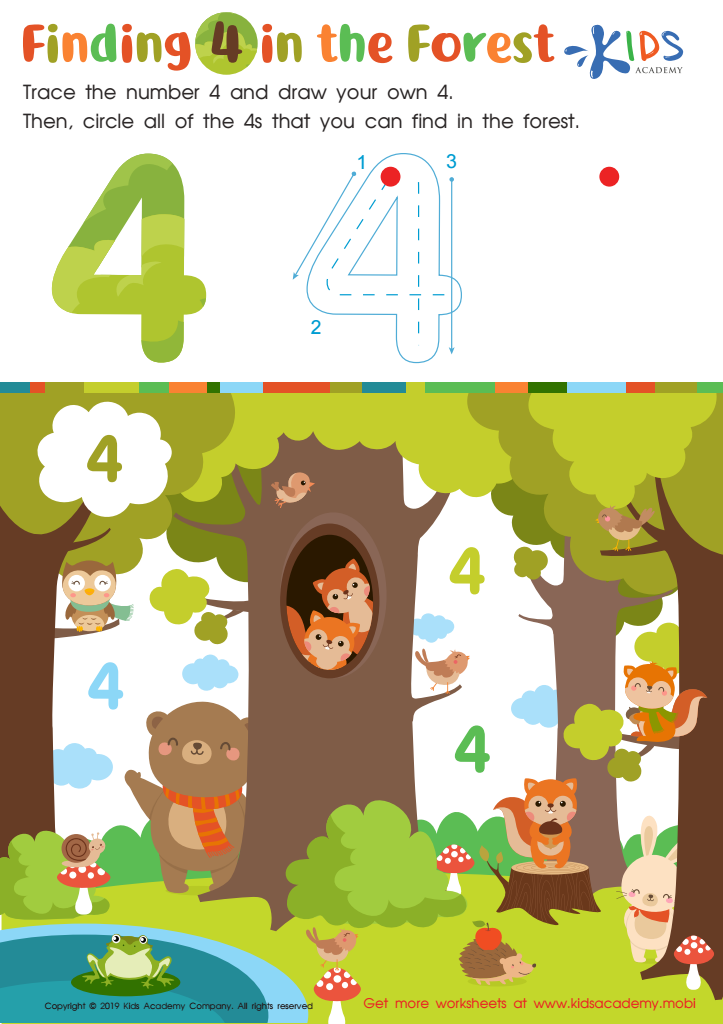
Finding 4 in the Forest Worksheet
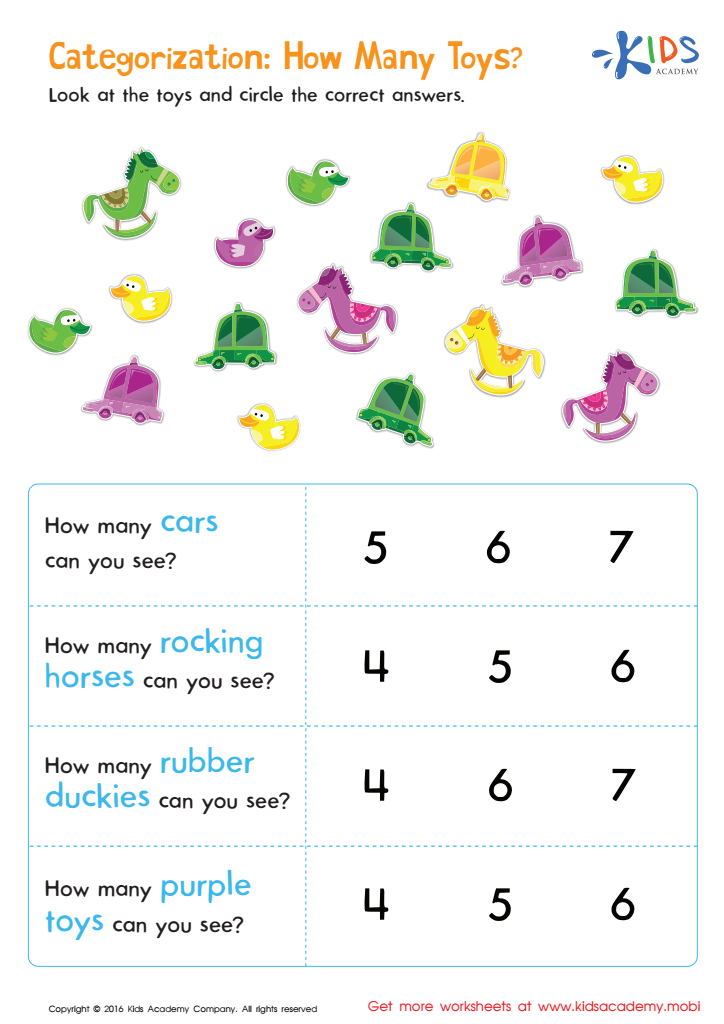
Classifying Toys by Type and Color Sorting Worksheet
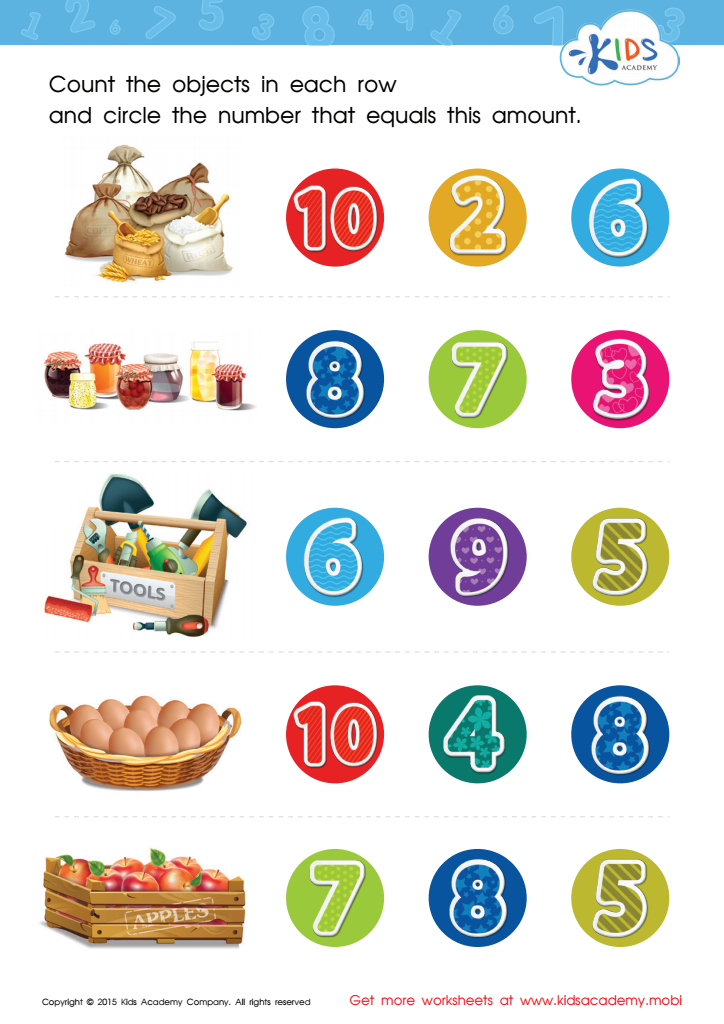
Count and Match 6 – 10 Math Worksheet
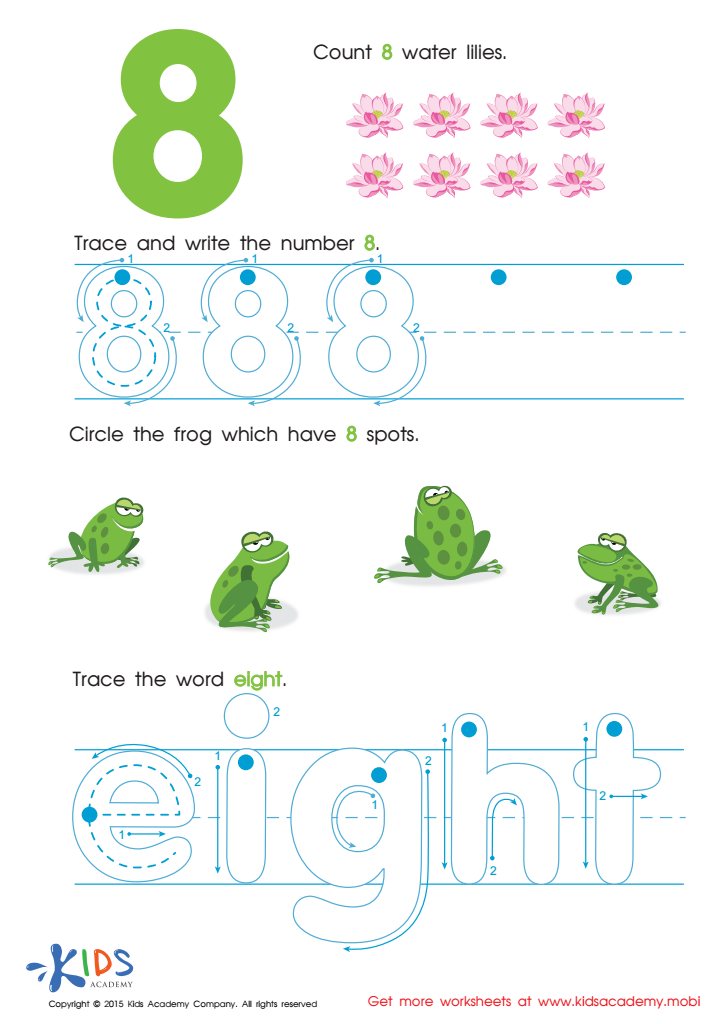
Learn Number 8 Easily Worksheet
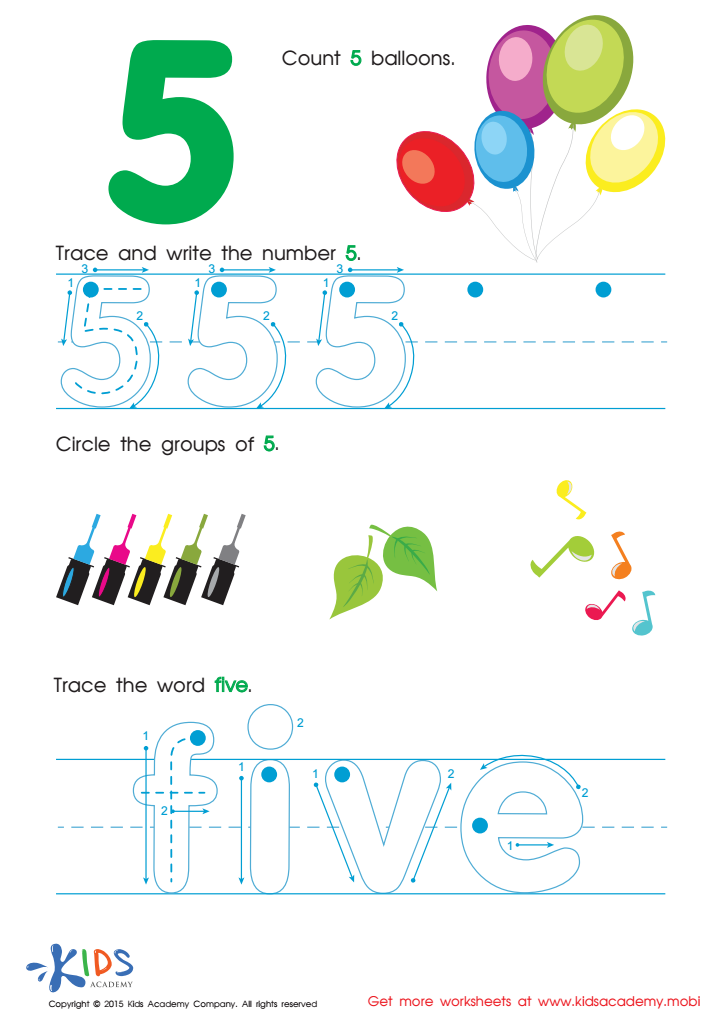
Practice Writing Number 5 Worksheet
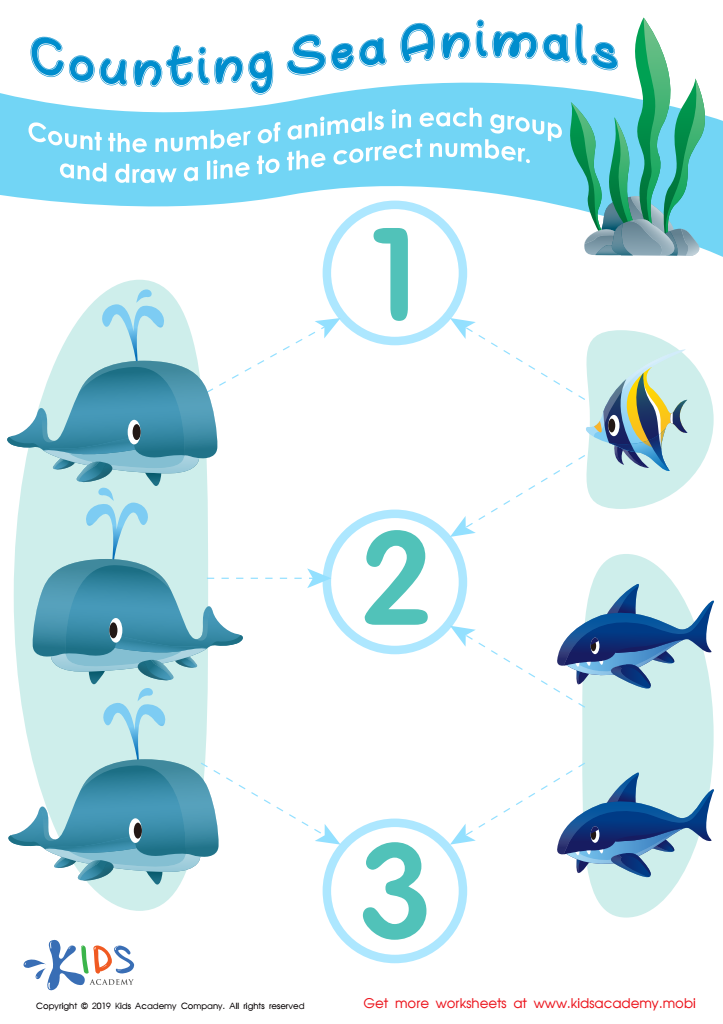
Counting Sea Animals Worksheet
Easter: Easter Eggs Worksheet
 Assign to My Students
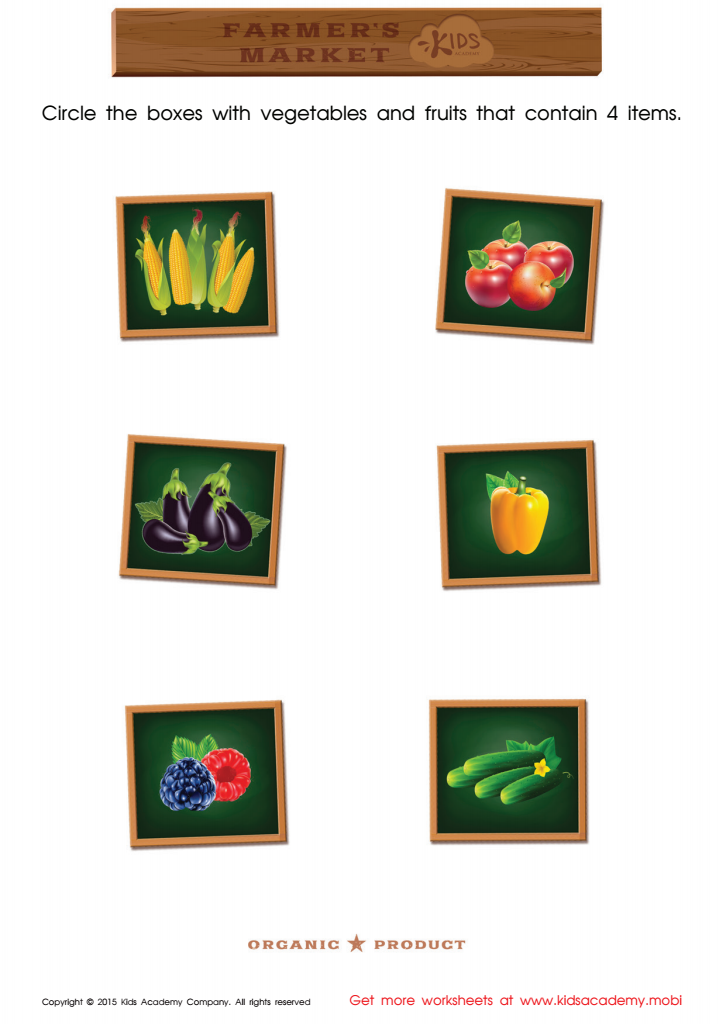
Count and Match Vegetables 2 – 8 Math Worksheet

Count and Match Vegetables and Points Math Worksheet
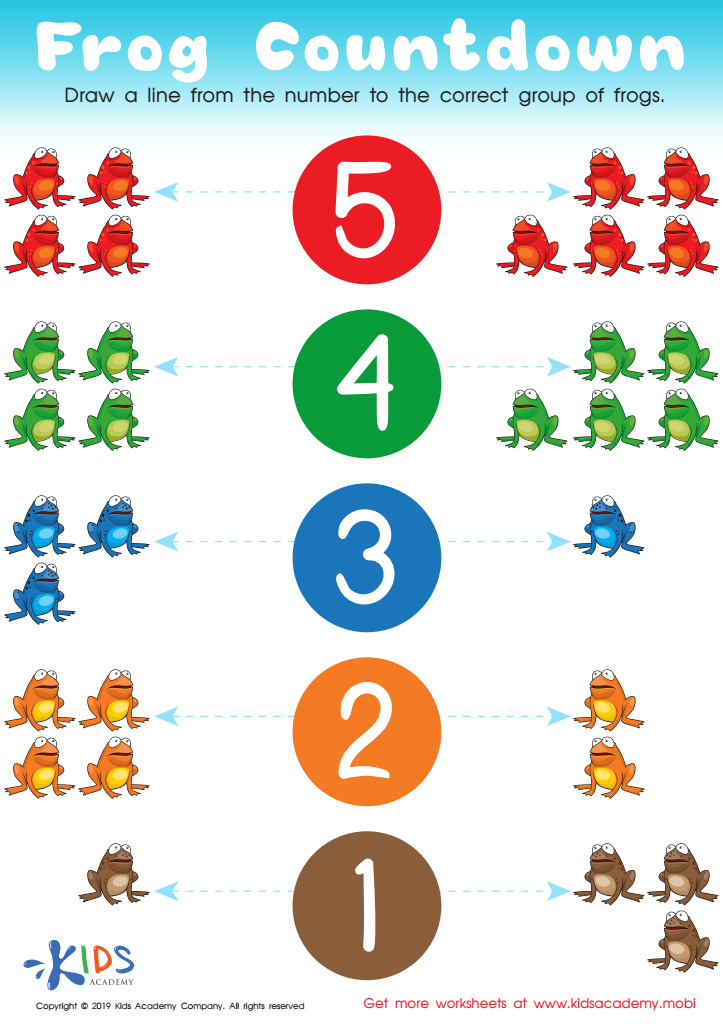
Frog Countdown Worksheet
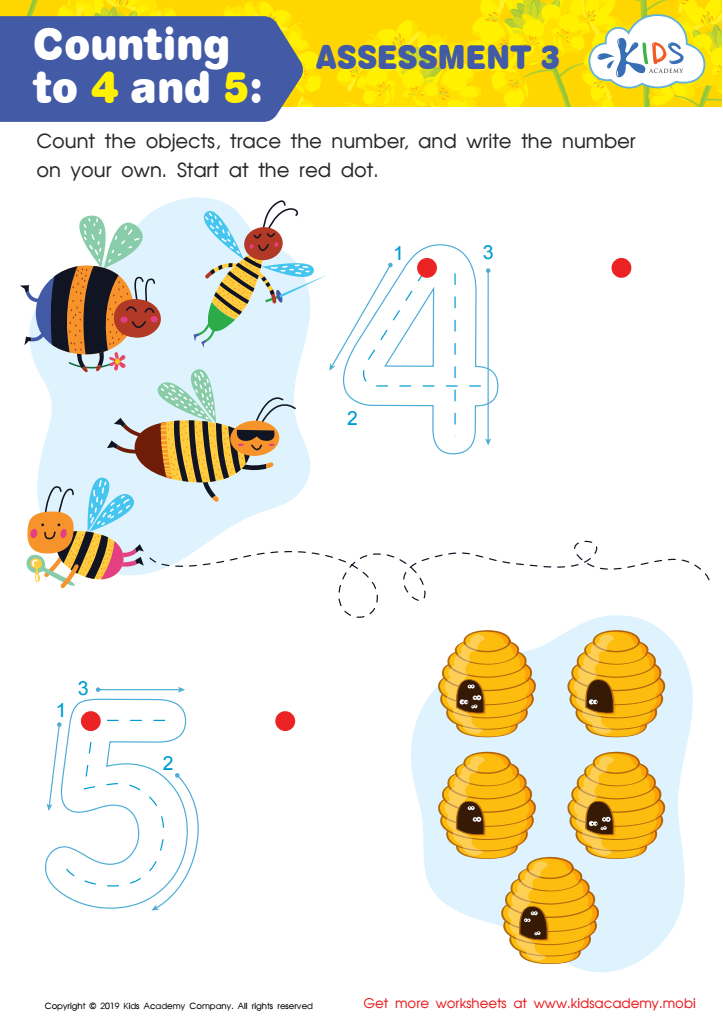
Counting to 4 and 5: Assessment 3 Worksheet
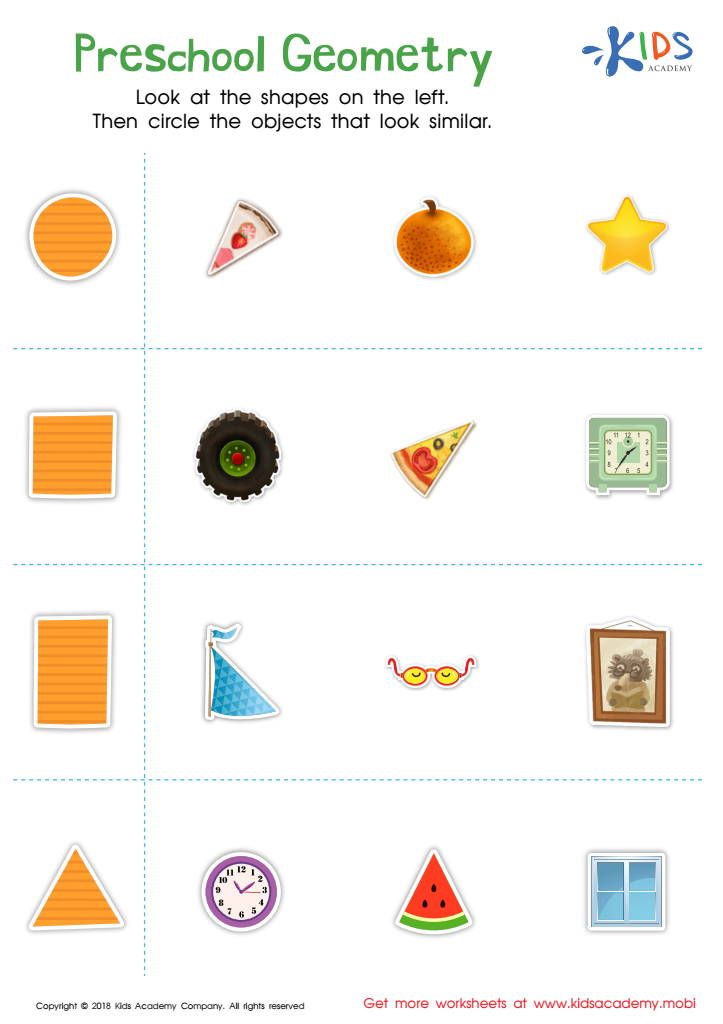
Preschool Geometry Worksheet
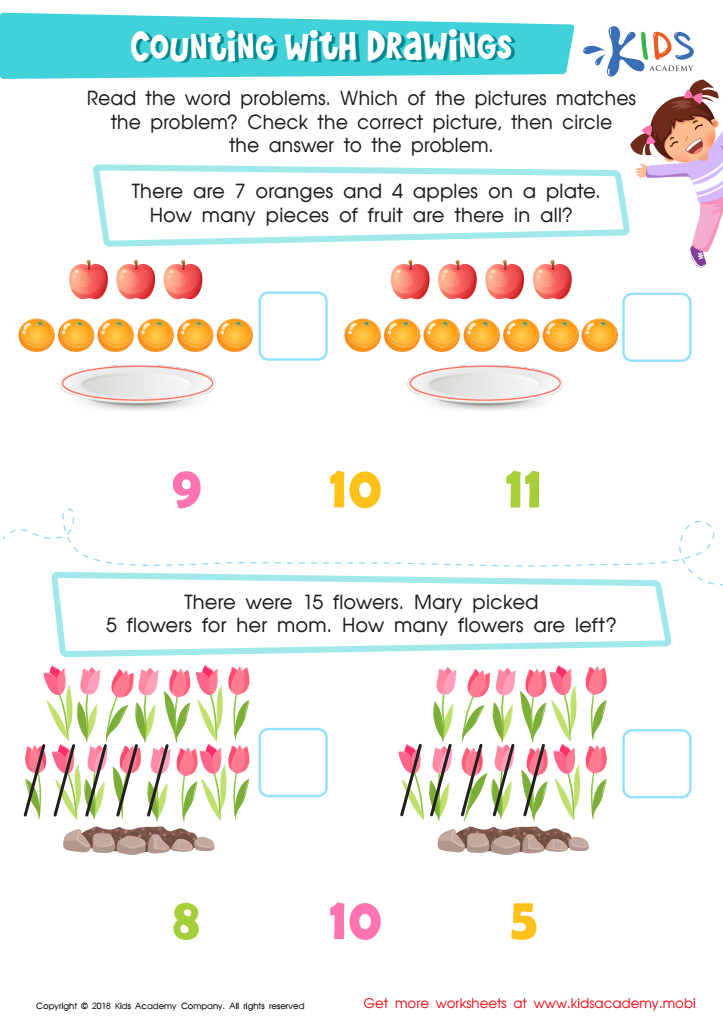
Counting with Drawings:Fruits & Flowers Worksheet
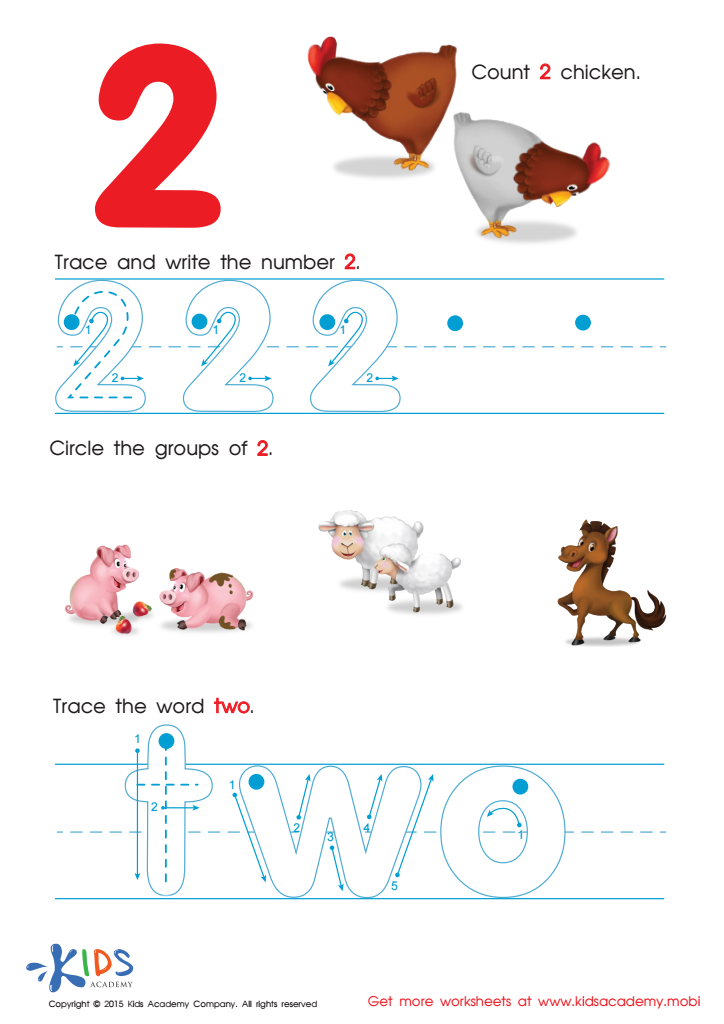
Learn to Write the Number 2 Worksheet
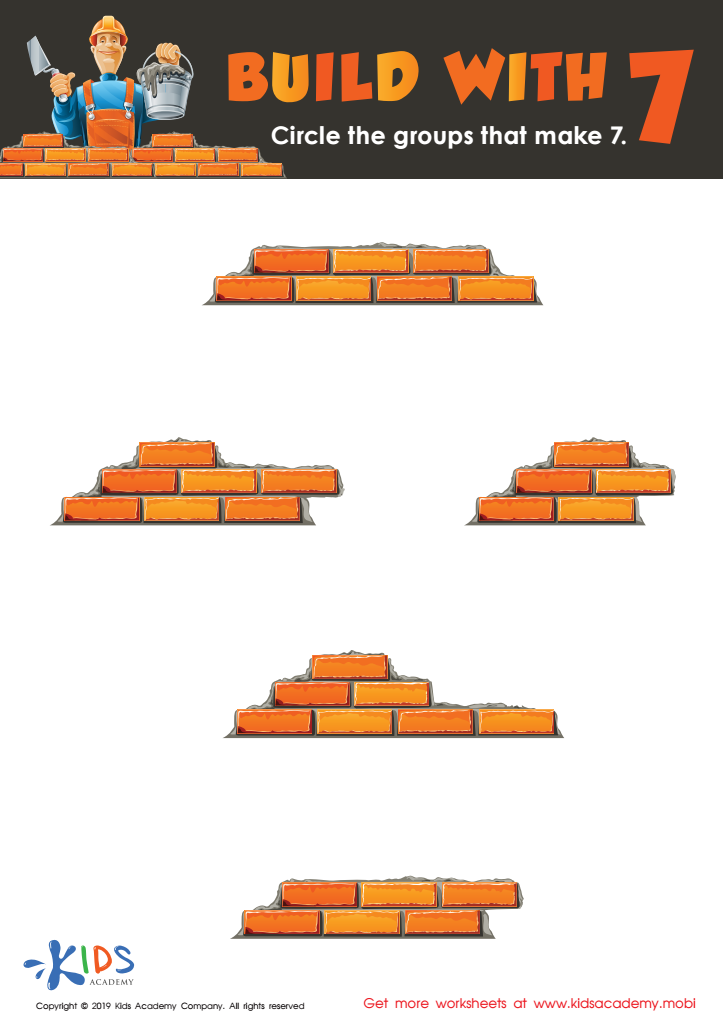
Build with 7 Worksheet
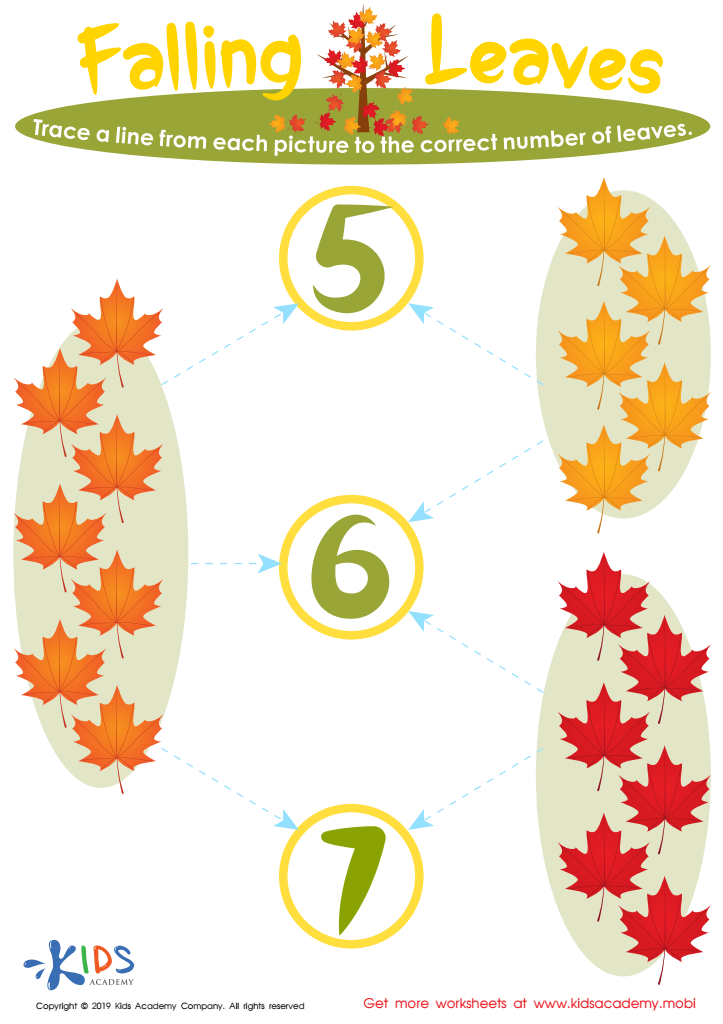
Falling Leaves Worksheet

Count and Match Vegetables 1 – 5 Math Worksheet
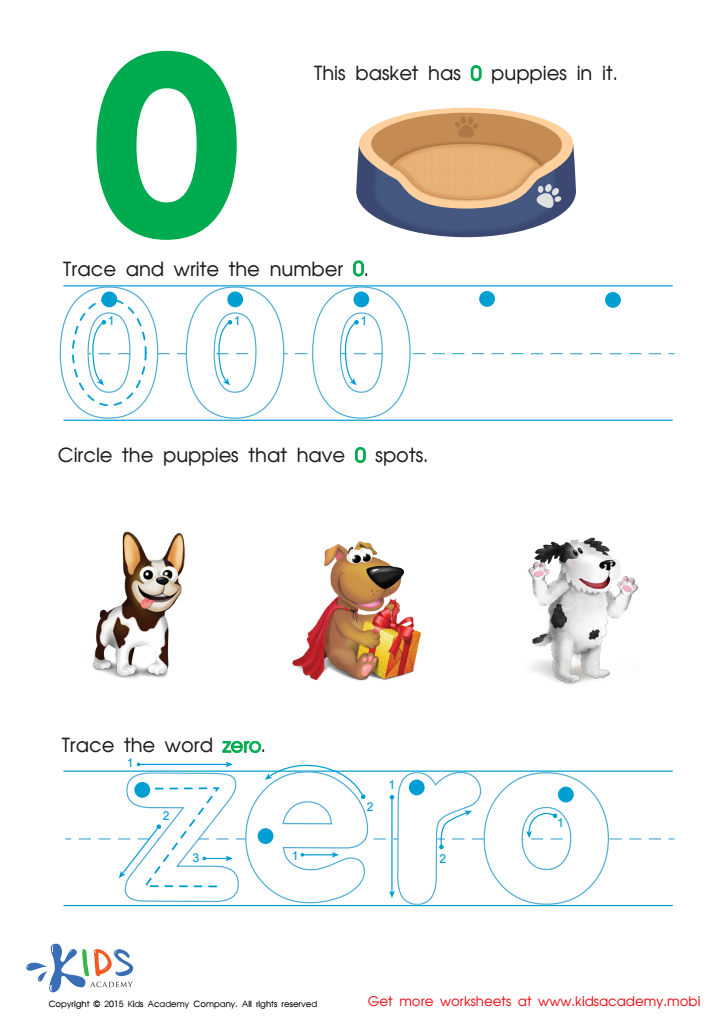
Trace And Write Number 0 Worksheet
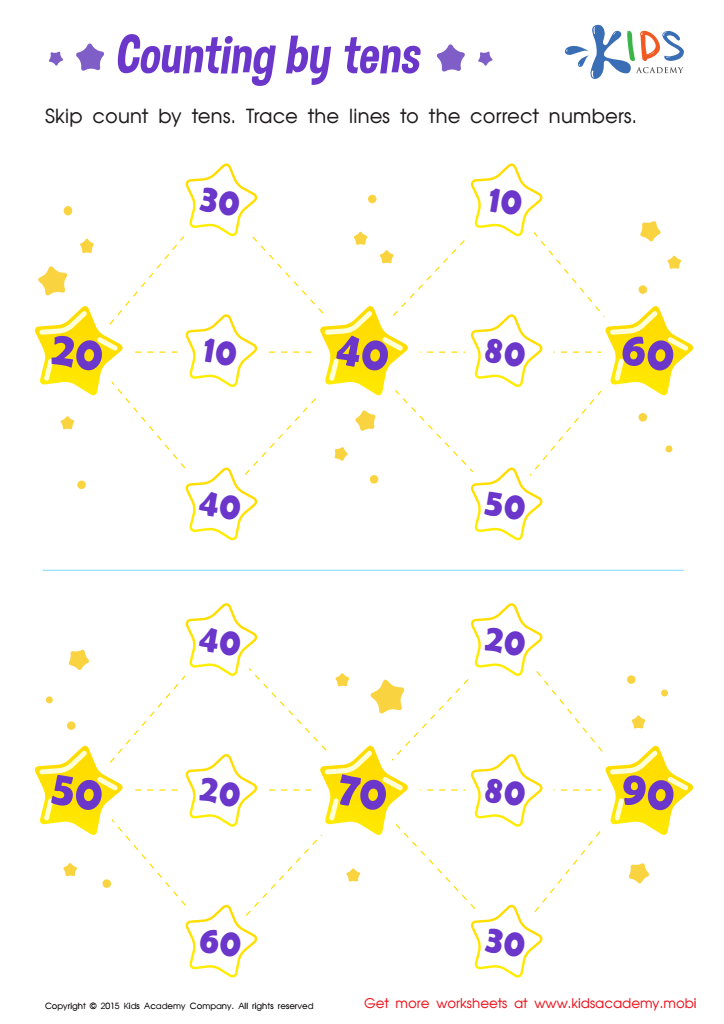
Learn Dozens: Counting by Tens Printable
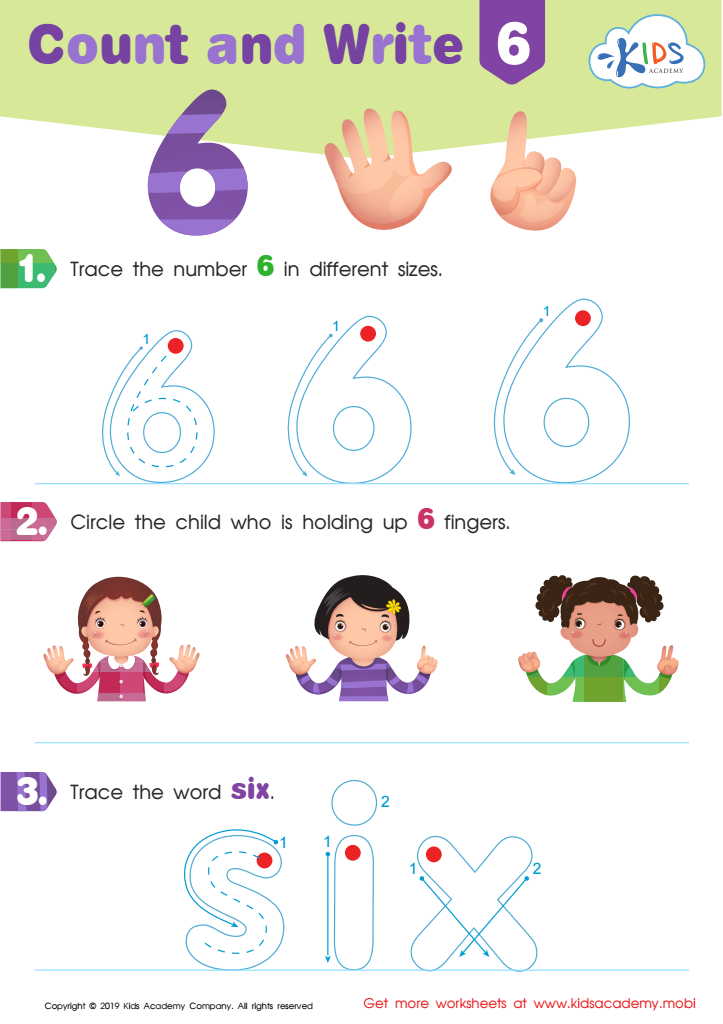
Count and Write 6 Worksheet
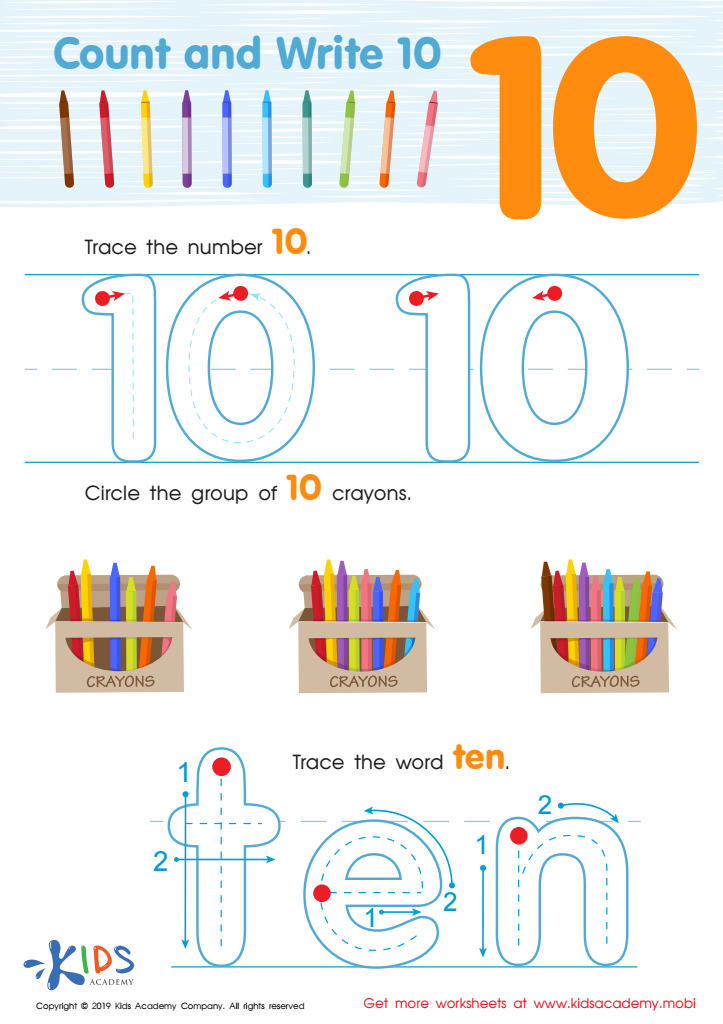
Count and Write 10 Worksheet







Counting skills in normal preschool are fundamental building blocks for a child's academic and everyday life success. Parents and teachers should prioritize developing these skills because they form the foundation for more advanced mathematical concepts and problem-solving abilities. When children learn to count, they not only recognize numbers but also begin to understand the relationship between numerals and quantities, which is essential for operations like addition, subtraction, and simple arithmetic.
Additionally, counting enhances cognitive abilities and logical thinking. For example, sequencing and patterning—vital components of counting—play crucial roles in understanding time, organizing tasks, and honing memory skills. Frequent counting practice can also improve a child's attention to detail and foster fine motor skills when activities involve physical counting aids such as blocks or beads.
Socially, learning counting in preschool lays the groundwork for classroom readiness. It boosts confidence as children achieve milestones and participate in group activities requiring number usage.
Finally, early proficiency in counting can spark a lifelong interest in mathematics, leading to better performance in future academic endeavors. Therefore, both parents and teachers play a crucial role in nurturing these skills to create a strong educational foundation that supports overall cognitive and social development.