
Critical Thinking Normal Plants and Animals Worksheets
8 filtered results
Difficulty Level
Grade
Age
-
From - To
Subject
Activity
Standards
Enhance your students' cognitive skills with our "Critical Thinking Normal Plants and Animals Worksheets." Specifically designed for young learners, these worksheets encourage deep thinking and stimulate curiosity about the natural world. Through engaging activities, children will analyze, compare, and contrast various plants and animals, fostering a profound understanding of their characteristics and relationships. Perfect for classrooms or home learning, these worksheets not only teach scientific facts but also develop essential critical thinking skills. Nurture inquisitive minds and expand their knowledge about nature with our expertly crafted educational resources. Unlock the potential of budding scientists today.
Favorites
With answer key
Interactive
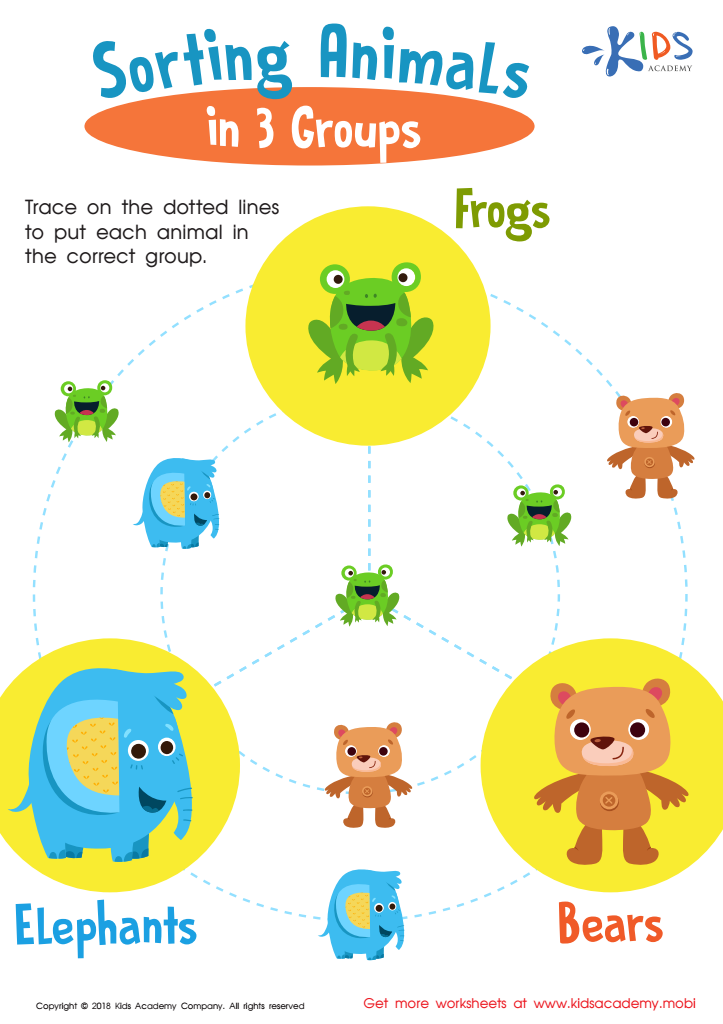
Sorting Animals in 3 Groups Worksheet
Let your kids practice and build skills for future Venn Diagrams with this PDF worksheet. They'll trace lines to match and group animals, and learn the differences and similarities of animals by categorizing with pictures and words. Plus, it's a great way to develop fine motor skills.
 Assign to My Students
Sorting Animals in 3 Groups Worksheet
Worksheet
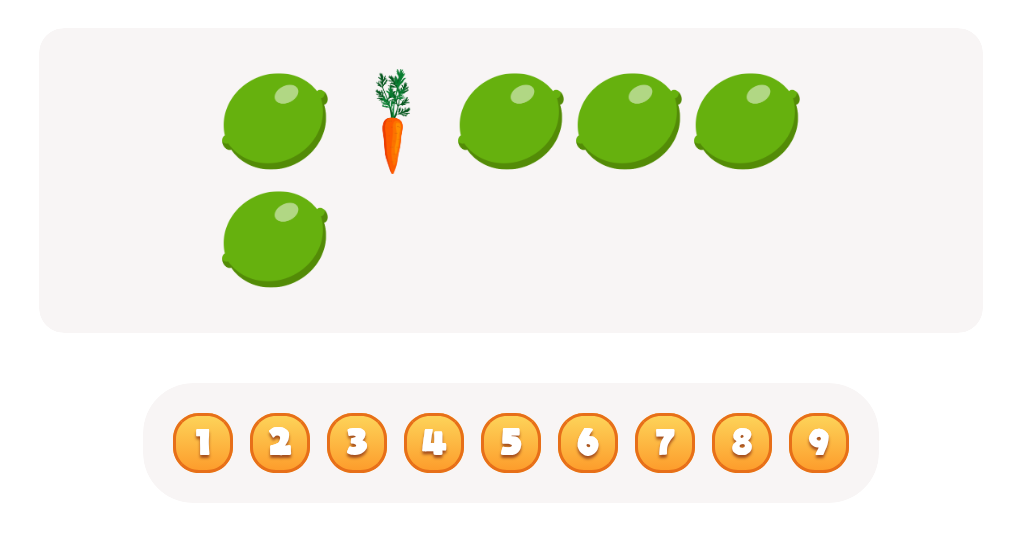

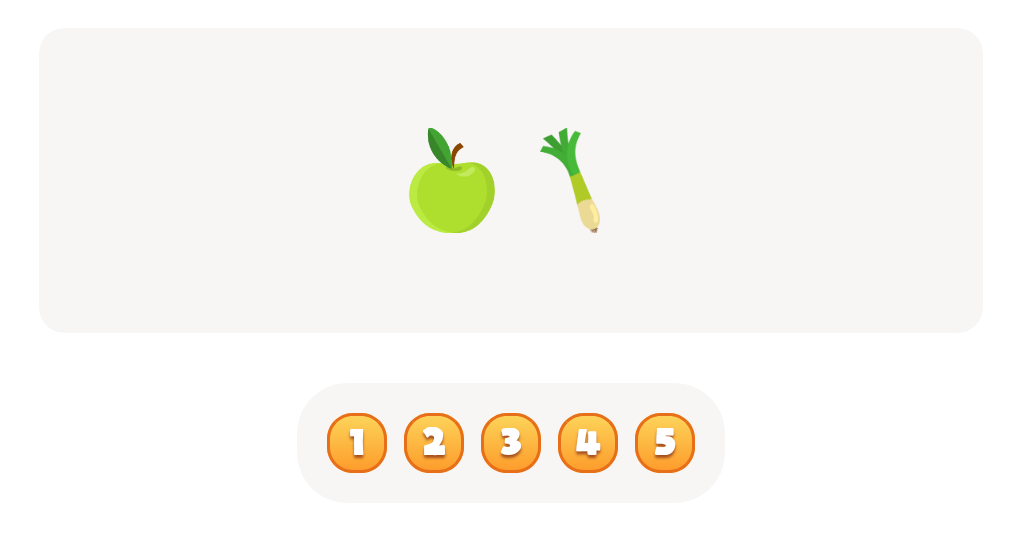
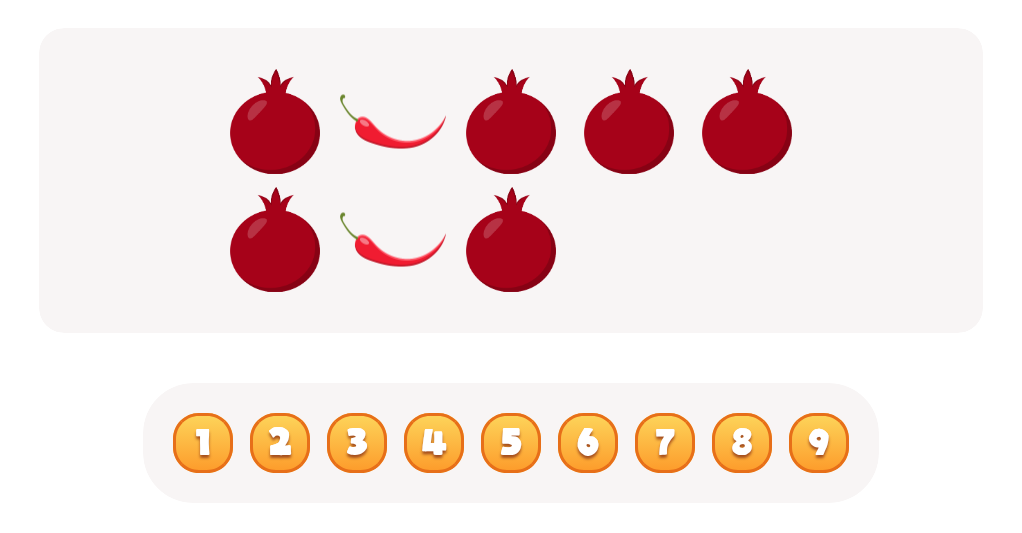
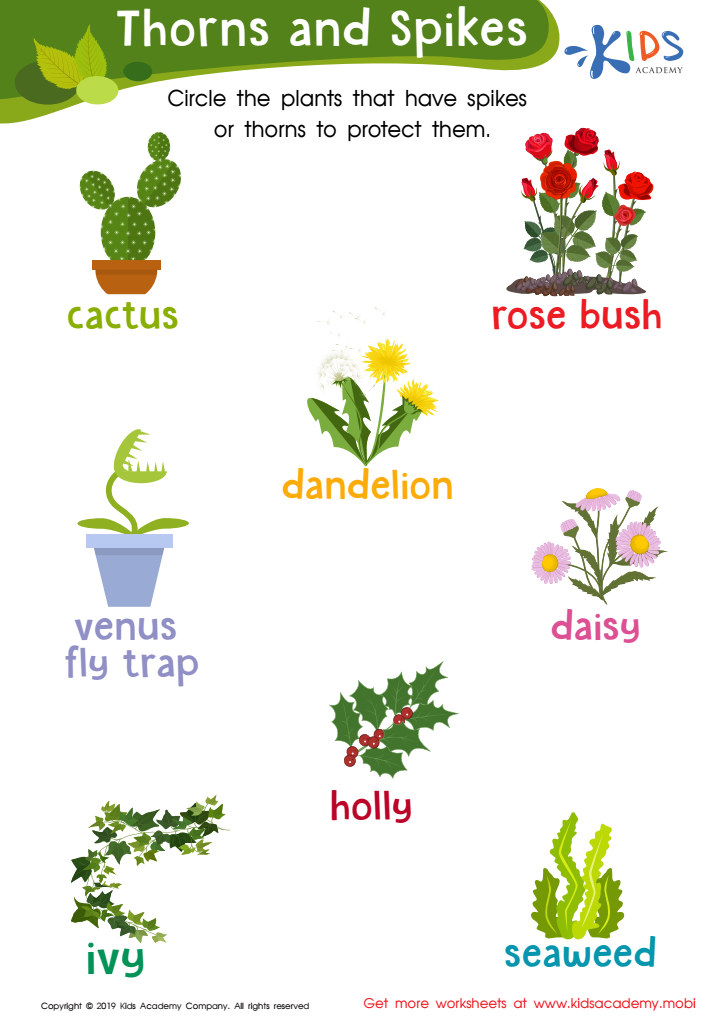
Thorns and Spikes Worksheet
Can your students name and identify the plants and flowers in this worksheet? Ask them to read out the names and circle the ones with spikes or thorns. Help them appreciate nature's beauty and understand how plants protect themselves.
Thorns and Spikes Worksheet
Worksheet
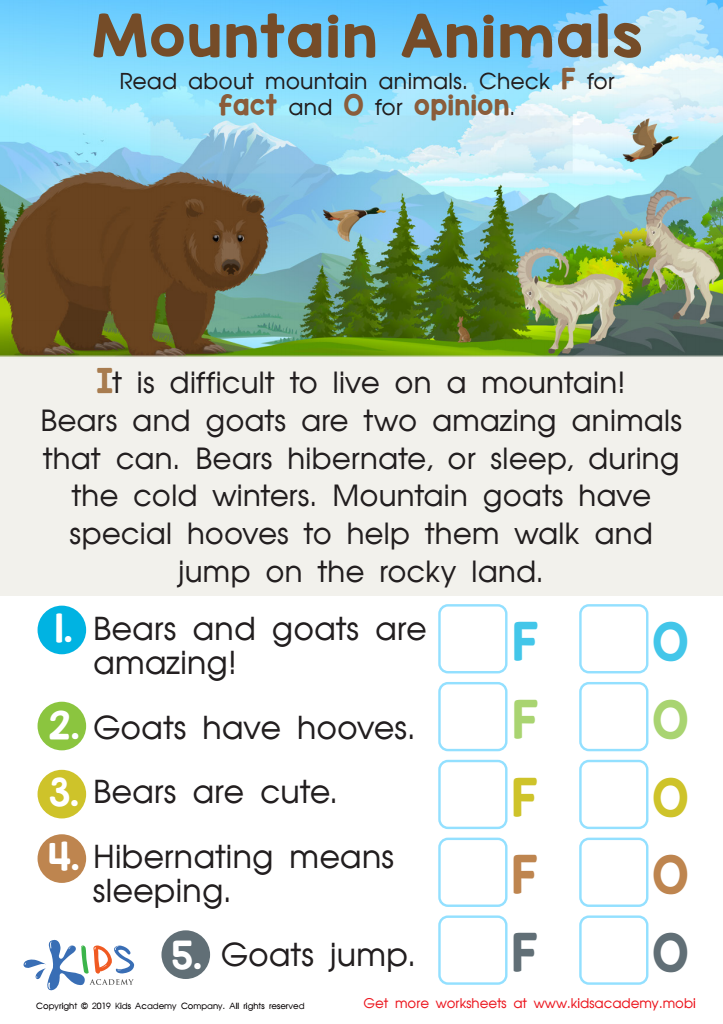
Mountain Animals Worksheet
Is mountain wildlife amazing? Fact or fiction? Help your child sharpen critical-thinking skills with this engaging worksheet. Featuring a fun nonfiction passage about animals like bears and goats, your child will read through the text and identify each statement as fact or fiction. Perfect for boosting reading comprehension and analytical abilities!
Mountain Animals Worksheet
Worksheet
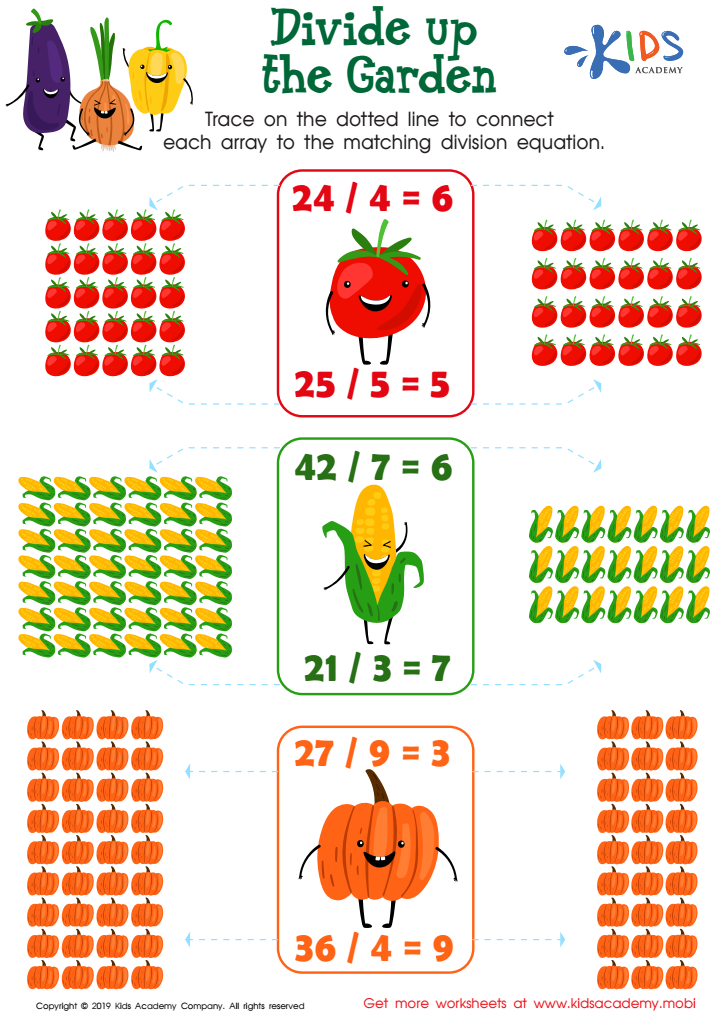
Divide up the Garden Worksheet
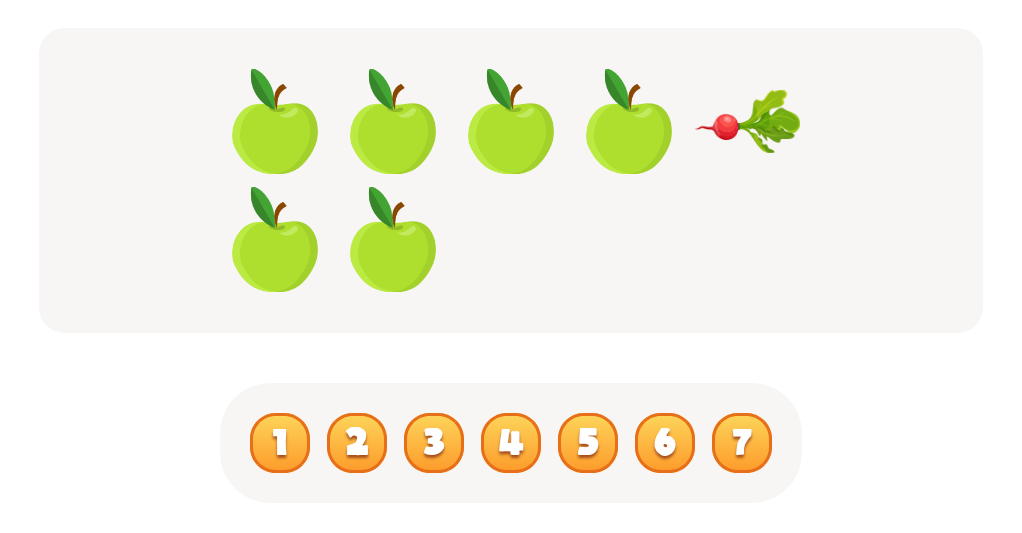
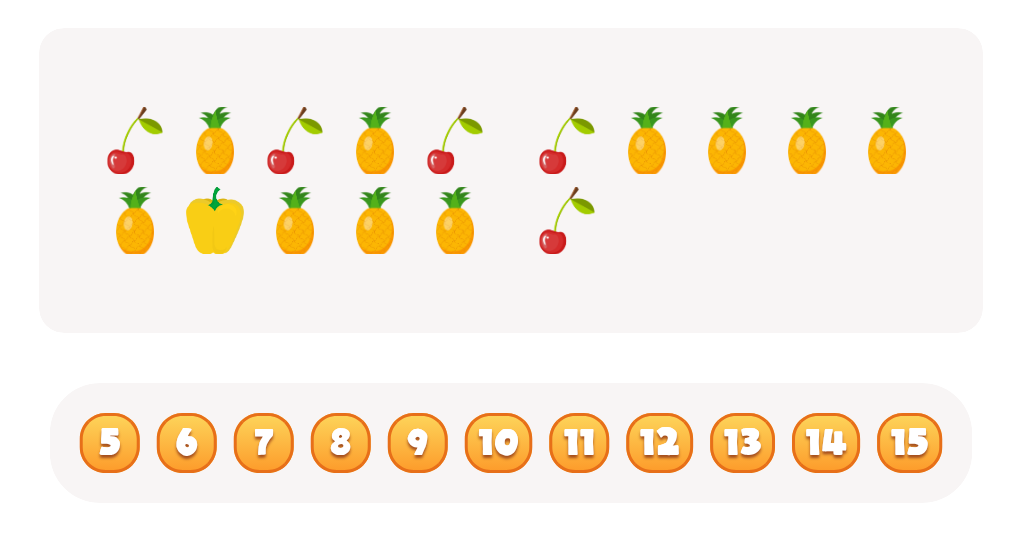
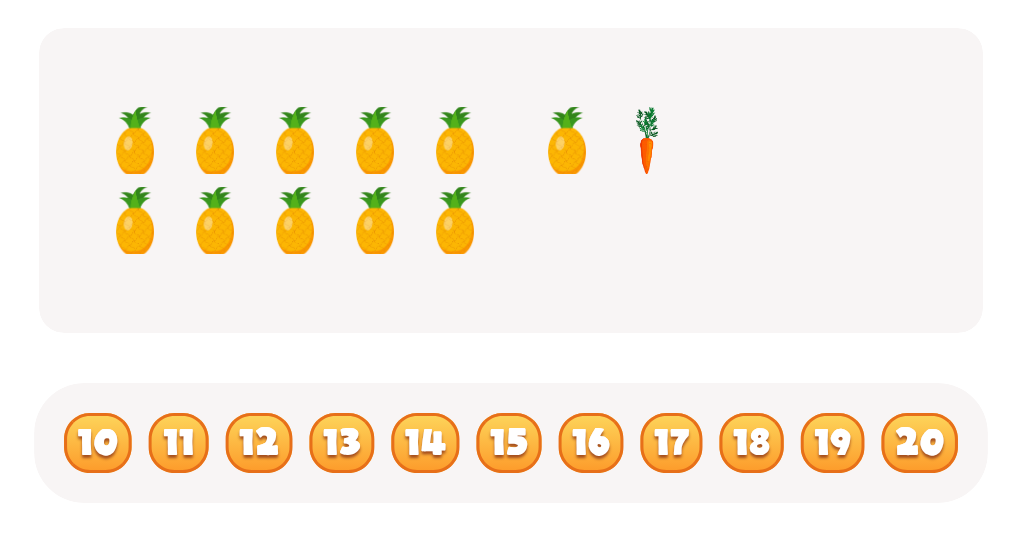
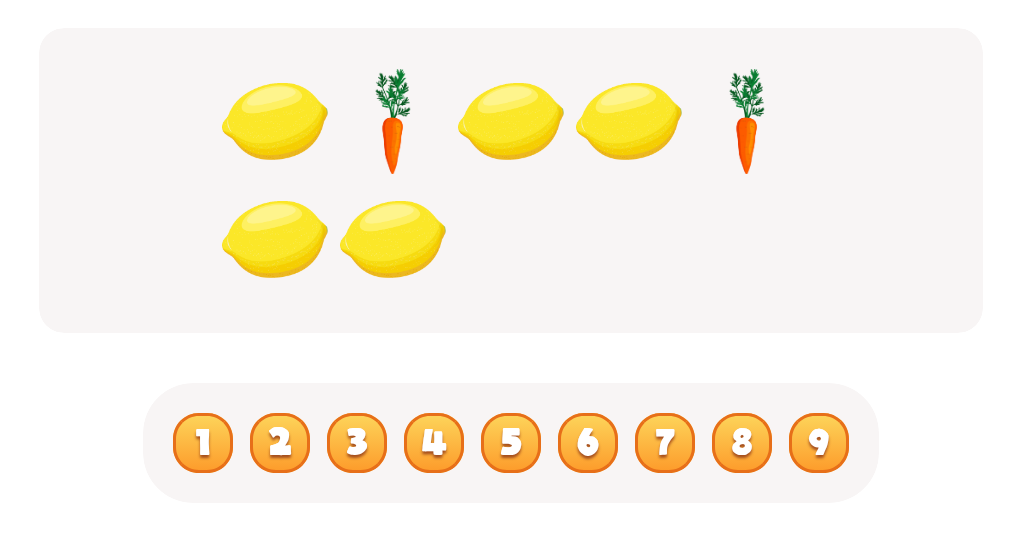
Dividing is simply grouping items into equal sets. This worksheet helps kids see division problems in array form. They'll match each equation with a picture group, using the lines provided. It's a great way for beginners to understand division more concretely.
Divide up the Garden Worksheet
Worksheet
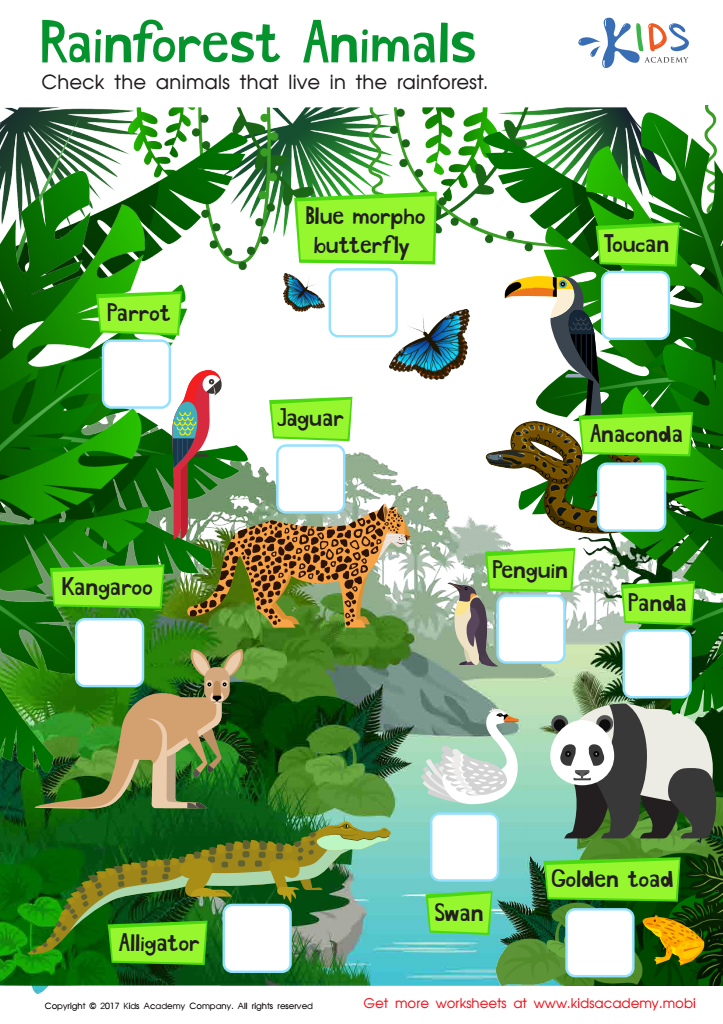
Rainforest Animals Worksheet
Kids love the bright, vivid pics of rainforest animals in this worksheet. It fuels their interest in life science and brings joy to their learning. It encourages them to study these animals in detail.
Rainforest Animals Worksheet
Worksheet
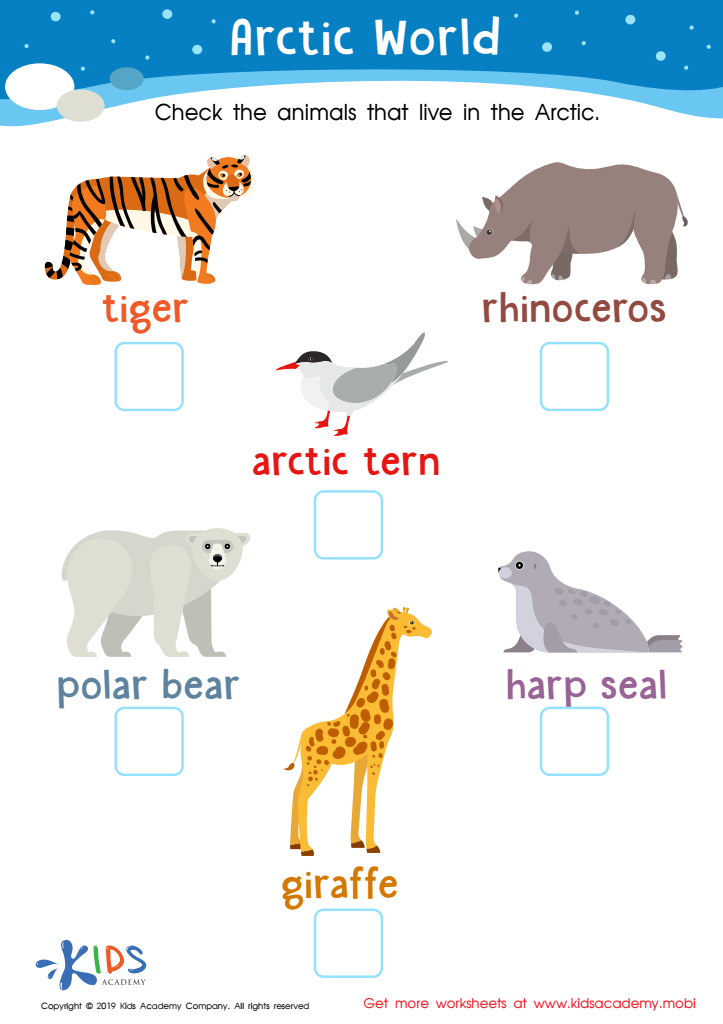
Arctic World Worksheet
Ask your students if they know where the Arctic is located and what lives there. If not, use a world atlas to show them. The Arctic is very cold and snow-covered; native animals have adapted to survive the harsh conditions. Look at the animals in the worksheet and help your students decide which ones live in the Arctic.
Arctic World Worksheet
Worksheet
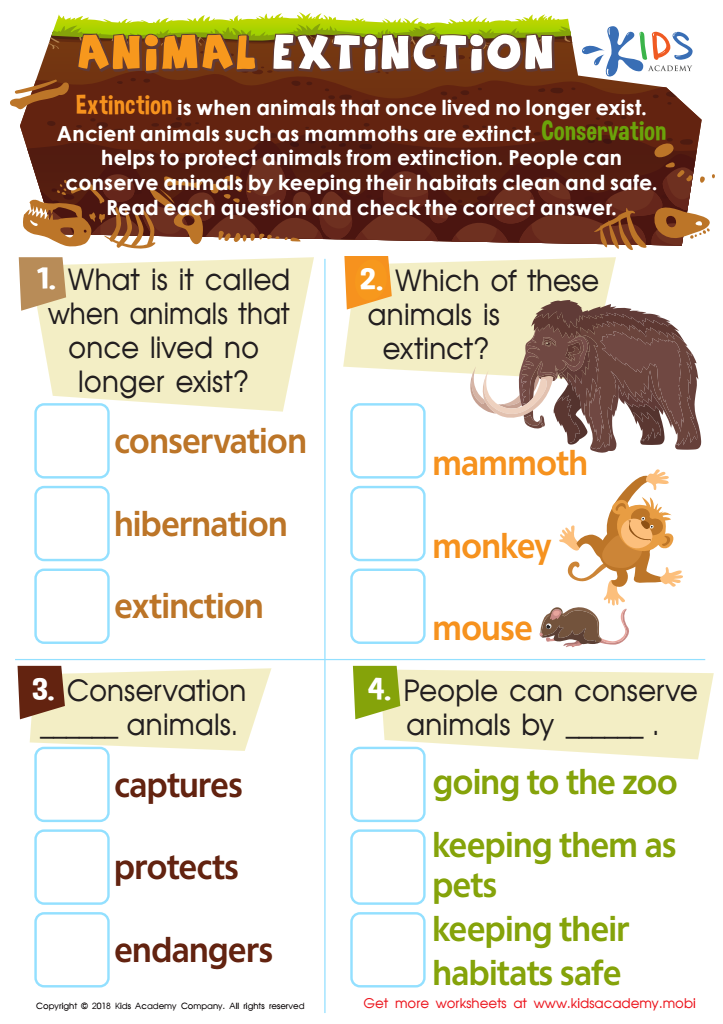
Animal Extinction Worksheet
Children can learn how their actions can help endangered animals with this free PDF worksheet. It explains extinction, looks at the mammoth as an example, and poses questions about conservation. Keeping habitats clean and safe is key to protecting animals and keeping them abundant. Learning about this now can make a huge difference for future generations.
Animal Extinction Worksheet
Worksheet
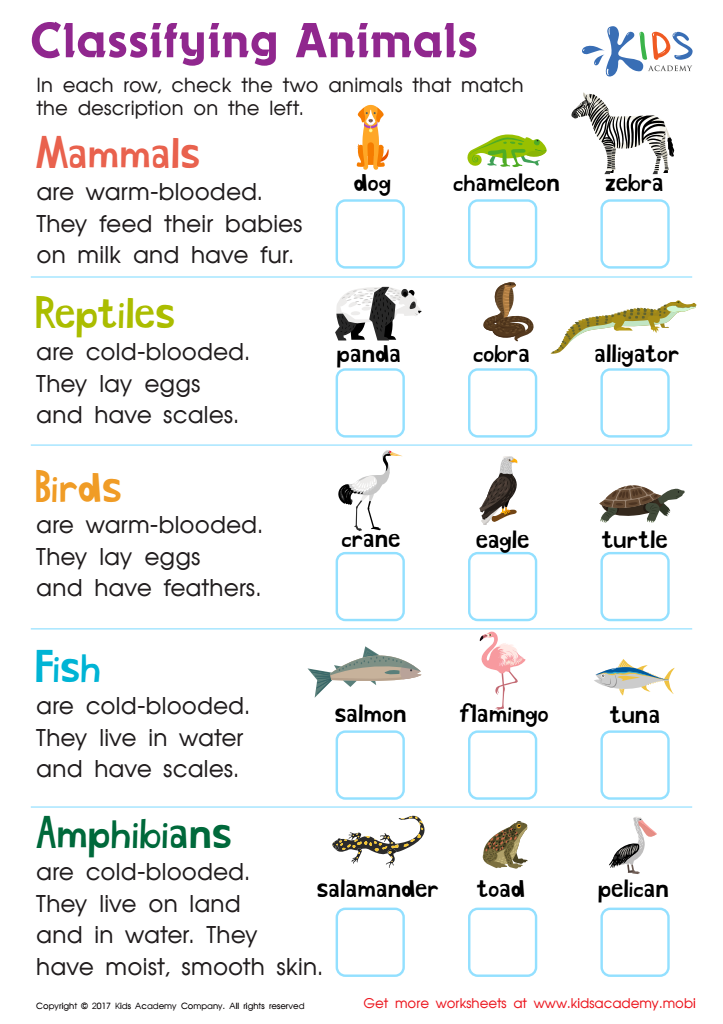
Classifying Animals Worksheet
Print the 2nd grade animal classification worksheet and help kids study the differences between mammals, reptiles, birds, fish and amphibians. Let them pick two examples from the options given.
Classifying Animals Worksheet
Worksheet
Join Kids Academy for Free
Who is primarily going to use this learning content?







Parents and teachers should prioritize critical thinking about normal plants and animals because it fosters a deeper understanding of the natural world and strengthens students' overall cognitive skills. By engaging in critical thinking, children learn to ask questions, analyze information, and make informed decisions, which are essential skills for academic success and lifelong learning.
Understanding plants and animals is not just about memorizing facts; it’s about seeing the connections between living organisms and their ecosystems. This knowledge helps students appreciate biodiversity, understand environmental issues, and recognize the impact humans have on nature. For instance, by learning how certain plants contribute to the habitat, or how various animals interact, children can better grasp the importance of conservation.
Moreover, critical thinking exercises encourage curiosity and scientific inquiry. When students observe and investigate natural phenomena, they hone their abilities to think logically and systematically. This analytical mindset is beneficial across all academic disciplines and in everyday problem-solving situations.
In a world increasingly experiencing environmental challenges, nurturing a generation that values and critically assesses the natural world is crucial. Educating children about the roles and significance of plants and animals prepares them to be responsible stewards of the environment, paving the way for sustainable practices in the future.







