Math worksheets for Preschool - Page 25
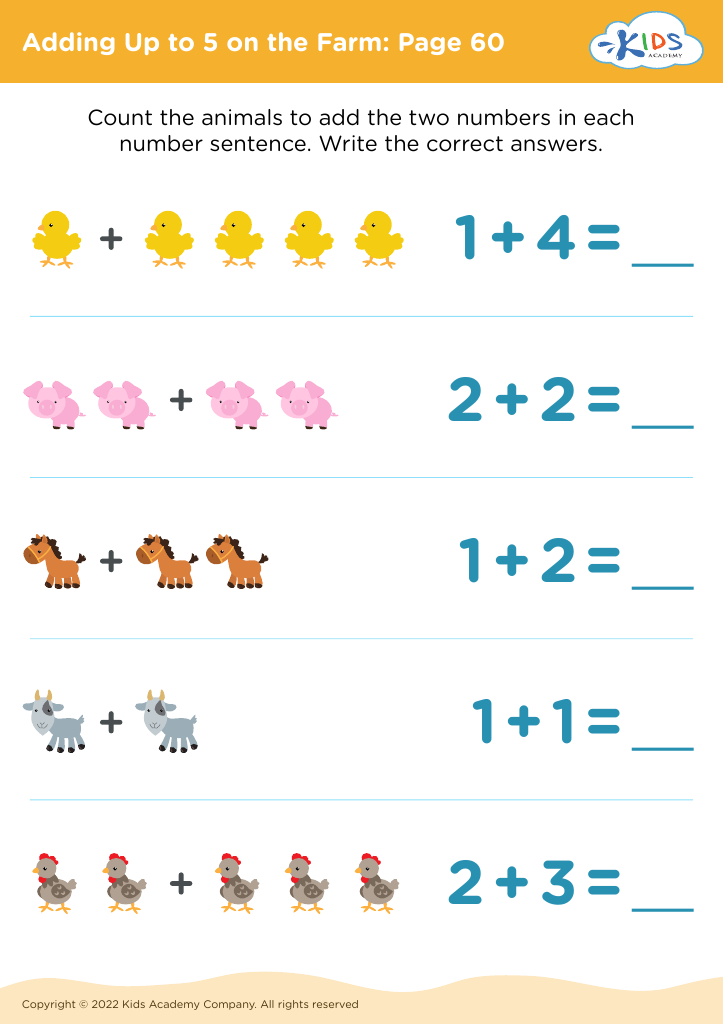
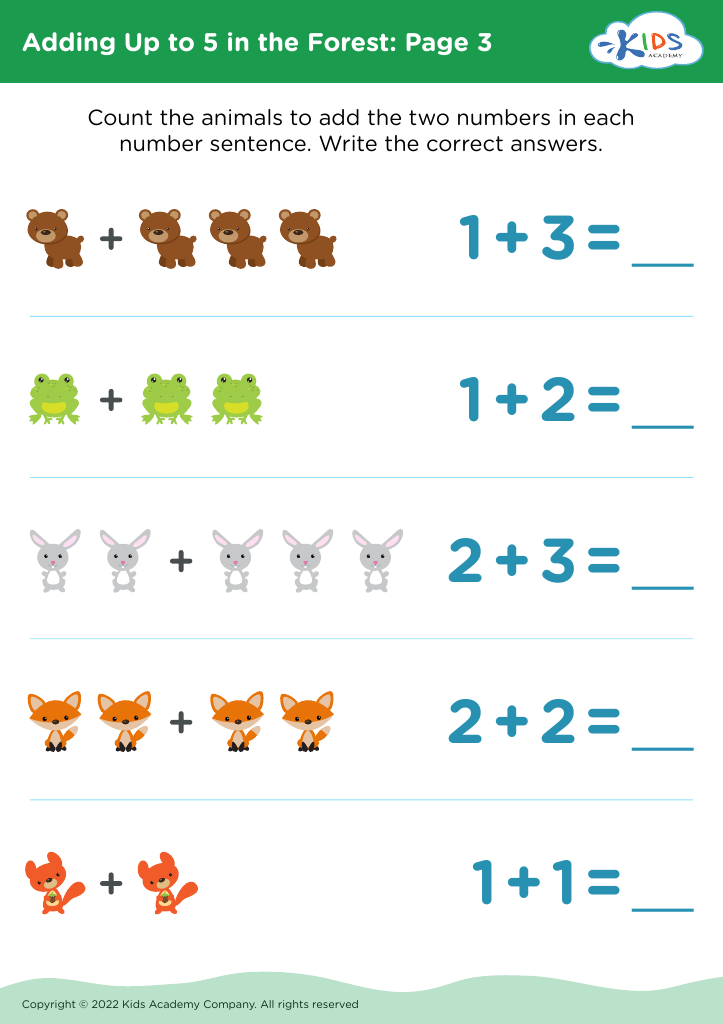
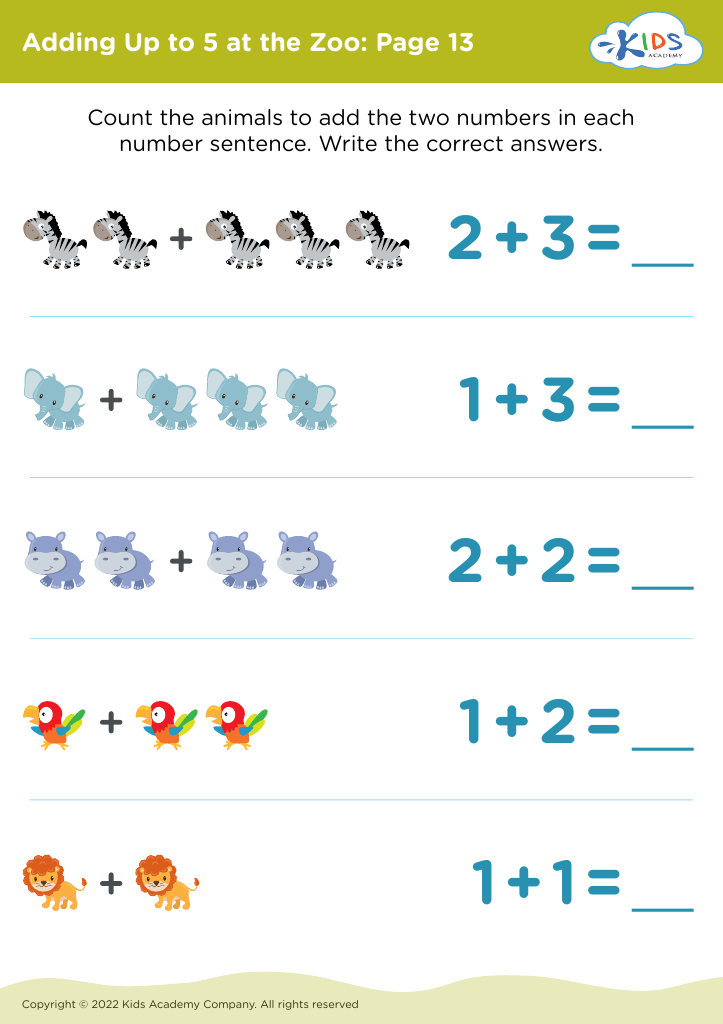
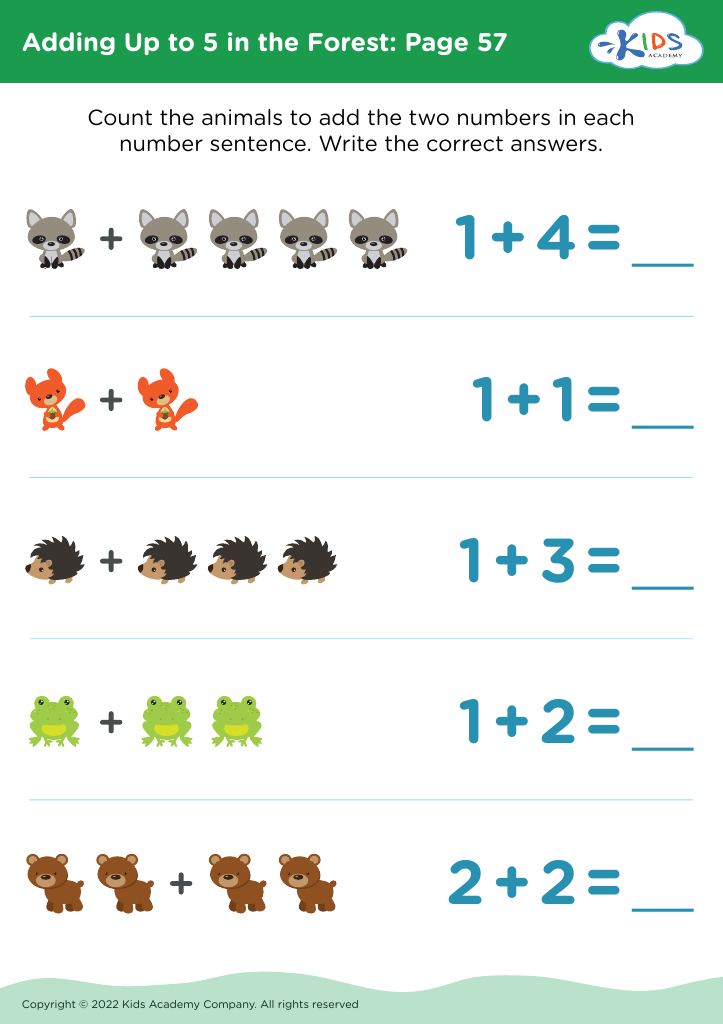
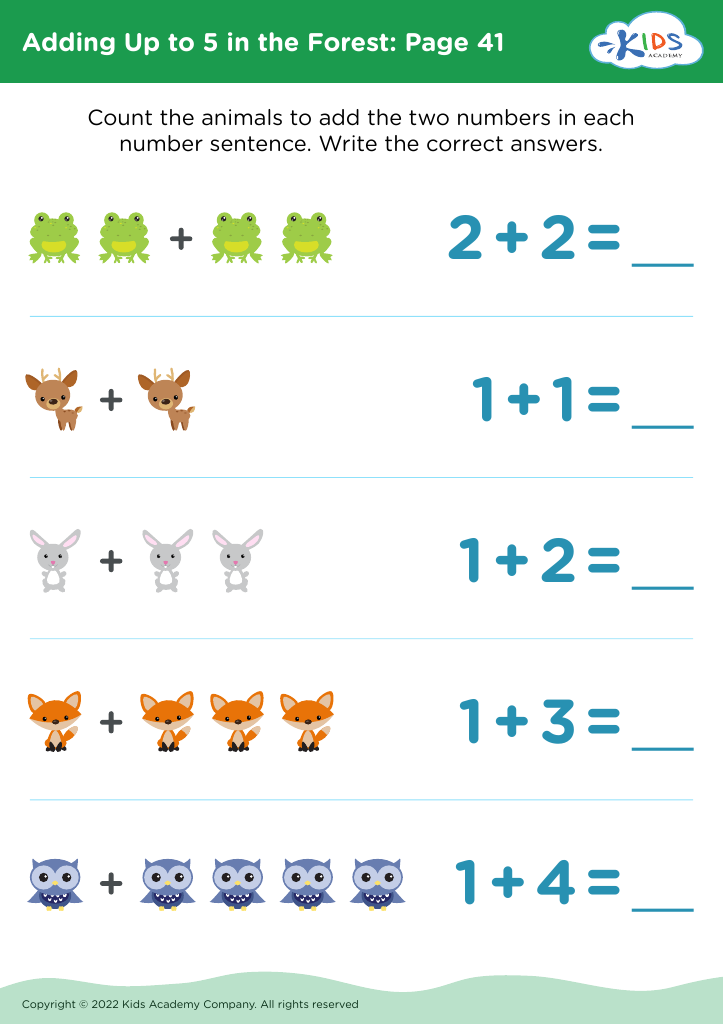
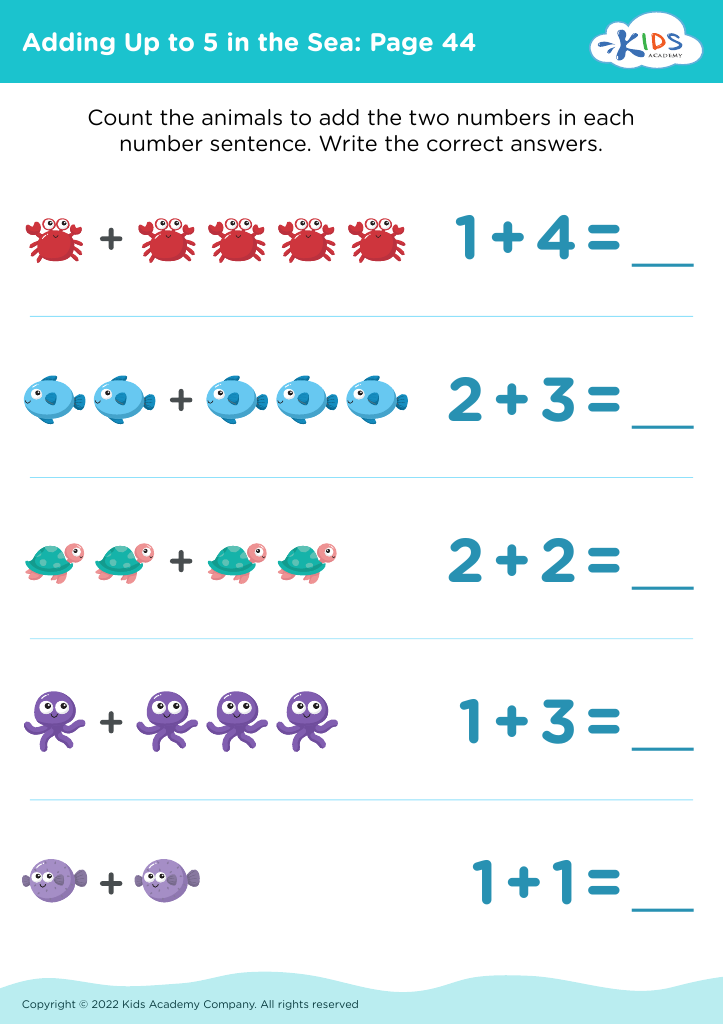
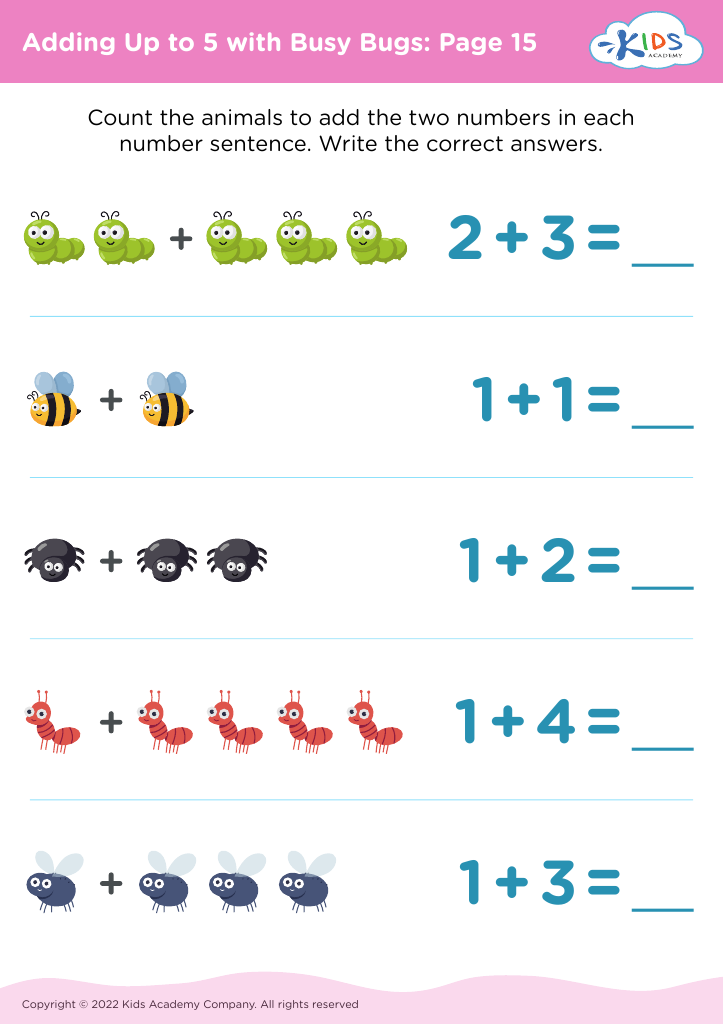






Parents and teachers should care about math for preschoolers because early mathematical skills form the foundation for future academic success. Research shows that a strong early grasp of math concepts is linked to higher achievement in later grades. Preschool is a critical time for cognitive development, making it the perfect opportunity to introduce basic math concepts such as counting, shapes, and measurement through engaging activities.
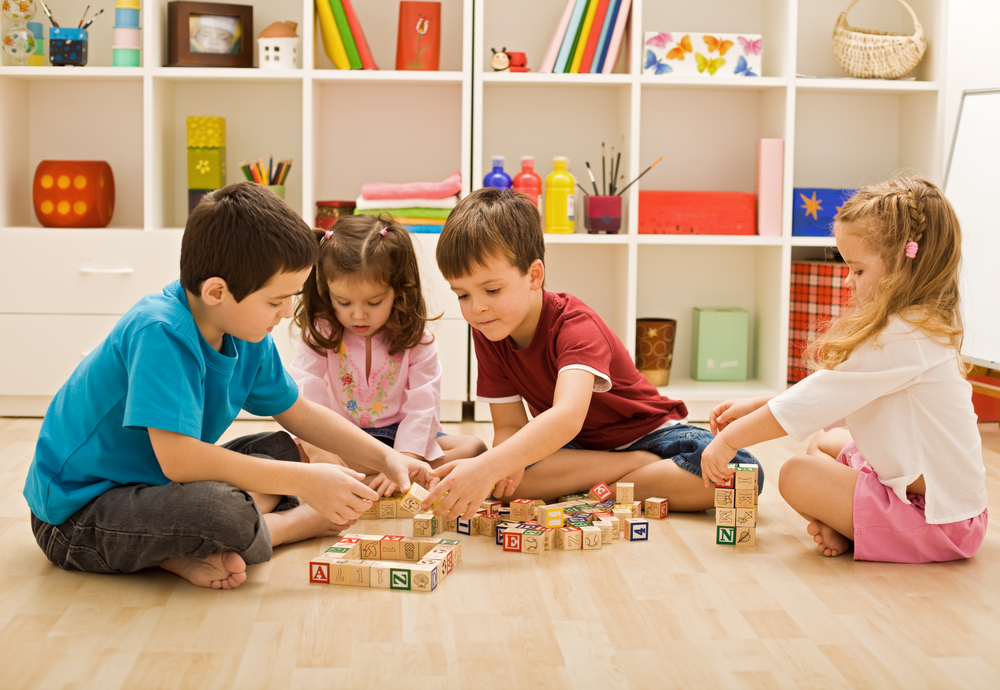
Early math skills also enhance problem-solving abilities and logical thinking. When children explore math through play—like sorting blocks or counting snacks—they develop critical reasoning skills. Moreover, math is not just about numbers; it integrates various areas of learning, including language development and social interaction, fostering a well-rounded educational experience.
Moreover, promoting positive associations with math during preschool reduces math anxiety later in life. If children view math as a fun and integral part of daily activities, they are more likely to pursue and embrace math in their future studies and careers.
Ultimately, investing time in teaching preschool math sets children on a path to confident learners who appreciate the value of mathematics in everyday life, contributing to their overall cognitive growth and future opportunities.