Tracing Letters worksheets activities for Ages 3-6 - Page 2
56 filtered results
-
From - To
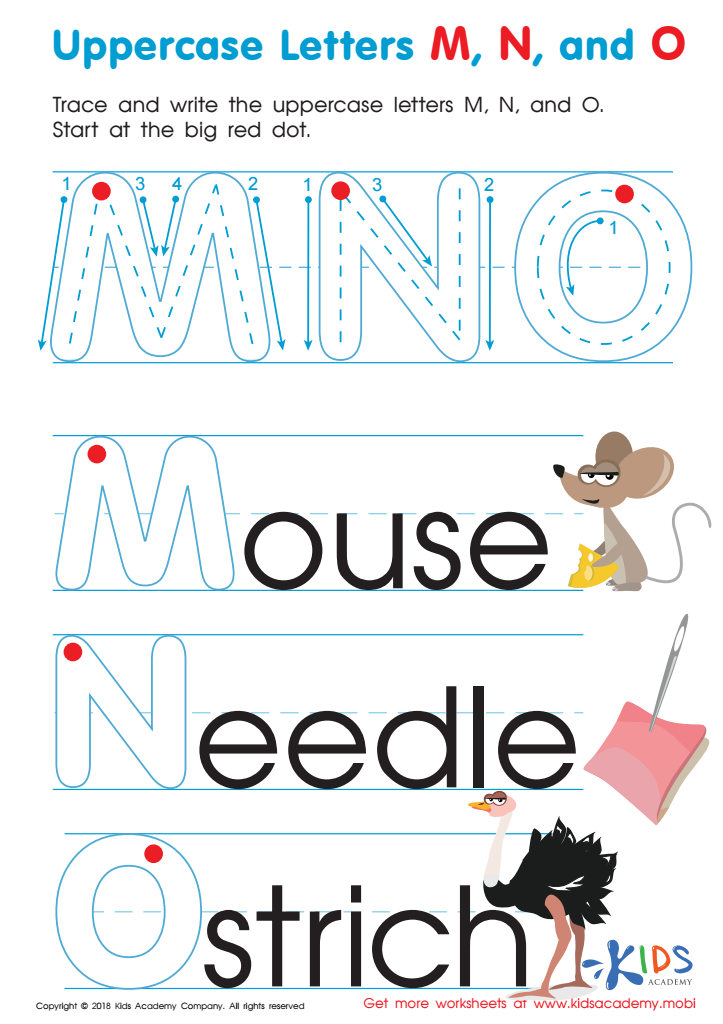
Uppercase Letters M, N, and O Worksheet
 Assign to My Students
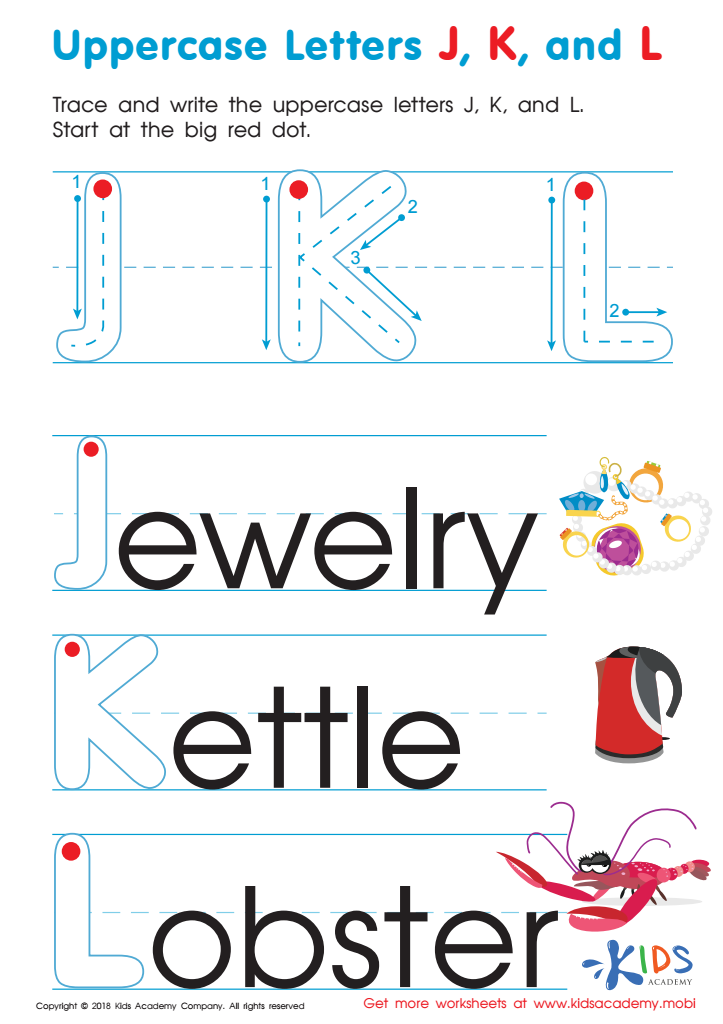
Uppercase Letters J, K, and L Worksheet
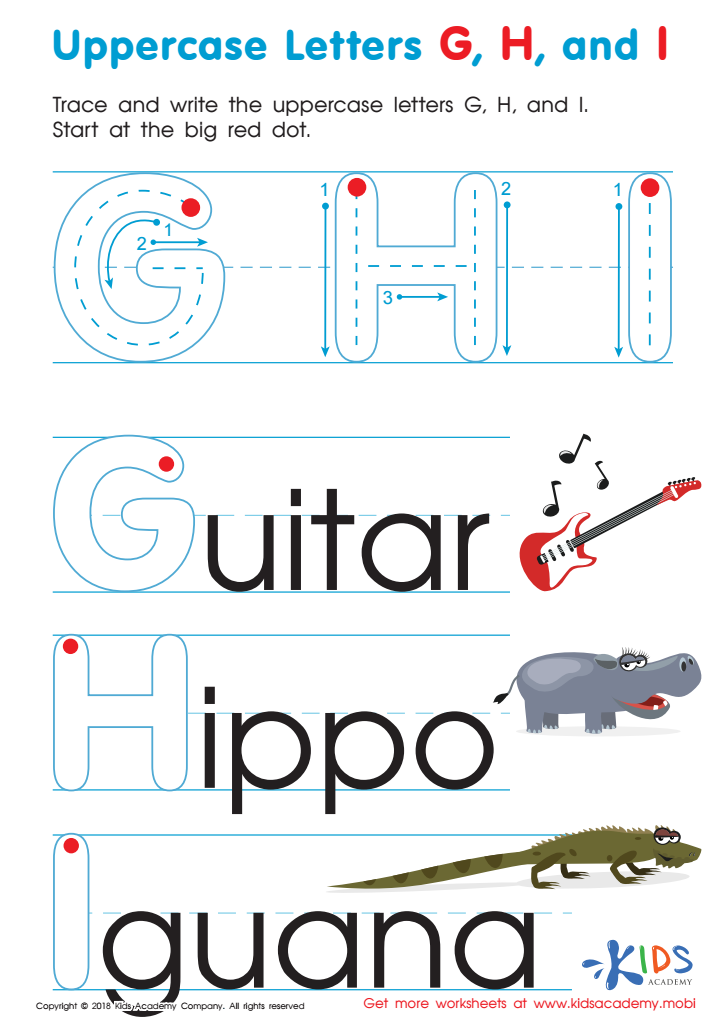
Uppercase Letters G, H, and I Worksheet
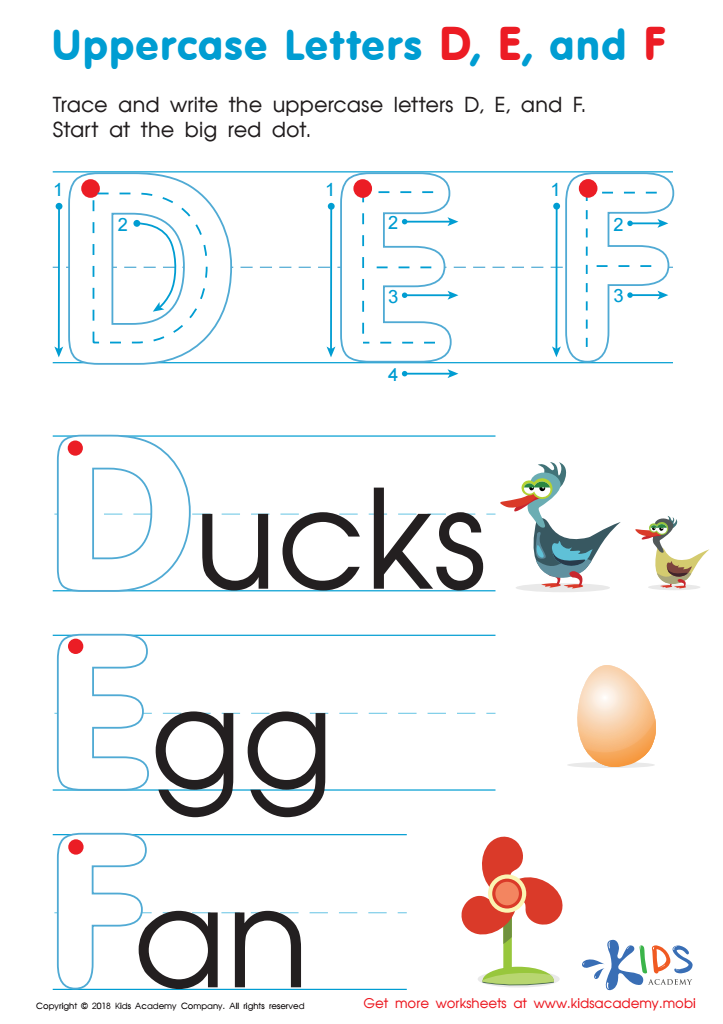
Uppercase Letters D, E, and F Worksheet
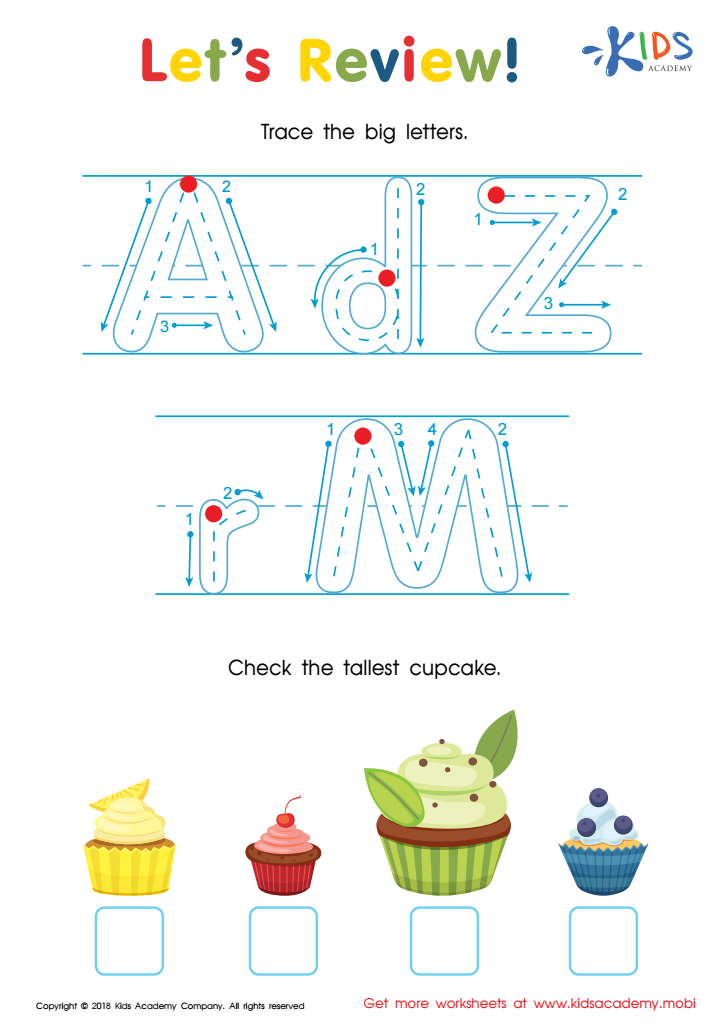
Let's Review! Big Letters Worksheet
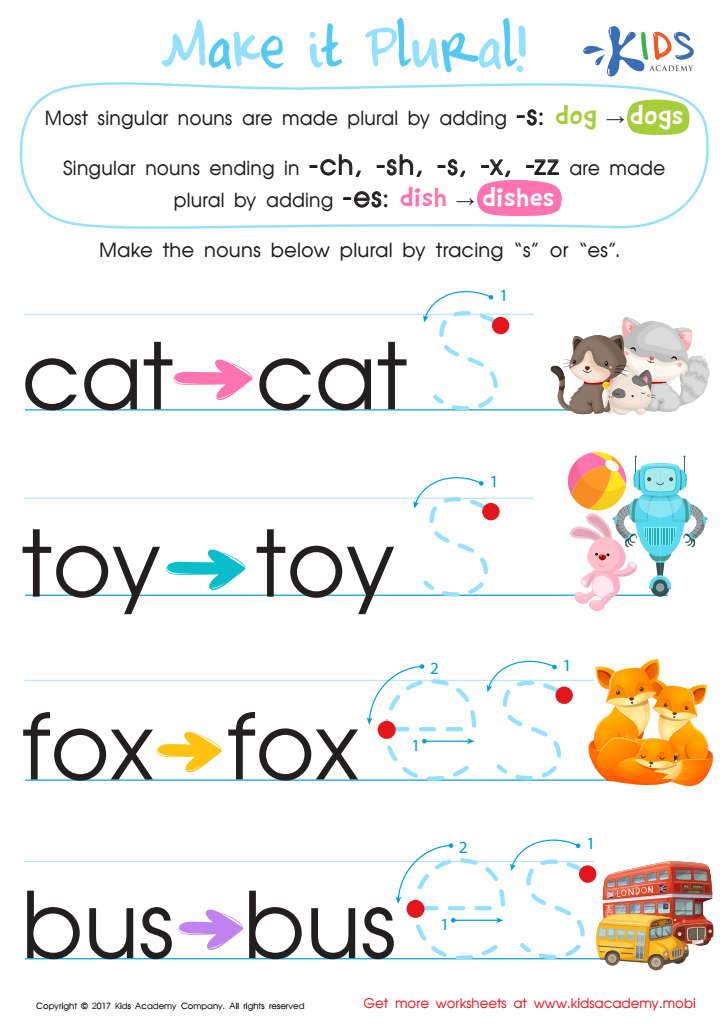
Make it Plural Worksheet
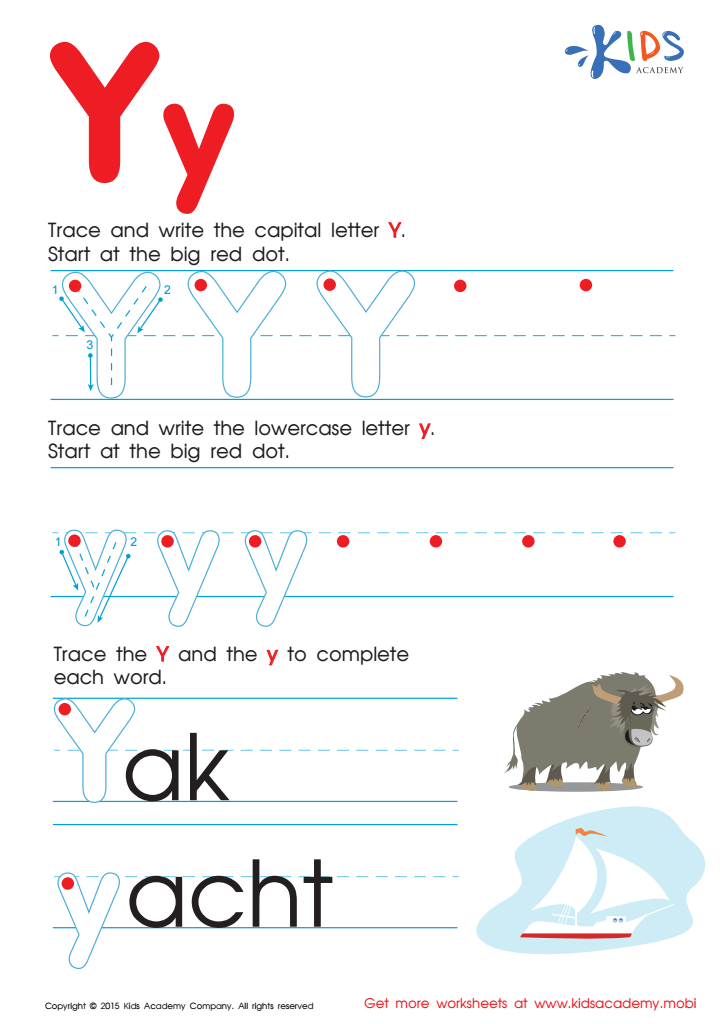
Letter Y Tracing Page
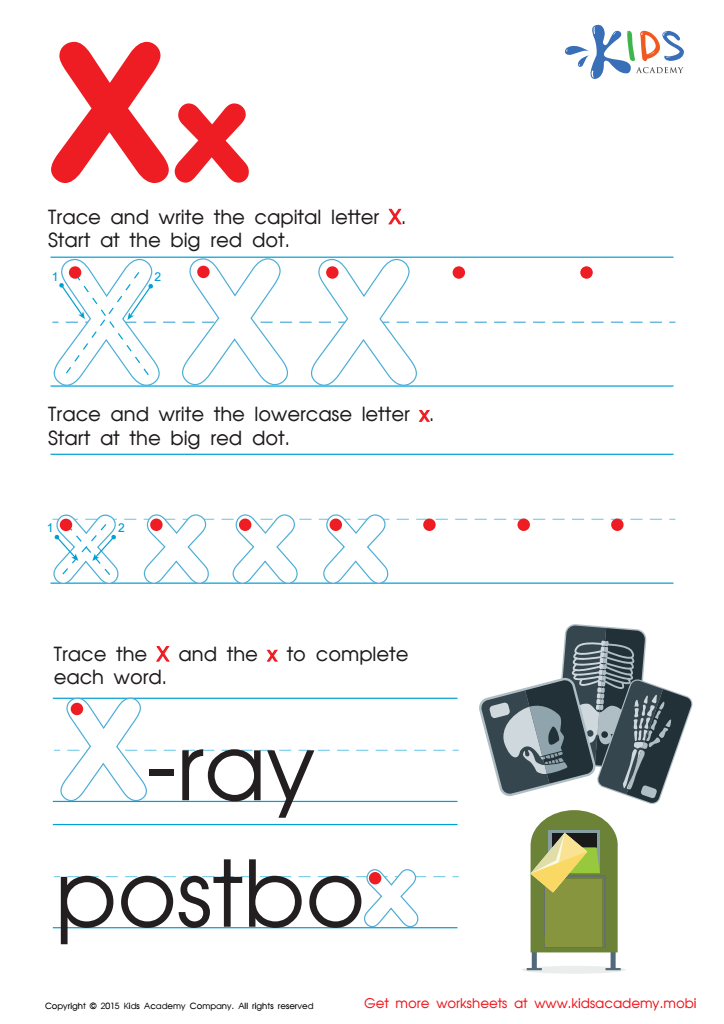
Letter X Tracing Page
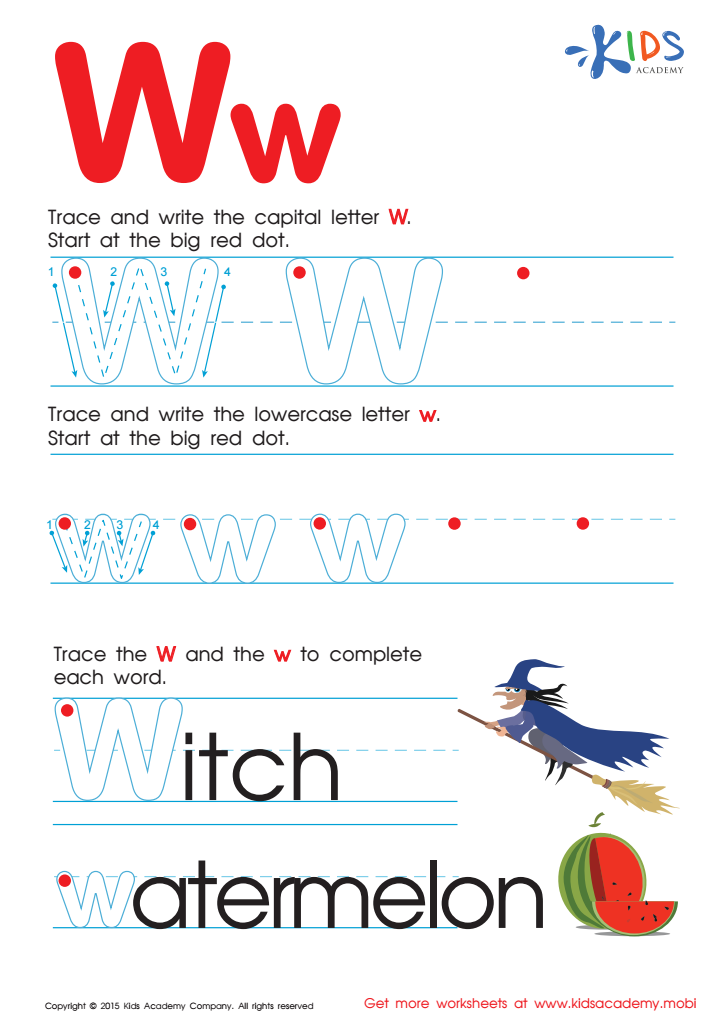
Letter W Tracing Page
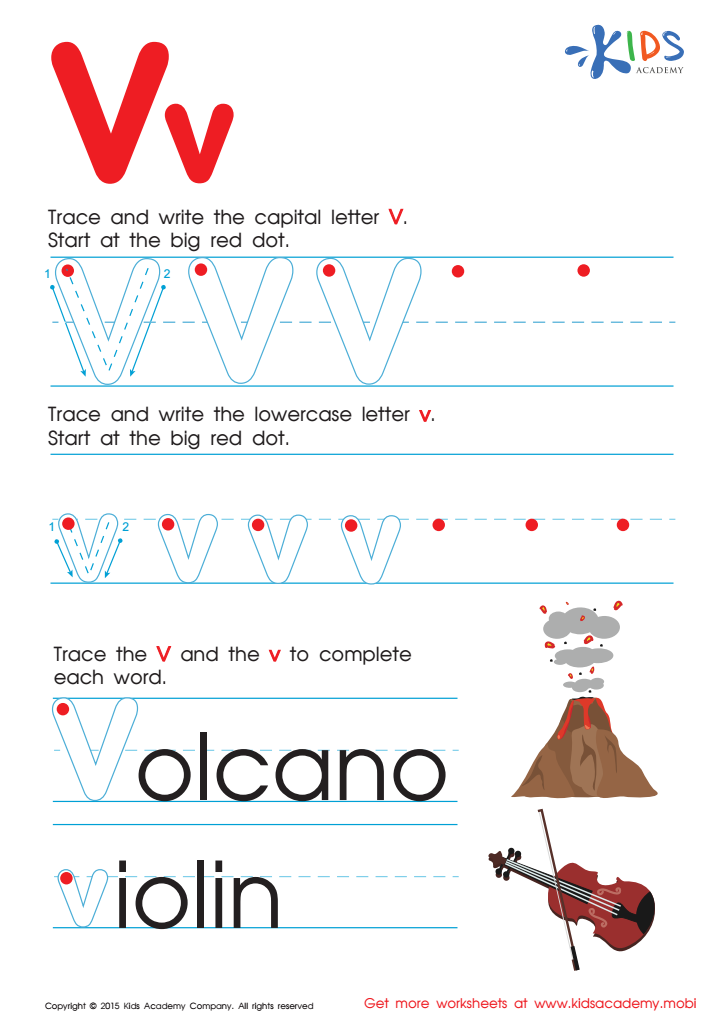
Letter V Tracing Page
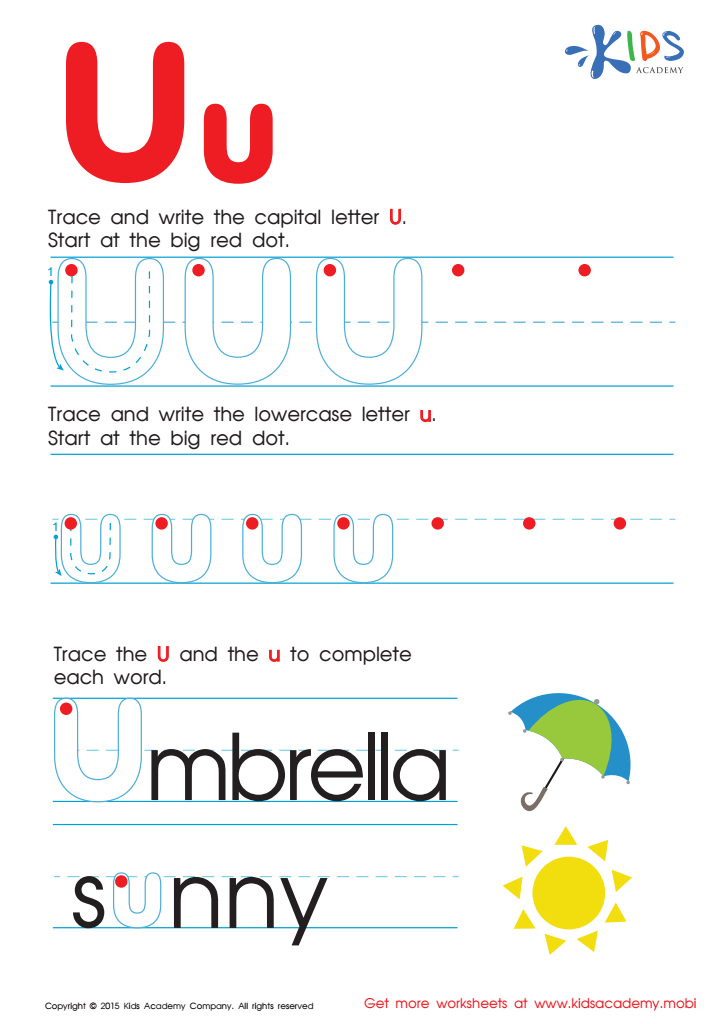
Letter U Tracing Page
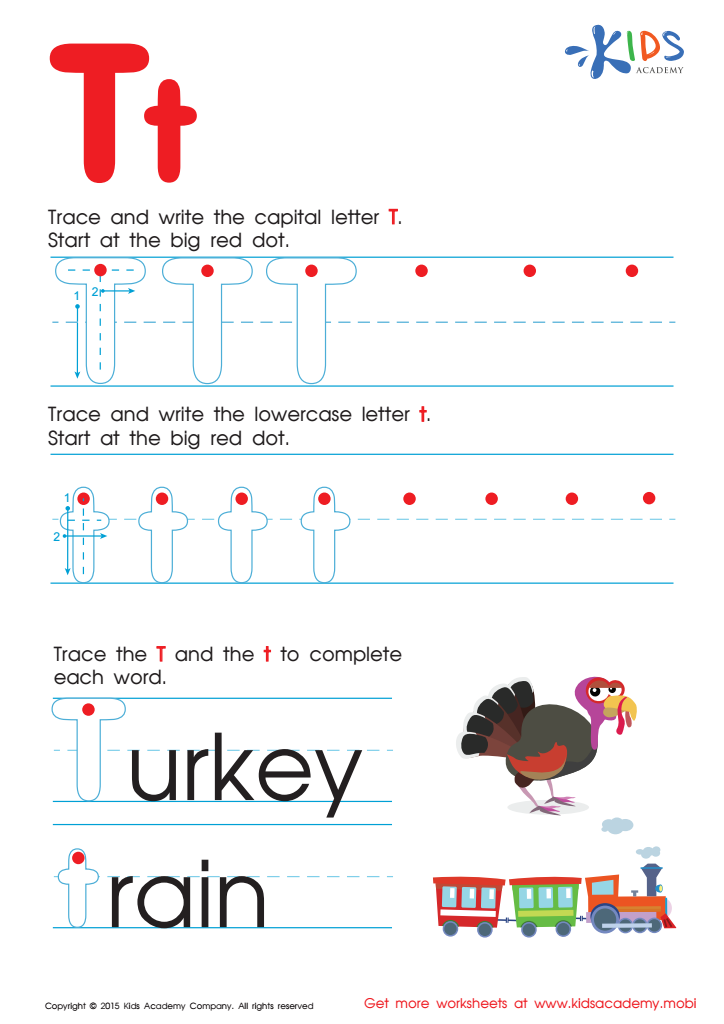
Letter T Tracing Page
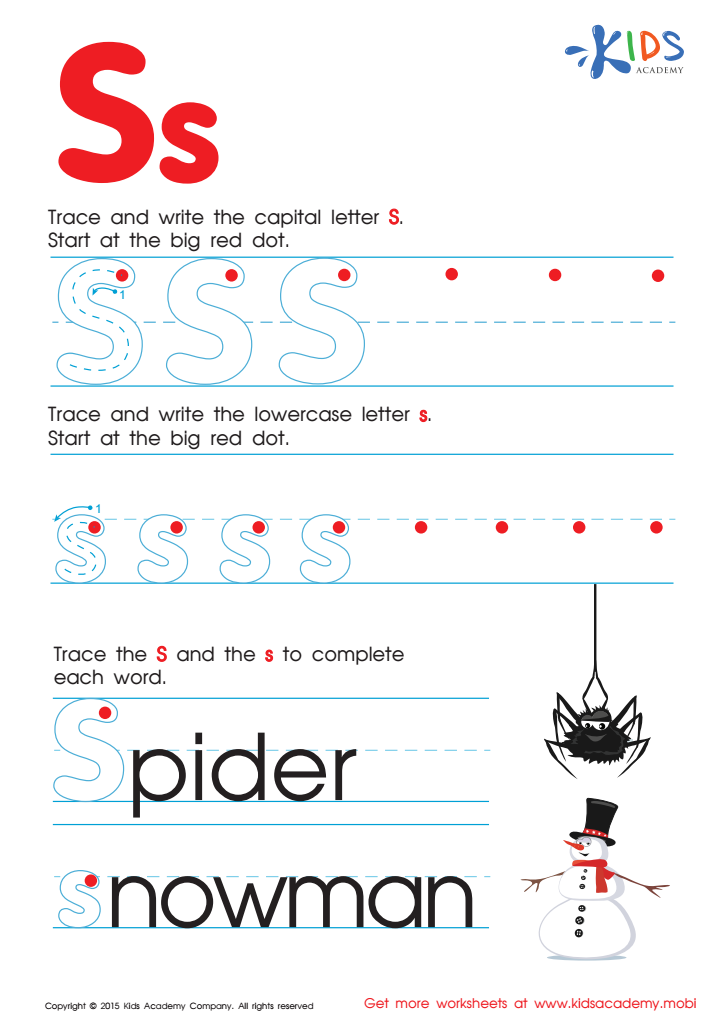
Letter S Tracing Page
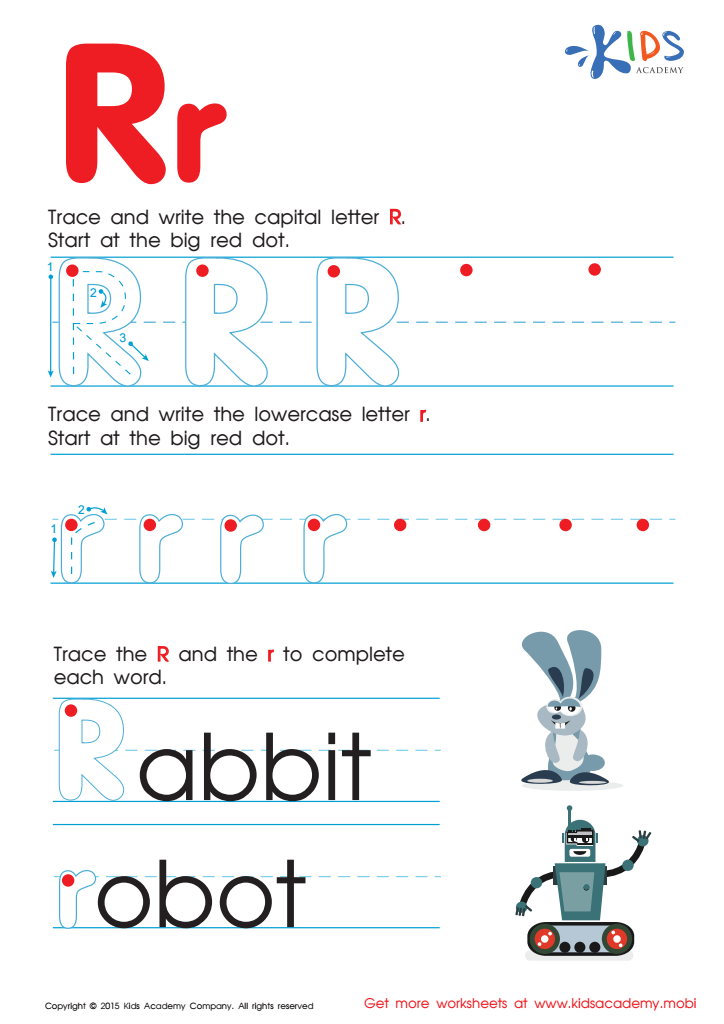
Letter R Tracing Page
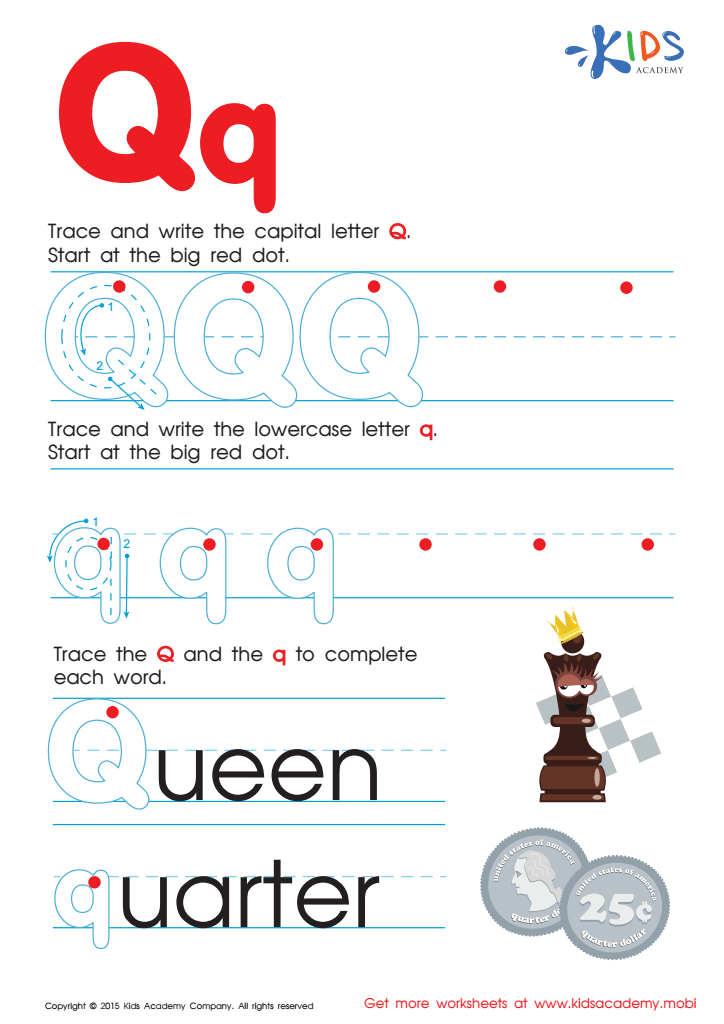
Letter Q Tracing Page

Letter P Tracing Page
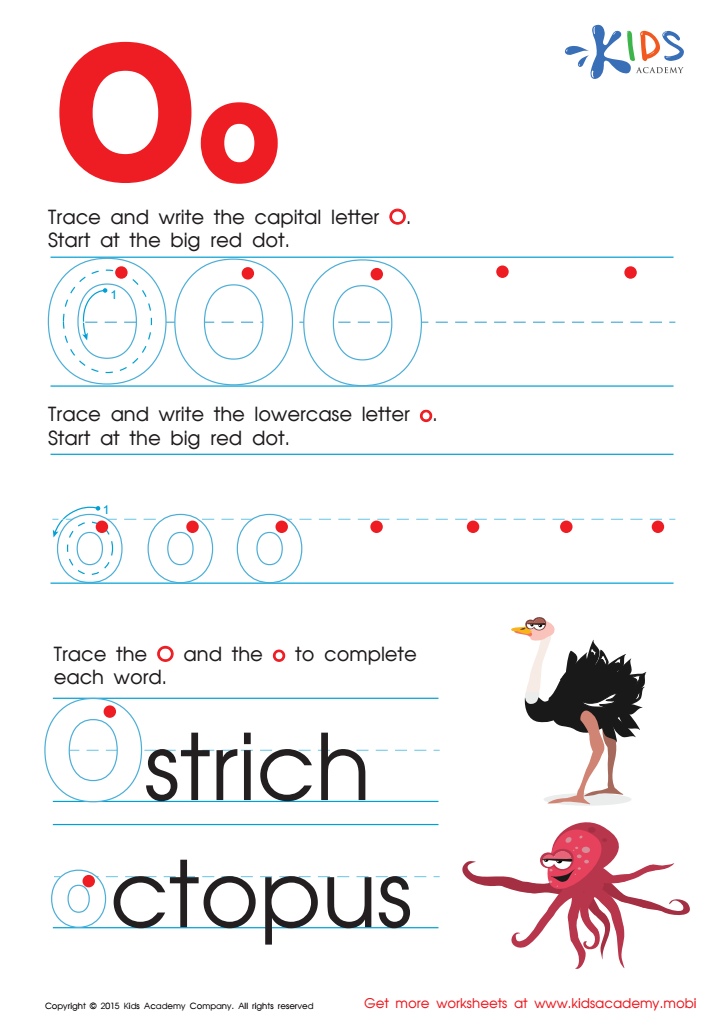
Letter O Tracing Page
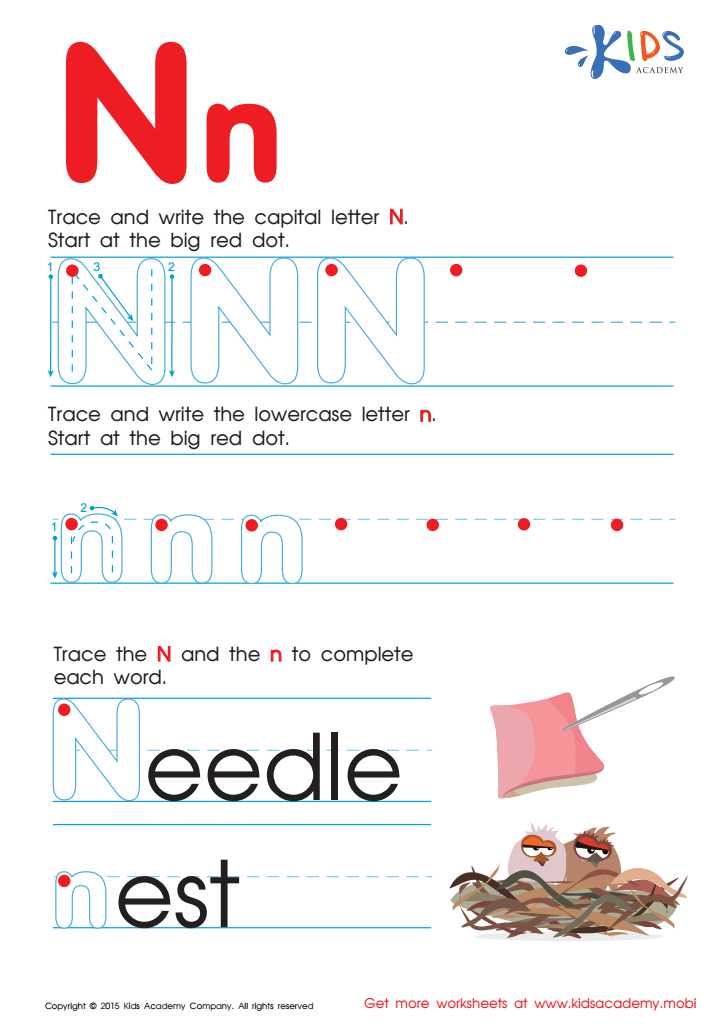
Letter N Tracing Page
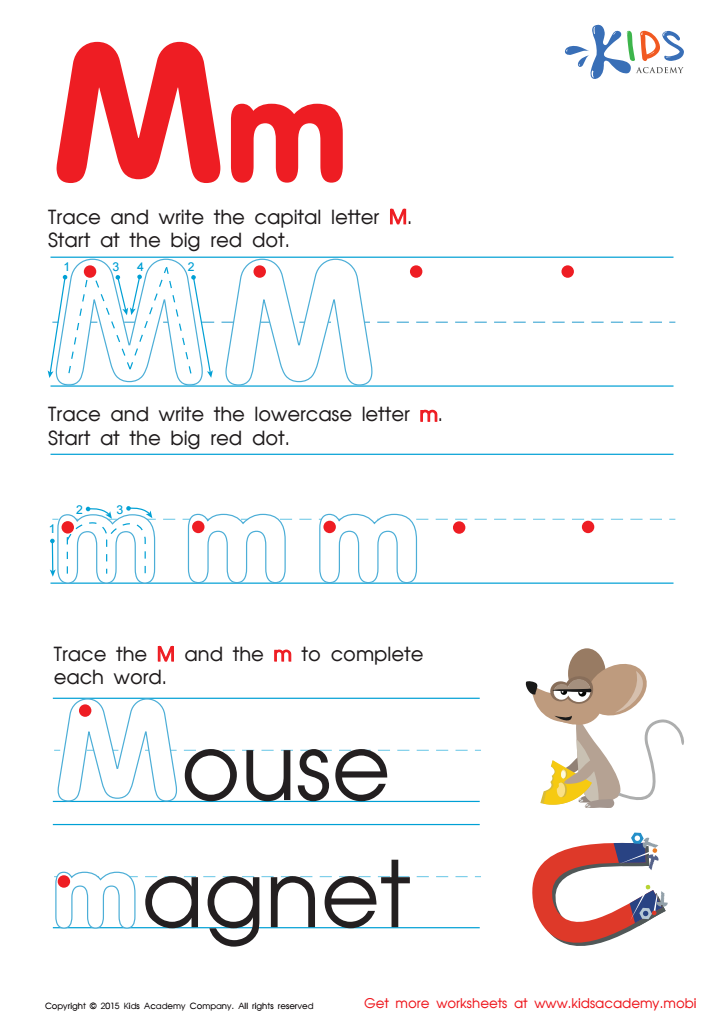
Letter M Tracing Page
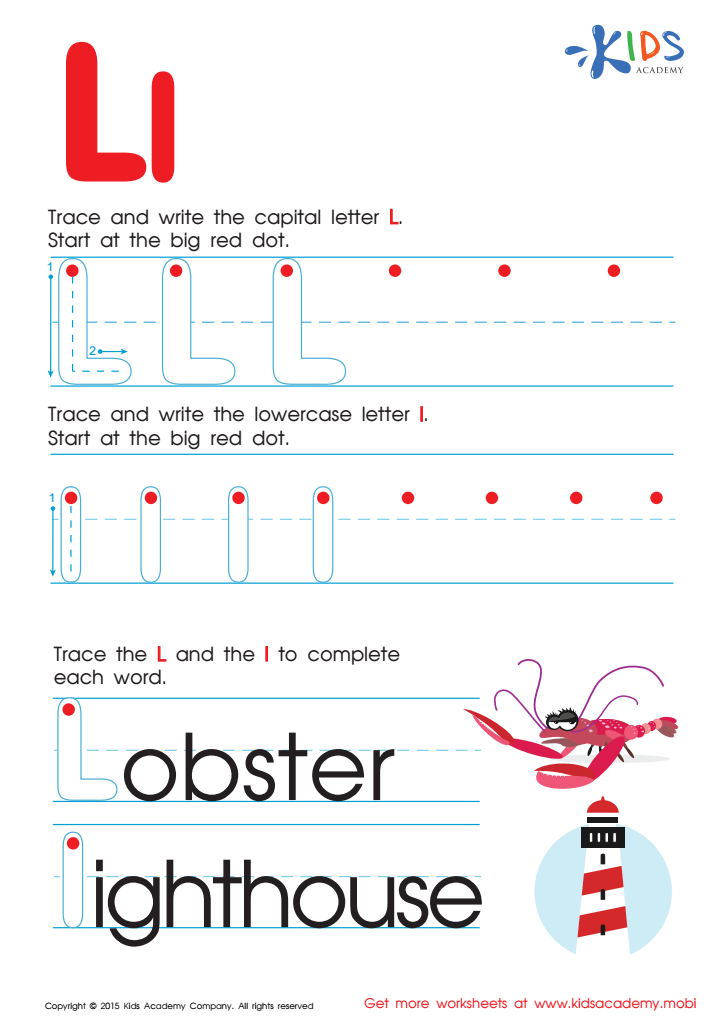
Letter L Tracing Page
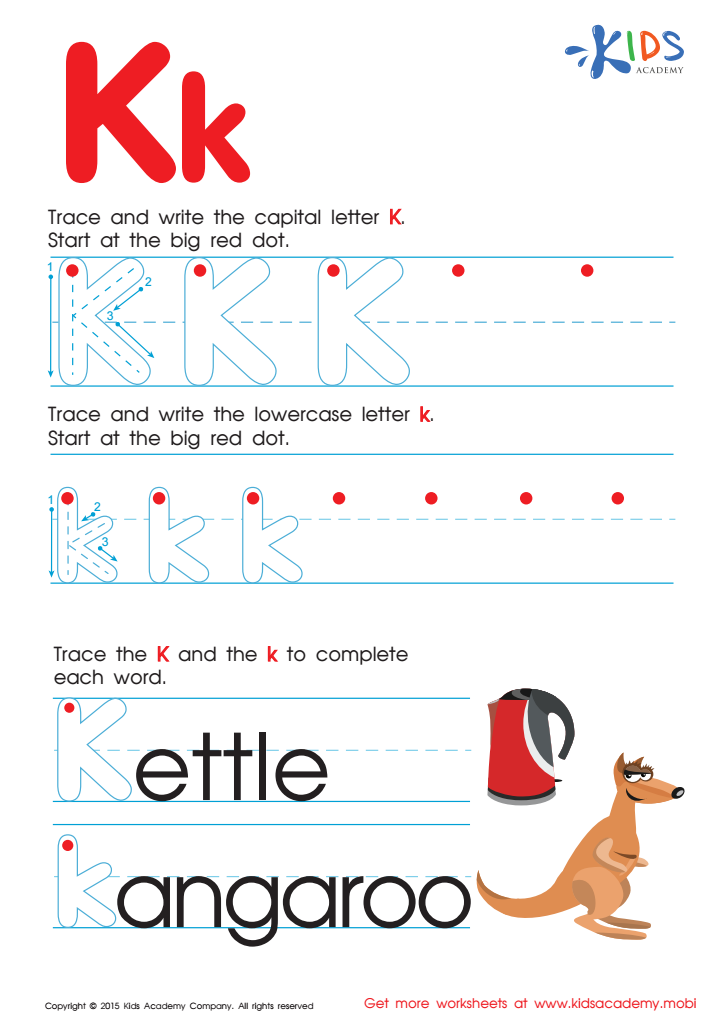
Letter K Tracing Page
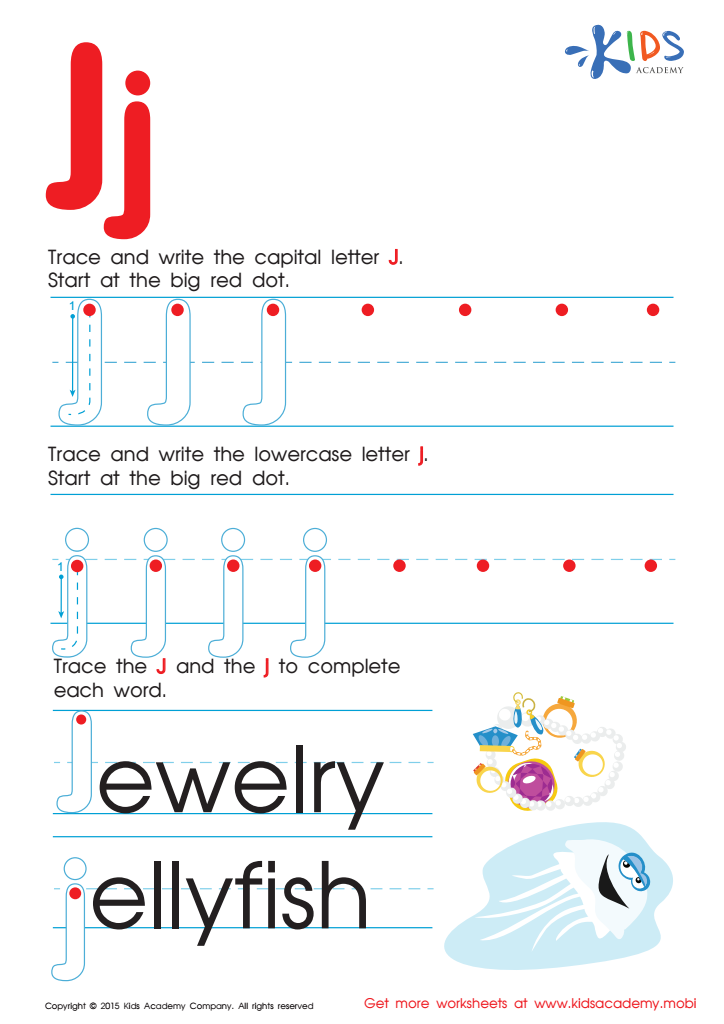
Letter J Tracing Page
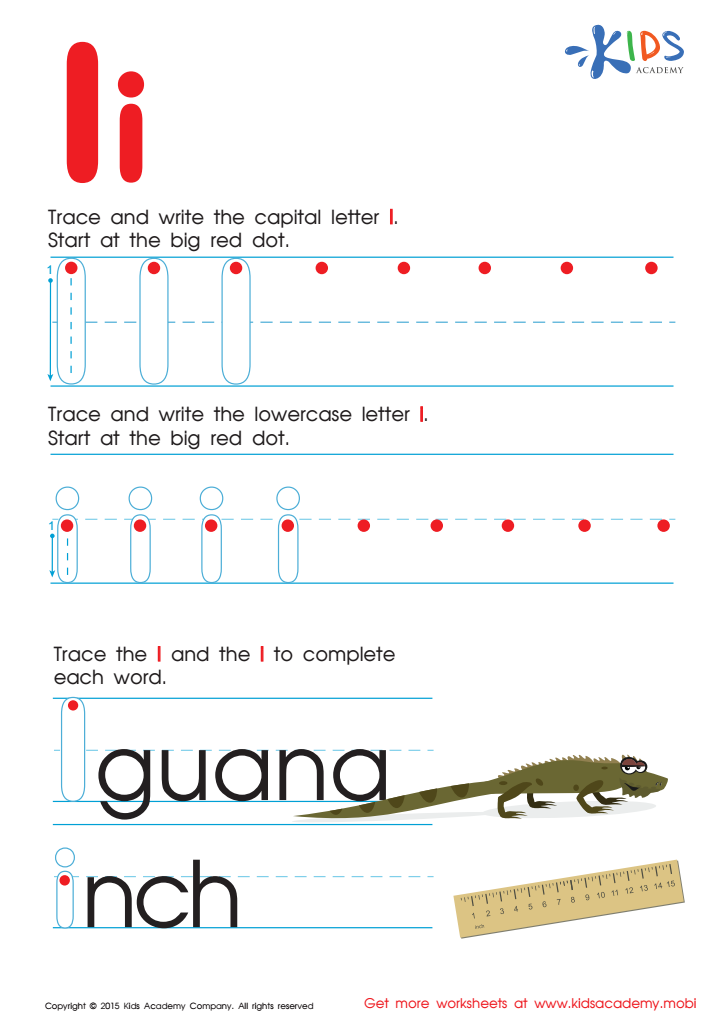
Letter I Tracing Page

Letter H Tracing Page








Tracing letters is a vital activity for children aged 3-6 as it serves multiple developmental purposes that are important for early literacy skills. Firstly, it helps in building fine motor skills and hand-eye coordination, which are essential for writing. As children trace letters, they strengthen the muscles in their fingers and develop dexterity necessary for holding a pencil or crayon effectively.
Additionally, tracing introduces children to letter recognition and phonetic awareness. As they engage with letters, they begin to understand the shapes and sounds associated with each character, laying a strong foundation for reading and spelling. This familiarity fosters confidence and enthusiasm for literacy activities, creating a positive attitude towards learning.
Moreover, tracing activities can be easily adapted to include fun, thematic content, making learning engaging. This imaginative play helps to maintain children's interest, while also encouraging cognitive growth through patterns and sequencing.
Lastly, parental and teacher involvement in these tracing exercises aids in developing strong educational bonds, providing the encouragement and guidance children need to succeed in their early learning journey. Overall, tracing letters significantly contributes to holistic development, making it an essential focus for adults invested in children's education.








