Logical Thinking worksheets activities for Ages 4-9 - Page 5
113 filtered results
-
From - To
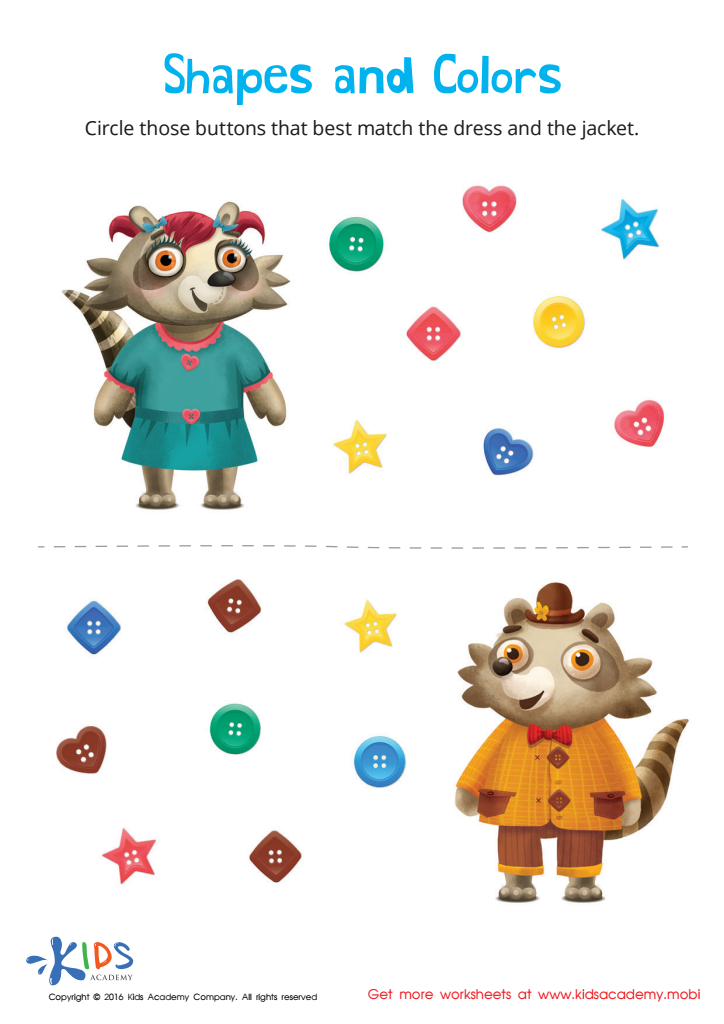
Matching: Shapes and Colors Worksheet
 Assign to My Students

Matching: Plants Worksheet
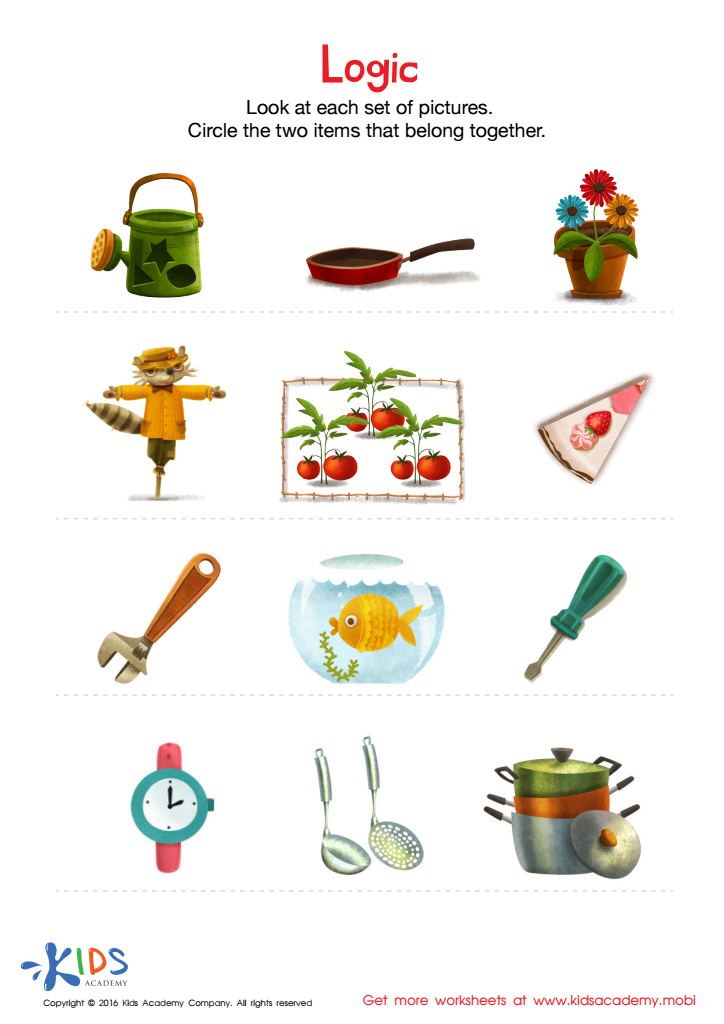
Logic Game Sorting Worksheet
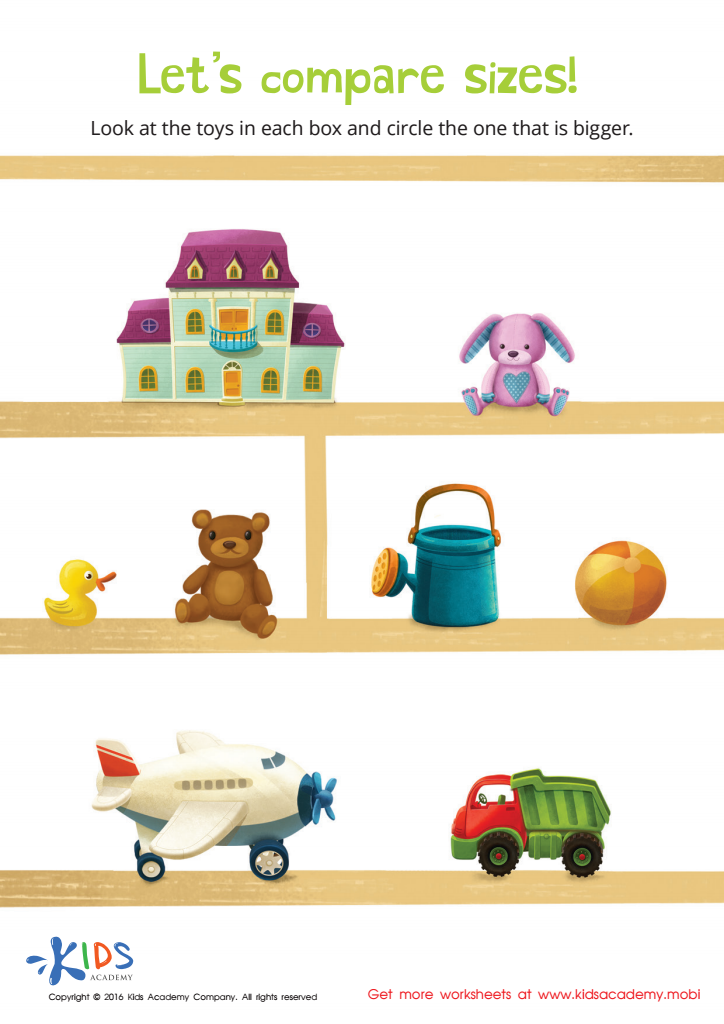
Classifying by Size Sorting Worksheet
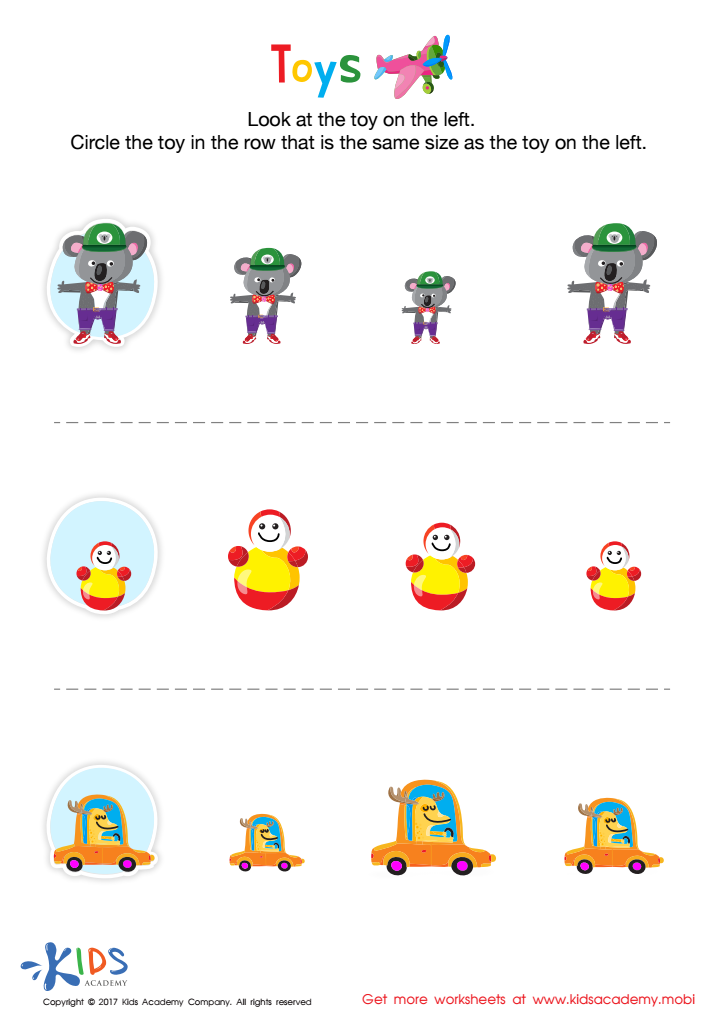
Matching: Classifying Toys by Size Worksheet
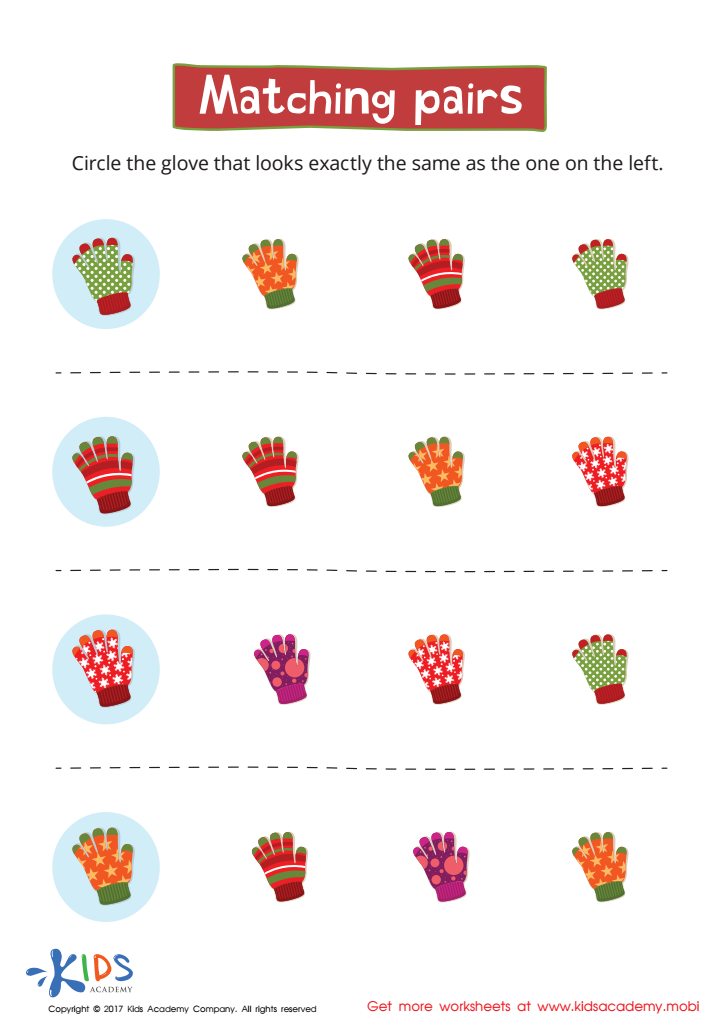
Matching: Matching Pairs Worksheet
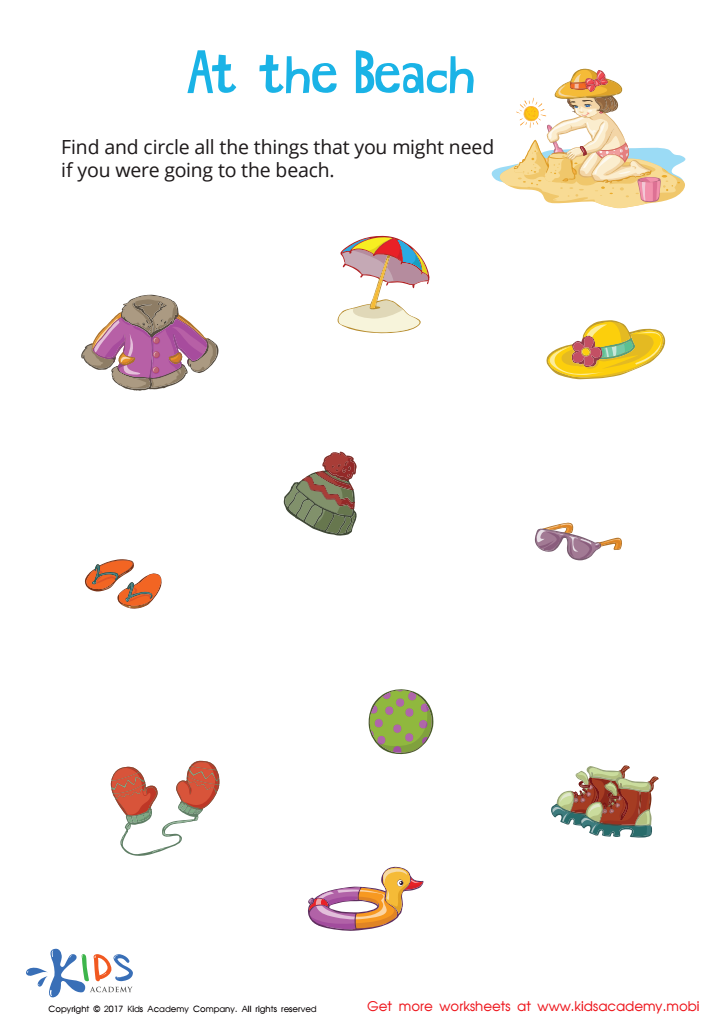
At the Beach Sorting Worksheet


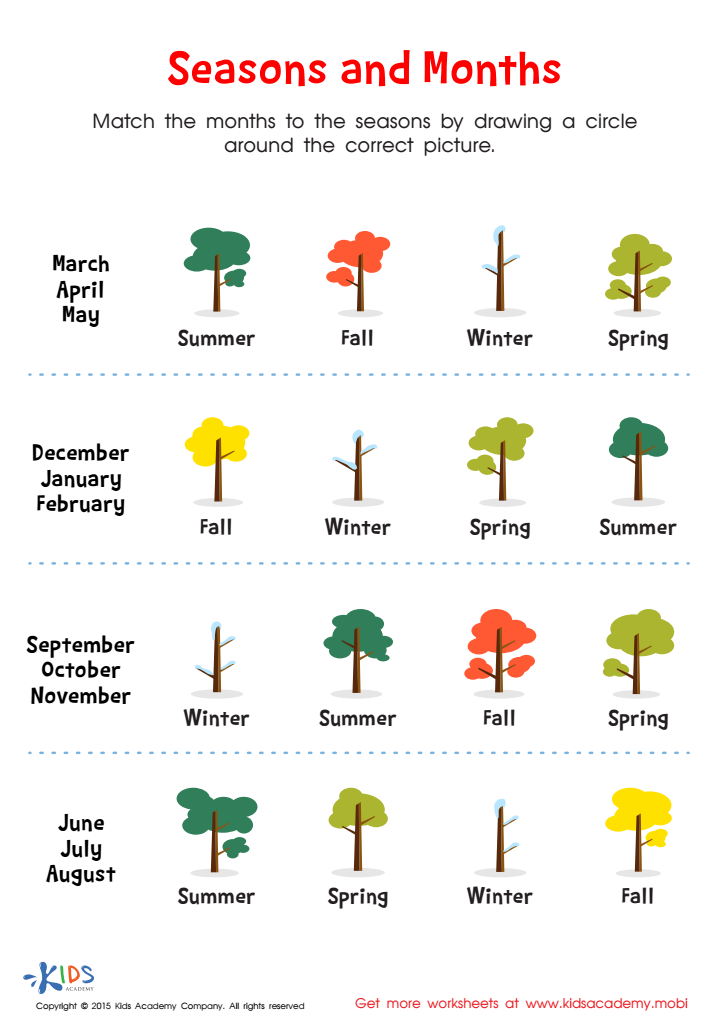
Seasons and Months Worksheet

Count and Match Points 6 Math Worksheet

Counting Worksheet: Let's Practice Counting
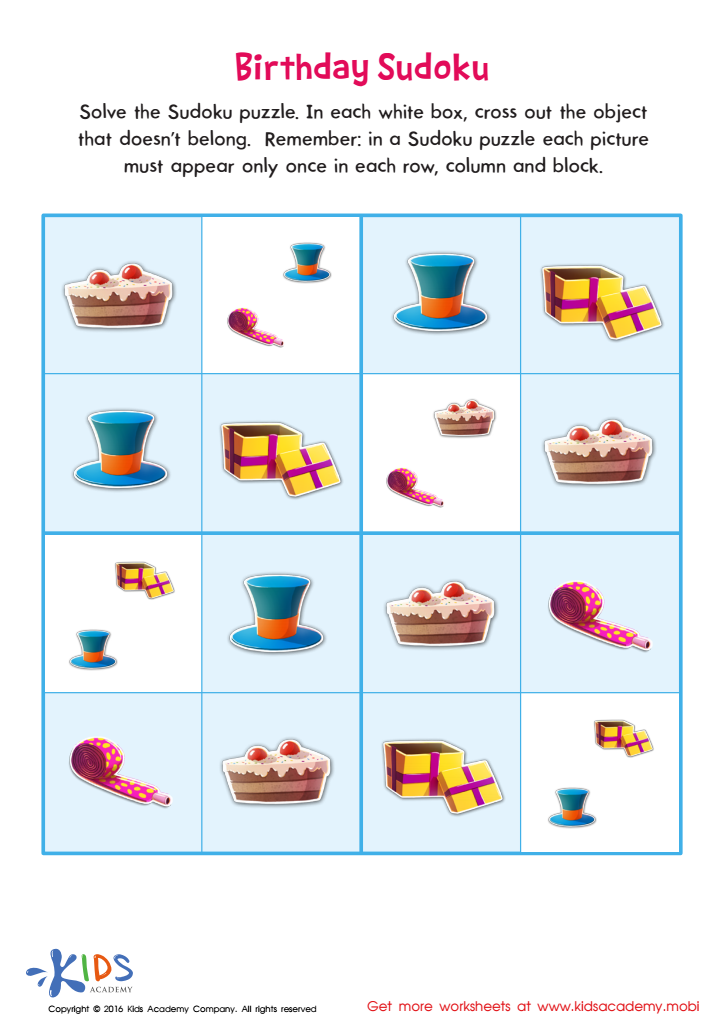
Birthday Sudoku Sorting Worksheet
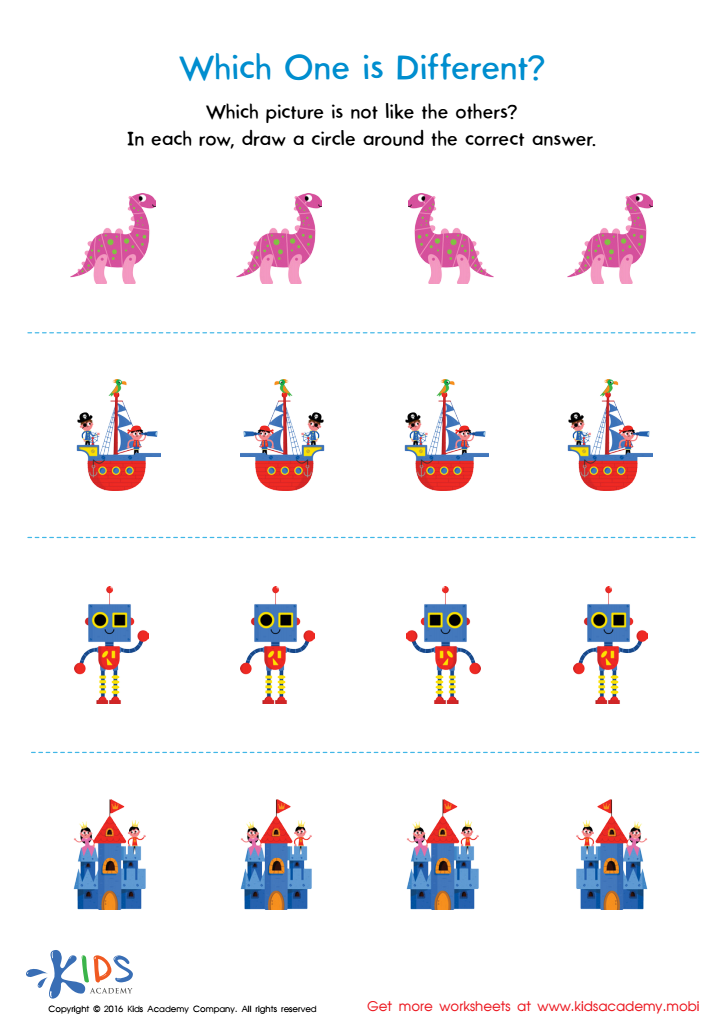
Which One Is Different Worksheet
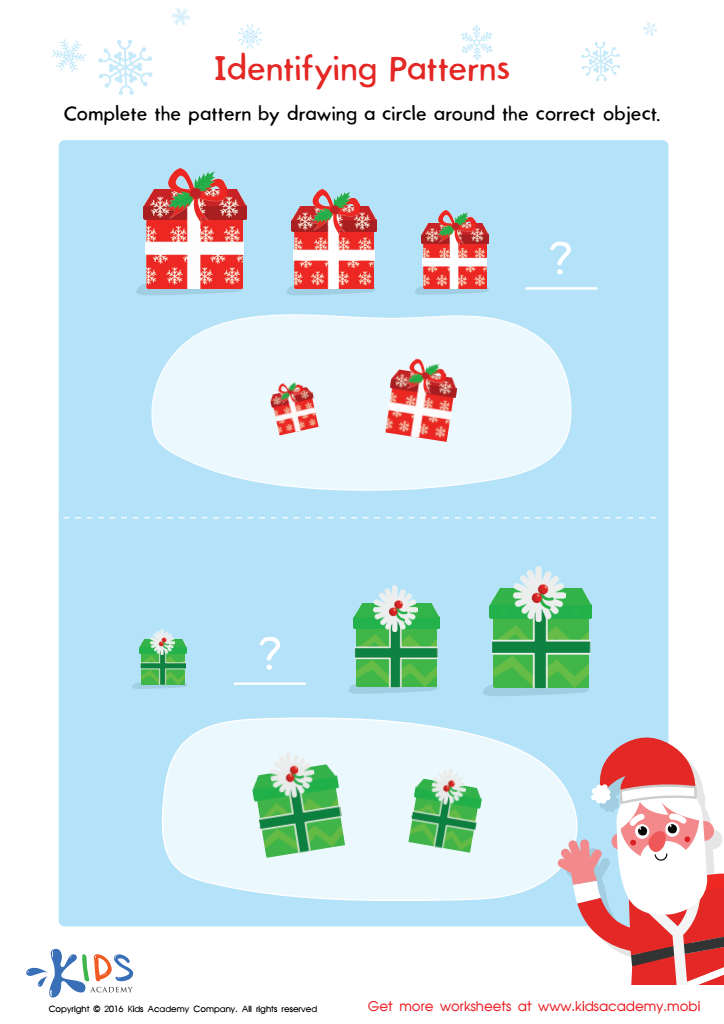
Identifying Patterns Worksheet
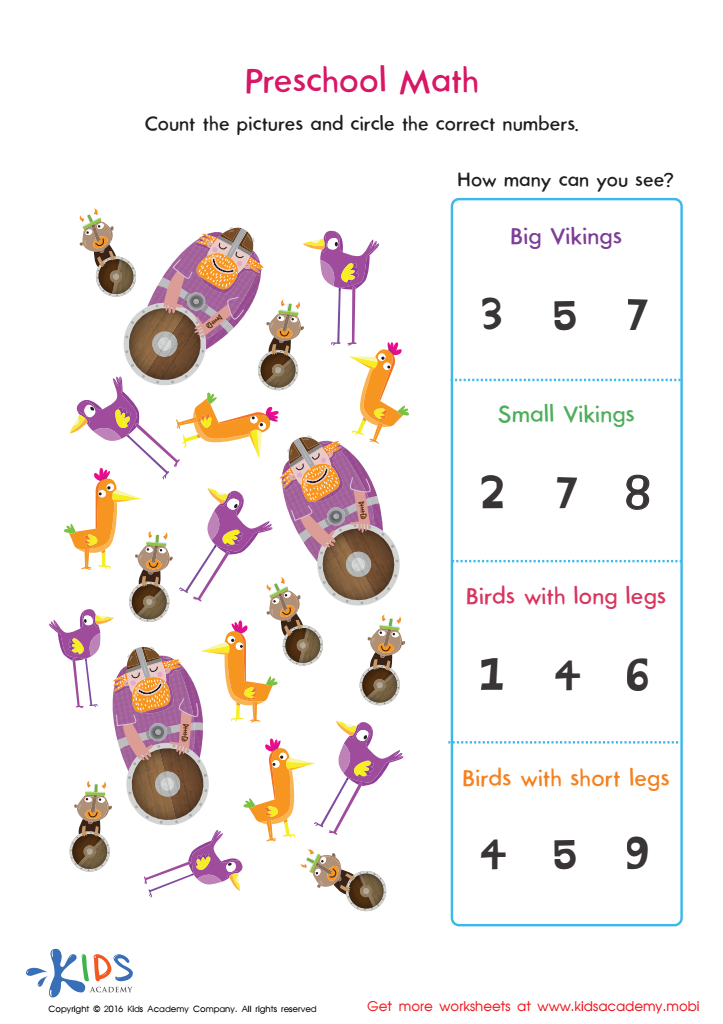
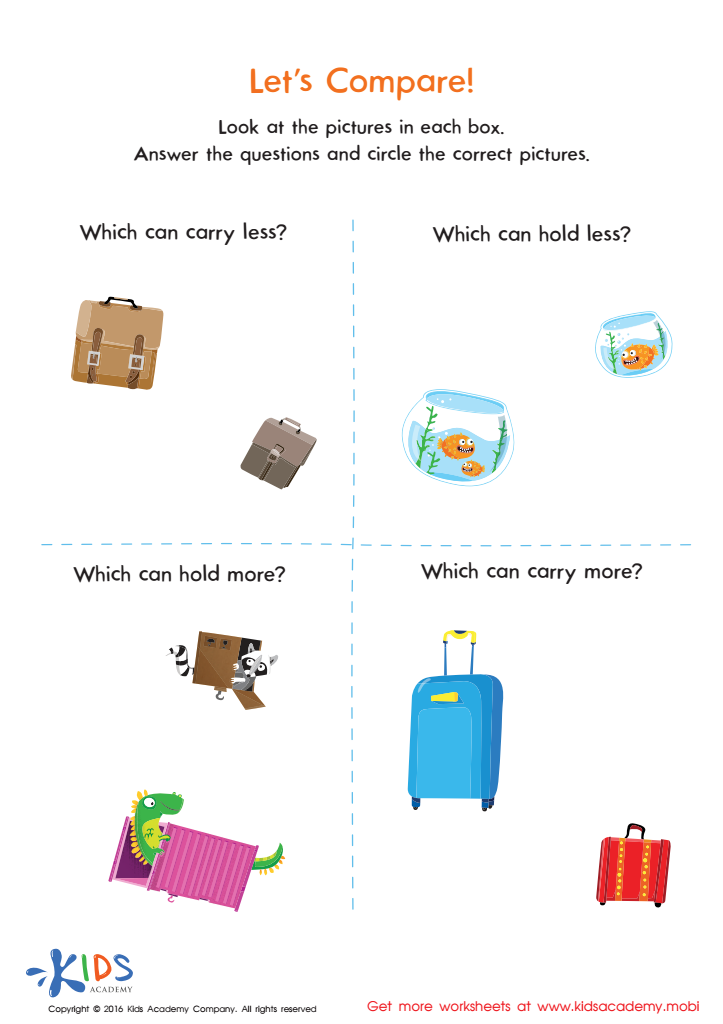
Let's Compare Worksheet: Big or Small






Logical thinking activities for children aged 4-9 are crucial for cognitive development and preparing them for future learning. During these formative years, children are developing the foundational skills necessary for critical and analytical thinking, which are essential throughout their education and beyond.
Engaging in logical thinking activities—such as puzzles, pattern recognition, and simple problem-solving tasks—helps children learn how to assess situations, organized their thought processes, and arrive at conclusions based on evidence. This enhances their ability to reason, make decisions, and solve problems independently.
Moreover, these activities promote creativity and curiosity by encouraging children to explore various outcomes and solutions. When children learn to think logically, they also improve their communication and collaboration skills, which are vital in social settings and cooperative learning environments.
Parents and teachers play an essential role in facilitating these activities. By incorporating logical thinking exercises into daily routines, they create a supportive learning atmosphere that nurtures inquisitive minds. Ultimately, fostering logical thinking at this young age builds confidence and lays the groundwork for academic success, equipping children with the skills necessary for navigating challenges, both in school and in everyday life.








