Tracing worksheets activities for Ages 4-9 - Page 6
159 filtered results
-
From - To

Tracing And Learning to Write Number 9 Worksheet
 Assign to My Students
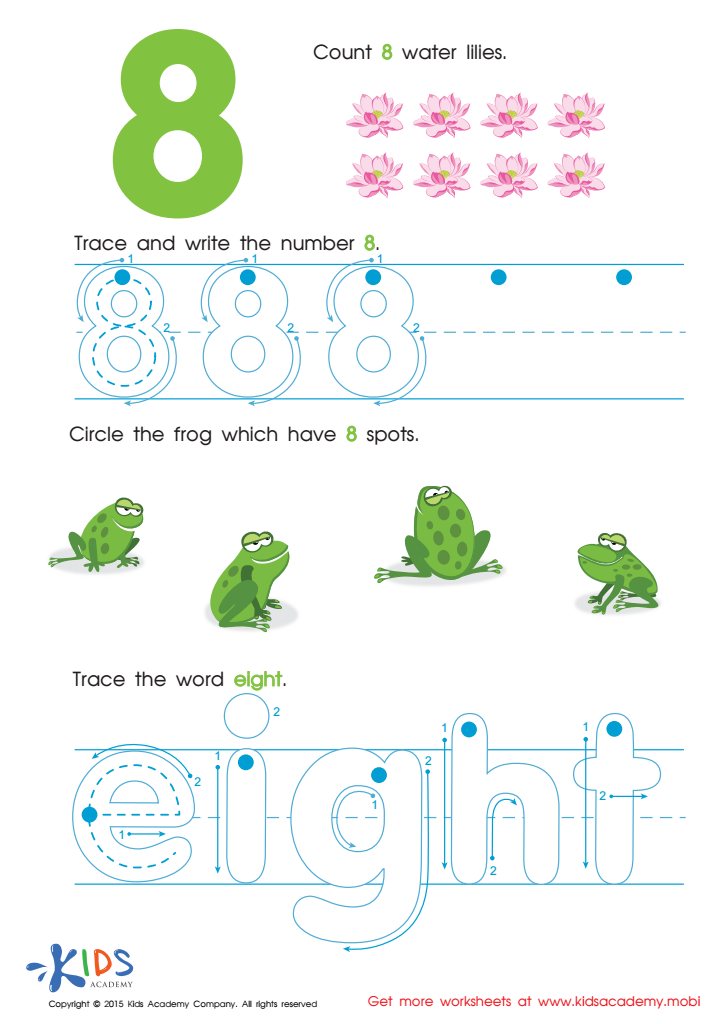
Learn Number 8 Easily Worksheet
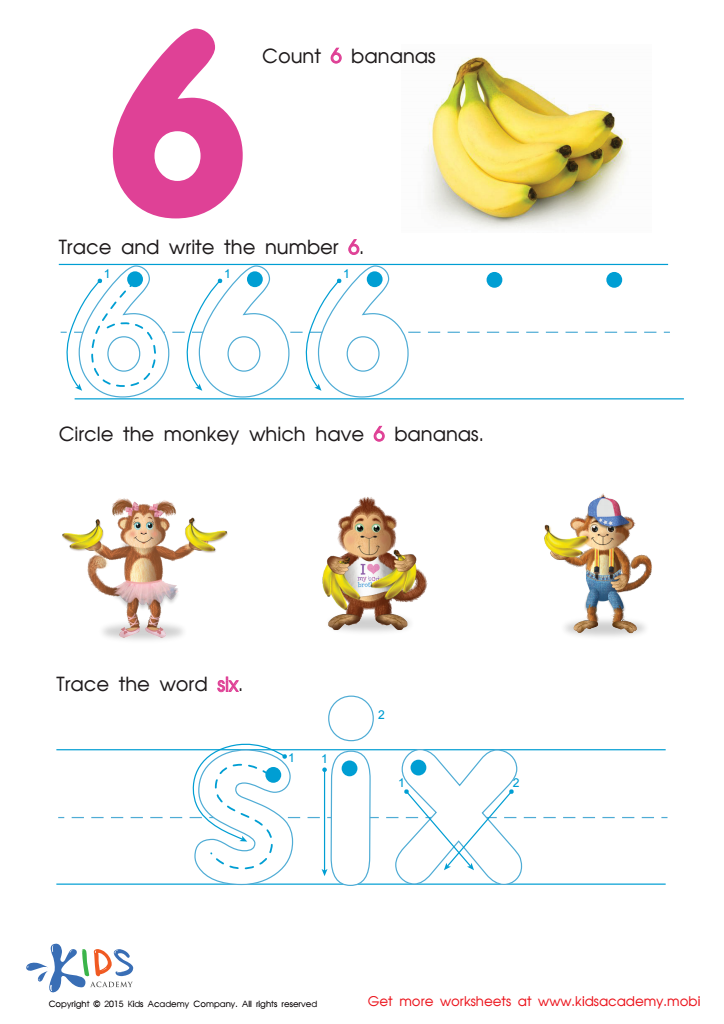
Tracing And Writing Number 6 Worksheet
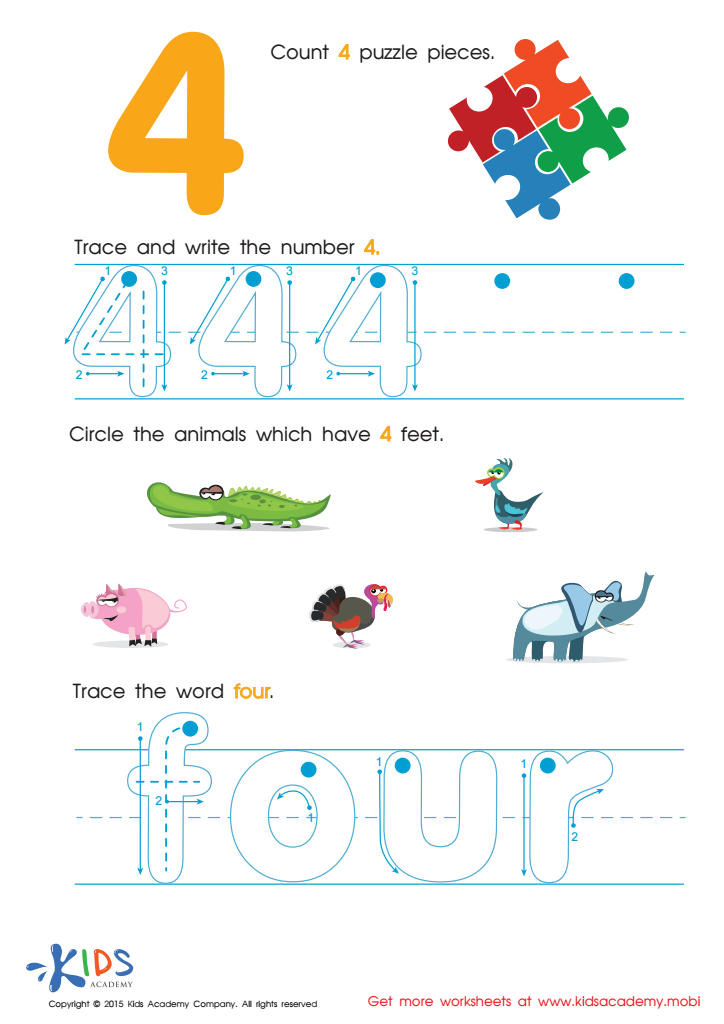
Teaching Children to Write Number 4 Worksheet
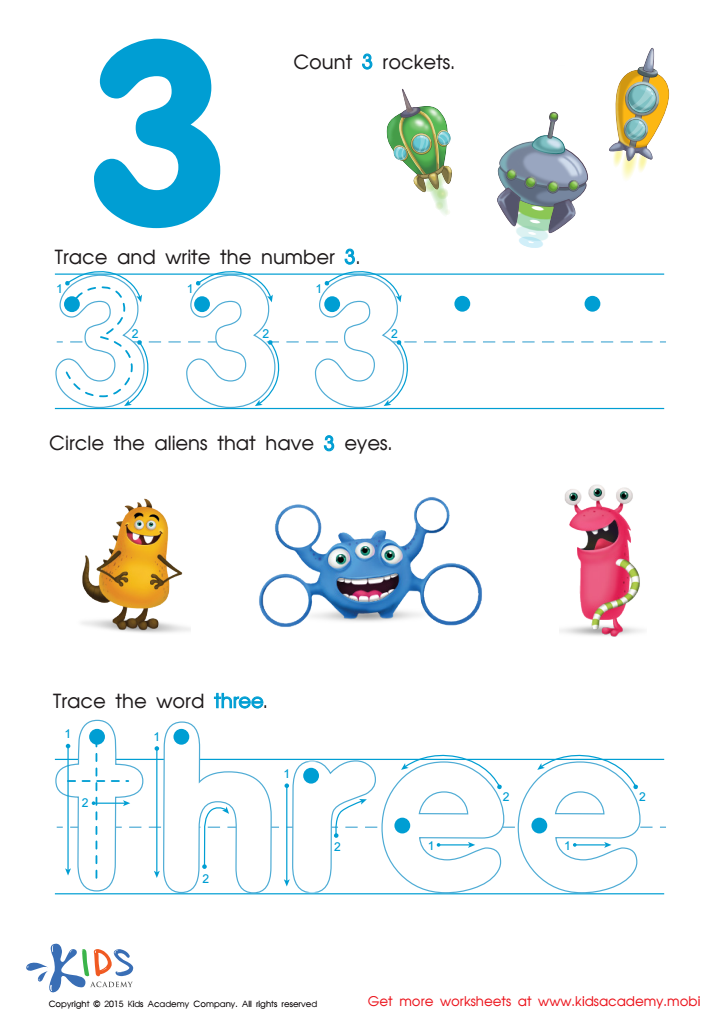
Learning Number Three Worksheet
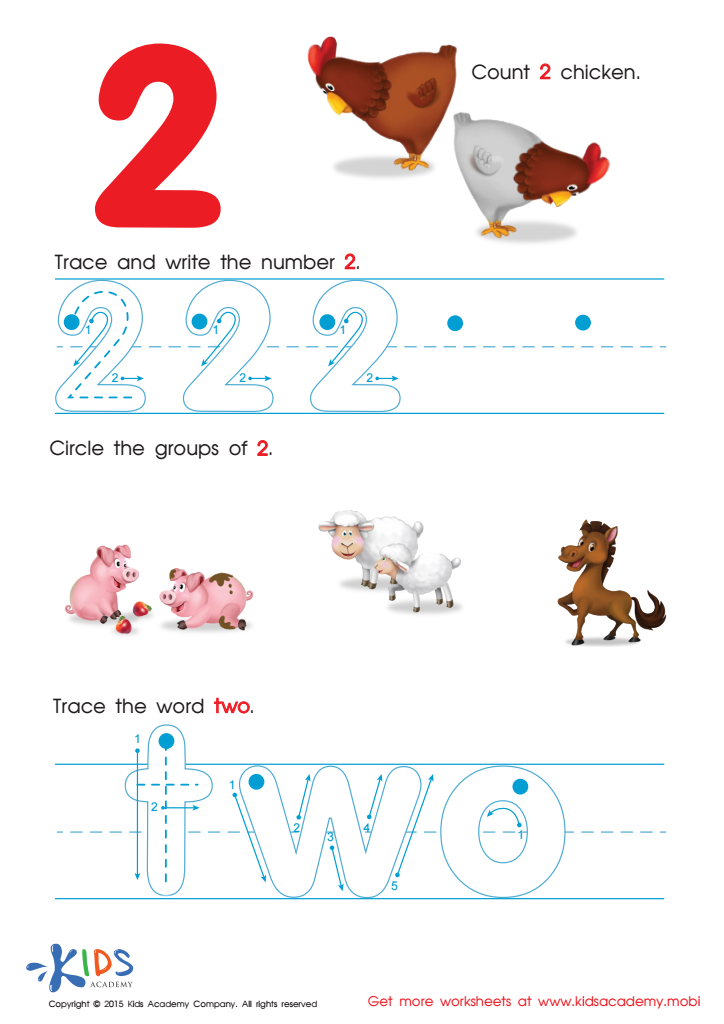
Learn to Write the Number 2 Worksheet
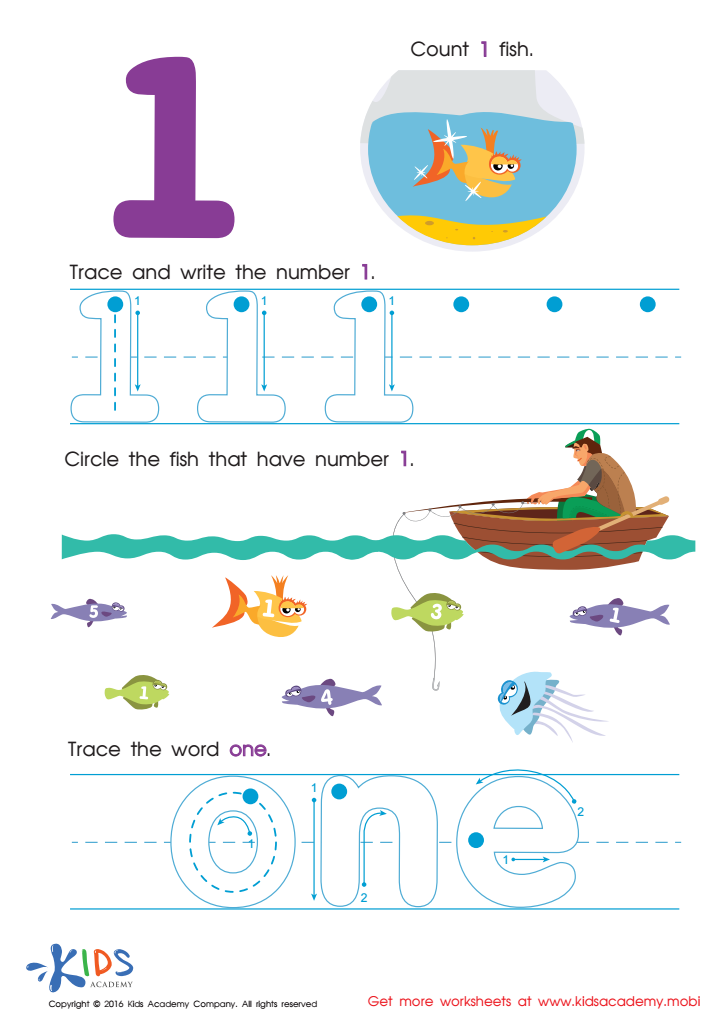
Learning to Write 1 Worksheet
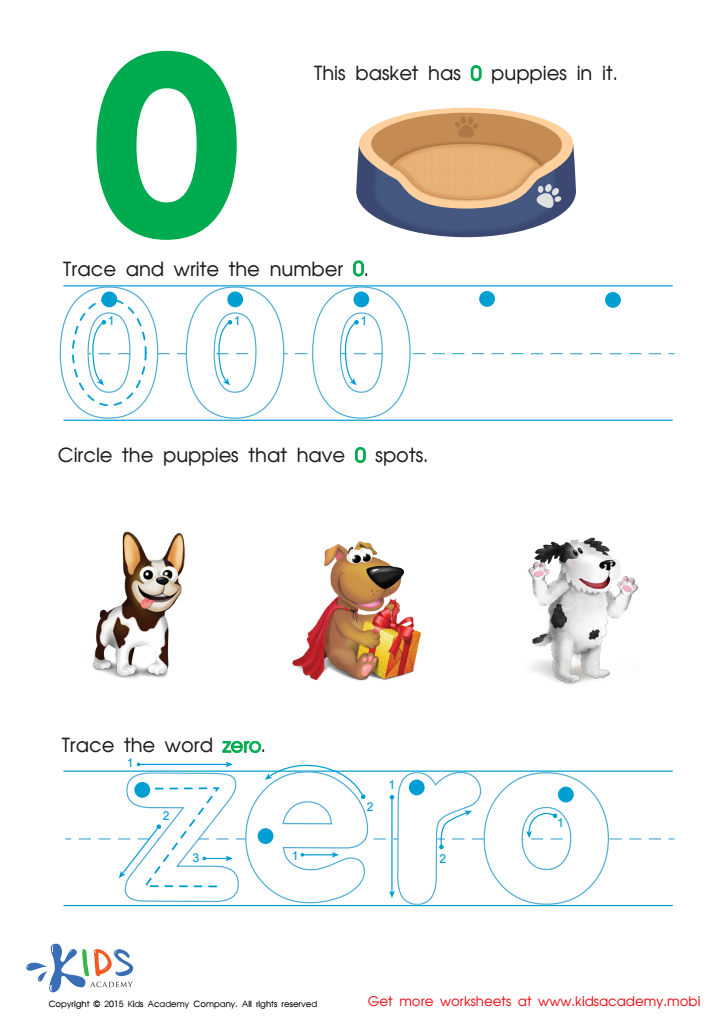
Trace And Write Number 0 Worksheet

The Sun and a Bee Spelling Worksheet
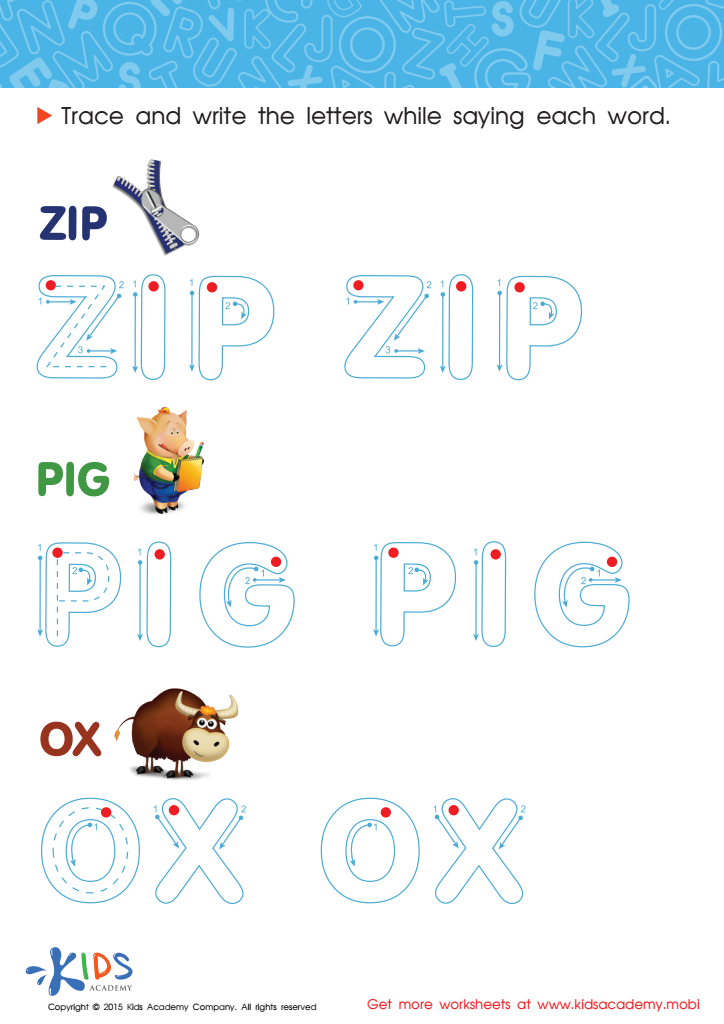
A Zip, a Pig and an Ox Spelling Worksheet
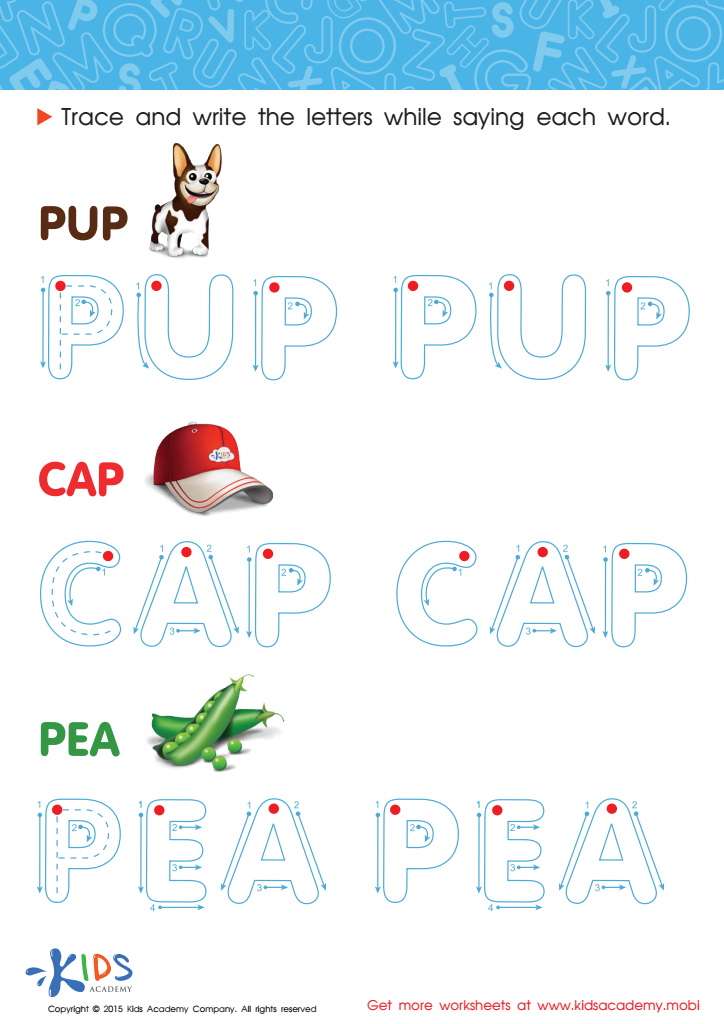
A Pup, a Cap and a Pea Spelling Worksheet
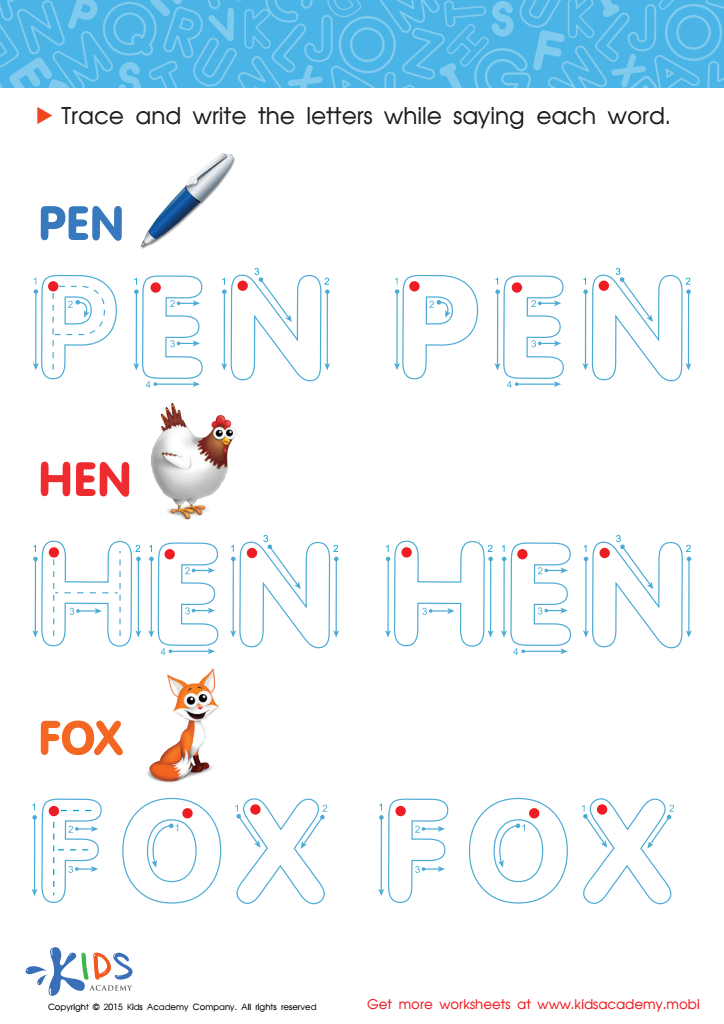
A Pen, a Hen and a Fox Spelling Worksheet

A Cup, an Ape and Tea Spelling Worksheet
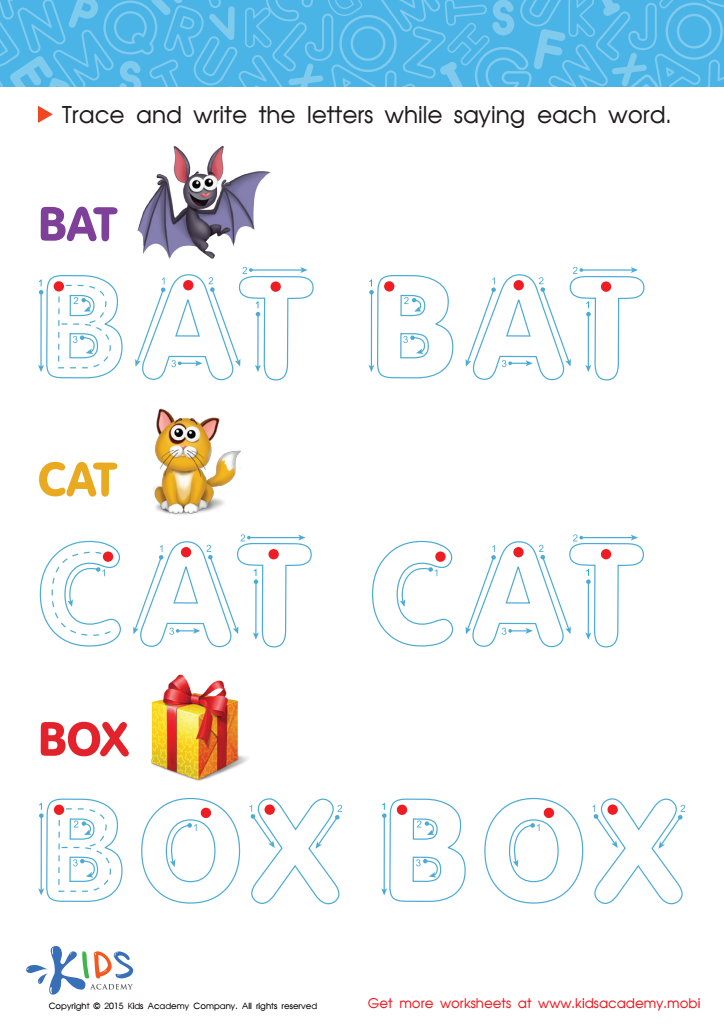
A Bat, a Cat and a Box Spelling Worksheet
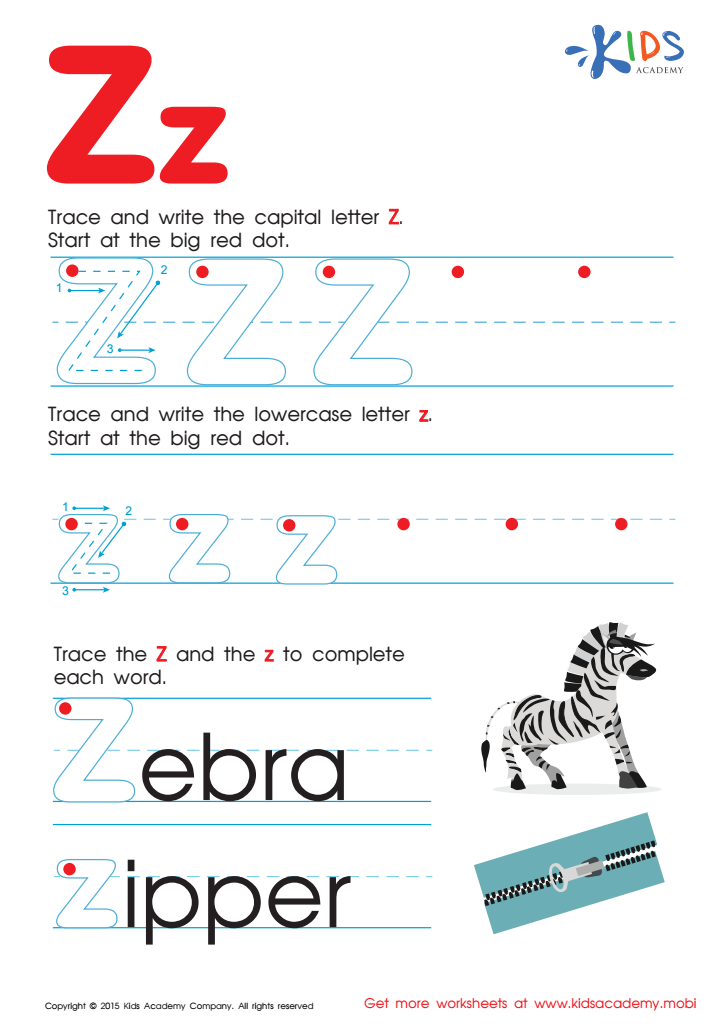
Letter Z Tracing Page
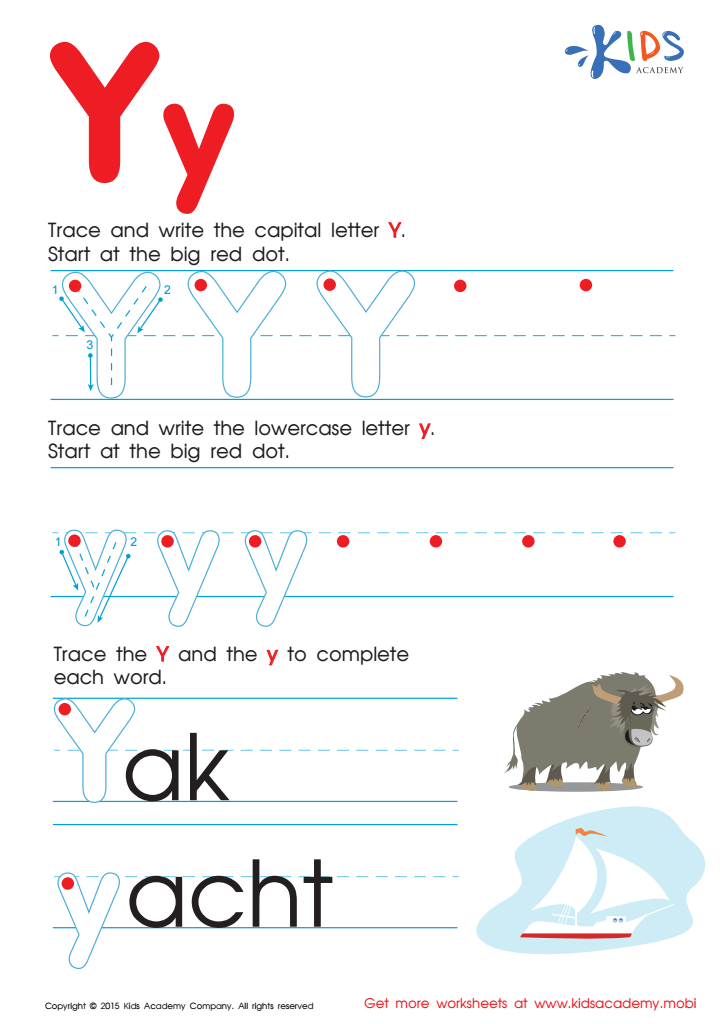
Letter Y Tracing Page
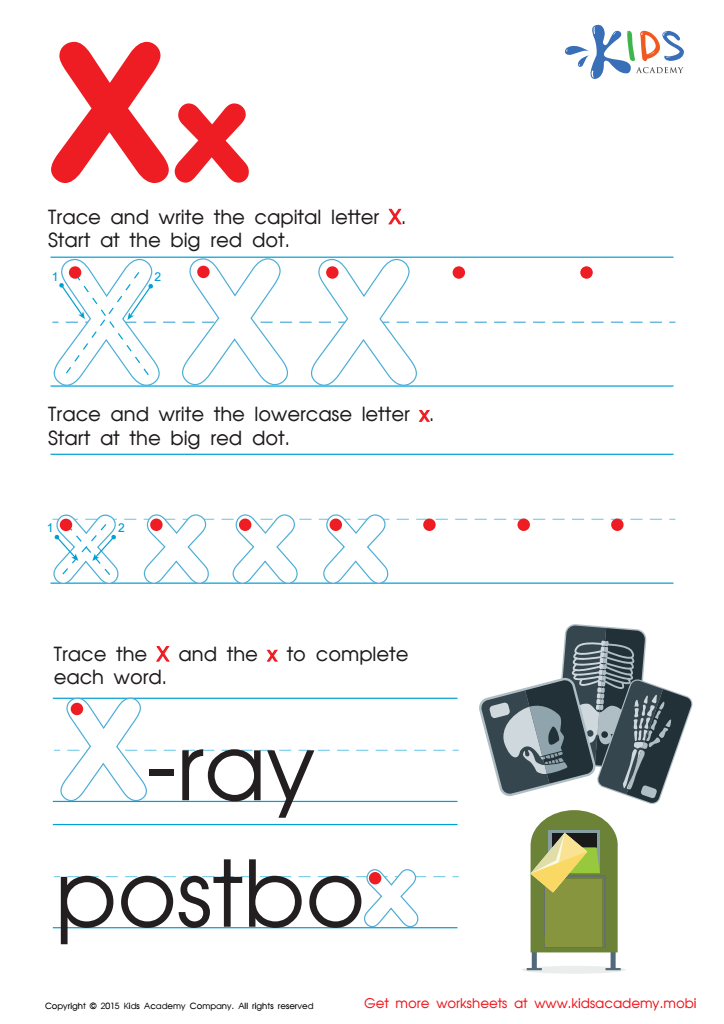
Letter X Tracing Page
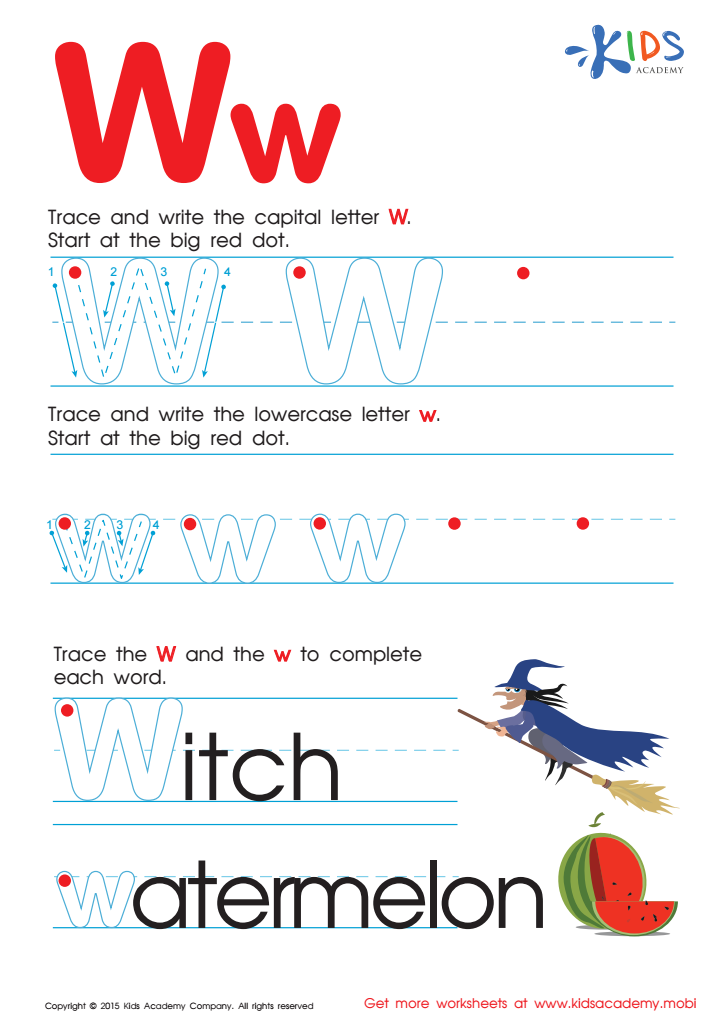
Letter W Tracing Page
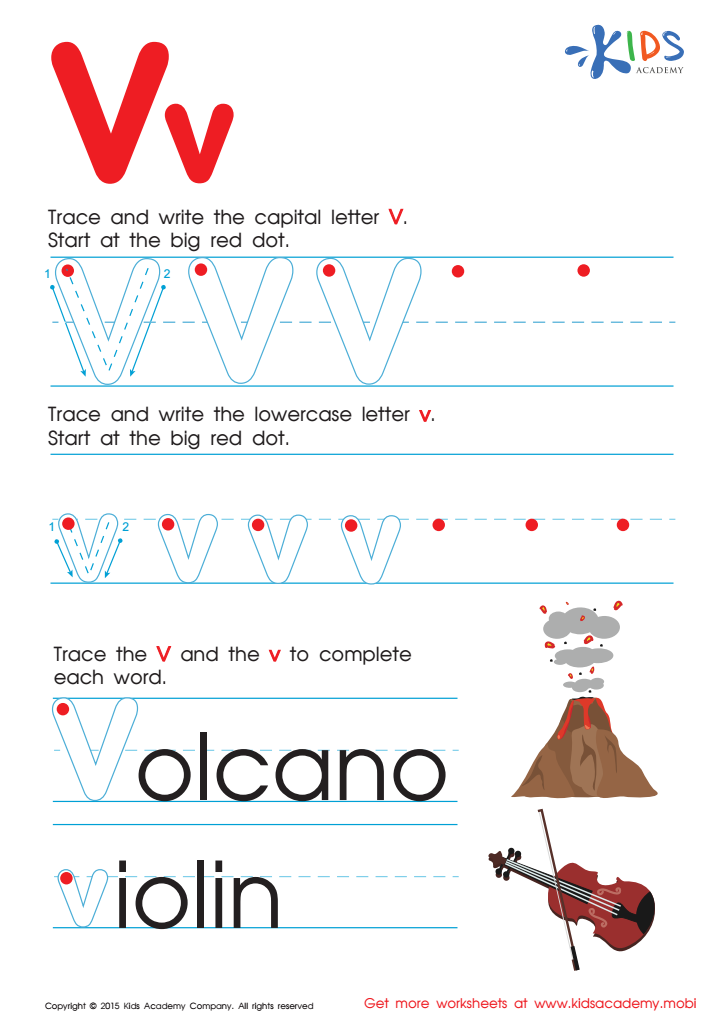
Letter V Tracing Page
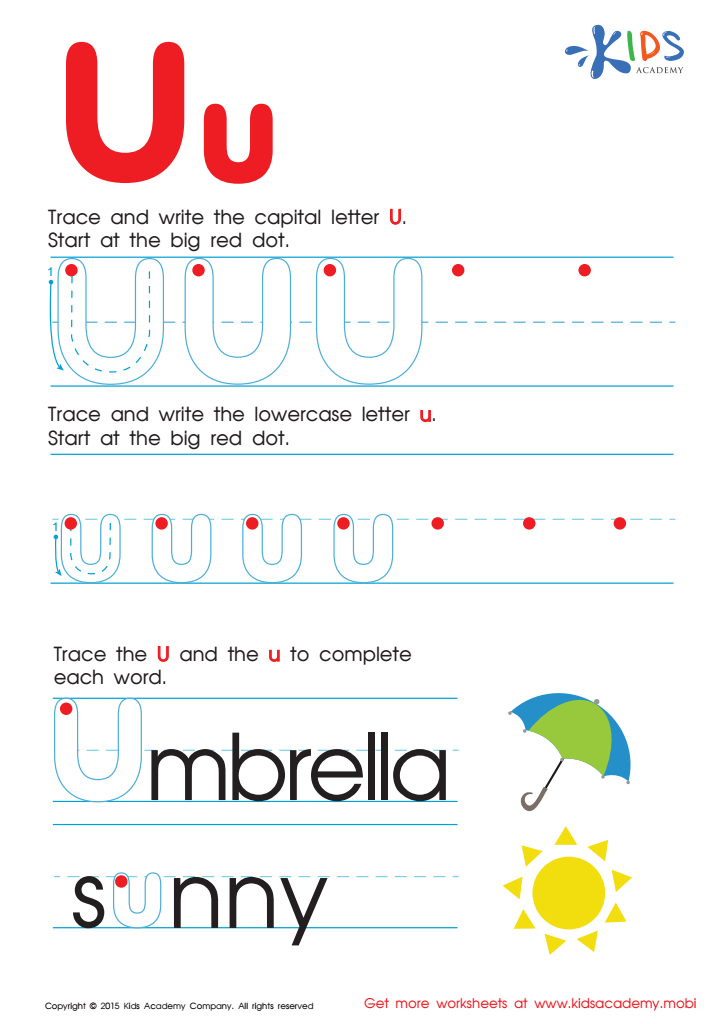
Letter U Tracing Page
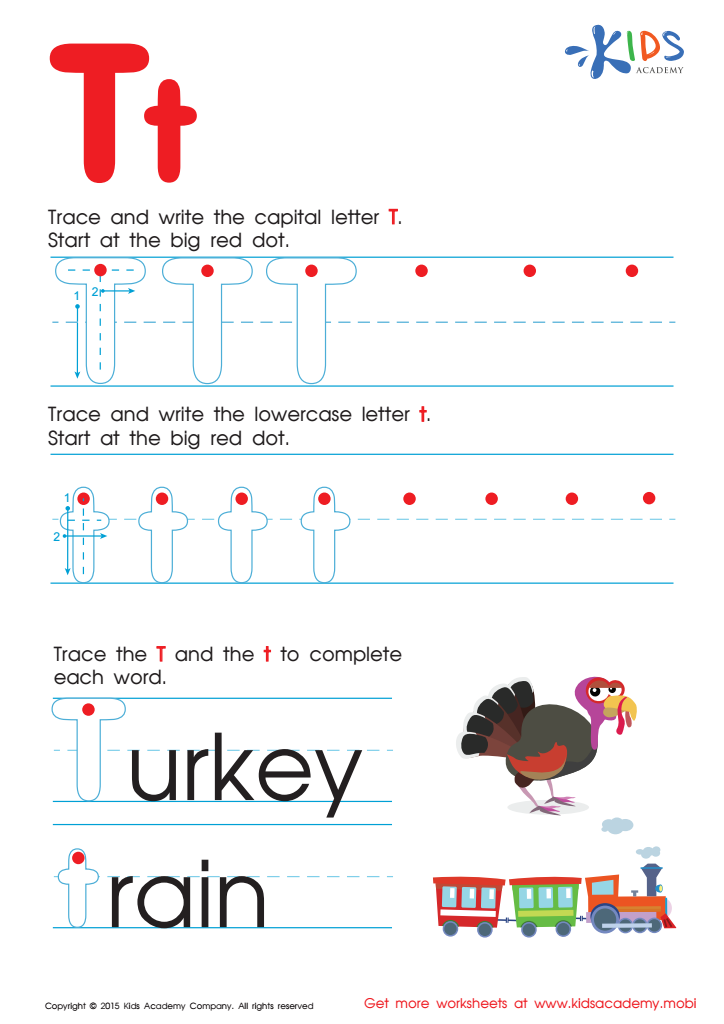
Letter T Tracing Page
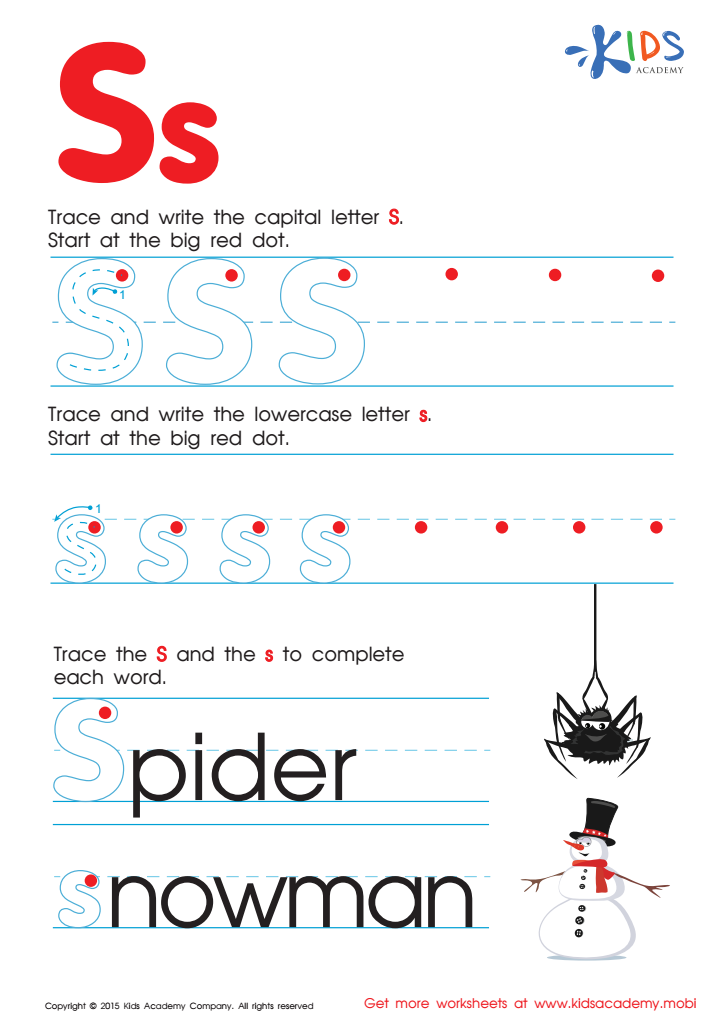
Letter S Tracing Page
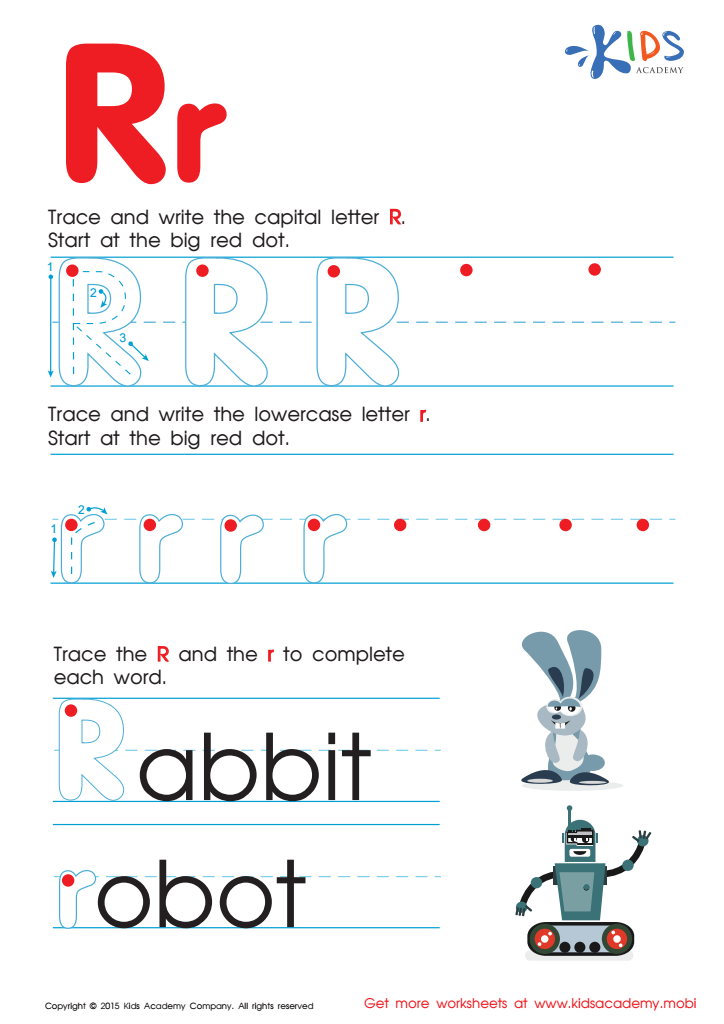
Letter R Tracing Page
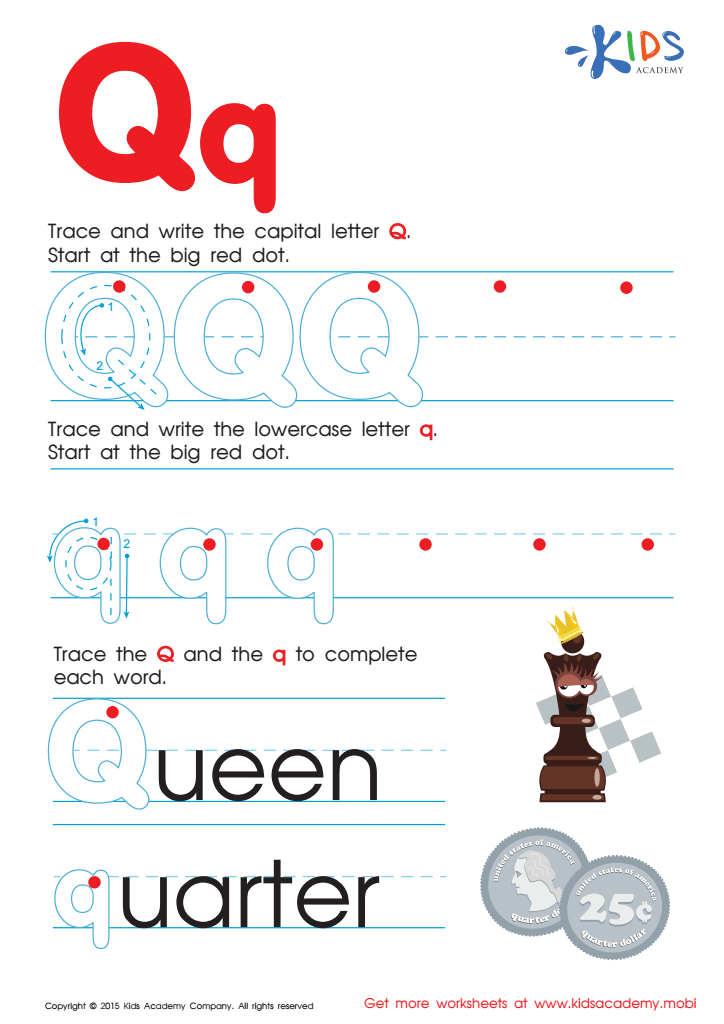
Letter Q Tracing Page








Tracing activities for children aged 4-9 play a crucial role in their early development and should be a focus for both parents and teachers. First, these activities enhance fine motor skills, essential for tasks like writing and using utensils. As children trace lines, letters, or shapes, they strengthen their hand-eye coordination and dexterity, laying a solid foundation for future academic pursuits.
Moreover, tracing facilitates cognitive development. Children learn to recognize letters, numbers, and shapes as they follow outlines, promoting early literacy and numeracy skills. This hands-on approach not only makes learning enjoyable but also caters to various learning styles, ensuring that children stay engaged.
Additionally, tracing activities nurture concentration and patience. These skills are vital for effective learning and attention in a classroom setting. Parental and teacher involvement can reinforce these values, fostering a supportive learning environment.
Lastly, tracing can be a powerful tool for emotional development. Children often experience a sense of accomplishment when completing tracing tasks, boosting their confidence and self-esteem. By prioritizing tracing activities, parents and teachers invest in essential life skills while fostering a love for learning in young children.








