Tracing Letters worksheets activities for Ages 4-9 - Page 2
57 filtered results
-
From - To
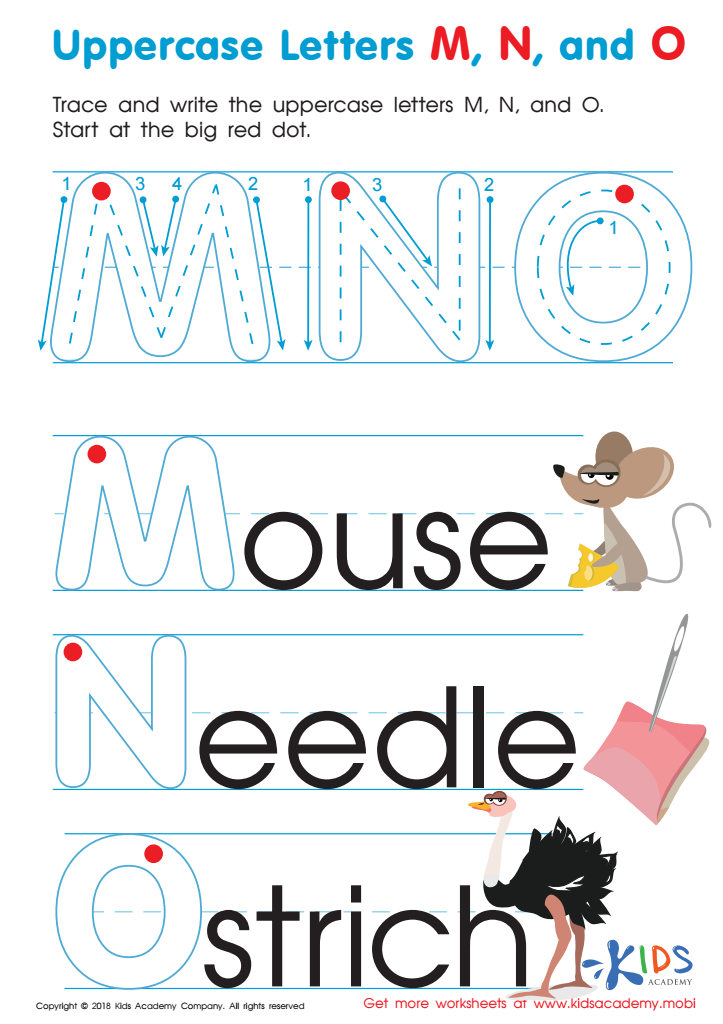
Uppercase Letters M, N, and O Worksheet
 Assign to My Students
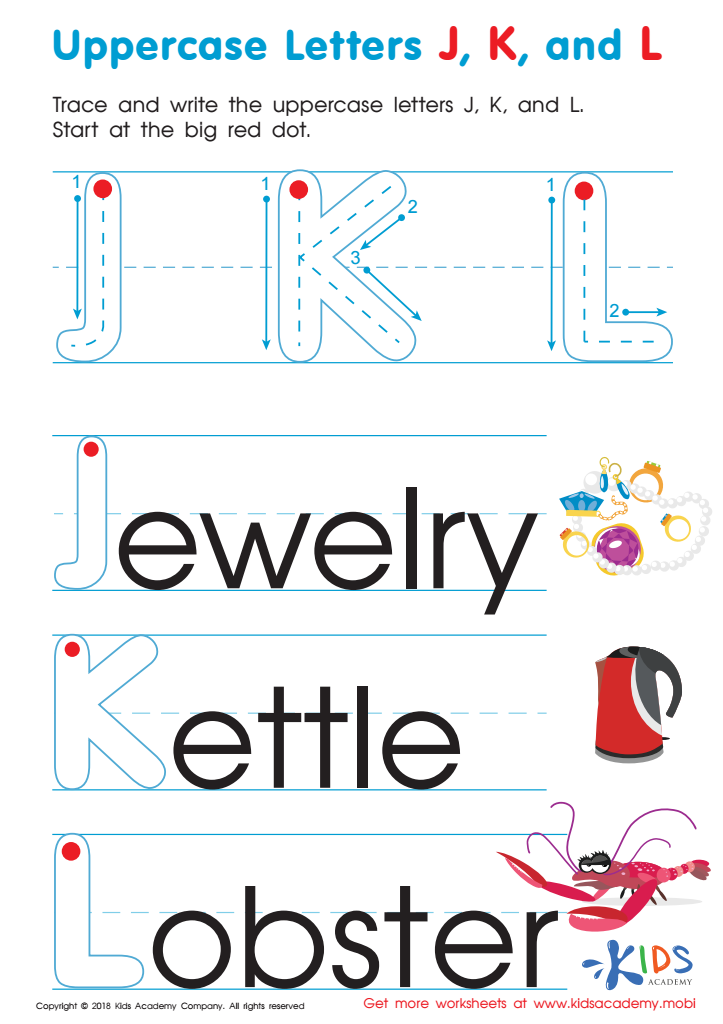
Uppercase Letters J, K, and L Worksheet
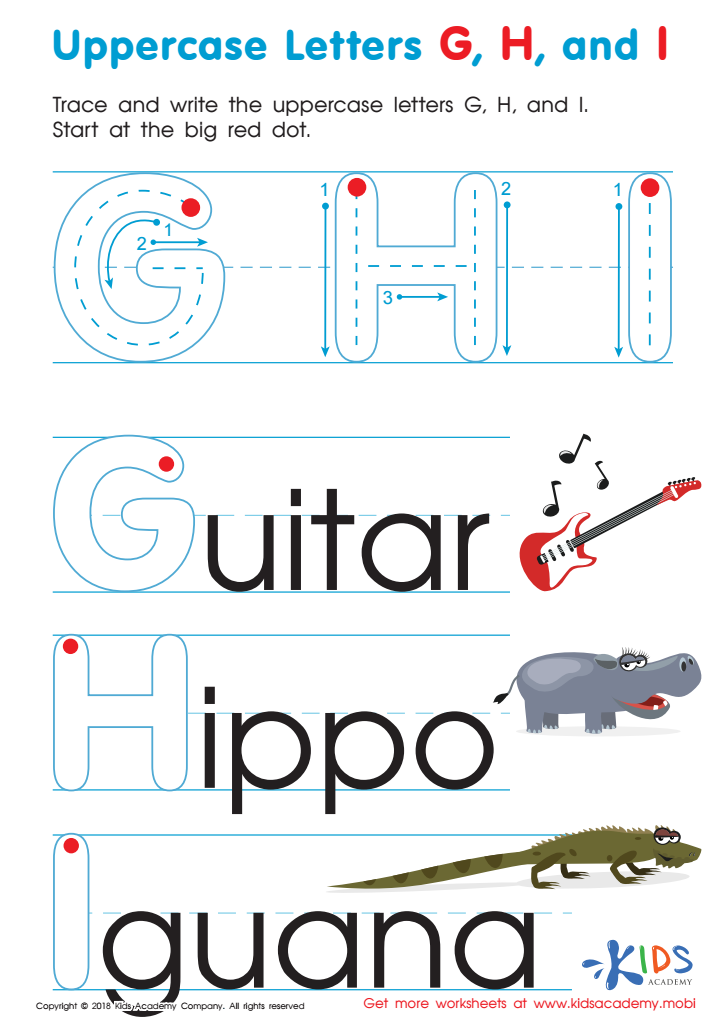
Uppercase Letters G, H, and I Worksheet
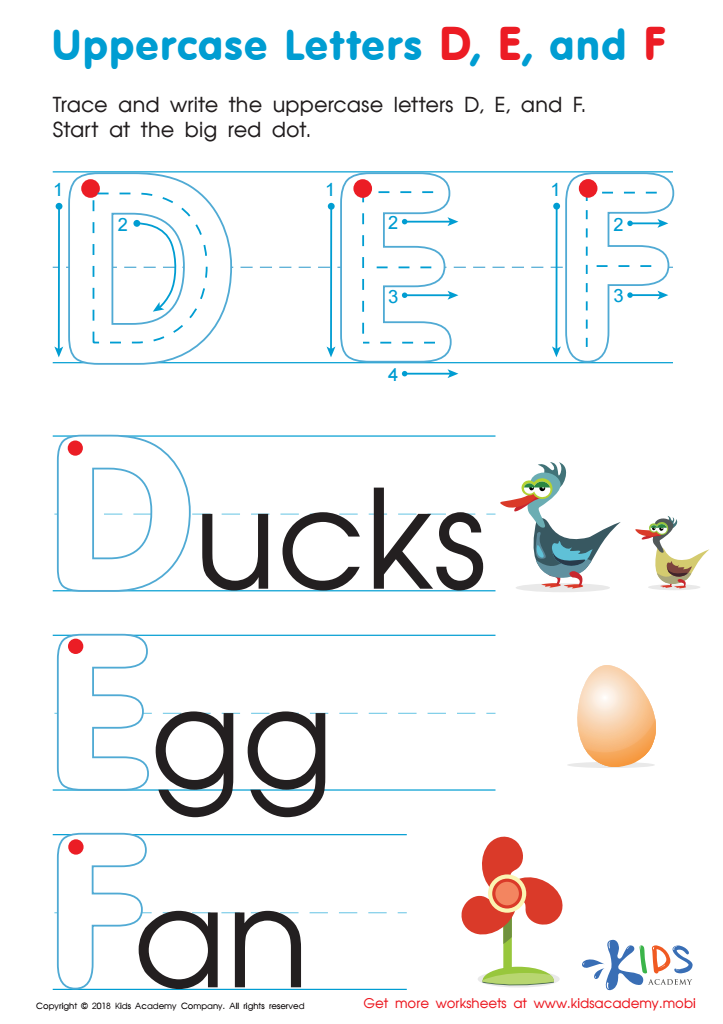
Uppercase Letters D, E, and F Worksheet
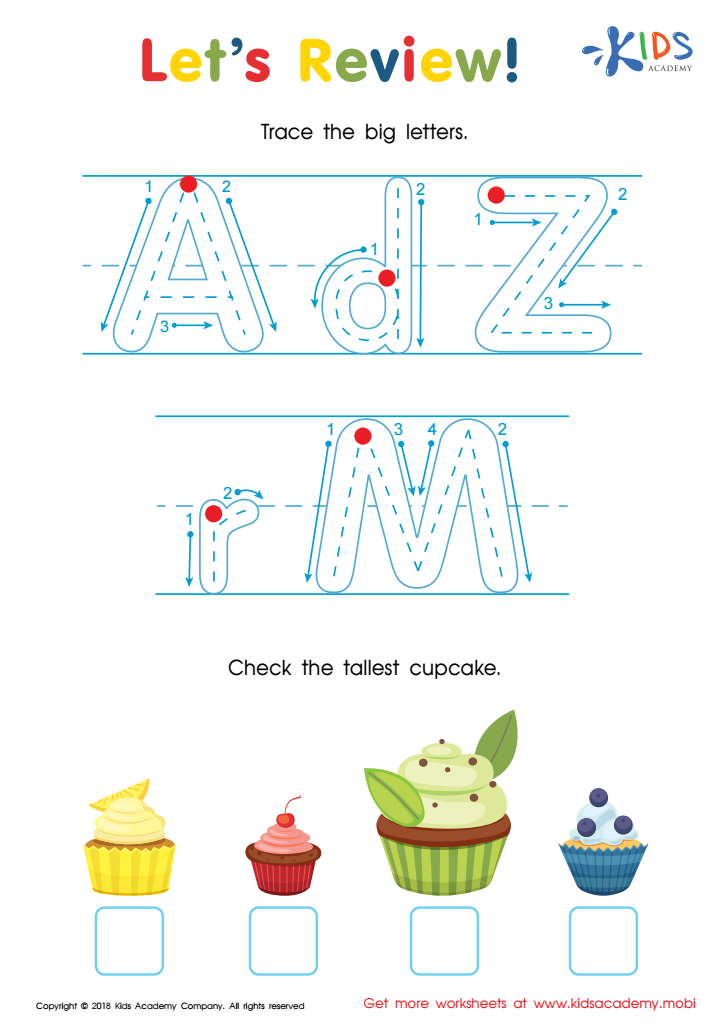
Let's Review! Big Letters Worksheet
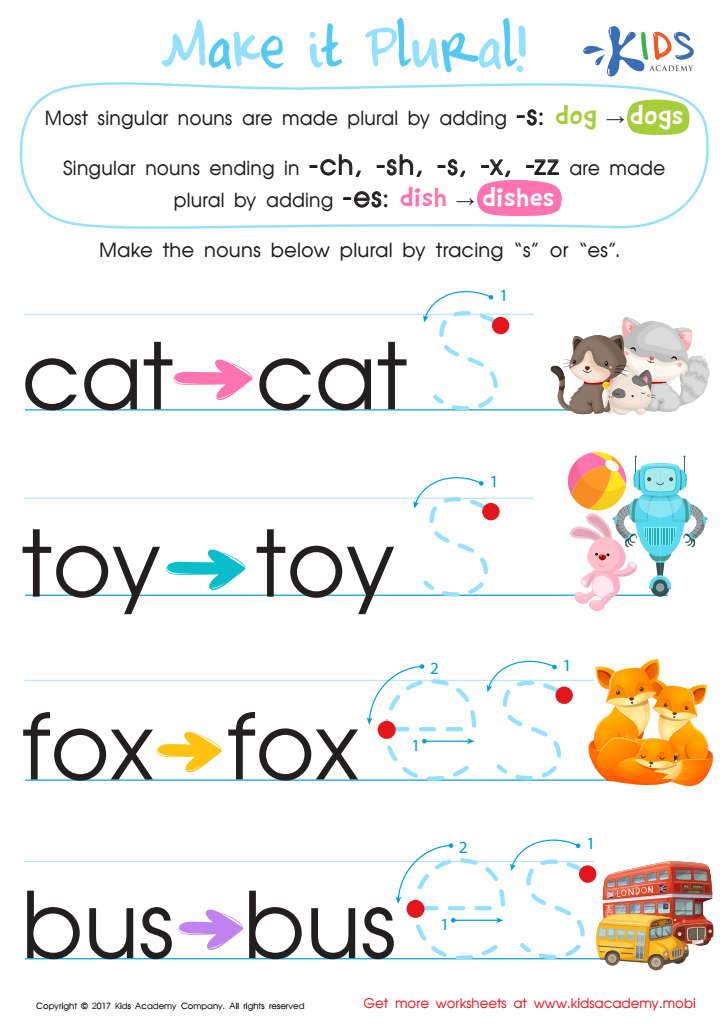
Make it Plural Worksheet
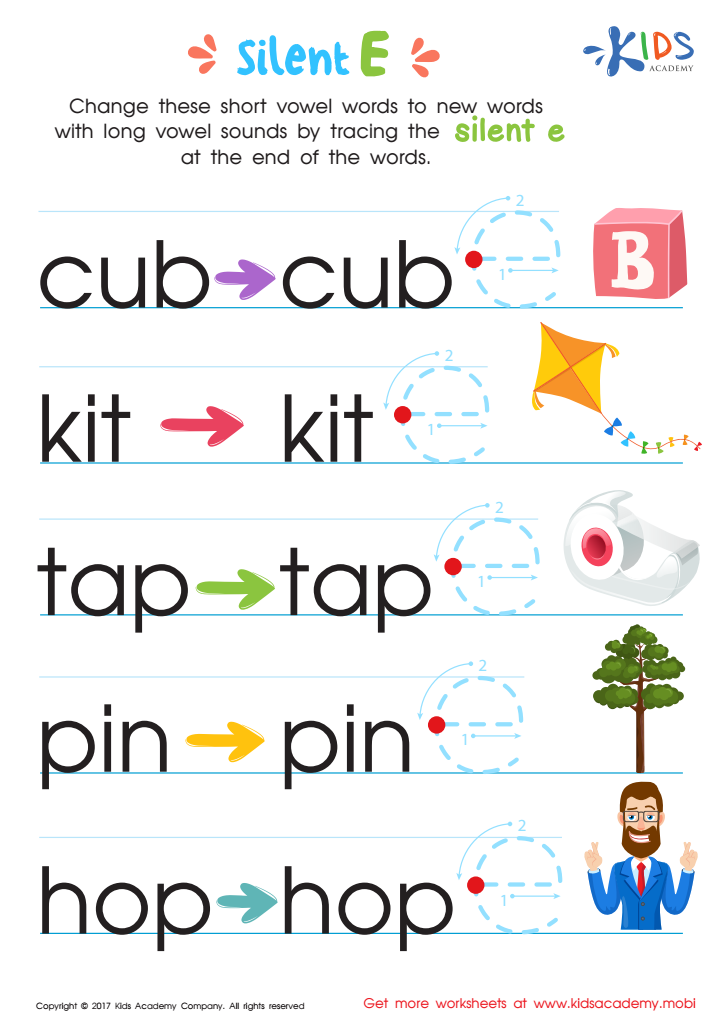
Silent E Words Worksheet
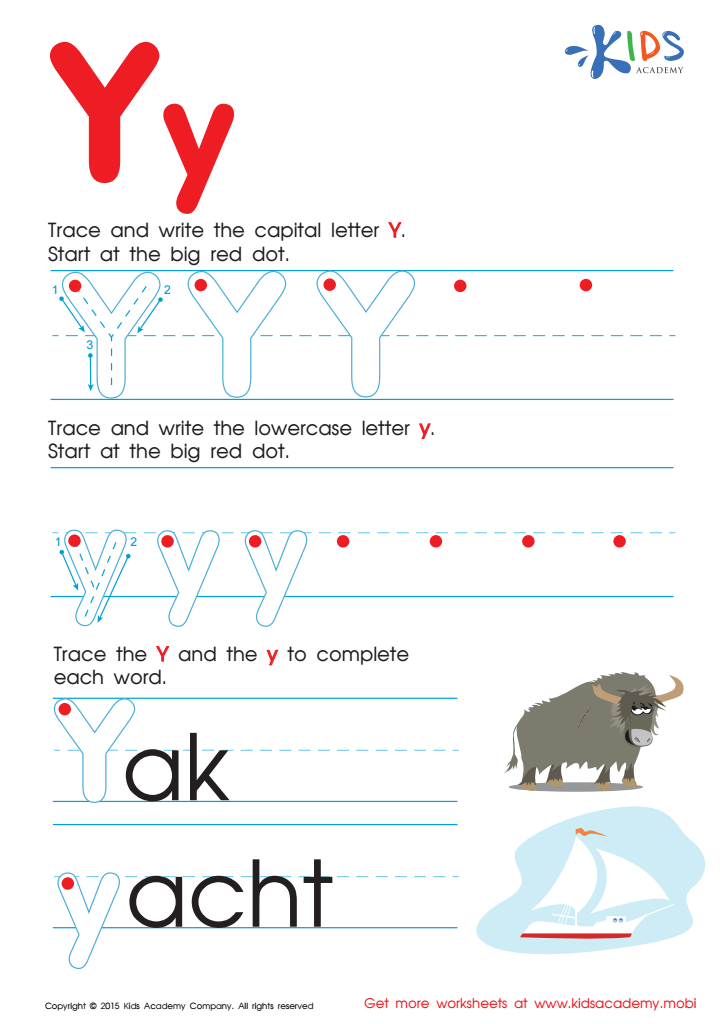
Letter Y Tracing Page
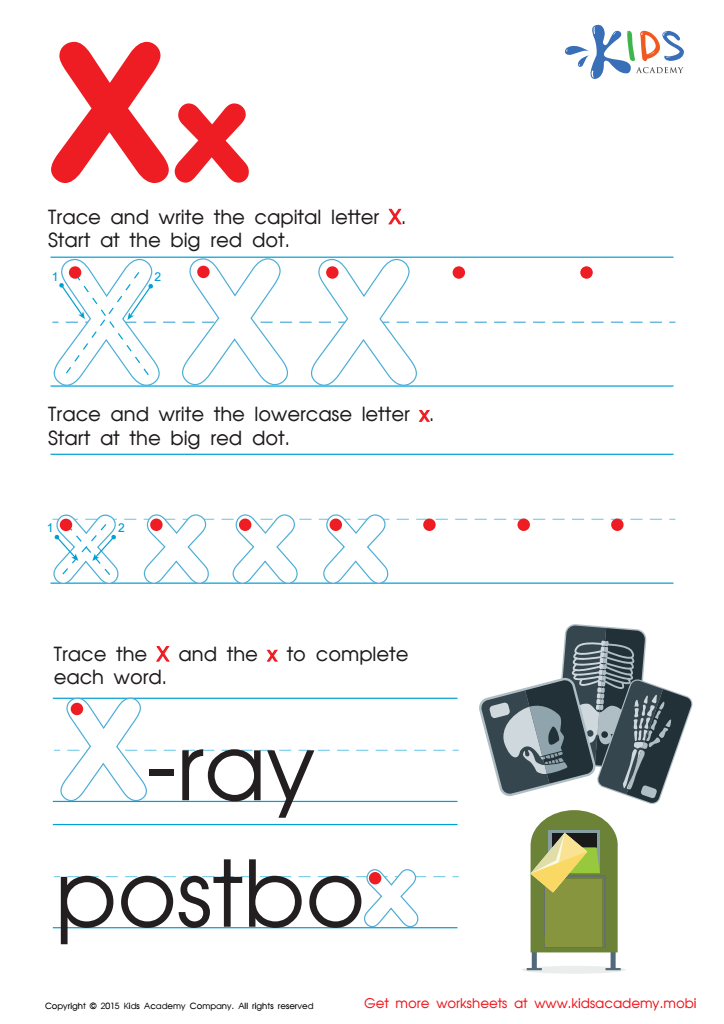
Letter X Tracing Page
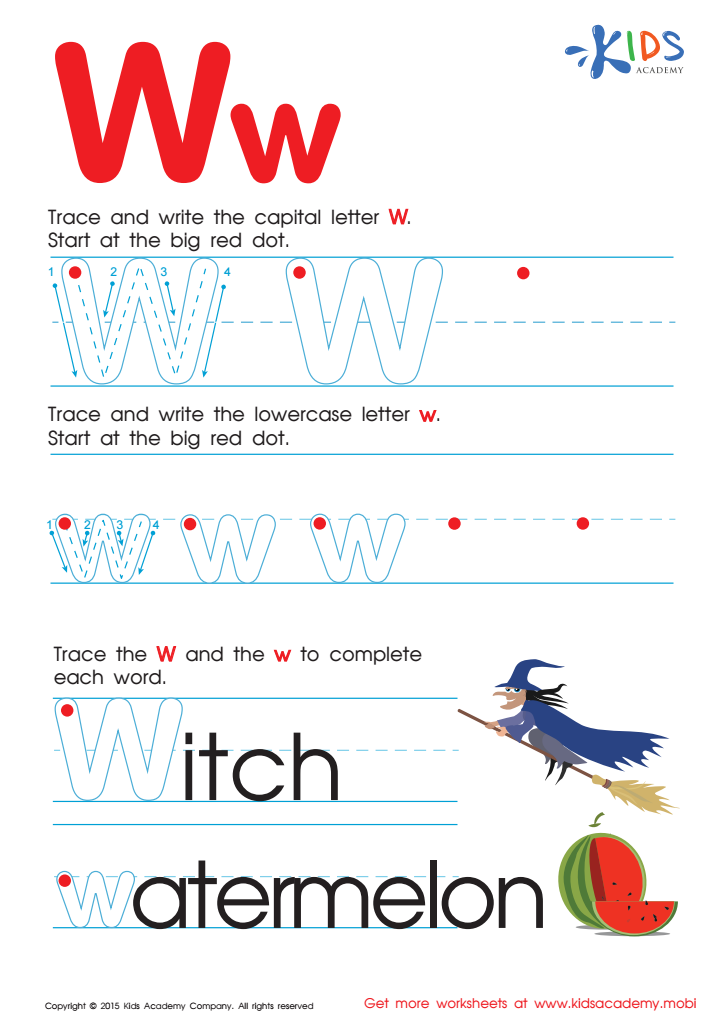
Letter W Tracing Page
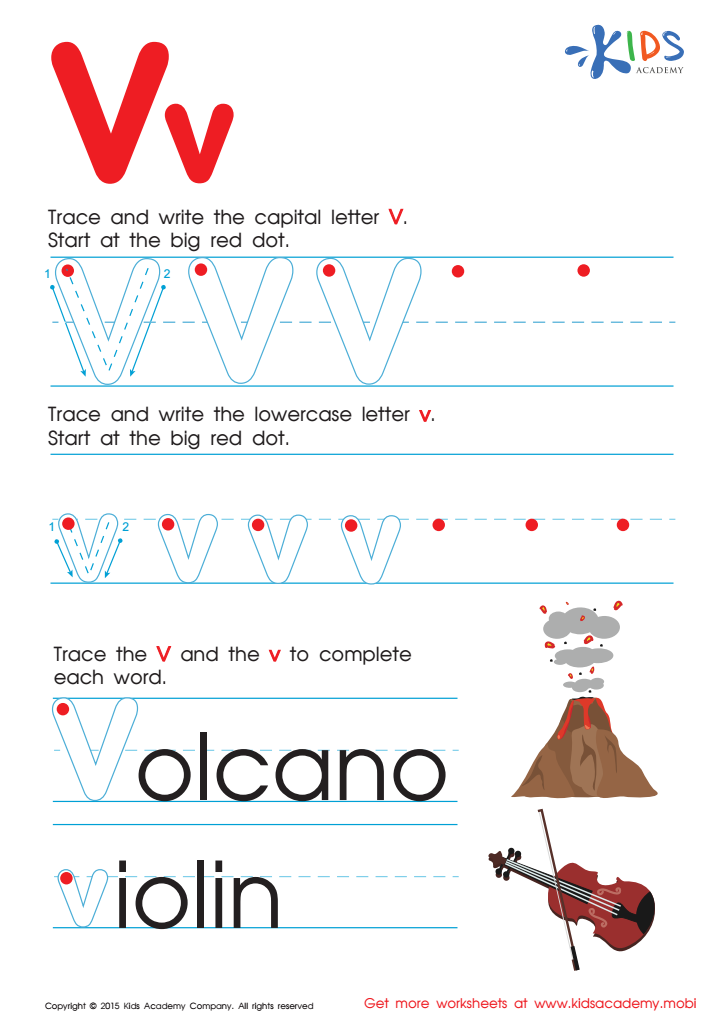
Letter V Tracing Page
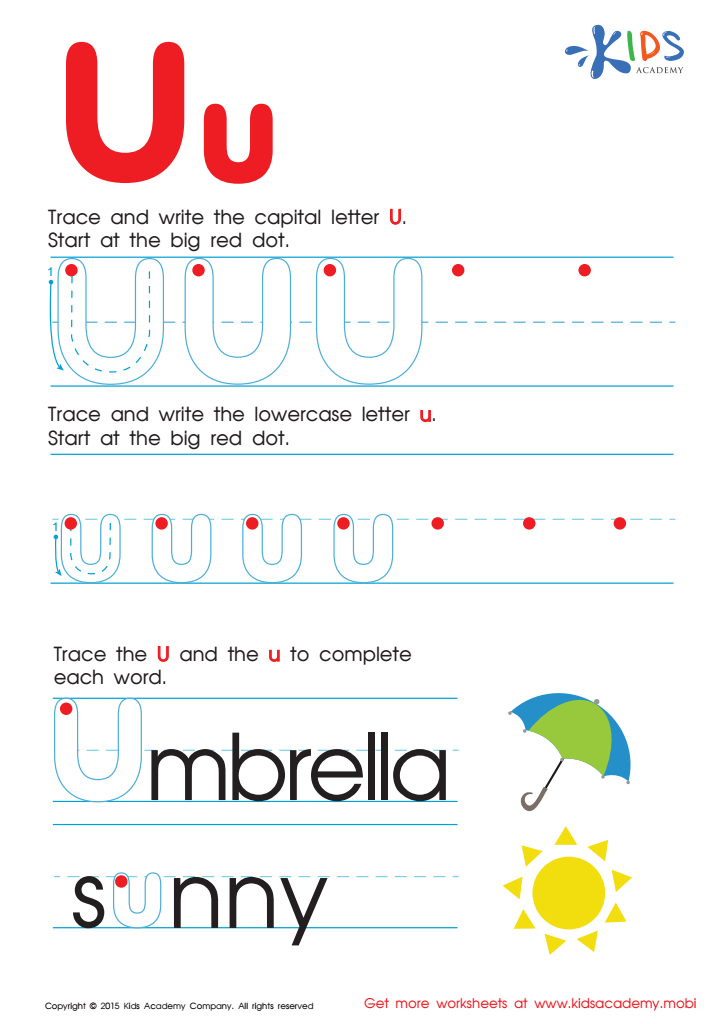
Letter U Tracing Page
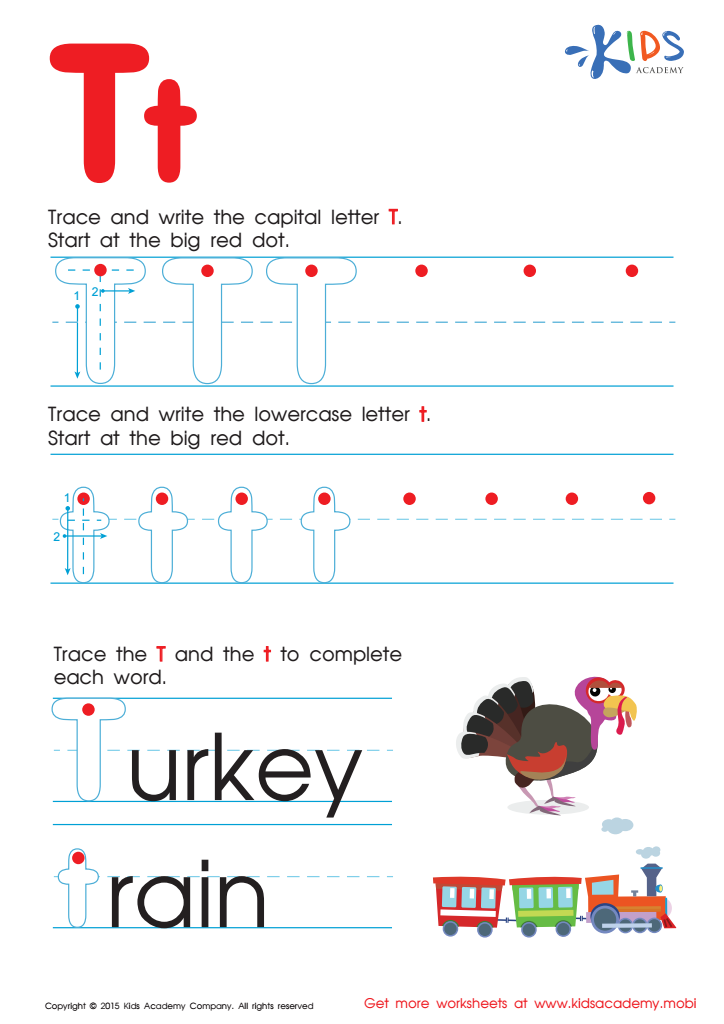
Letter T Tracing Page
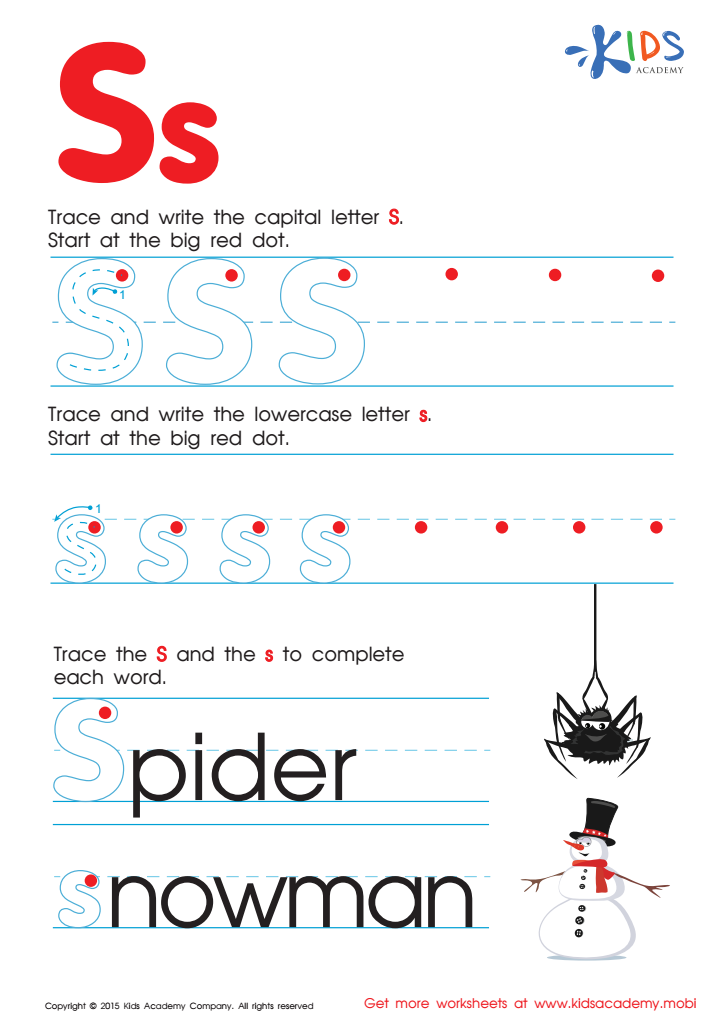
Letter S Tracing Page
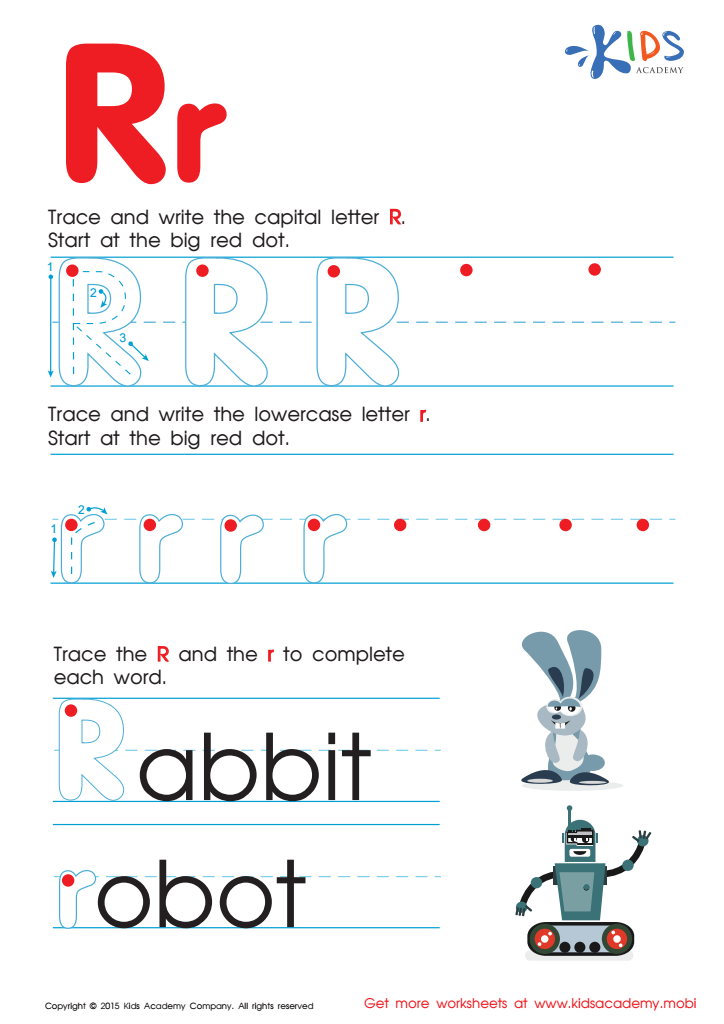
Letter R Tracing Page
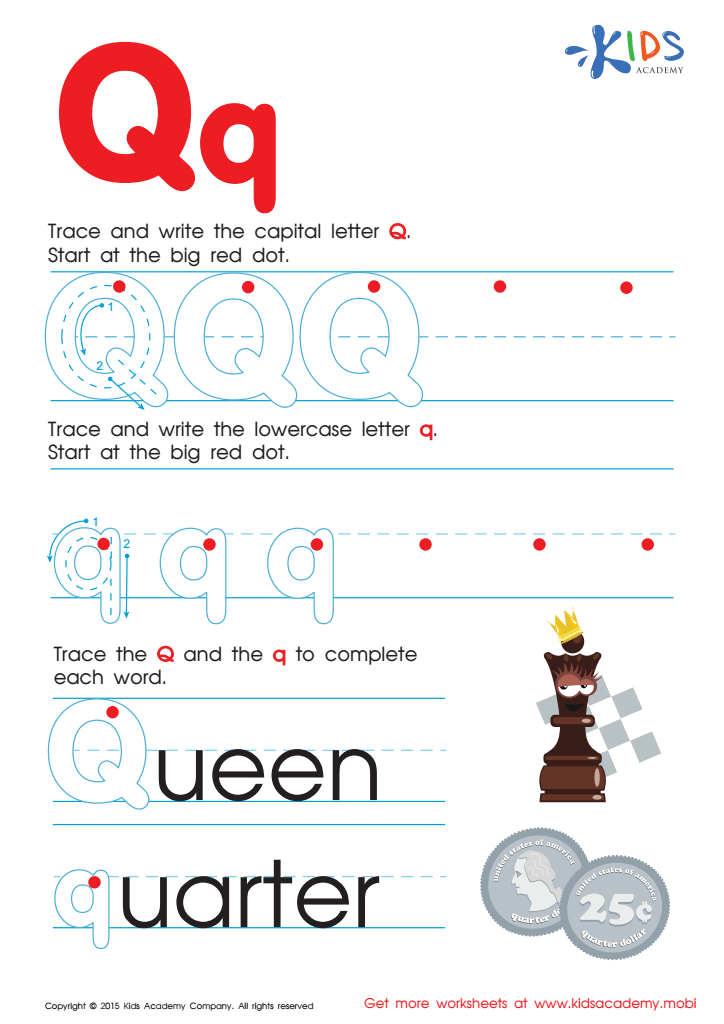
Letter Q Tracing Page
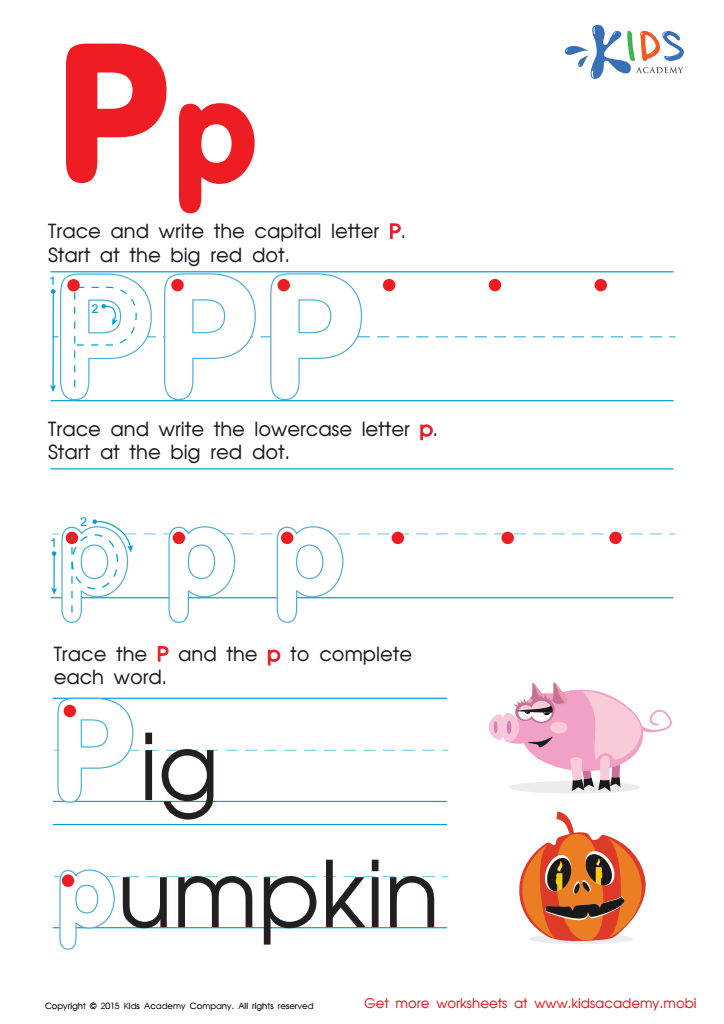
Letter P Tracing Page
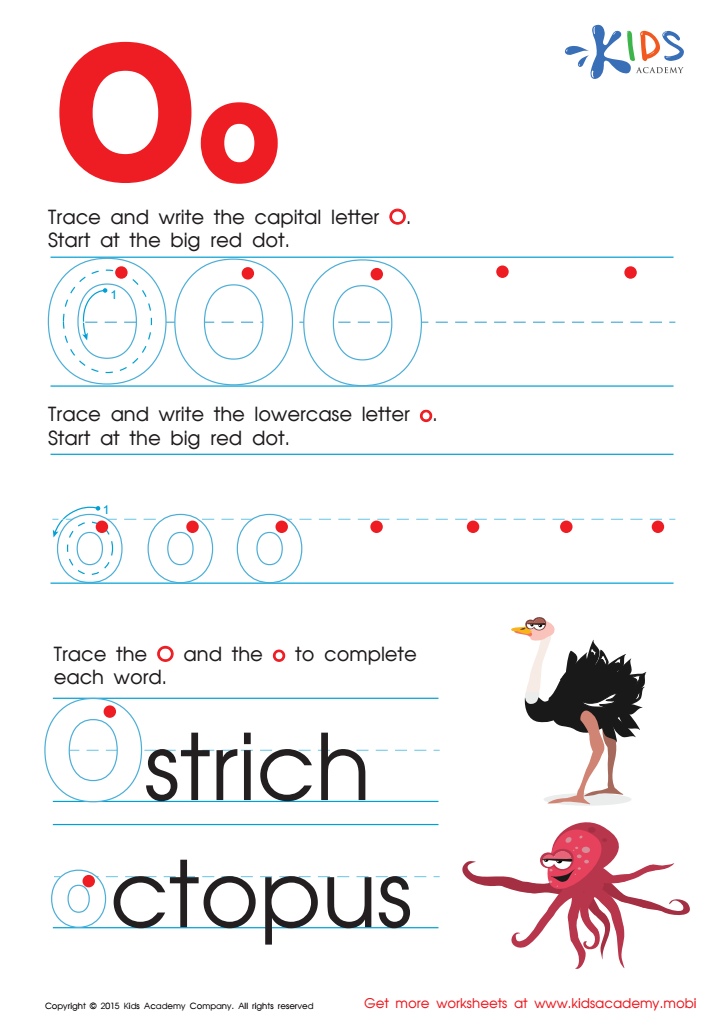
Letter O Tracing Page
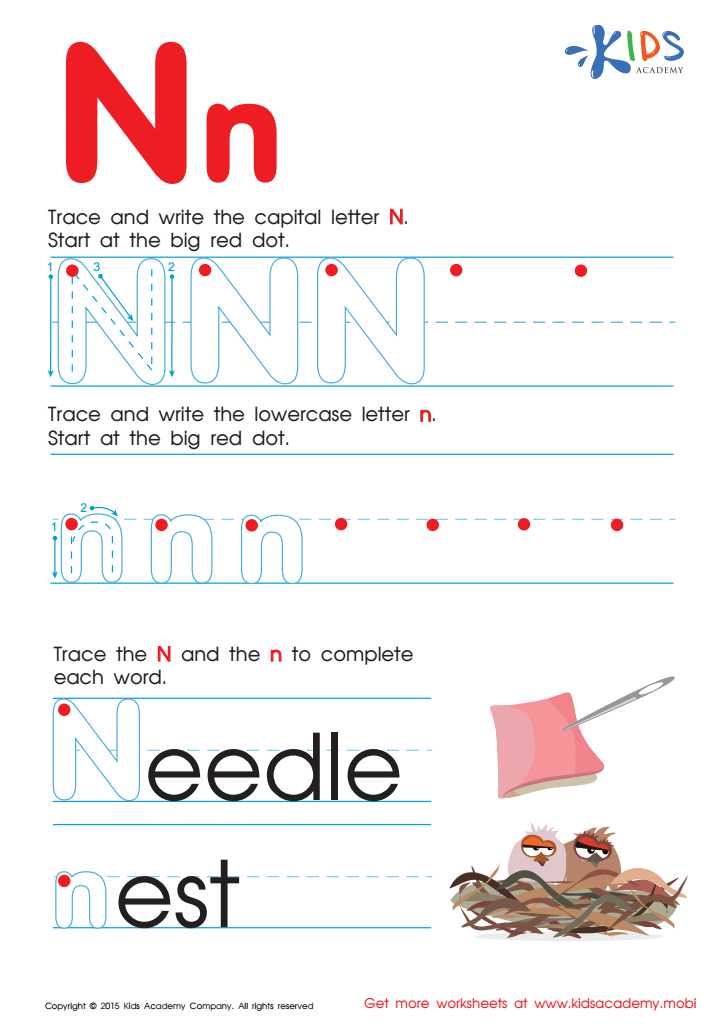
Letter N Tracing Page
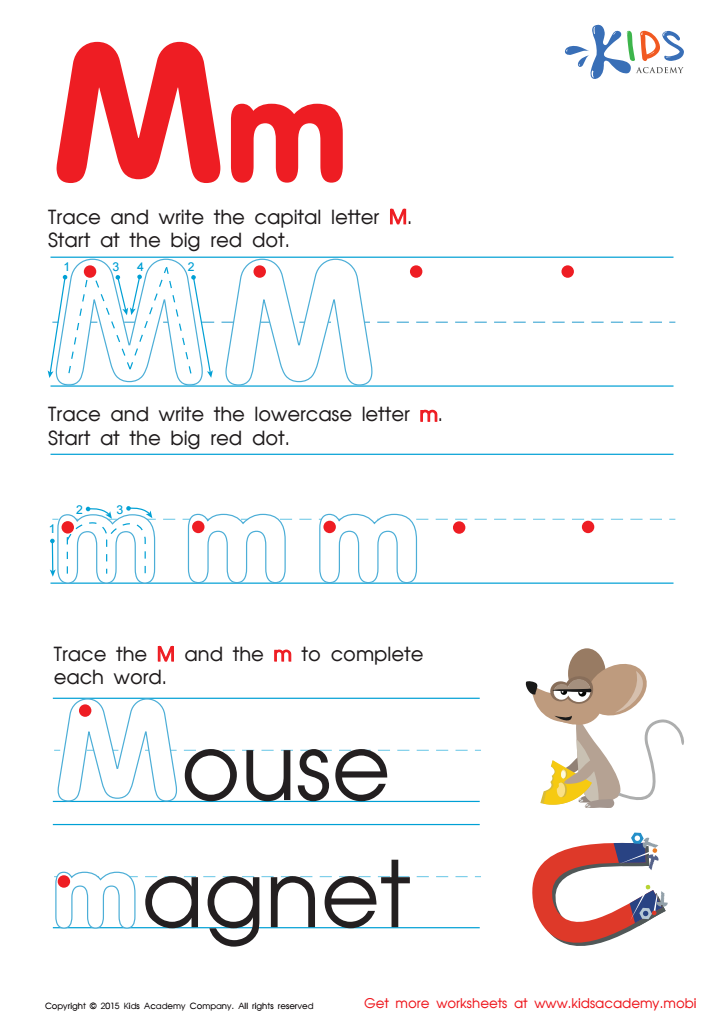
Letter M Tracing Page
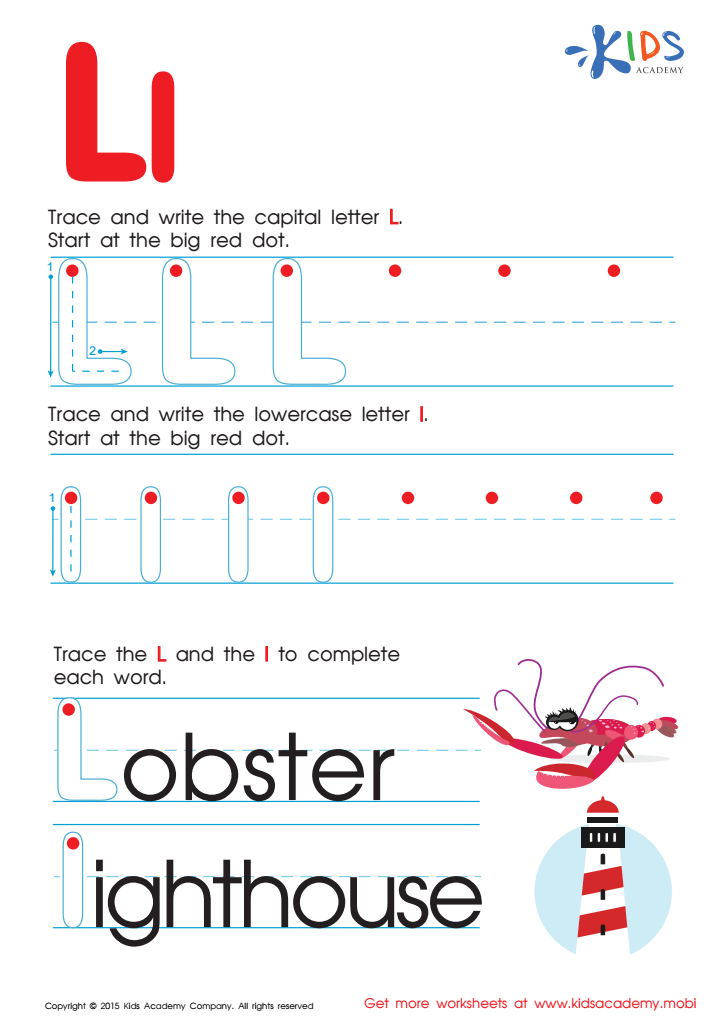
Letter L Tracing Page
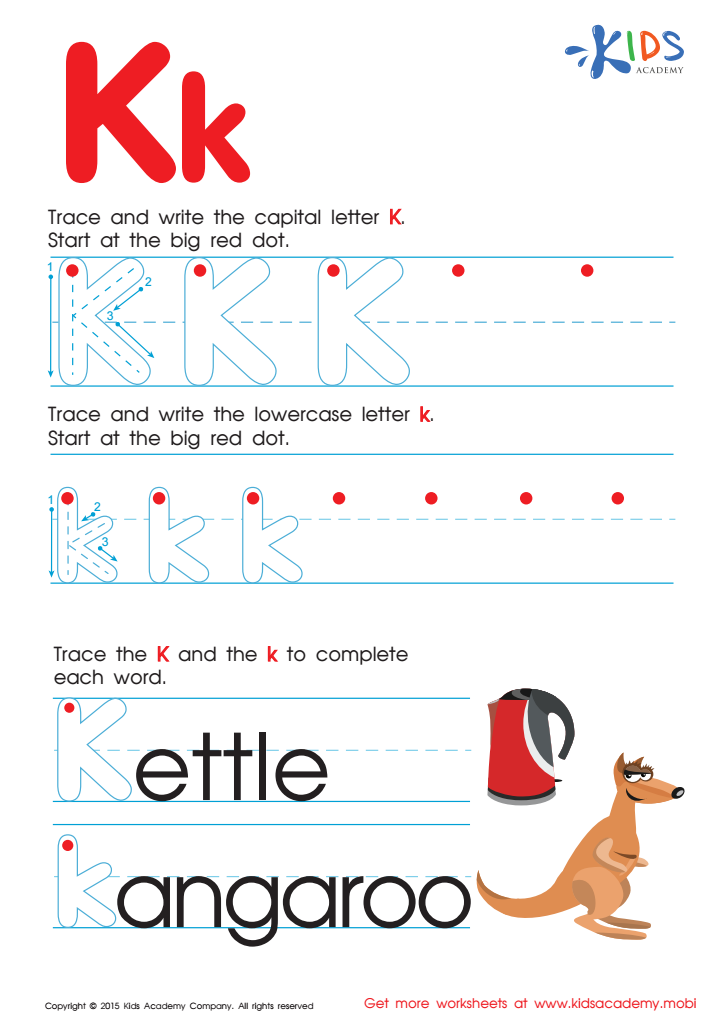
Letter K Tracing Page
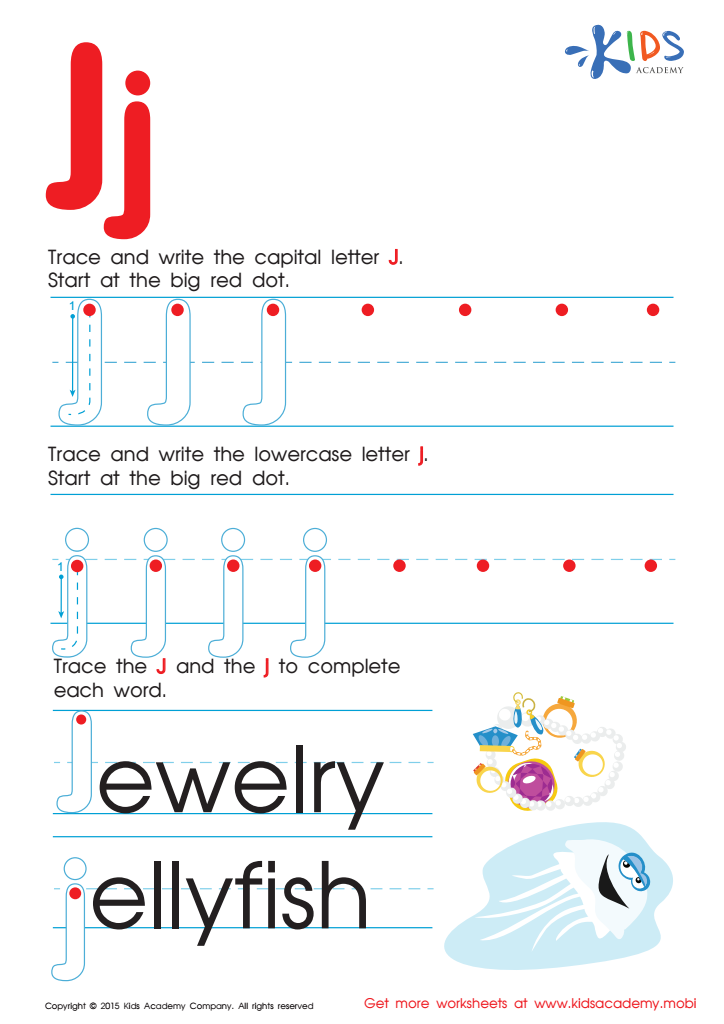
Letter J Tracing Page
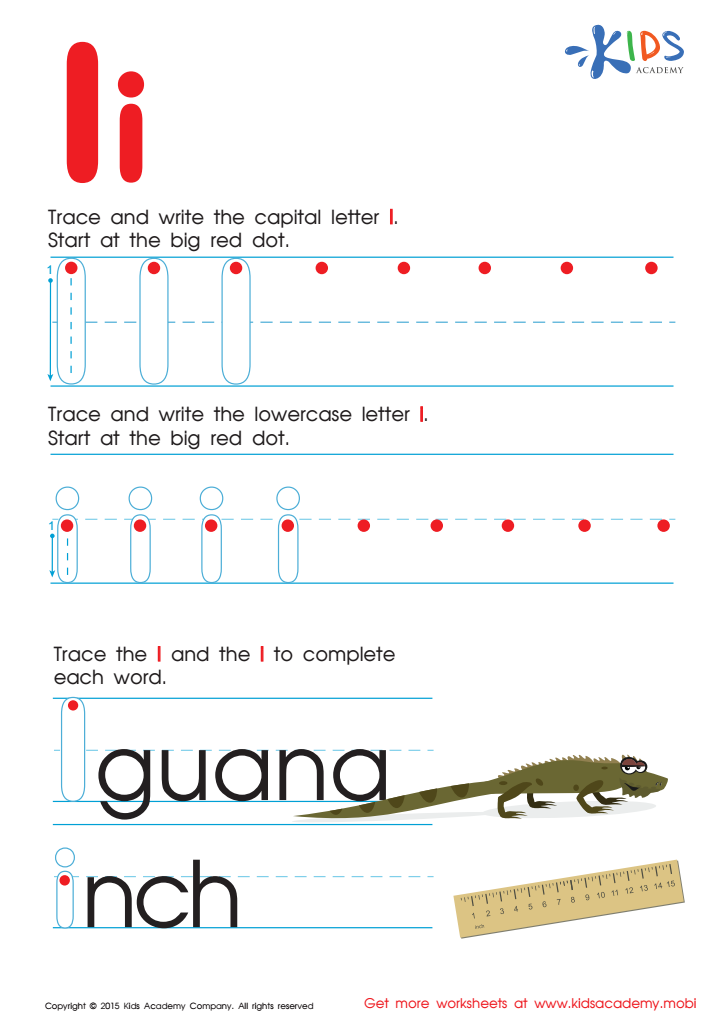
Letter I Tracing Page







Tracing letters activities are crucial for children aged 4-9, as they are foundational to literacy development. During this formative period, children are developing essential skills that will support their writing and reading abilities. Tracing helps improve fine motor skills, hand-eye coordination, and muscle memory, which are necessary for writing letters accurately and confidently.
These activities cultivate a child's understanding of letter shapes and their corresponding sounds, reinforcing phonetic awareness. By tracing letters, children engage in multisensory learning, stimulating visual and tactile interaction that enhances retention. This early exposure to letters fosters a sense of accomplishment and positive self-esteem, encouraging a love for learning.
Additionally, tracing letters can reinforce classroom and at-home learning. When parents and teachers incorporate meaningful activities into daily routines, they create a supportive learning environment that elevates children’s readiness for more complex skills. It becomes a bridge not only to writing but also to reading, ultimately influencing academic success.
In summary, tracing letters is more than just an artistic activity; it builds the necessary groundwork for literacy skills, promotes fine motor development, and instills a lifelong passion for learning in young children.








