Mazes worksheets activities for Ages 6-7 - Page 3
52 filtered results
-
From - To
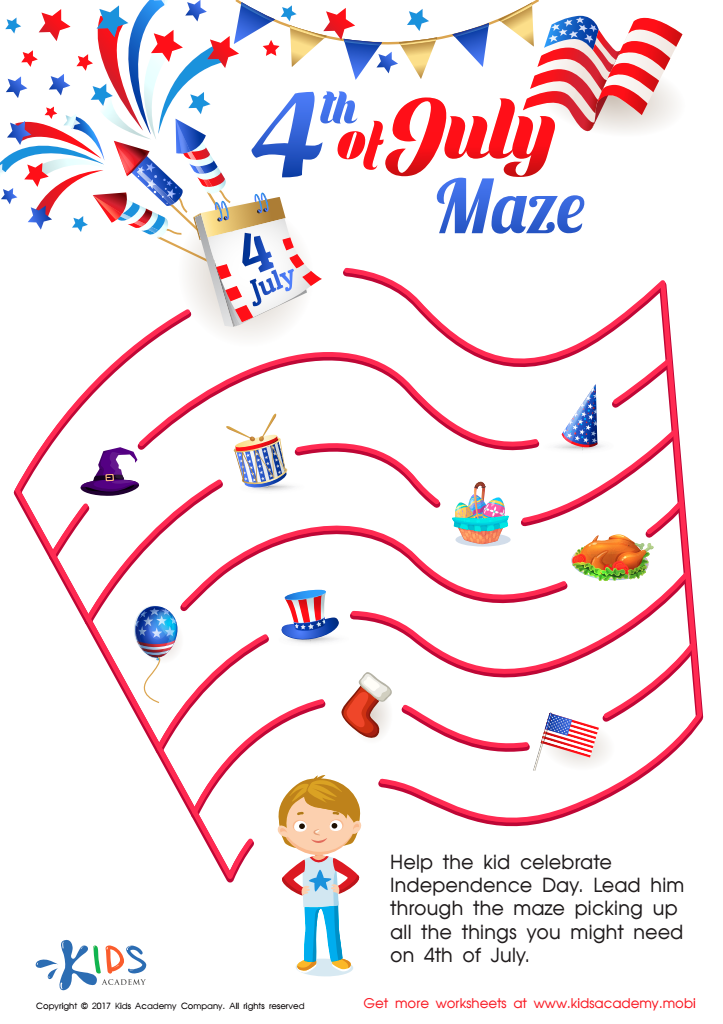
Fourth of July Maze Printable
 Assign to My Students
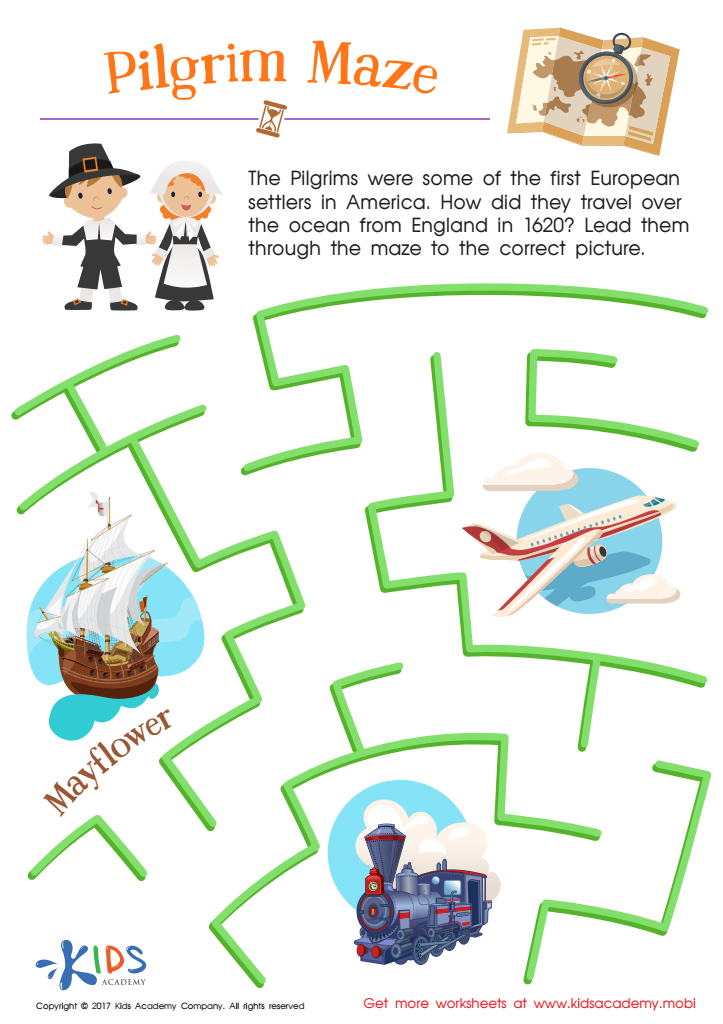
Pilgrim Maze Worksheet
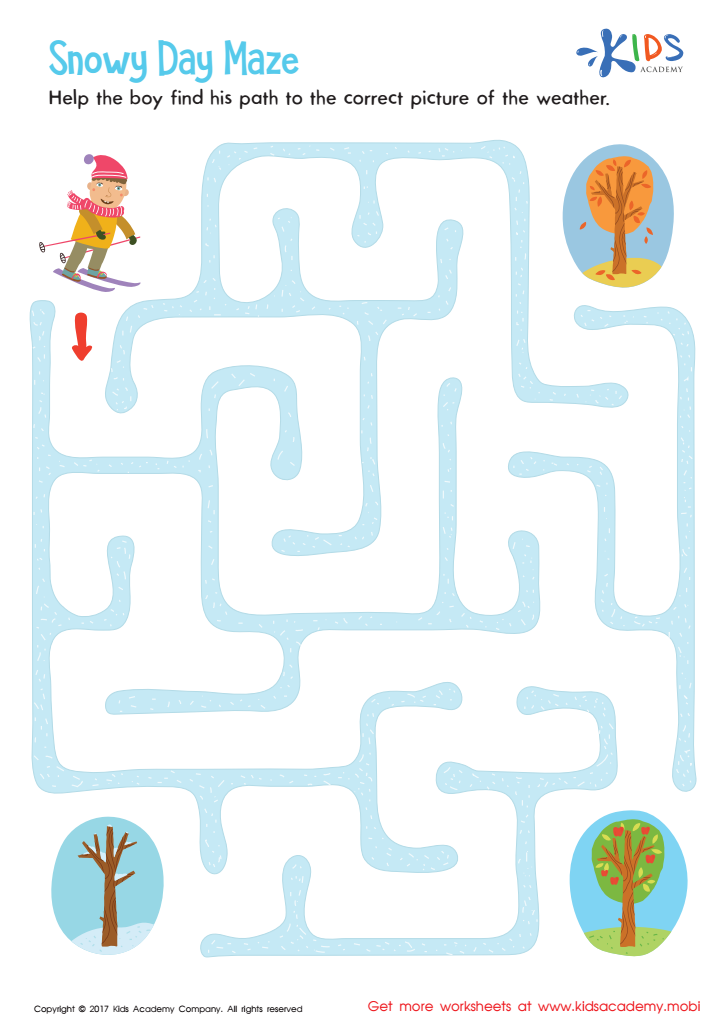
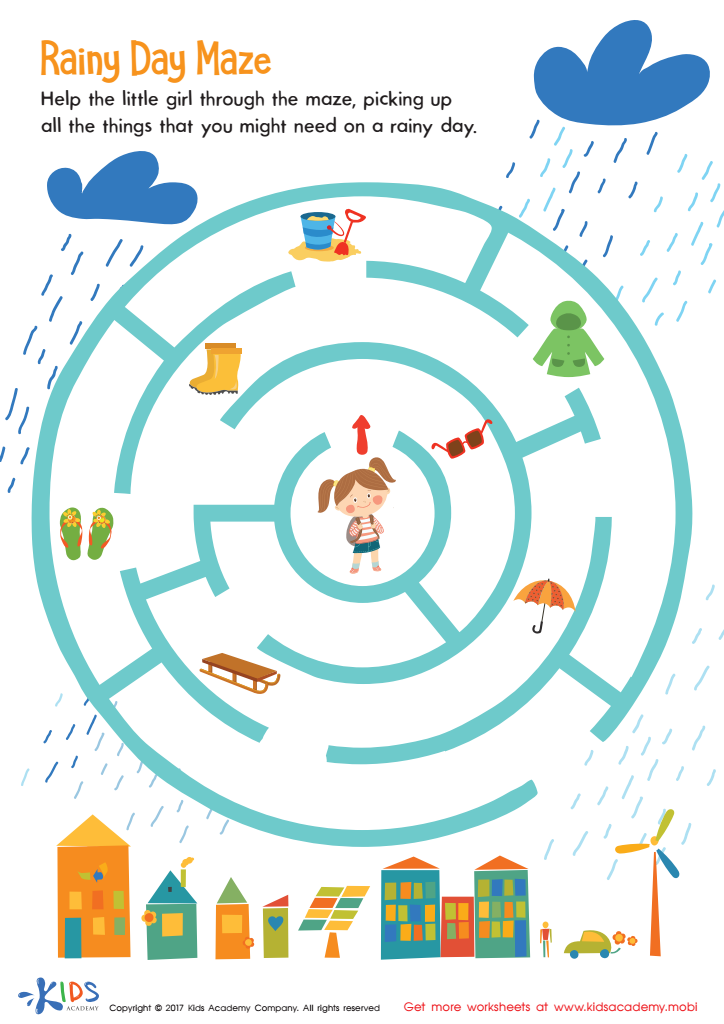
Rainy Day Maze Worksheet








Mazes worksheets activities are a captivating tool for children's education, offering a multitude of benefits that extend well beyond simply filling time. These engaging puzzles not only entertain but also sharpen a child's mind in various ways. Here's why incorporating mazes worksheets activities into a child’s learning routine can be incredibly beneficial.
Firstly, mazes worksheets activities enhance problem-solving skills. As children navigate through the twists and turns to find a way out, they learn to make quick decisions and strategize their next moves. This kind of problem-solving on the fly is critical in developing a child’s ability to think critically and solve complex problems in real life.
Moreover, these activities boost spatial awareness and understanding. Navigating through mazes requires a child to understand directions, recognize patterns, and visualize spatial relationships. These skills are fundamental in many areas of learning and development, including math and science.
Another significant benefit is the improvement of fine motor skills. As children maneuver through the maze with a pencil or marker, they must make precise movements, which enhances their hand-eye coordination and pencil control. This is particularly beneficial for young children who are still developing their writing skills.
Mazes worksheets activities also foster patience and perseverance. Some mazes can be challenging and require multiple attempts to solve. This teaches children the valuable lesson that not every problem can be solved immediately and that persistence is key to overcoming obstacles.
Lastly, these activities are incredibly versatile and can be tailored to suit children of various ages and skill levels. Whether it’s a simple maze for a preschooler or a complex labyrinth for an older child, mazes can be scaled to provide an appropriate challenge, ensuring that children remain engaged and motivated.
In conclusion, mazes worksheets activities are far more than just a way to pass the time. They are a potent educational tool that enhances critical thinking, improves fine motor skills, and teaches valuable life lessons. Incorporating these activities into a child’s learning regimen can significantly contribute to their cognitive and emotional development.








