Tracing Letters worksheets activities for Ages 6-8 - Page 3
56 filtered results
-
From - To

Letter G Tracing Page
 Assign to My Students

Letter A Tracing Page
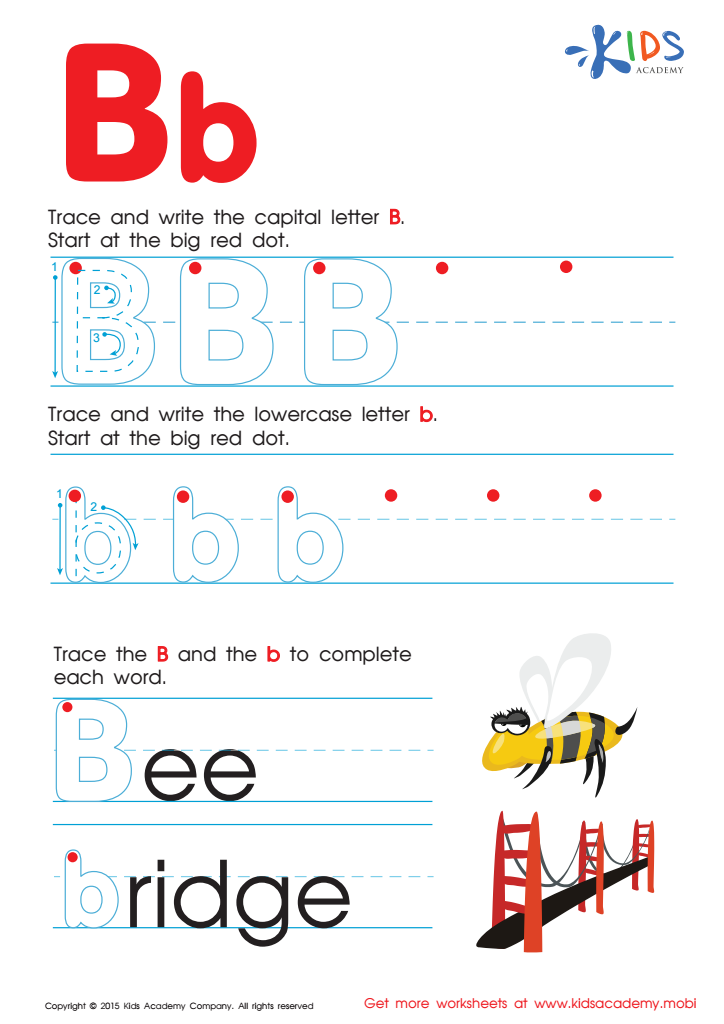
Letter B Tracing Page
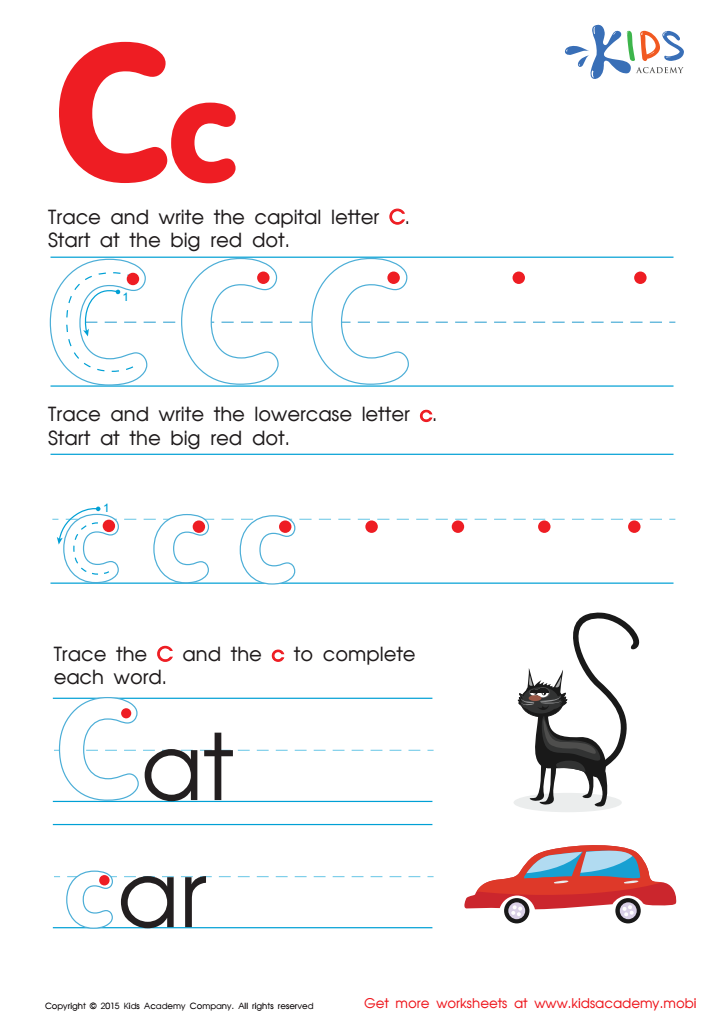
Letter C Tracing Page

Letter D Tracing Page
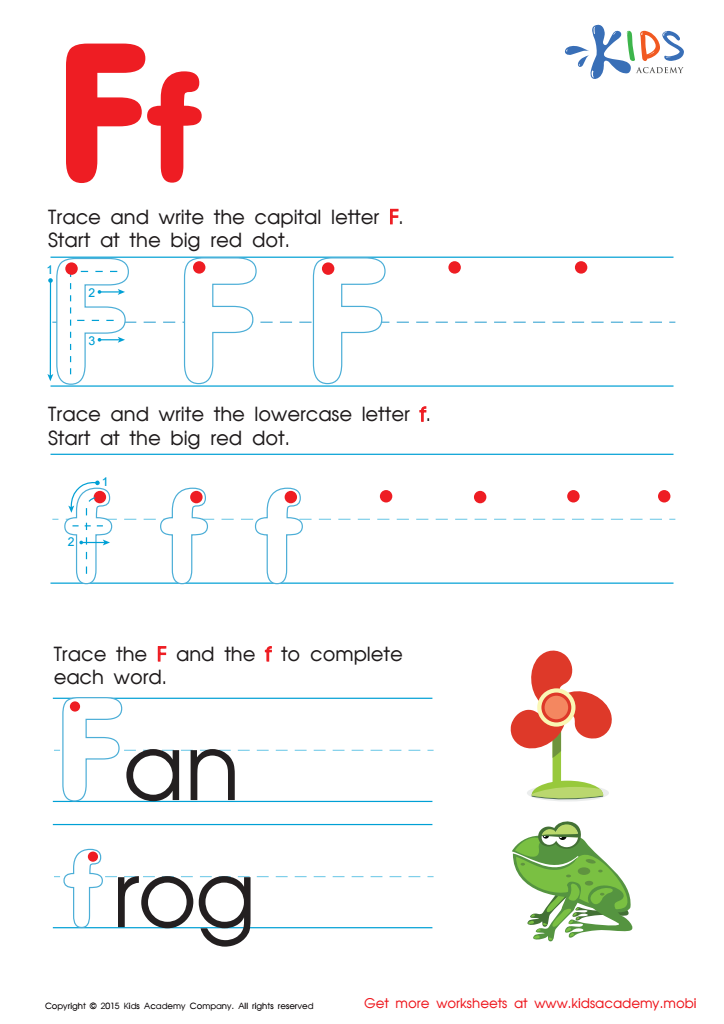
Letter F Tracing Page
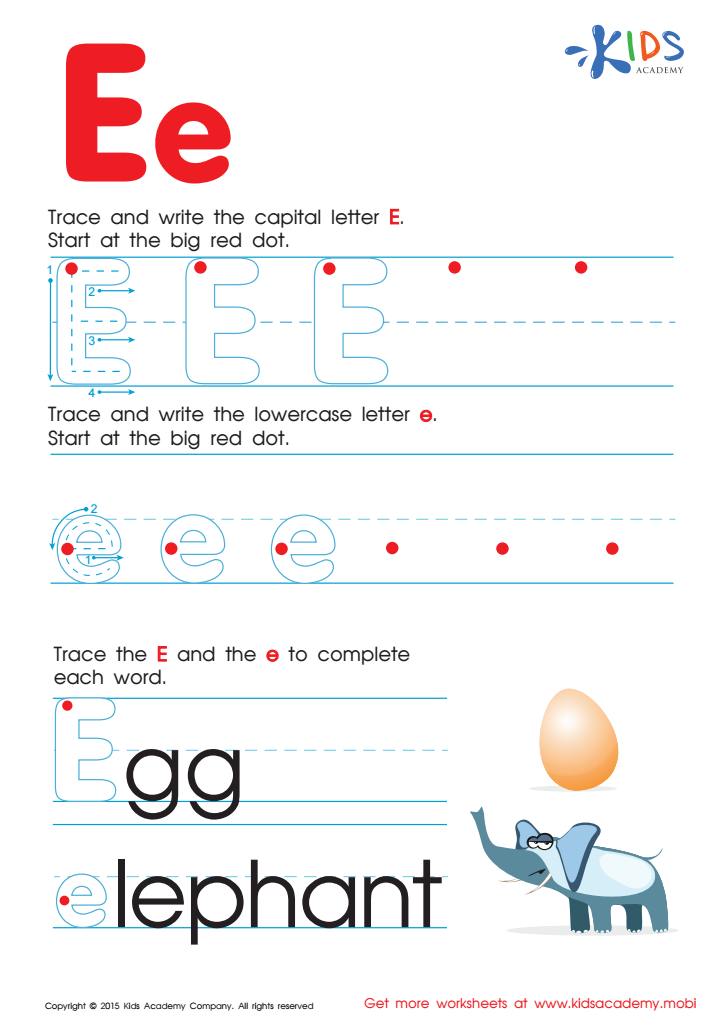
Letter E Tracing Page
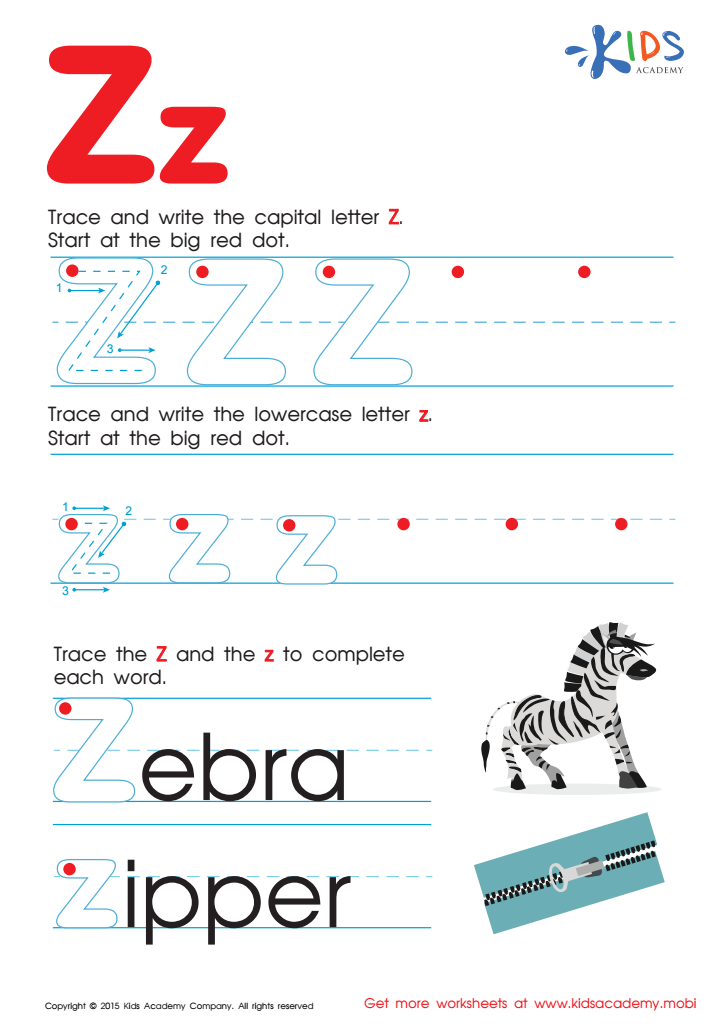
Letter Z Tracing Page








Tracing letters is a fundamental activity for children aged 6-8 that plays a crucial role in their early literacy development. During this stage, children are transitioning from learning letter shapes to mastering writing skills. By engaging in tracing activities, they enhance their fine motor skills, which are essential for writing clarity and control. Tracing allows children to practice correct letter formation, helping to instill good writing habits early on.
Moreover, tracing letters promotes cognitive connections between sounds and symbols, reinforcing phonetic awareness and letter recognition. As children trace letters, they are actively engaging with the alphabet, making it easier for them to develop reading skills later.
Parents and teachers should also consider the emotional benefits of tracing activities. The repetitive nature of tracing can foster a sense of accomplishment, boosting children's confidence in their writing abilities. Furthermore, these activities can be fun and interactive, encouraging creativity when combined with colors, patterns, or thematic elements.
In summary, tracing letters is a vital educational tool that supports fine motor development, literacy skills, and self-esteem in children, making it a worthwhile focus for parents and teachers in guiding young learners.








