Phonics worksheets activities for 6-Year-Olds
10 filtered results
-
From - To
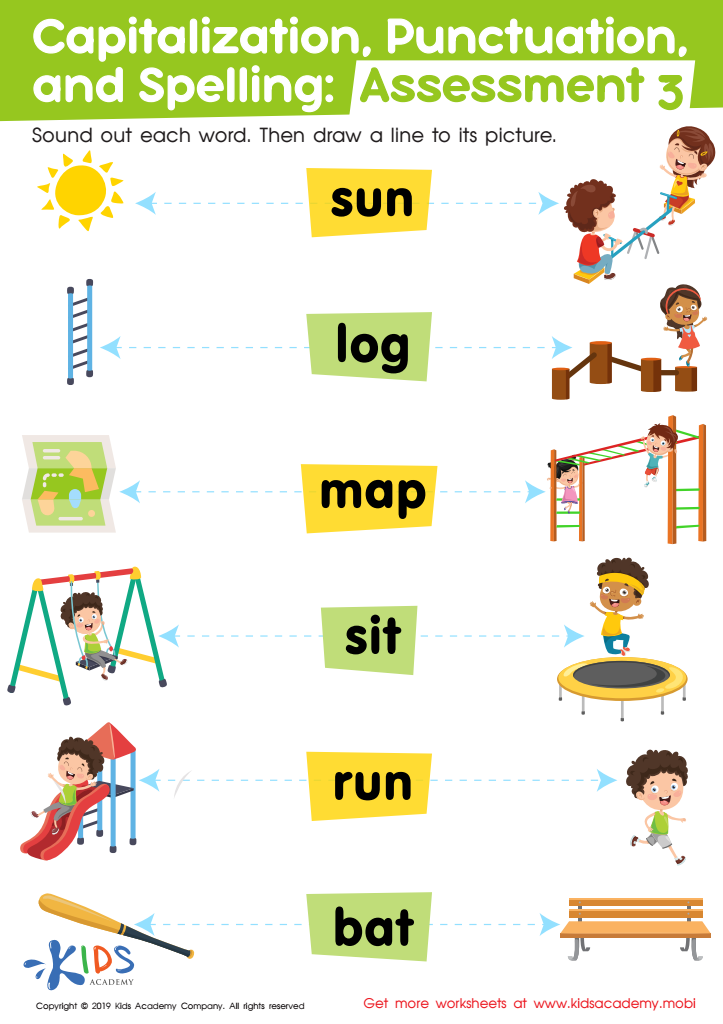
Capitalization. Punctuation. Spelling. Assessment 3 Worksheet
 Assign to My Students
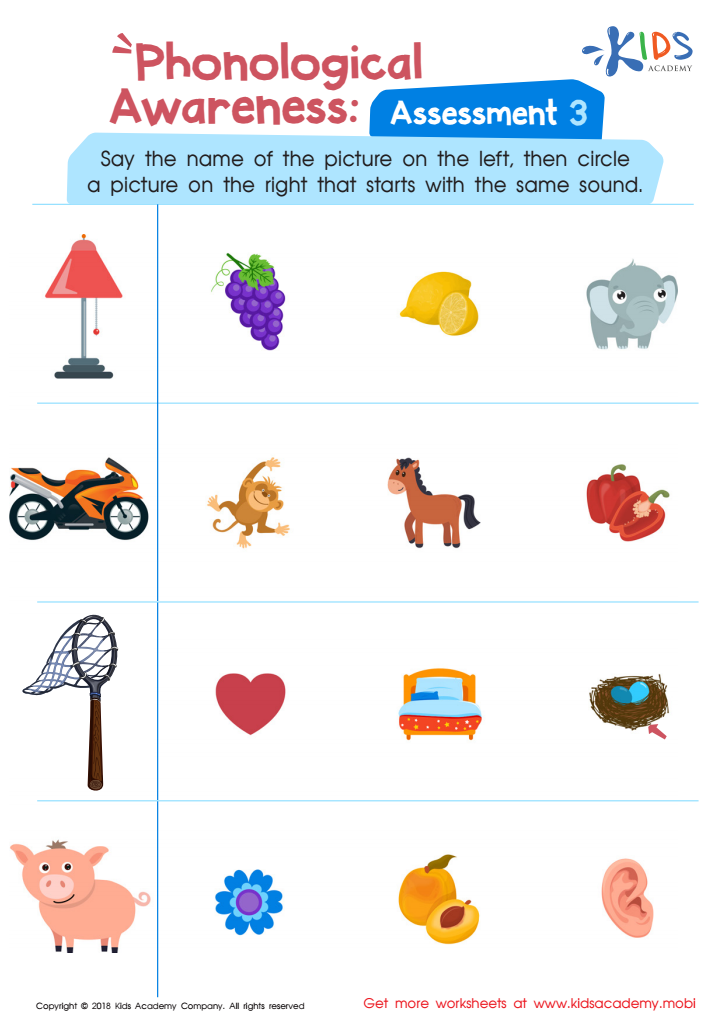
Phonological Awareness: Assessment 3 Worksheet
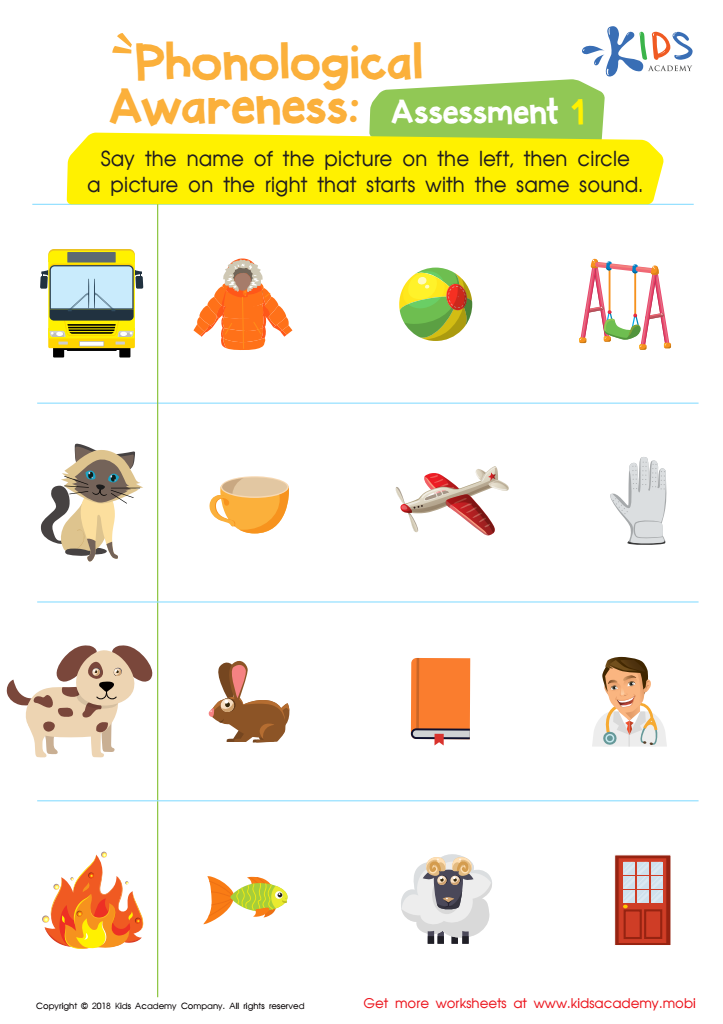
Phonological Awareness: Assessment 1 Worksheet
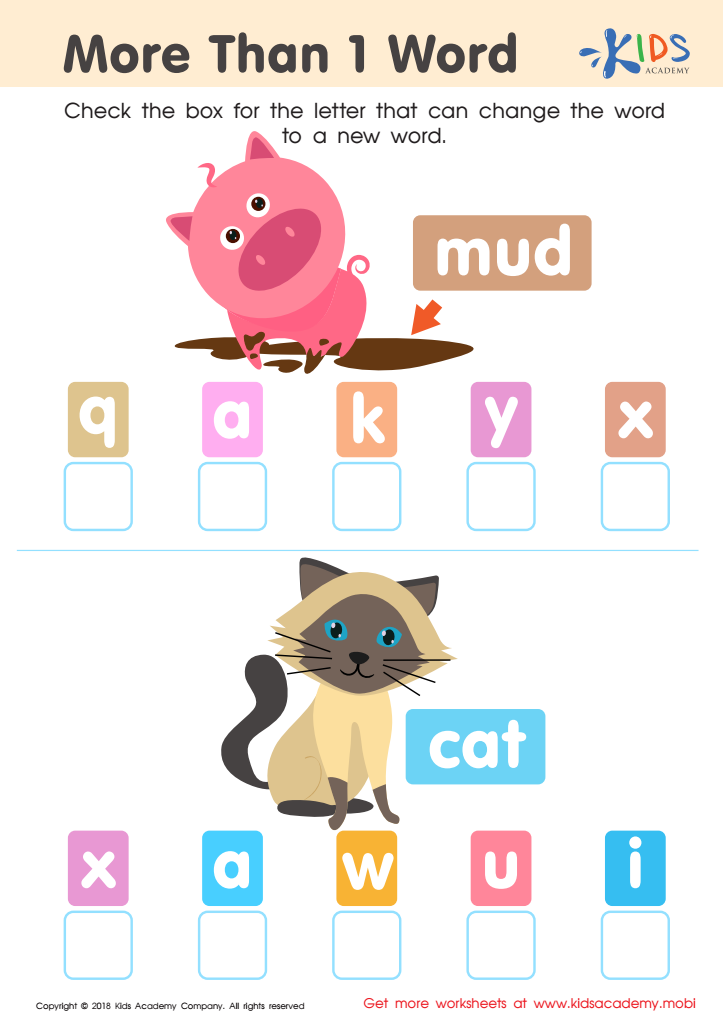
More than 1 word Worksheet
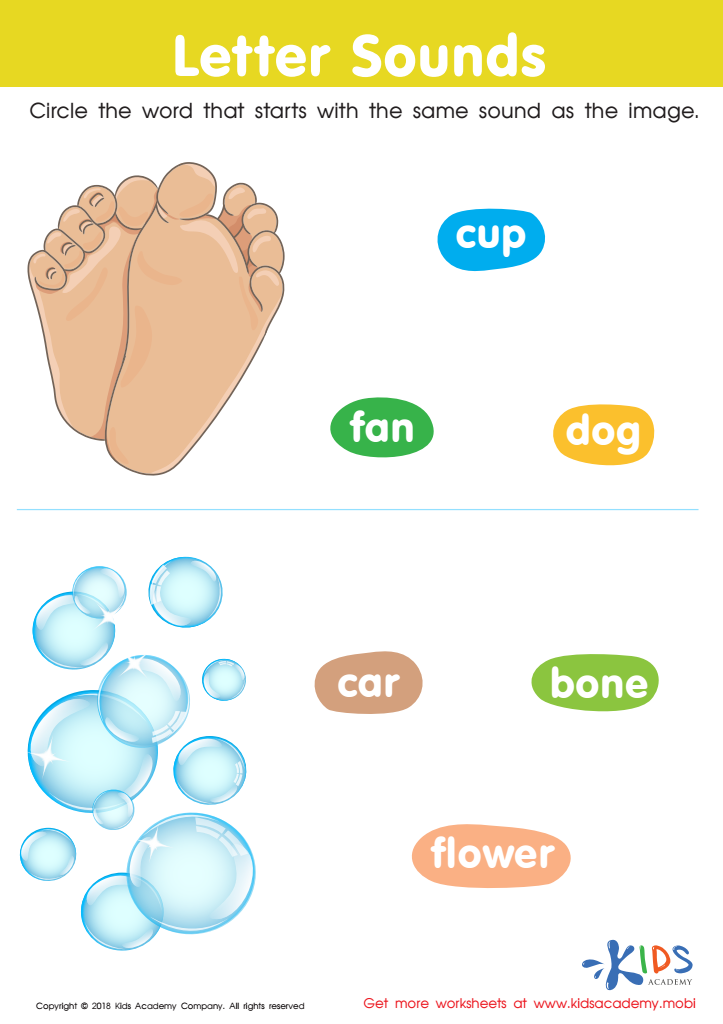
letter sounds Worksheet
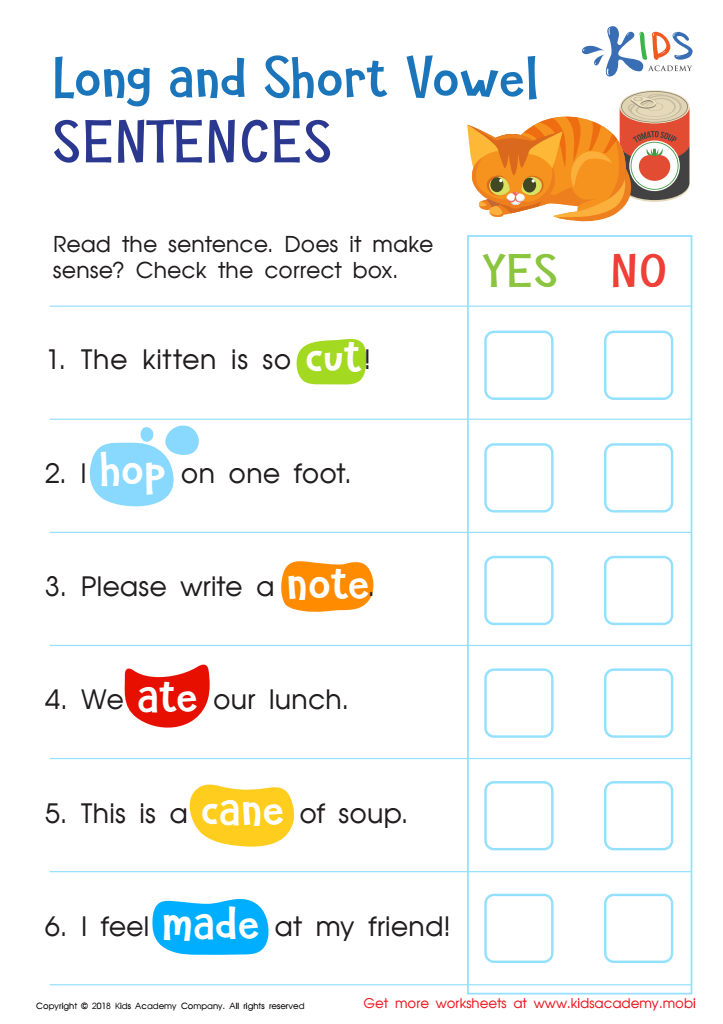
Long and Short Vowel Sentences: Assessment Worksheet
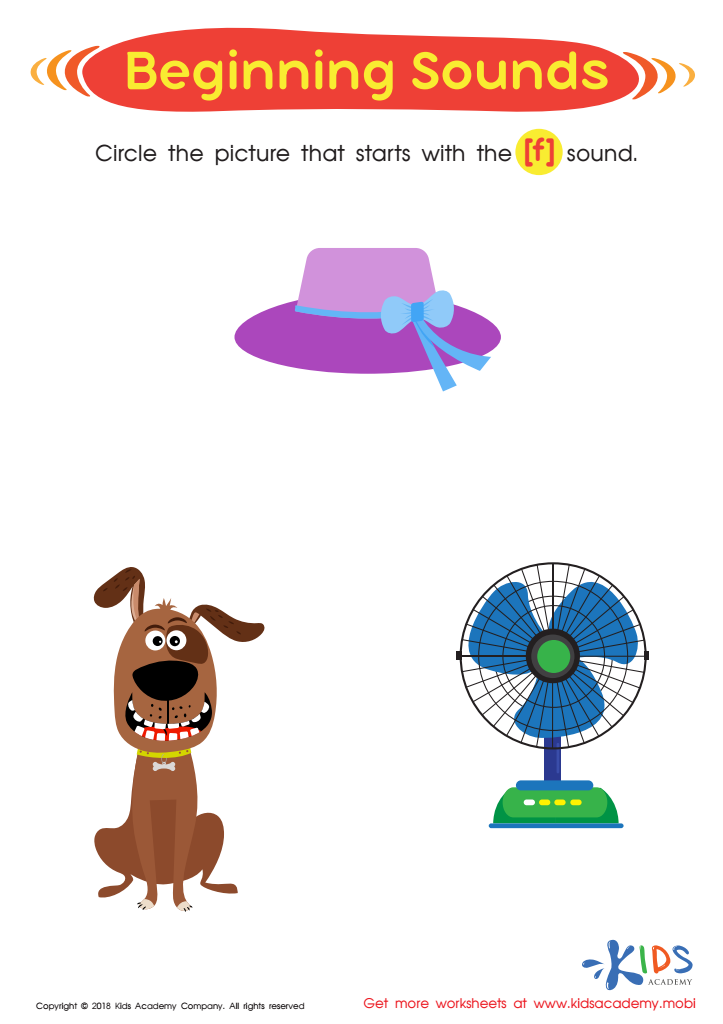
Beginning Sounds Assessment Printable
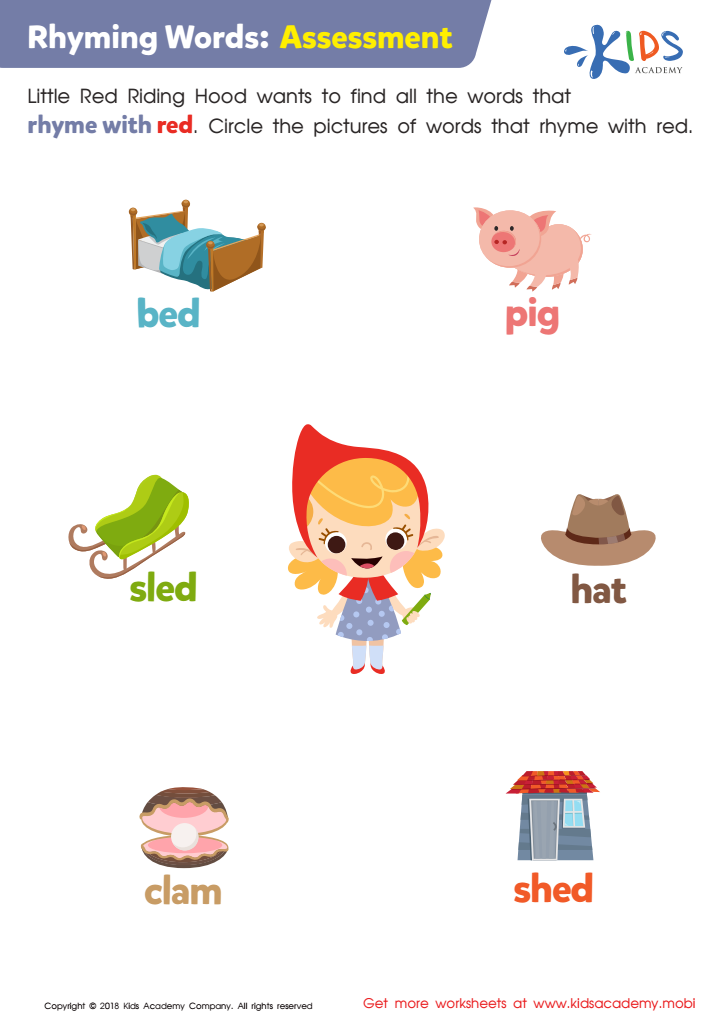
Rhyming Words: Assessment Worksheet
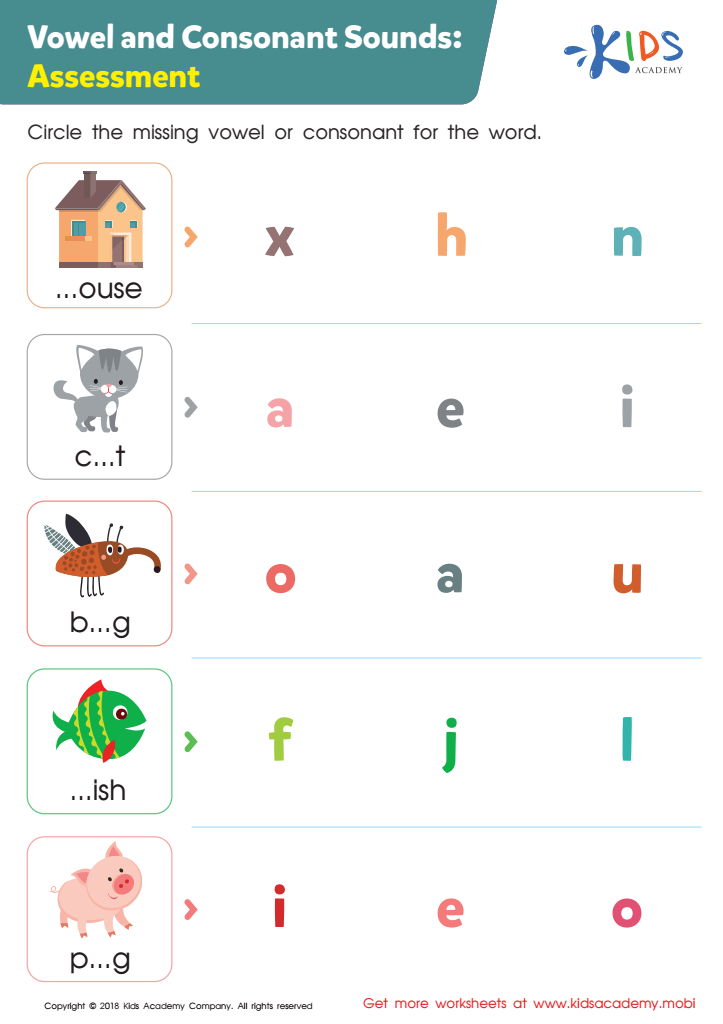
Vowel and Consonant Sounds: Assessment Worksheet
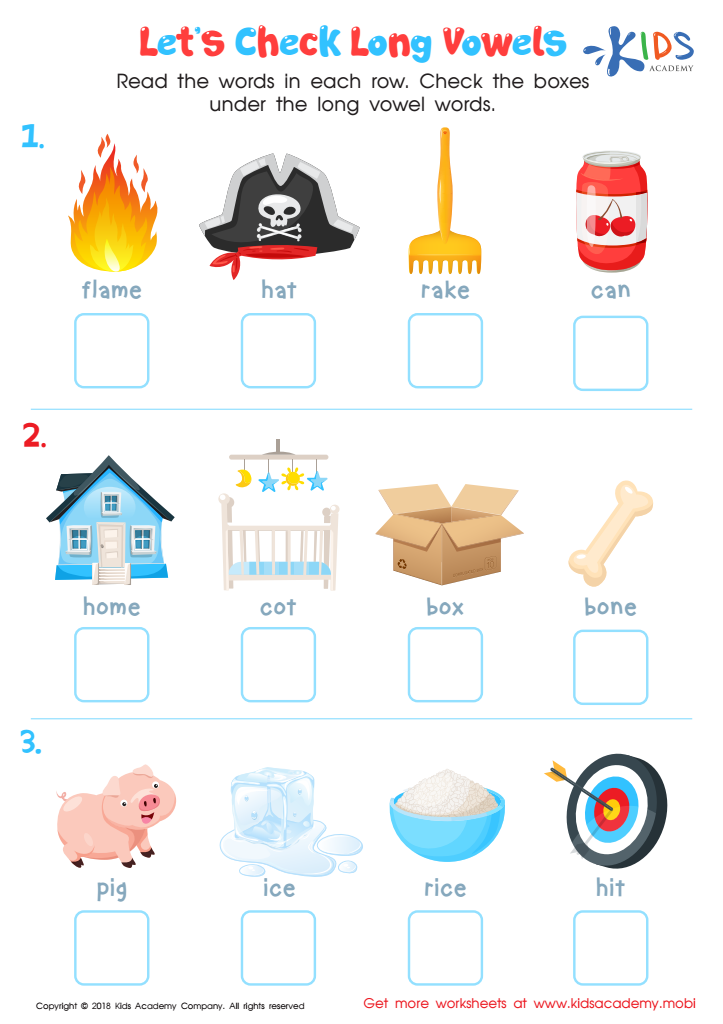
Let's Check Long Vowels: Assessment Worksheet


.jpg)
.jpg)



Phonics worksheets activities are a cornerstone in the learning journey of early literacy, offering a structured and engaging pathway for children to grasp the fundamental building blocks of reading and writing. These activities are designed to blend visual and auditory learning, ensuring that each child can progress at their own pace while mastering the sounds that letters and letter combinations make. The usefulness of phonics worksheets activities stems from several key benefits that cater to the diverse learning needs of young students.
First and foremost, phonics worksheets activities provide a systematic approach to learning to read. By breaking down the English language into its basic sounds, these activities help children decode words more easily, fostering a smoother transition from sounding out words to fluent reading. The step-by-step nature of phonics instruction allows for gradual learning, ensuring that foundational skills are solidified before moving on to more complex concepts.
Moreover, phonics worksheets activities are incredibly versatile, accommodating various learning styles. For visual learners, colorful worksheets with engaging images help link sounds to letters. For those who learn better through doing, fill-in-the-blank exercises, matching games, and word puzzles offer a hands-on approach to phonics. This multifaceted methodology ensures that no child is left behind, regardless of their preferred learning modality.
Additionally, these activities empower children with the skills to tackle new and unfamiliar words, promoting independence in reading. Understanding the phonetic structure of words gives young learners the tools to sound out words on their own, enhancing their reading confidence and fostering a love for reading from an early age.
In conclusion, phonics worksheets activities are invaluable in the realm of early literacy education. By providing a systematic, versatile, and empowering approach to learning phonics, they lay a strong foundation for reading success. It's not just about learning to read; it’s about nurturing confident, enthusiastic readers who are prepared for the literary challenges ahead.








