Easy Knowledge Check worksheets activities for Ages 5-9 - Page 2
27 filtered results
-
From - To
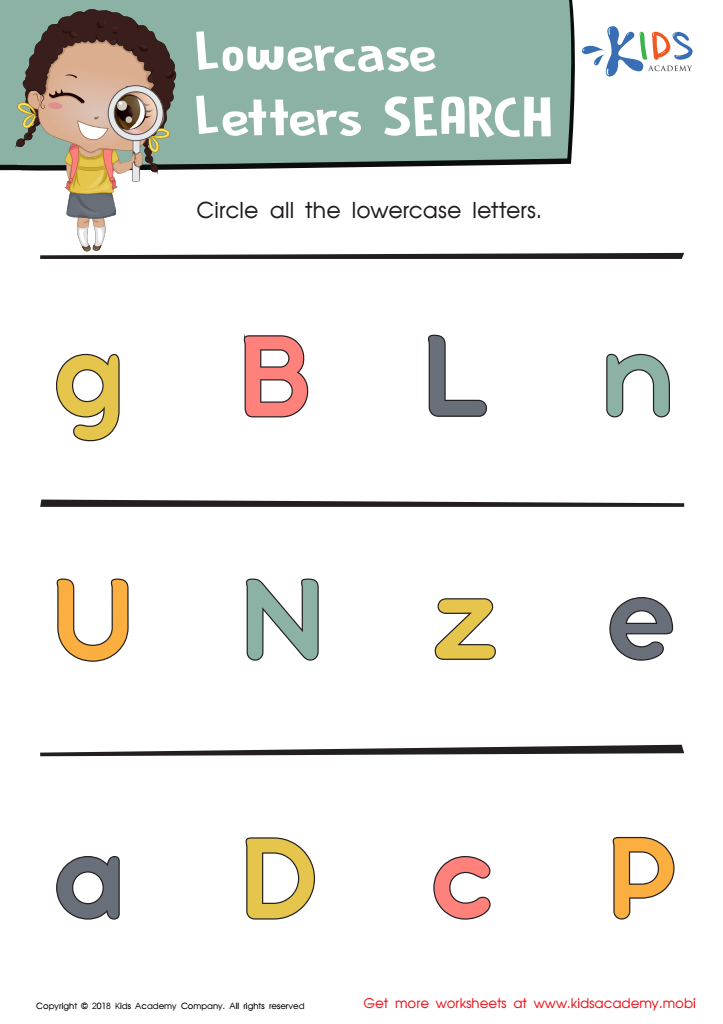
Lowercase Letters Search: Assessment Worksheet
 Assign to My Students
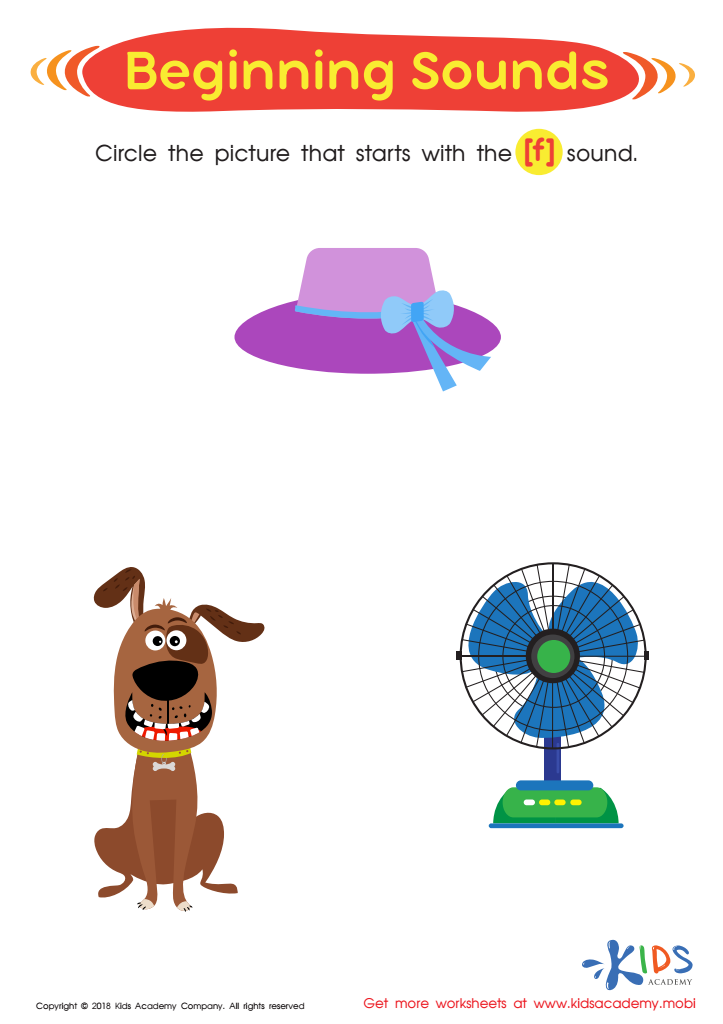
Beginning Sounds Assessment Printable
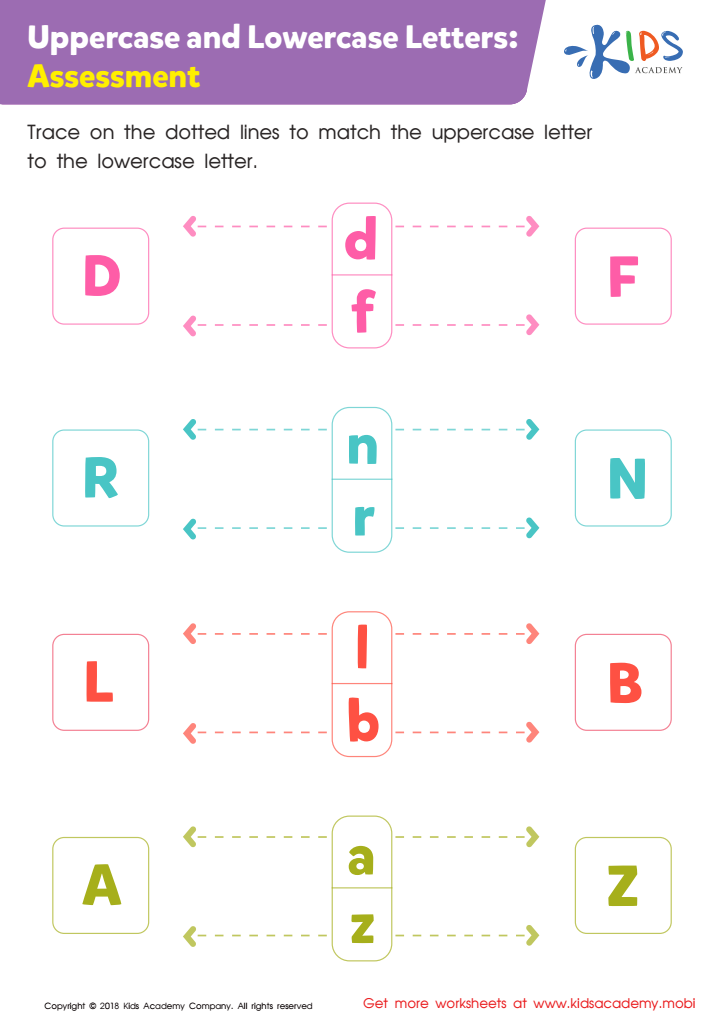
Uppercase and Lowercase Letters: Assessment Worksheet







Easy Knowledge Check activities are vital for children aged 5-9 as they support foundational learning and skill development. At this age, children are rapidly growing cognitively and socially, and these activities provide a structured way to assess their comprehension and retention of knowledge across various subjects, including literacy, mathematics, and science.
For parents and teachers, these activities offer valuable insights into a child's progress, enabling them to identify areas of strength and areas needing improvement. Engaging in Easy Knowledge Check activities fosters a collaborative learning environment. Parents can enhance learning at home by reinforcing classroom concepts, while teachers can tailor their instruction based on individual and group performance insights.
Additionally, these activities can help establish a routine of learning and assessment, ensuring that children understand the importance of continuous learning. They also encourage critical thinking and self-assessment, fostering essential skills such as resilience and adaptability. Ultimately, investing in Easy Knowledge Check activities contributes to a child's overall academic success, preparing them for future educational challenges and instilling a love for learning from a young age. This foundational support is crucial for nurturing confident and capable learners as they grow.








