Normal Halloween worksheets activities for Ages 3-5
3 filtered results
-
From - To
Explore our engaging Halloween worksheets and activities tailored for children aged 3-5. Designed to spark creativity and enhance learning, these normal Halloween-themed resources include fun-filled tasks such as coloring pages, shape recognition, pattern matching, and simple puzzles. Each activity aims to develop essential skills like fine motor dexterity, problem-solving, and cognitive development while celebrating the festive spirit of Halloween. Perfect for home or classroom use, these worksheets provide a magical way for young learners to explore numbers, letters, and shapes in an exciting, holiday-themed environment. Get ready for a fun-filled Halloween adventure in learning with our downloadable resources!
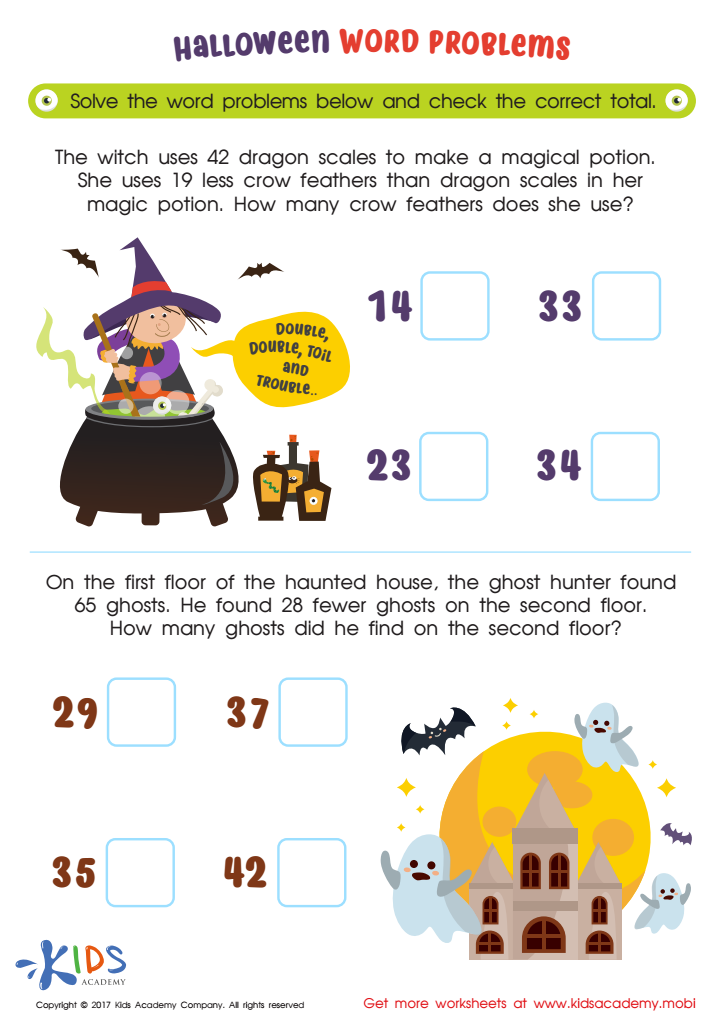
Halloween Word Problems Printable
 Assign to My Students
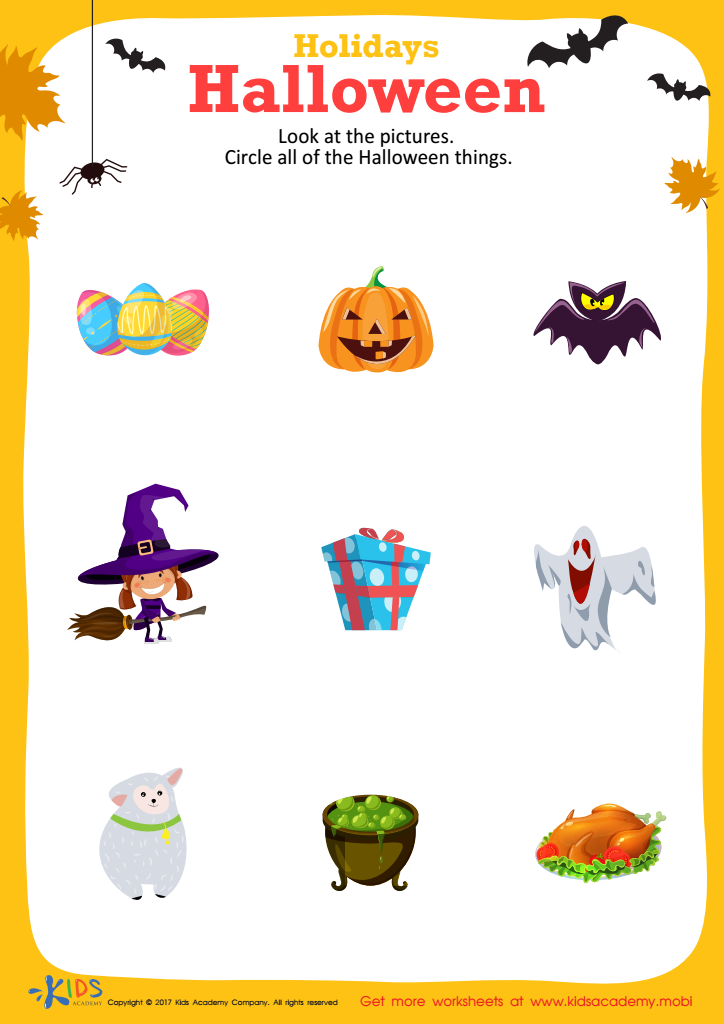
Halloween Holiday Worksheet
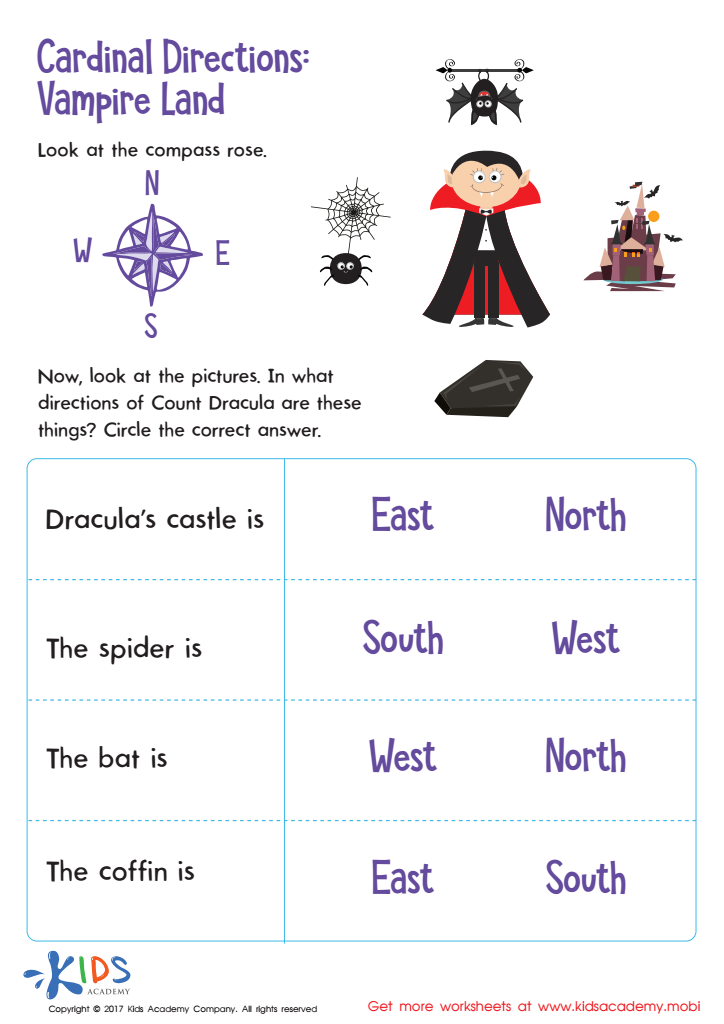
Cardinal Directions Printable





Parents and teachers should care about normal Halloween activities for ages 3-5 because these experiences play a crucial role in early childhood development. At this age, children are naturally curious and love to explore new concepts. Halloween-themed activities provide an excellent opportunity to enhance their cognitive, social, and emotional skills in a fun and engaging way.
By participating in activities like costume-making, pumpkin decorating, and storytelling, children engage their creativity and imagination. These hands-on experiences encourage fine motor skill development through arts and crafts, while also fostering language skills during group discussions and storytelling sessions.
Moreover, Halloween activities promote social interaction, as children learn to share, cooperate, and communicate with peers. This helps build important social skills, such as taking turns and understanding basic rules during games.
Additionally, themed activities introduce young learners to cultural traditions, providing a comprehensive learning experience that encompasses music, dance, and literature associated with the holiday. Emphasizing safety and inclusivity is vital, ensuring all children feel included and confident in their participation. Overall, normal Halloween activities support holistic development, making them essential for parents and educators nurturing the growth of young children.








