Normal Logical Thinking worksheets activities for Ages 4-8 - Page 3
57 filtered results
-
From - To
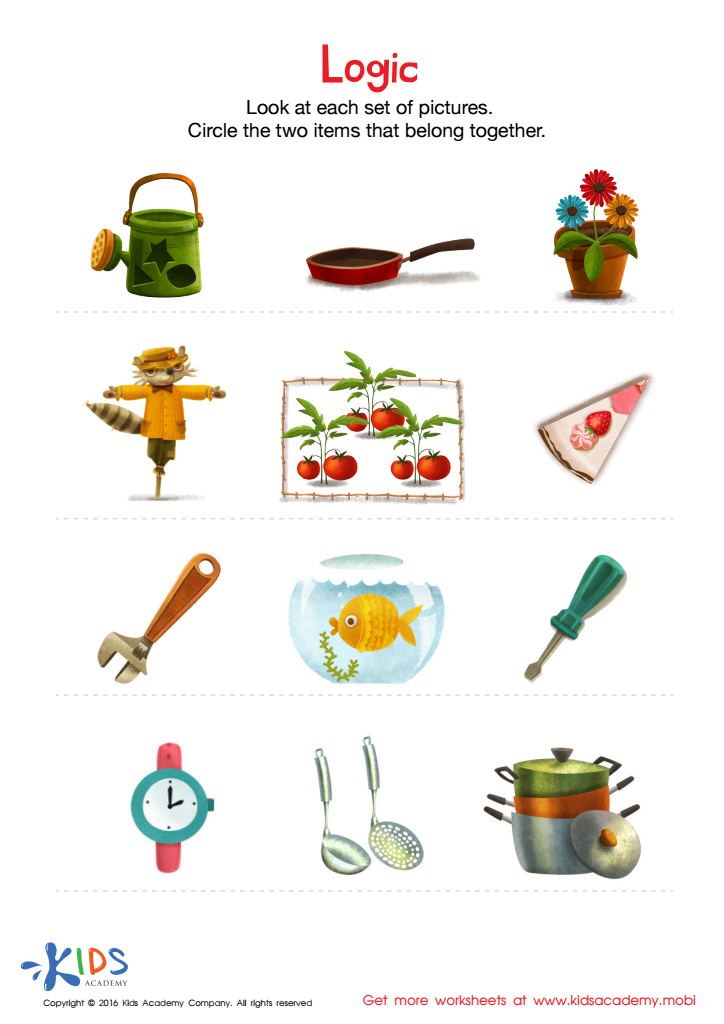
Logic Game Sorting Worksheet
 Assign to My Students
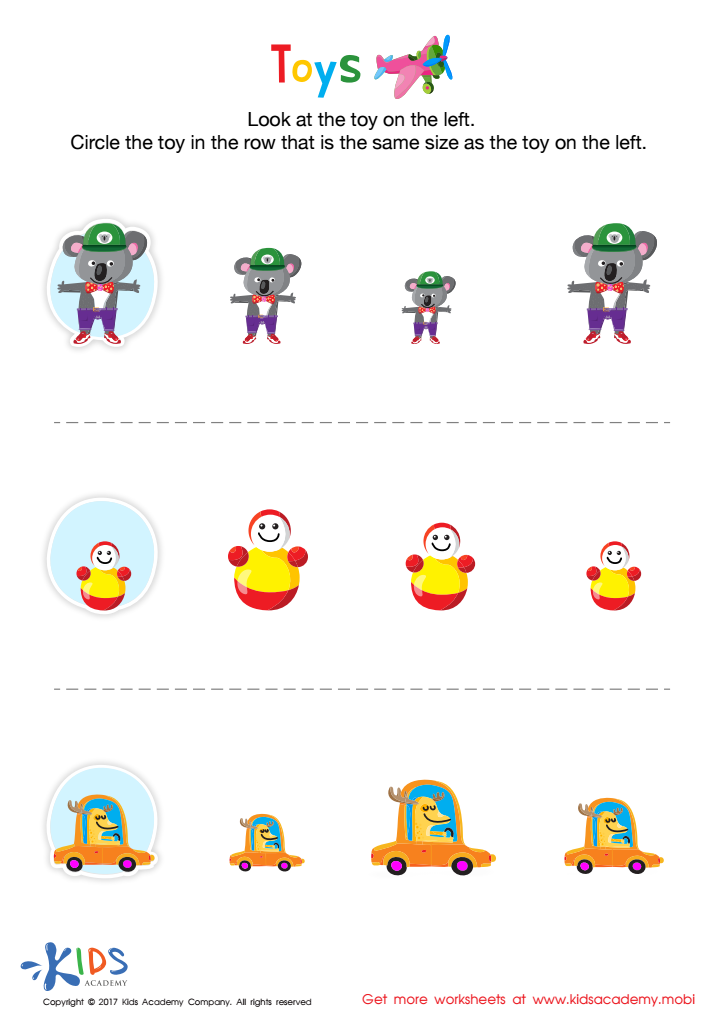
Matching: Classifying Toys by Size Worksheet
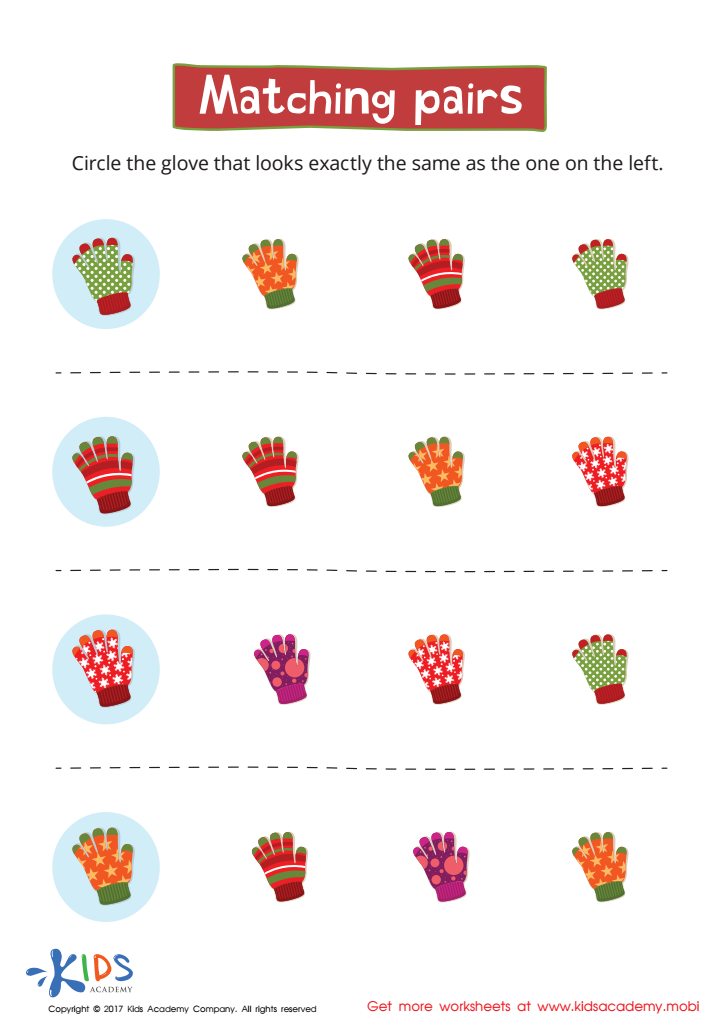
Matching: Matching Pairs Worksheet
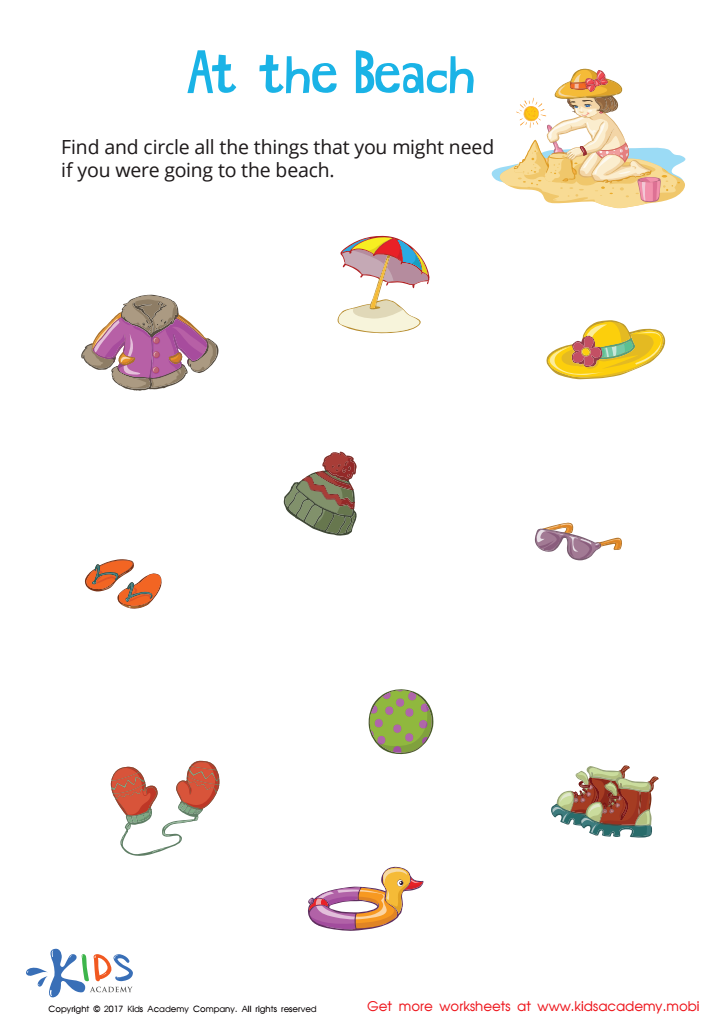
At the Beach Sorting Worksheet
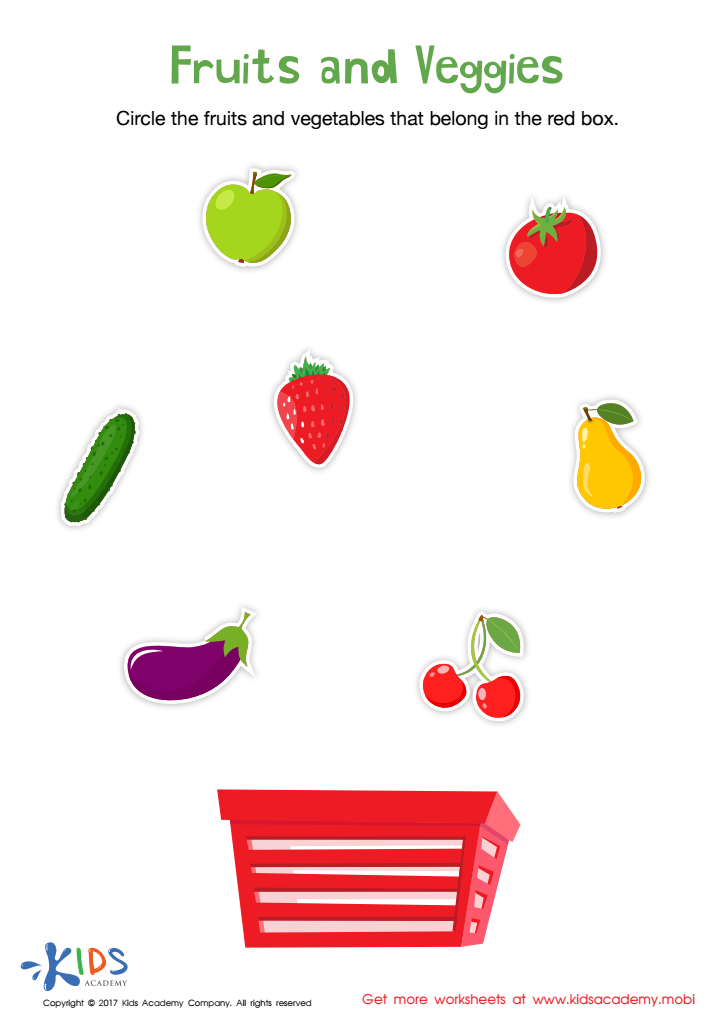

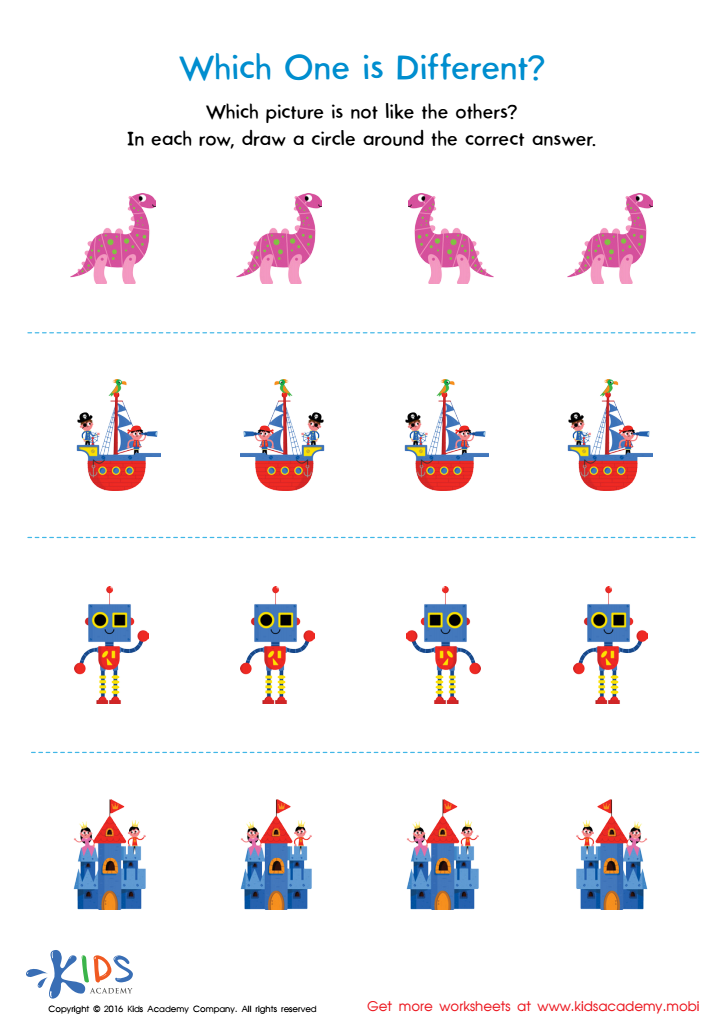
Which One Is Different Worksheet
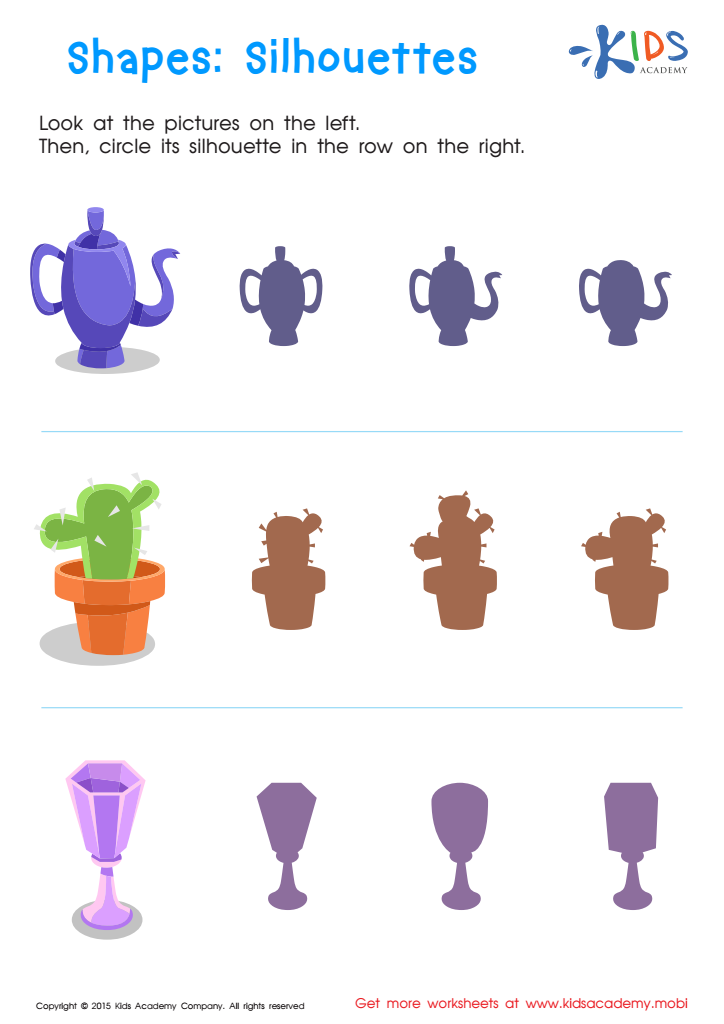
Silhouettes – Shapes Worksheet
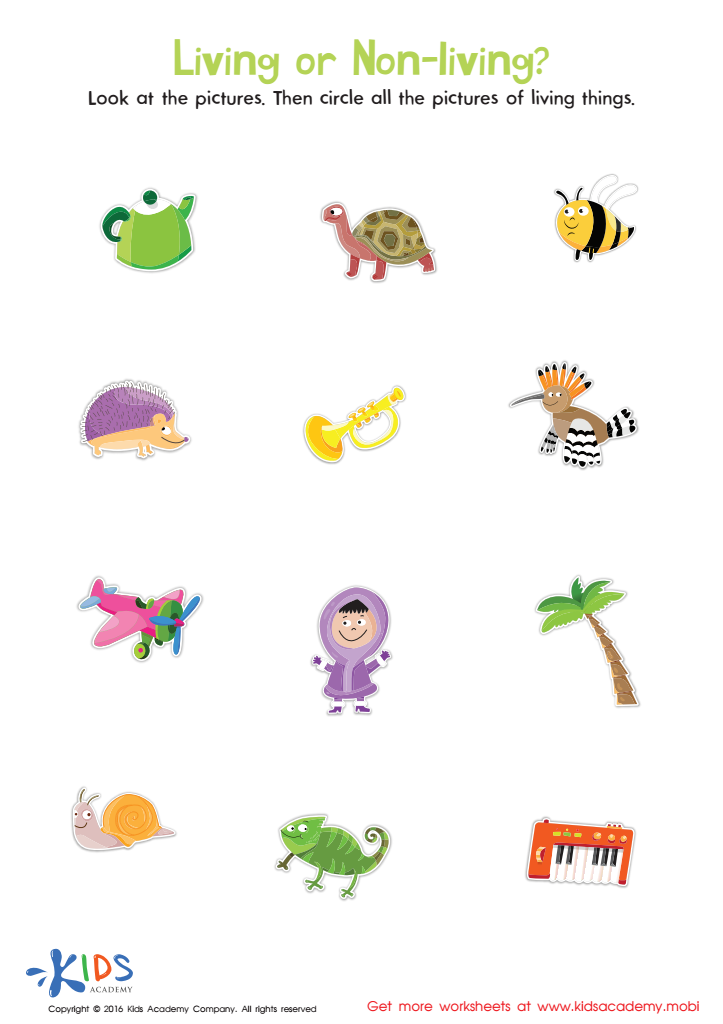
Identifying Living and Non–living Things Sorting Worksheet








Parents and teachers should prioritize Normal Logical Thinking activities for children aged 4 to 8 because these foundational skills are crucial for cognitive development. During these formative years, children's brains are rapidly developing, and engagement in logical thinking activities helps to enhance their problem-solving abilities, critical thinking skills, and mental flexibility.
Logical thinking encourages children to analyze situations, recognize patterns, and make connections between concepts. Such activities, including puzzles, sequencing games, and simple riddles, not only make learning enjoyable but also promote a sense of accomplishment and self-confidence in young learners. They provide an opportunity for children to explore ideas, test hypotheses, and draw conclusions, which are essential processes for academic success across subjects like maths, science, and even language arts.
Additionally, enhancing logical thinking helps equip children with the tools they need to navigate everyday challenges, fostering independence and resilience. These skills are especially important in today's fast-paced world, where critical thinking is increasingly vital in educational settings and future workplaces. By prioritizing logical thinking activities, parents and teachers lay the groundwork for lifelong learning, greater social competence, and effective decision-making abilities that will benefit children as they grow.








