Normal Matching worksheets activities for Ages 6-9 - Page 2
29 filtered results
-
From - To
 Assign to My Students
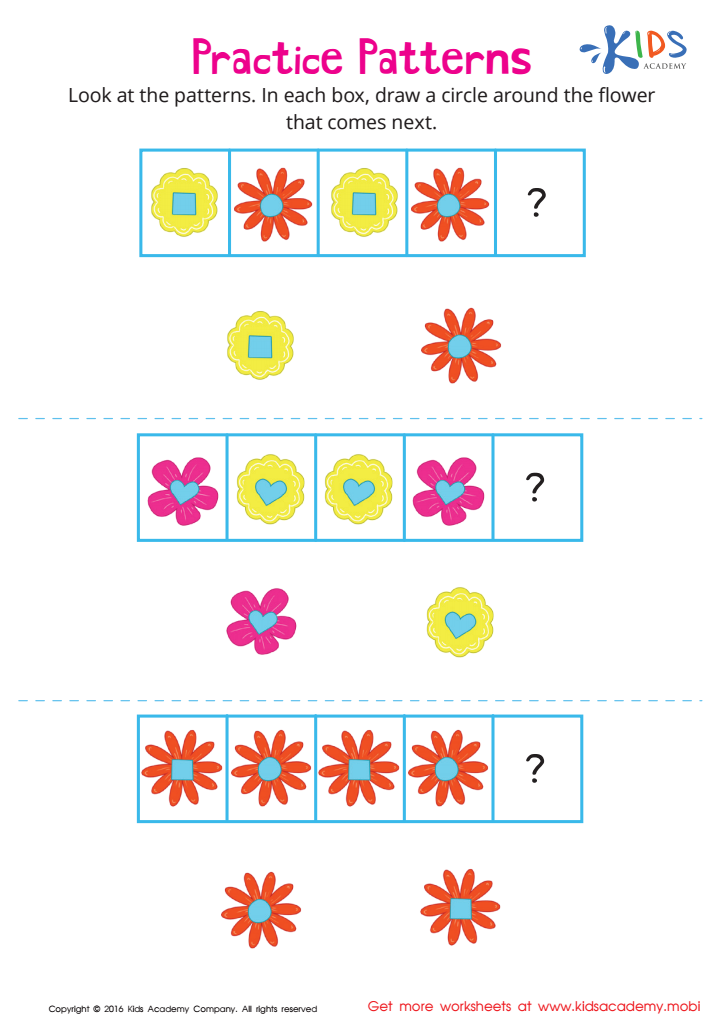
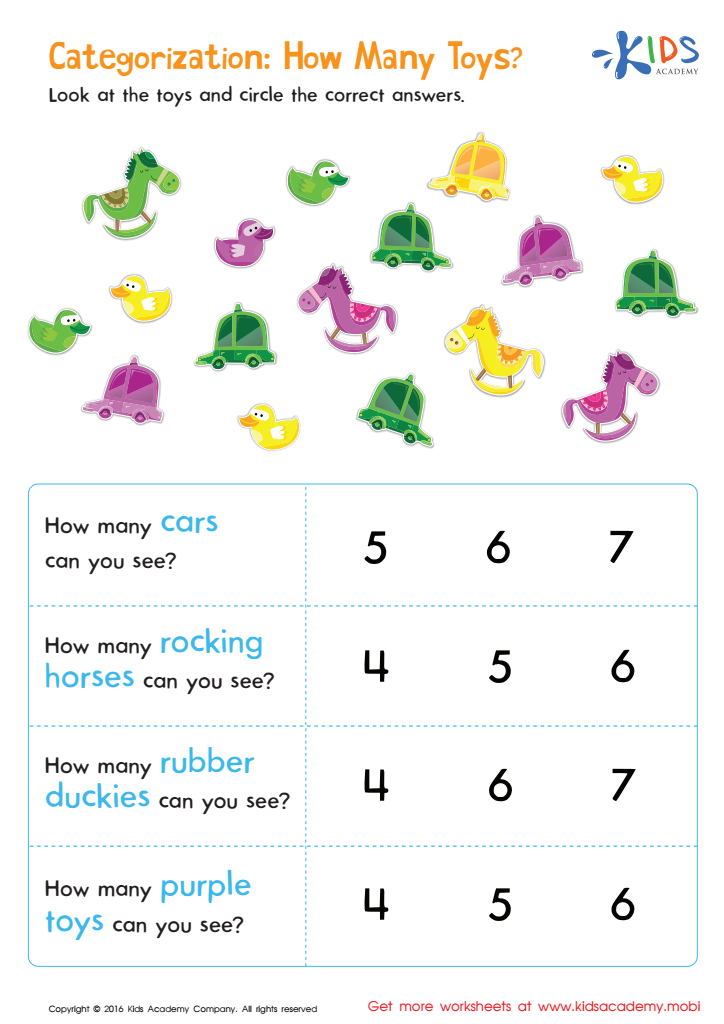
Classifying Toys by Type and Color Sorting Worksheet
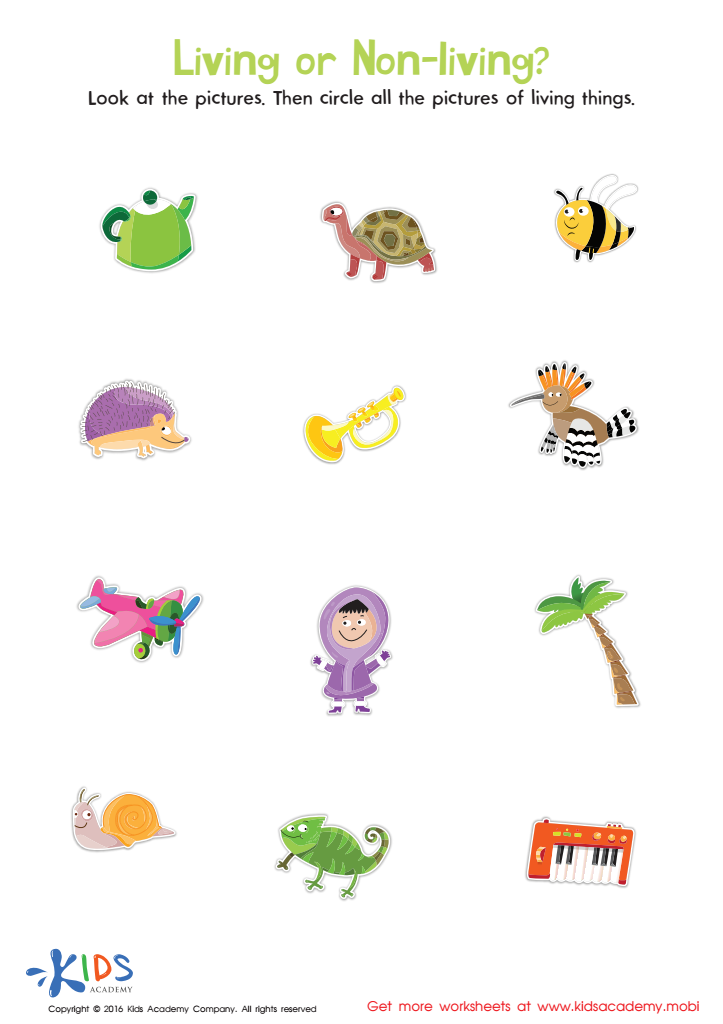
Identifying Living and Non–living Things Sorting Worksheet
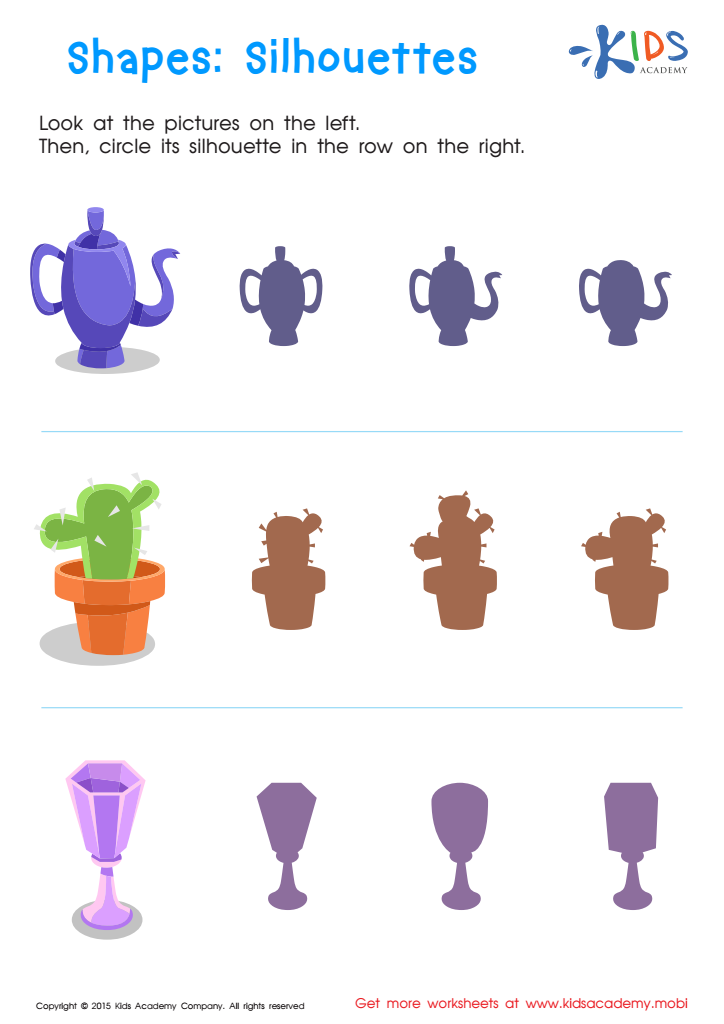
Silhouettes – Shapes Worksheet







Normal Matching activities are critical for children ages 6-9 as they significantly support the development of foundational cognitive and social skills during a crucial period of growth. These activities involve tasks where children match items based on various attributes such as shape, color, or category, enhancing their critical thinking and problem-solving abilities.
Parents and teachers should care about these activities because they foster essential learning outcomes. Engaging in Normal Matching helps improve a child's attention and memory, which are vital for academic success. These activities also promote concentration and allow children to practice cognitive flexibility as they learn to approach problems from different angles.
Moreover, Normal Matching activities can enhance communication and cooperative skills when done in group settings. The collaborative nature encourages discussion and teamwork, which are valuable social skills. Additionally, these tasks can cater to diverse learning styles and can be tailored to meet individual children’s needs, making them inclusive and beneficial for all learners.
In short, Normal Matching activities are a powerful tool that nurtures critical skills necessary for both academic achievement and social interactions, making them an essential focus for parents and educators alike.








