Normal Mazes worksheets activities for Ages 6-9 - Page 2
32 filtered results
-
From - To
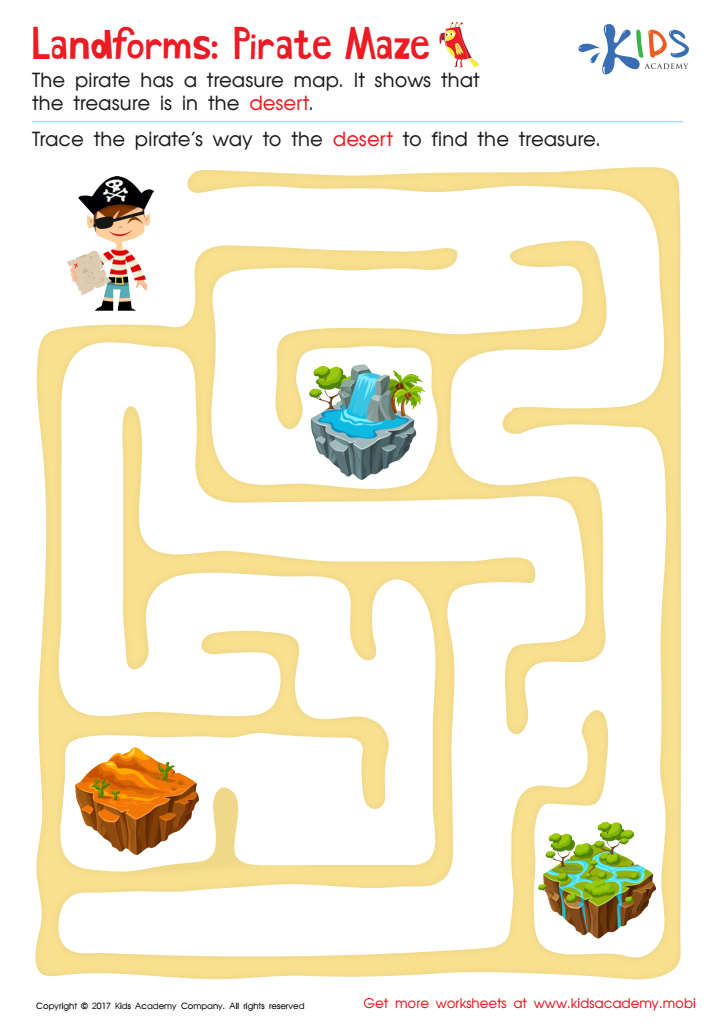
Landforms: Pirate Maze Printable
 Assign to My Students
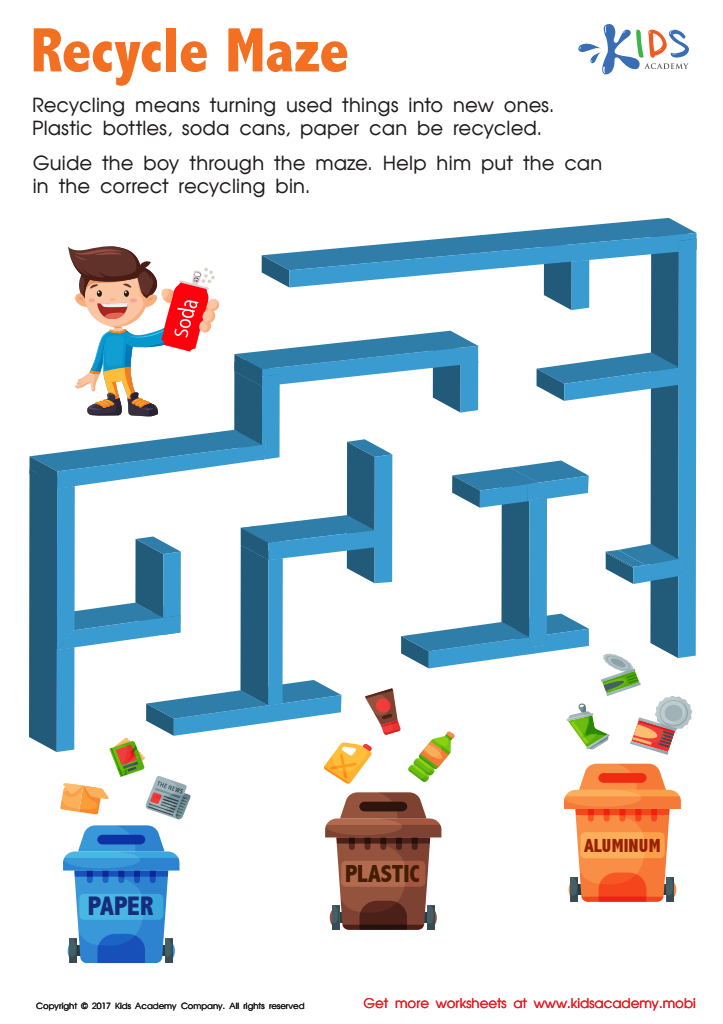
Recycle Maze Worksheet
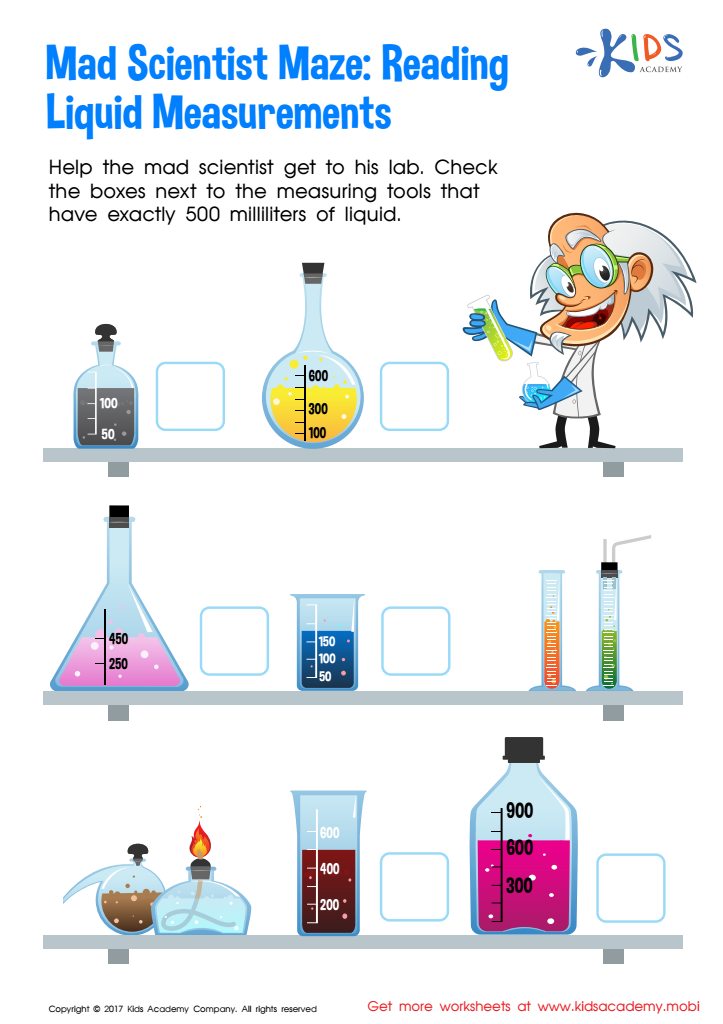
Reading Liquid Measurement Worksheet
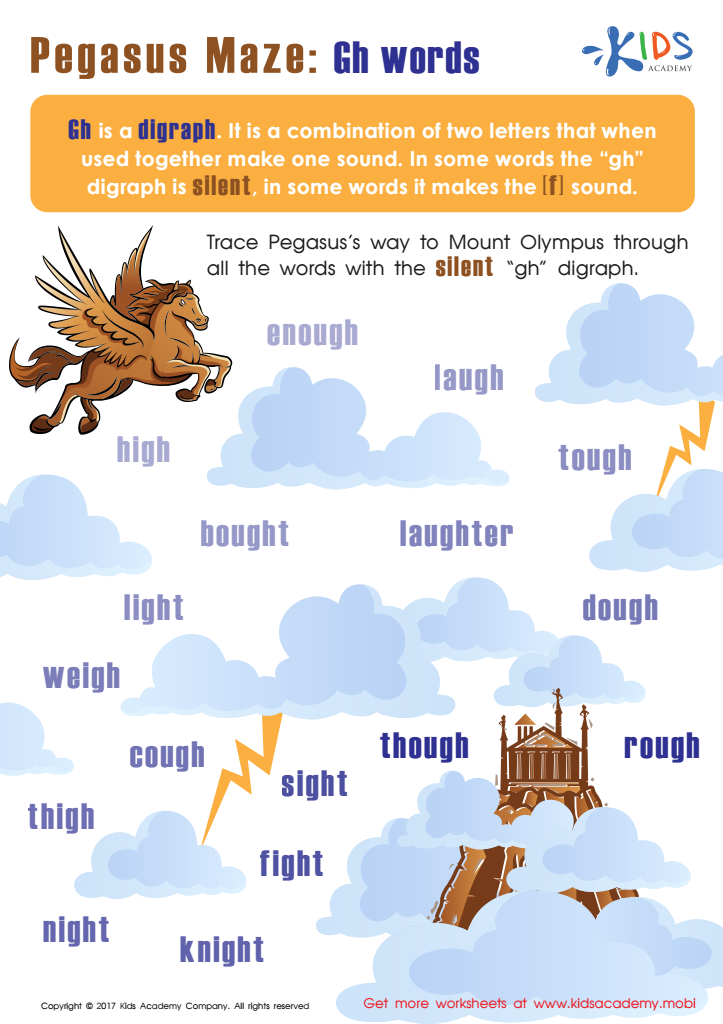
Pegasus Maze: GH Words Worksheet
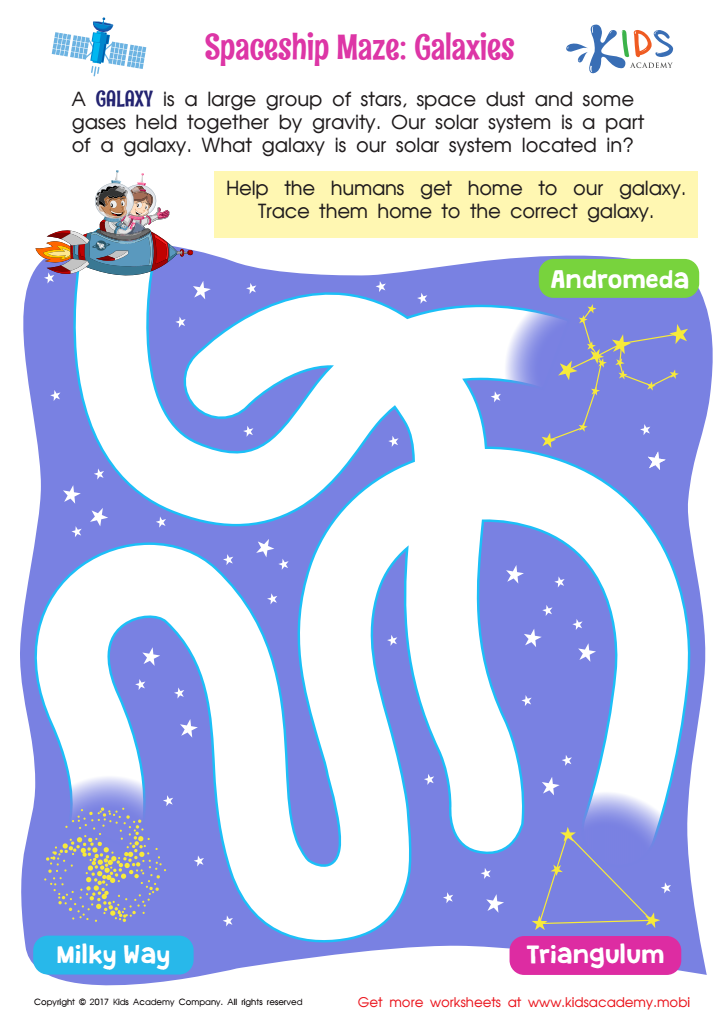
Spaceship Maze: Galaxies Worksheet
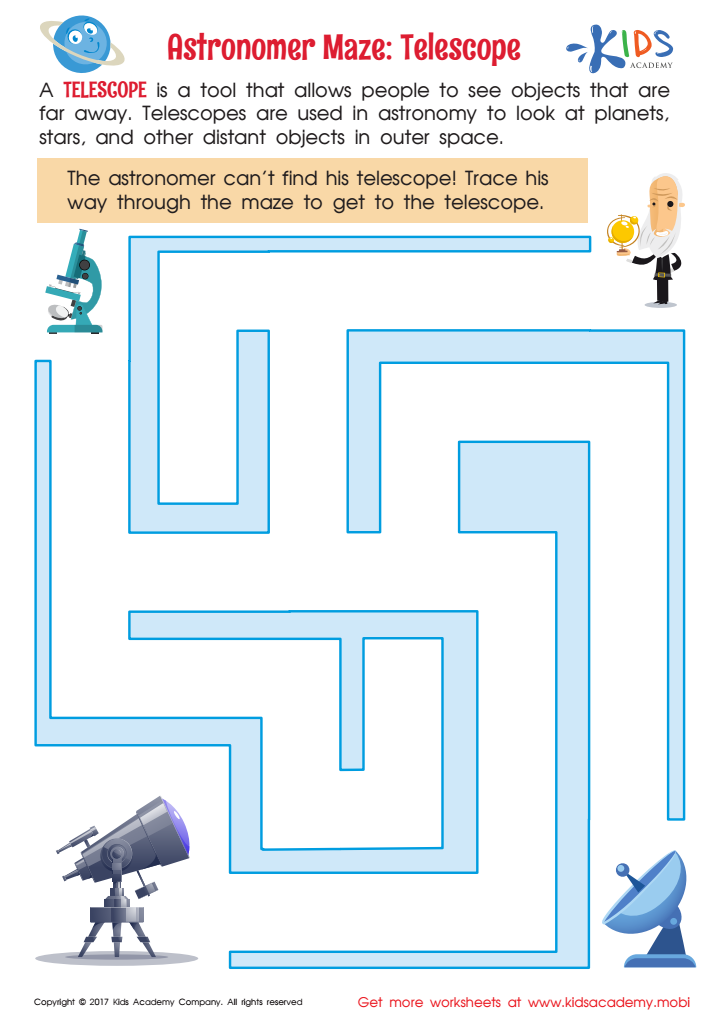
Astronomer Maze: Telescope Worksheet
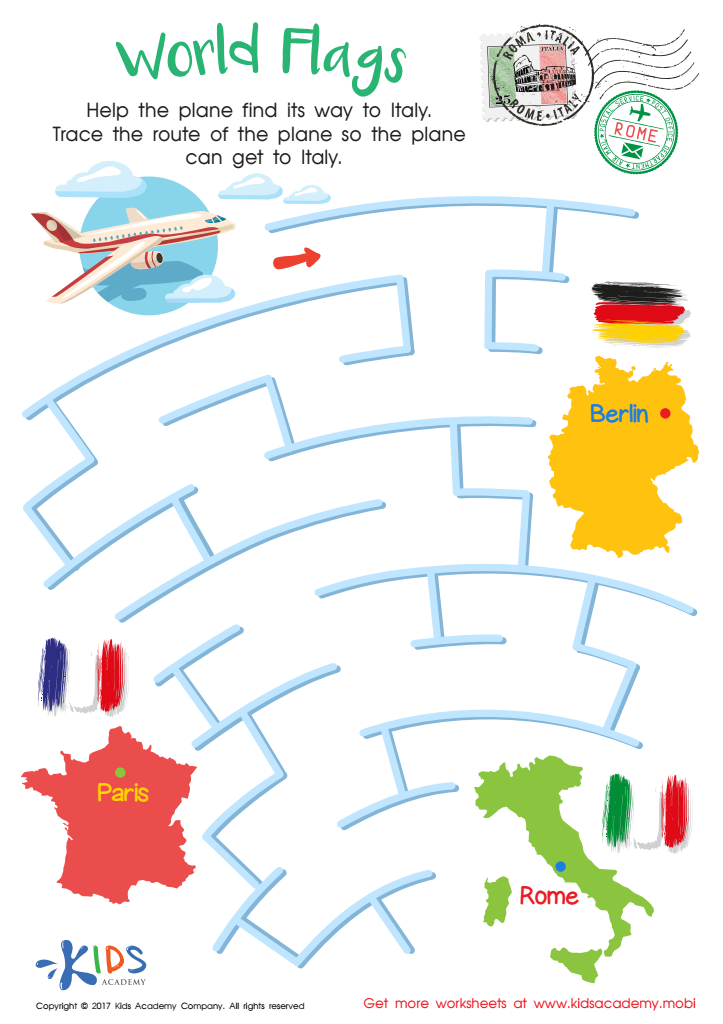
World Flags Maze Worksheet
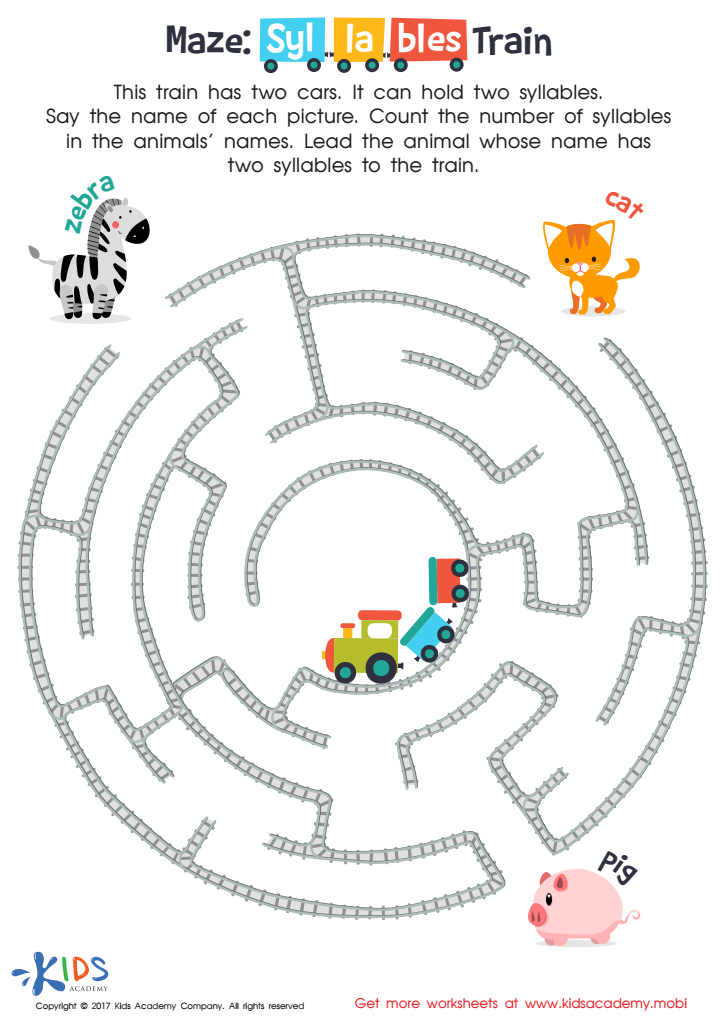
Maze Syllables Word Structure Worksheet


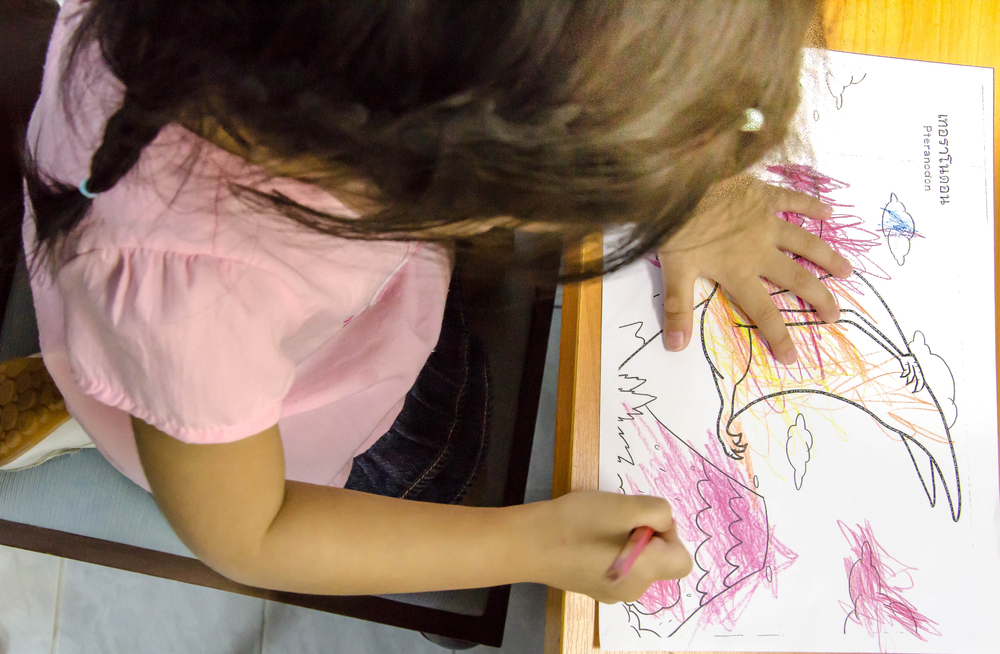




Normal Mazes activities are an essential tool for early education, particularly for children aged 6-9. These activities provide a fun and engaging way for children to develop their cognitive skills, particularly critical thinking, problem-solving, and spatial awareness. As children navigate through mazes, they enhance their ability to follow directions and improve their concentration, crucial skills for their academic growth.
Furthermore, mazes can foster fine motor skills through the use of pencils or markers as children trace their paths. Engaging in this activity promotes the development of hand-eye coordination, an important foundation for writing and other manual tasks.
For parents and teachers, incorporating mazes into learning routines can also offer an opportunity for family bonding or classroom interaction. They present a non-threatening way for children to face challenges, providing moments of achievement that build self-esteem. Additionally, mazes can be integrated with various subjects, including mathematics (measuring distance, counting steps) and language arts (following instructions, sequencing).
In a digital age where screen time is prevalent, Normal Mazes offer a balance through a tactile, low-tech learning experience that encourages creativity and exploration. Thus, parents and teachers should prioritize regular incorporation of mazes in educational practices for their holistic developmental benefits.








