Normal Tracing Letters worksheets activities for Ages 6-9 - Page 2
31 filtered results
-
From - To
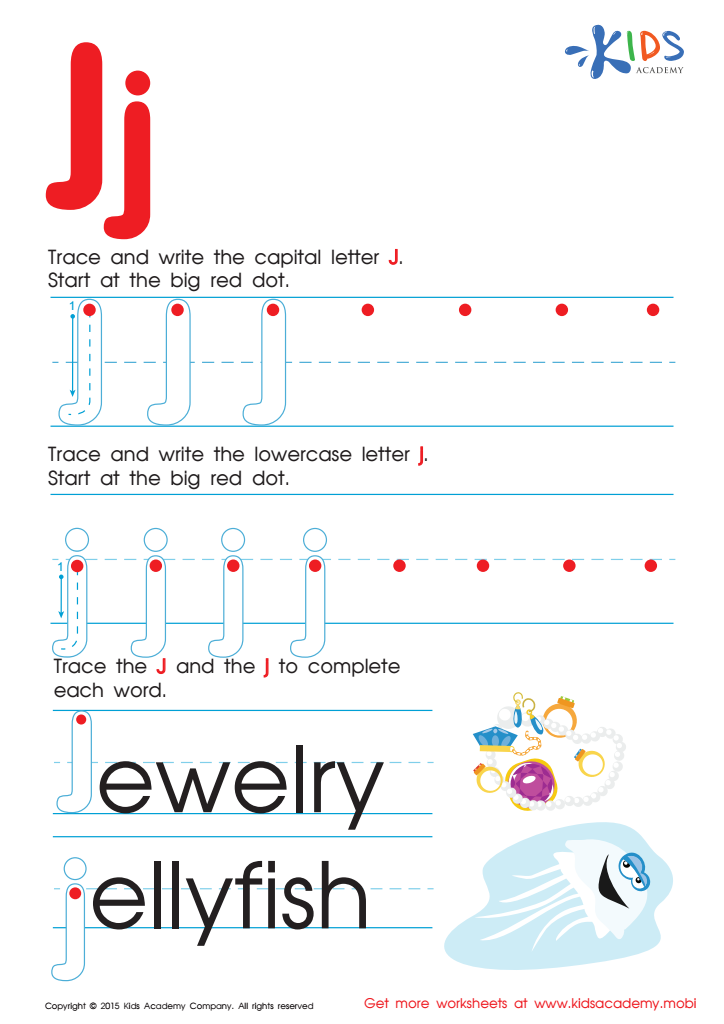
Letter J Tracing Page
 Assign to My Students
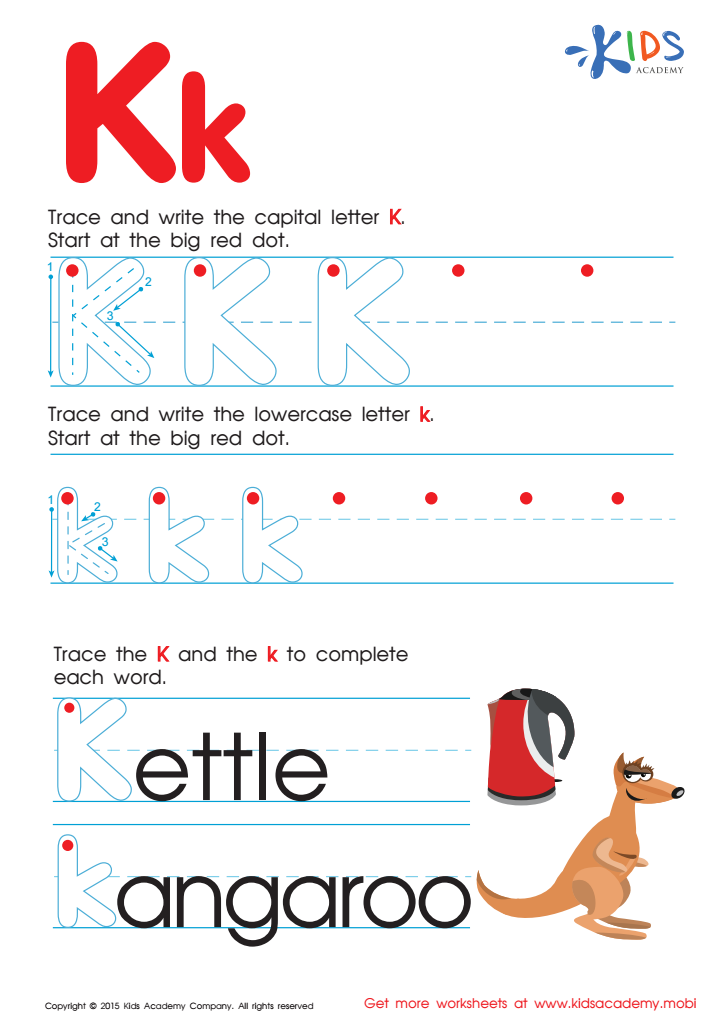
Letter K Tracing Page
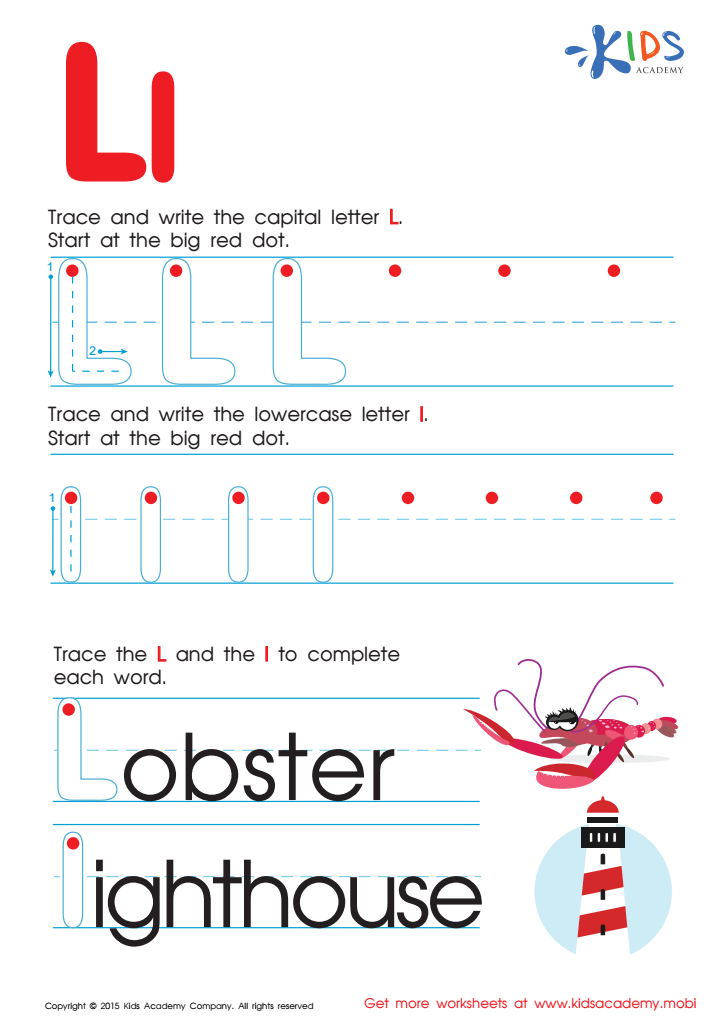
Letter L Tracing Page
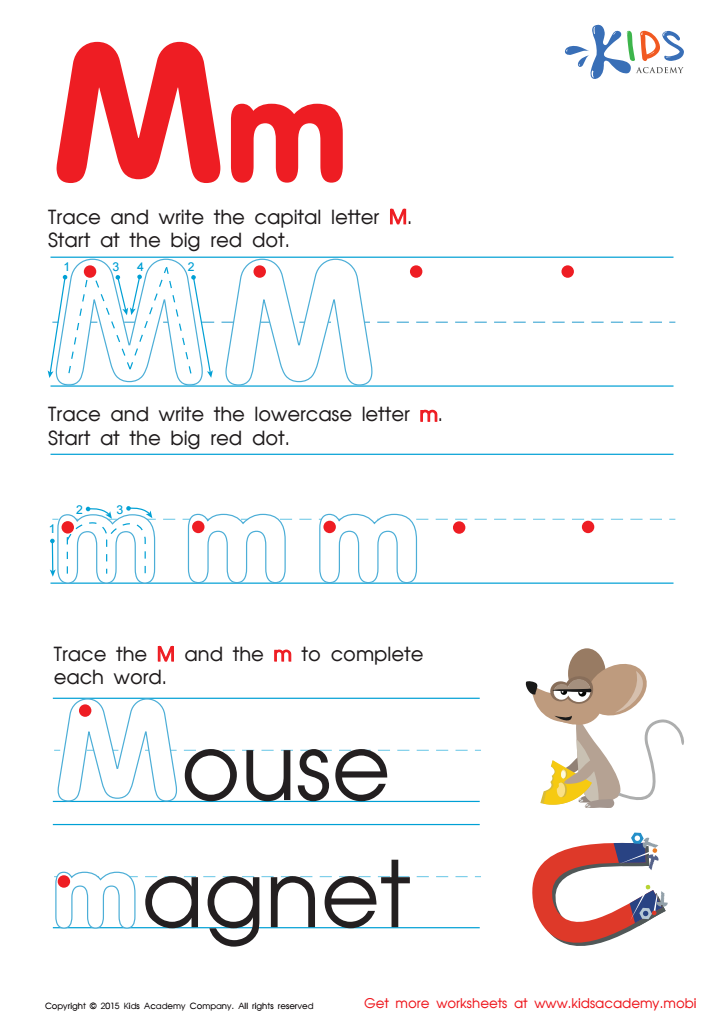
Letter M Tracing Page
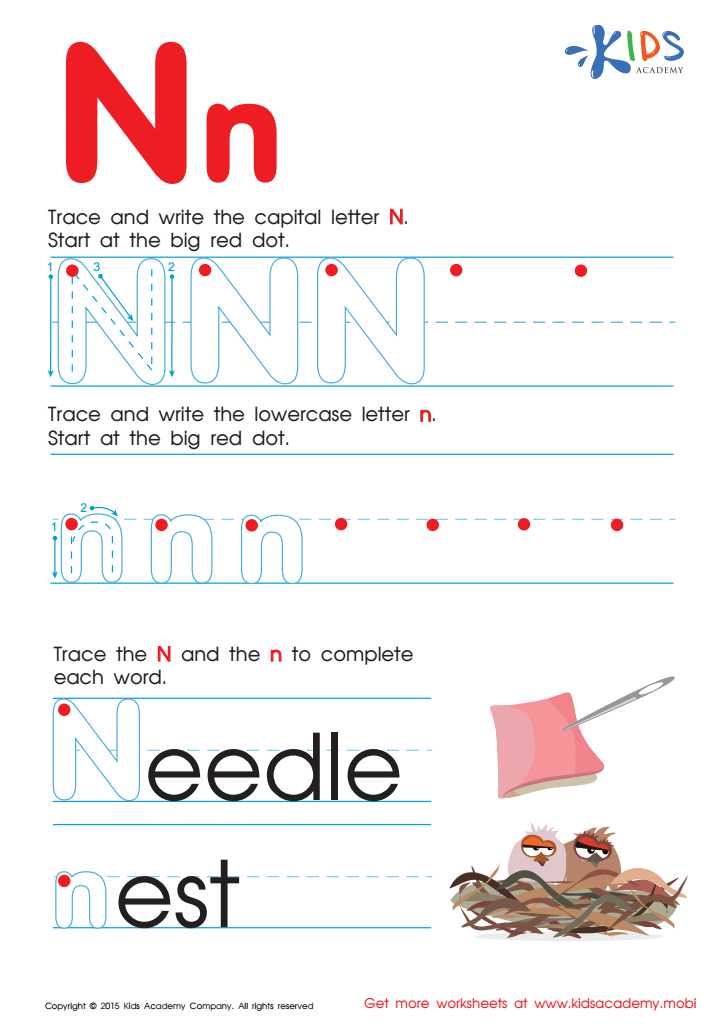
Letter N Tracing Page
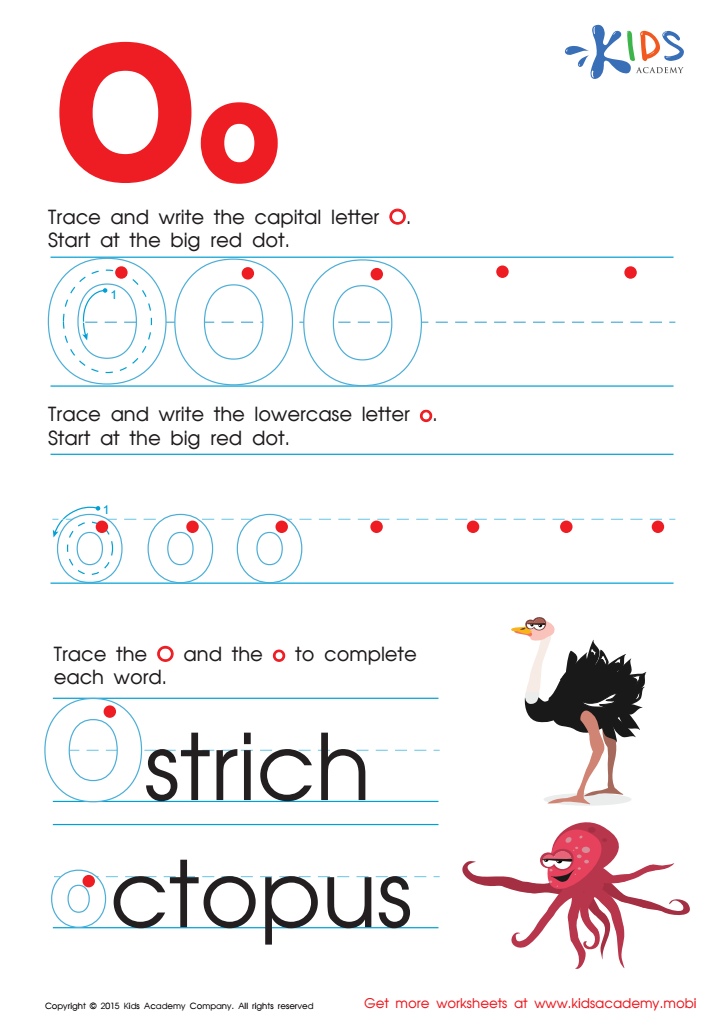
Letter O Tracing Page
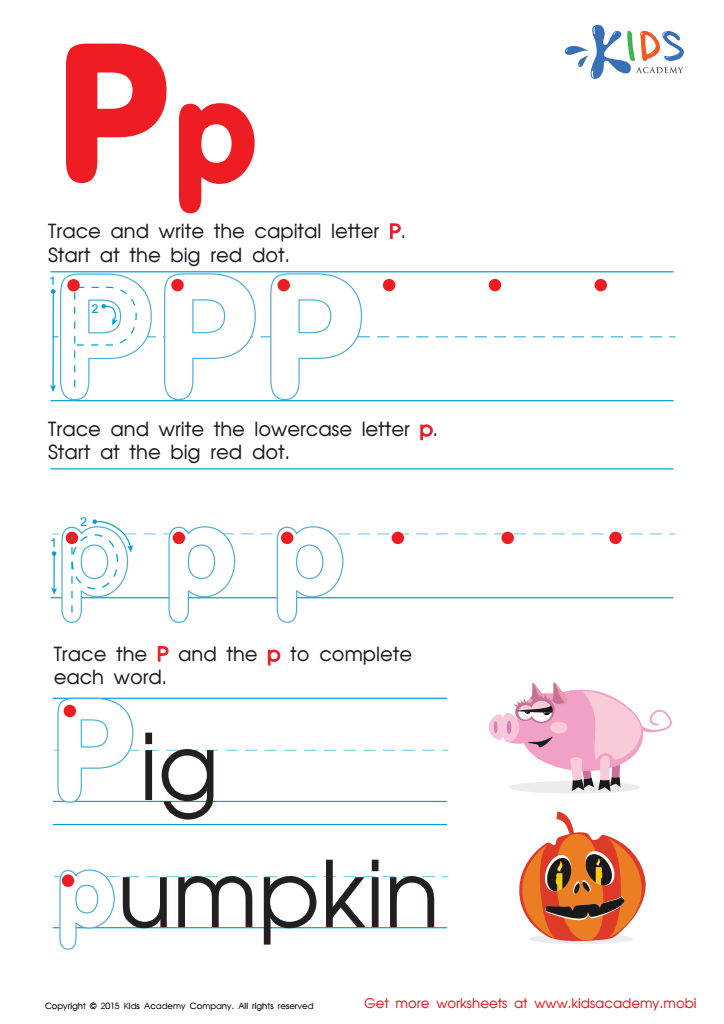
Letter P Tracing Page








Parents and teachers should care about Normal Tracing Letters activities for children aged 6-9 because these activities play a crucial role in early literacy development. Tracing letters helps young learners build fine motor skills, essential for writing. By practicing the formation of letters, children develop muscle memory, leading to improved handwriting. This foundational skill is critical as legible writing often influences a child's confidence and performance in academic settings.
Moreover, tracing activities enhance letter recognition, which is vital for reading. Children begin to associate visual symbols with sounds and corresponding words, laying the groundwork for reading fluency. As they trace letters, they also engage in phonemic awareness, which further supports their understanding of language and its structure.
Additionally, these activities can foster a sense of accomplishment and motivation. As children see their progress in letter formation, they gain confidence in their abilities. This can lead to a positive attitude towards learning and literacy. Overall, Normal Tracing Letters activities are a simple yet effective way for parents and teachers to support children's educational journeys, nurture essential skills, and cultivate a love for reading and writing from an early age.








