Normal Tracing Words worksheets activities for Ages 7-9 - Page 2
27 filtered results
-
From - To
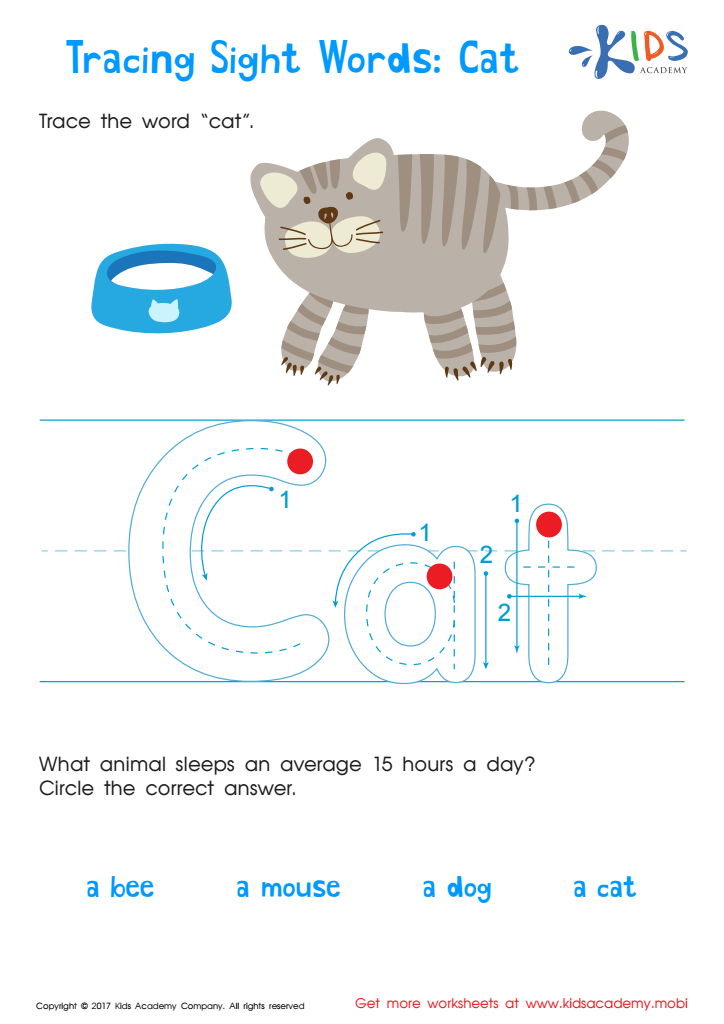
Cat Printable Sight Words Worksheet
 Assign to My Students
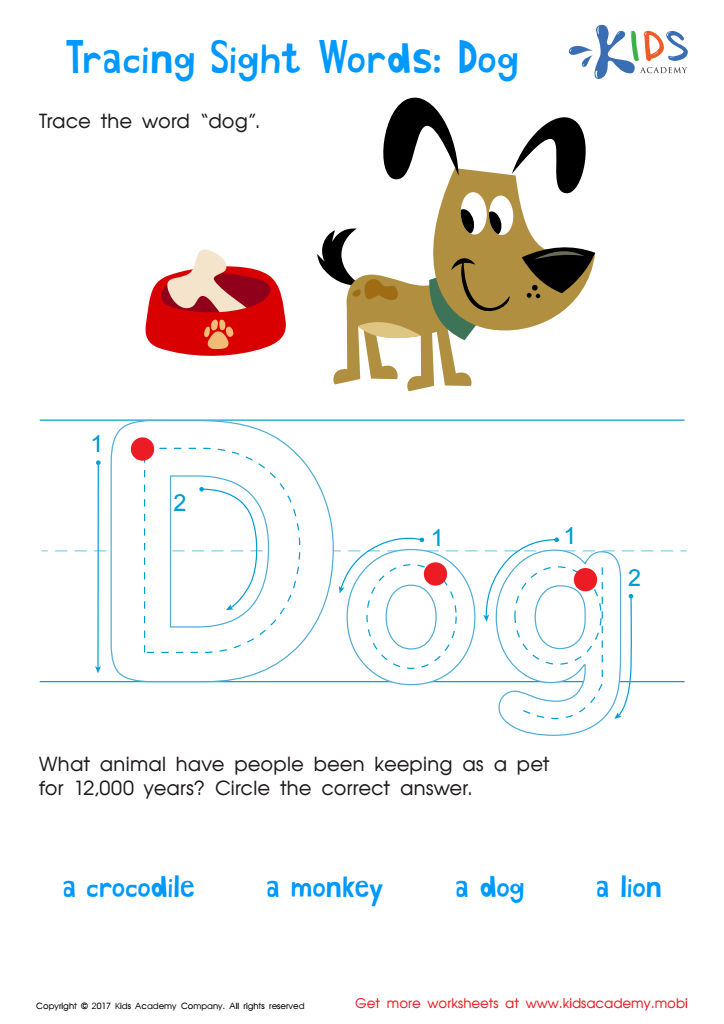
Dog Worksheet Sight Words Worksheet
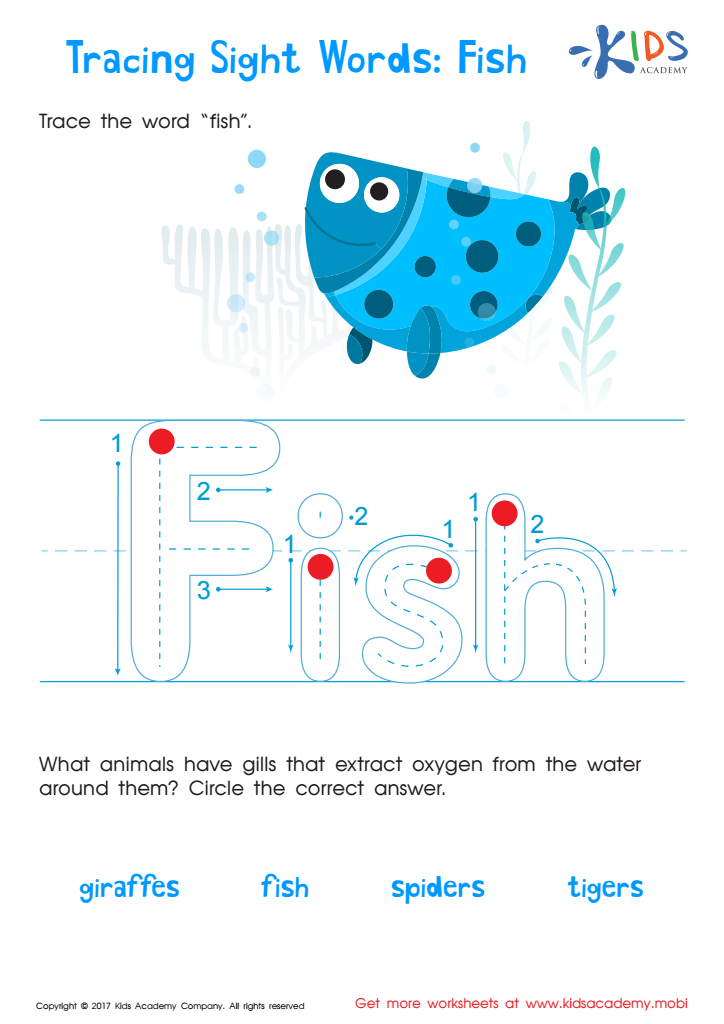








Normal Tracing Words activities are essential for children aged 7-9 as they play a critical role in developing vital literacy skills. During this developmental stage, children are typically expanding their vocabulary and beginning to read and write more fluently. Engaging in tracing activities helps strengthen fine motor skills, which are crucial for effective writing. By tracing words, children practice letter formation, leading to better penmanship and handwriting consistency.
Additionally, tracing helps reinforce word recognition, as children see and form letters while they do the activity. This multi-sensory approach supports phonetic understanding and boosts their confidence in reading. Furthermore, when children trace familiar words, it can enhance their comprehension and connection to those words in context, facilitating smoother progression to more advanced literacy skills.
Teachers and parents should also note that these activities can foster a sense of accomplishment, motivating children to participate in literacy challenges. As both supportive caregivers and educators, fostering a love for language through playful yet purposeful tracing can ignite interest in reading and writing, ultimately preparing children for future academic success and lifelong learning. Prioritizing these activities promotes both skill development and confidence at a crucial time in their education.








