Worksheets for Ages 3-6 - Page 81
1976 filtered results
-
From - To
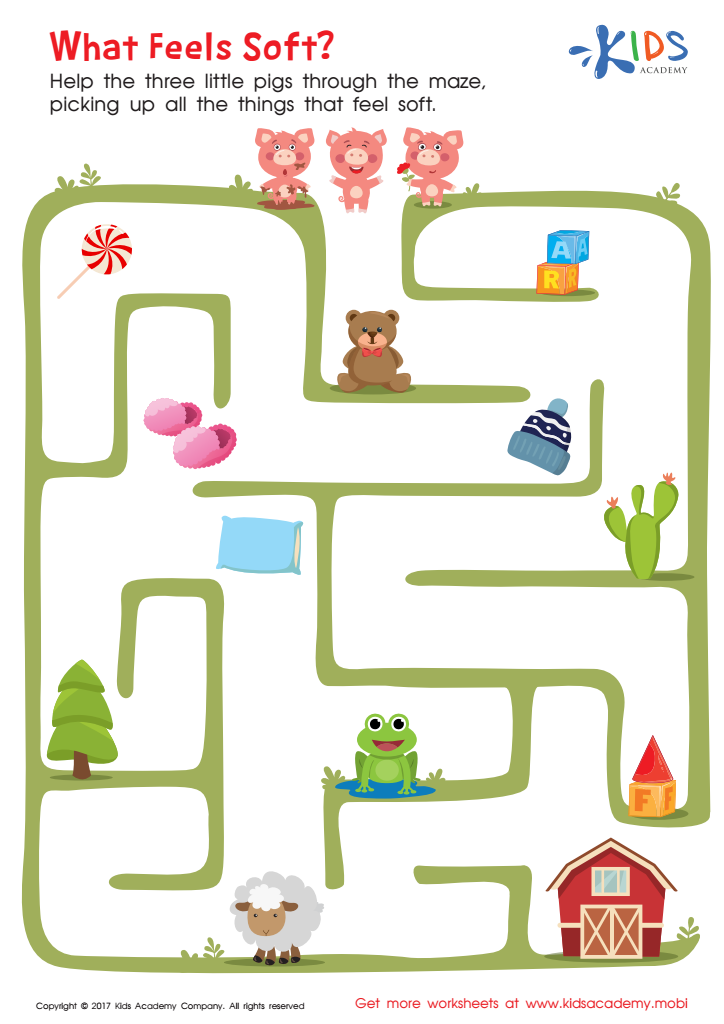
What Feels Soft Printable
 Assign to My Students
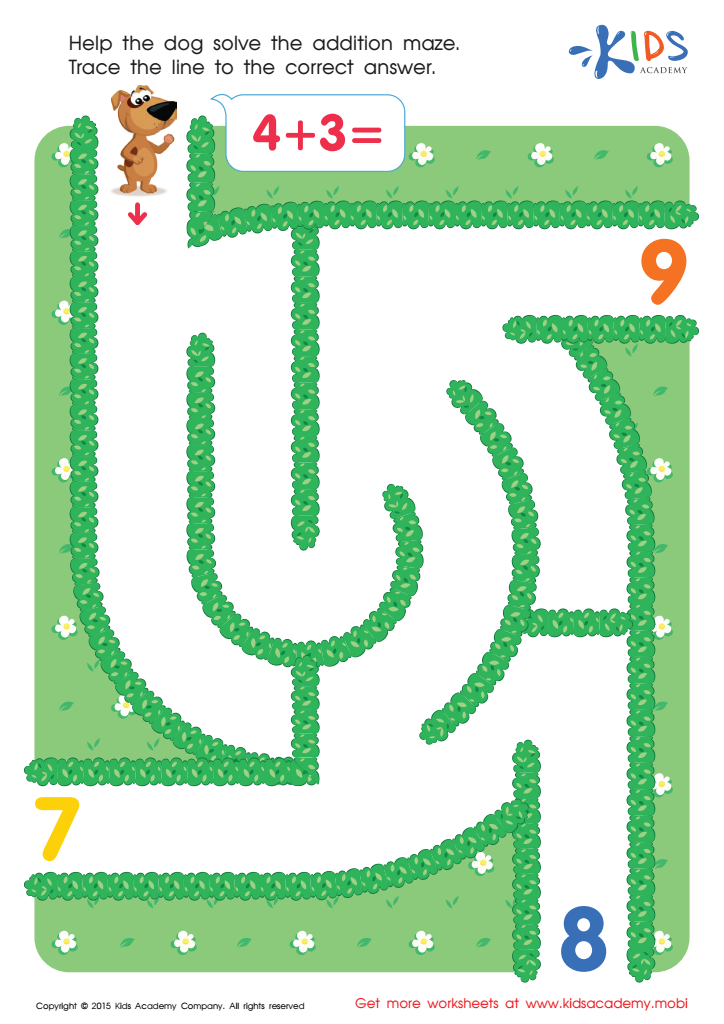
Addition Four And Three Worksheet
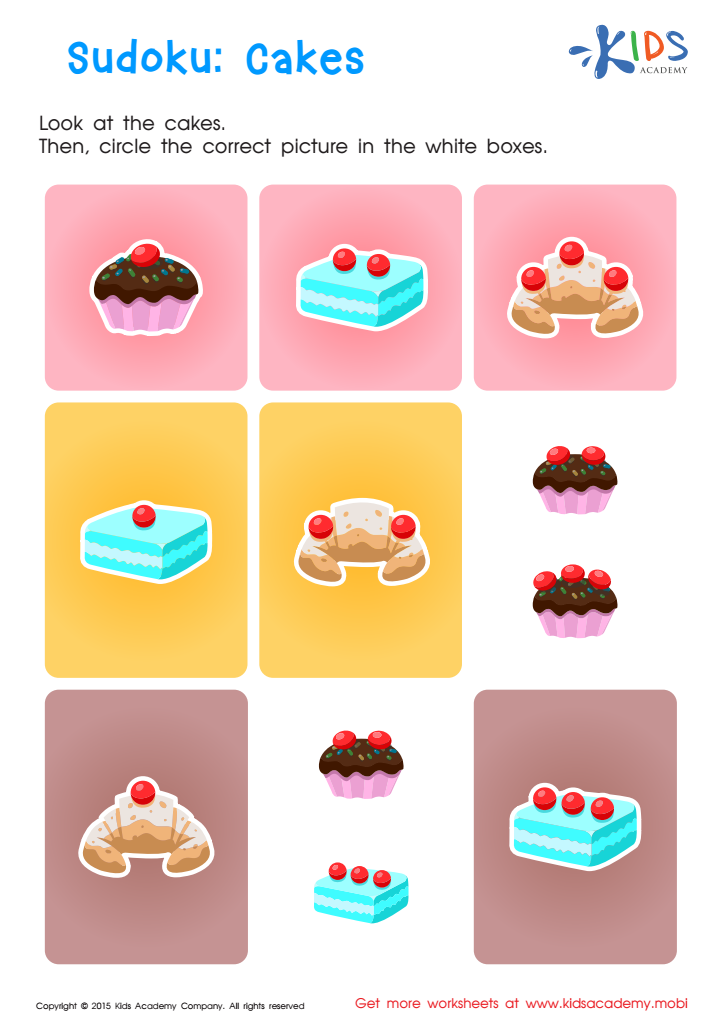
Sudoku Worksheet
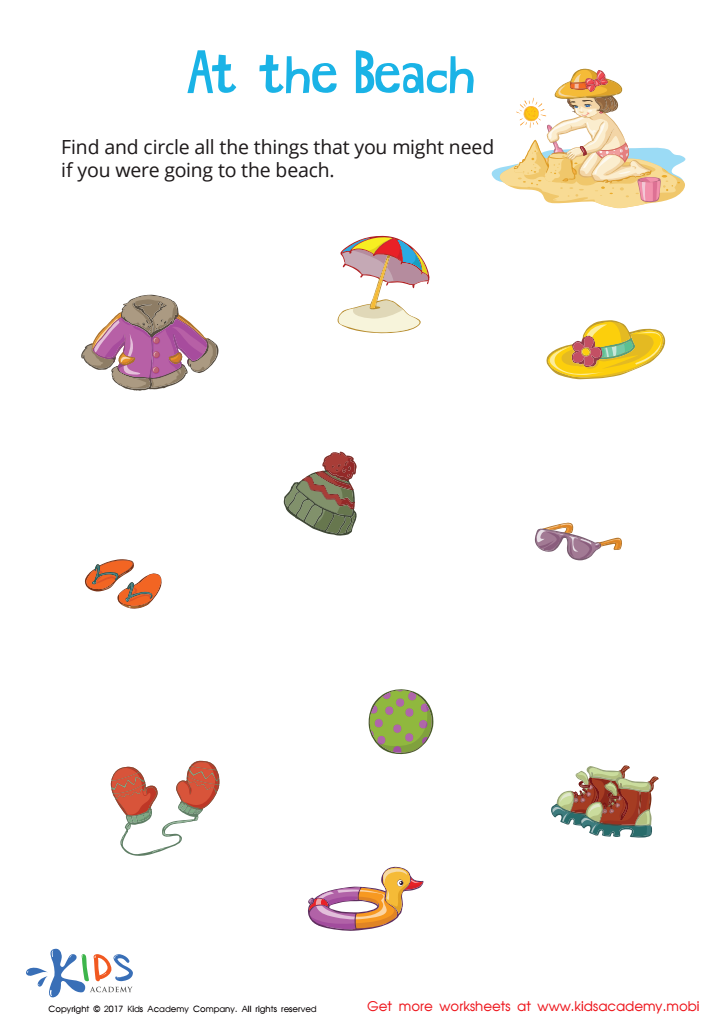
At the Beach Sorting Worksheet
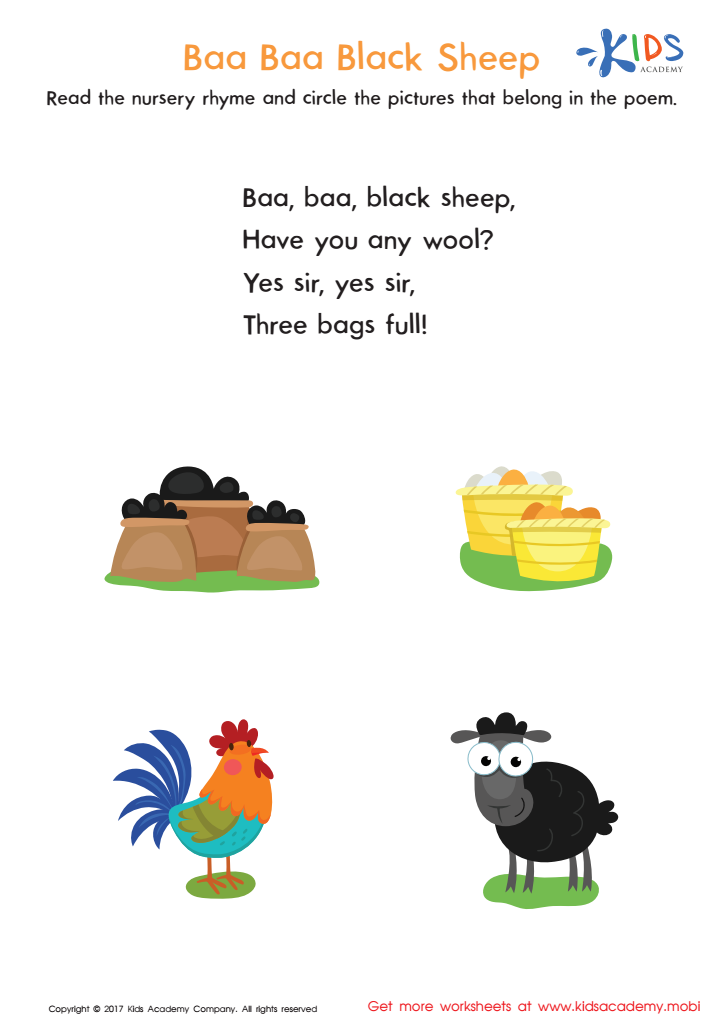
Baa Baa Black Sheep Printable
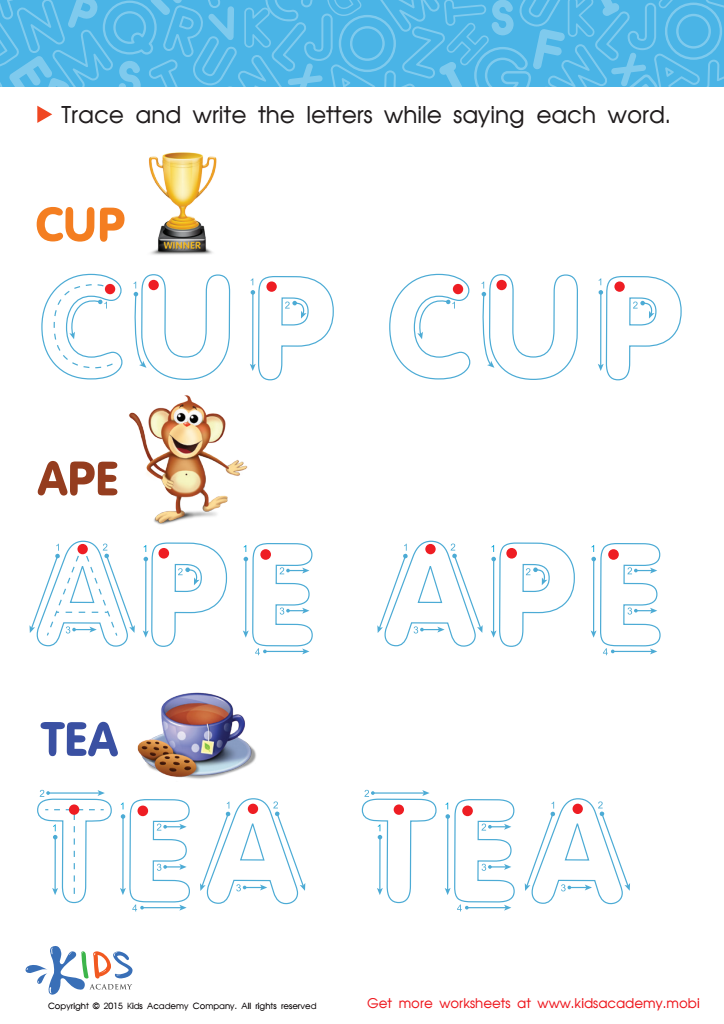
A Cup, an Ape and Tea Spelling Worksheet
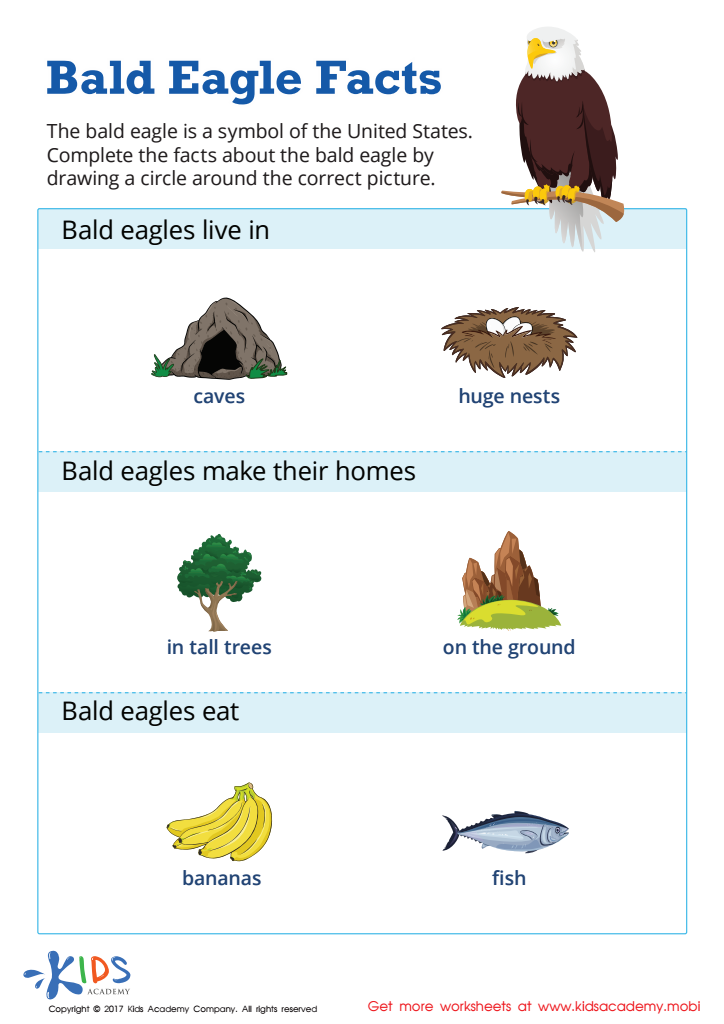
Bald Eagle Facts Worksheet
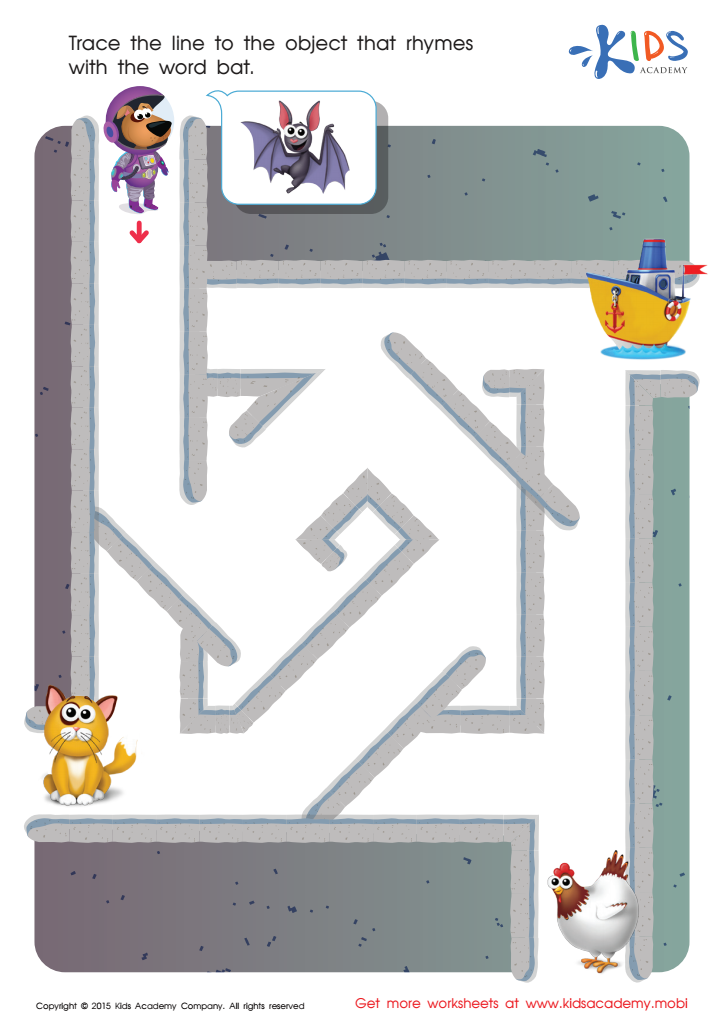
Bat Rhyming Words Worksheet
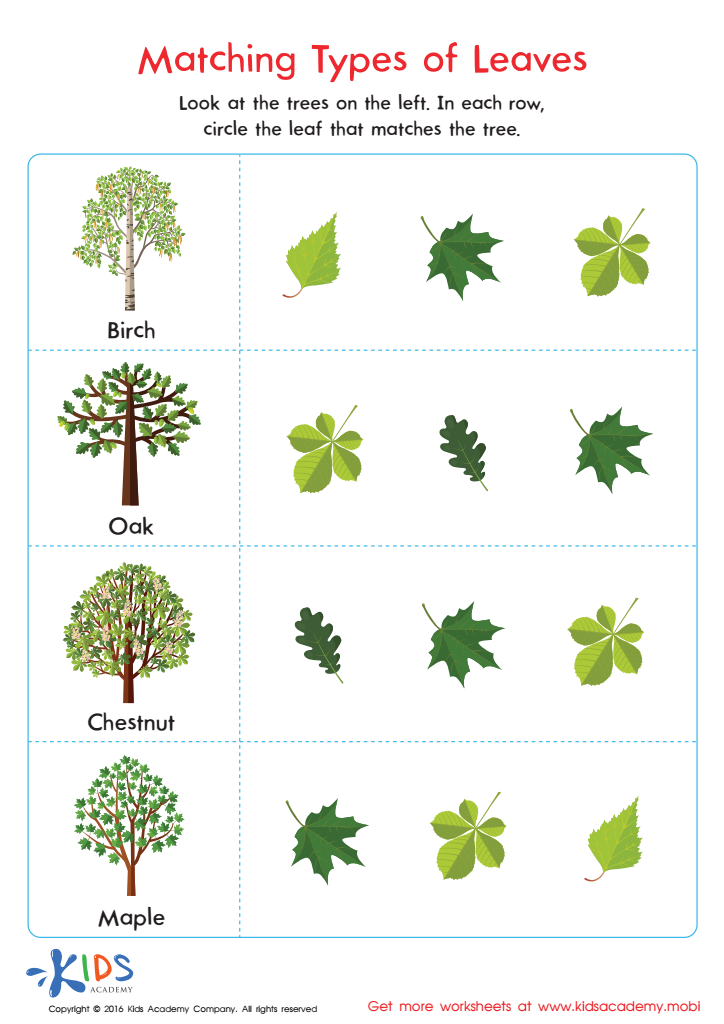
Matching Types of Leaves Printable
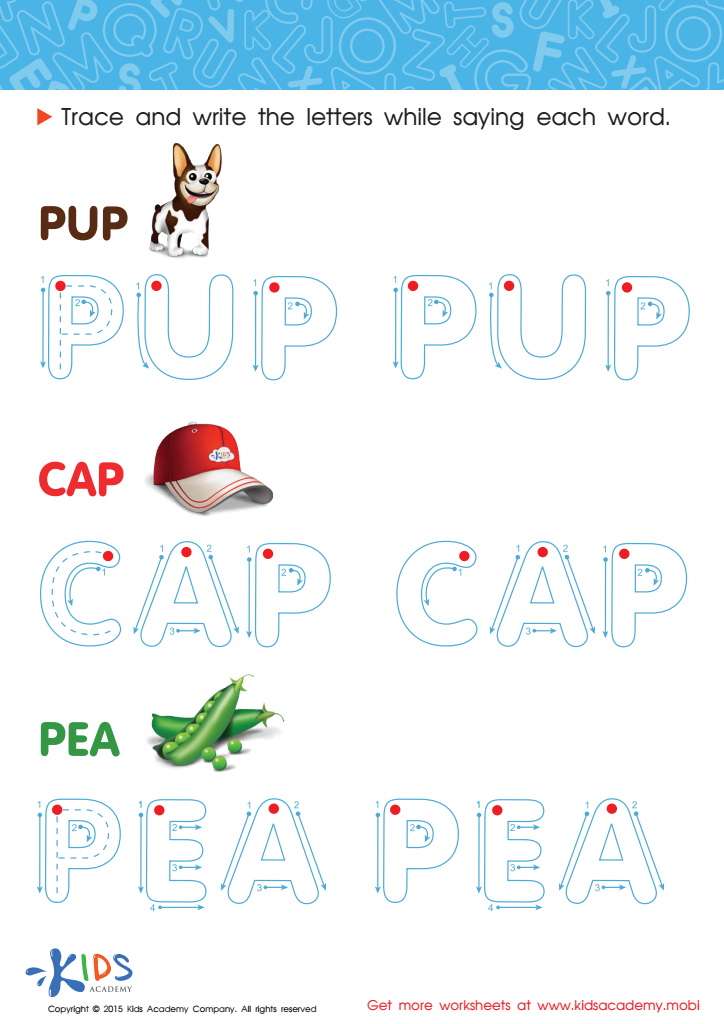
A Pup, a Cap and a Pea Spelling Worksheet
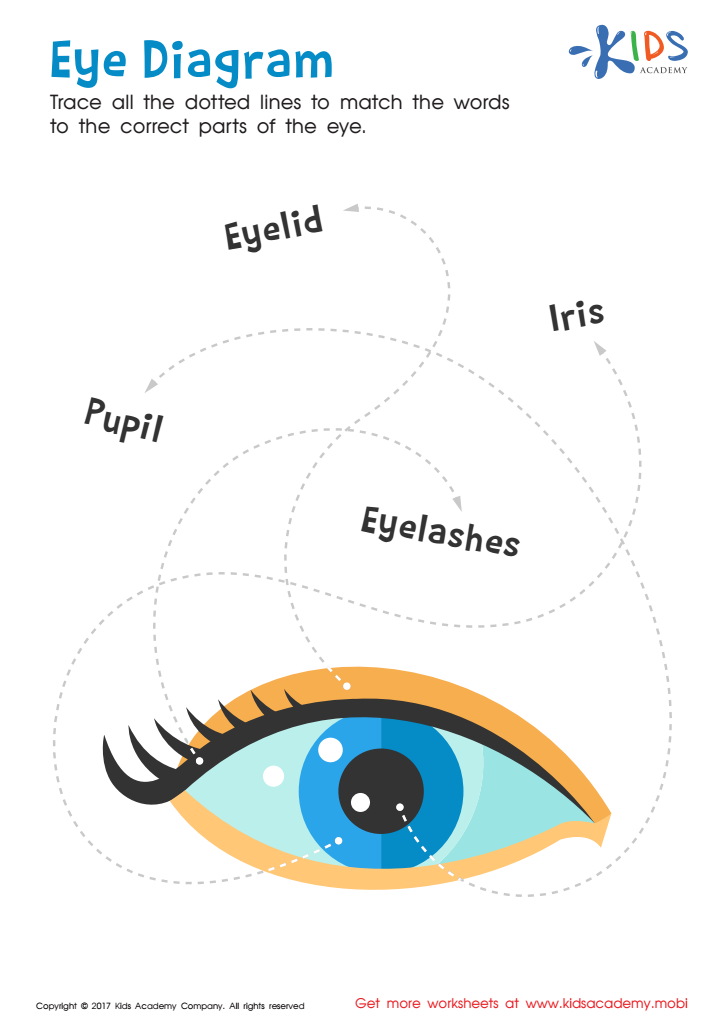
Eye Diagram Printable
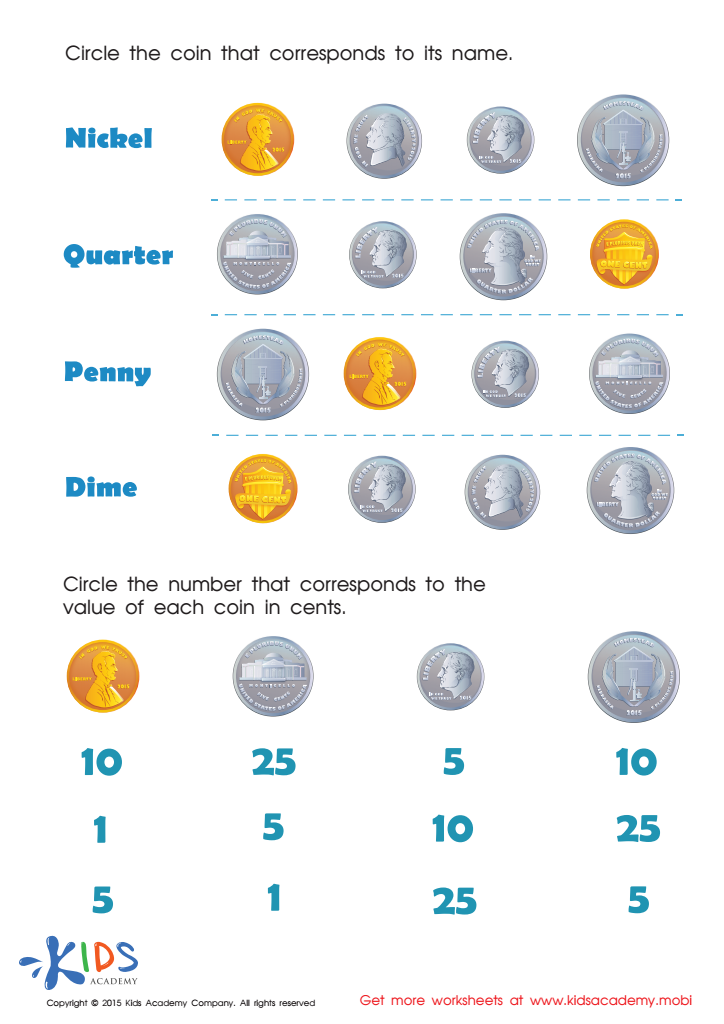
Coin Names and Values Money Worksheet
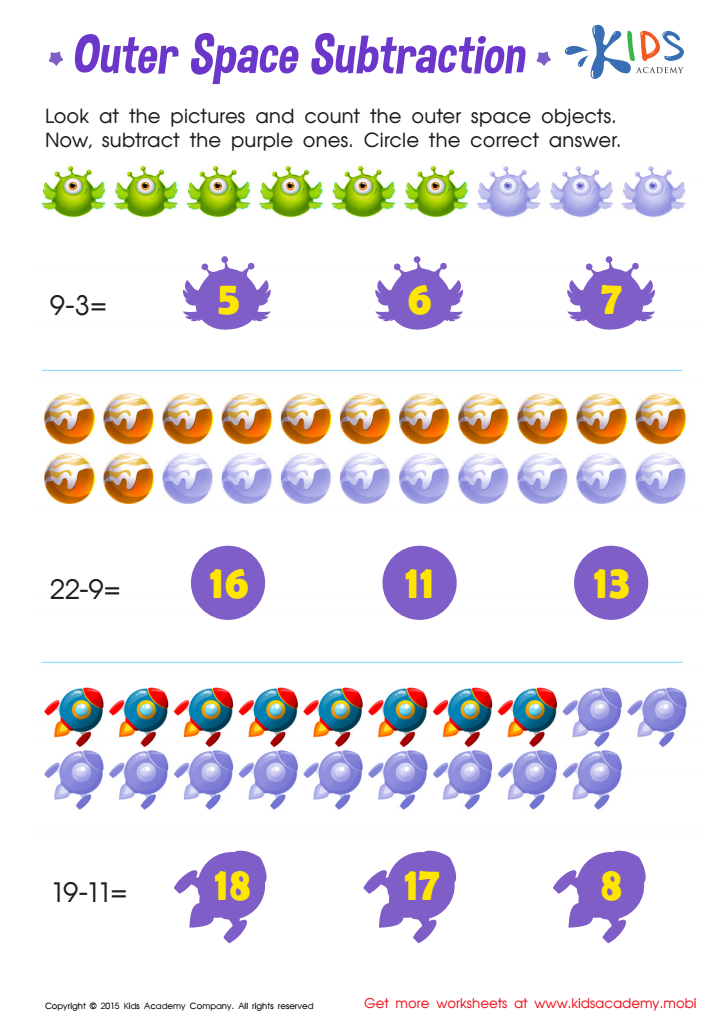
Outer Space Substraction Worksheet
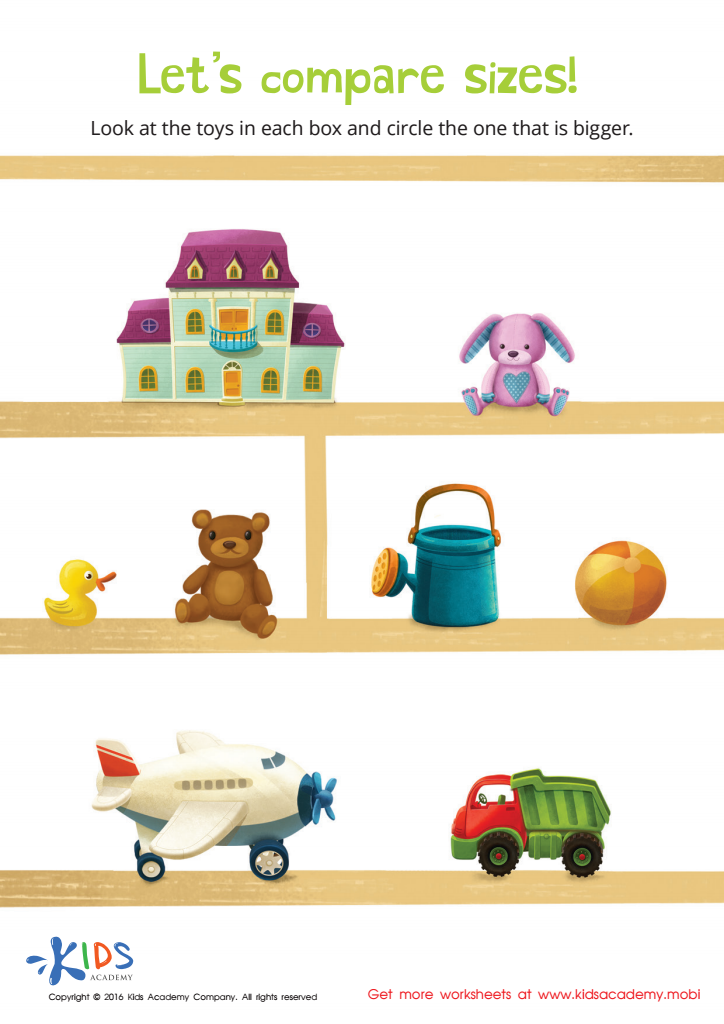
Classifying by Size Sorting Worksheet
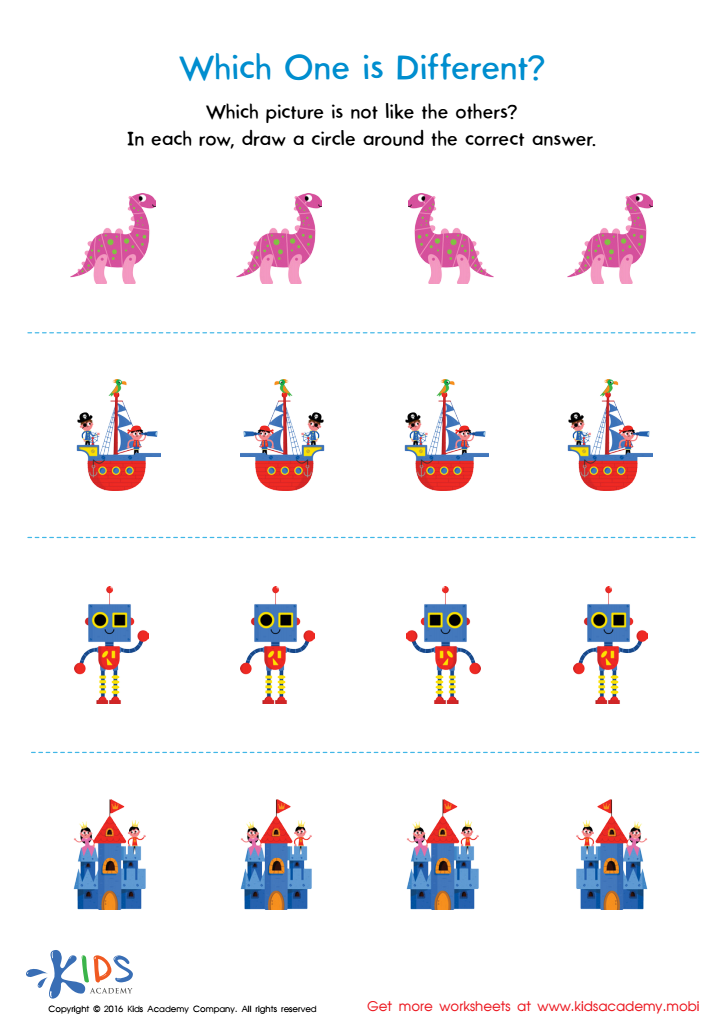
Which One Is Different Worksheet
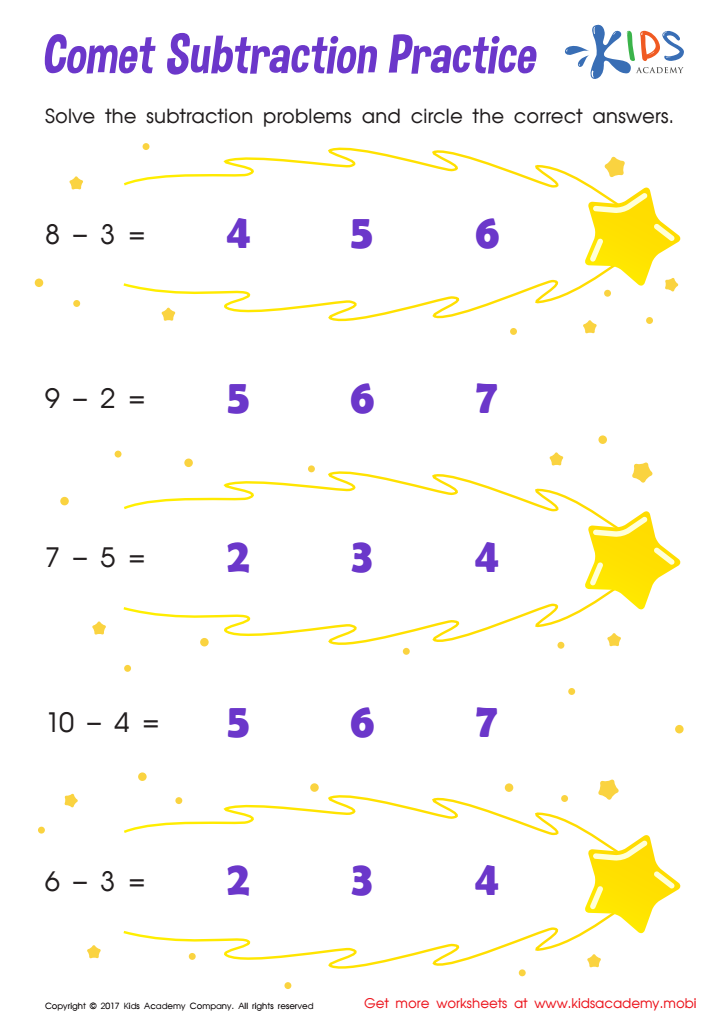
Comet Subtraction Practice Substraction Worksheet
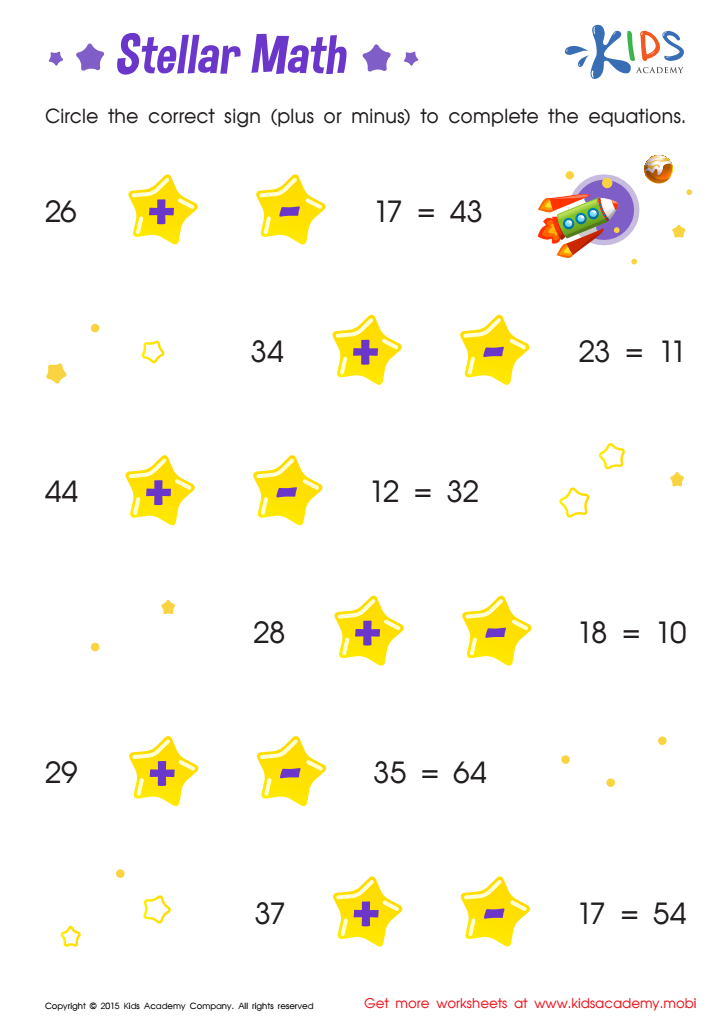
Stellar Math Substraction Worksheet
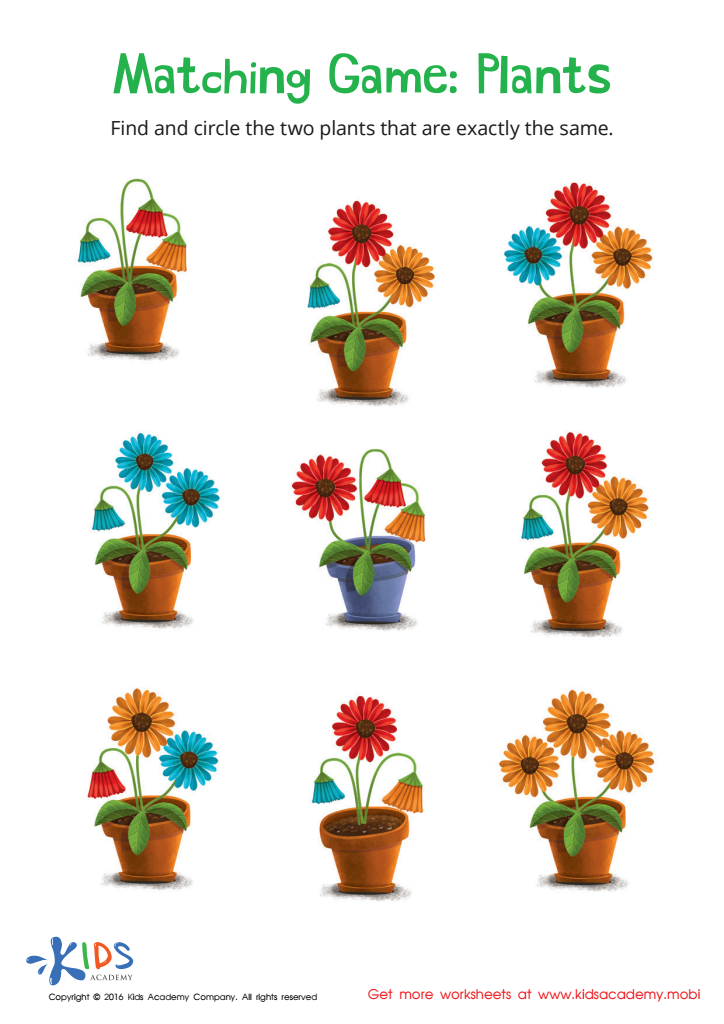
Matching: Plants Worksheet
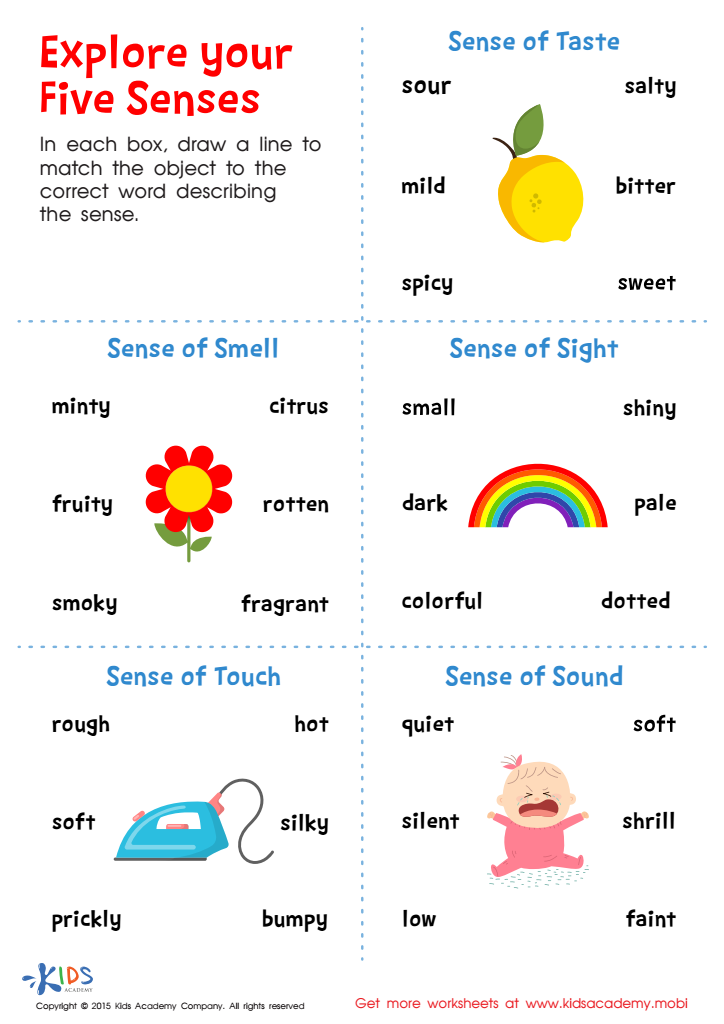
Explore Your Five Senses Printable
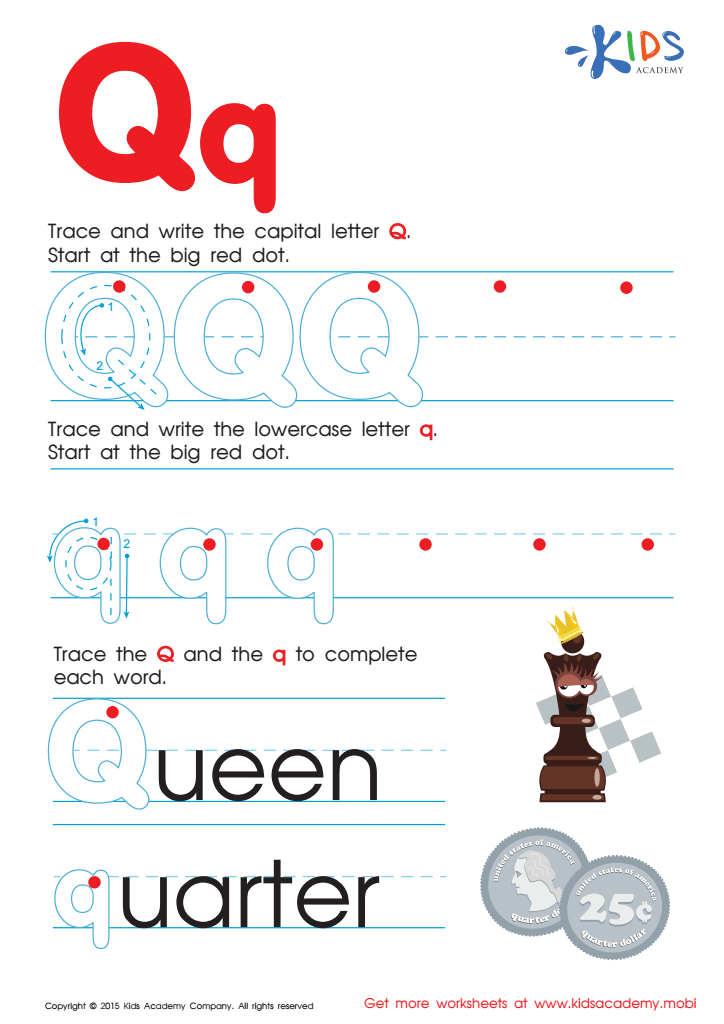
Letter Q Tracing Page
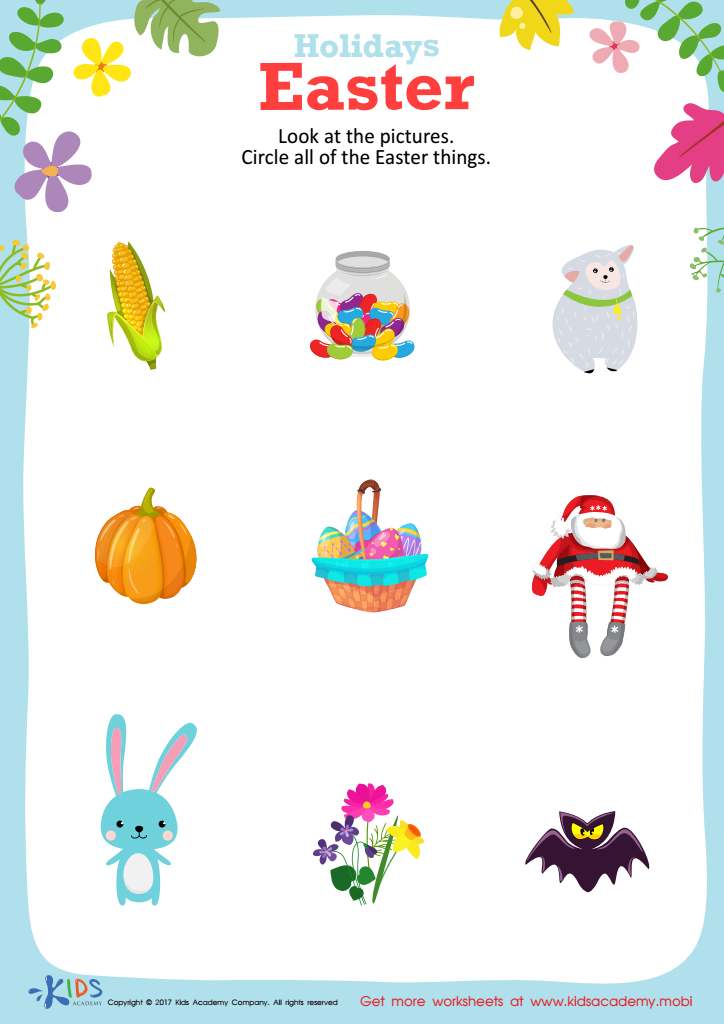
Easter Holiday Printable
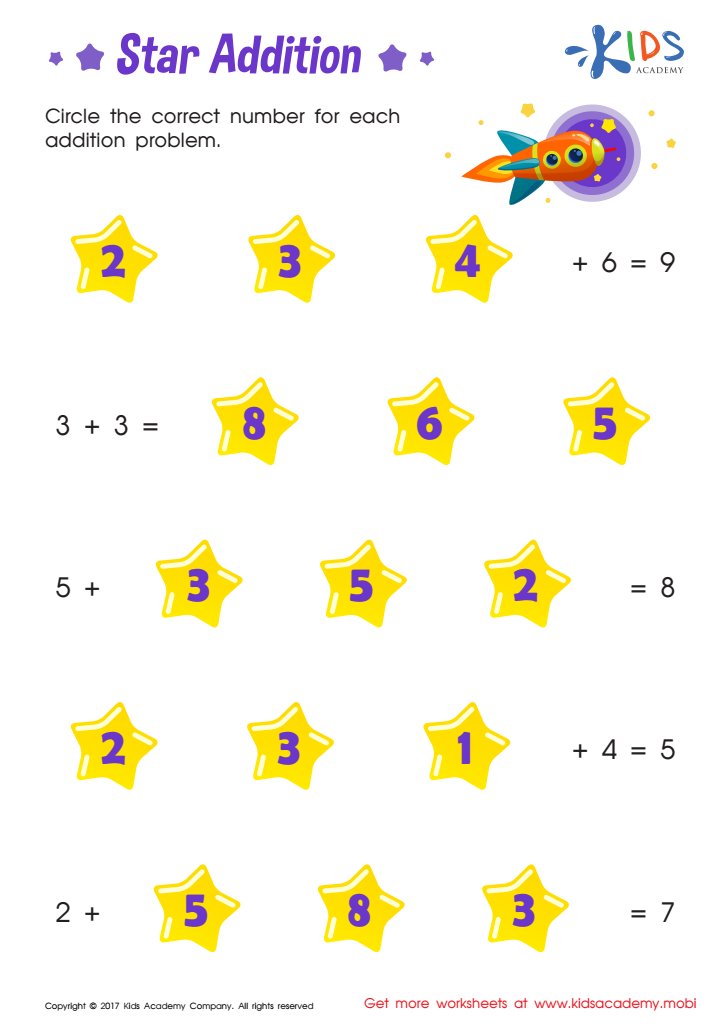
Star Addition Printable
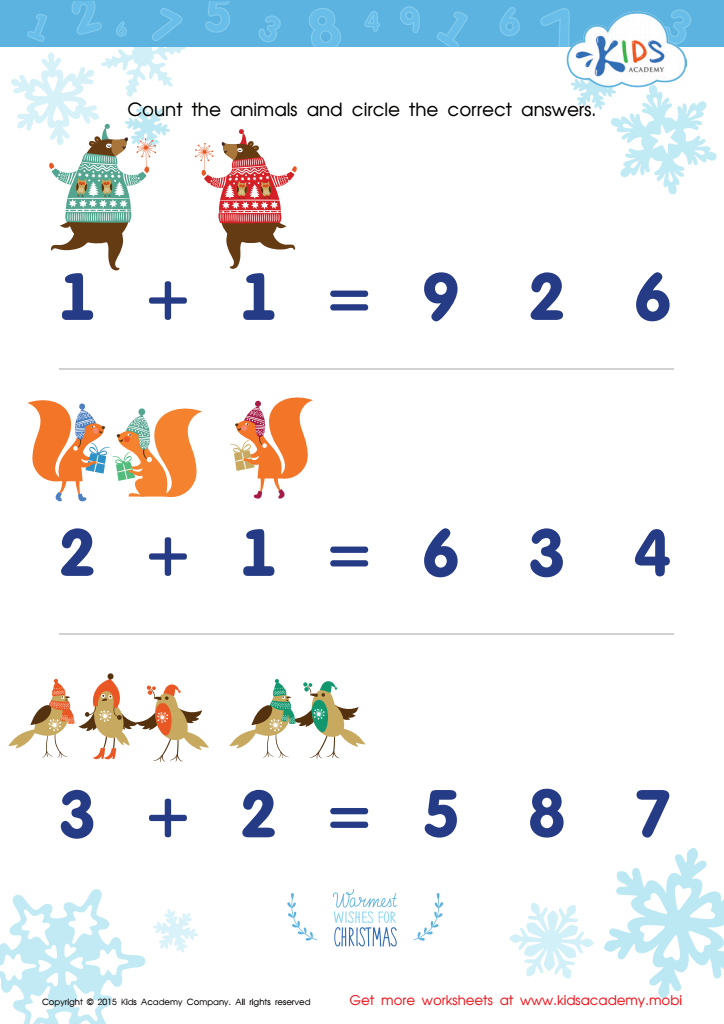
Count Funny Animals Worksheet
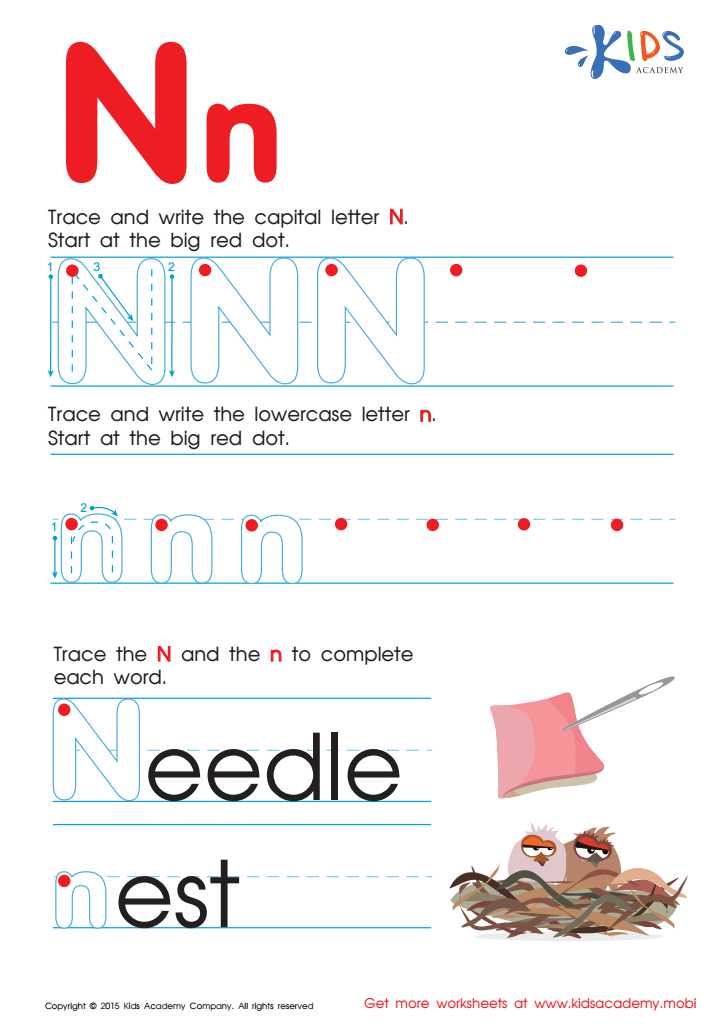
Letter N Tracing Page








Caring for children aged 3-6 is essential for parents and teachers as this period is critical for early development. During these formative years, children undergo rapid brain development, acquiring foundational skills that influence their cognitive, social, and emotional growth. Early experiences significantly shape a child’s ability to learn, communicate, and interact with others.
Engagement and nurturing in these years can foster a love for learning, resilience, and confidence. Positive interactions with parents and teachers help children develop secure attachments and healthier emotional regulation. Additionally, early education introduces essential skills such as problem-solving, cooperation, and creativity, laying the groundwork for future academic success.
Moreover, providing a stimulating environment that promotes play, exploration, and discovery can ignite curiosity and critical thinking. On the other hand, neglecting this phase may lead to learning gaps and hinder social skills, impacting a child’s future wellbeing.
Ultimately, by actively investing time and resources into the development of young children, both parents and teachers can cultivate strong, capable individuals prepared for the diverse challenges of later life—ensuring every child’s right to a happy, healthy beginning.








