Science Worksheets for Ages 3-6 - Page 6
229 filtered results
-
From - To
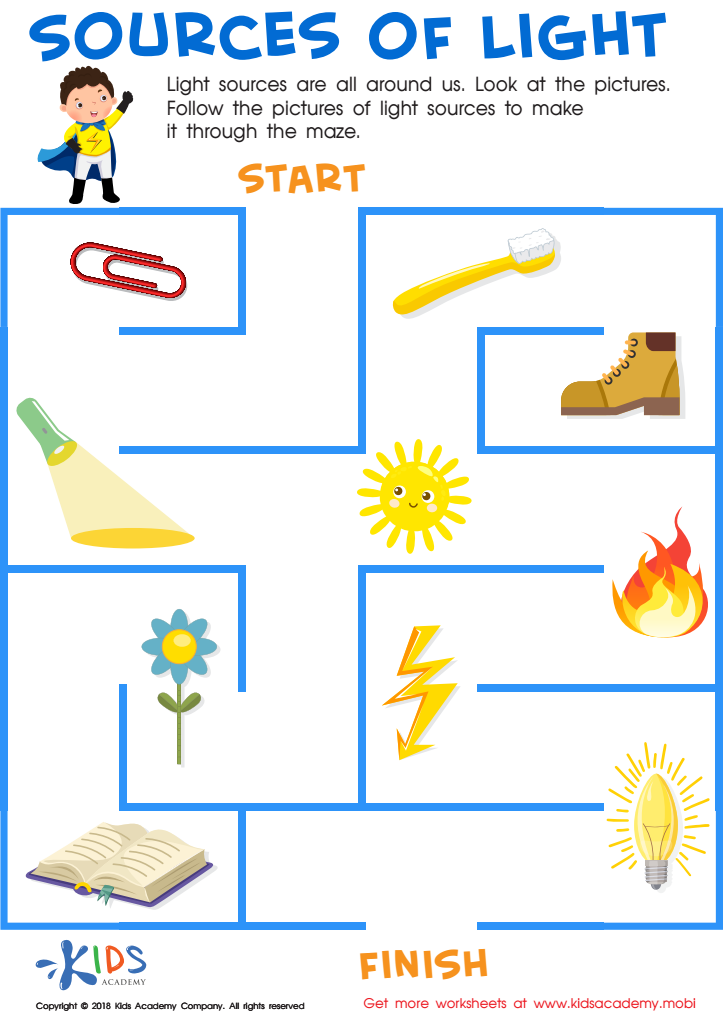
Sources of Light Worksheet
 Assign to My Students
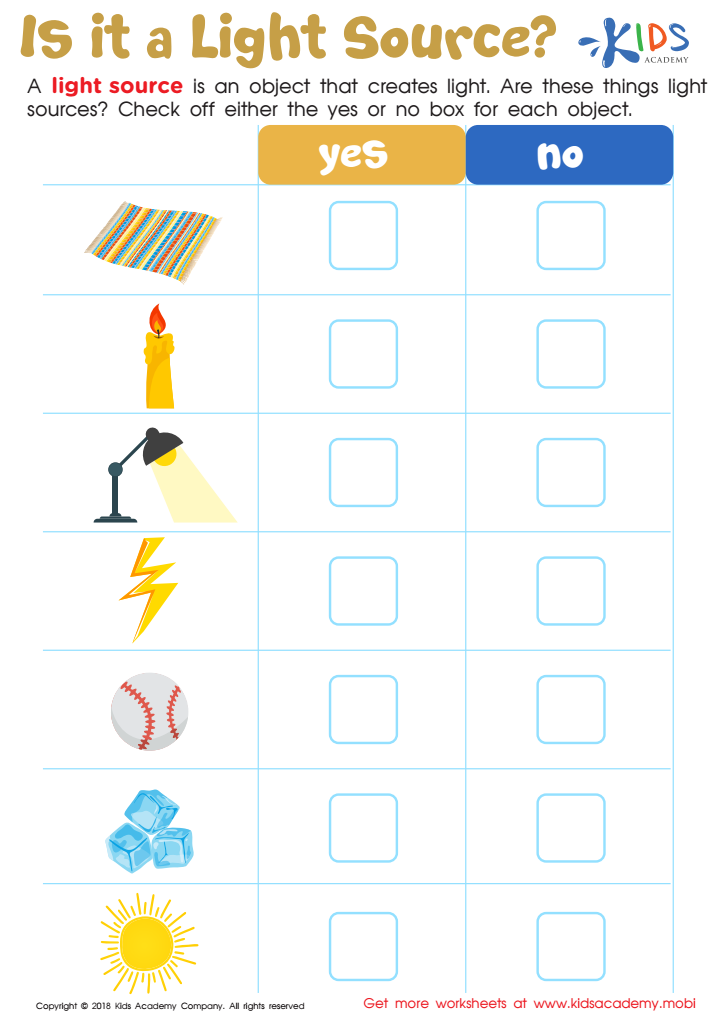
Is It a Light Source? Worksheet
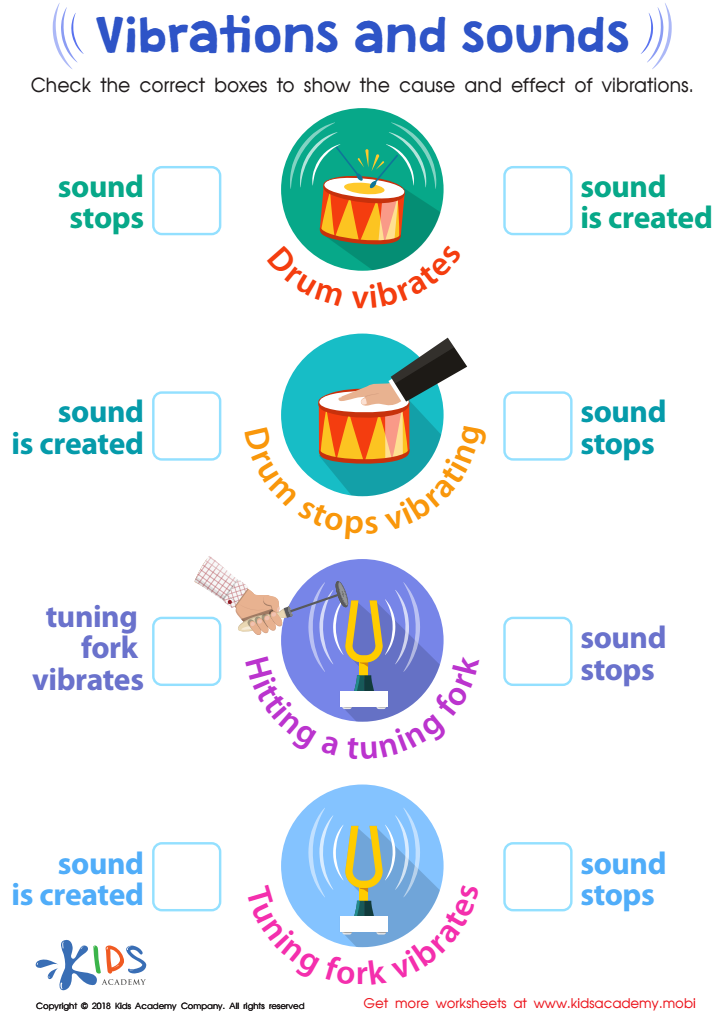
Vibrations and Sounds Worksheet
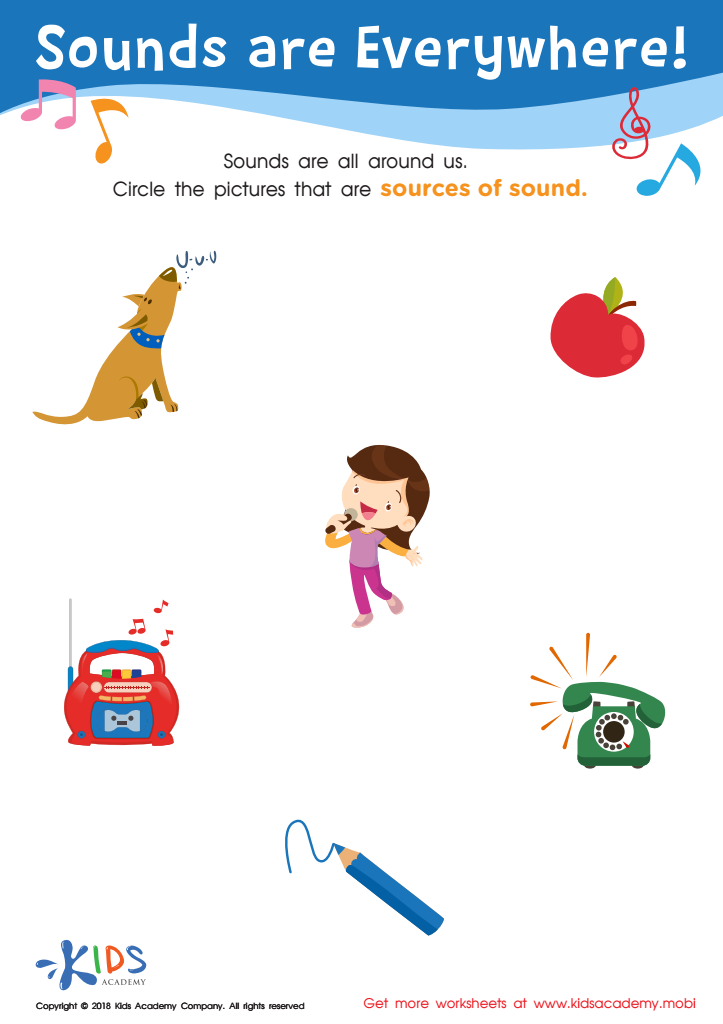
Sounds Are Everywhere! Worksheet
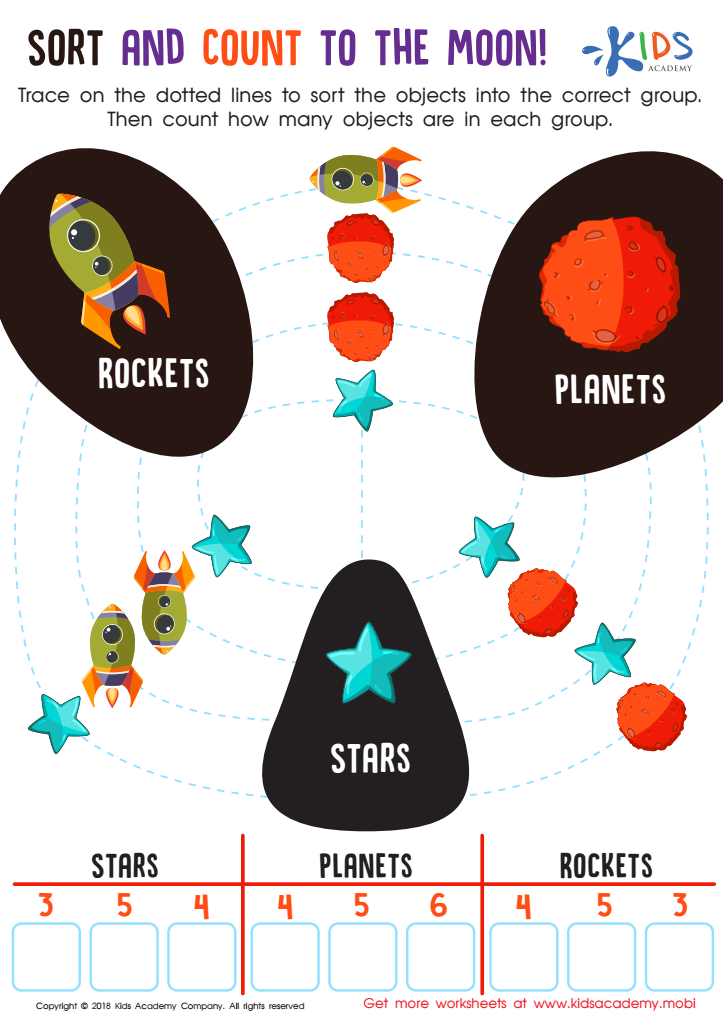
Sort and Count to the Moon Worksheet
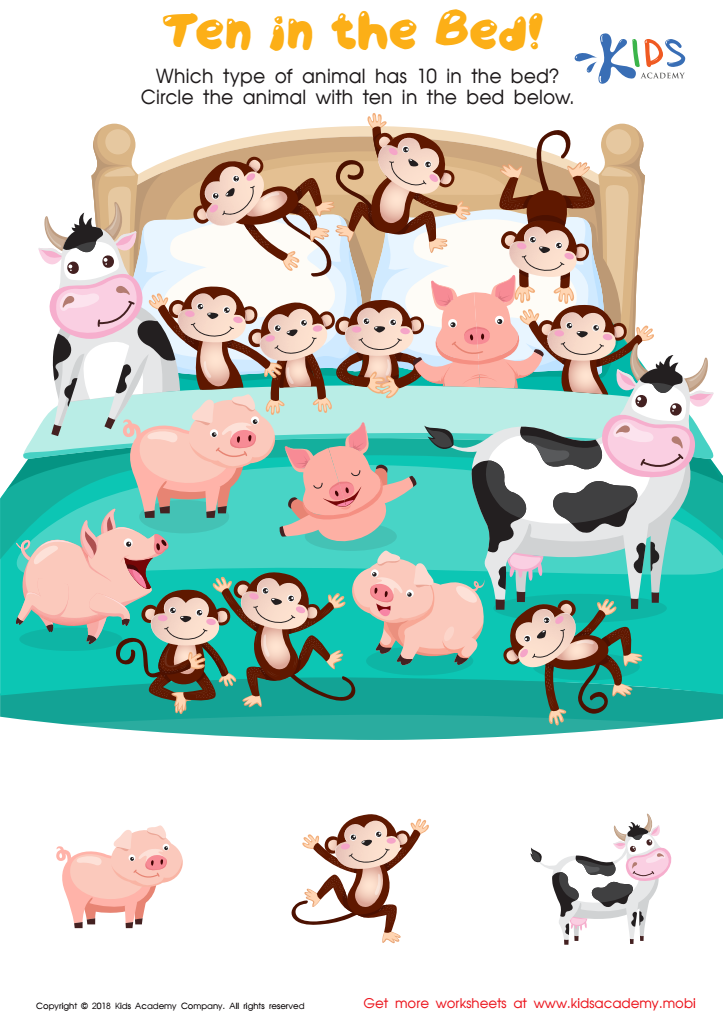
Ten in the Bed Worksheet
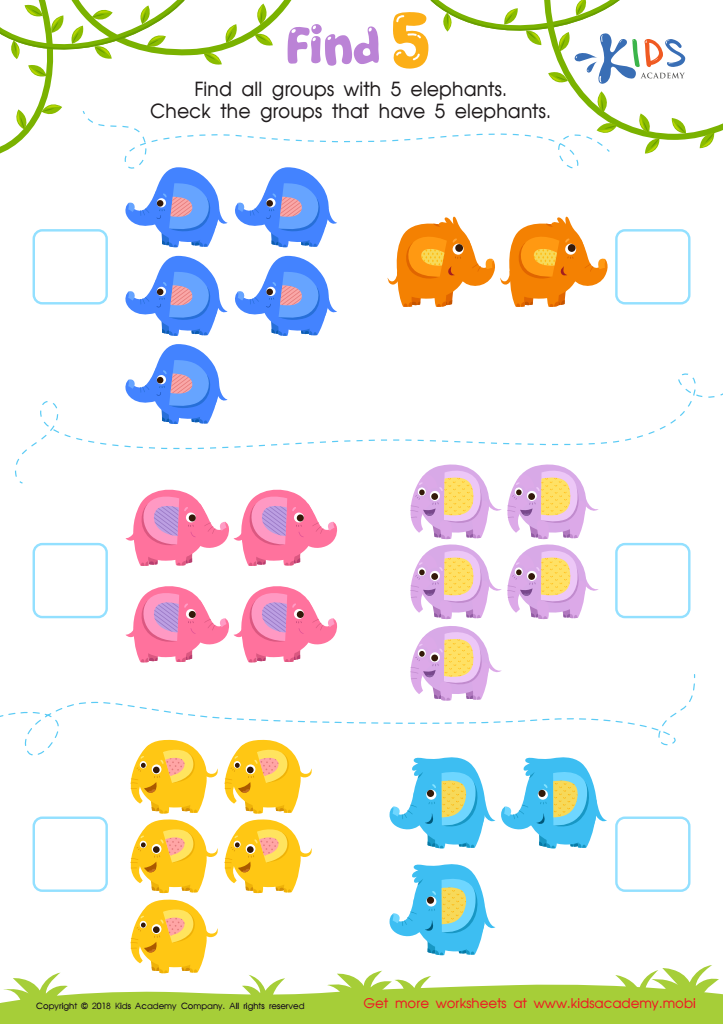
Find 5 Worksheet
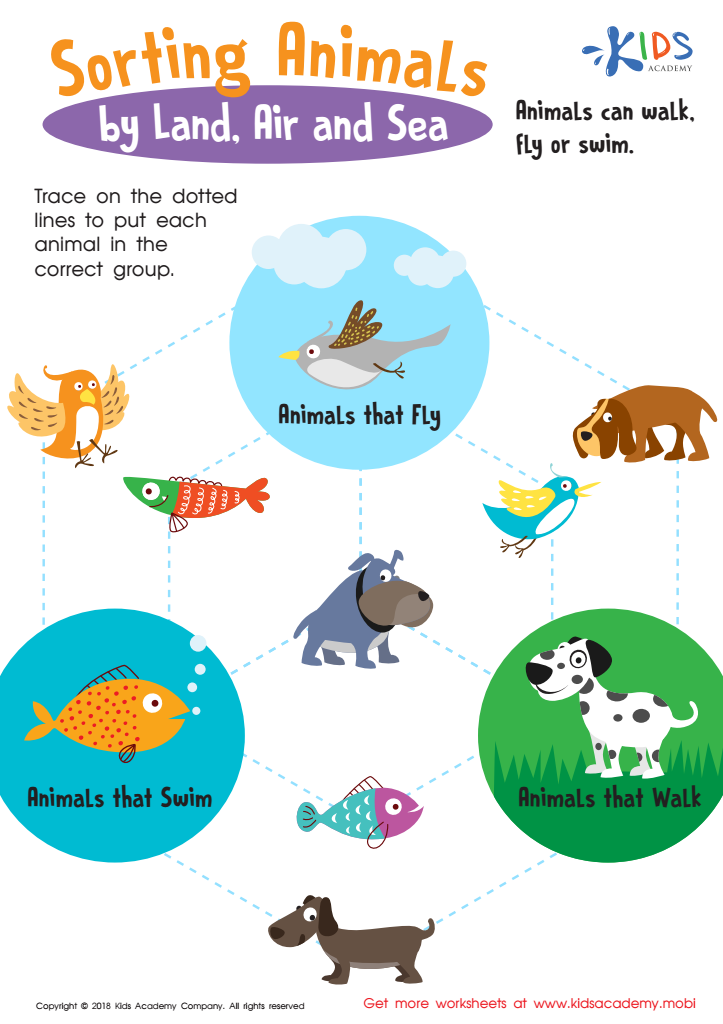
Sorting Animals by Land, Air and Sea Worksheet
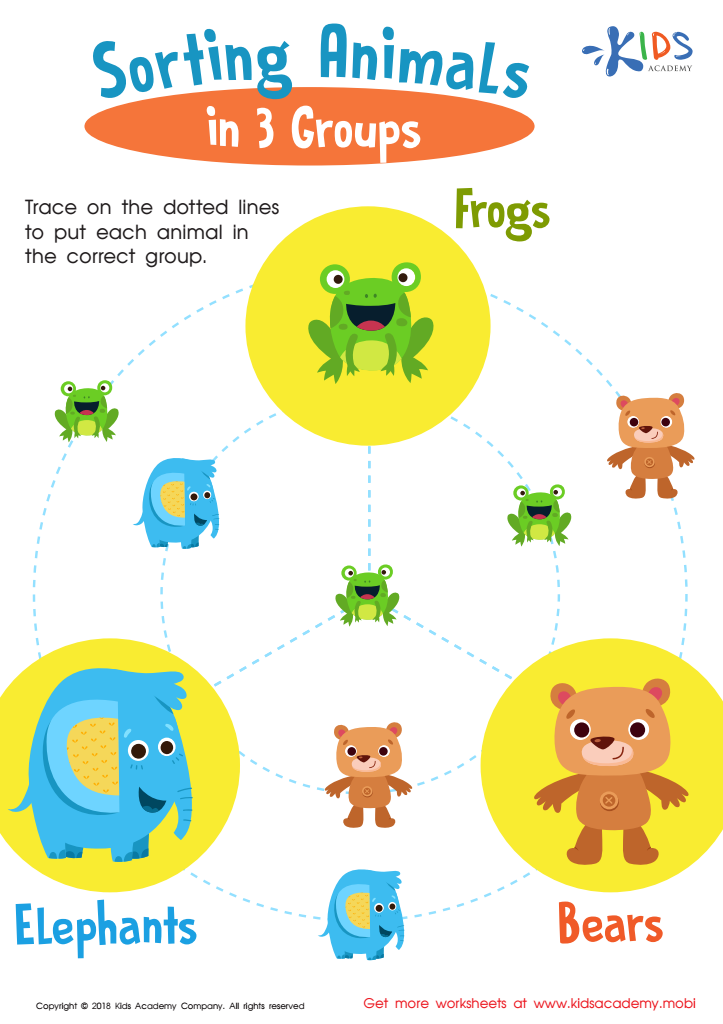
Sorting Animals in 3 Groups Worksheet
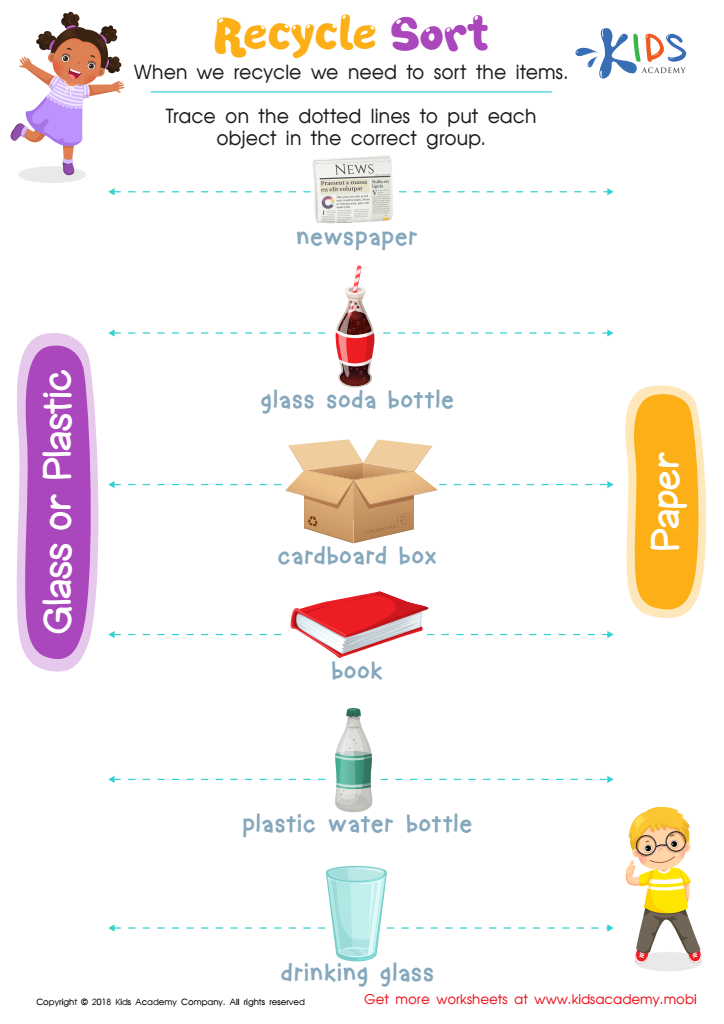
Recycle Sort Worksheet
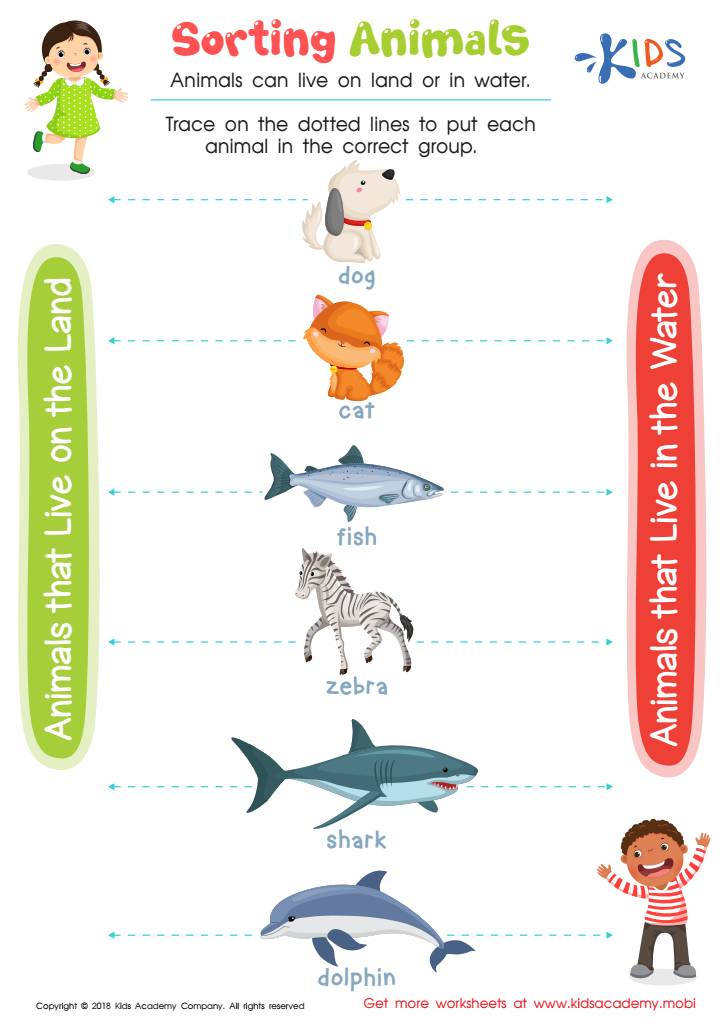
Sorting Animals Worksheet
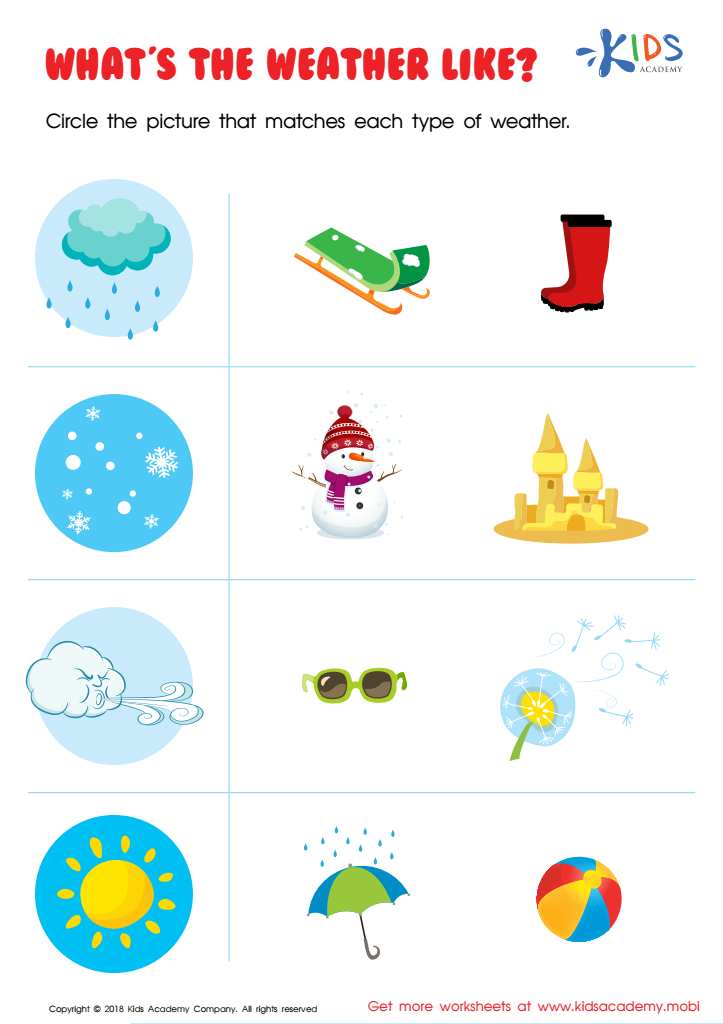
What's the Weather Like? Worksheet
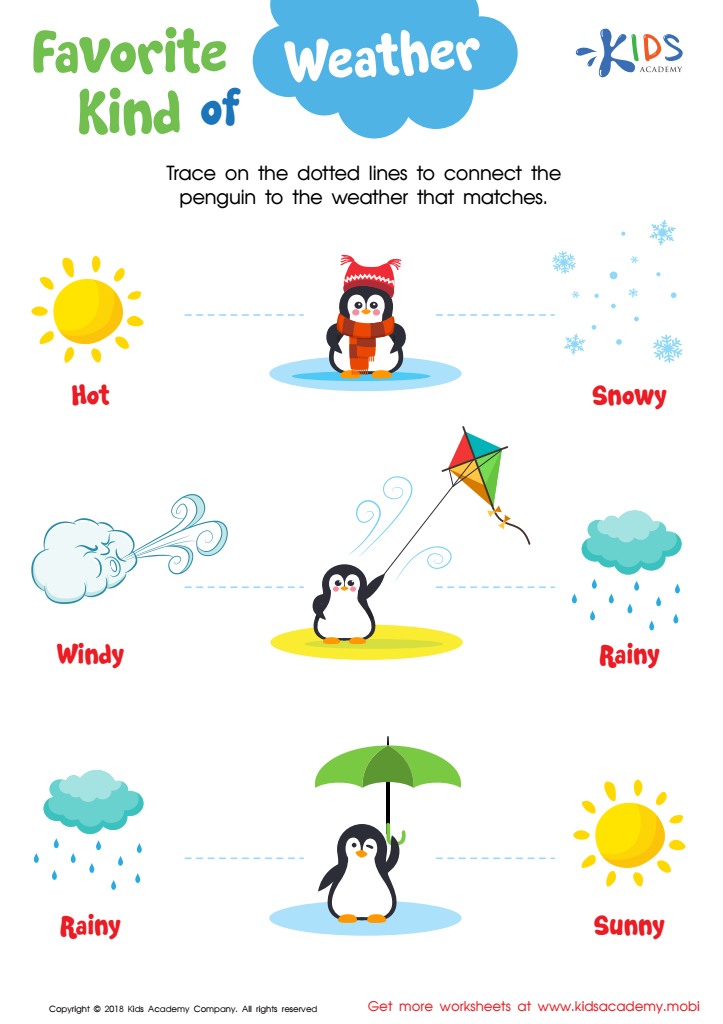
Favorite Kind of Weather Worksheet
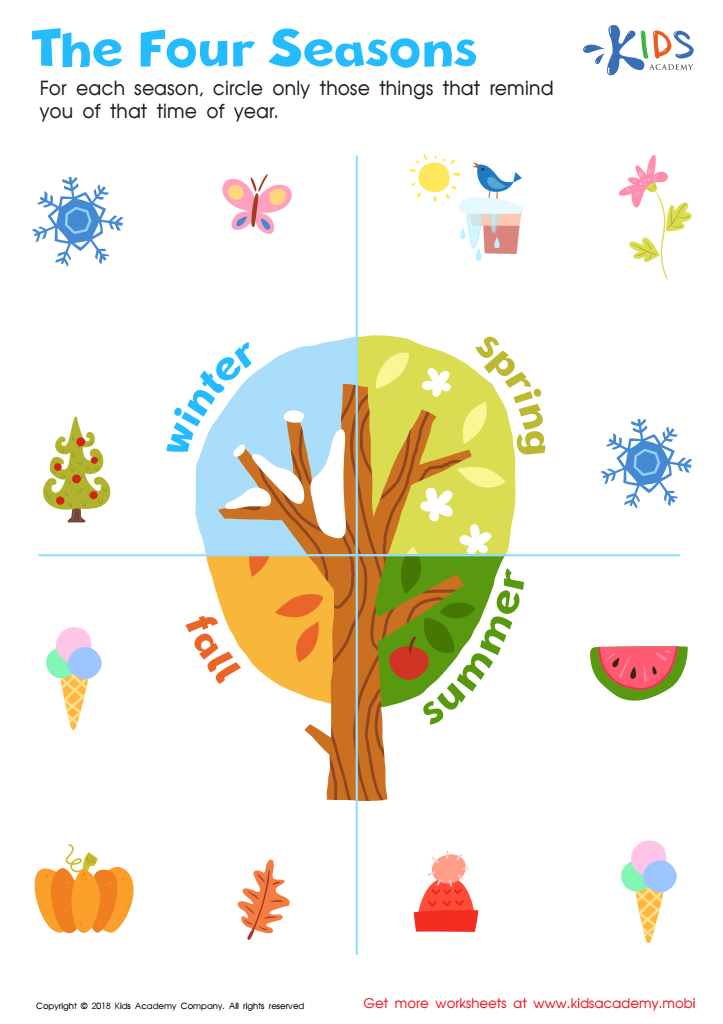
The Four Seasons Worksheet
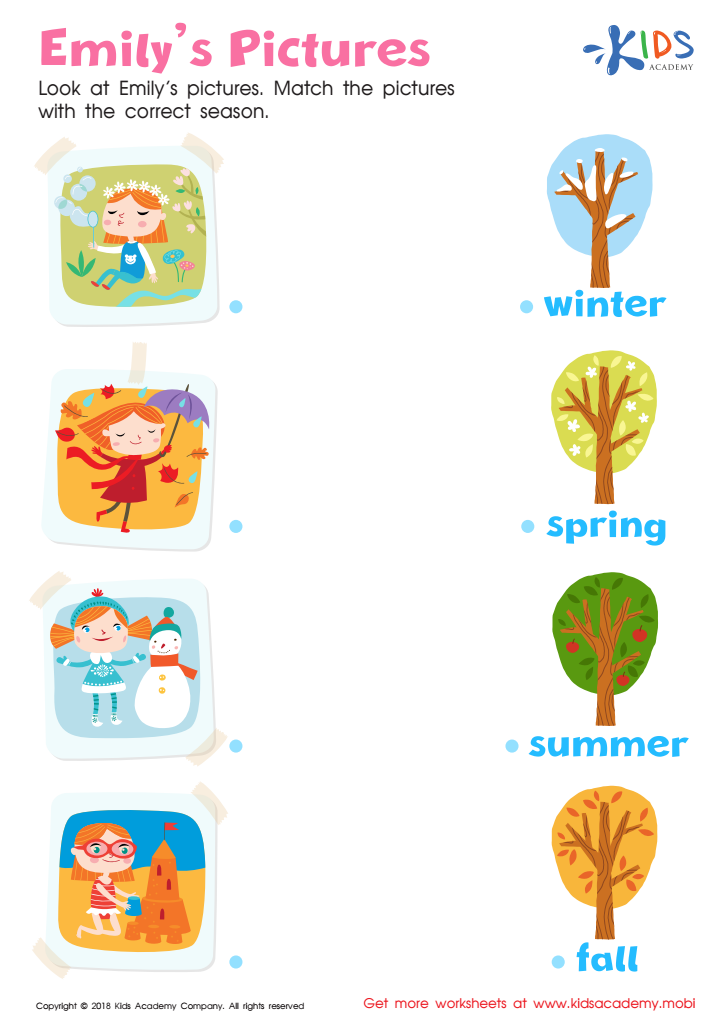
Emily's Pictures Worksheet
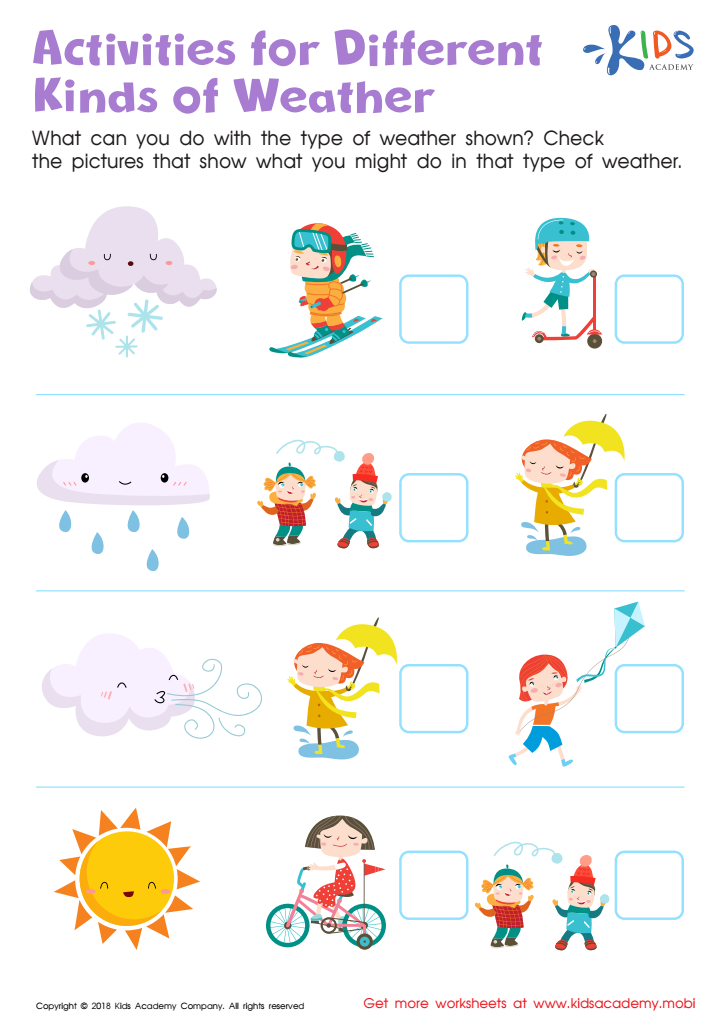
Activities for Different Kinds of Weather Worksheet
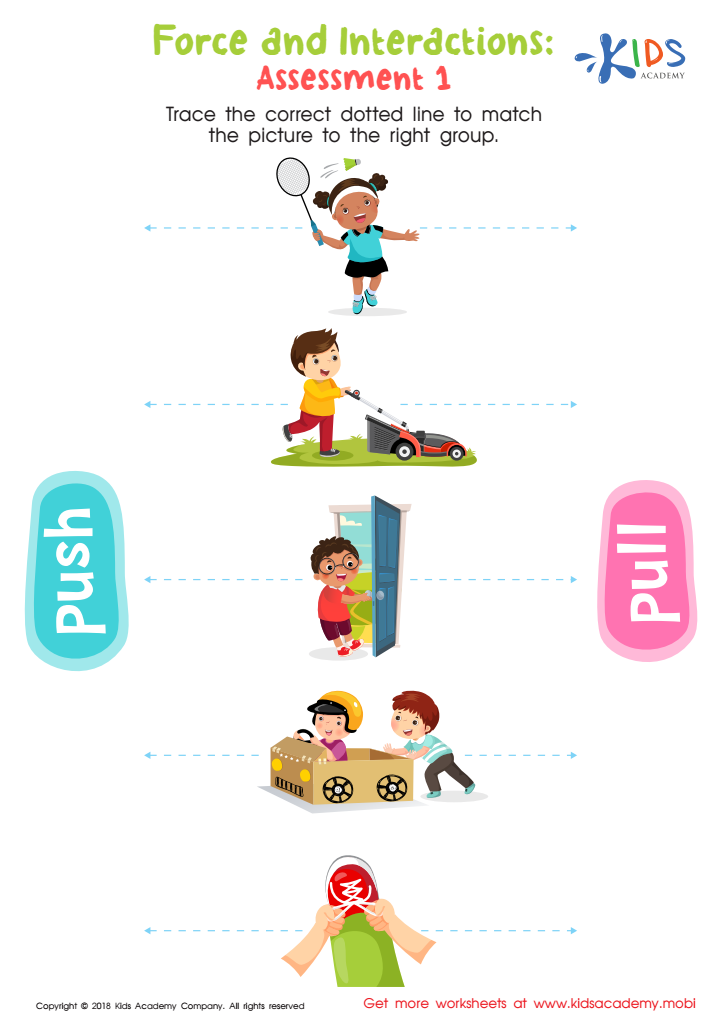
Force and Interactions: Assessment 2 Worksheet
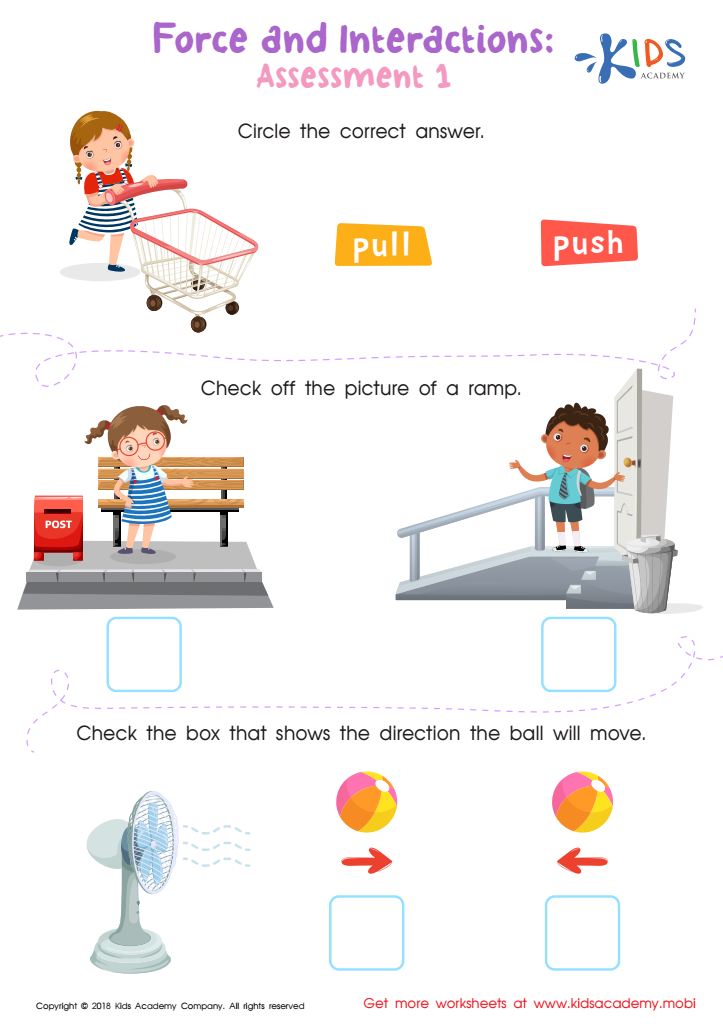
Force and Interactions: Assessment 1 Worksheet
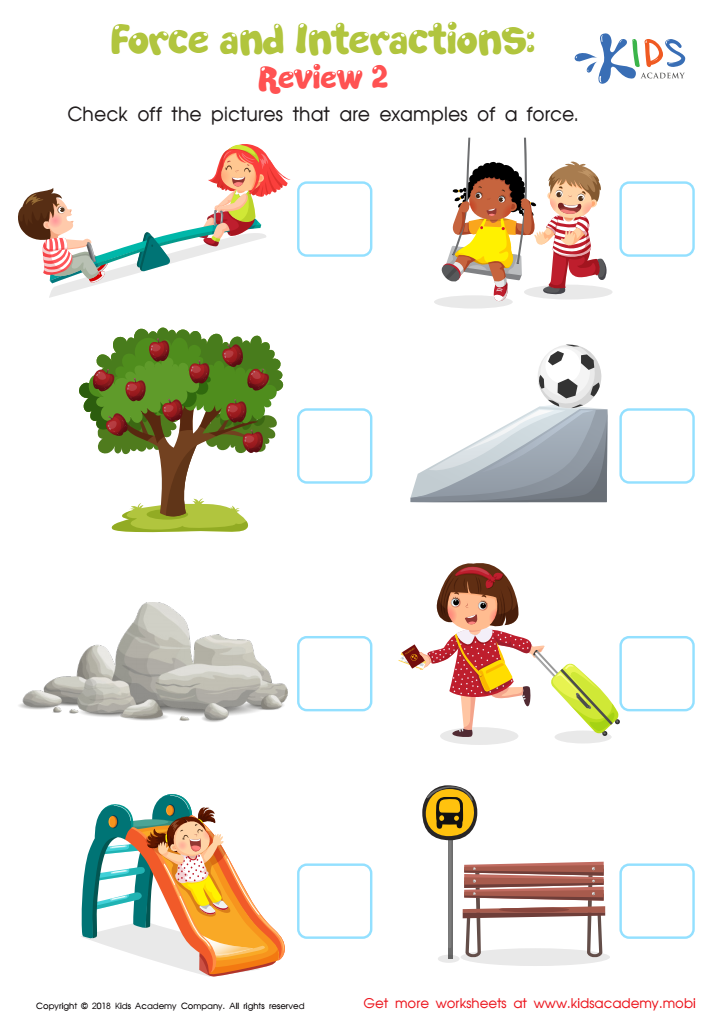
Force and Interactions: Review 2 Worksheet
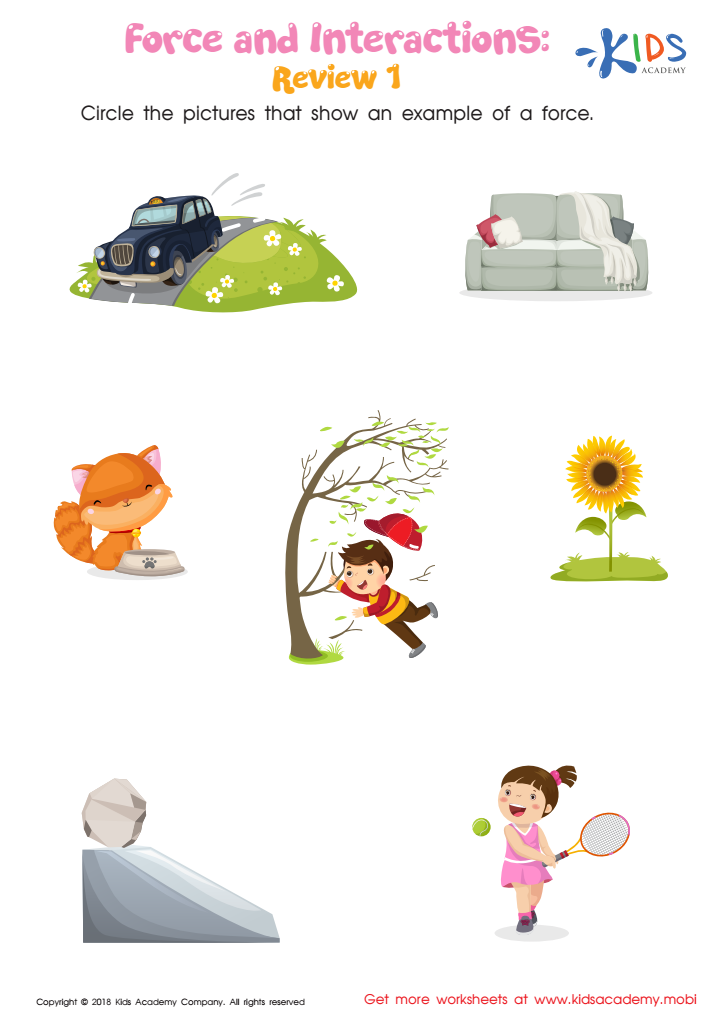
Force and Interactions: Review 1 Worksheet
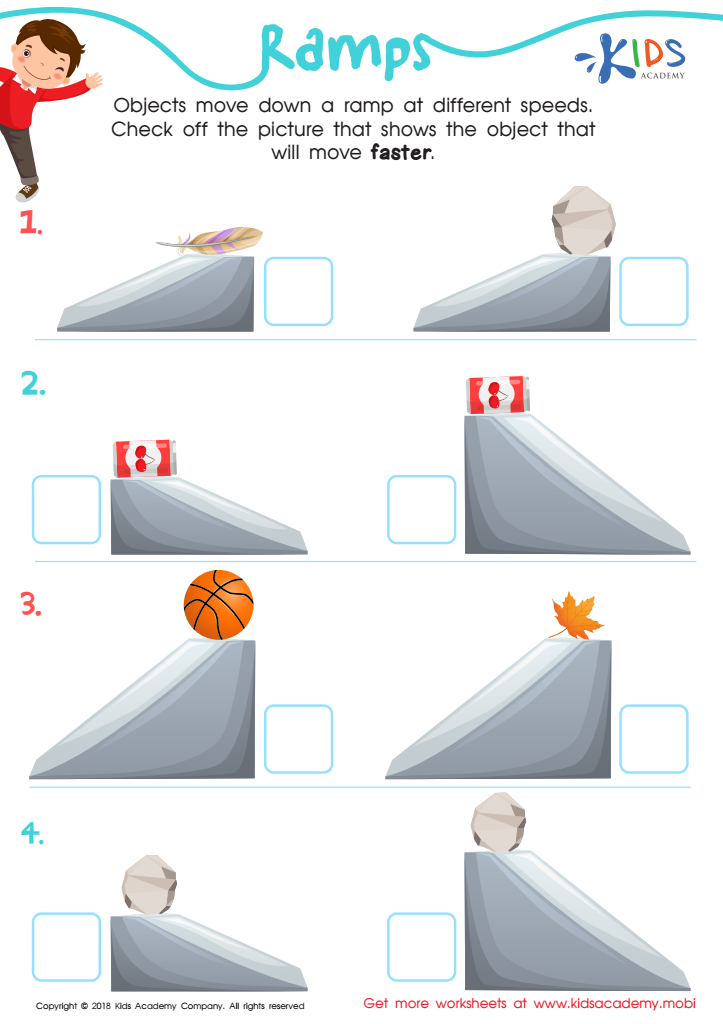
Ramps Worksheet
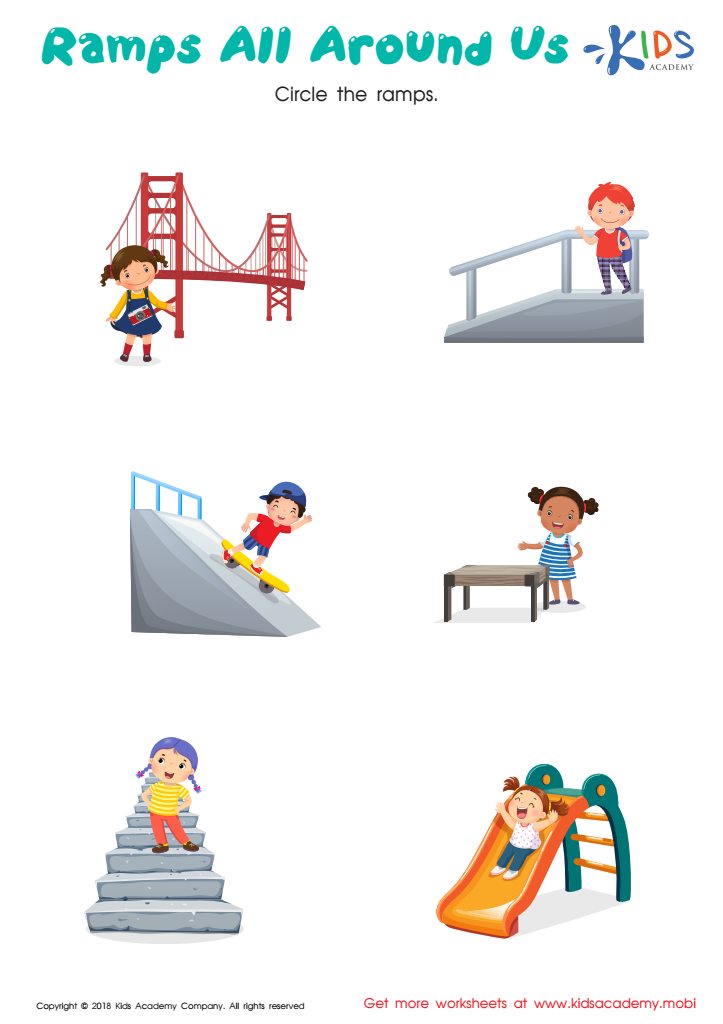
Ramps All Around us Worksheet
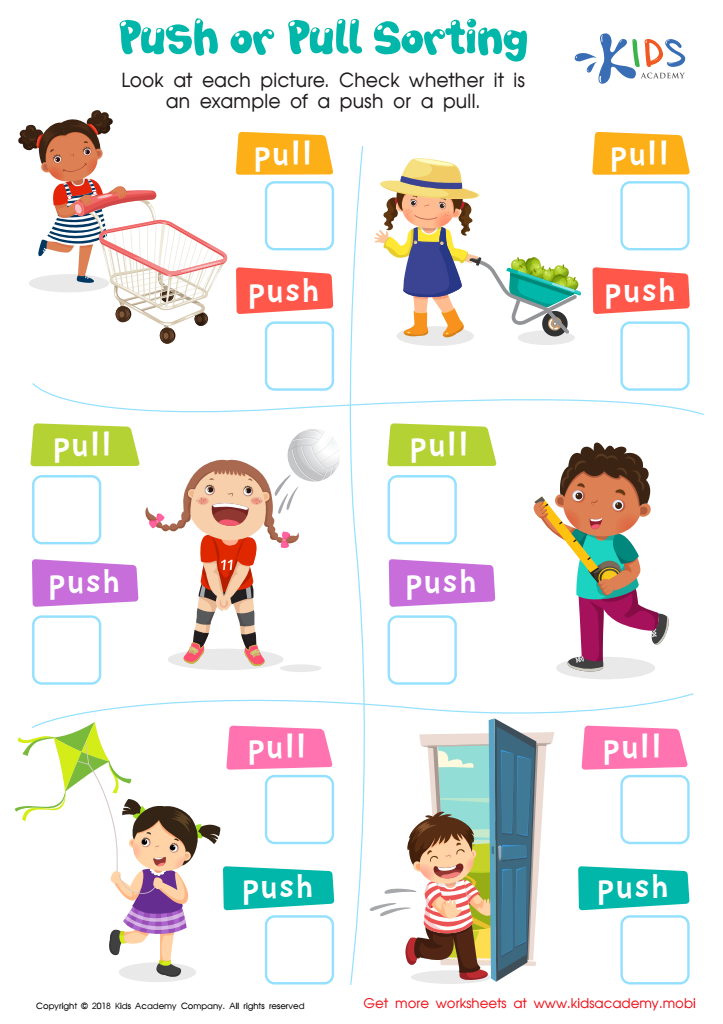
Push or Pull Sorting Worksheet
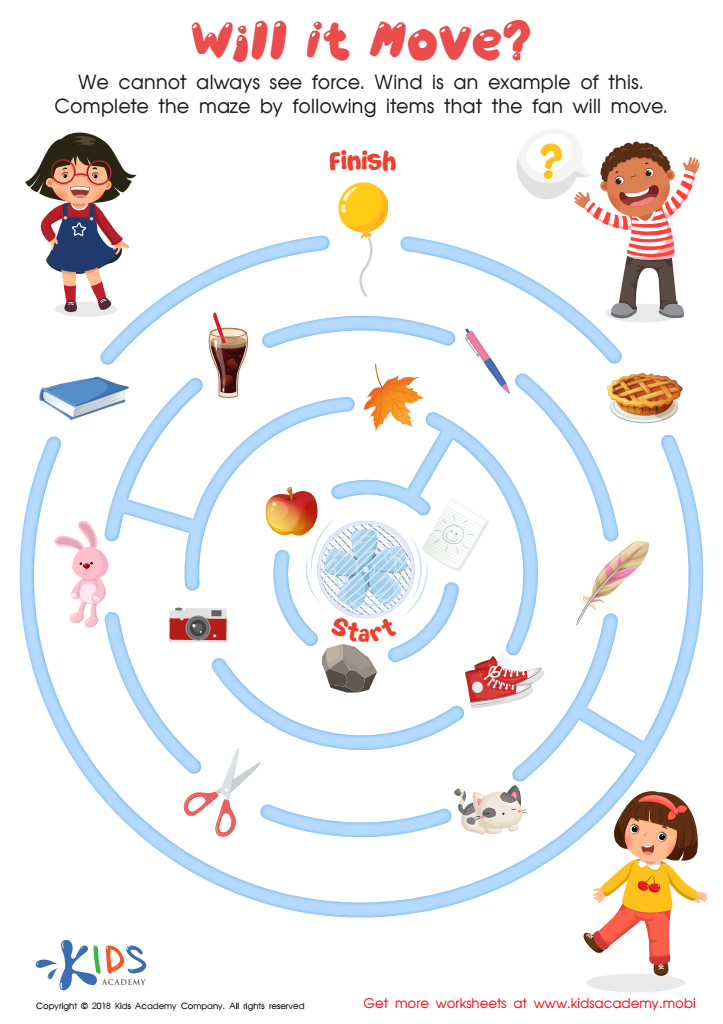
Will it Move? Worksheet





%20(1).jpg)


Science for ages 3-6 is crucial for several reasons. It ignites curiosity, often inherent in early learners, and fosters a spirit of inquiry that prompts questions about the world around them. At this age, children are naturally exploratory; engaging them with basic scientific concepts—through observation, hands-on experiments, and play—encourages critical thinking and problem-solving skills essential for lifelong learning.
Moreover, early exposure to science lays a strong foundation for STEM (Science, Technology, Engineering, and Mathematics) education. As technology and science continue to shape our future, building familiarity with these subjects helps children develop proficiency and comfort as they progress through their education. Science education during these formative years promotes creativity and imagination, allowing children to hypothesize, experiment, and discover, which enhances their cognitive, social, and emotional skills.
Engaging young learners in science also encourages teamwork and communication as they may work together in groups during experiments. Finally, a passion for science nurtured early can lead to increased interest in scientific fields later in life, creating future innovators and problem solvers who will contribute positively to society. For parents and teachers, fostering a love for science in young children is an investment in their holistic development and future success.







