Vowels and Consonants Worksheets for Ages 3-8 - Page 2
29 filtered results
-
From - To
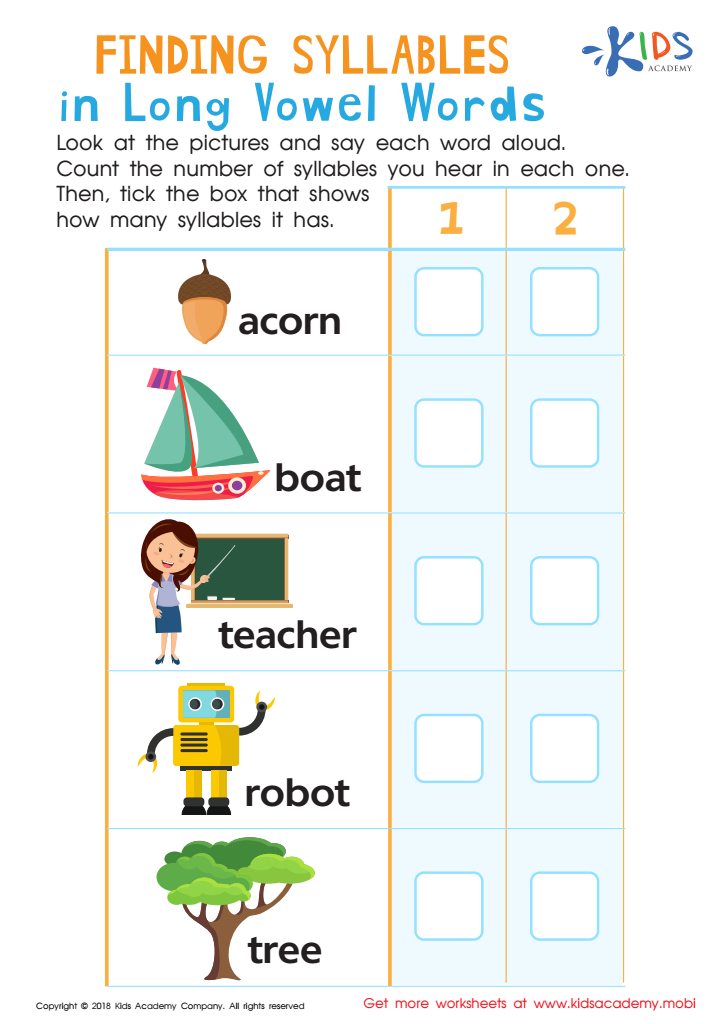
Finding Syllables in Long Vowel Words Worksheet
 Assign to My Students
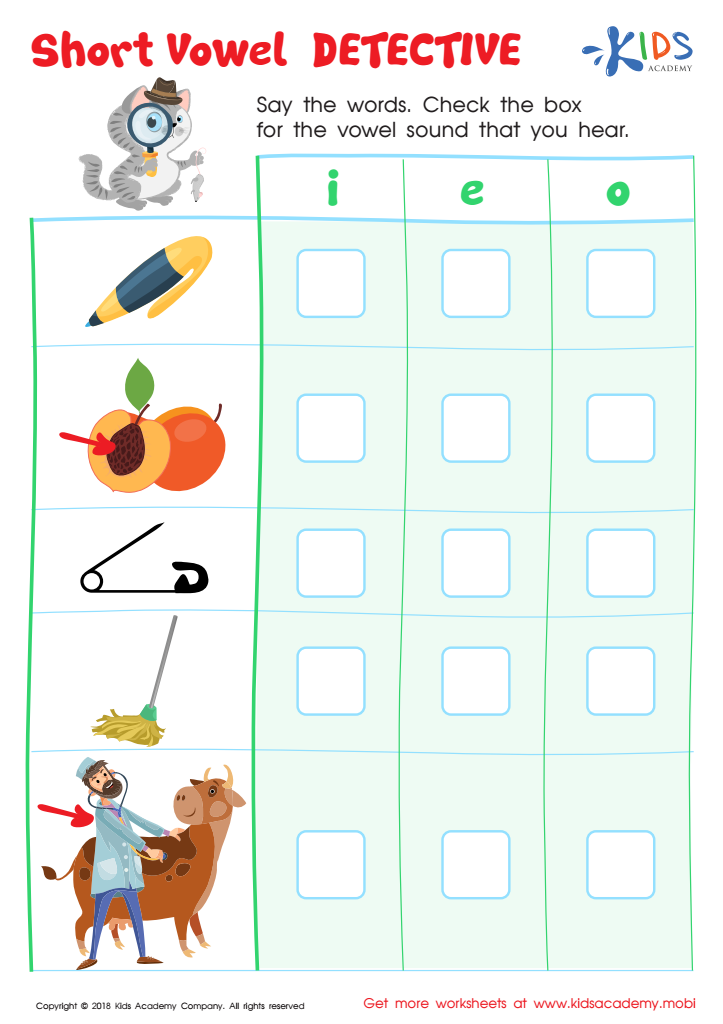
Short Vowel Detective Worksheet
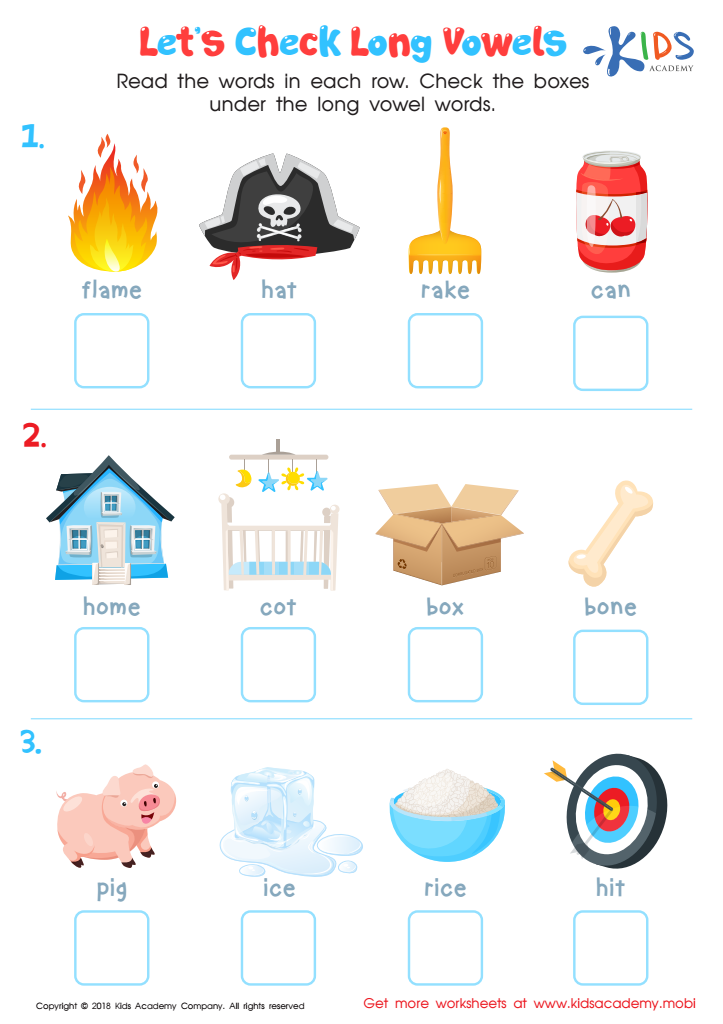
Let's Check Long Vowels: Assessment Worksheet
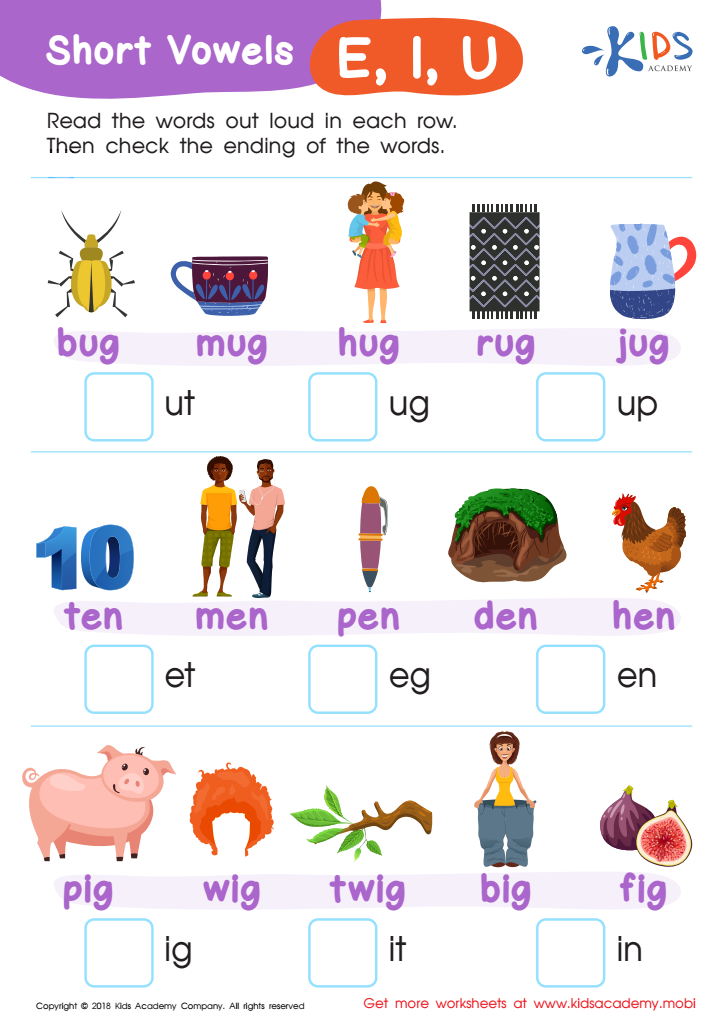
Short Vowels /e/, /i/, and /u/ Worksheet
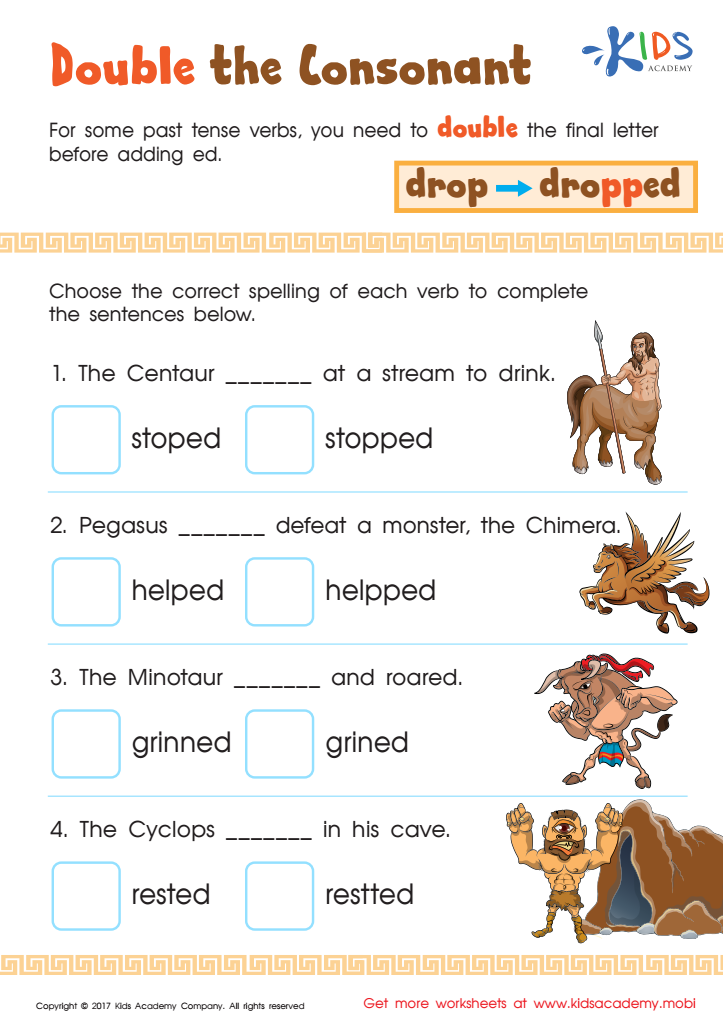
Double Consonant Spelling Worksheet



Understanding vowels and consonants is fundamental for children's early reading and language acquisition, making it crucial for parents and teachers to prioritize this learning. For ages 3-8, these components serve as the building blocks of phonetics and phonemic awareness. Vowels (a, e, i, o, u) are the heart of syllables, impacting how words sound, whereas consonants provide structure and meaning.
By focusing on vowels and consonants, educators and parents can help children develop essential decoding skills necessary for reading. Recognizing these sounds enables children to blend them into words, promoting fluency and comprehension. Additionally, early phonetic skills foster confidence, encourage a love for reading, and enhance vocabulary development.
Learning about vowels and consonants also supports writing skills. Children who are familiar with these concepts can begin to spell and construct sentences earlier, creating a strong foundation for their literacy journey.
Moreover, engaging with vowels and consonants encourages auditory discrimination and aids in effective communication, crucial for social interactions. Consequently, instilling an early understanding of these sounds can influence academic success and enrich a child's educational experience. Therefore, concerted efforts from parents and teachers in this area are vital for nurturing confident, skilled learners.







