Vowels and Consonants Worksheets for Ages 3-9 - Page 2
29 filtered results
-
From - To
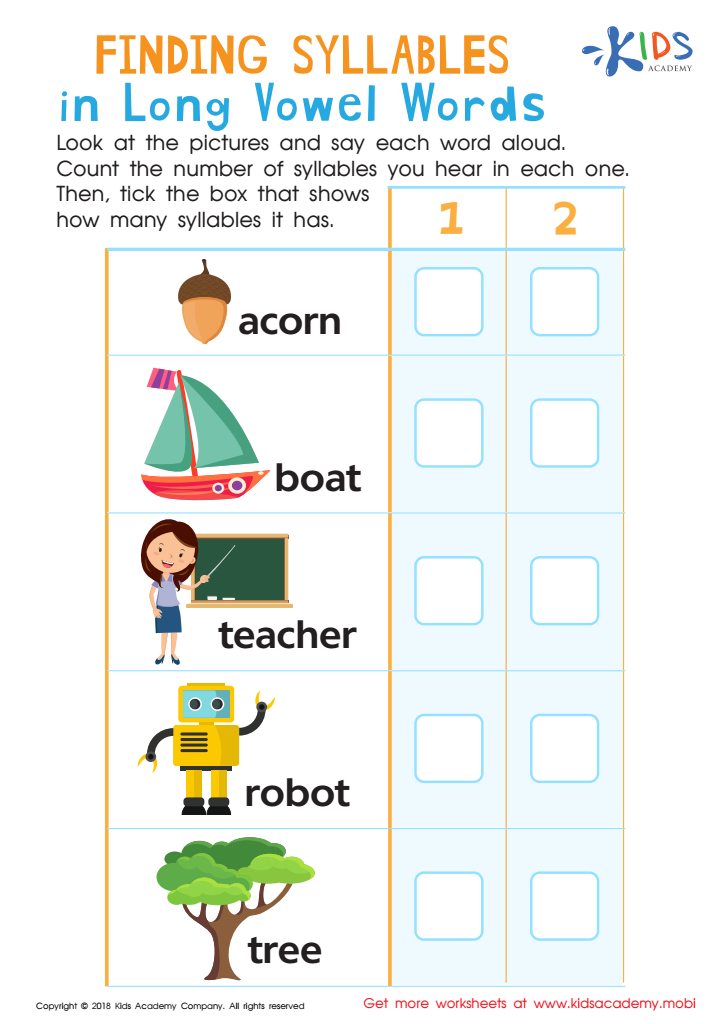
Finding Syllables in Long Vowel Words Worksheet
 Assign to My Students
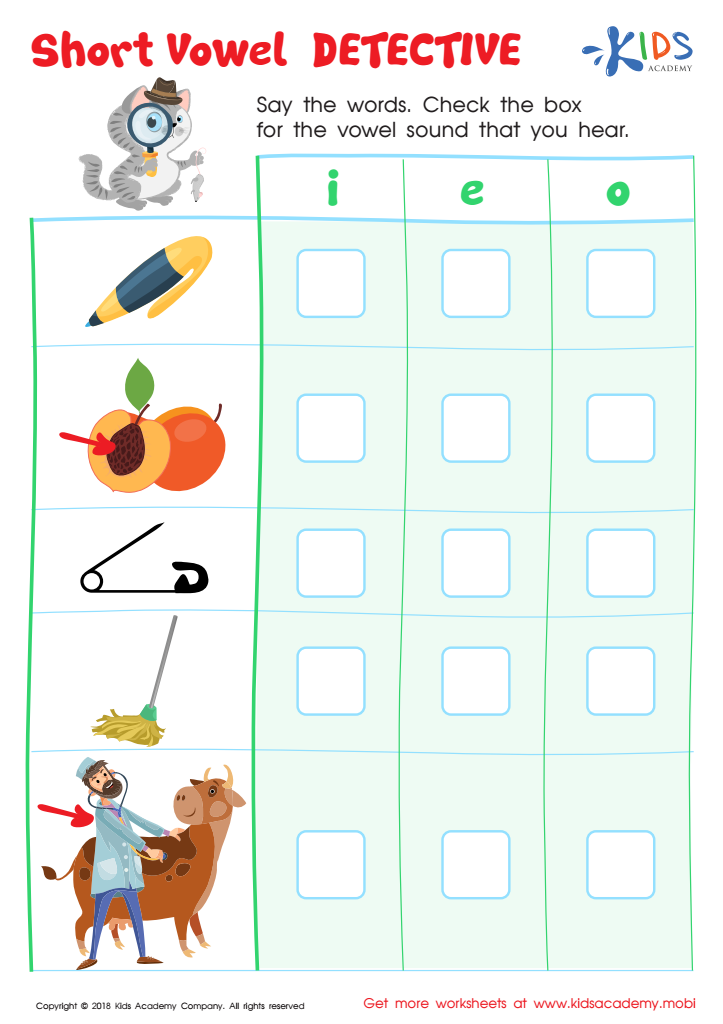
Short Vowel Detective Worksheet
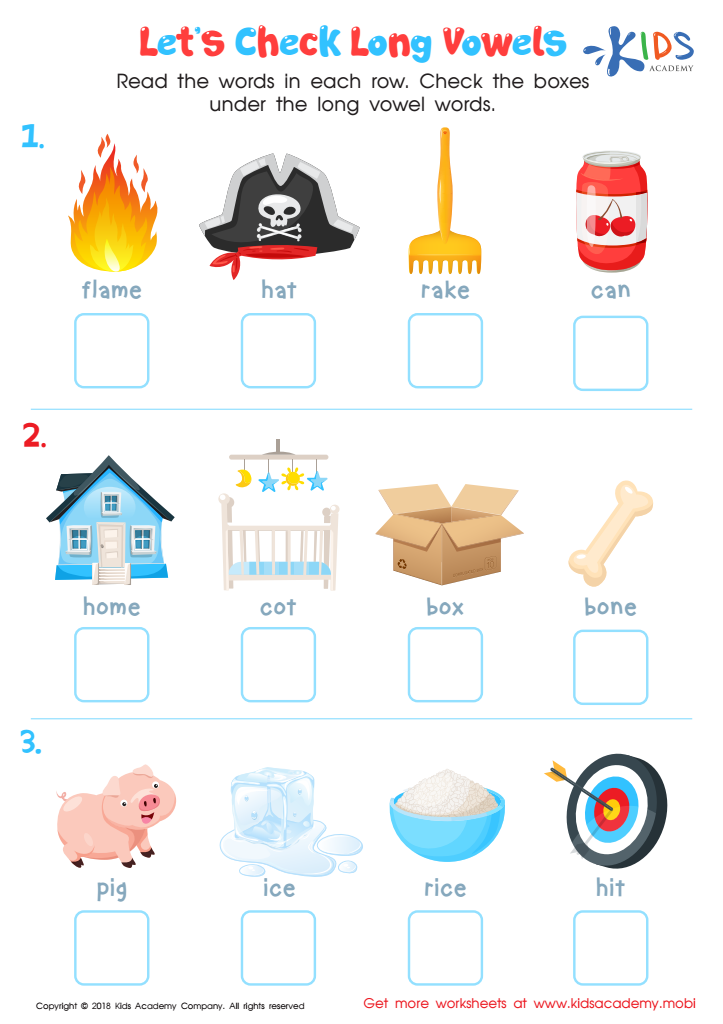
Let's Check Long Vowels: Assessment Worksheet
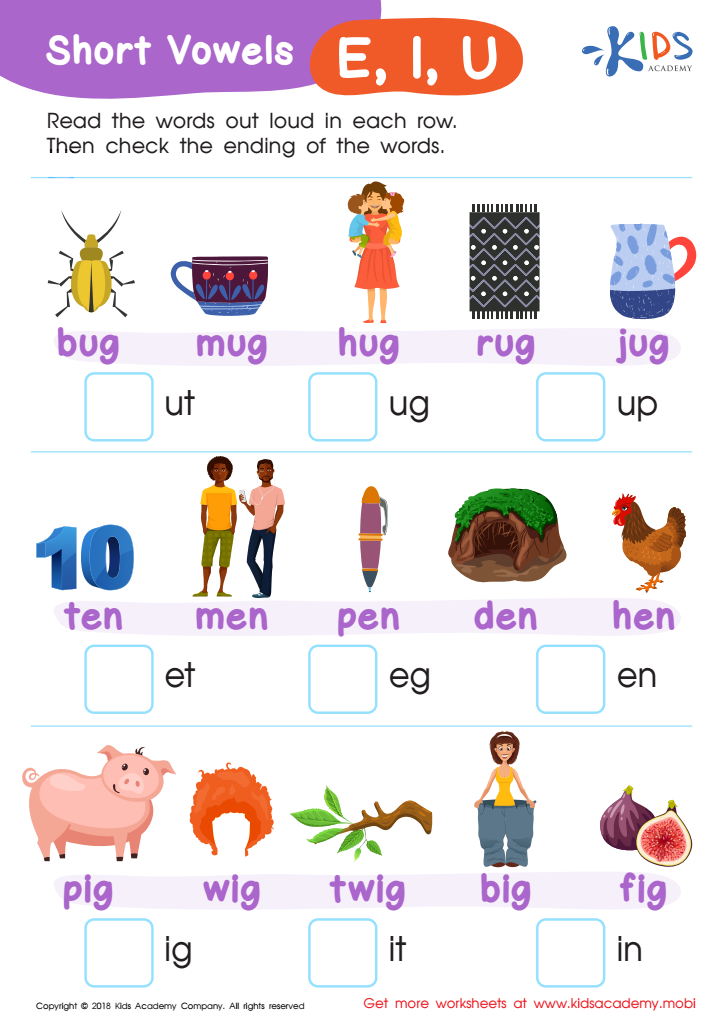
Short Vowels /e/, /i/, and /u/ Worksheet
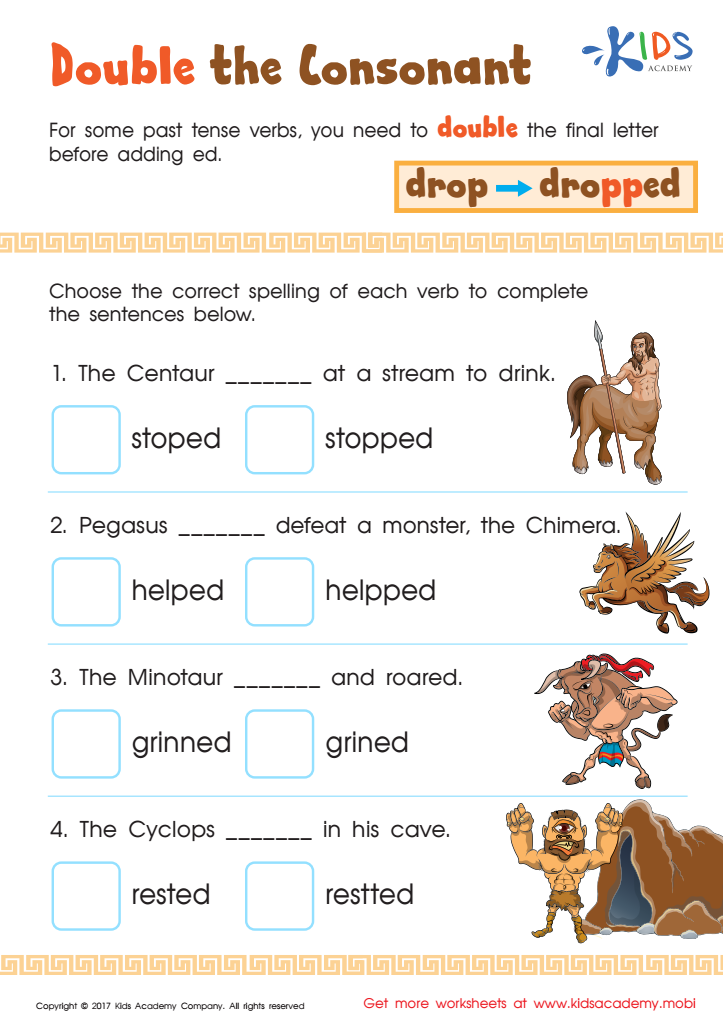
Double Consonant Spelling Worksheet



Vowels and consonants are fundamental components of language, and understanding them is crucial for young learners aged 3-9, as they form the building blocks of reading and writing. For parents and teachers, promoting awareness of these phonetic elements fosters critical literacy skills. Vowels (A, E, I, O, U) are essential for creating syllables and words, while consonants provide structure and help differentiate words. Recognizing the distinction between the two supports children in developing phonemic awareness, a key predictor of reading success.
When children grasp the roles of vowels and consonants, they become more effective in phonics, leading to improved decoding and encoding skills in reading and writing. This knowledge not only enhances spelling abilities, but also builds a stronger vocabulary over time. Furthermore, engaging the young learners in playful activities, such as rhyming games or letter recognition, cultivates language curiosity and makes learning enjoyable.
Overall, understanding vowels and consonants should be a priority for parents and teachers as it lays a strong foundation for literacy development, fostering critical thinking and communication skills crucial for the child's academic journey and beyond. By nurturing these skills early, we empower children to express themselves confidently and fluently in language.