Sorting Worksheets for Ages 3-9 - Page 2
27 filtered results
-
From - To
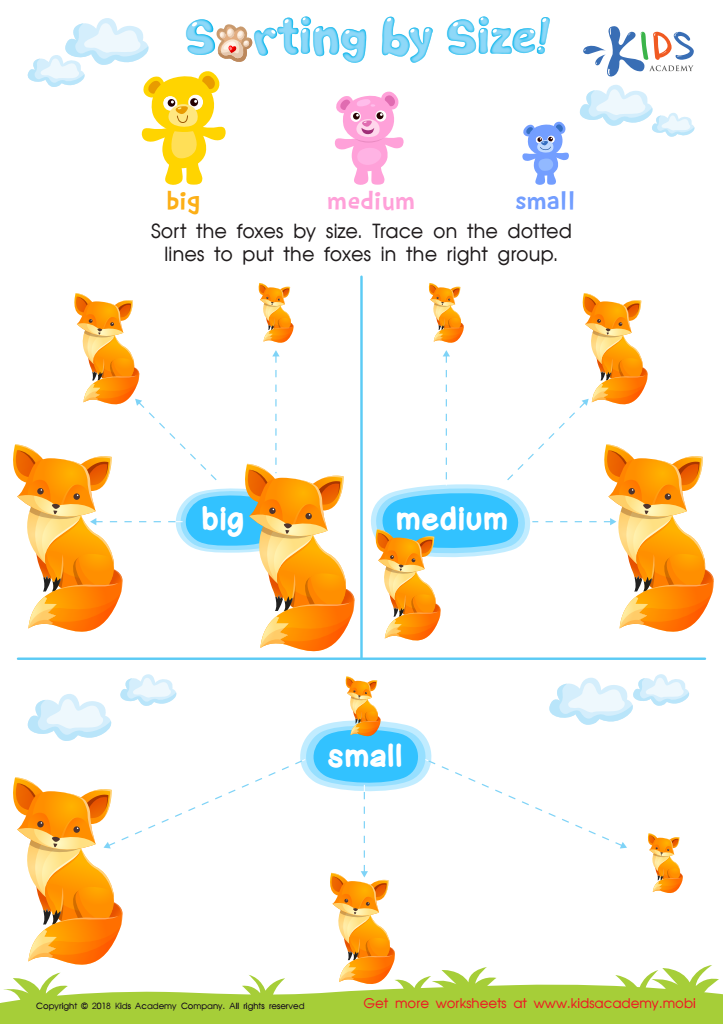
Sorting by Size Worksheet
 Assign to My Students
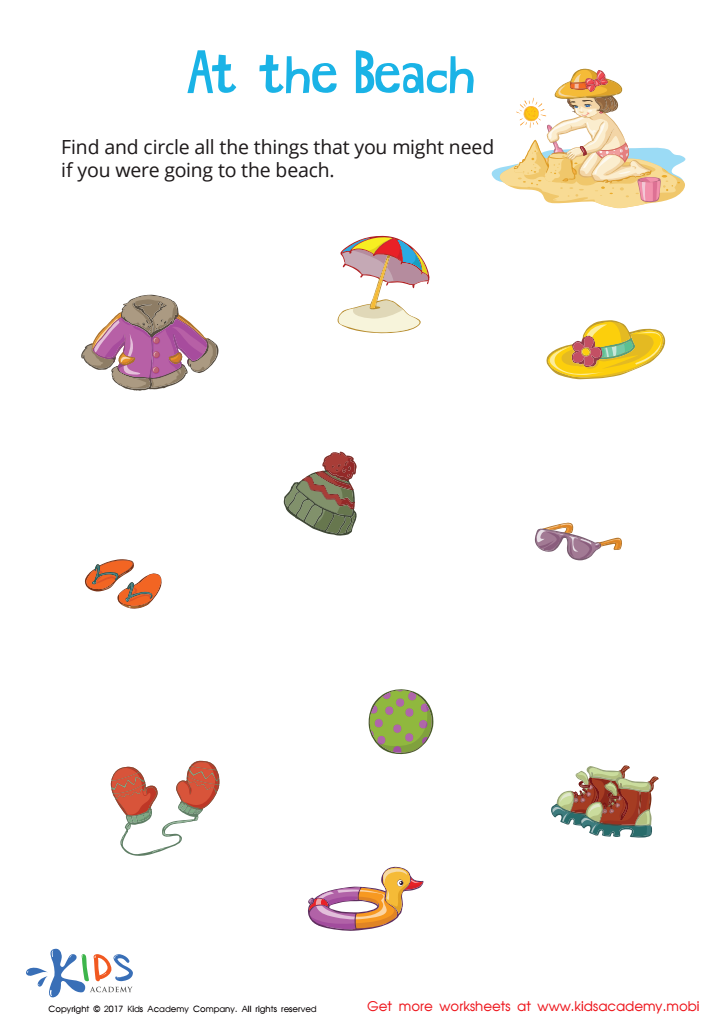
At the Beach Sorting Worksheet







Sorting is a fundamental cognitive skill that plays a crucial role in early childhood development, particularly for children ages 3-9. Parents and teachers should prioritize sorting activities because they foster critical thinking, mathematics, and cognitive flexibility. Sorting helps children recognize patterns and categorize objects based on attributes such as color, size, and shape. This not only enhances their problem-solving abilities but also lays a foundational understanding of mathematical concepts, like classification and grouping.
Engaging in sorting activities promotes language development as children articulate their reasoning—discussing why certain items belong in specific categories. It also encourages social skills when children collaborate on sorting tasks, enhancing their ability to communicate and work as a team. Additionally, sorting nurtures fine motor skills as young learners handle physical objects.
Furthermore, sorting can be easily integrated into daily life and play. Parents and teachers can use everyday materials, like blocks or toys, to create enjoyable and educational sorting tasks. By prioritizing sorting in early education, adults can help build a set of skills that significantly support academic success and lifelong learning. Ultimately, sorting is not just a fun activity; it’s a stepping stone to deeper understanding and skill acquisition that will benefit children well beyond early years.








