Phonics Skills Phonics Worksheets for Ages 4-7 - Page 2
59 filtered results
-
From - To
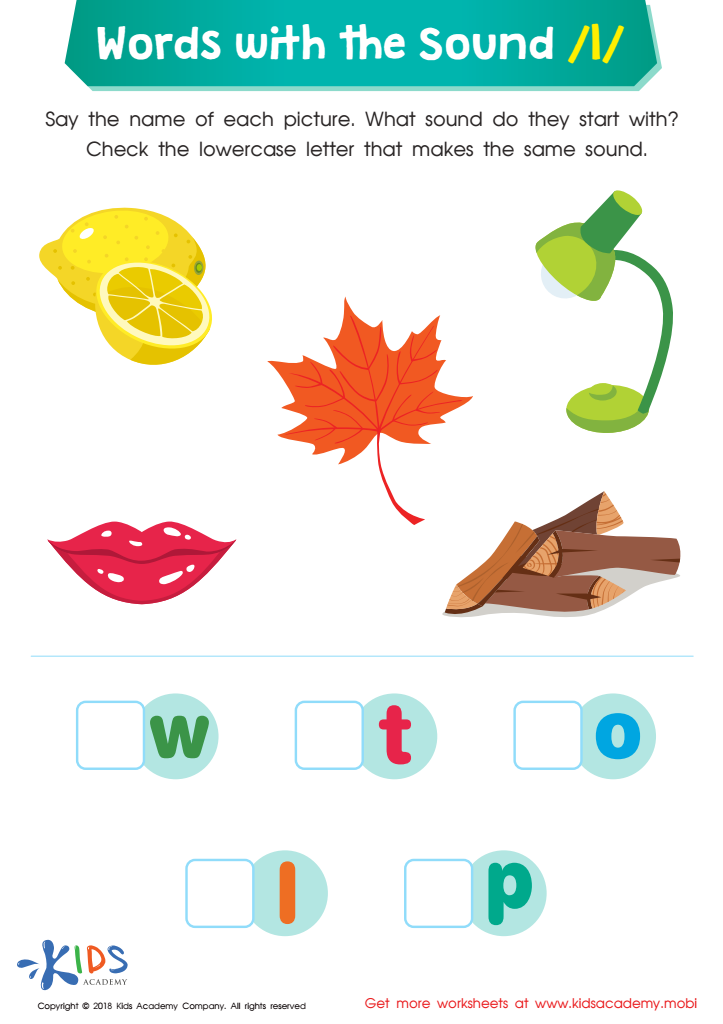
Words with Sound L Reading Worksheet
 Assign to My Students
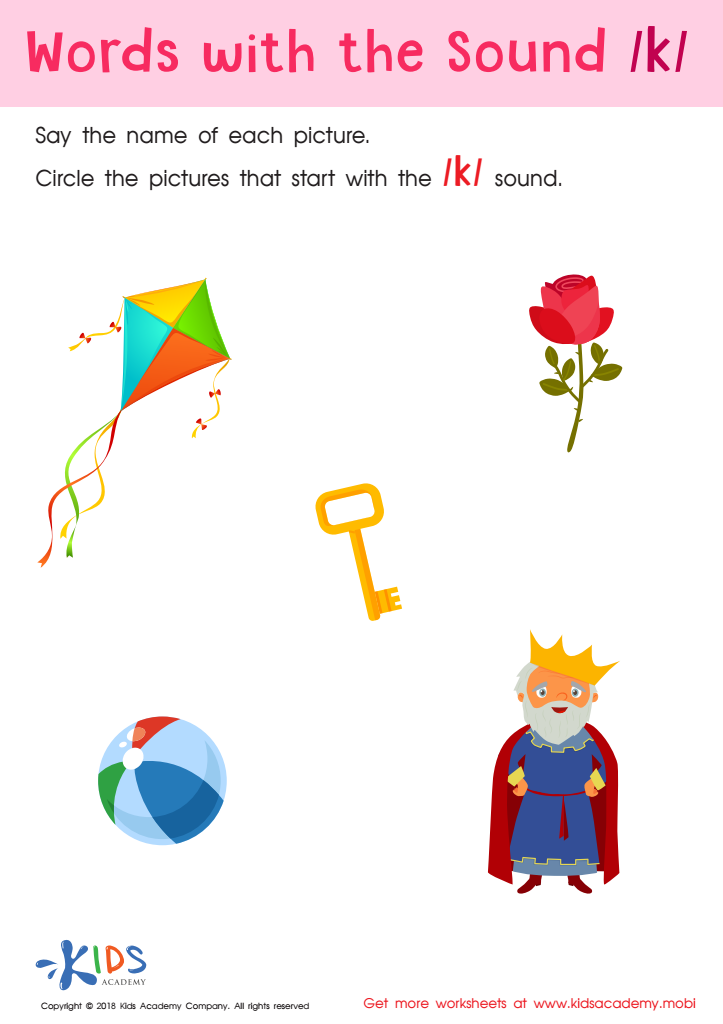
Words with sound k Reading Worksheet
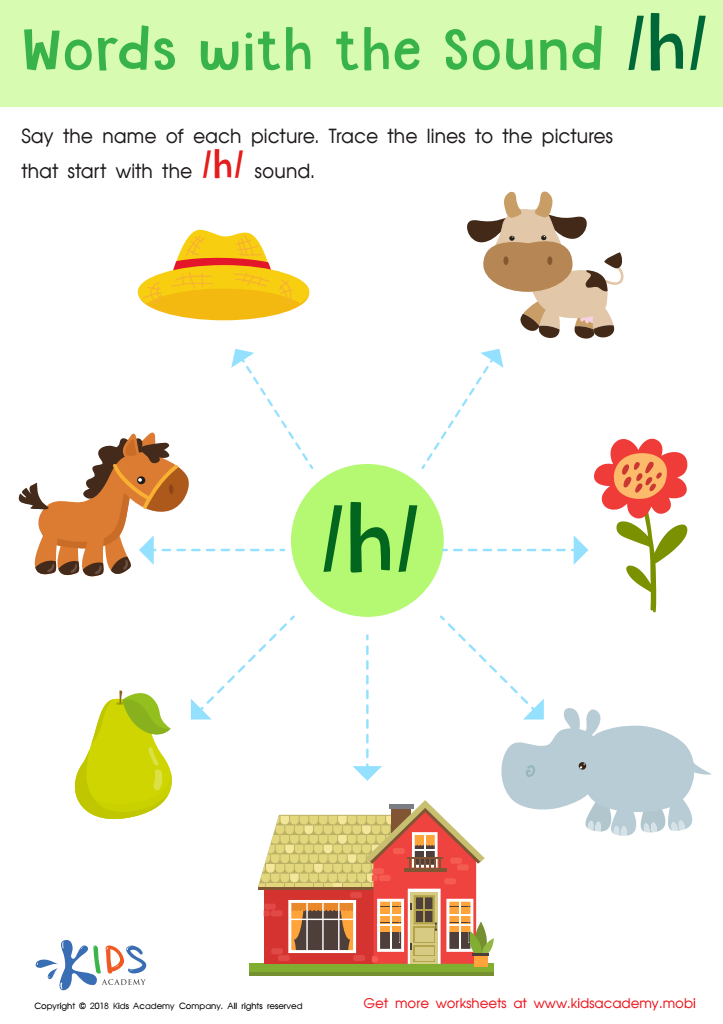
Words with sound h Reading Worksheet
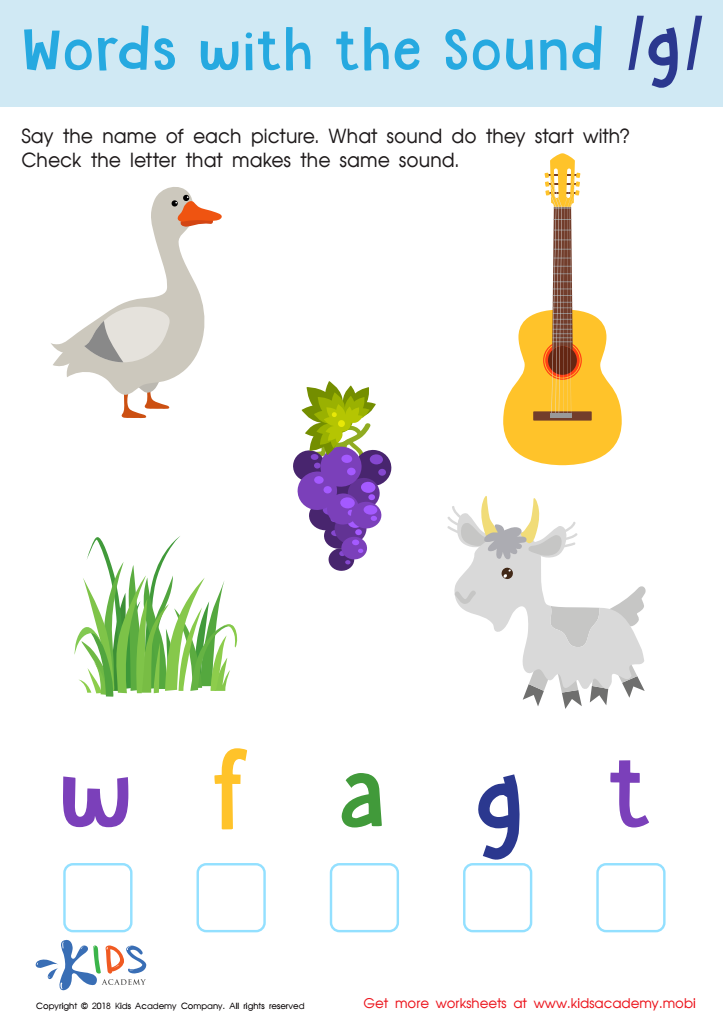
Words with sound g Reading Worksheet
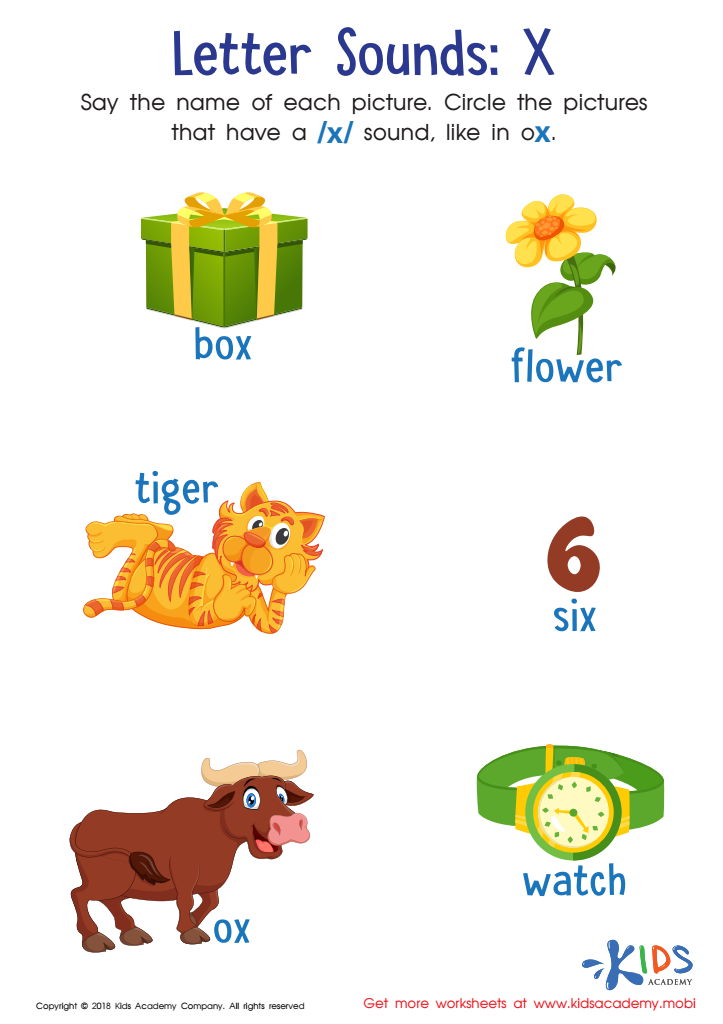
Letter X Sounds Worksheet
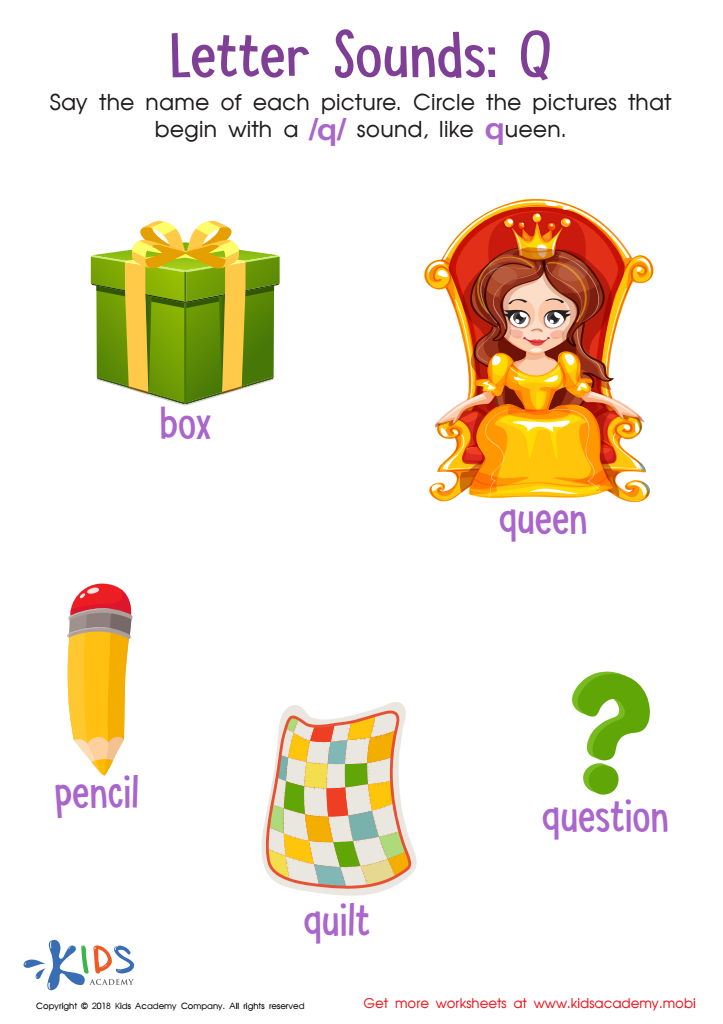
Letter Q Sounds Worksheet
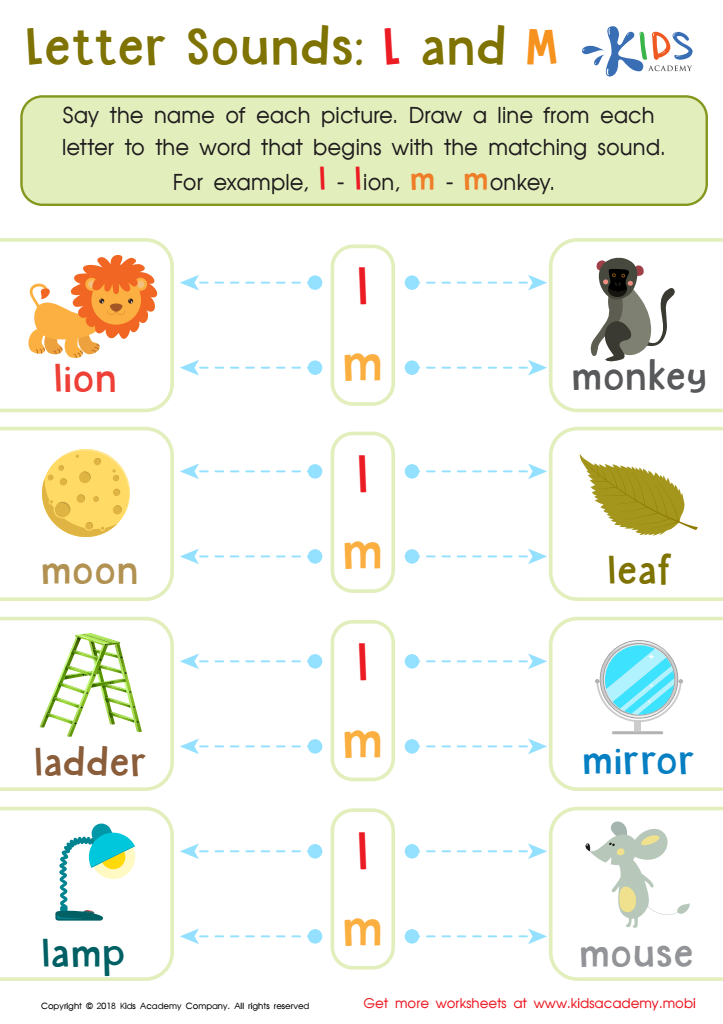
Letter l and M Sounds Worksheet
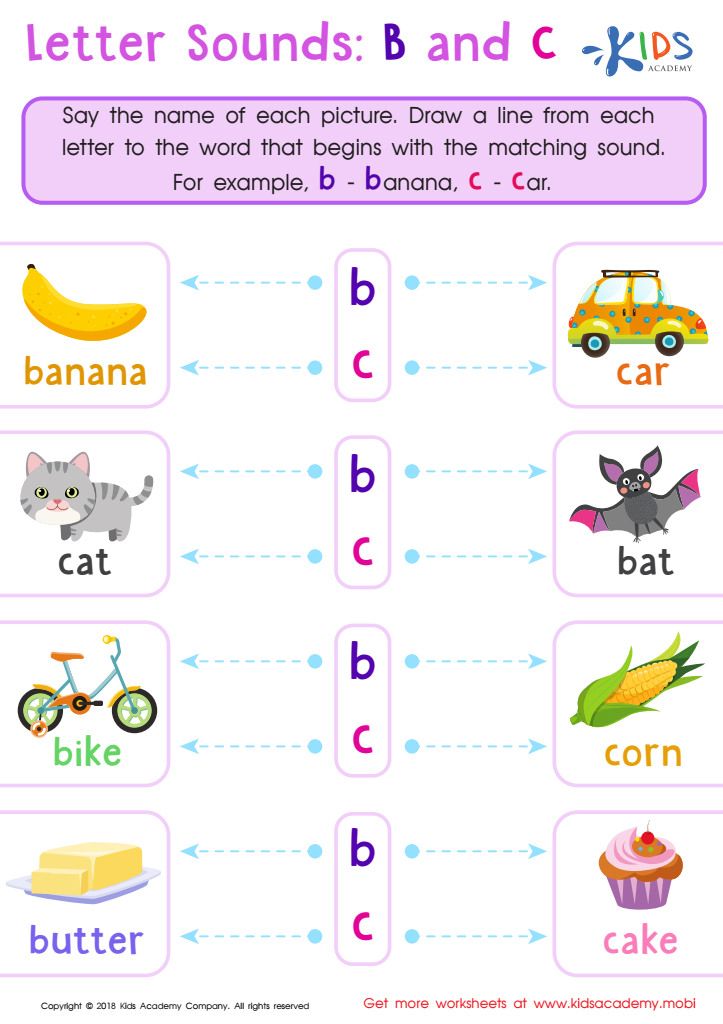
Letter B and C Sounds Worksheet
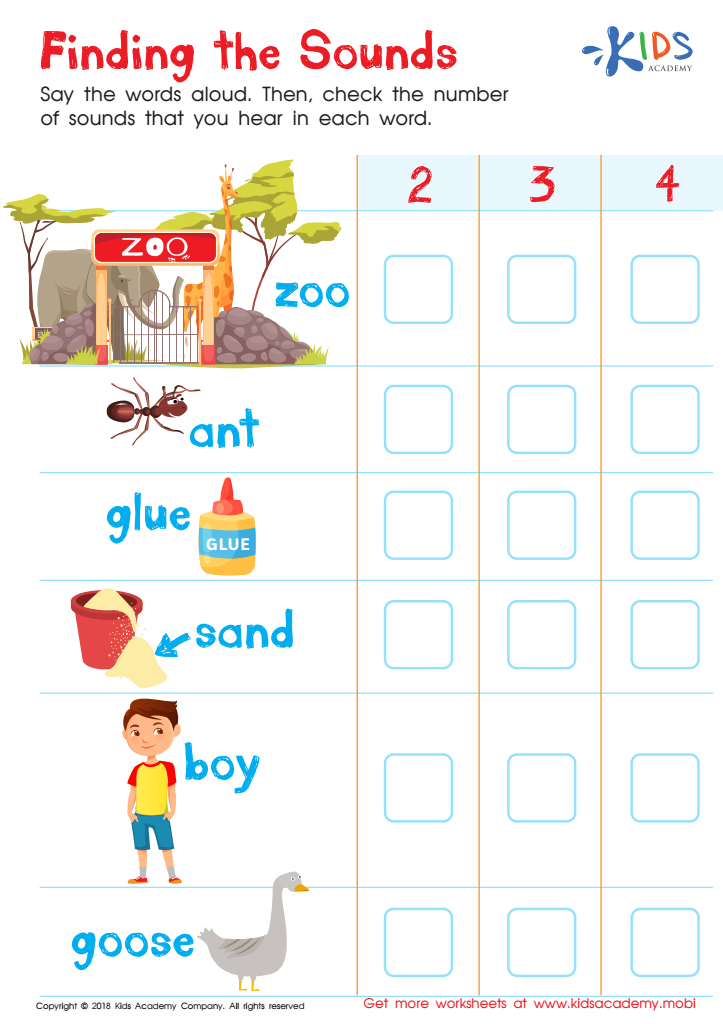
Finding the Sounds Worksheet
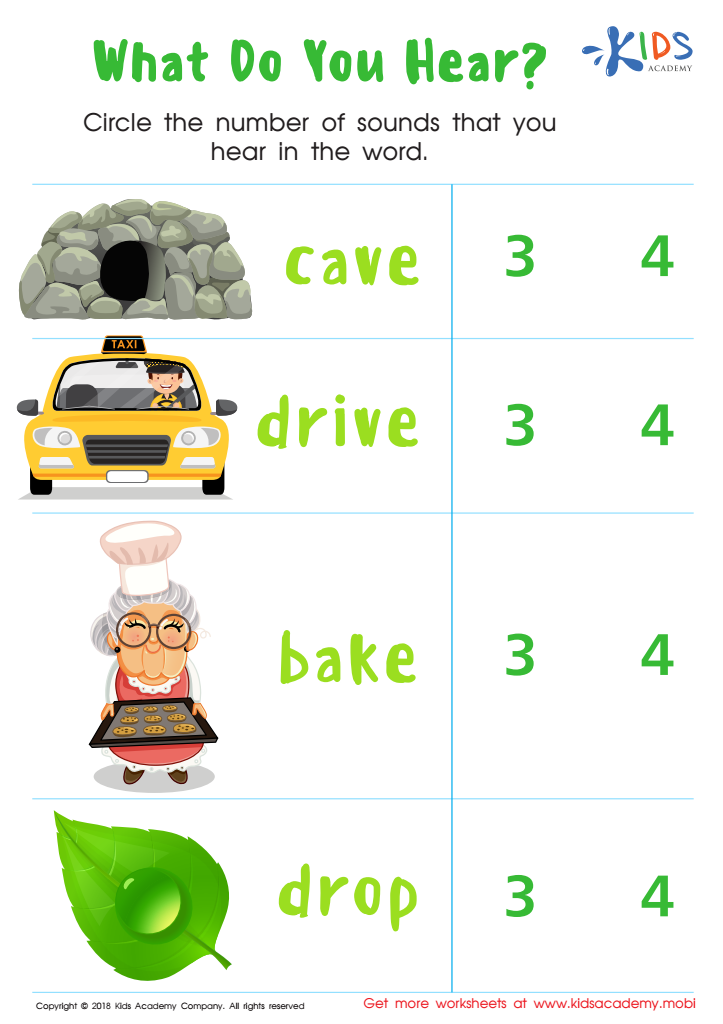
What Do You Hear? Worksheet
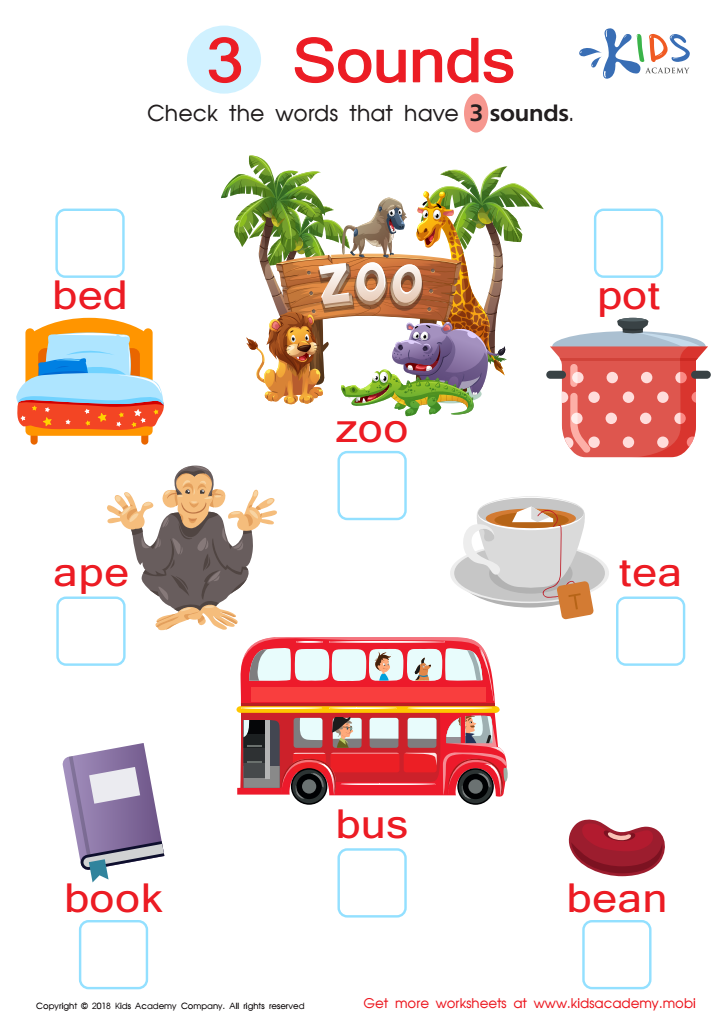
3 Sounds Worksheet
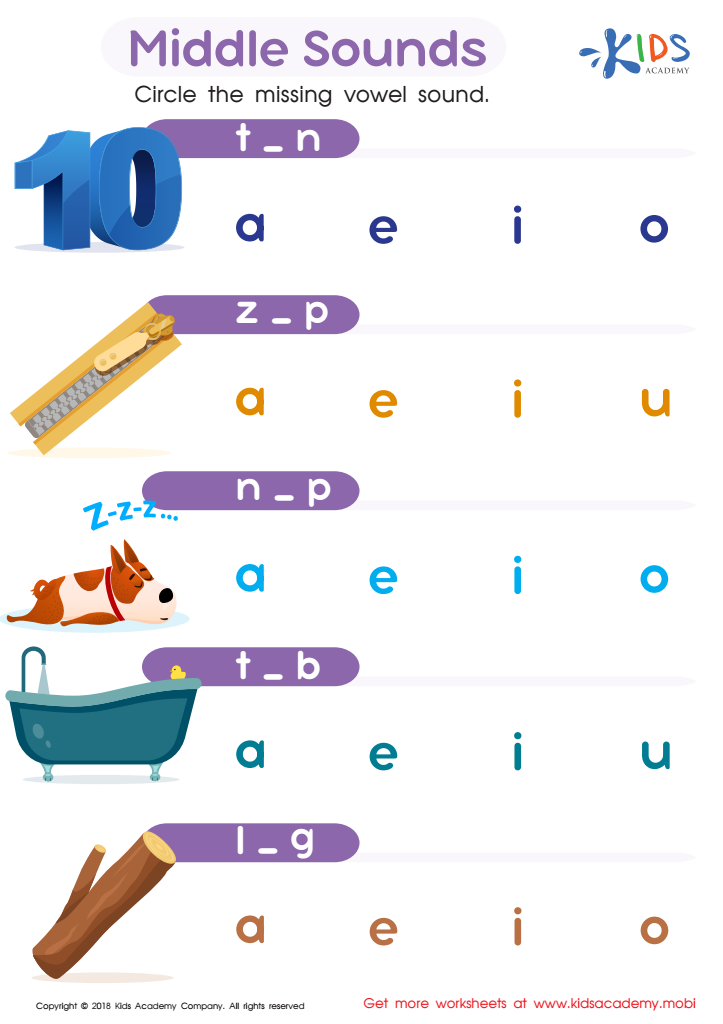
Middle Sounds Worksheet
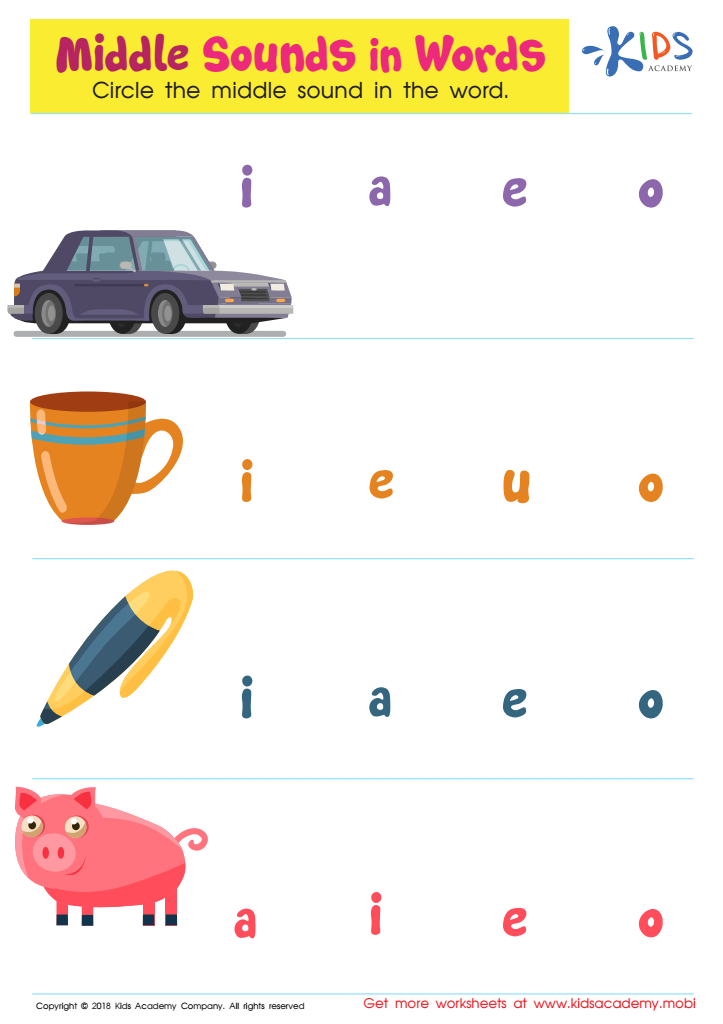
Middle Sounds in Words Worksheet
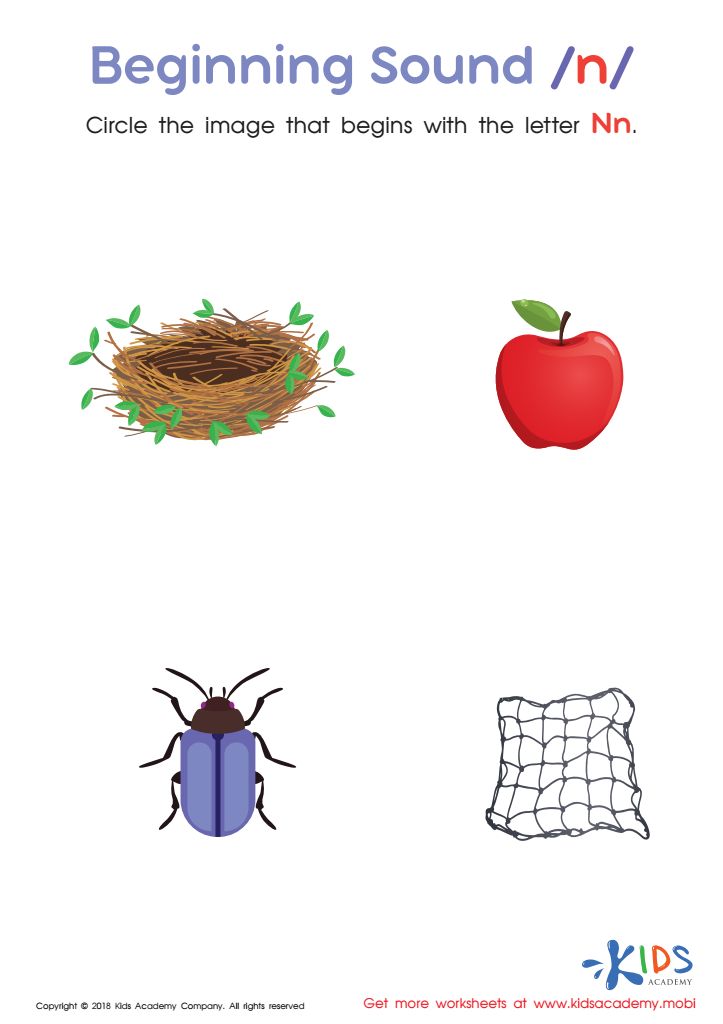
Beginning Sound «n» Worksheet
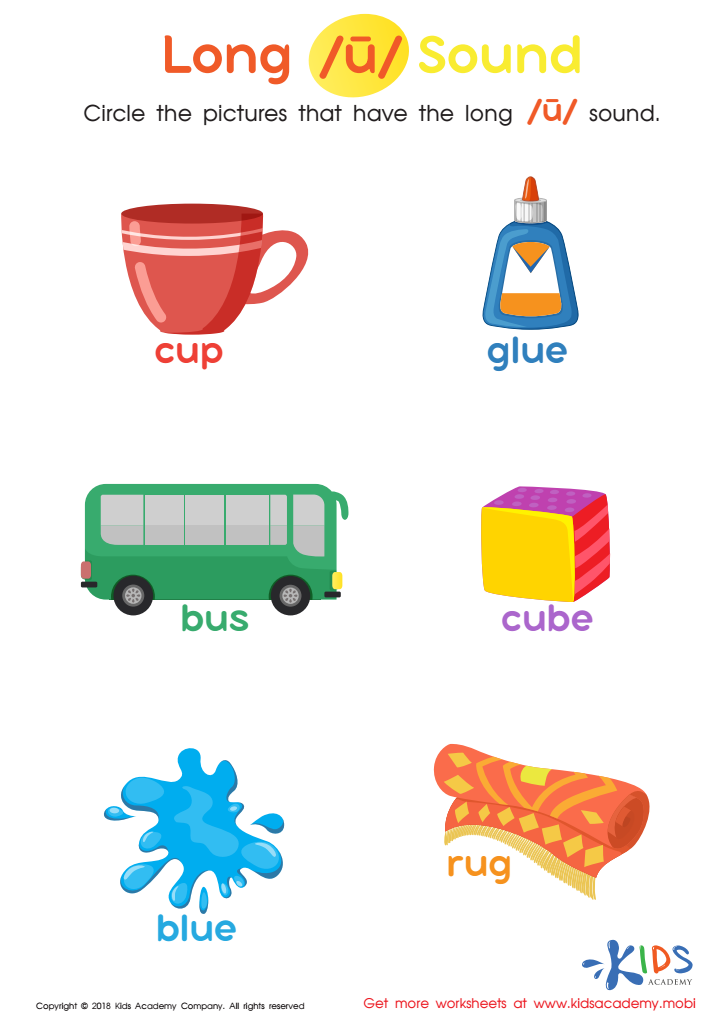
Long «u» Sound Worksheet
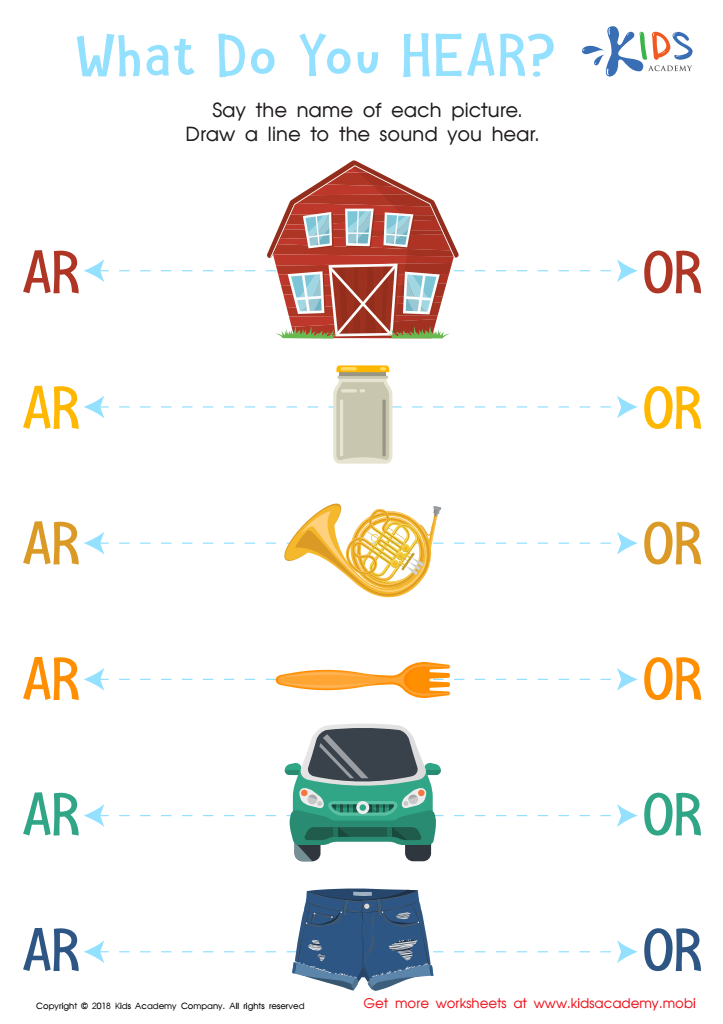
What do you hear Worksheet
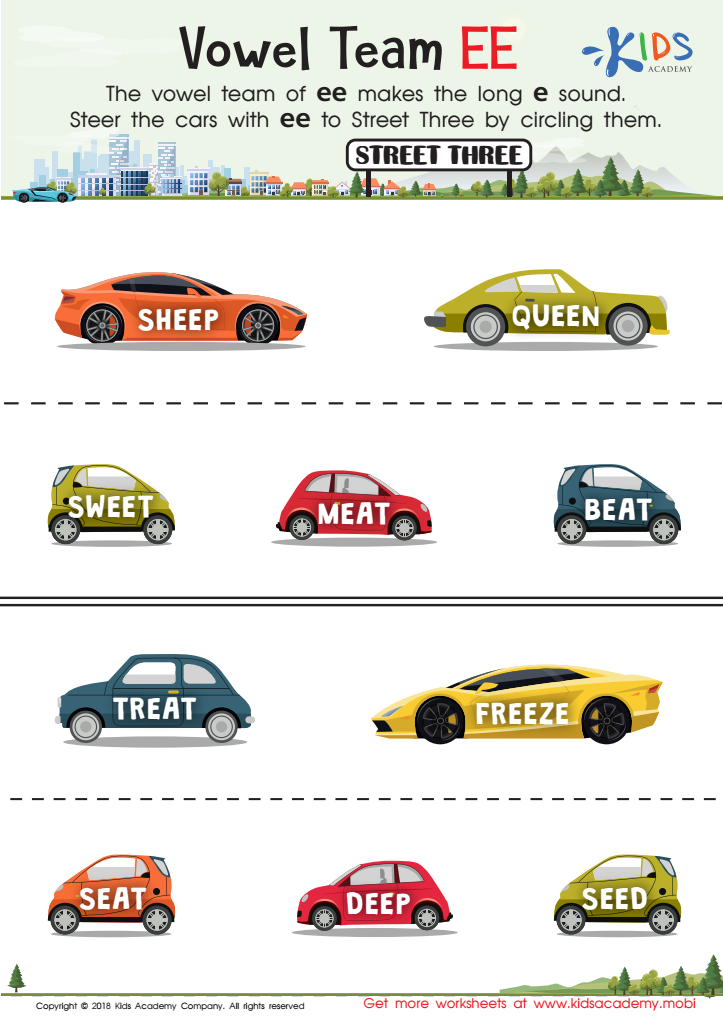
Vowel team ee Worksheet
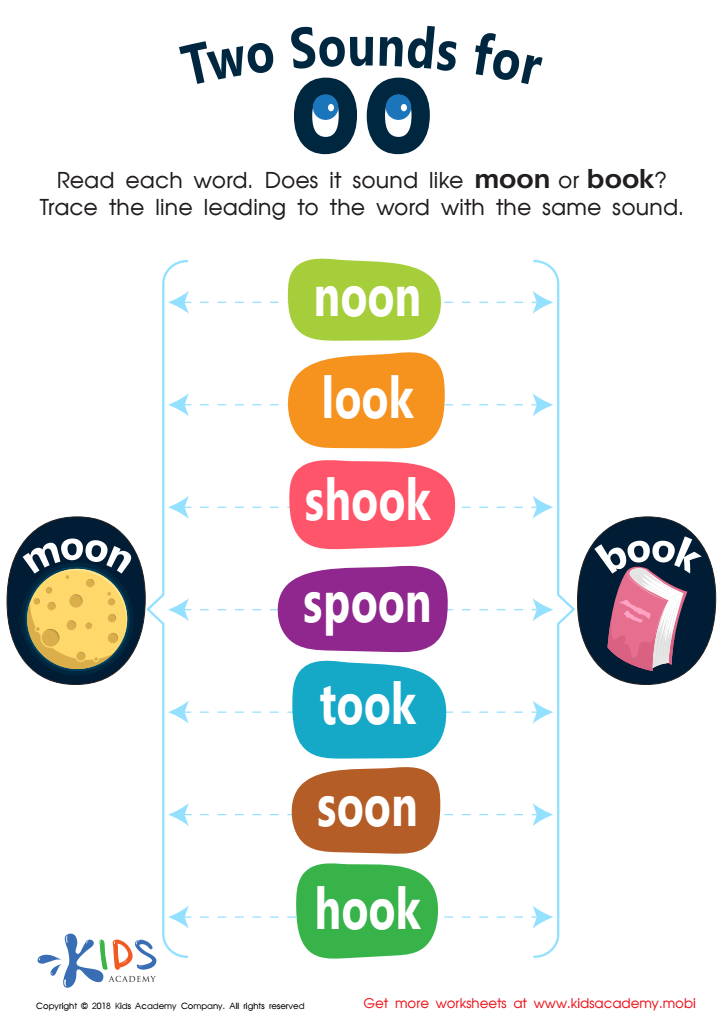
Two Sounds for OO Worksheet
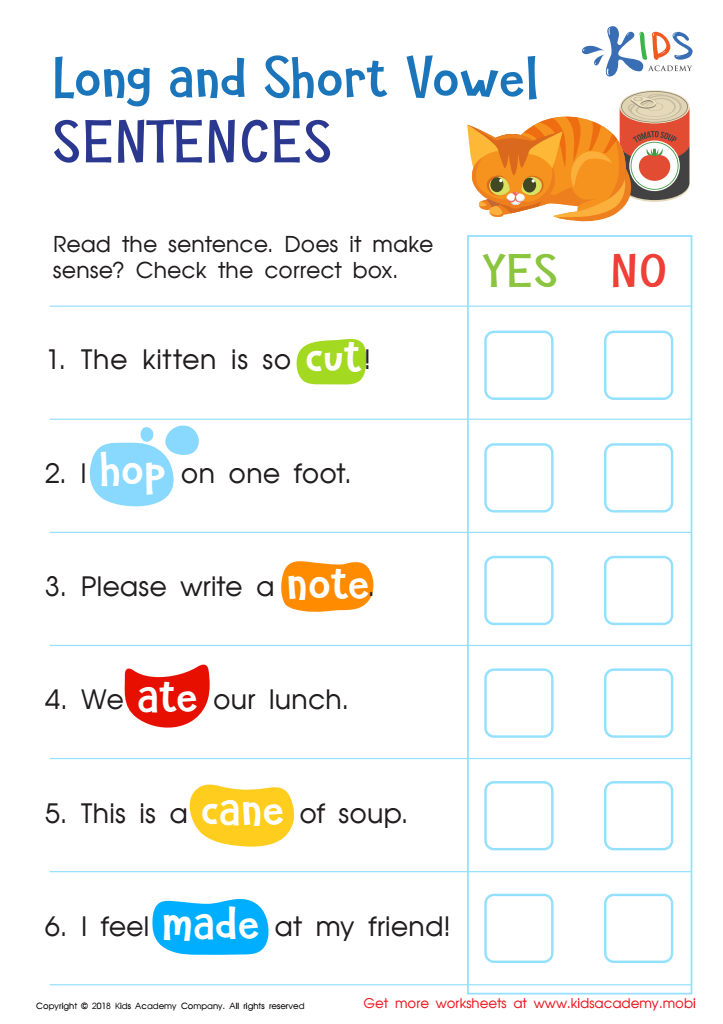
Long and Short Vowel Sentences: Assessment Worksheet
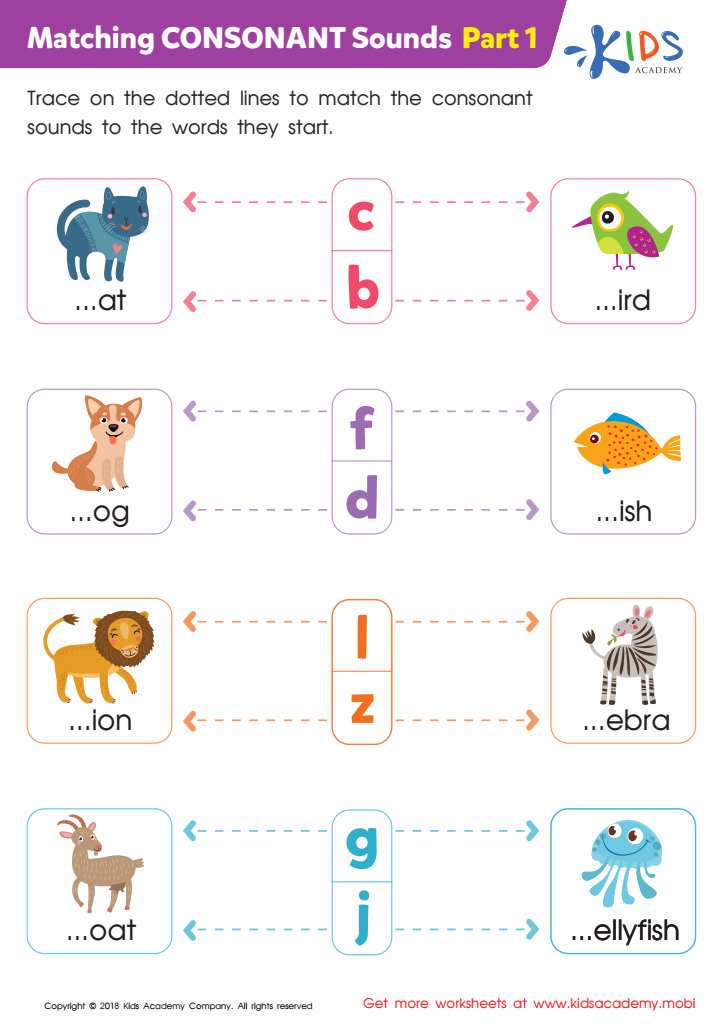
Matching Consonant Sounds: Part 1 Worksheet
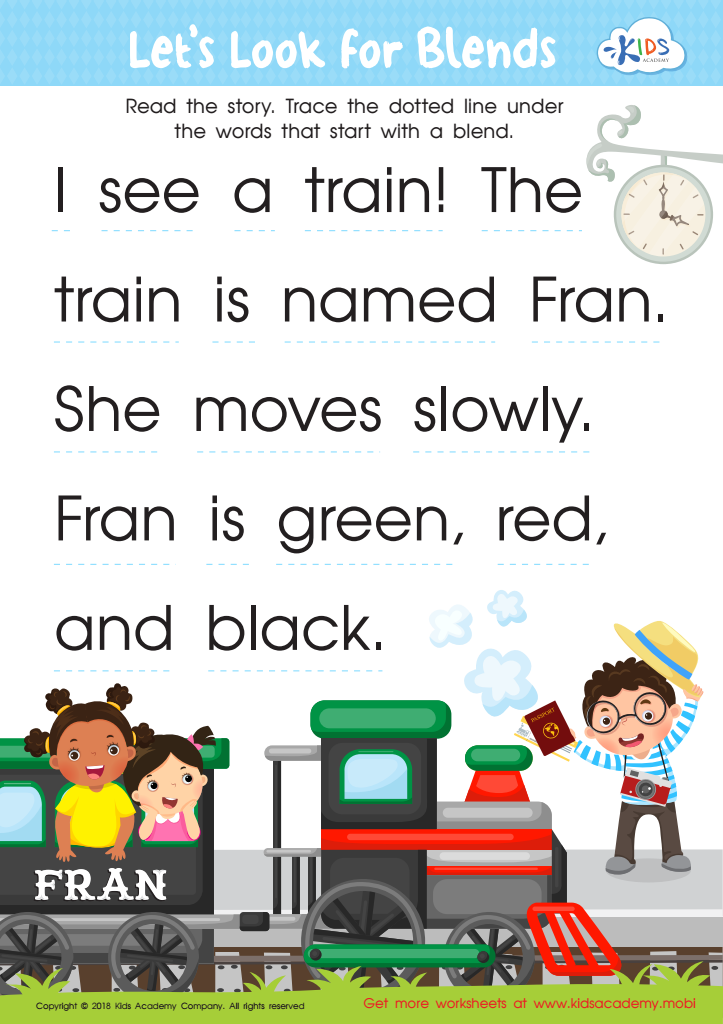
Let's Look for Blends Worksheet
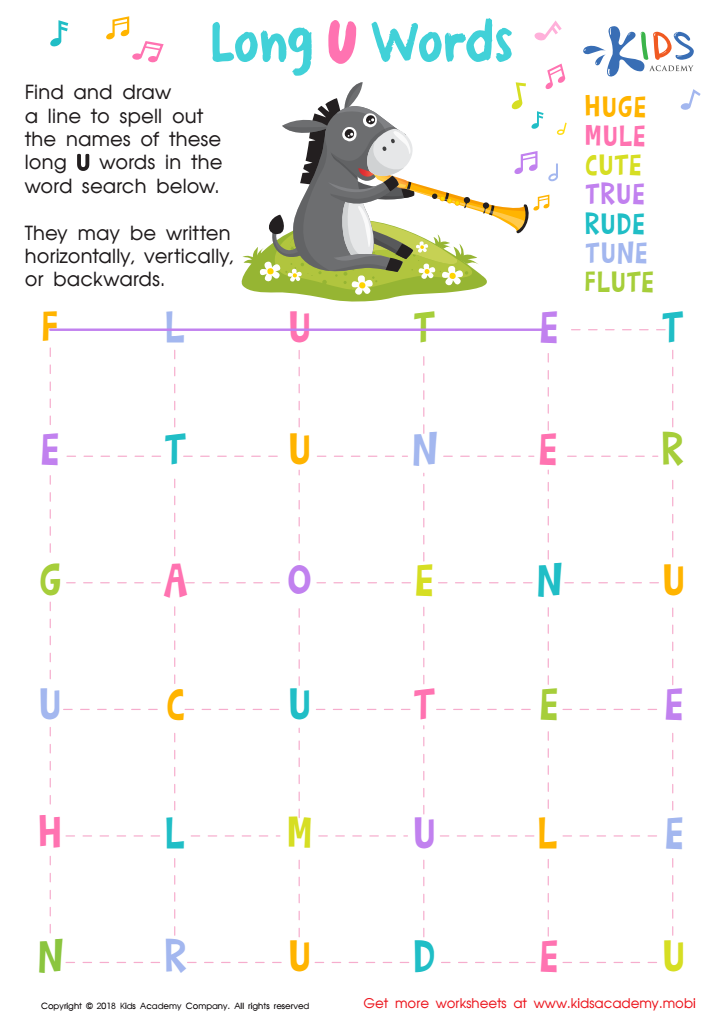
Long /u/ Words Worksheet
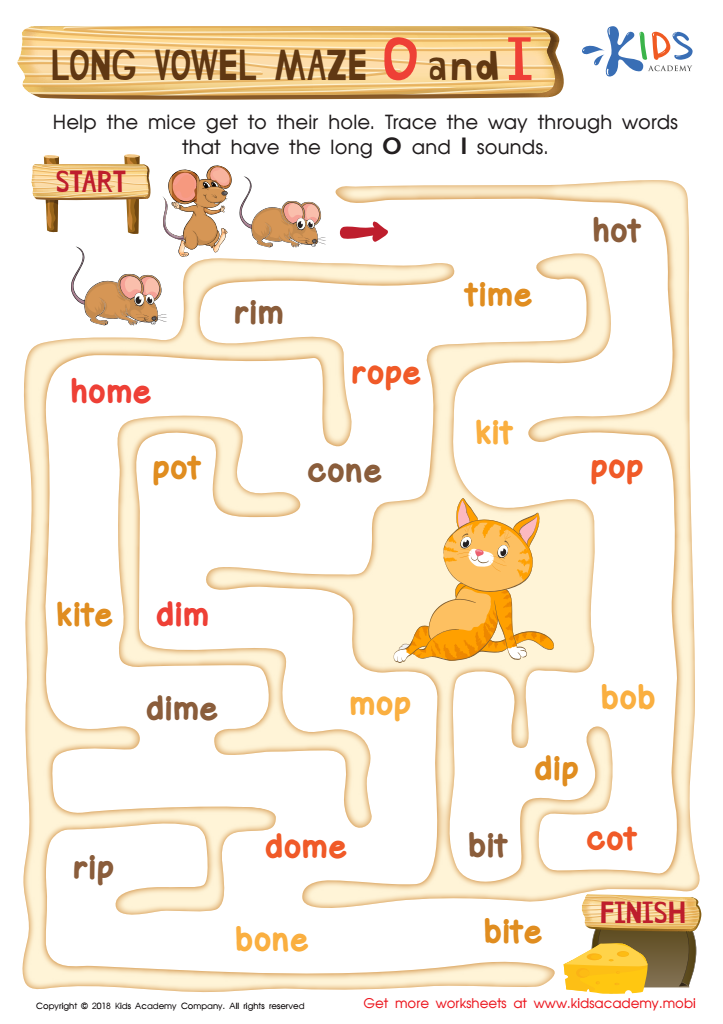
Long Vowel Maze /o/ and /i/ Worksheet

Short Vowels /e/, /i/, and /u/ Worksheet








Phonics skills are foundational for early reading development, making them crucial for children aged 4-7. When children learn phonics, they acquire an understanding of how letters and sounds correlate, which is essential for decoding words. This foundational skill enables young learners to read more fluently and grasp the meaning of new and complex words. By mastering phonics, children can apply this knowledge to spell words correctly, enhancing both their reading and writing skills.
Moreover, early phonics instruction fosters confidence and independence in young readers. Children who can decode words often feel more competent and motivated, which encourages a lifelong love of reading and learning. Phonics also plays a vital role in academic success. Those who lack phonics skills may struggle with reading comprehension and literacy tasks across all subjects, putting them at a disadvantage and affecting overall academic performance.
Finally, phonics skills support cognitive development. They promote abilities such as auditory discrimination, memory, and mental organization. Parents and teachers should prioritize phonics to give children valuable tools for literacy, boost their self-esteem, and set them up for academic and lifelong success. Teaching phonics at a young age can make a substantial difference in a child’s educational journey.







