Life Science Worksheets for Ages 4-7 - Page 2
29 filtered results
-
From - To
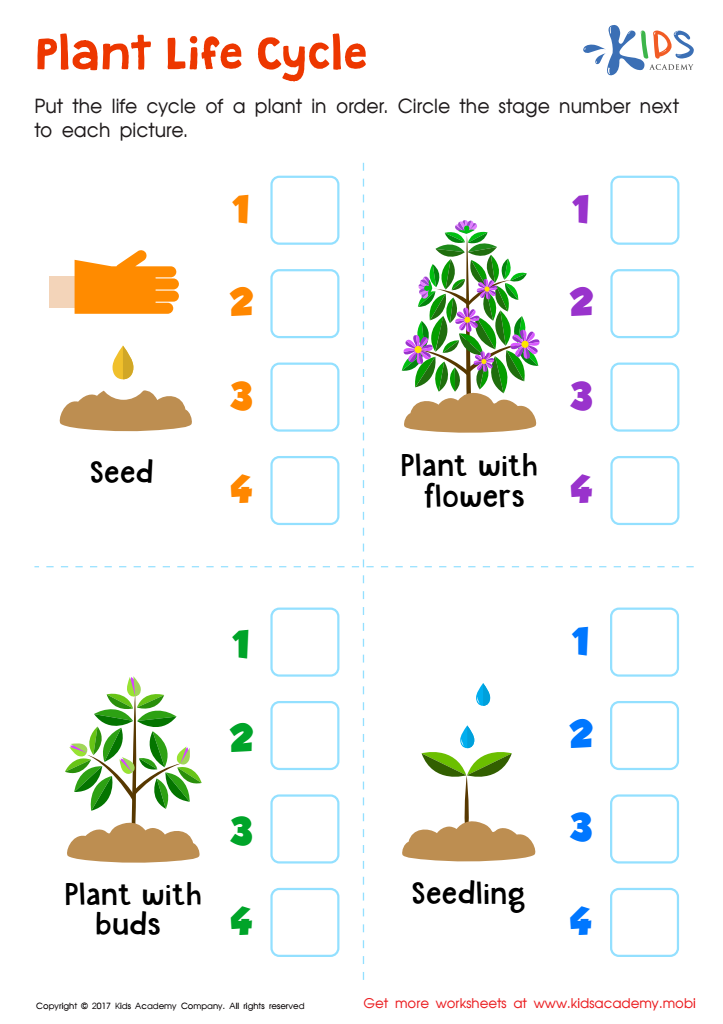
Plant Life Cycle Printable
 Assign to My Students
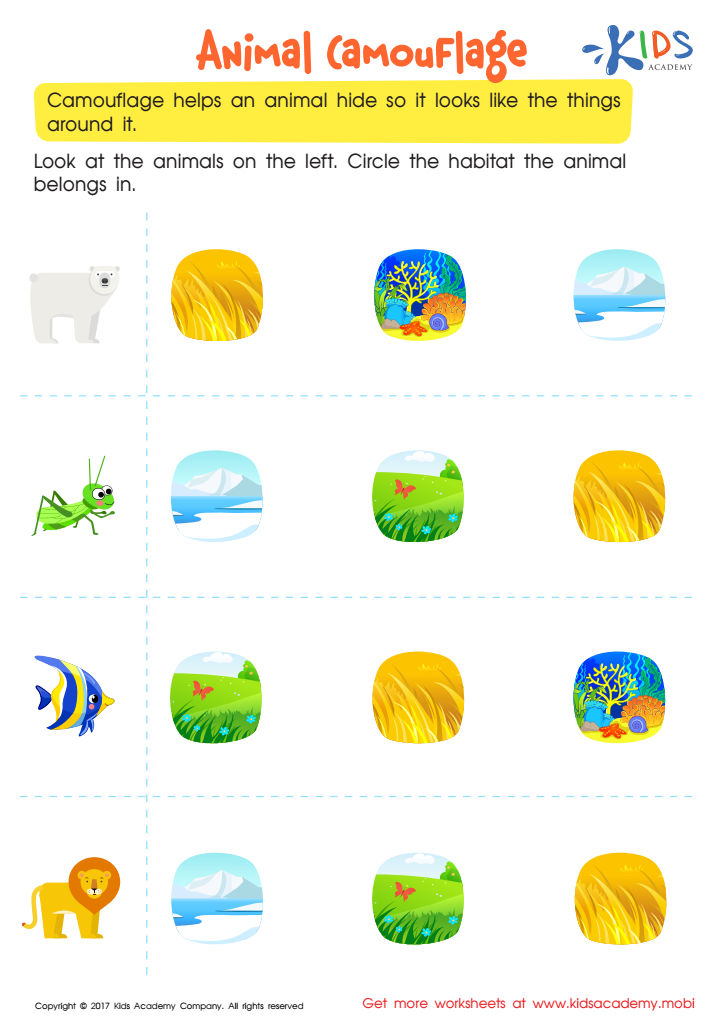
Animal Camouflage Worksheet
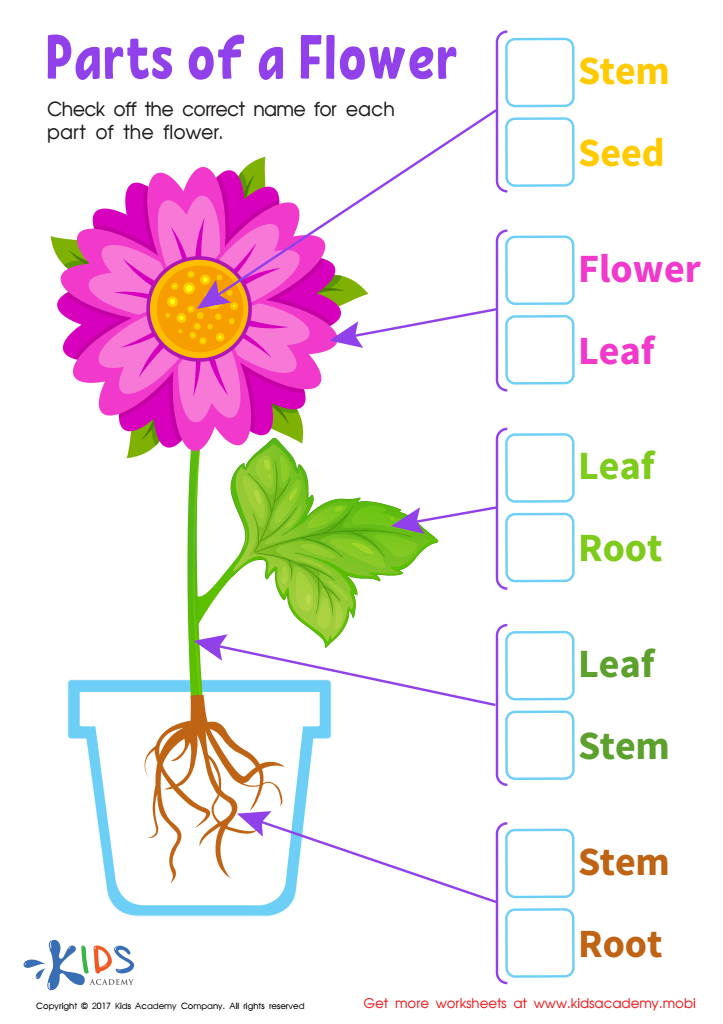
Parts Flower Printable
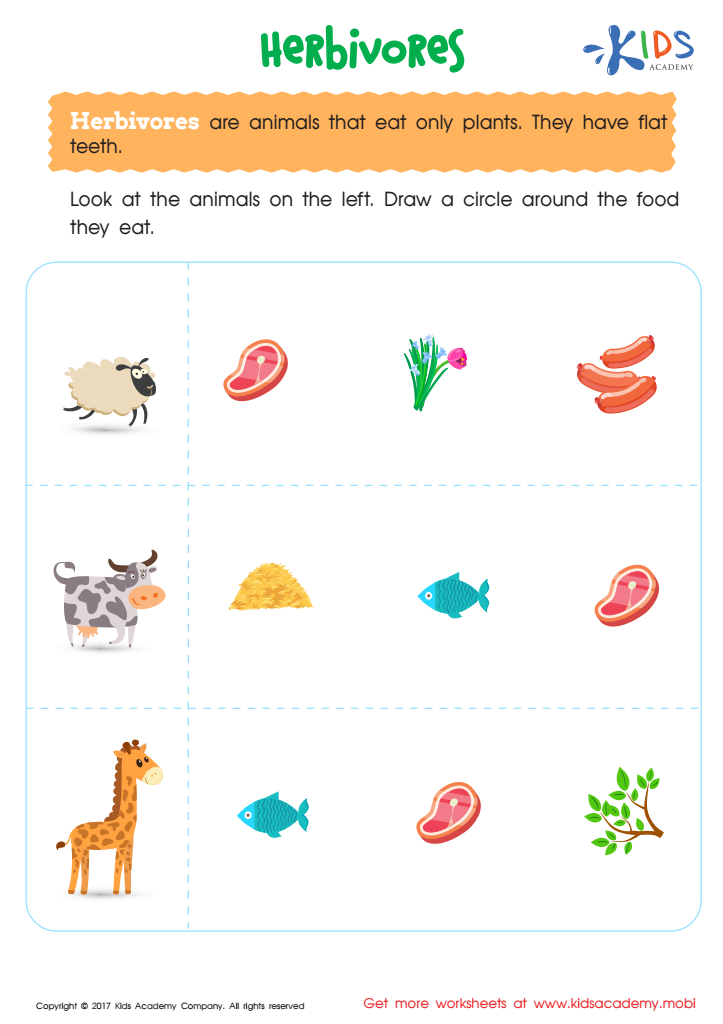
Herbivores Printable
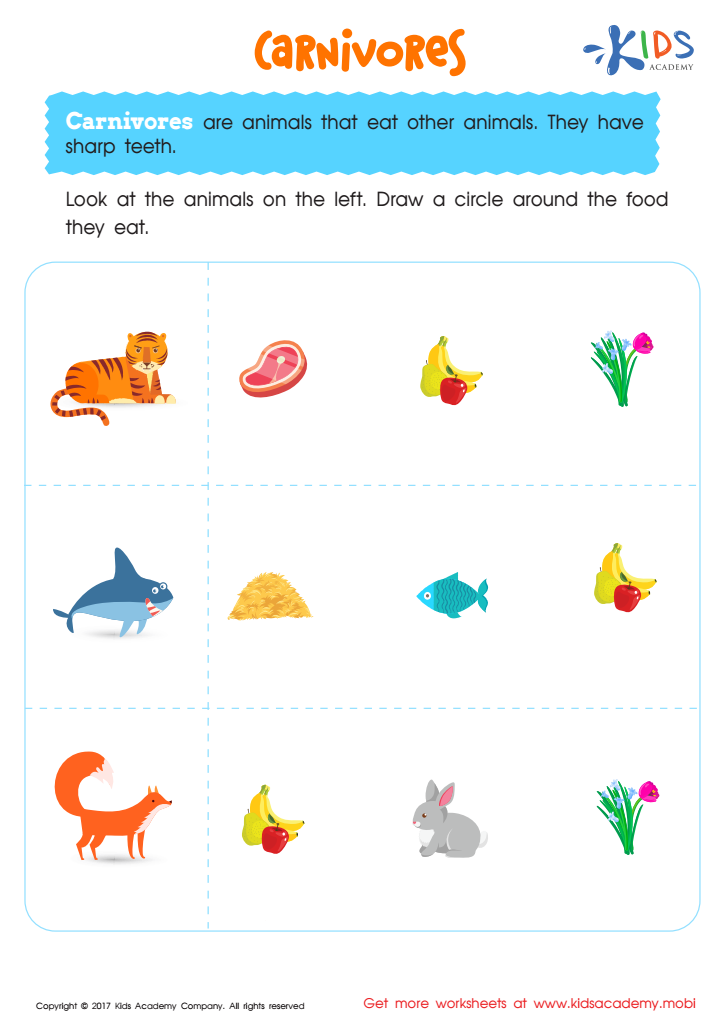
Carnivores Worksheet



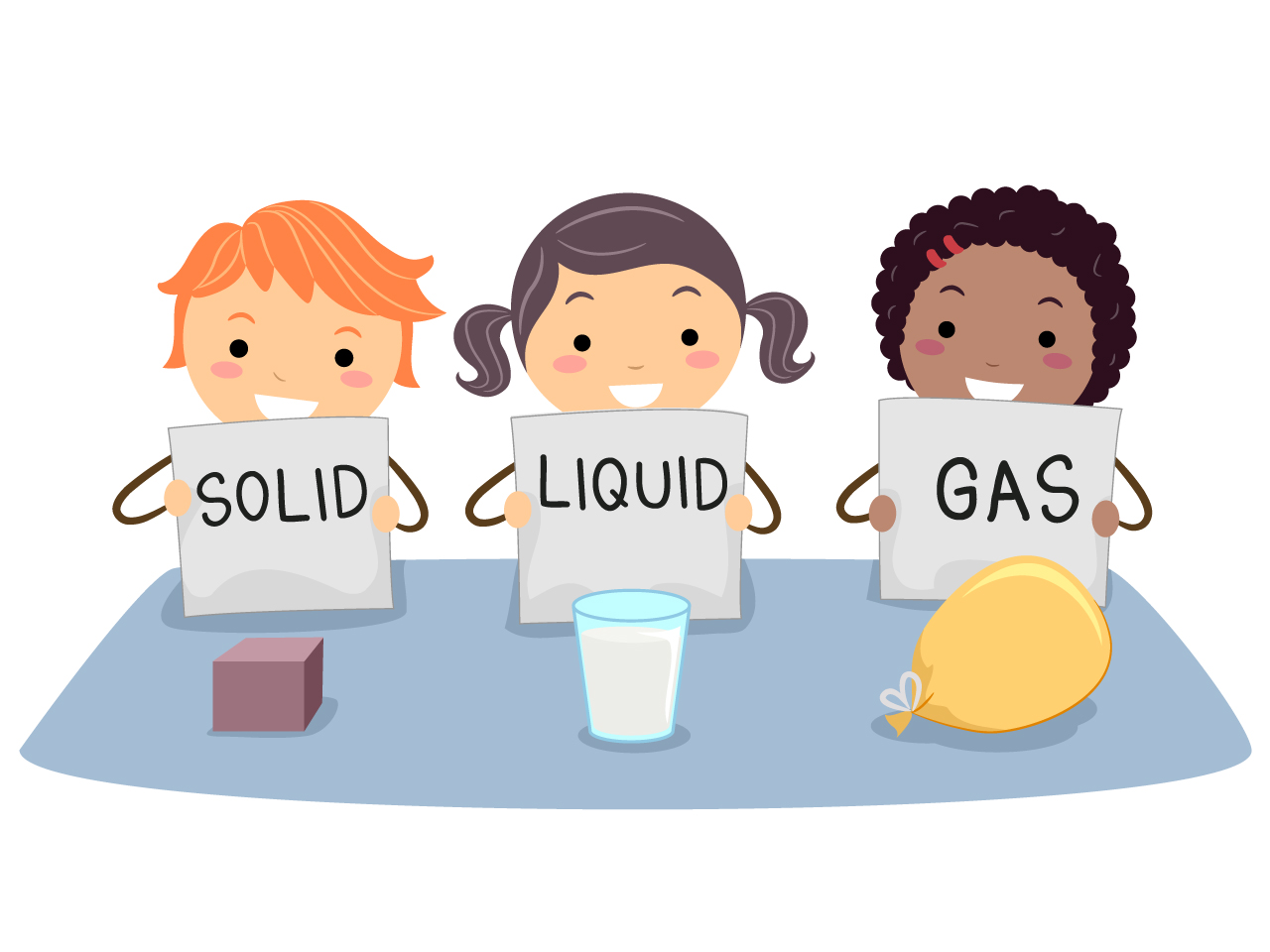




Life Science is a vital field of study for young children, ages 4-7, because it nurtures curiosity, understanding, and respect for living organisms and ecosystems. At this age, children are naturally curious and eager to explore the world around them. By engaging them in Life Science, parents and teachers can harness this curiosity to stimulate a love for learning.
Learning about plants, animals, and their environments helps children develop observational skills and critical thinking. For instance, simple activities like watching a seed grow into a plant or observing insects can help children understand basic biological processes, fostering a scientific mindset.
Moreover, early exposure to Life Science encourages empathy and responsibility towards living creatures. Understanding the interconnectedness of life on Earth can teach values of conservation and respect for nature, which are crucial for fostering environmentally-conscious future citizens.
Life Science also enhances other essential skills. It aids language development as children learn new vocabulary, improves literacy through science-related reading materials, and strengthens mathematical skills via activities like charting plant growth.
In conclusion, engaging 4 to 7-year-olds in Life Science is fundamental, not only for academic development but also for fostering attitudes that will help them grow into responsible, knowledgeable, and empathetic individuals.








