Worksheets for Ages 4-8 - Page 119
2849 filtered results
-
From - To
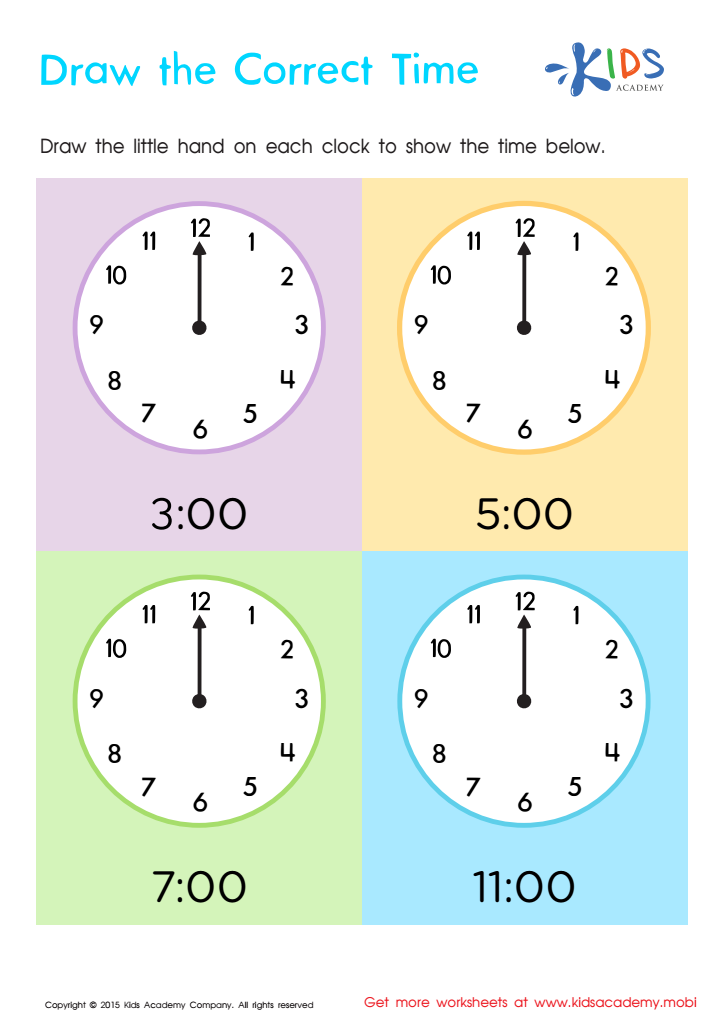
Telling The Time Worksheet: Part 1
 Assign to My Students
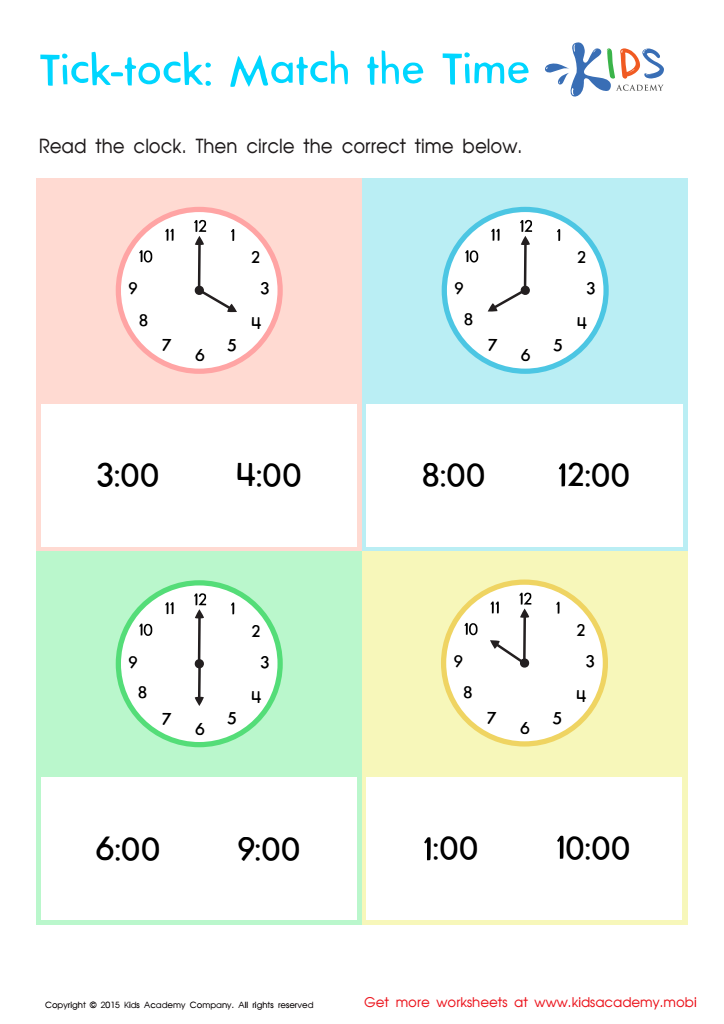
Telling The Time Worksheet: Part 4
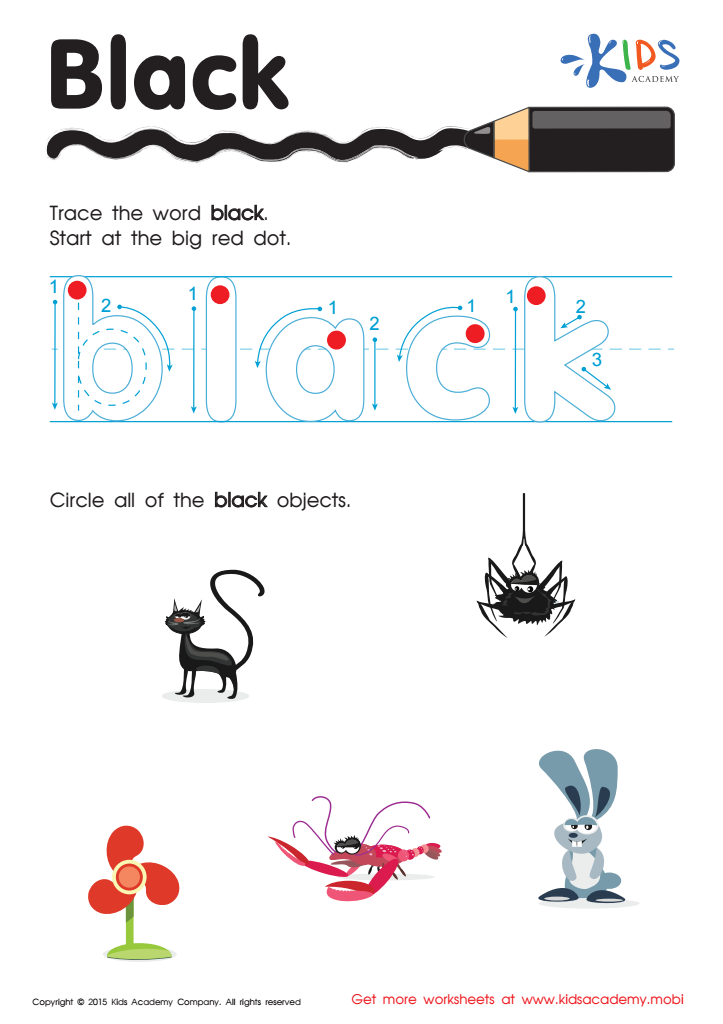
Black Tracing Color Words Printable
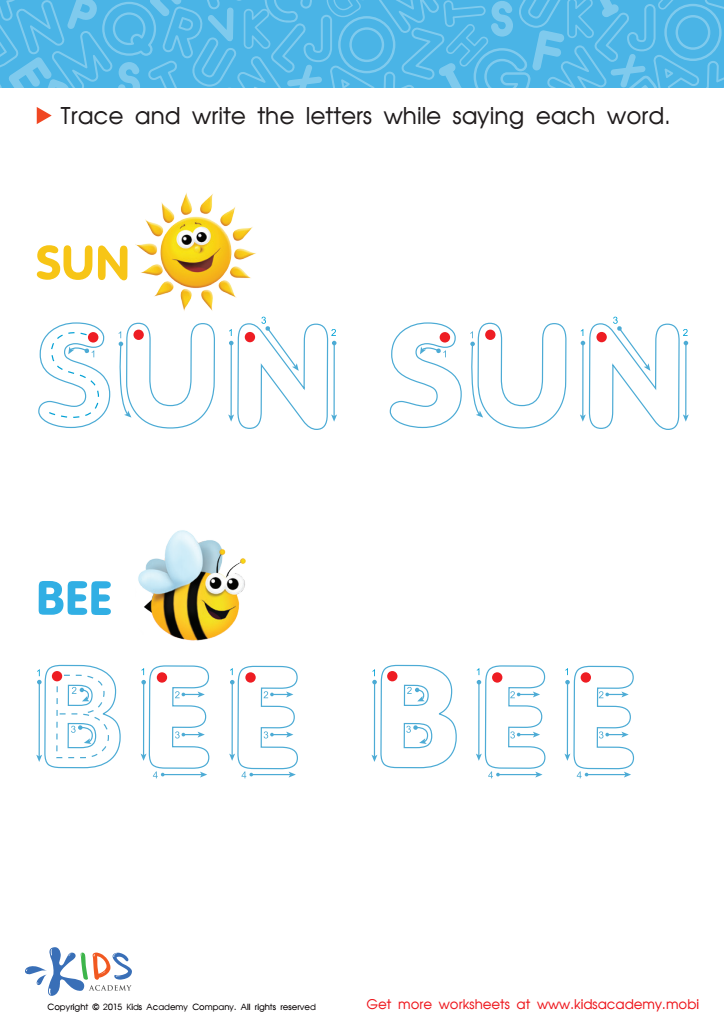
The Sun and a Bee Spelling Worksheet
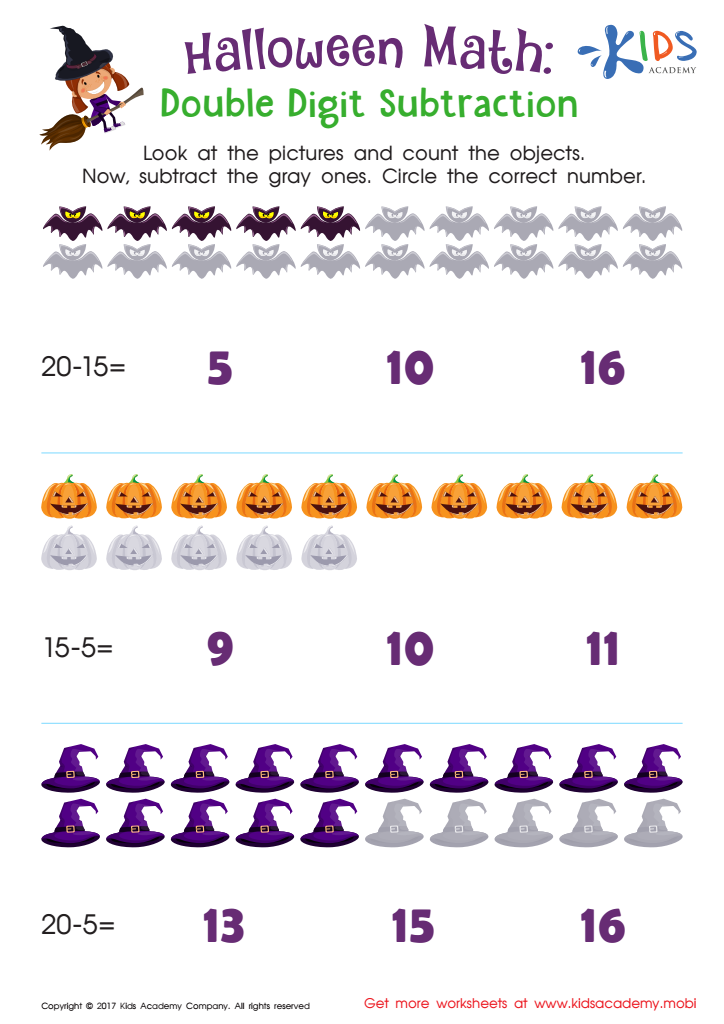
Halloween Math Subtraction Worksheet
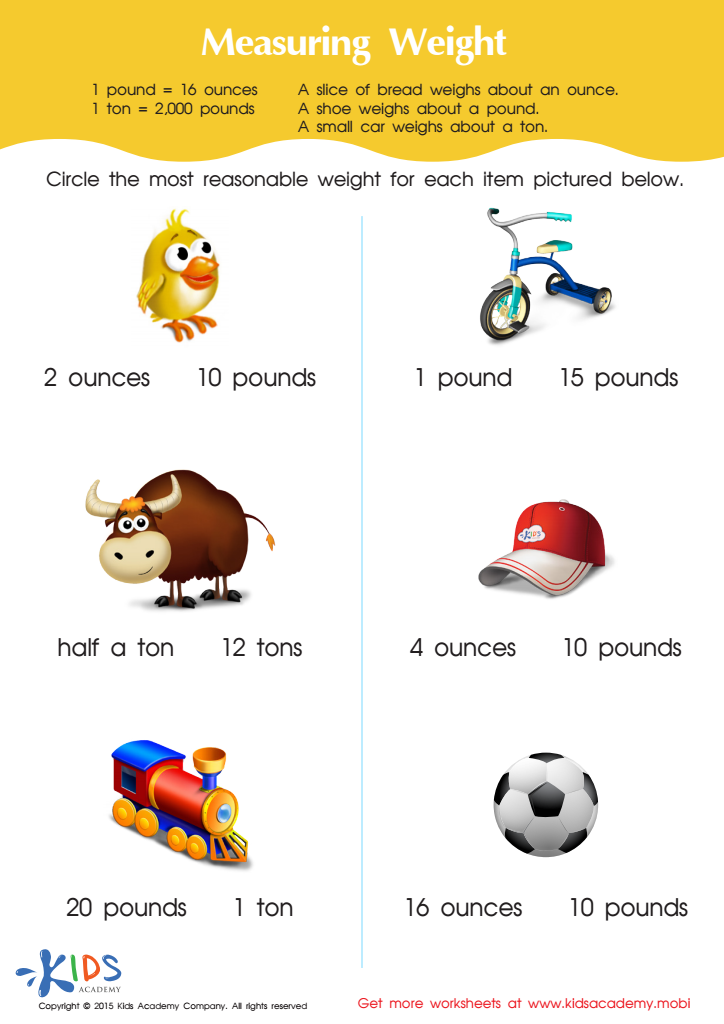
Measuring Weight in Ounces, Pounds and Tons (Part 2) Worksheet
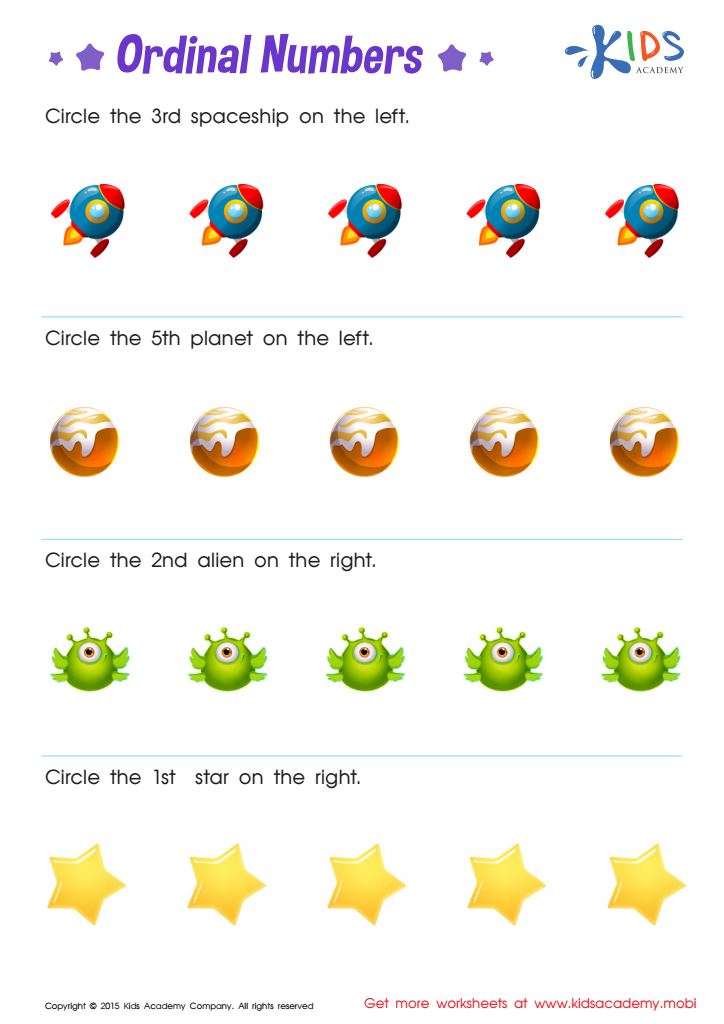
Ordinal Numbers: Space Ordinals Worksheet
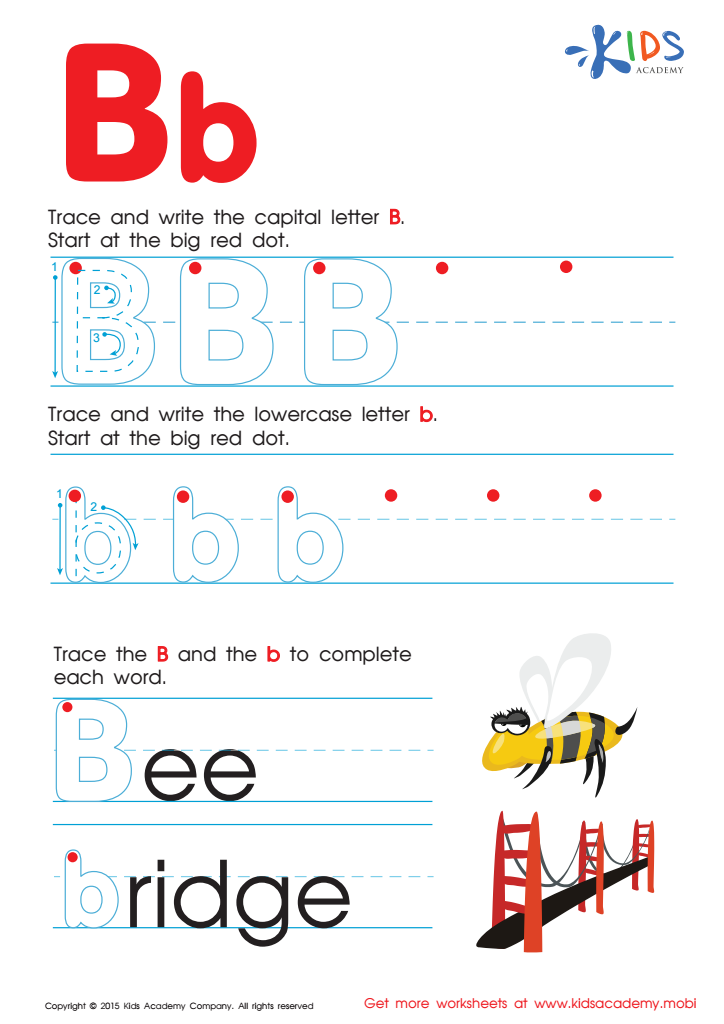
Letter B Tracing Page
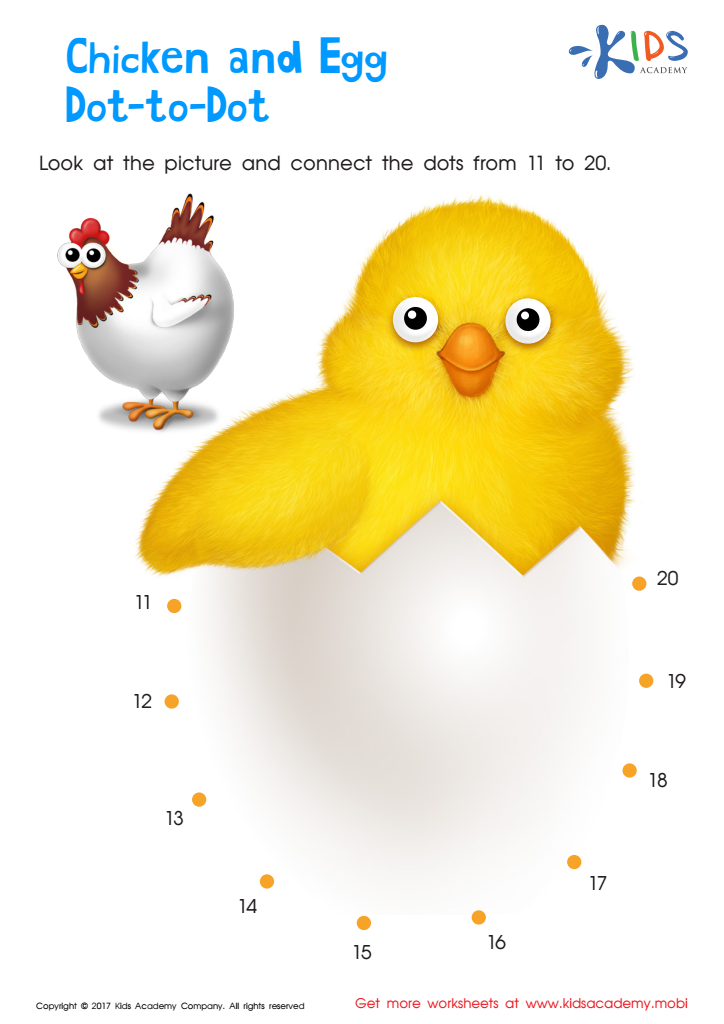
Ordering 11–20: Chicken & Egg Dot–to–dot Worksheet
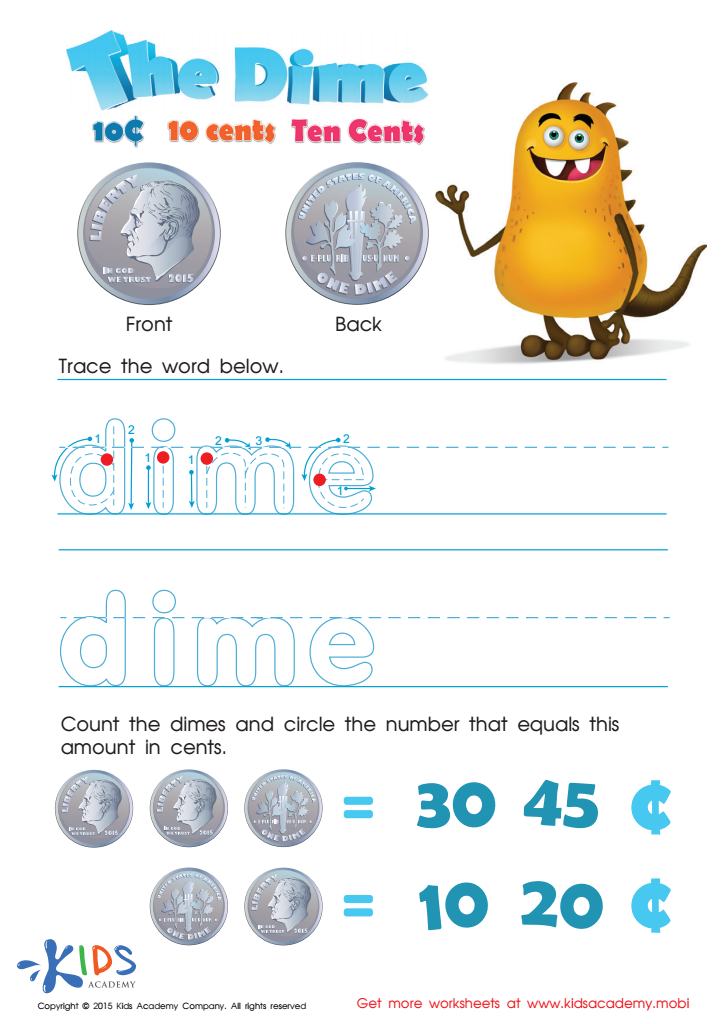
Ten Cents or the Dime Money Worksheet

Thanksgiving Holiday Printable
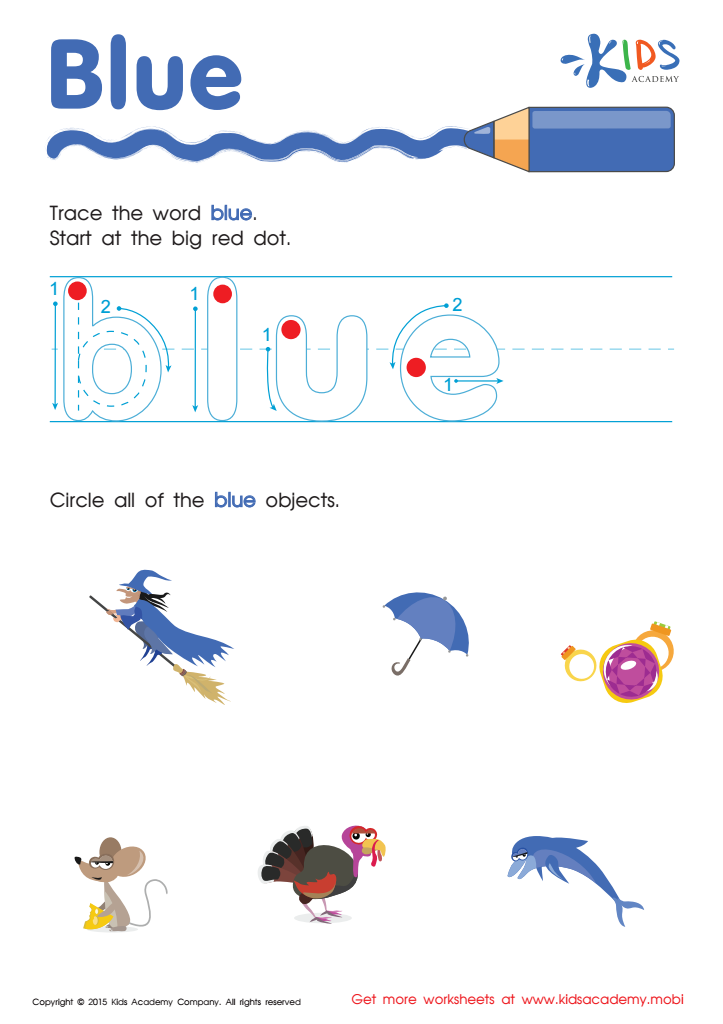
Blue Tracing Color Words Printable
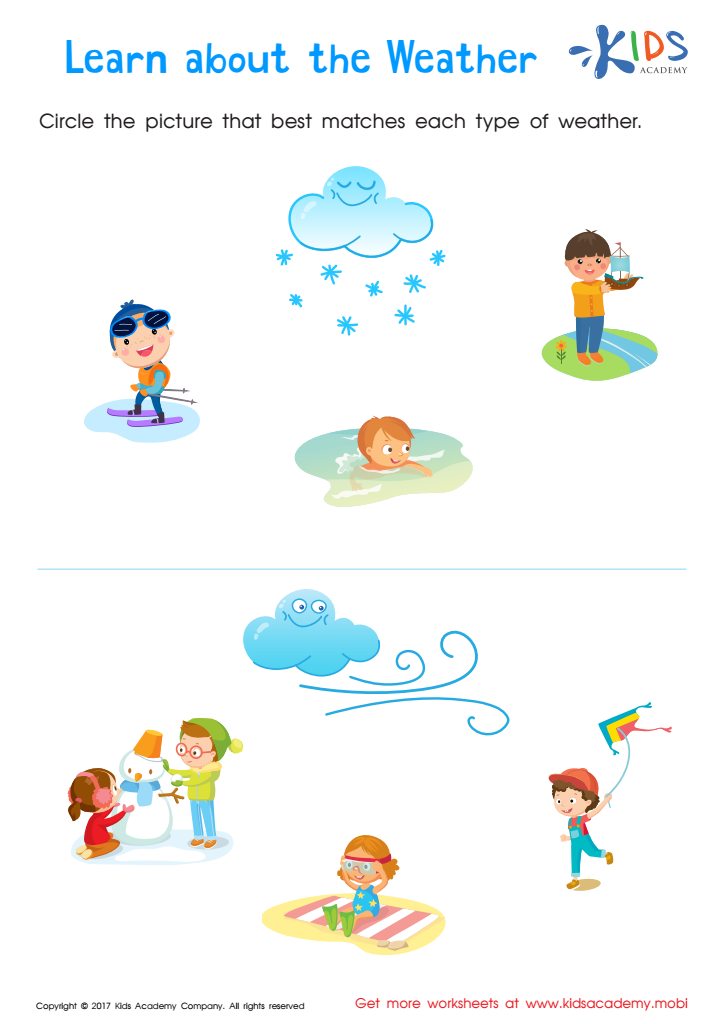
About the Weather Printable
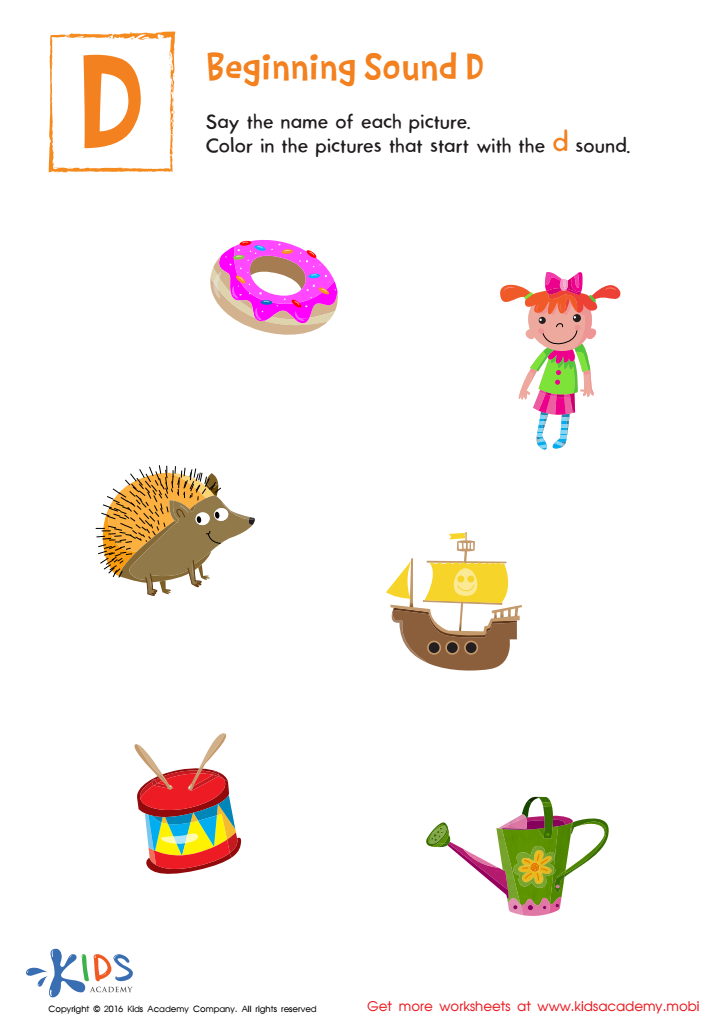
Beginning Sound D Worksheet
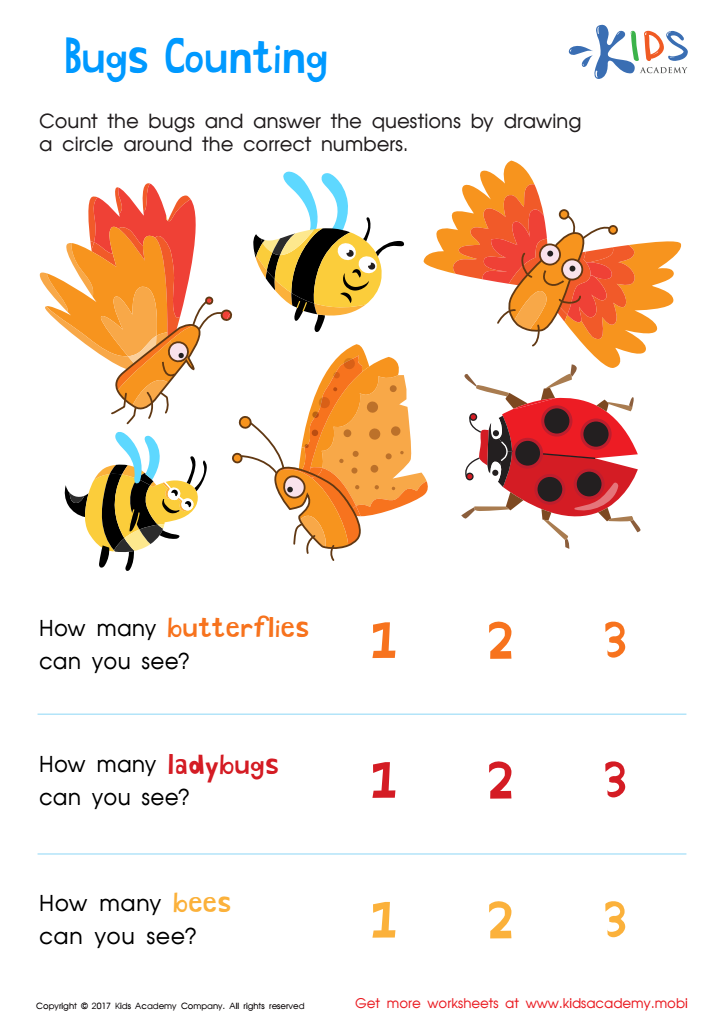
Bugs Counting Worksheet
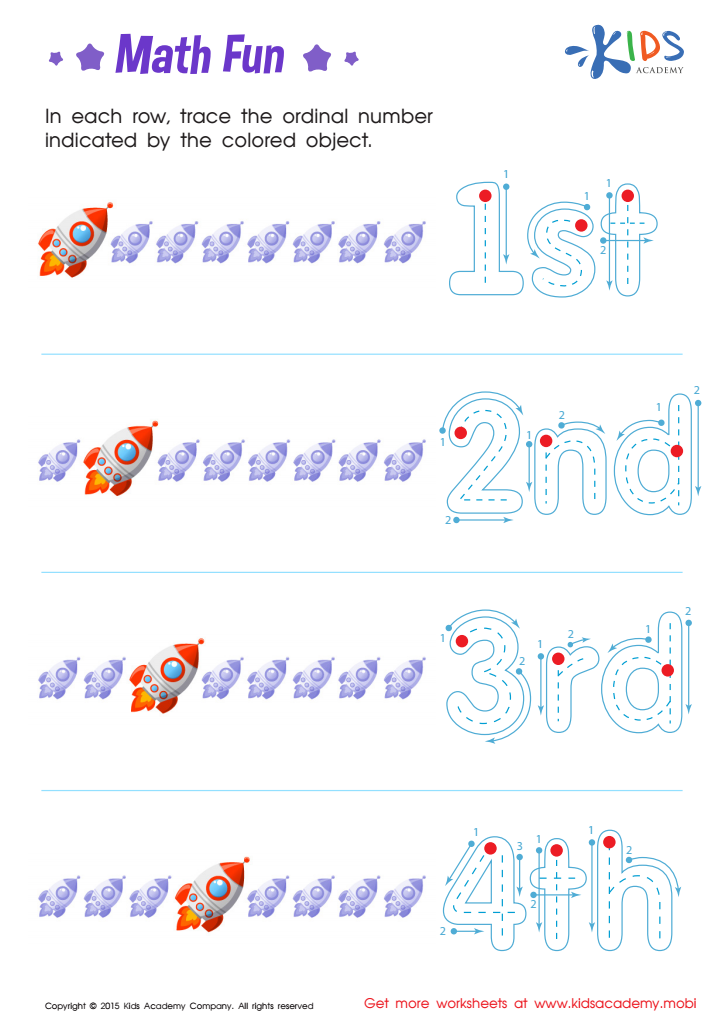
Ordinal Numbers: Math Fun Worksheet
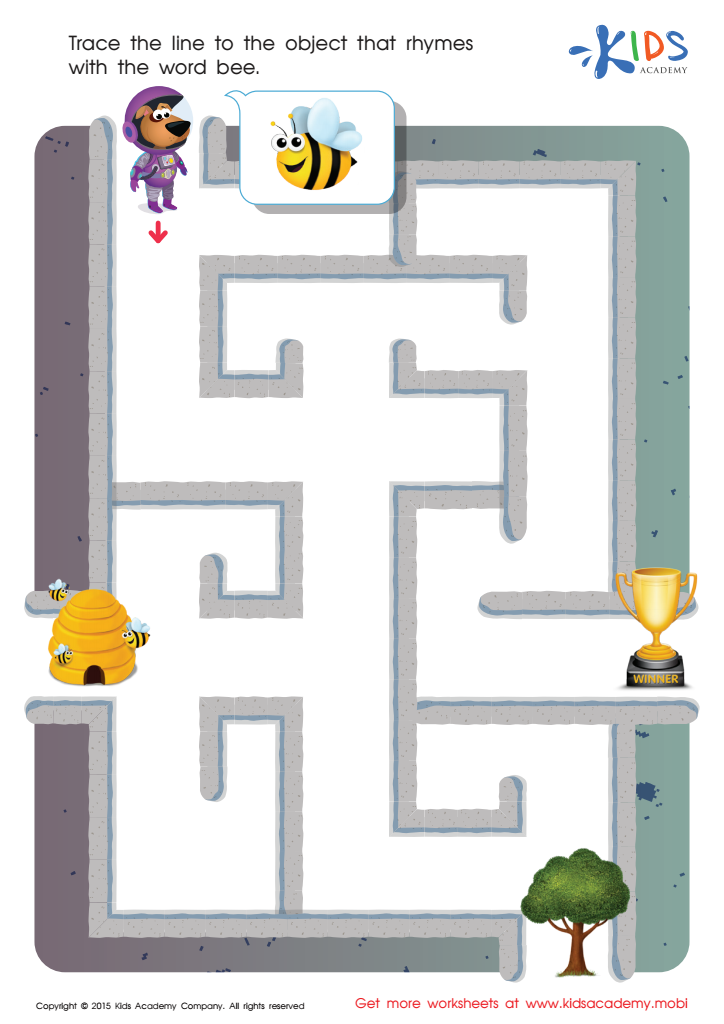
Bee Rhyming Words Worksheet







In the early ages of 4-8, children experience rapid cognitive, social, and emotional development, setting vital foundations for their future learning and overall well-being. During these formative years, children's brains are highly plastic, making it crucial for parents and teachers to foster an enriching, supportive environment that encourages curiosity, resilience, and a love for learning.
At this age, children begin to develop key skills such as basic literacy, numeracy, and critical thinking. Early educational intervention can identify and address potential learning challenges, ensuring children do not fall behind. Moreover, positive experiences in early childhood education settings contribute to strong social skills, emotional regulation, and the ability to work harmoniously with peers.
Parents and teachers play an essential role as primary influencers, serving as role models and guiding young children through their explorations. Engaging in interactive, hands-on learning activities and fostering an inclusive, nurturing atmosphere promotes self-confidence and a positive attitude towards education. Additionally, this partnership between parents, teachers, and the community supports a seamless transition through the various educational stages while emphasizing the importance of lifelong learning and personal development.
In essence, the care and attention provided during these crucial years have long-reaching impacts, shaping children's future academic success, societal contributions, and overall happiness.








