Matching Worksheets for Ages 4-8 - Page 4
82 filtered results
-
From - To
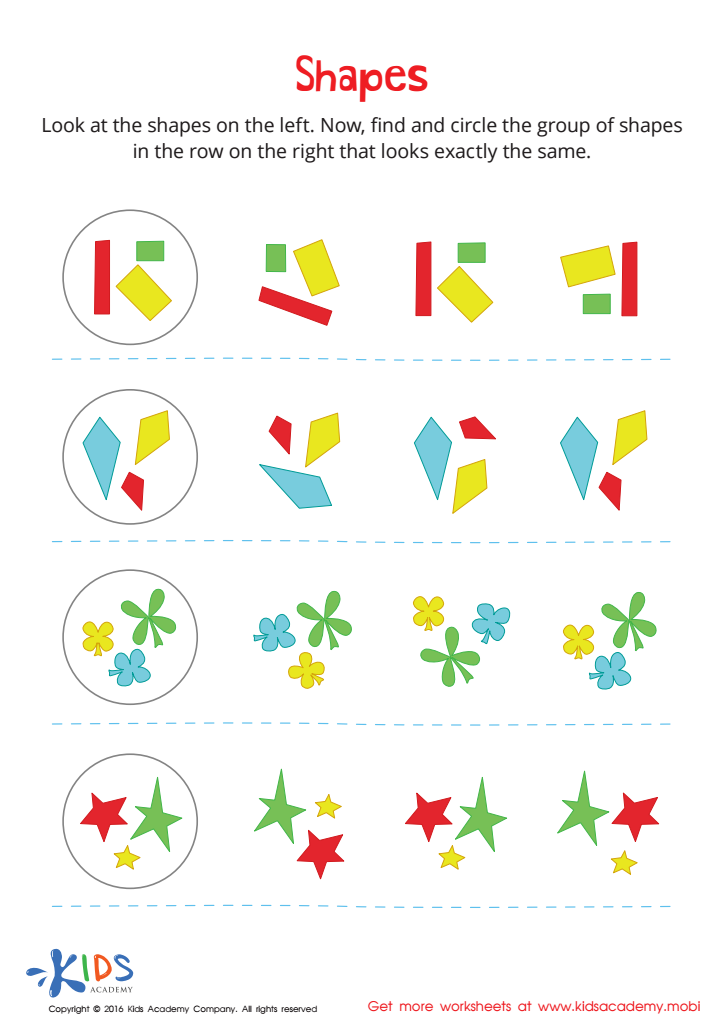
Shapes Worksheet
 Assign to My Students
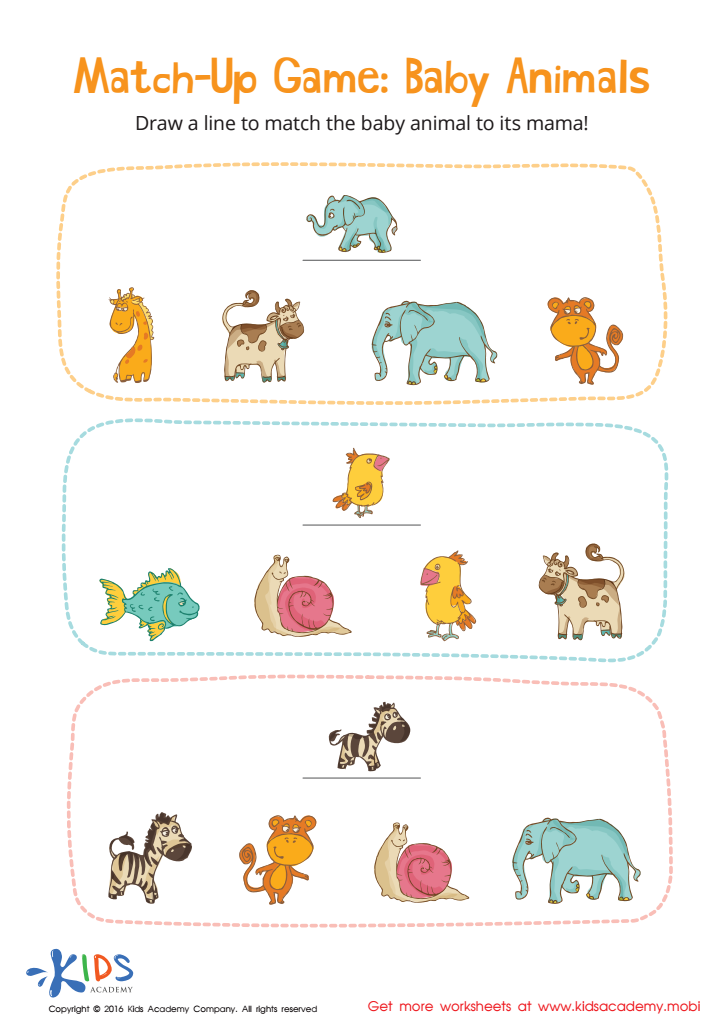
Baby Animals Match-Up Worksheet
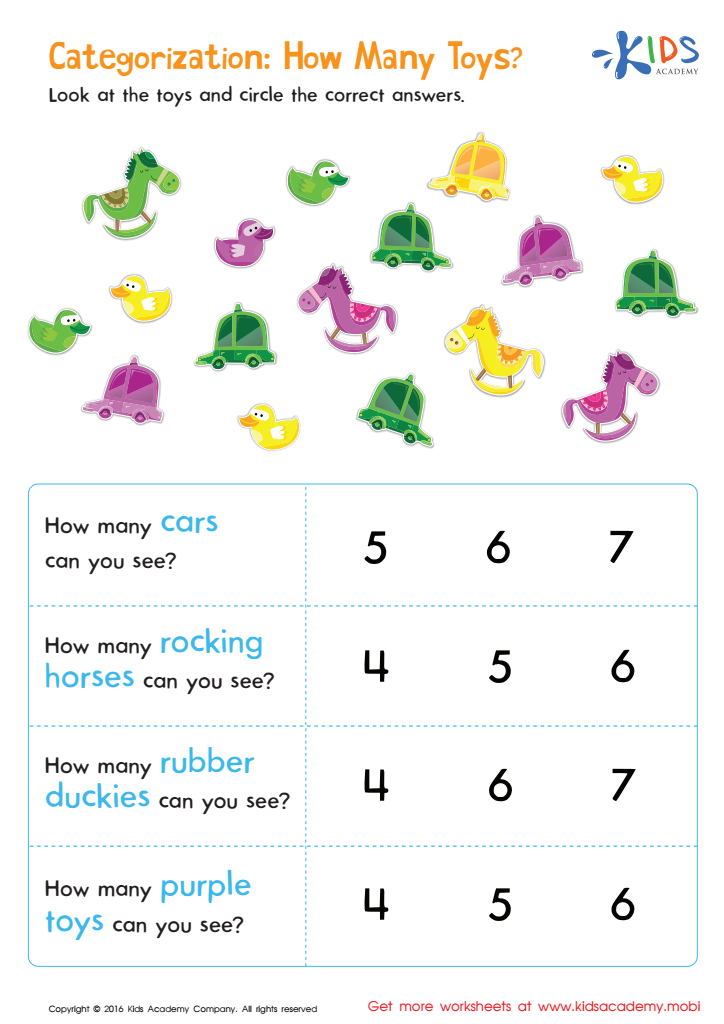
Classifying Toys by Type and Color Sorting Worksheet
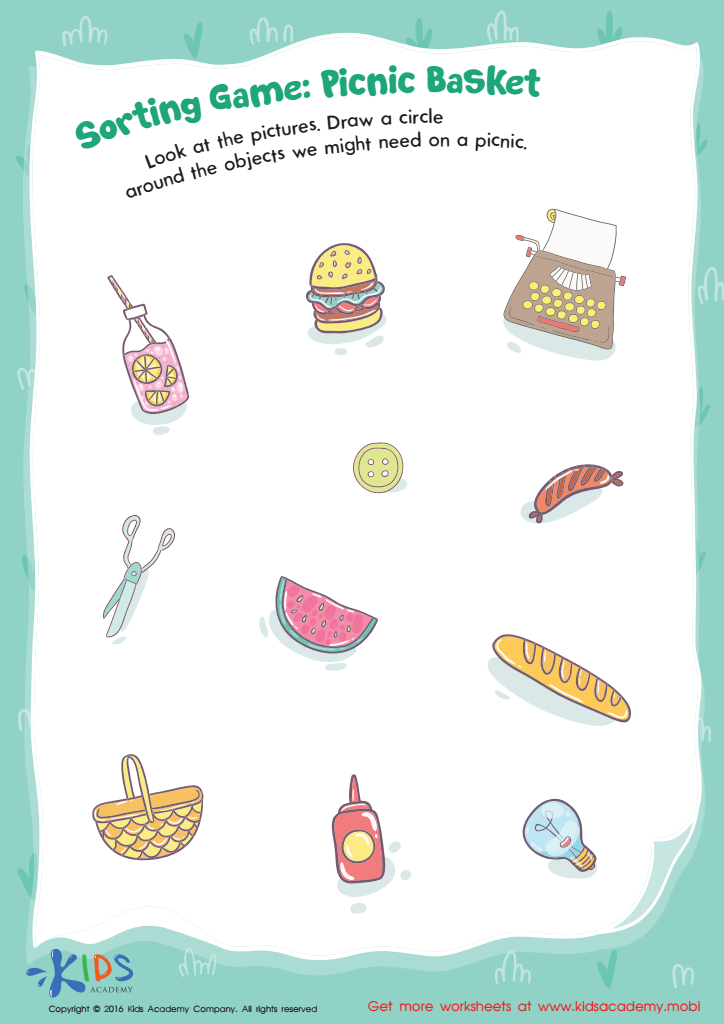
Picnic Basket Sorting Worksheet
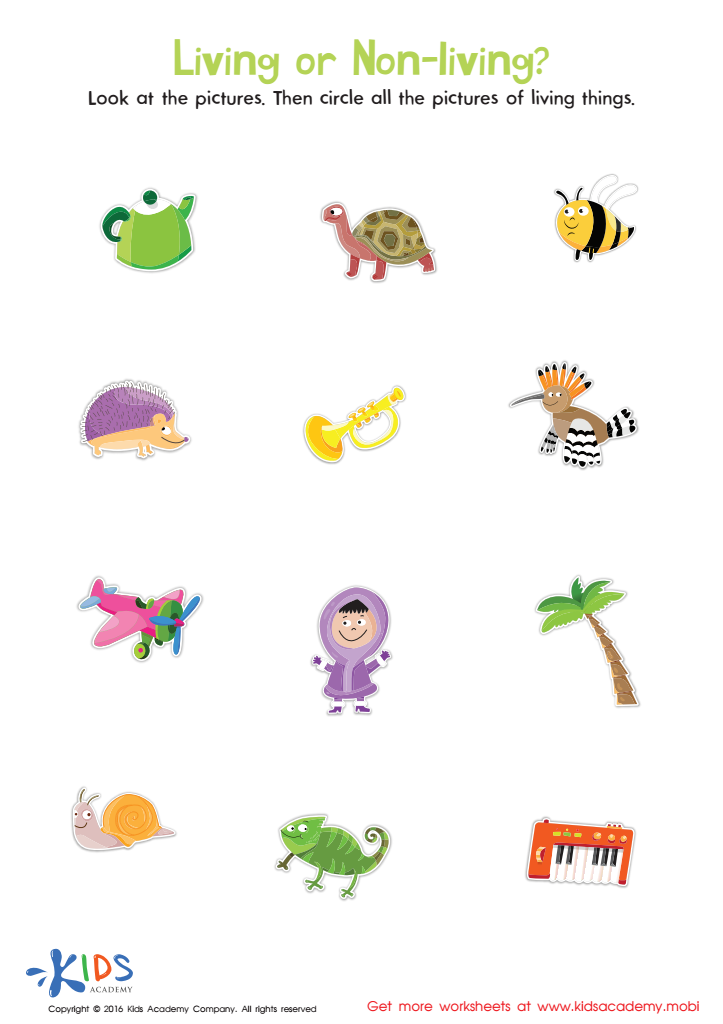
Identifying Living and Non–living Things Sorting Worksheet
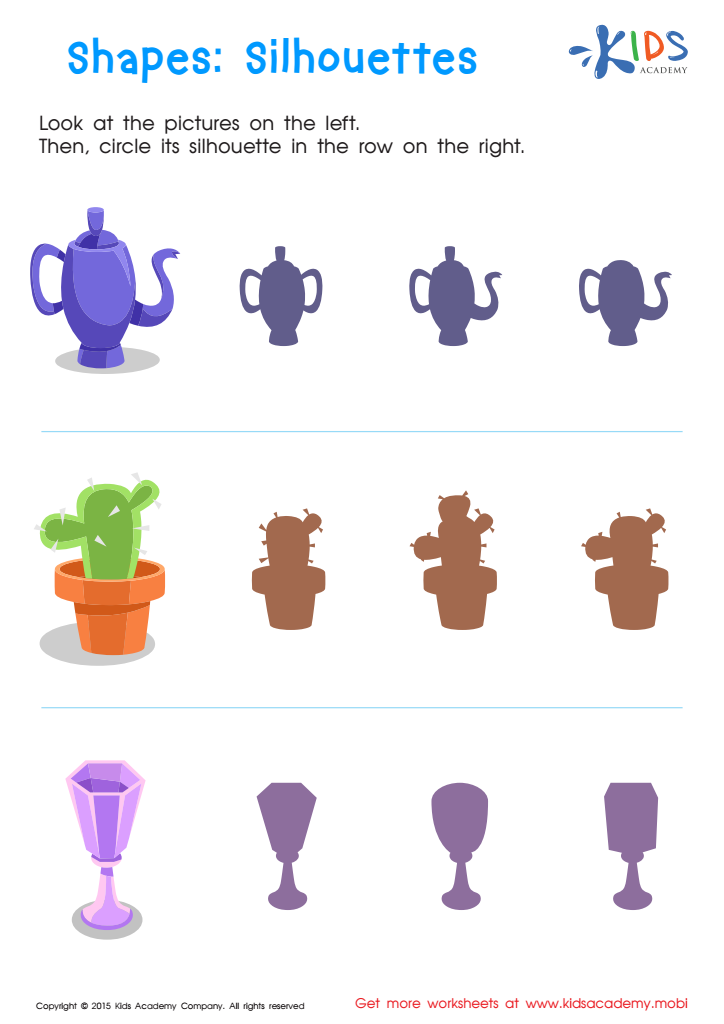
Silhouettes – Shapes Worksheet
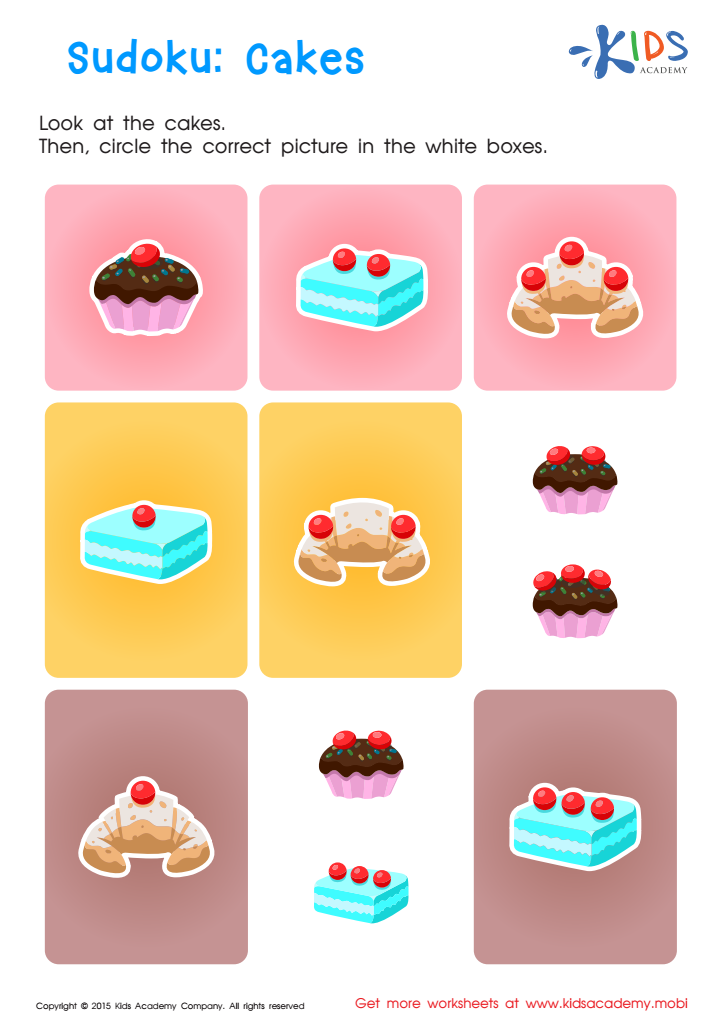
Sudoku Worksheet
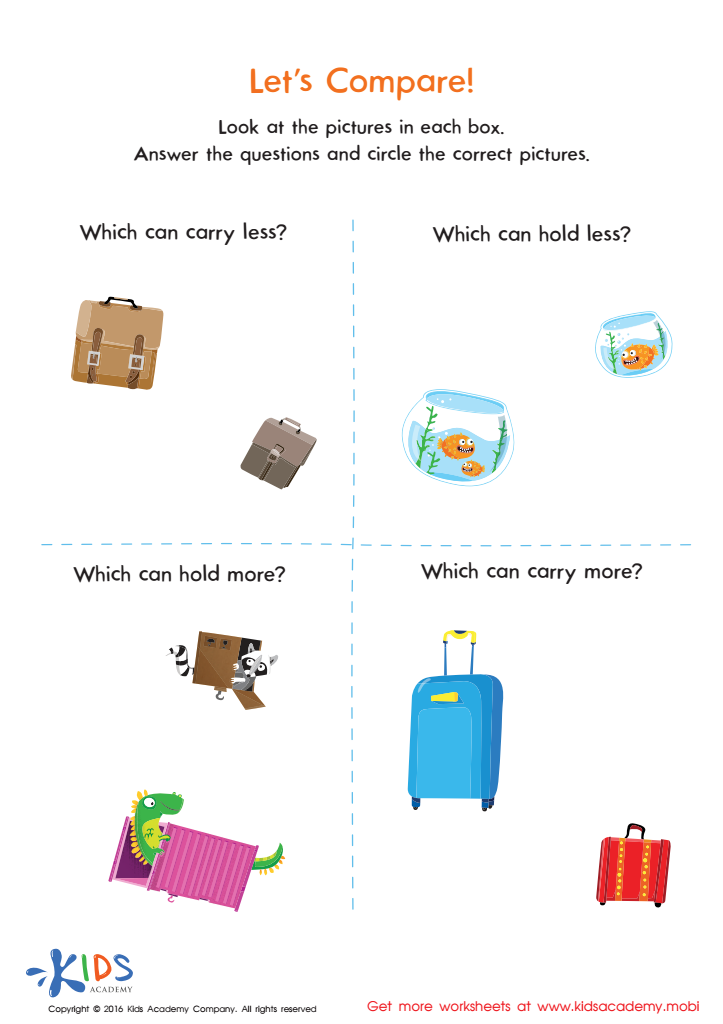
Let's Compare Worksheet: Big or Small



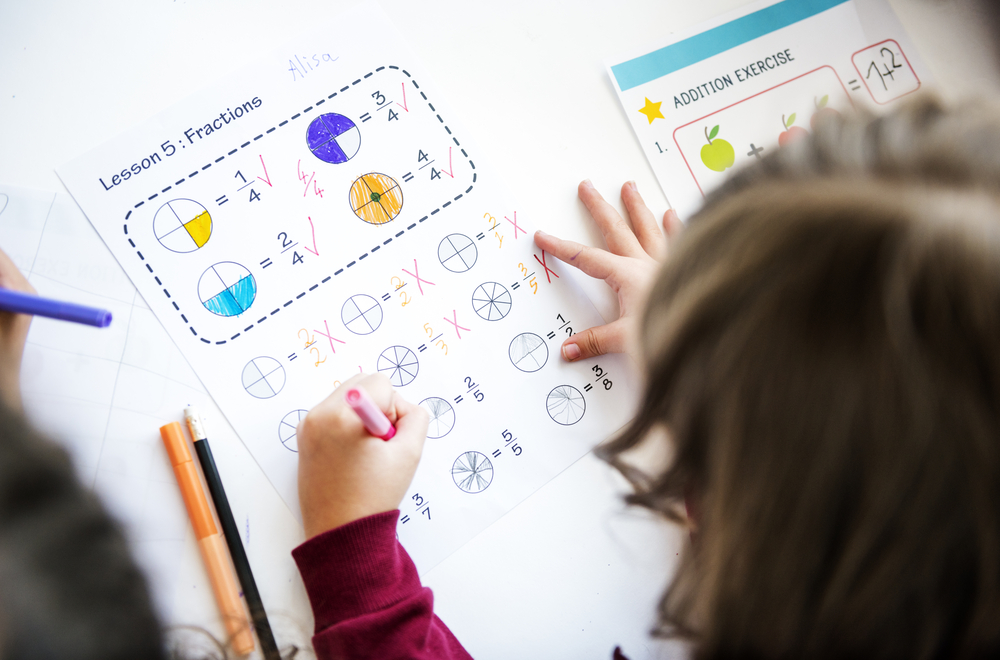




Matching activities are essential for children aged 4-8 as they significantly contribute to developmental milestones crucial for their cognitive and social growth. At this formative stage, matching activities bolster a child's visual discrimination skills, allowing them to differentiate between shapes, colors, sizes, and patterns. This foundational ability is integral to early literacy and numeracy skills, where recognizing letters and numbers is necessary.
Engaging in matching exercises also enhances memory and concentration. Children learn to make connections between objects and concepts, strengthening their neural pathways and improving cognitive functions. This, in turn, supports academic readiness and performance.
Beyond cognitive benefits, matching activities foster social and emotional development. Collaborating on matching games or classroom tasks with peers helps children develop important social skills, such as sharing, cooperating, and communicating. These interactions build self-esteem and emotional intelligence, creating a well-rounded individual capable of empathy and teamwork.
Additionally, matching can be adapted to a child’s interests and learning pace, providing personalized and enjoyable educational experiences. Teachers and parents can design diverse matching activities according to specific themes or subjects, ensuring education is engaging and relevant. In sum, incorporating matching activities in a child's routine sets a strong educational foundation, enriching their overall development and preparing them for future learning challenges.








