Life Science Worksheets for Ages 4-8 - Page 2
36 filtered results
-
From - To
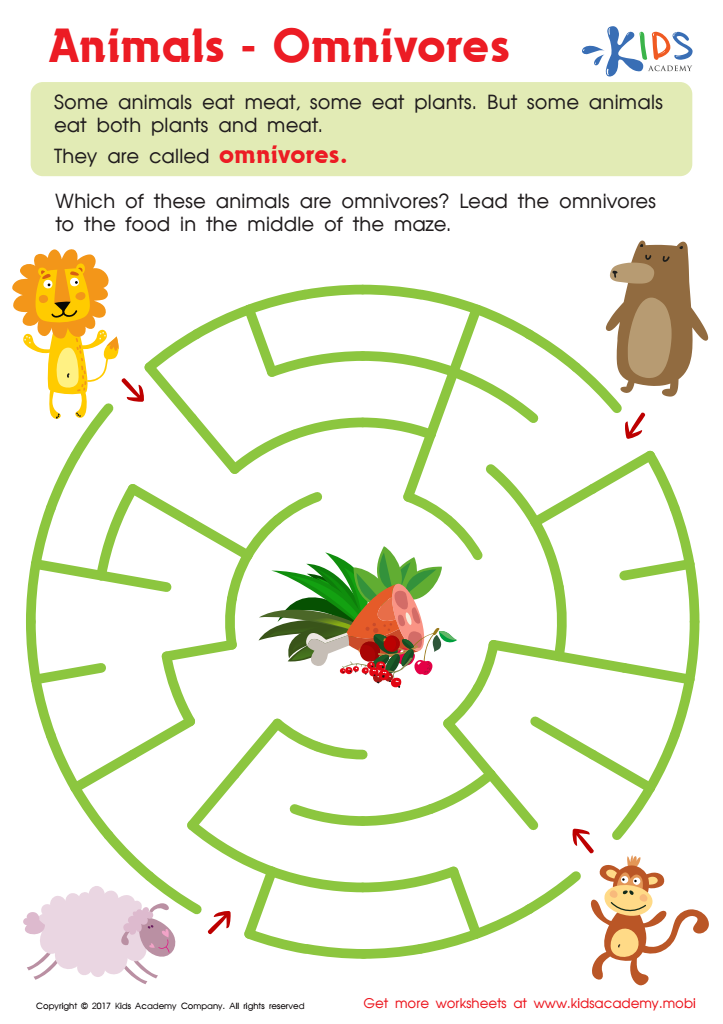
Omnivores Animals Worksheet
 Assign to My Students
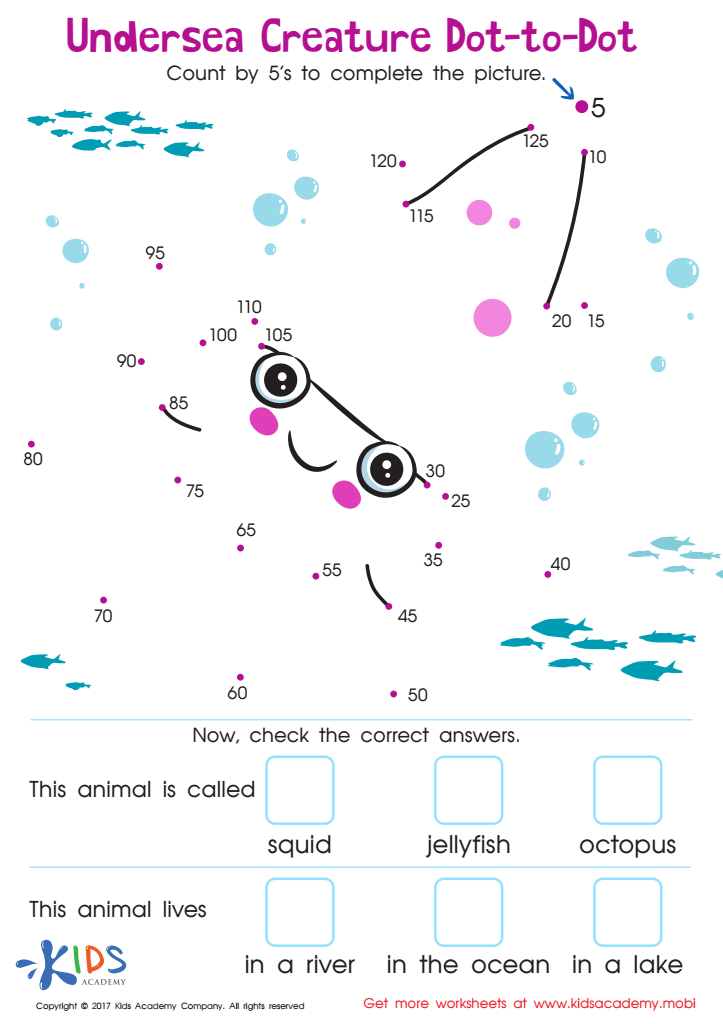
Undersea: Dot To Dot Worksheet
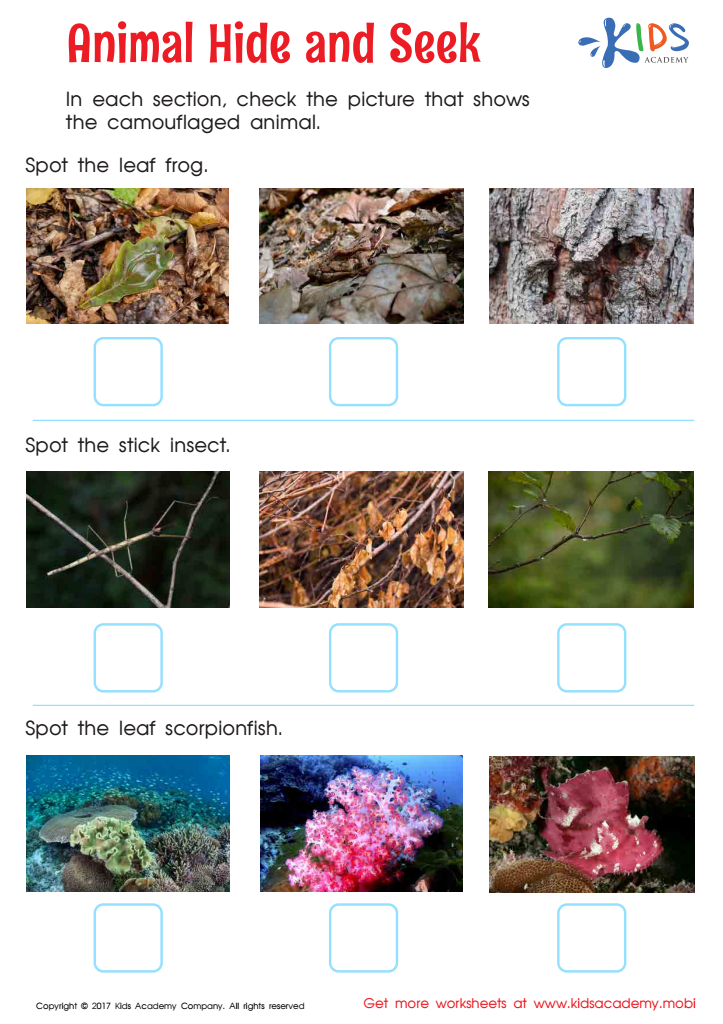
Animal Hide and Seek Worksheet
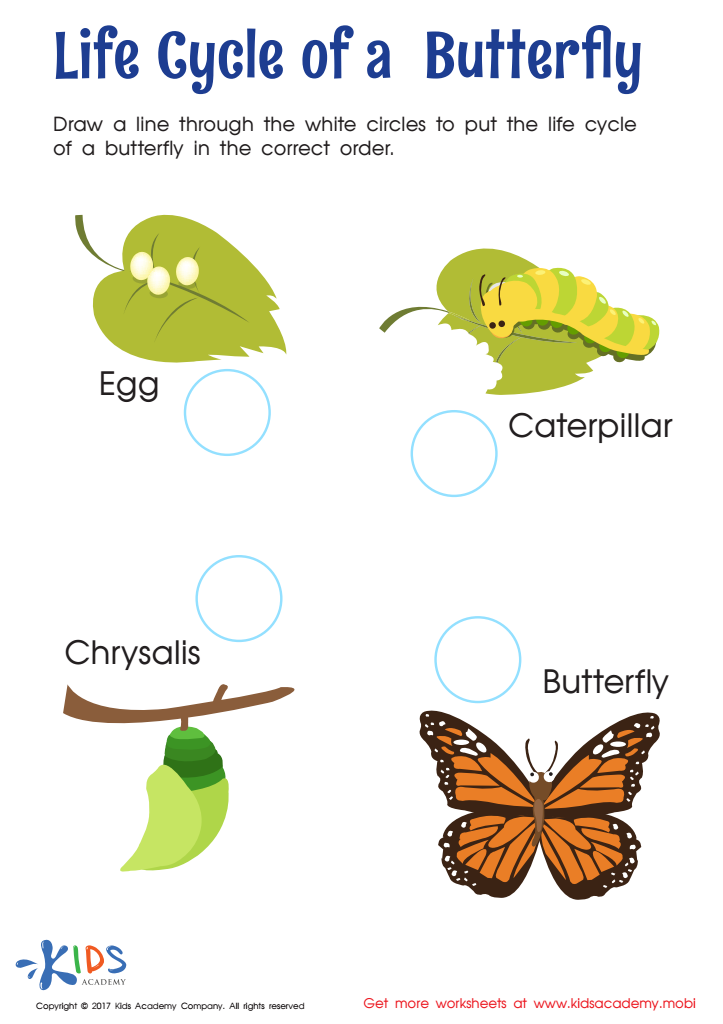
Life Cycle of Butterfly Worksheet
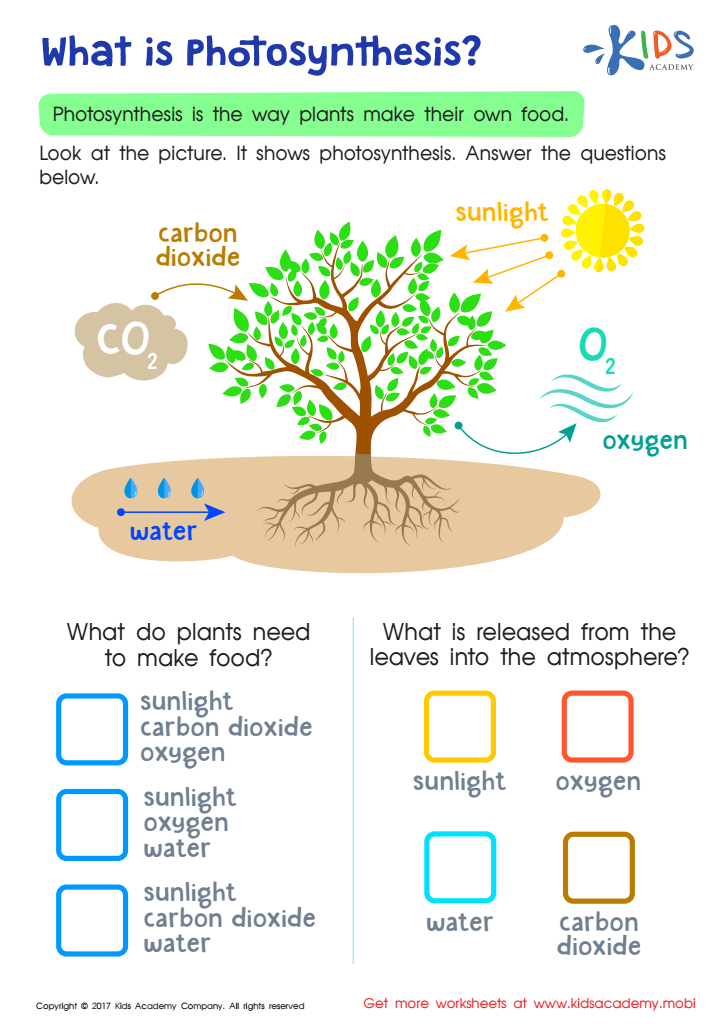
What is Photosynthesis Printable
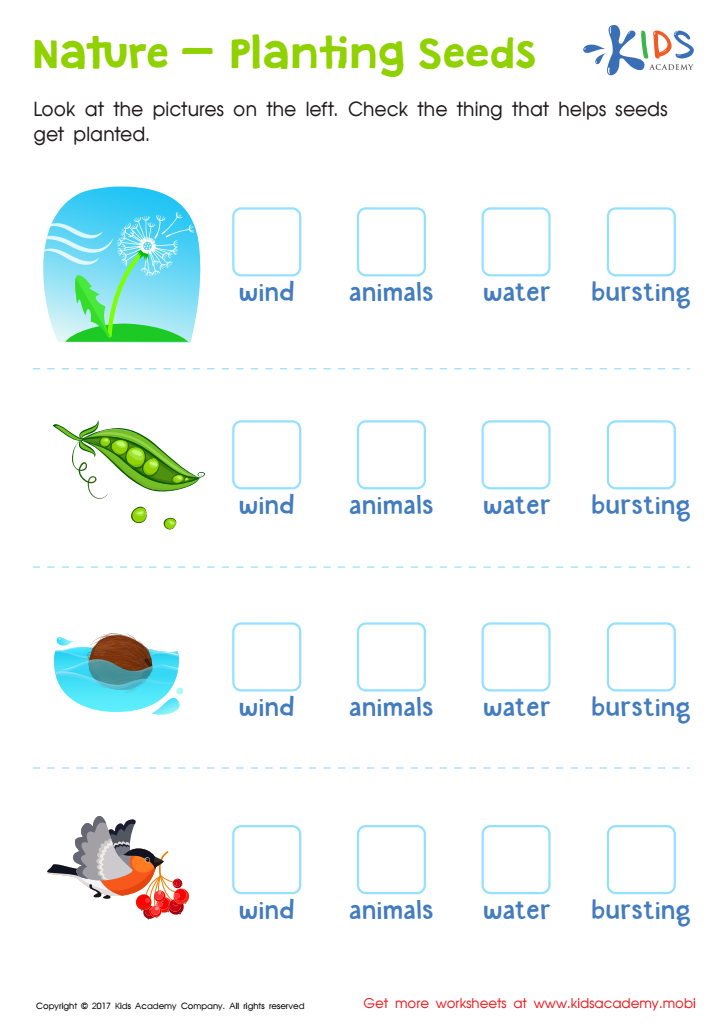
Nature Planting Seeds Worksheet
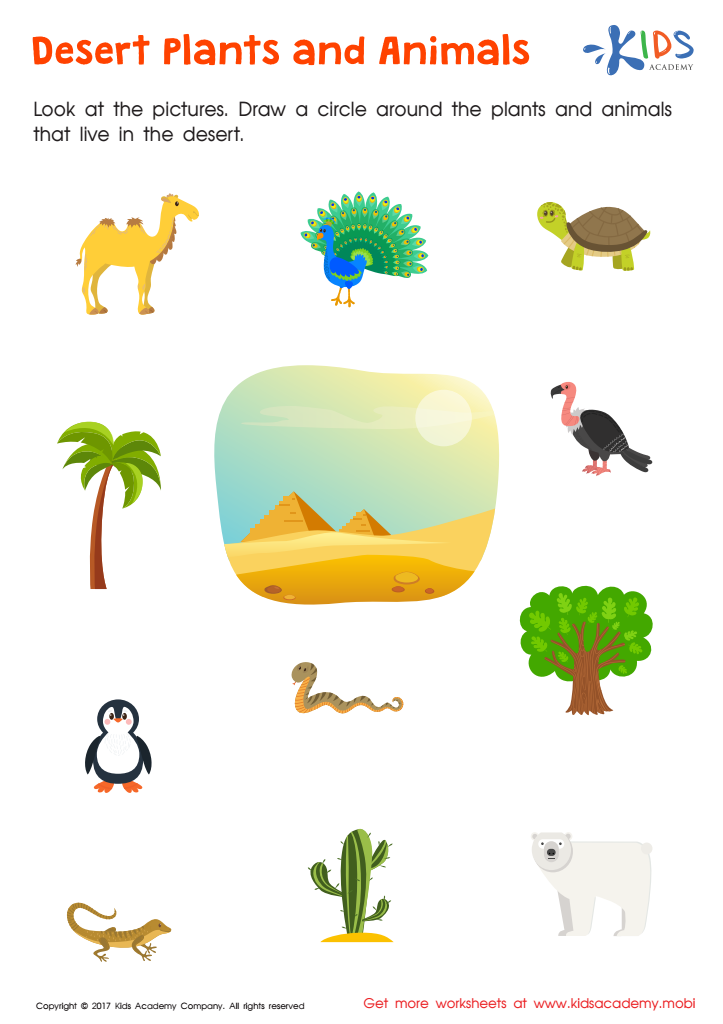
Desert Plants Animals Printable
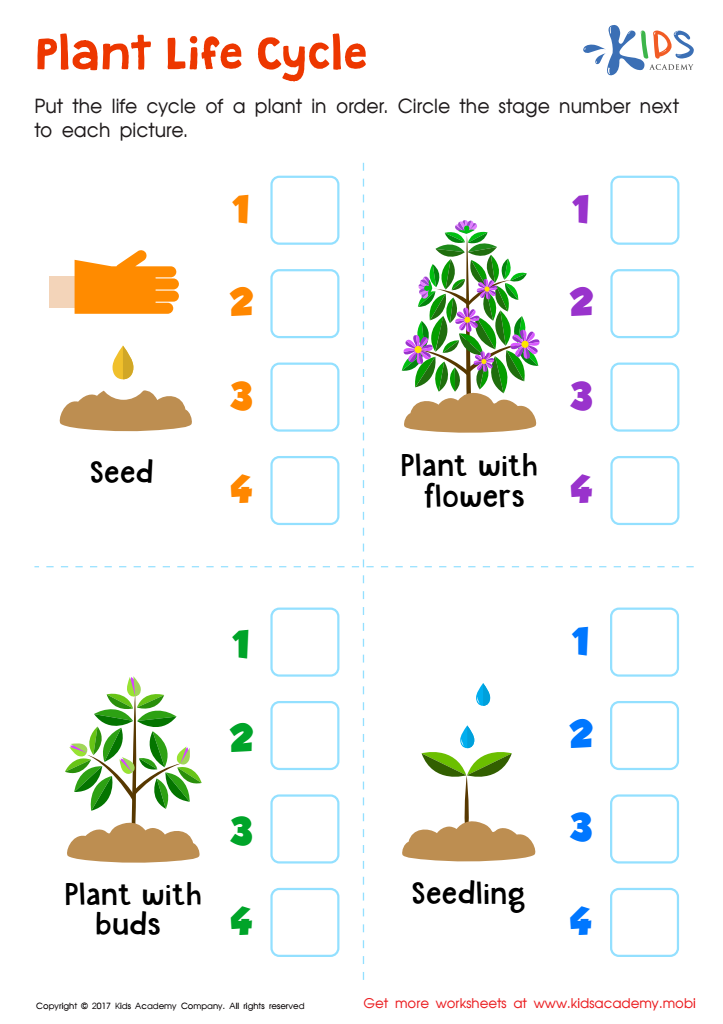
Plant Life Cycle Printable
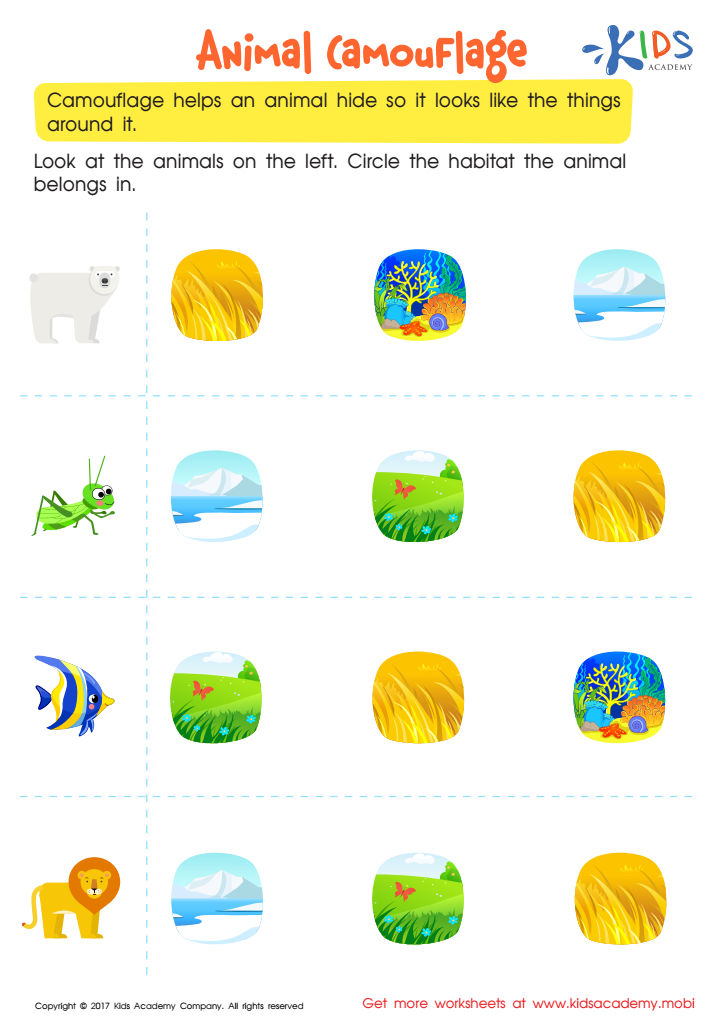
Animal Camouflage Worksheet
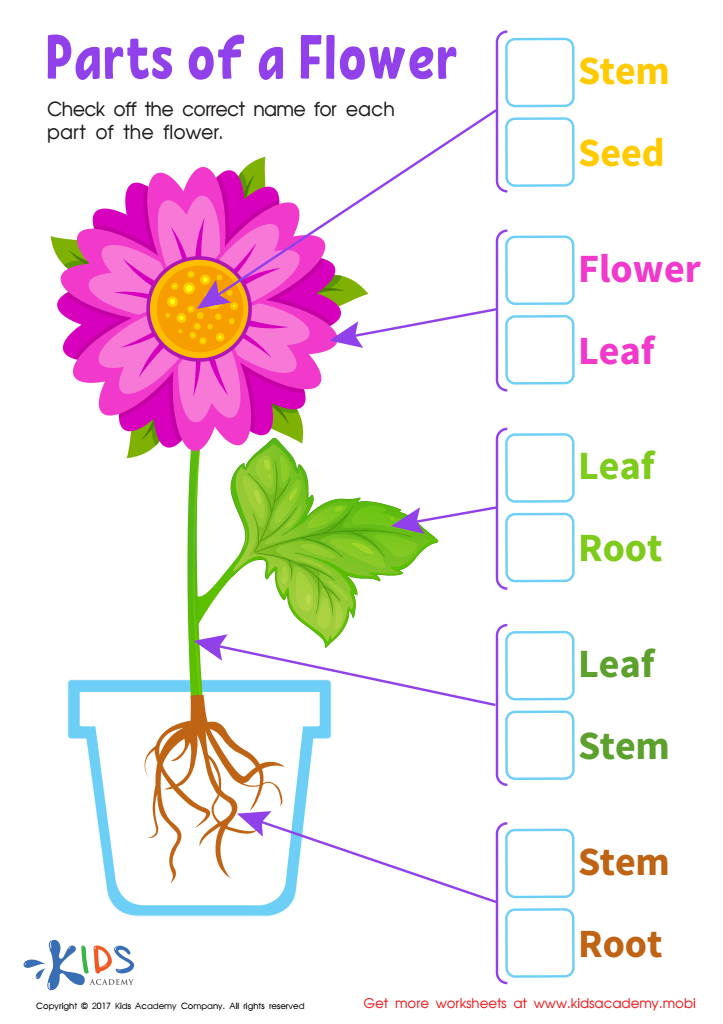
Parts Flower Printable
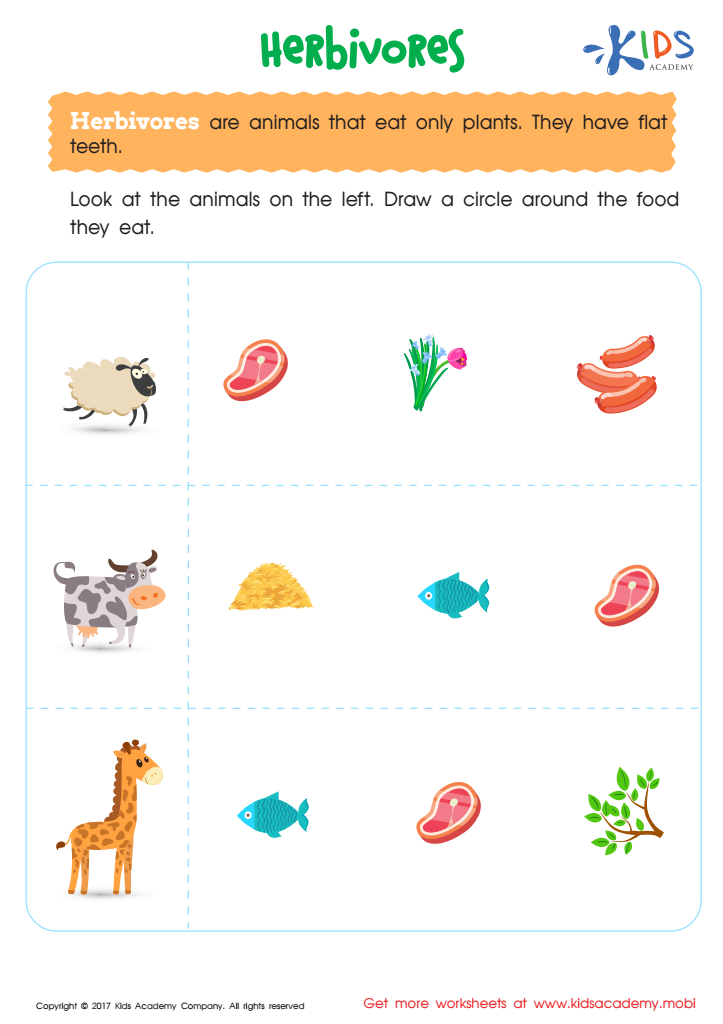
Herbivores Printable
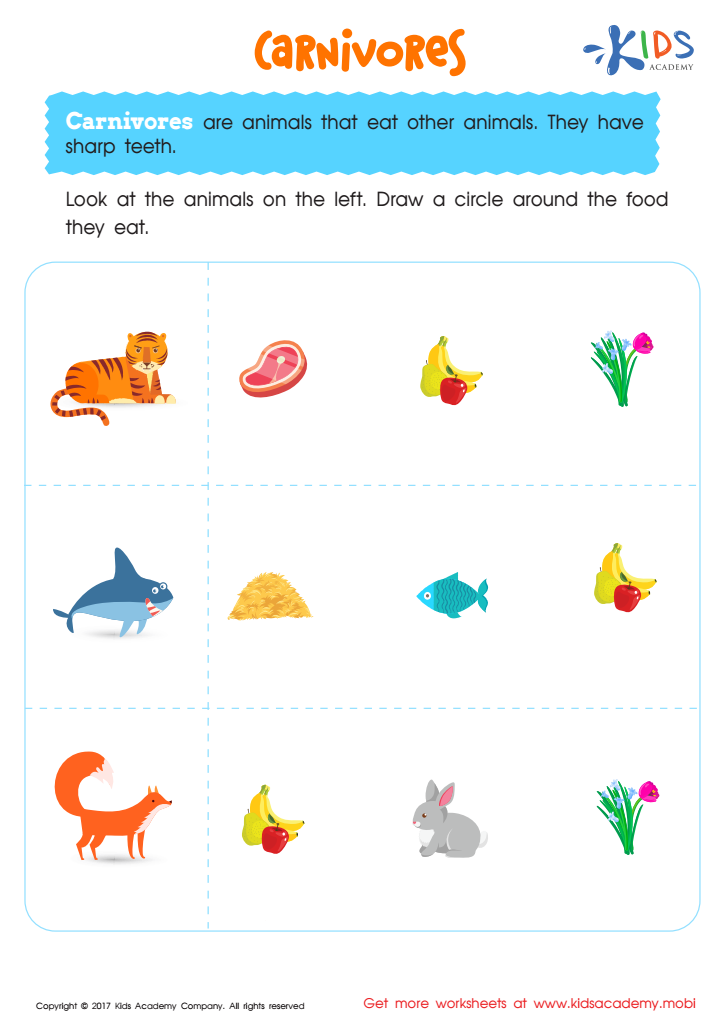
Carnivores Worksheet







Teaching Life Science to children ages 4-8 is essential for several pivotal reasons. Firstly, fostering an interest in Life Science helps children develop a sense of curiosity about the natural world. At this age, kids are naturally inquisitive and exploring life sciences can satisfy and fuel this curiosity further, encouraging them to ask questions, investigate, and think critically.
Secondly, Life Science lessons can create foundational understanding and appreciation for living organisms, both plants, and animals. This early exposure can instill a respect for biodiversity and an understanding of the environment, paving the way for future environmentally conscious choices and behaviors.
Additionally, engaging in Life Science allows young children to develop essential skills such as observation, categorization, and reasoning. Activities like observing the life cycle of a butterfly or growing a plant from a seed promote hands-on learning and enhance fine motor skills.
In the context of social learning, Life Science teaches empathy and responsibility. Caring for classroom pets, for example, can teach children about responsibility and kindness towards living creatures.
In conclusion, attention to Life Science in early education encourages a lifelong love for learning, supports cognitive and emotional development, and creates early awareness about environmental stewardship, which is crucial in forming well-rounded, knowledgeable individuals.








