Community Worksheets for Ages 4-8 - Page 3
125 filtered results
-
From - To
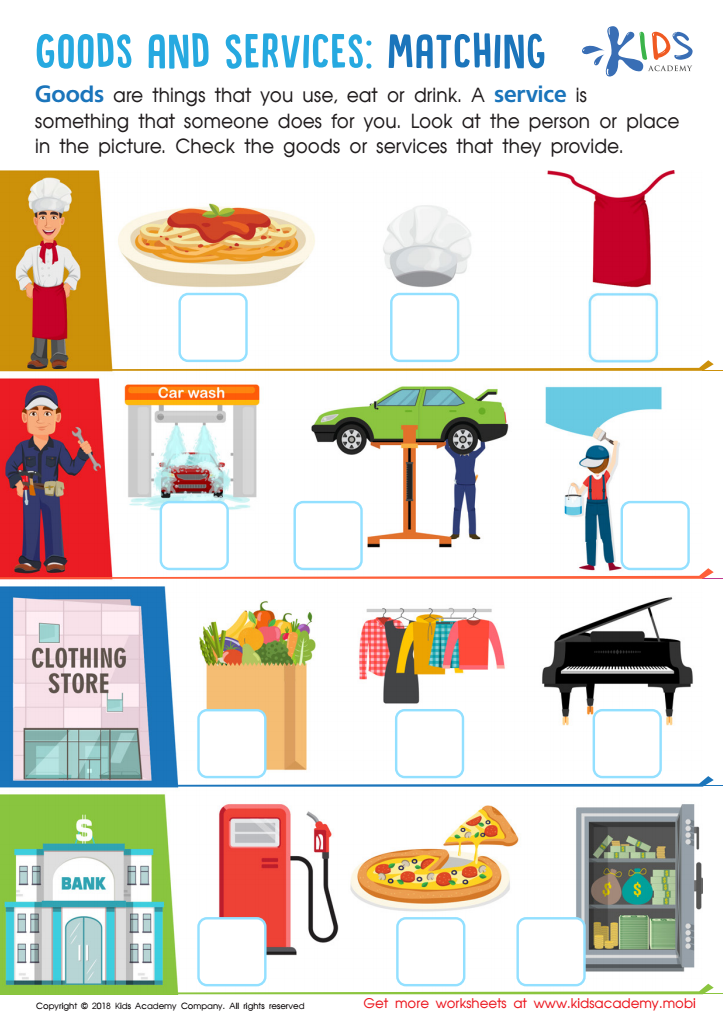
Goods and Services: Matching Worksheet
 Assign to My Students
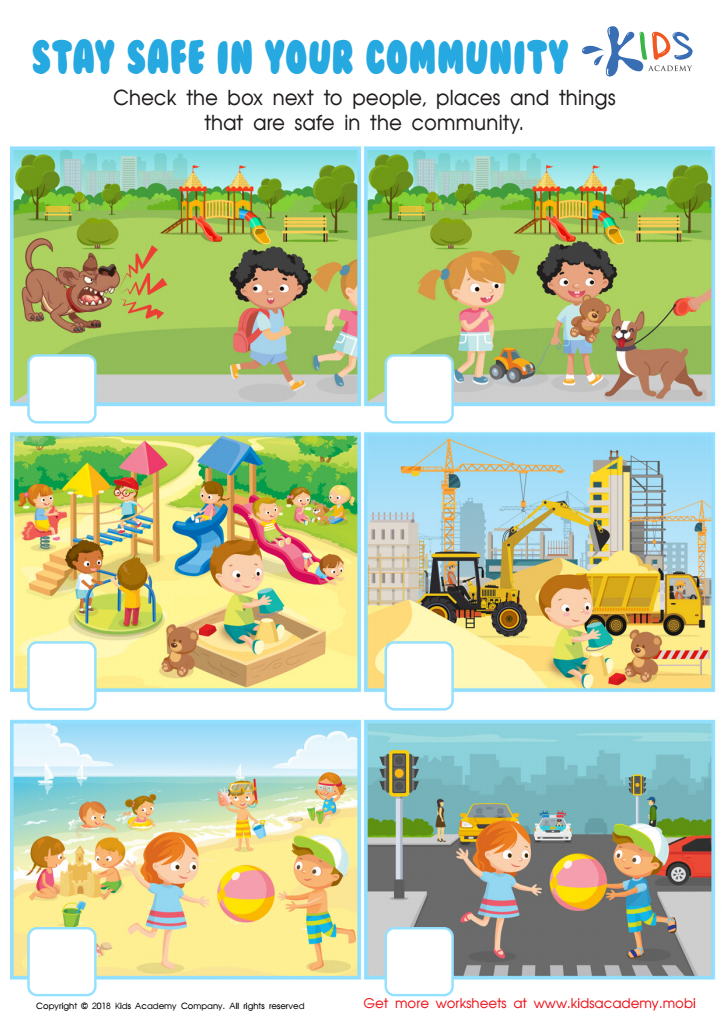
Stay Safe in Your Community Worksheet
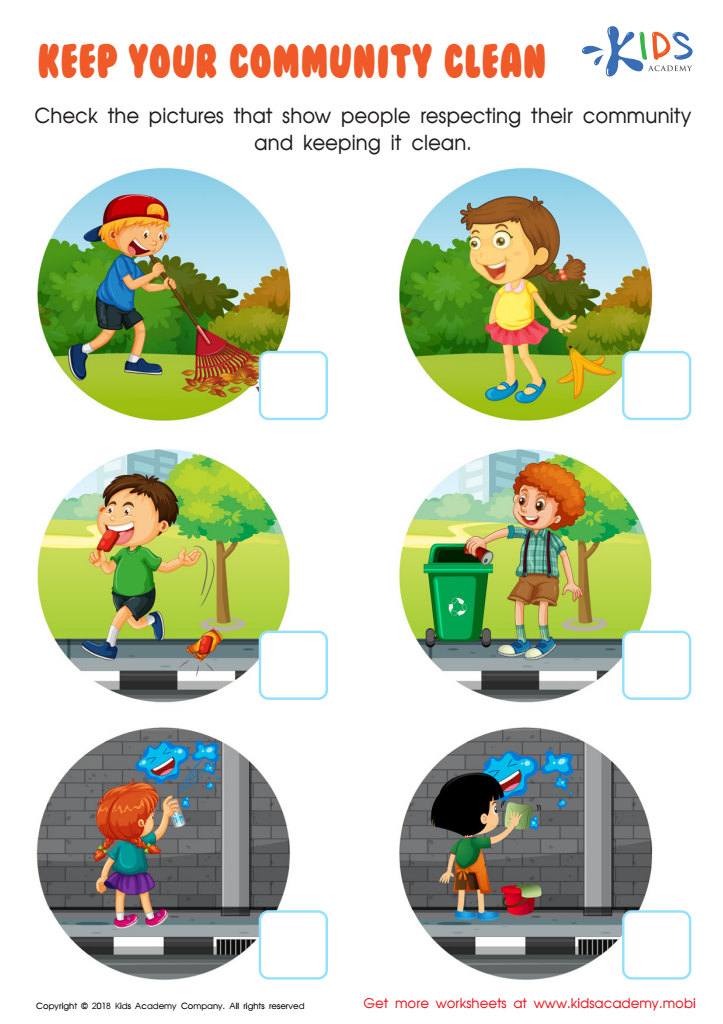
Keep Your Community Clean Worksheet
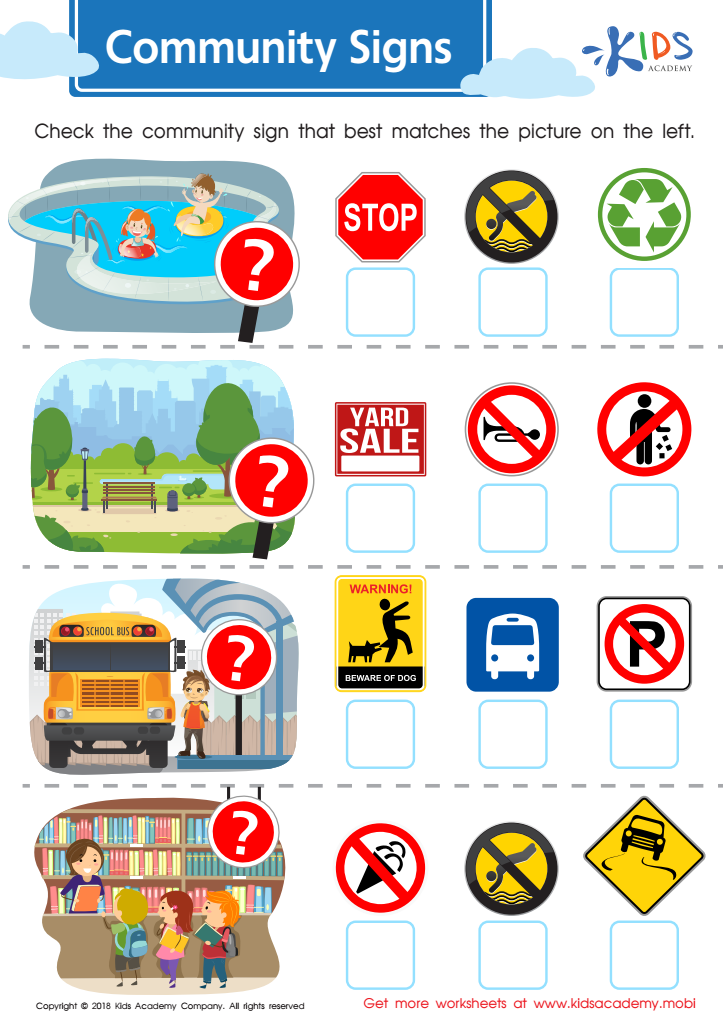
Community Signs Worksheet
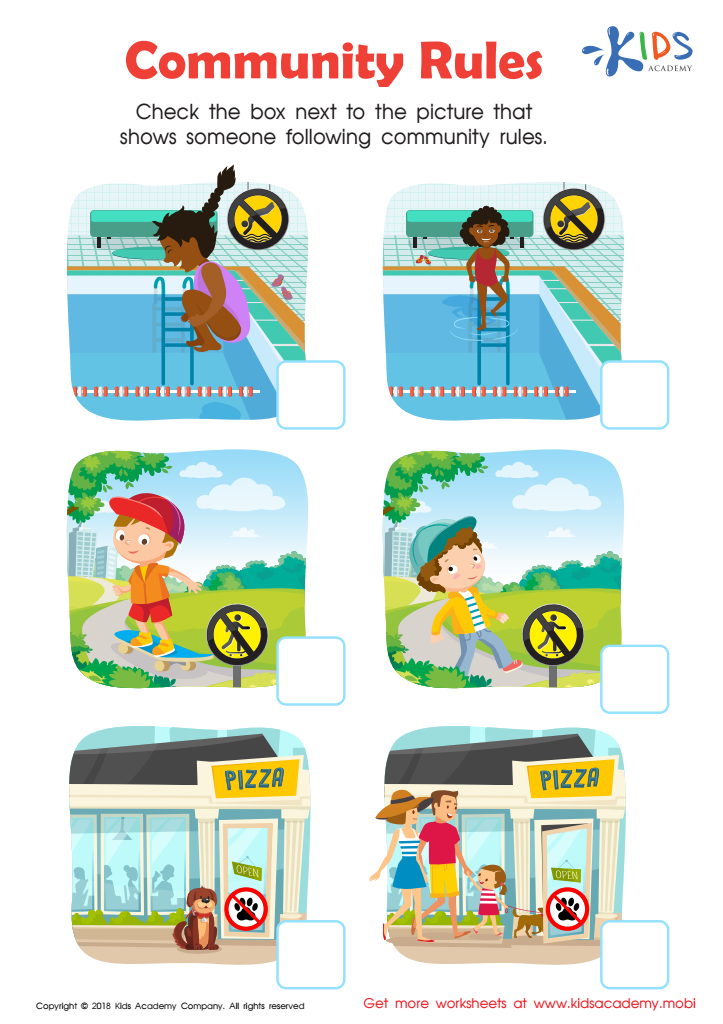
Community Rules Worksheet
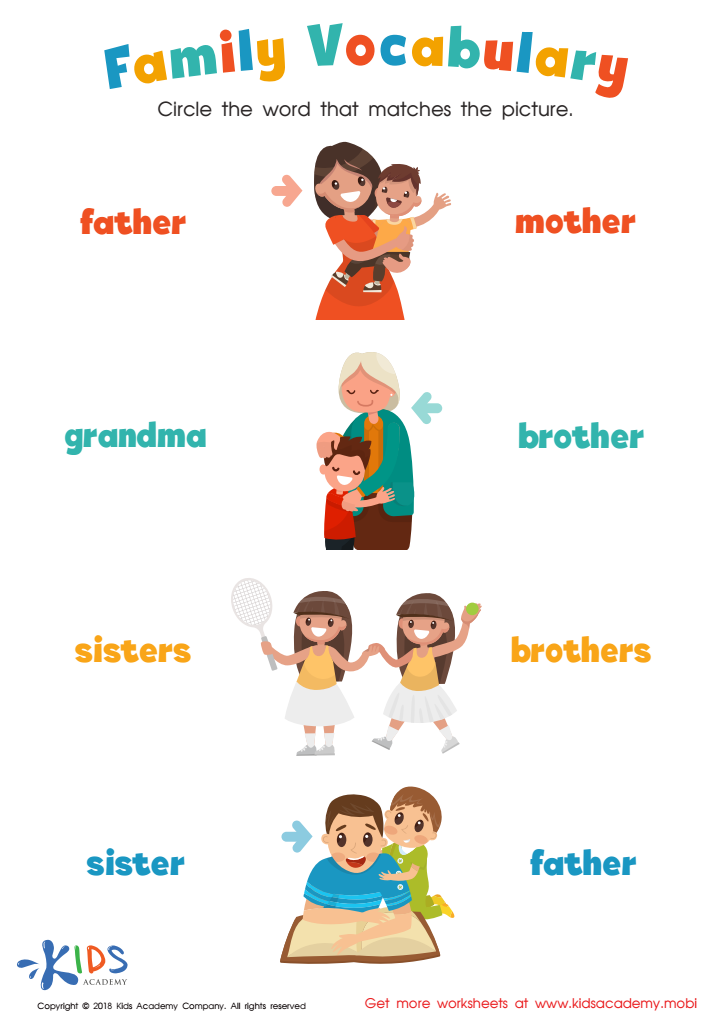
Family Vocabulary Worksheet
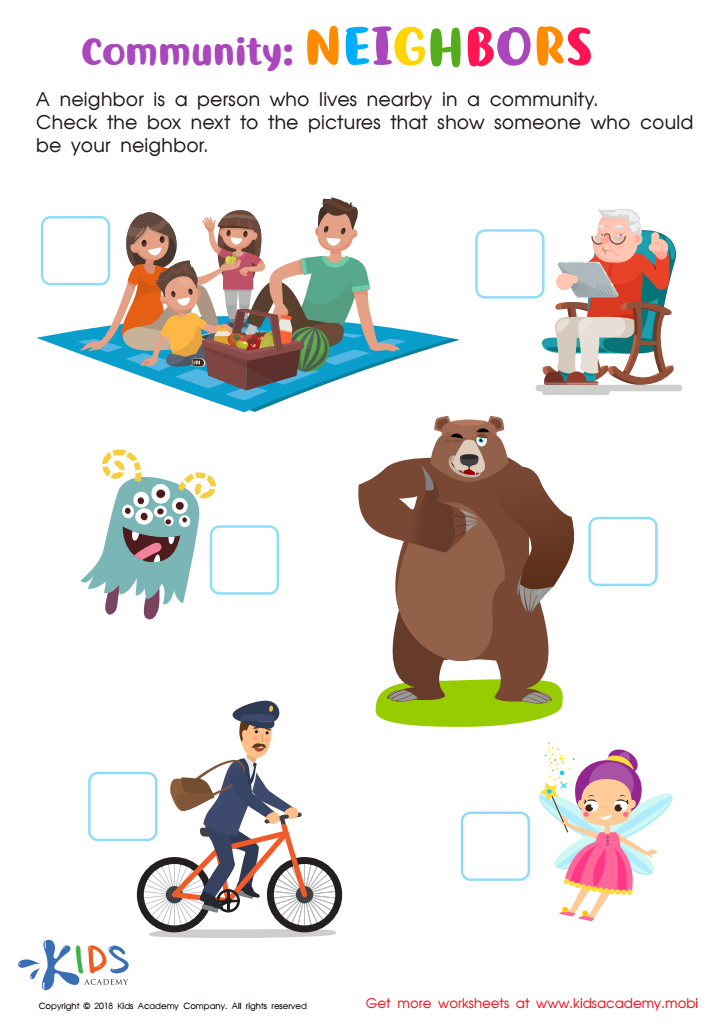
Community: Neighbors Worksheet
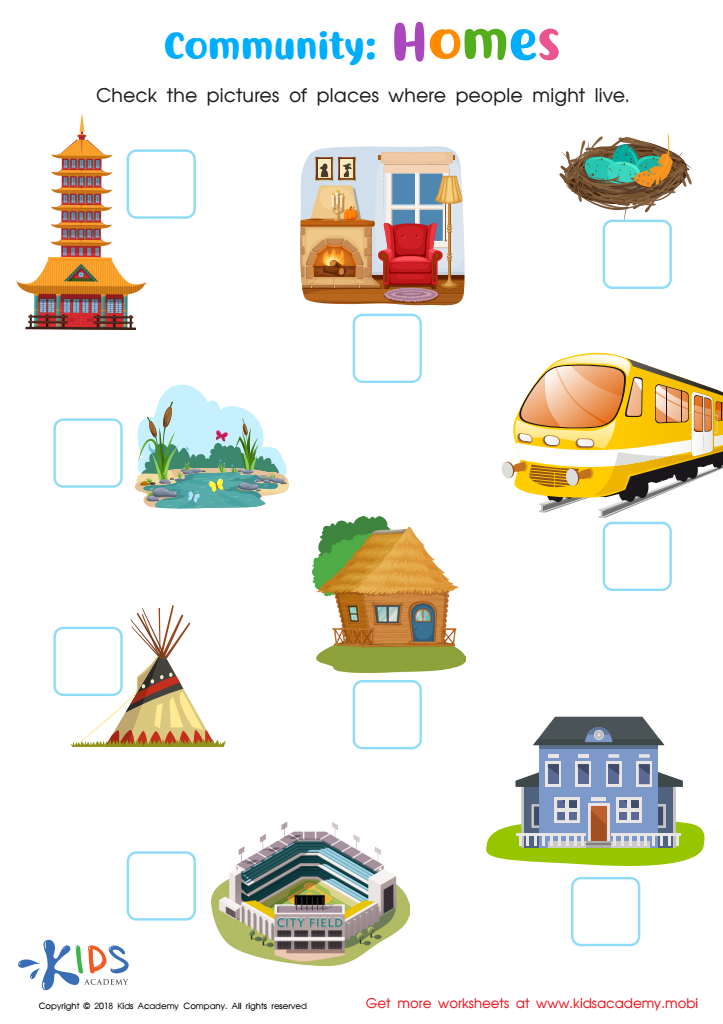
Community: Homes Worksheet
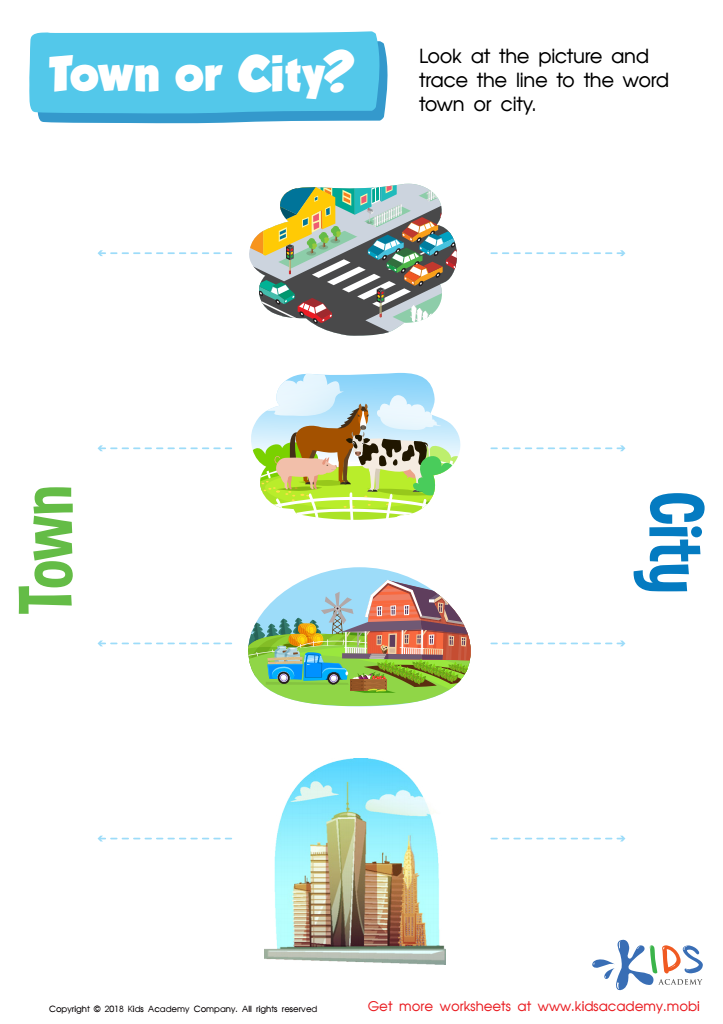
Town or City? Worksheet
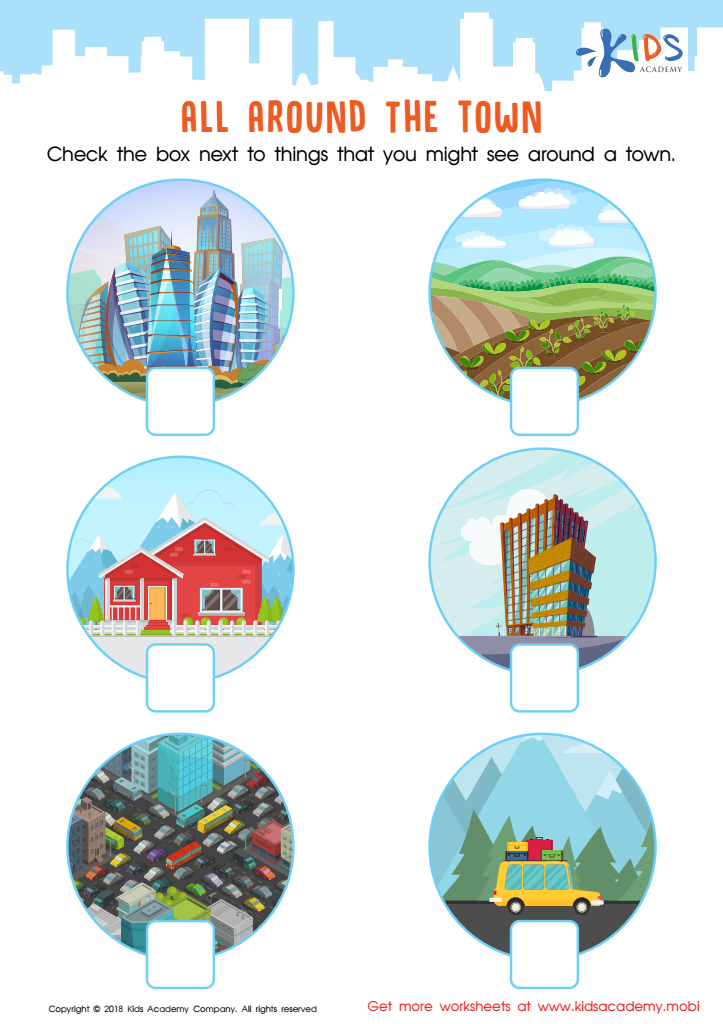
All Around the Town Worksheet
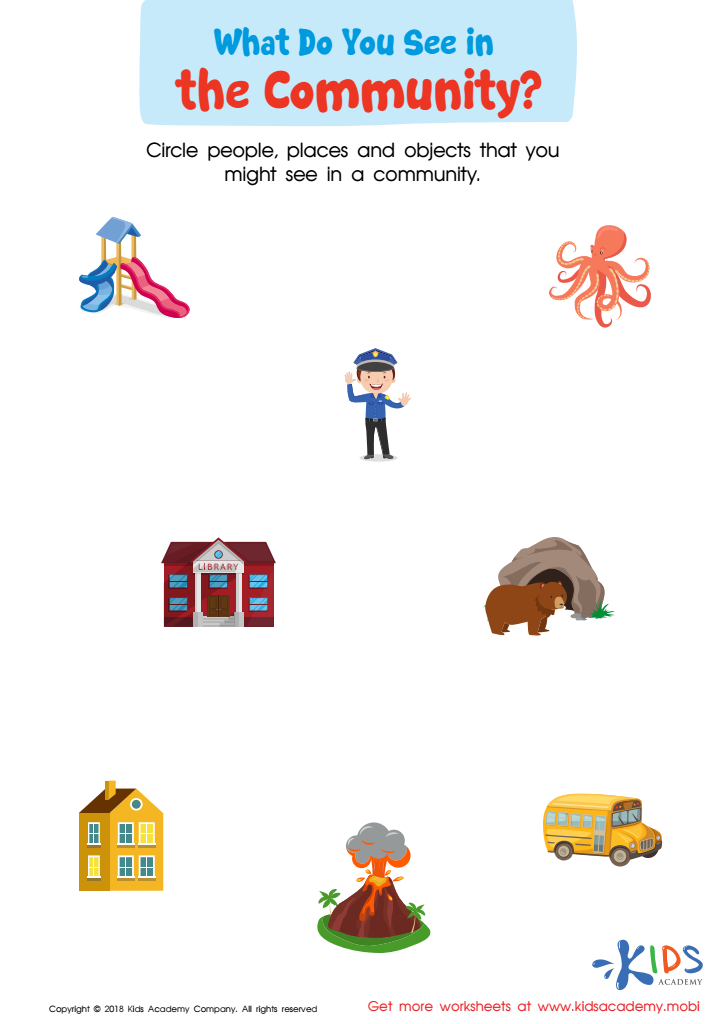
What Do You See in the Community Worksheet
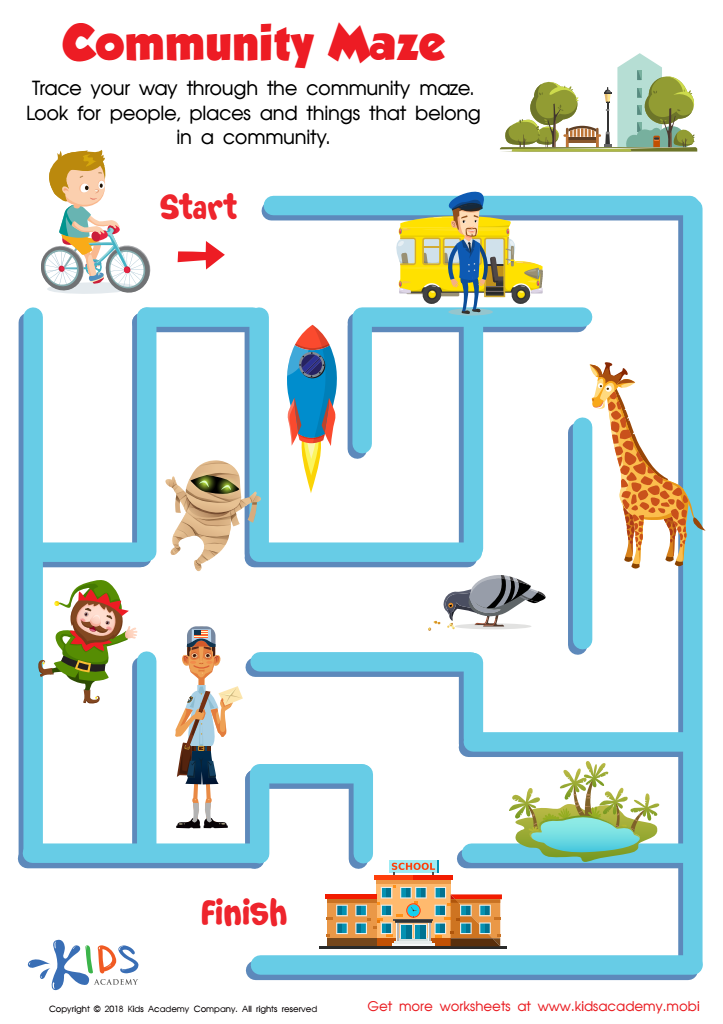
Community Maze Worksheet
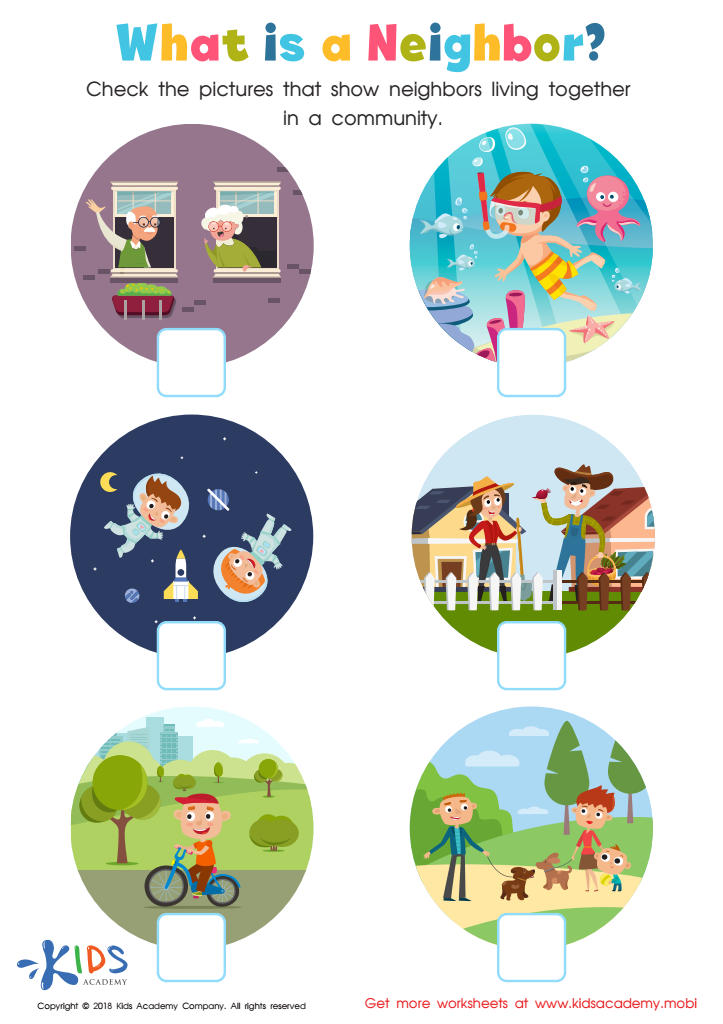
What is a neighbor Worksheet

Let's Look! Assessment Worksheet
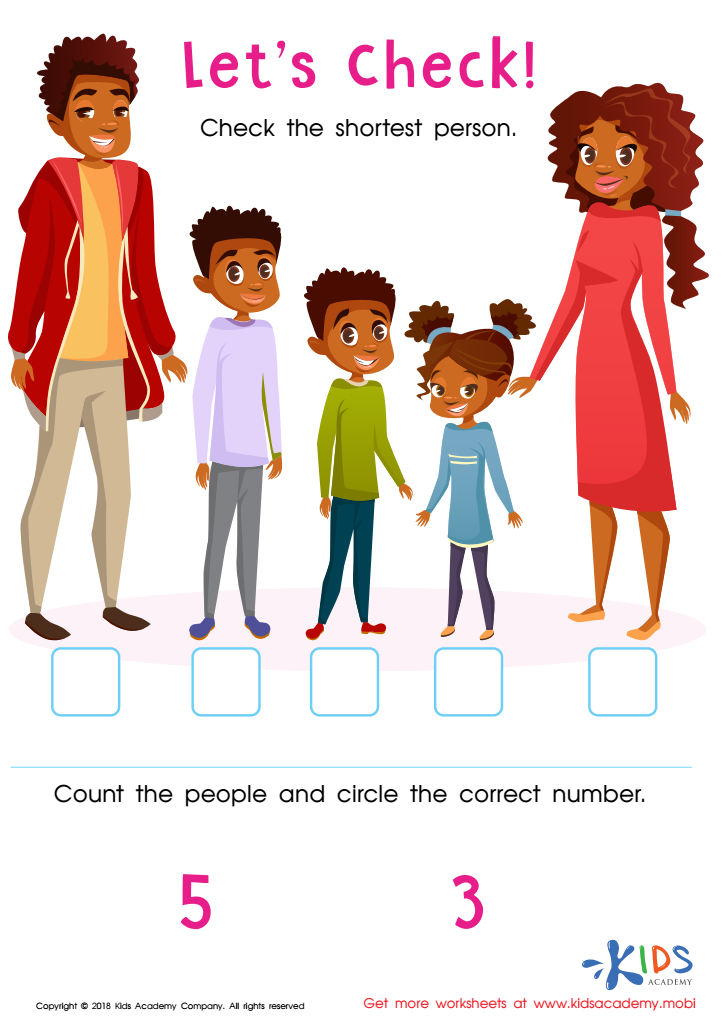
Let's Check! Assessment Worksheet
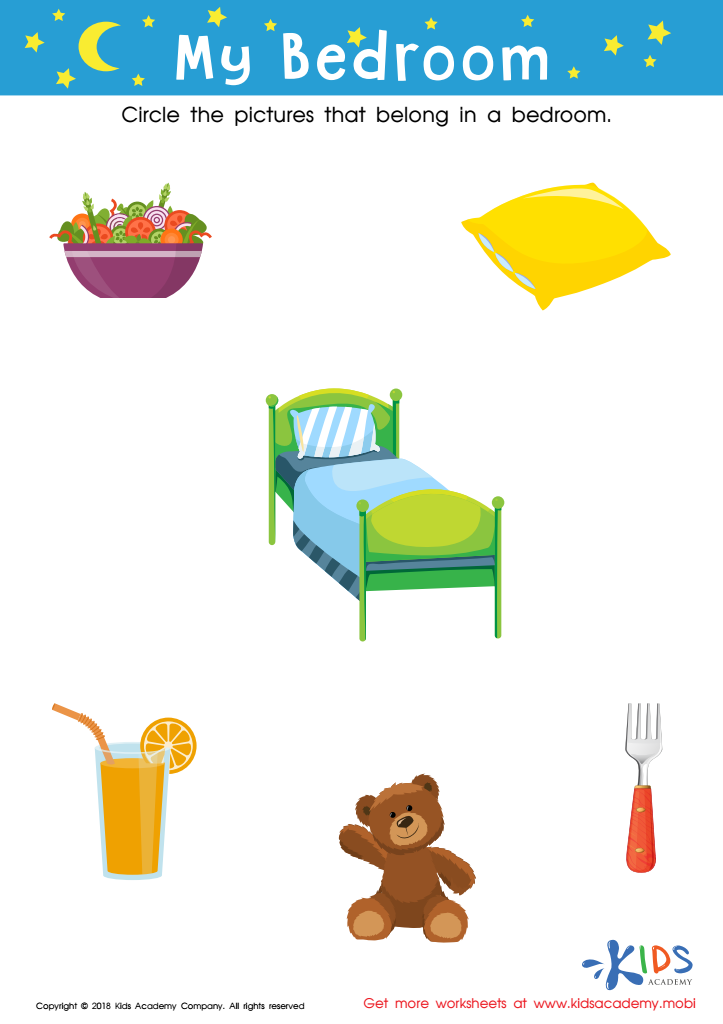
My Bedroom Worksheet
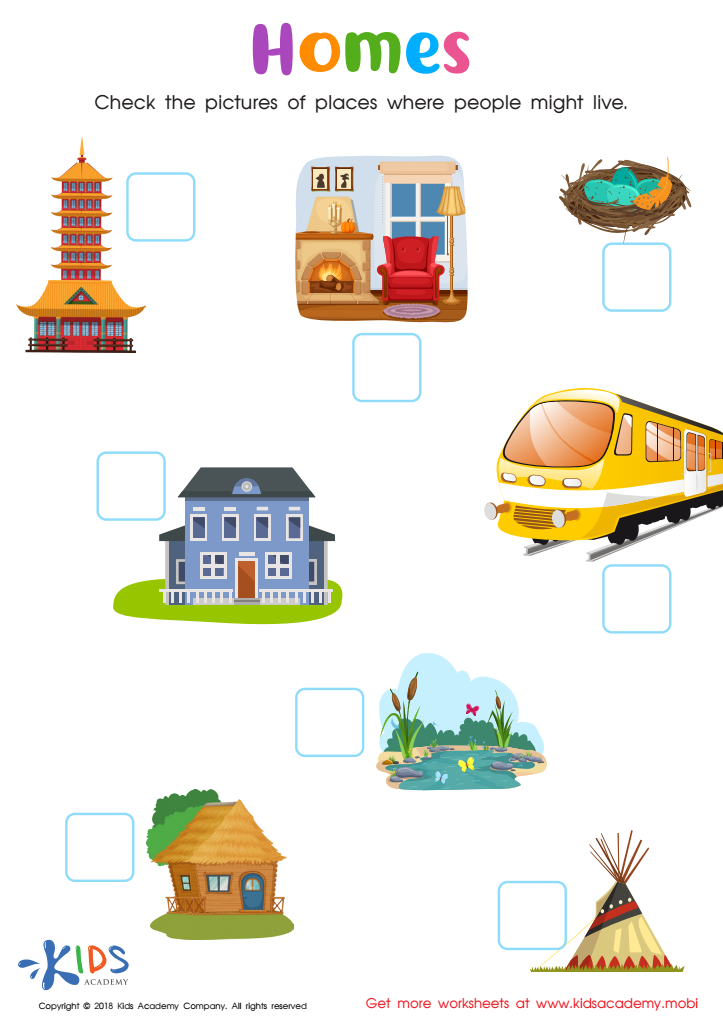
Homes Worksheet
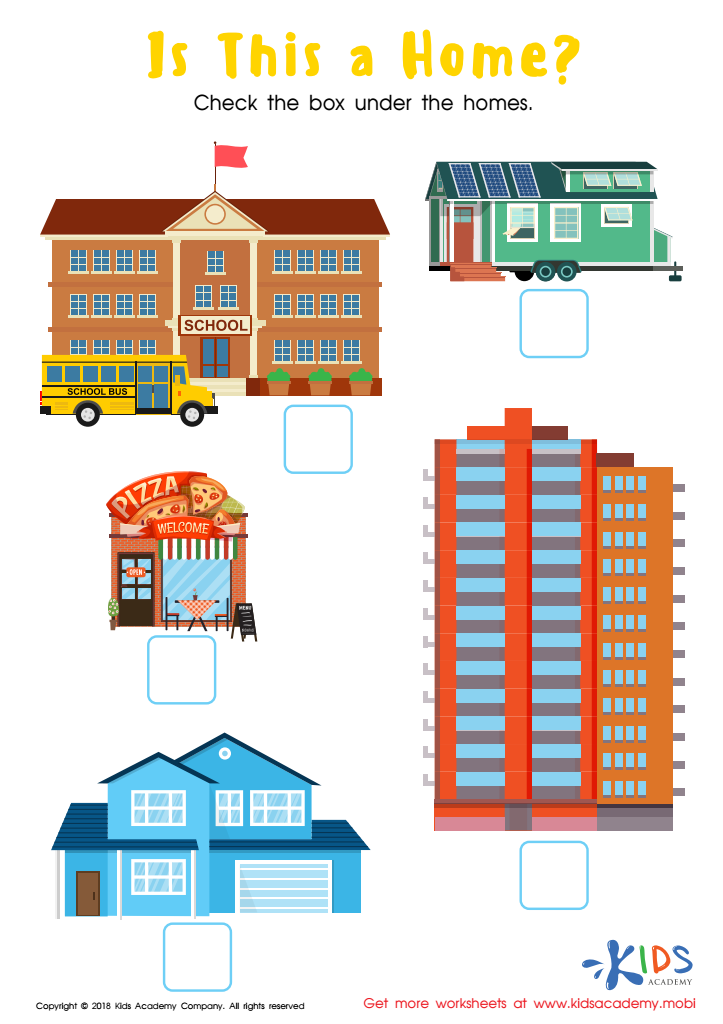
Is this a Home? Worksheet
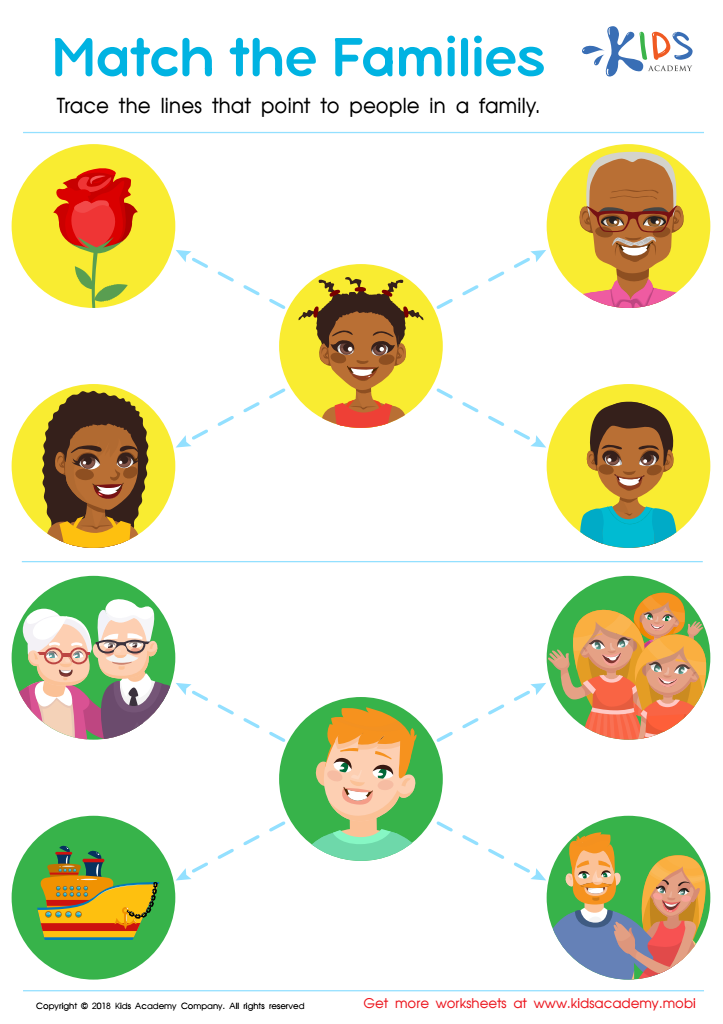
Match the Families Worksheet
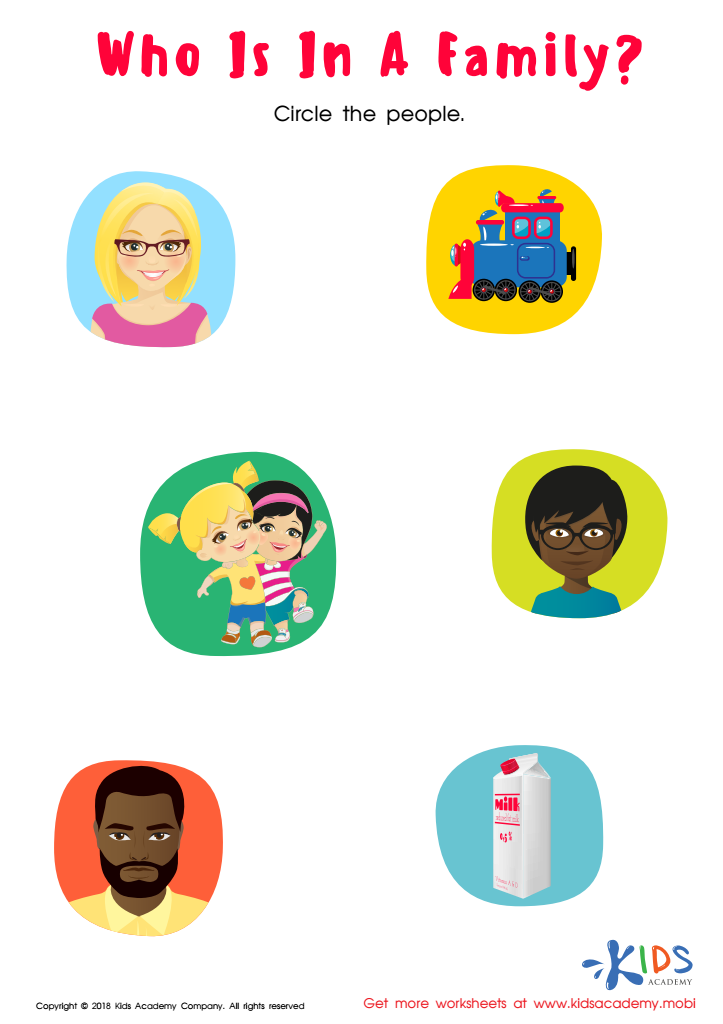
Who Is in a Family? Worksheet
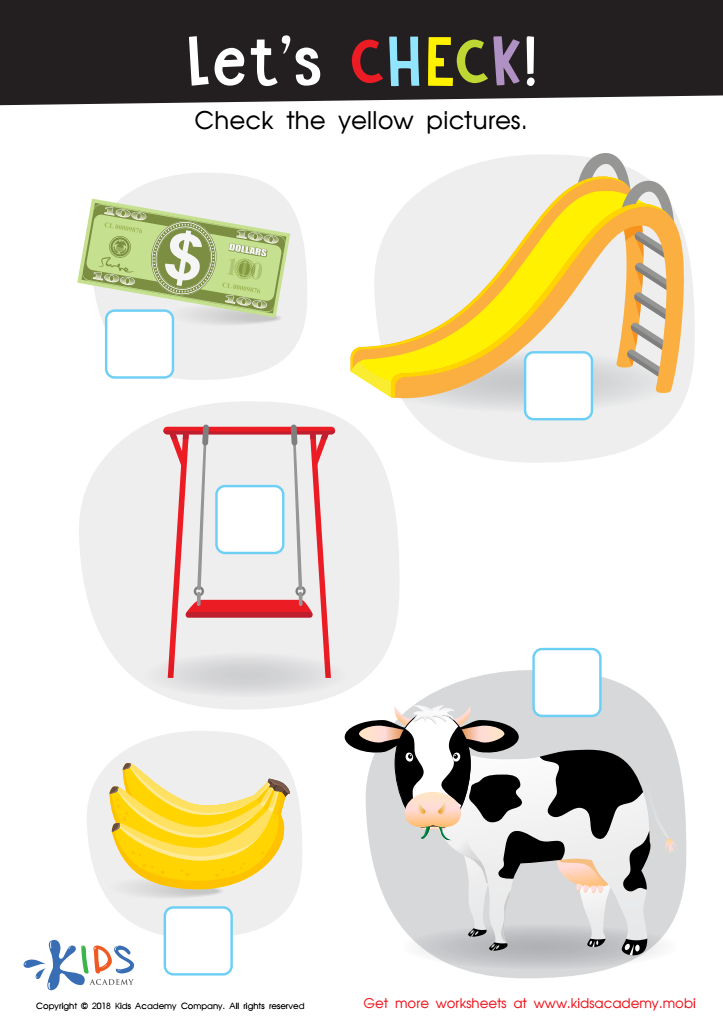
Let's Check! Worksheet
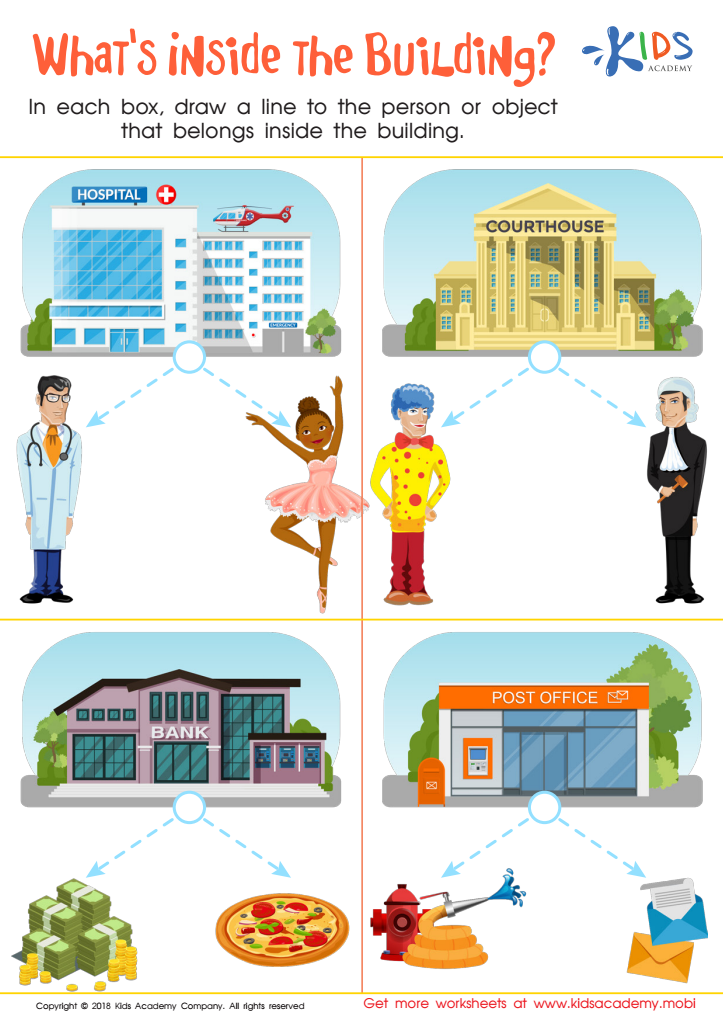
What's Inside the Building? Worksheet
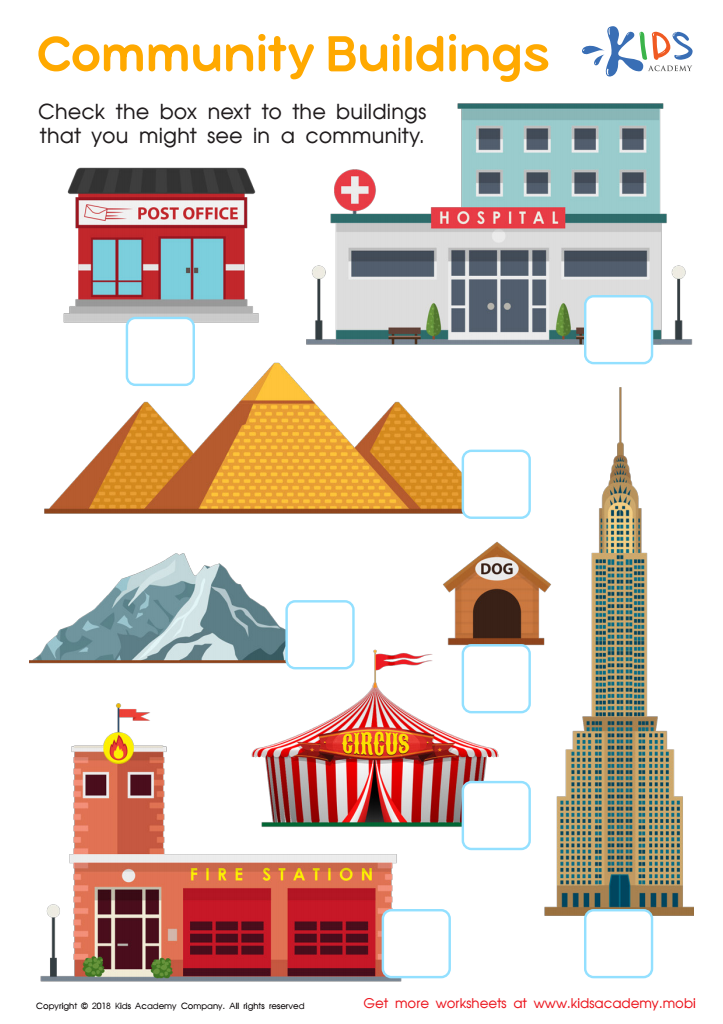
Community Buildings Worksheet
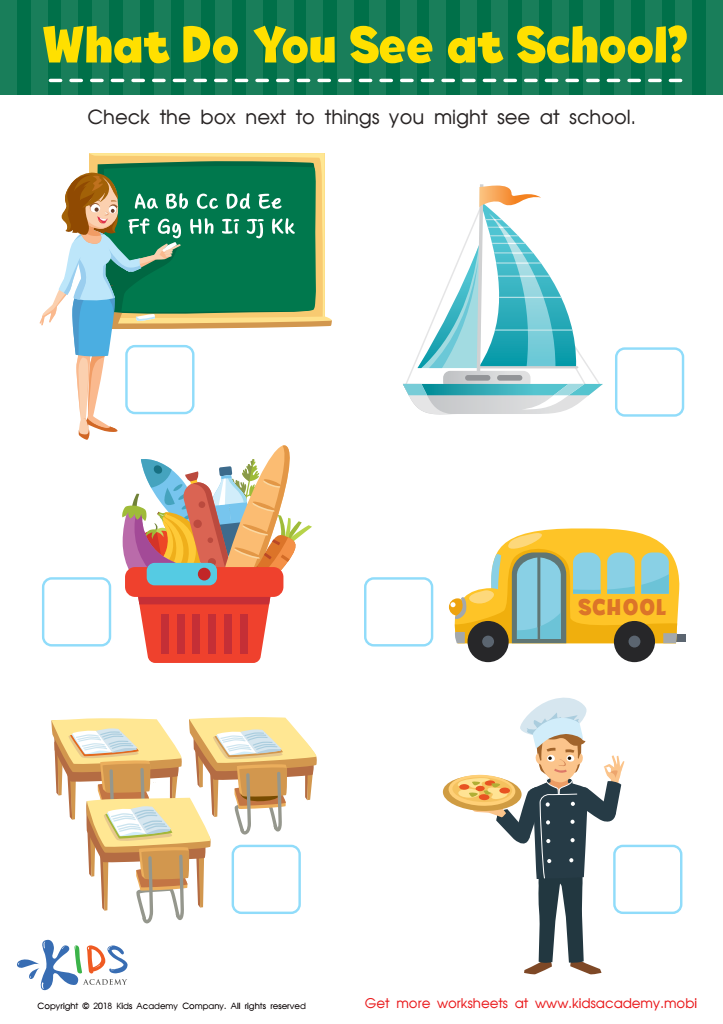
What Do you See at School? Worksheet








Community plays a fundamental role in the holistic development of children aged 4-8, and it is crucial for both parents and teachers to understand its significance. At this formative stage, children are beginning to develop their social, emotional, and cognitive skills. A strong sense of community provides a supportive environment where children feel safe, valued, and understood. This helps build their confidence and self-esteem, which are essential for successful learning and personal growth.
From an educational perspective, community-oriented activities promote cooperative learning, critical thinking, and problem-solving skills. When children engage with others, they learn to respect diverse viewpoints, practice empathy, and develop effective communication skills. These social competencies are foundational not just for academic success, but for lifelong personal and professional relationships.
For parents, being involved in a community allows them to better understand their child’s experiences, challenges, and achievements. It fosters a network of support among families, enabling shared learning and resource exchange. Teachers benefit by gaining insights into the home environments of their students, allowing for more tailored and impactful teaching strategies.
Ultimately, prioritizing community for young children ensures that they grow up in an environment rich with interpersonal connections, mutual respect, and collective growth, laying the groundwork for a balanced and fulfilling life.