Tracing Letters Worksheets for Ages 4-9 - Page 3
58 filtered results
-
From - To
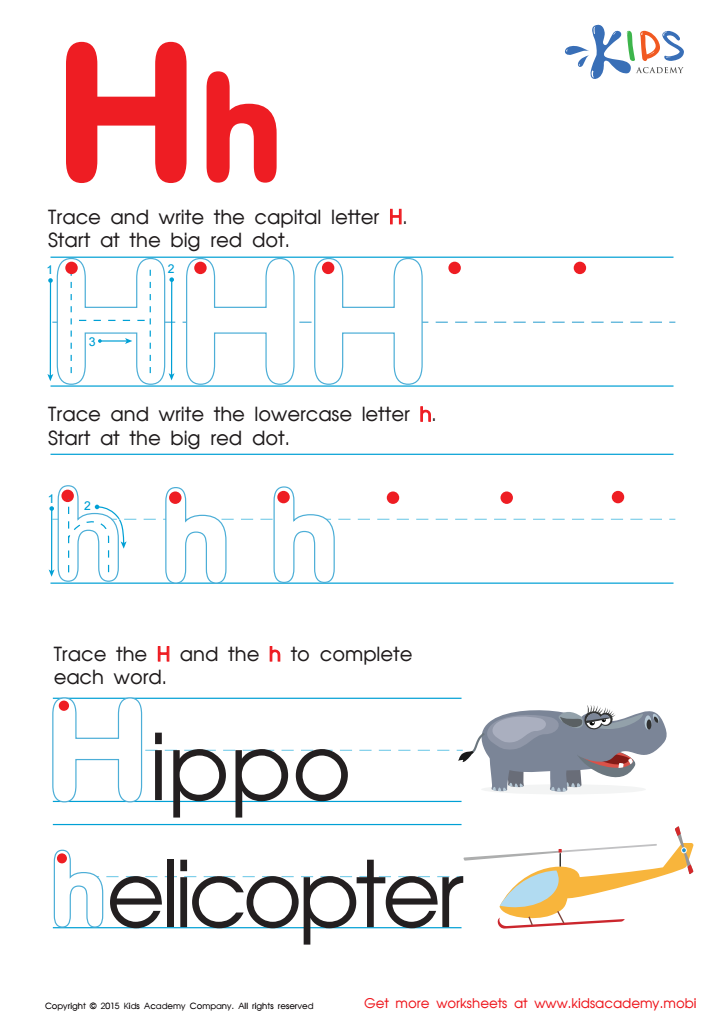
Letter H Tracing Page
 Assign to My Students
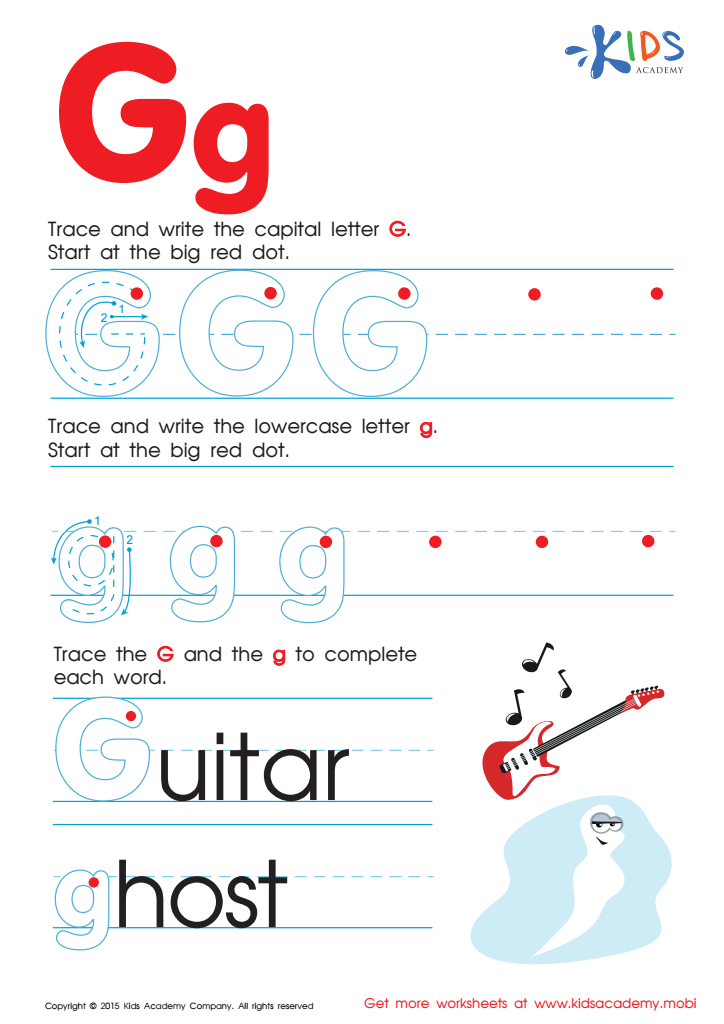
Letter G Tracing Page
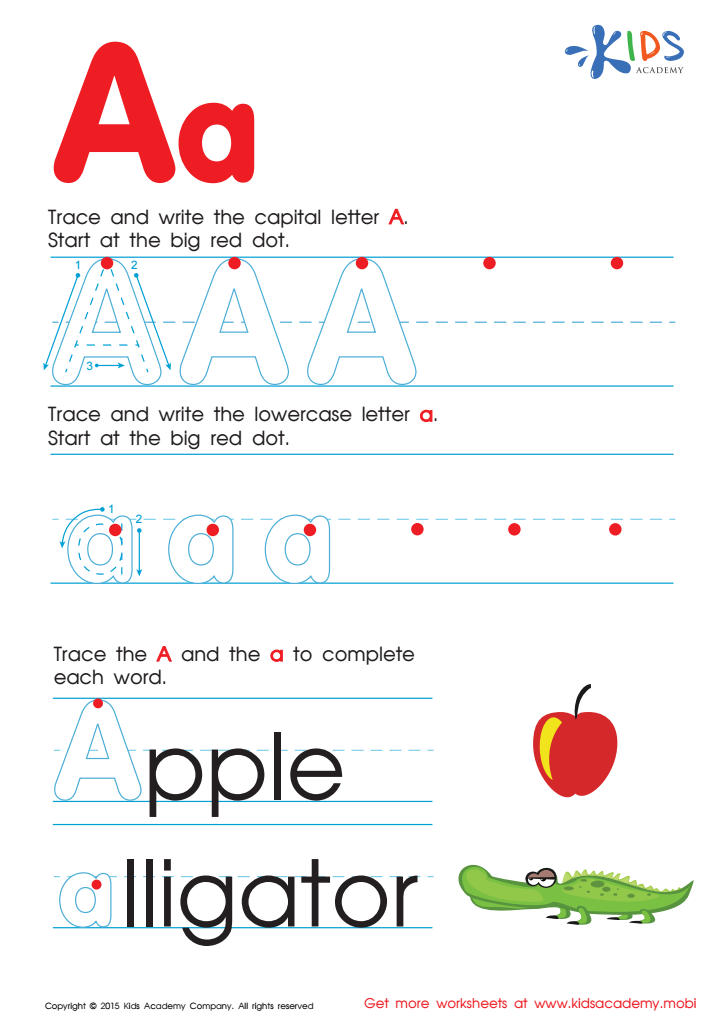
Letter A Tracing Page
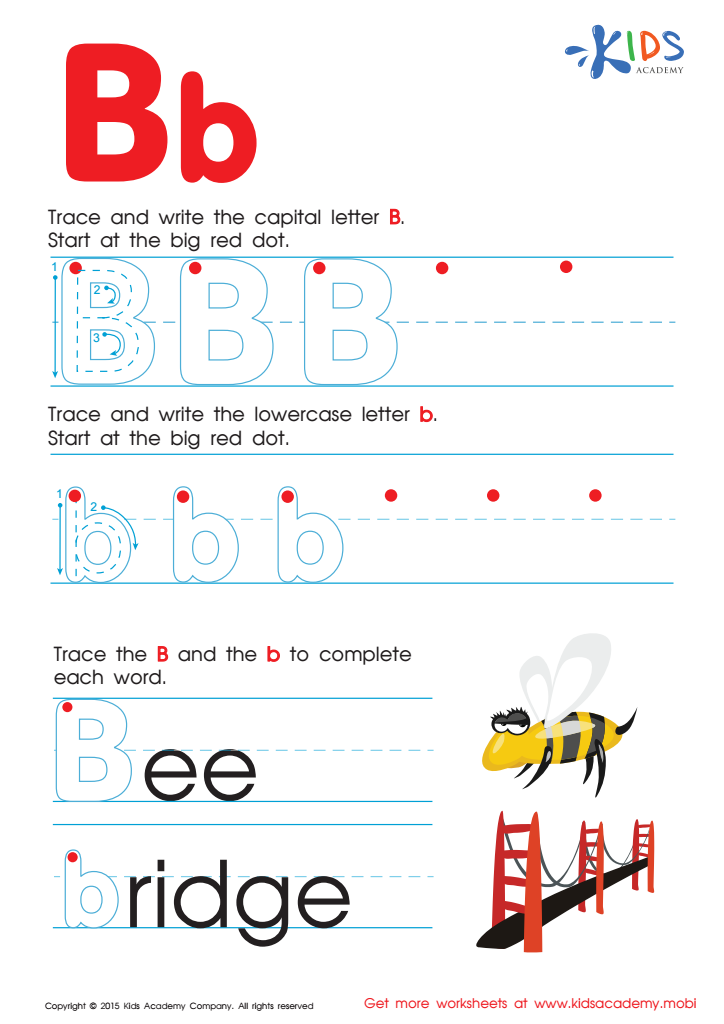
Letter B Tracing Page
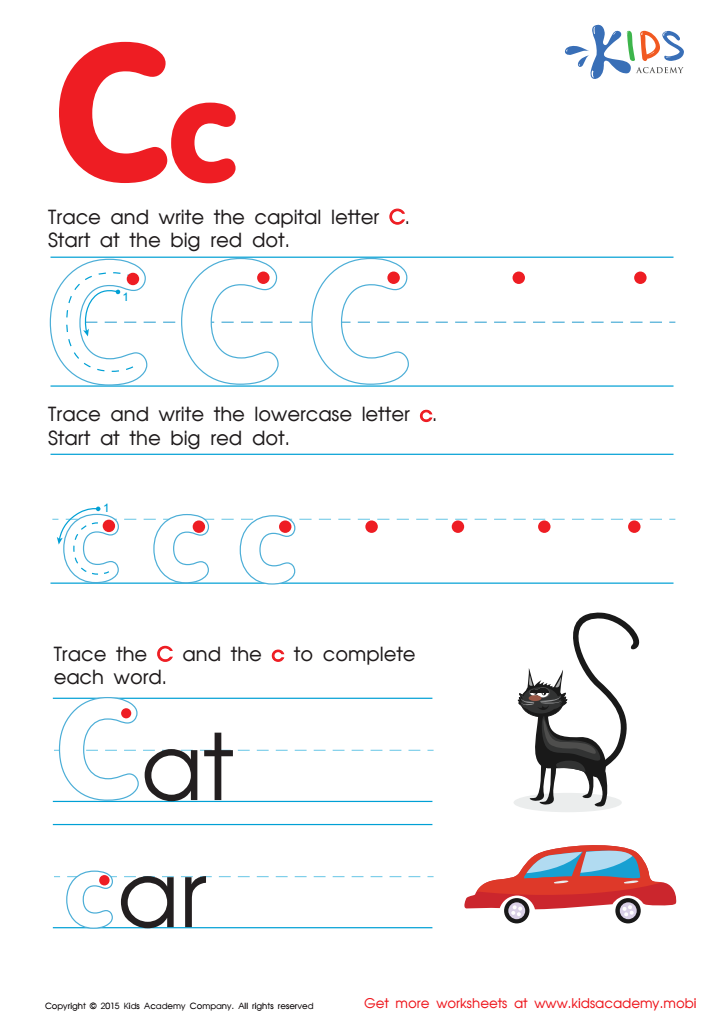
Letter C Tracing Page
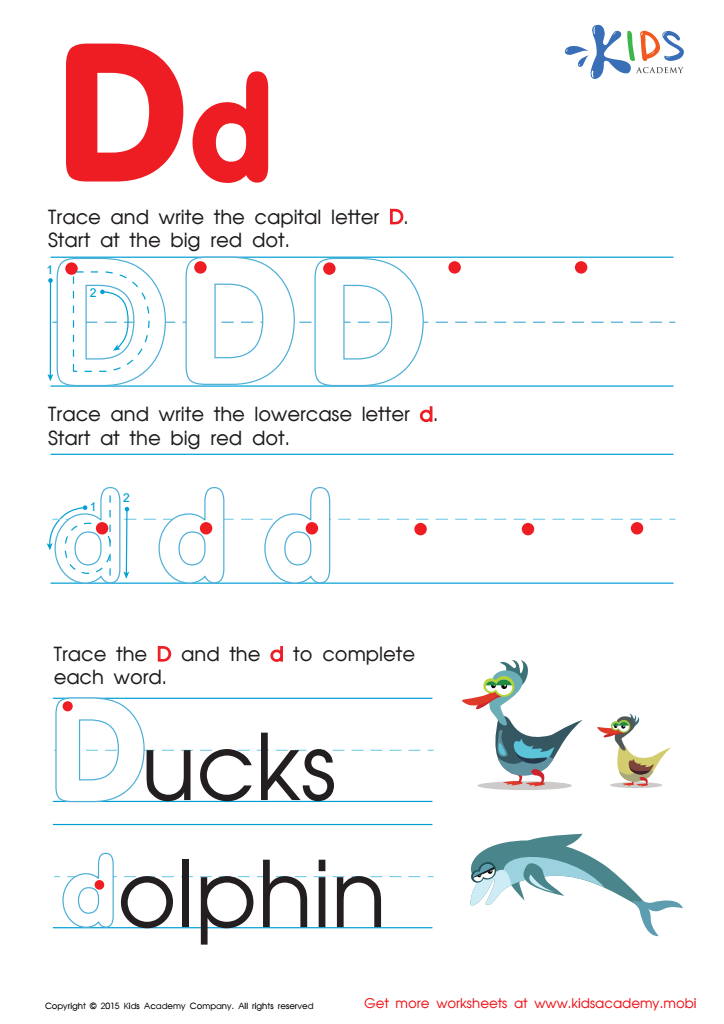
Letter D Tracing Page
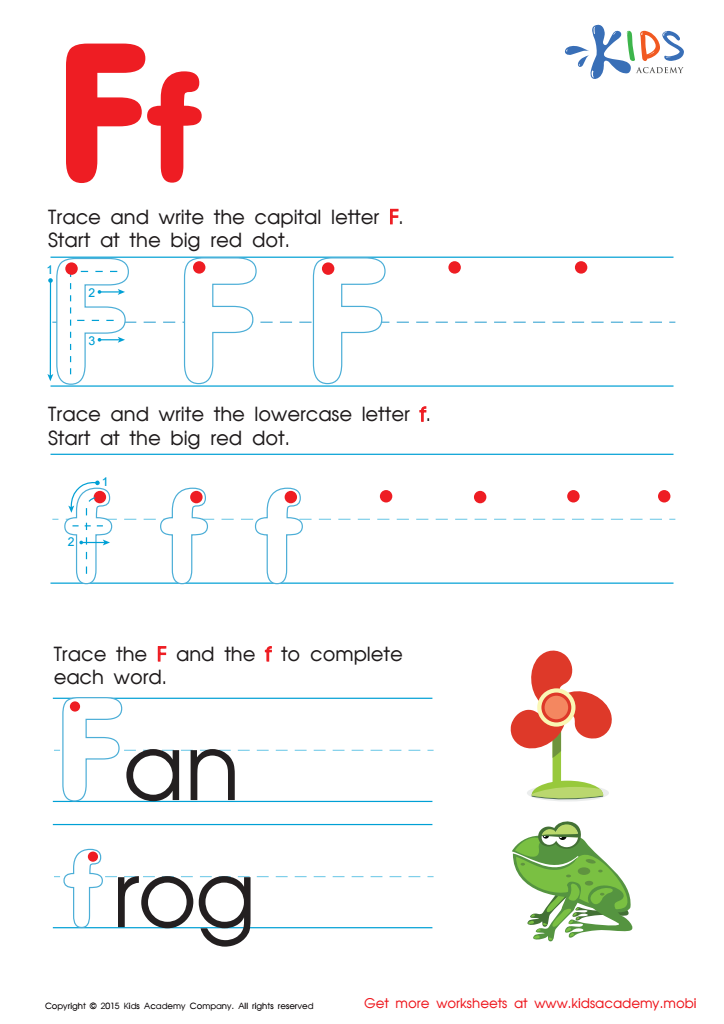
Letter F Tracing Page
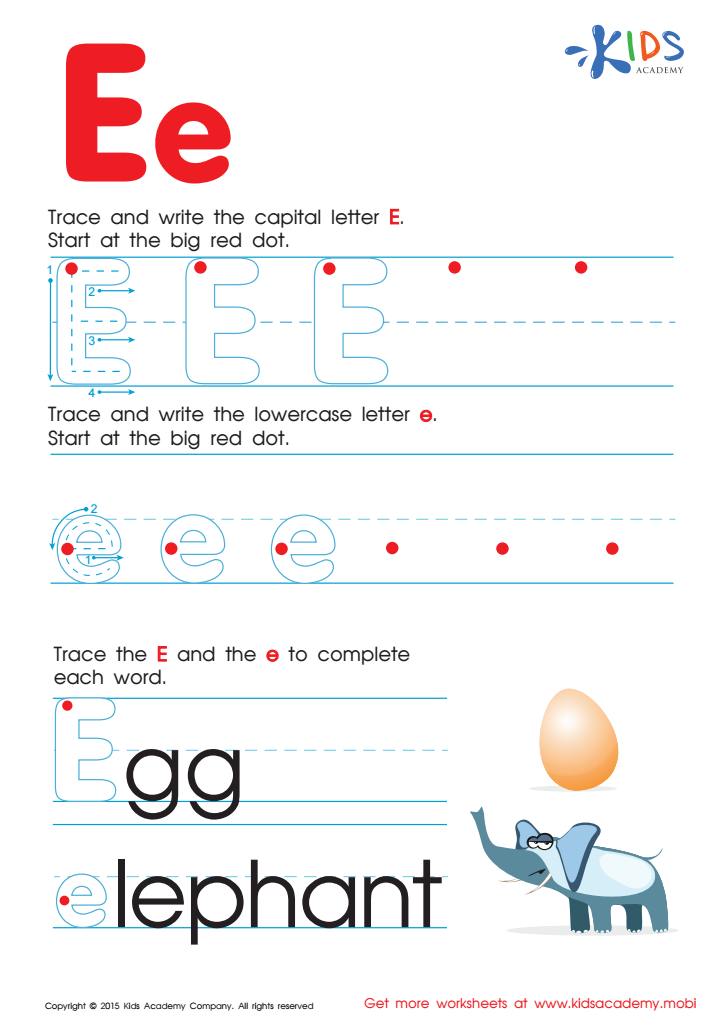
Letter E Tracing Page
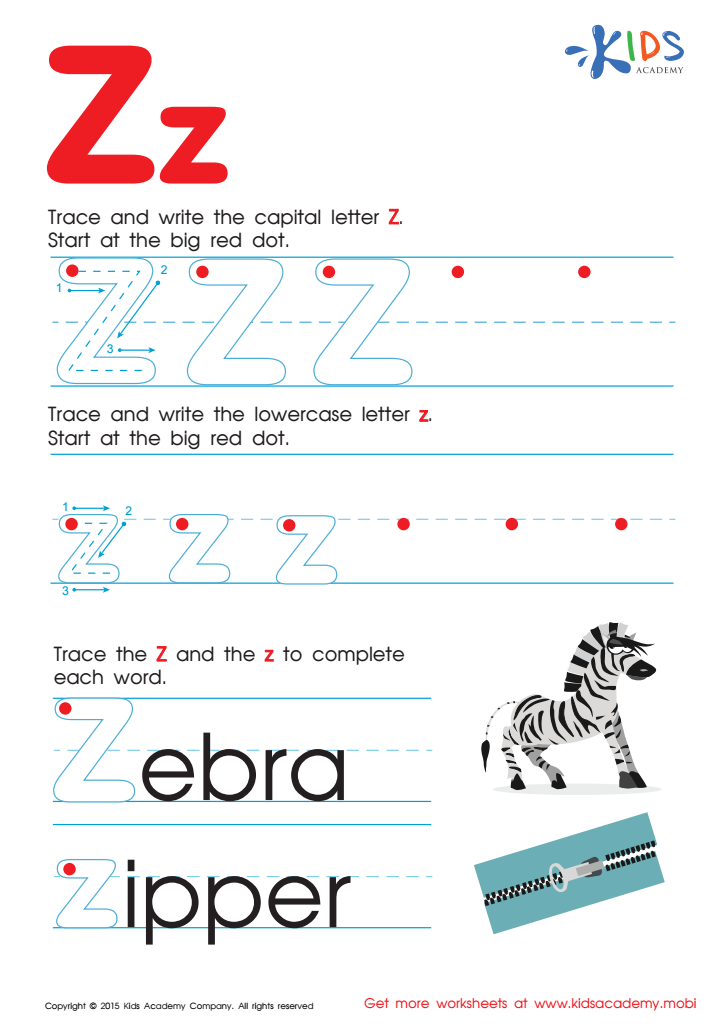
Letter Z Tracing Page
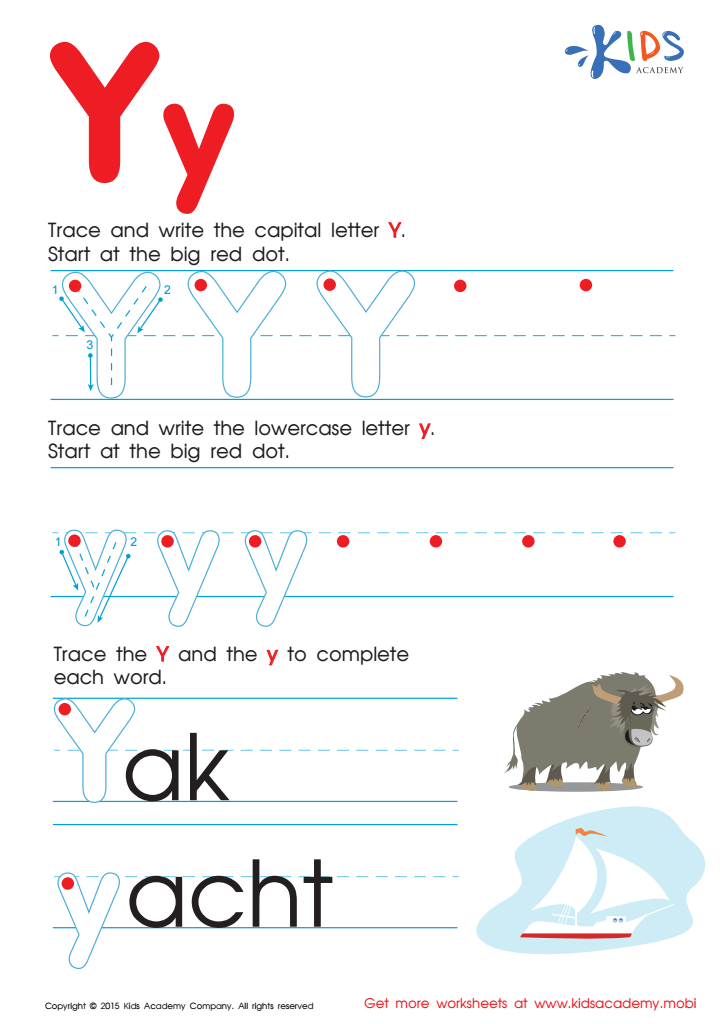
Letter Y Tracing Page







Parents and teachers should prioritize tracing letters for children aged 4-9 because it forms a crucial foundation for literacy development. At this early age, children are just beginning to develop their fine motor skills, which are essential for writing. Tracing letters helps refine these skills through repetitive practice, making it easier for children to transition to freehand writing.
Additionally, letter tracing strengthens hand-eye coordination, which is vital across many learning activities. It also aids in familiarizing children with the alphabet, reinforcing letter recognition, and phonemic awareness—key components of reading fluently. As children trace and write, they improve their memory retention of letter shapes and sounds, promoting literacy.
Moreover, tracing letters fosters children's confidence and enthusiasm towards learning. Achieving small milestones through tracing can motivate them to take on more challenging tasks with a positive mindset. Structured tracing activities can also offer a sense of accomplishment and stability, critical for young learners' self-esteem and academic growth.
In essence, parents and teachers should care about tracing letters for young children not only for fostering essential writing skills but also for boosting foundational literacy, cognitive development, and self-confidence, ensuring a strong start to their educational journey.








