Upper & Lowercase Letters Worksheets for Ages 4-9 - Page 2
50 filtered results
-
From - To
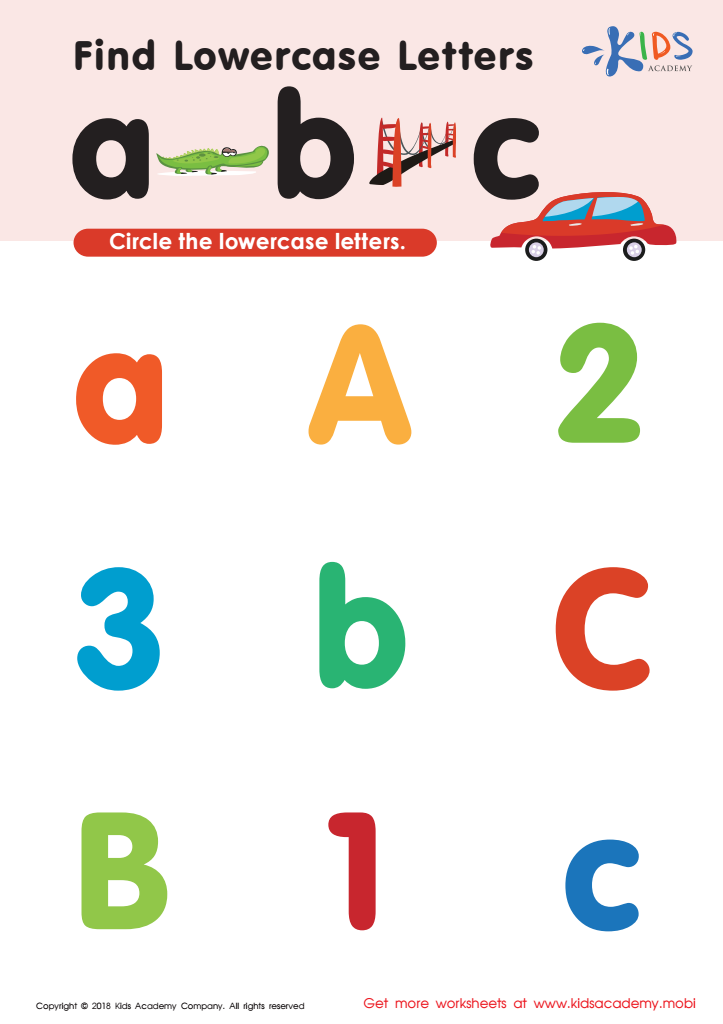
Find lowercase letters a b c Worksheet
 Assign to My Students
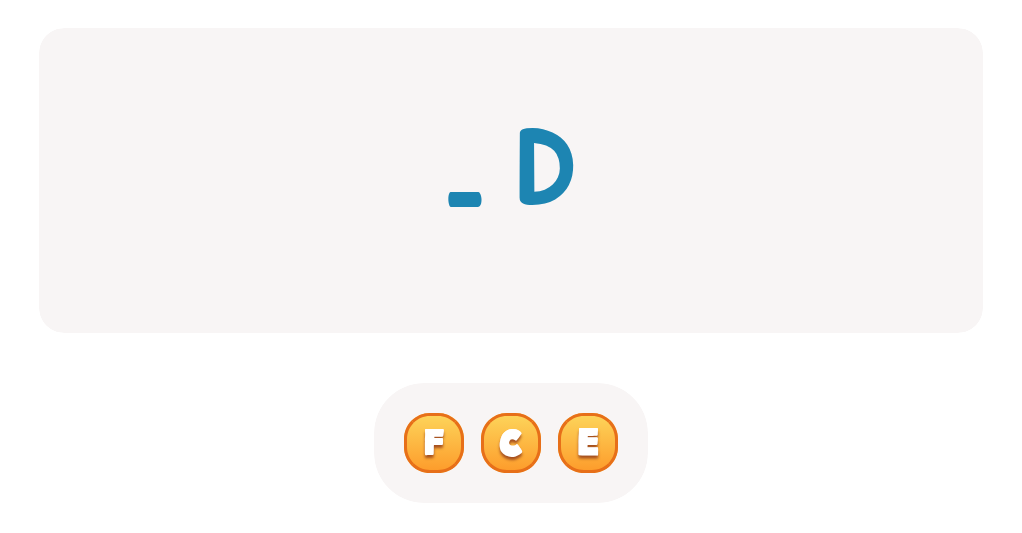

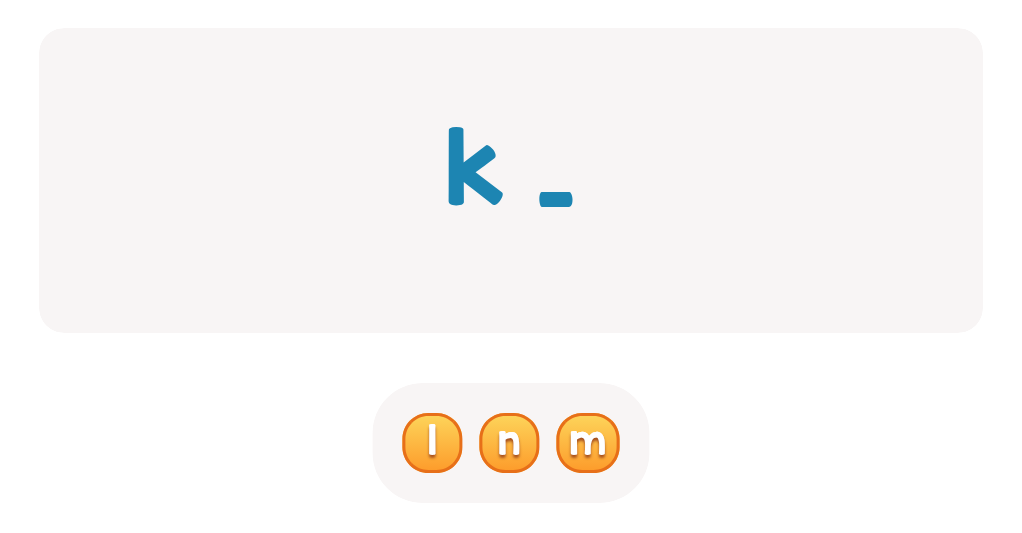
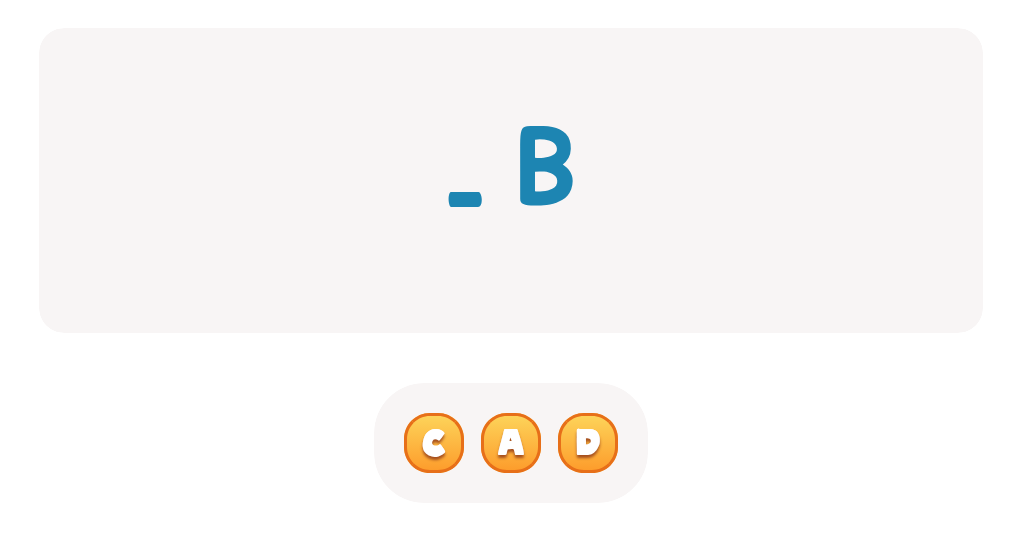
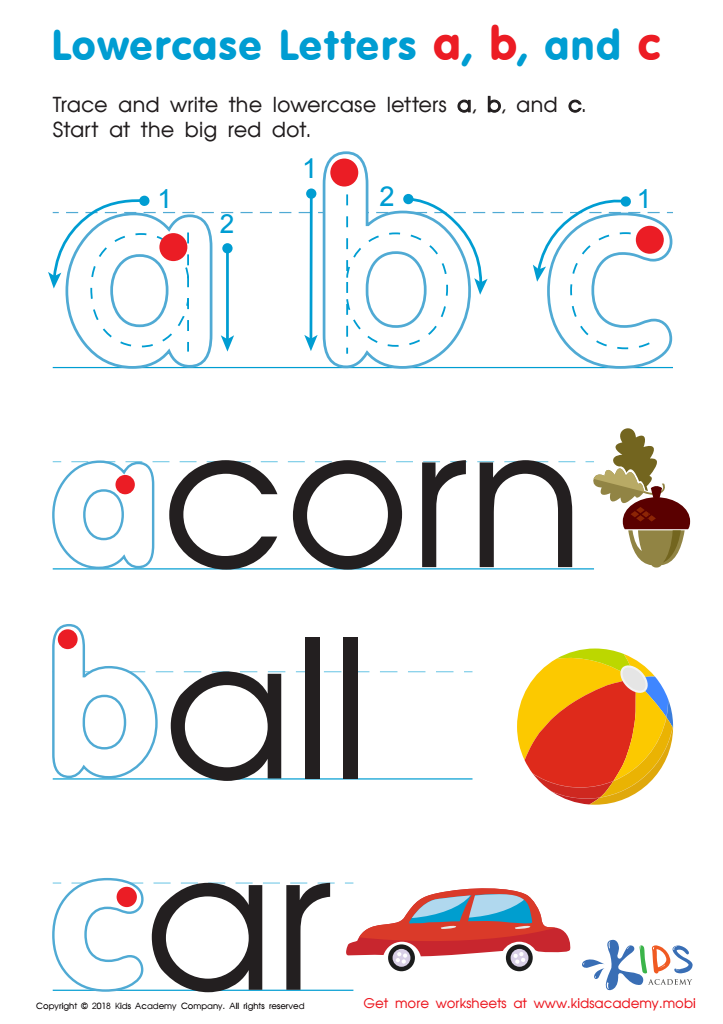
Lowercase Letters a b c Worksheet
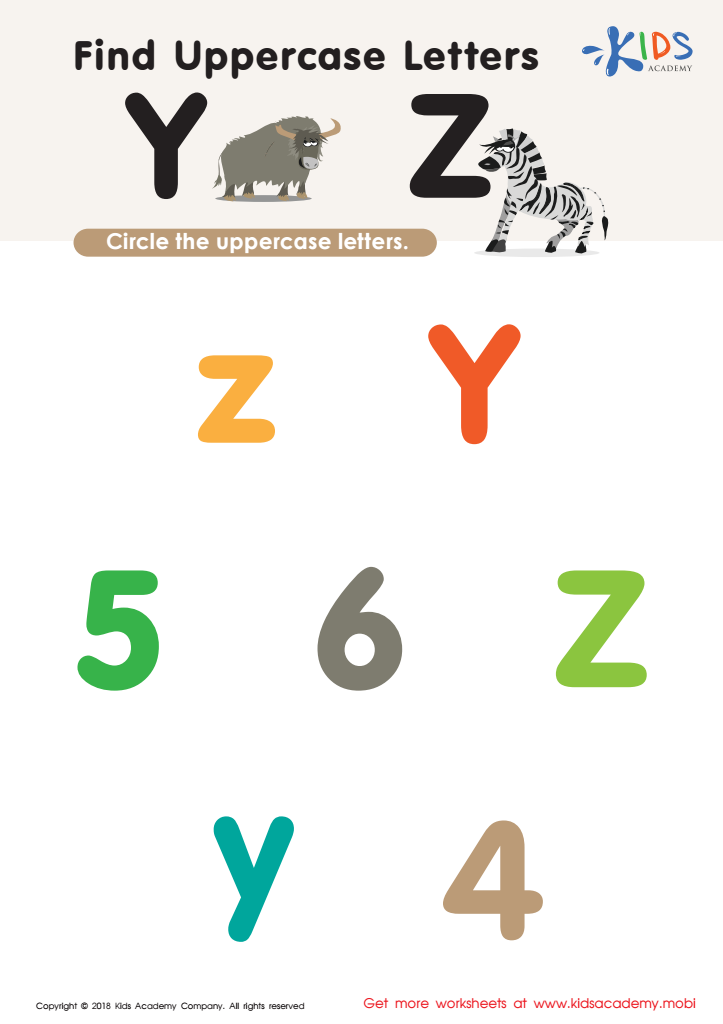
Find Uppercase Letters Y Z Worksheet
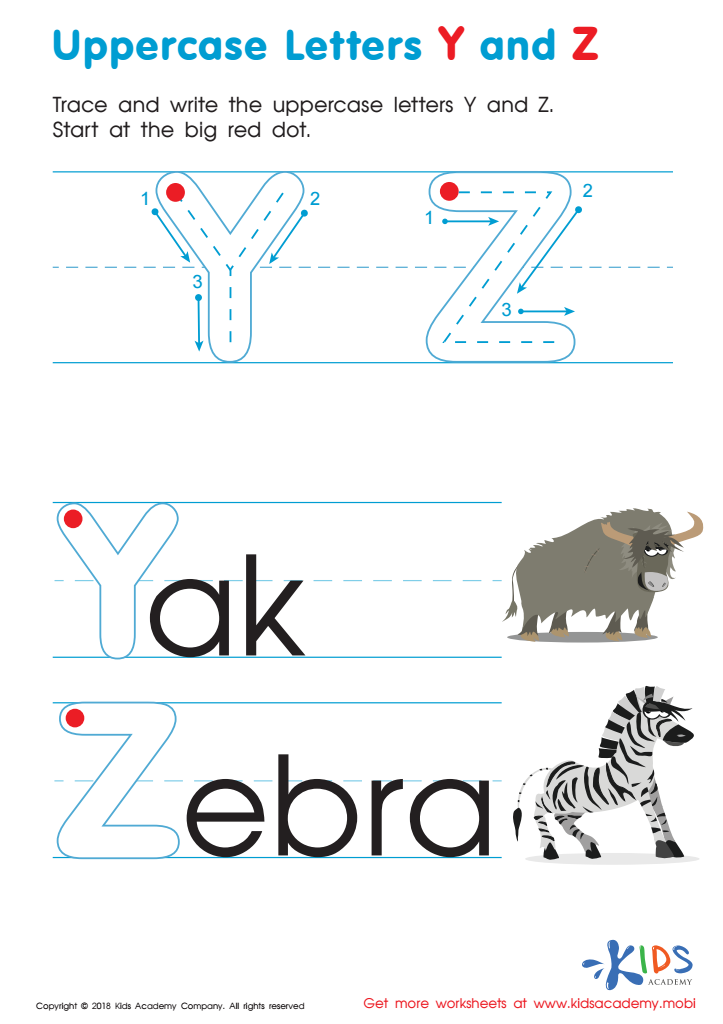
Uppercase Letters Y Z Worksheet
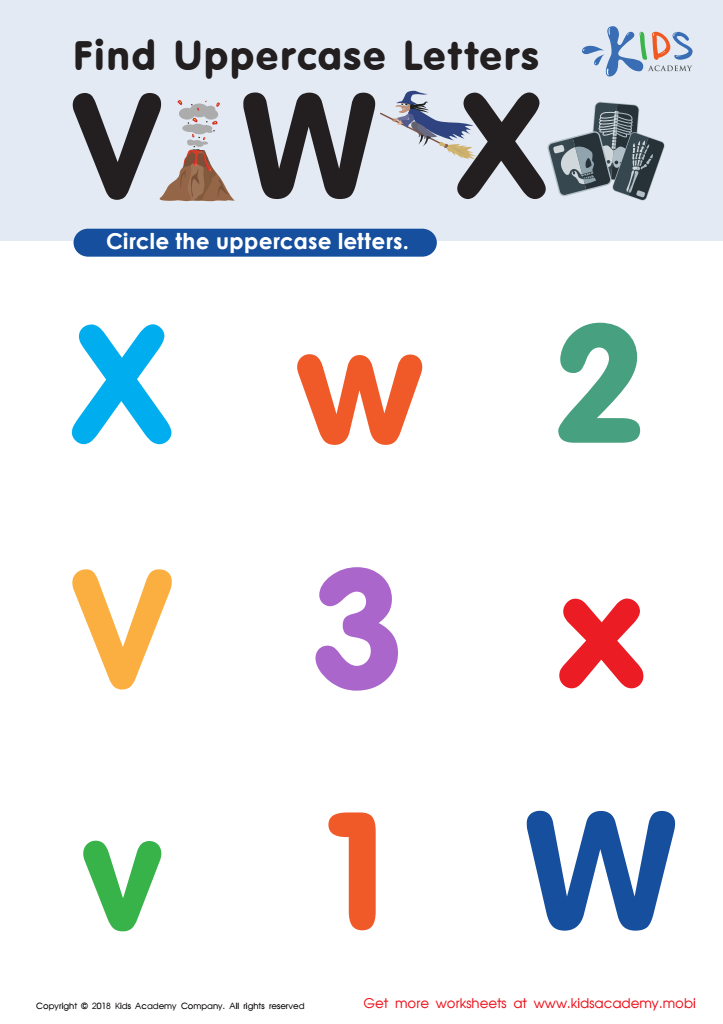
Find Uppercase Letters V, W, X Worksheet
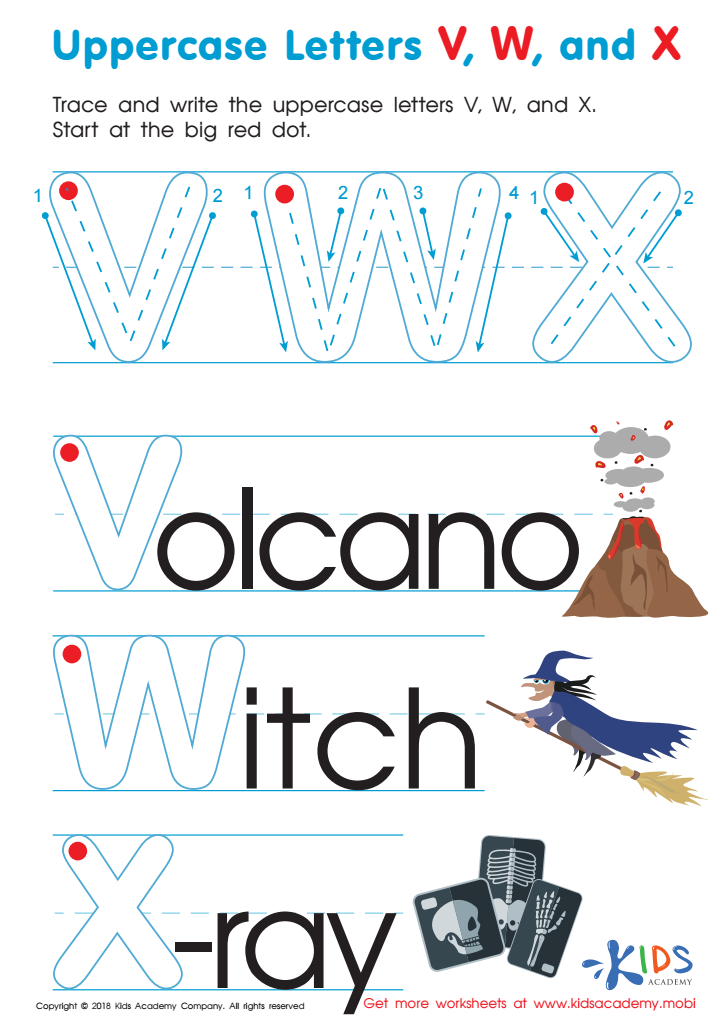
Uppercase Letters V, W, and X Worksheet
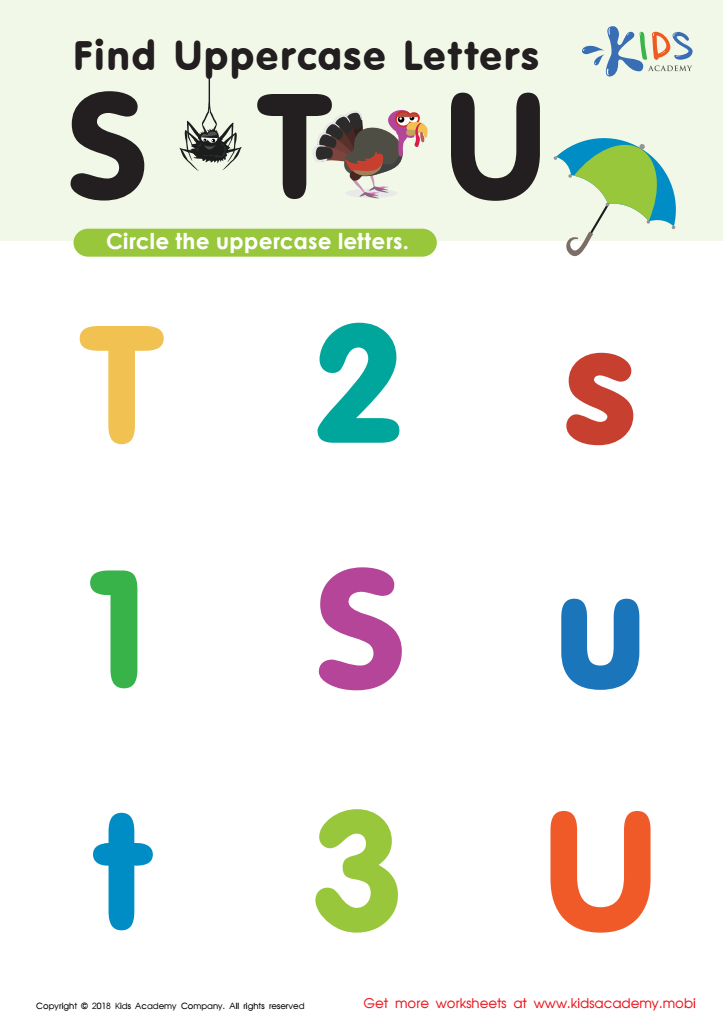
Find Uppercase Letters Worksheet
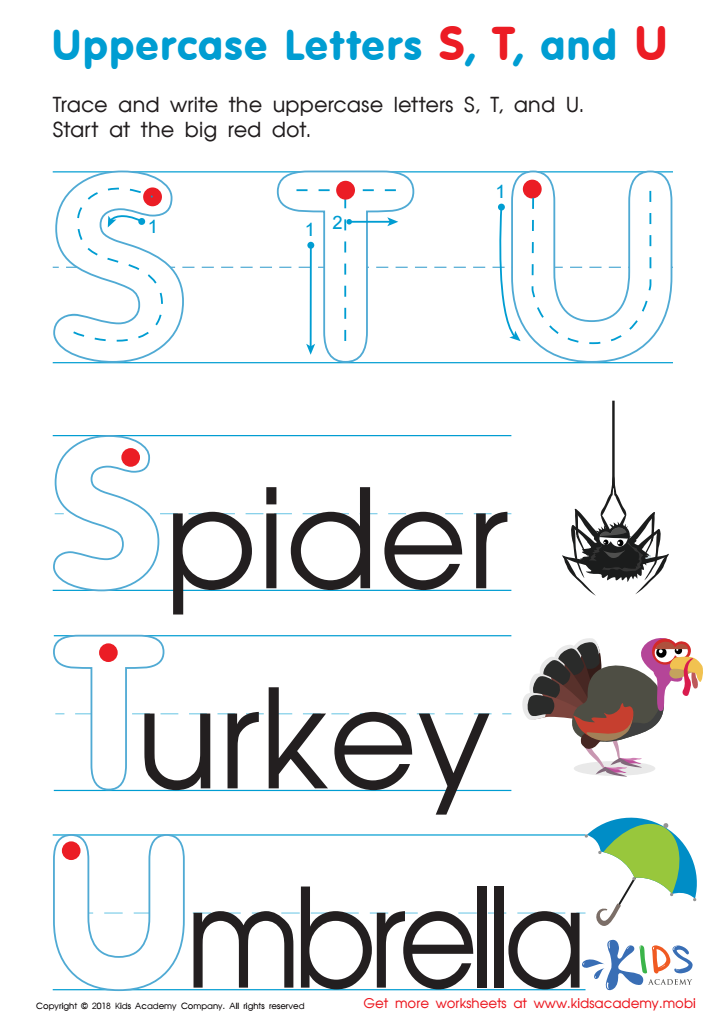
Uppercase Letters S, T, and U Worksheet
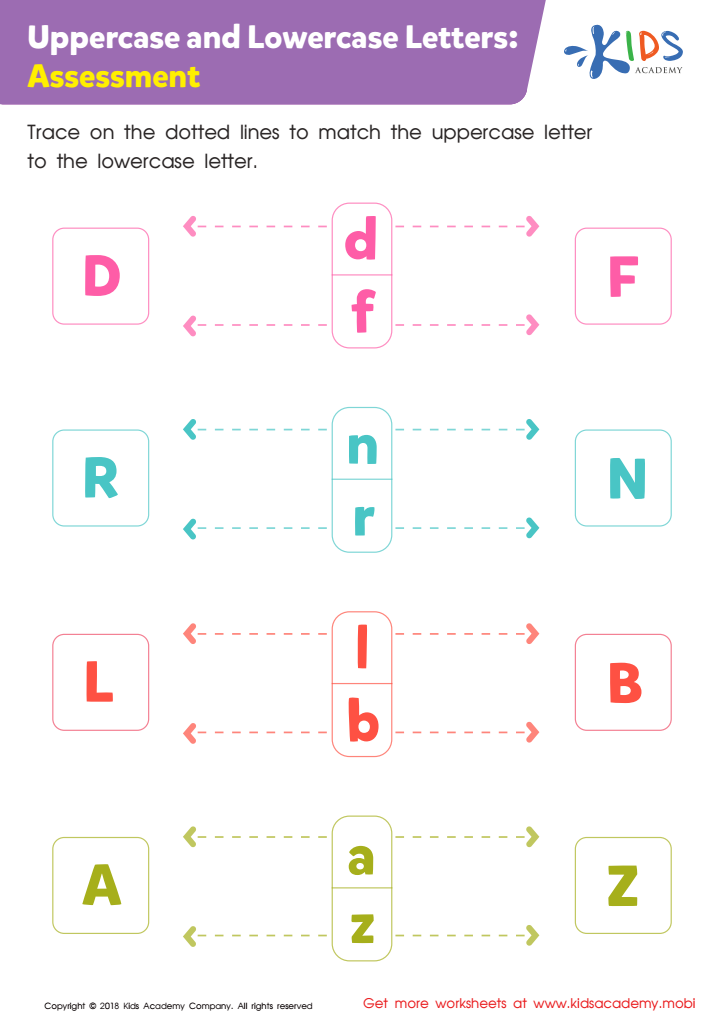
Uppercase and Lowercase Letters: Assessment Worksheet
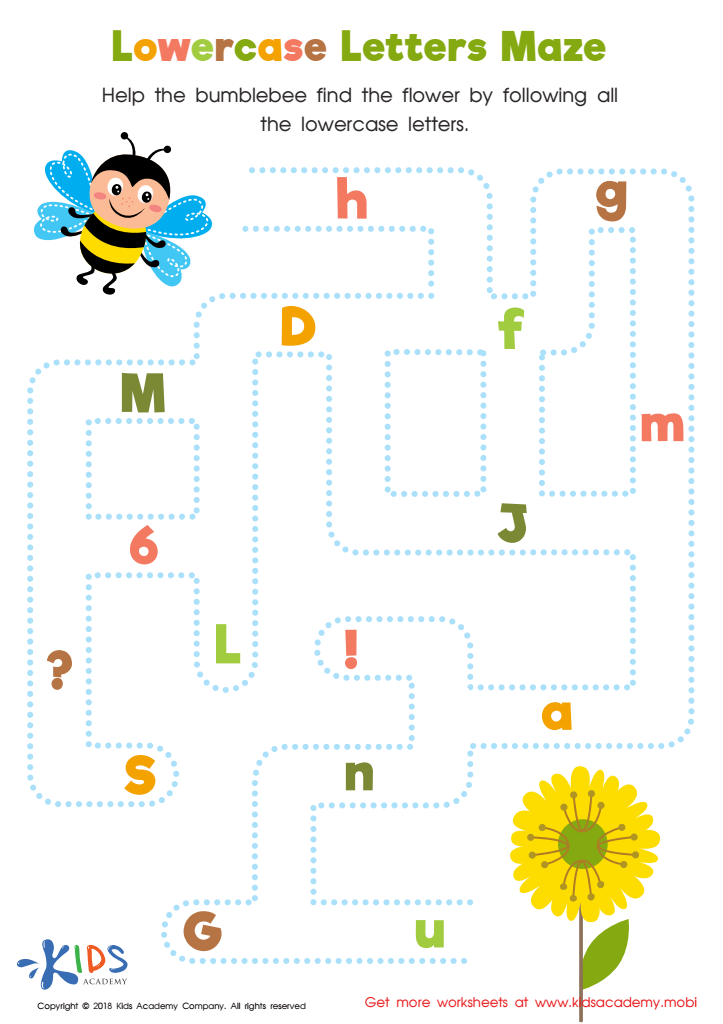
Lowercase Letters Maze Worksheet
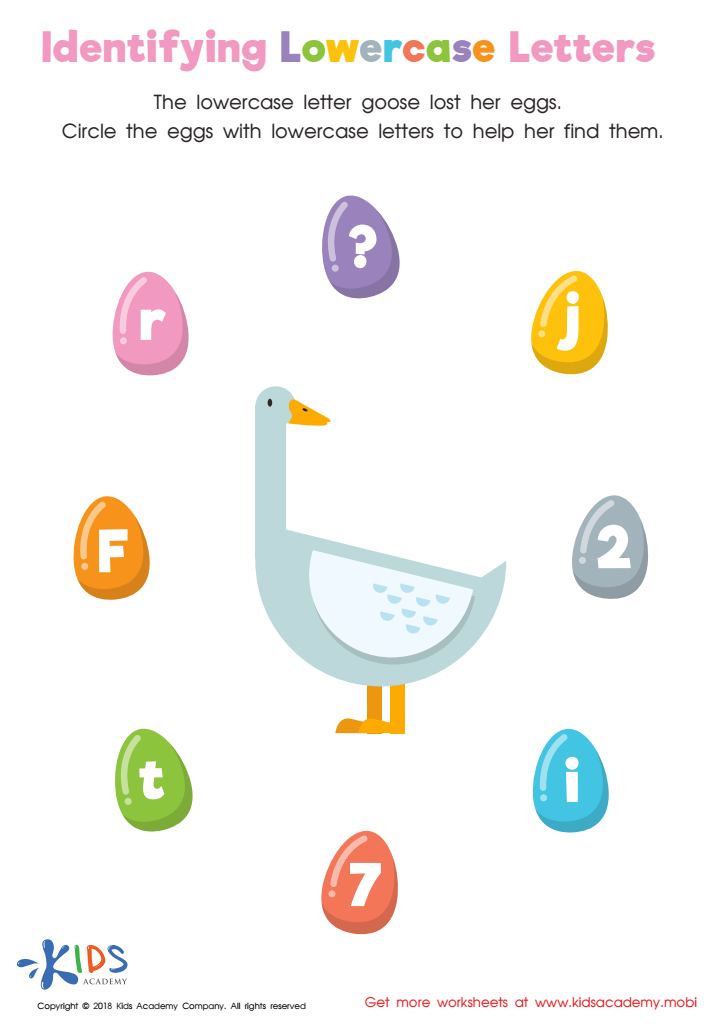
Identifying Lowercase Letters Worksheet
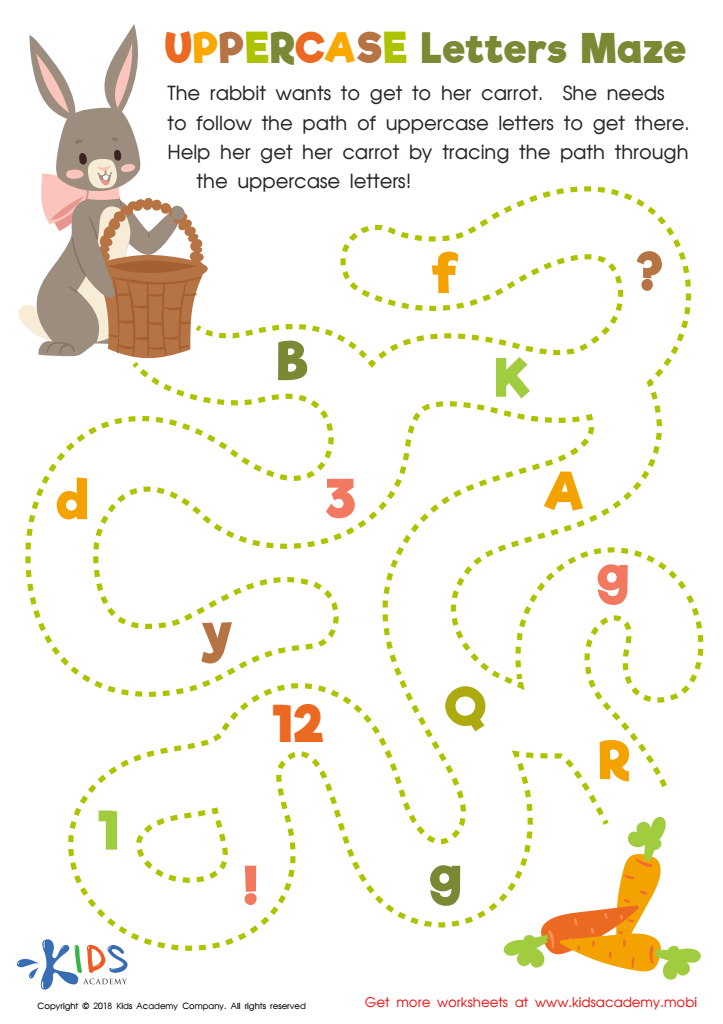
Uppercase Letters Maze Worksheet
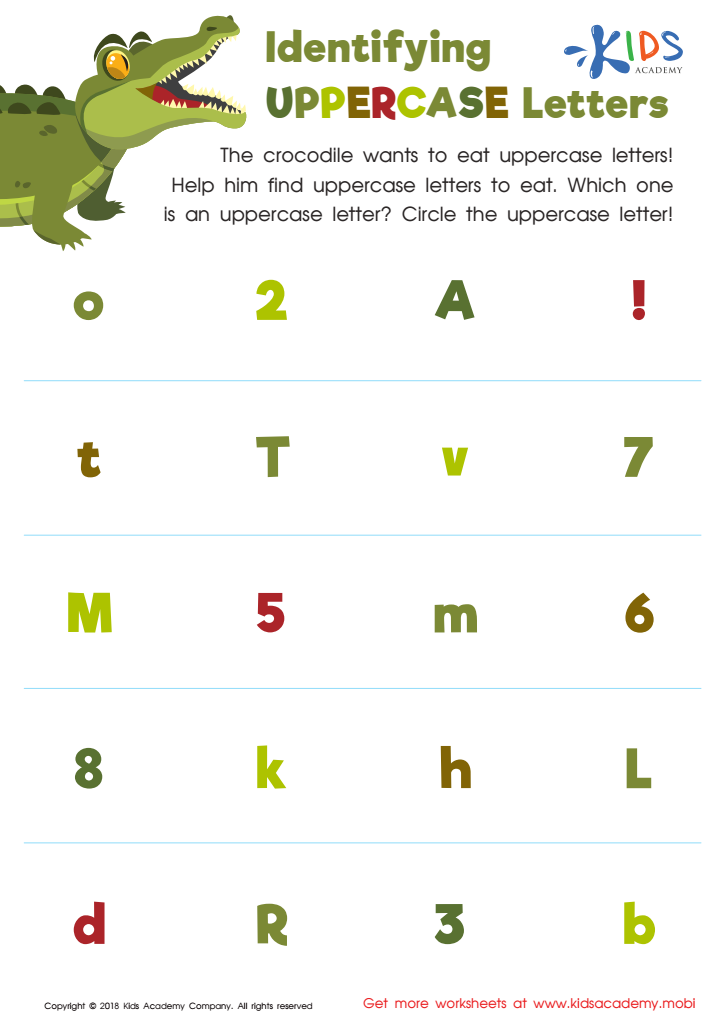
Identifying Uppercase Letters Worksheet
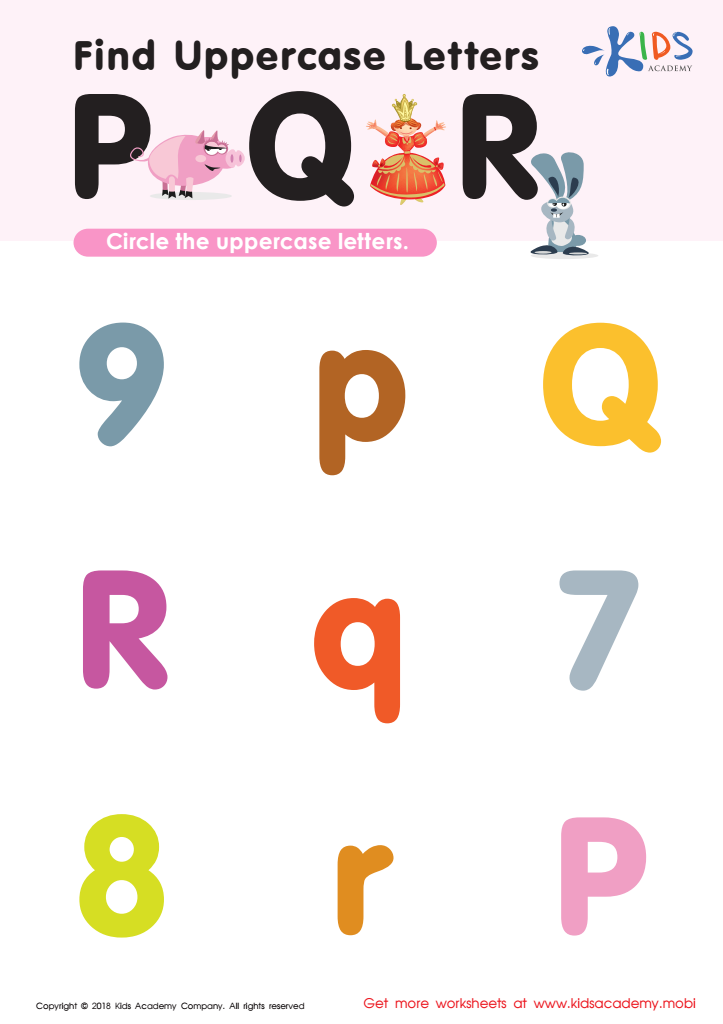
Find Uppercase Letters P, Q, and R Worksheet
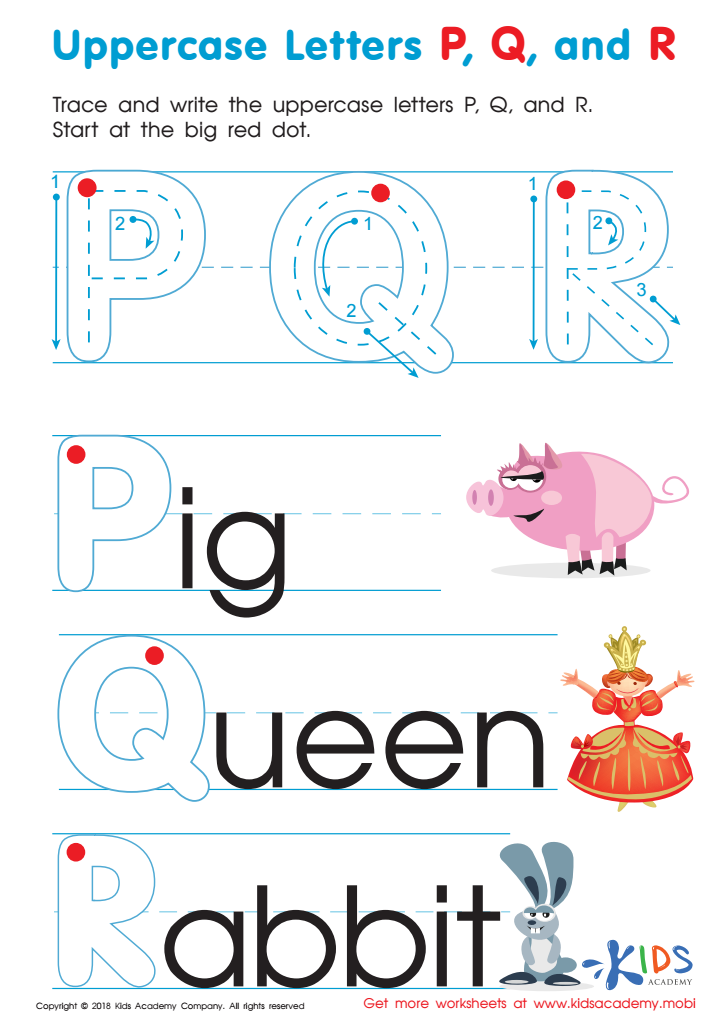
Uppercase Letters P, Q, and R Worksheet
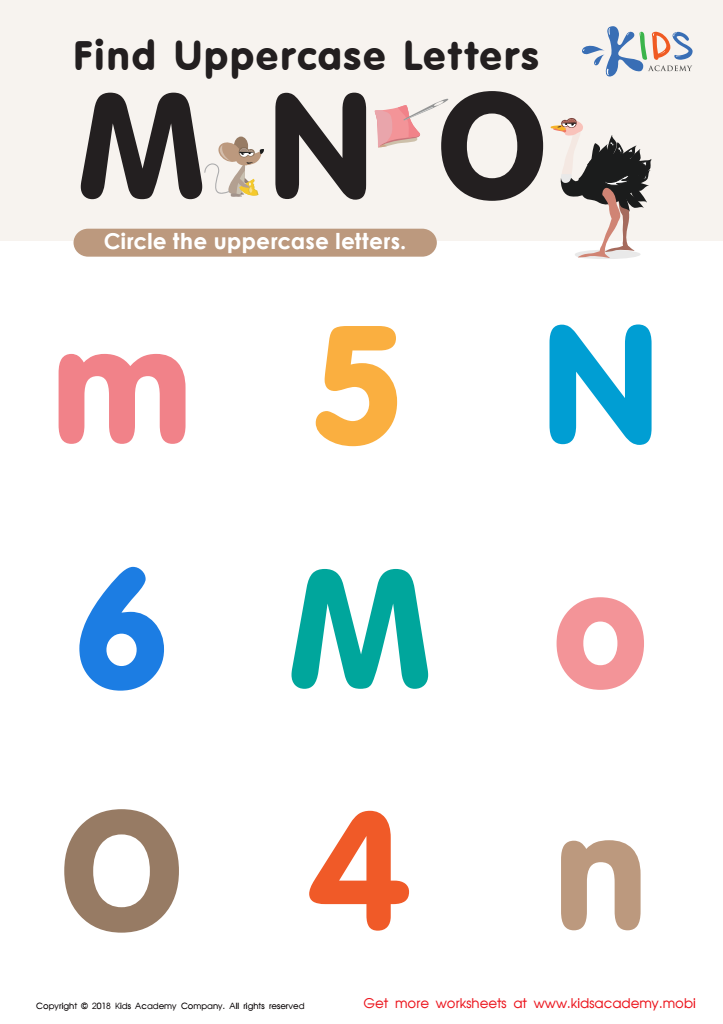
Find Uppercase Letters M, N, and O Worksheet
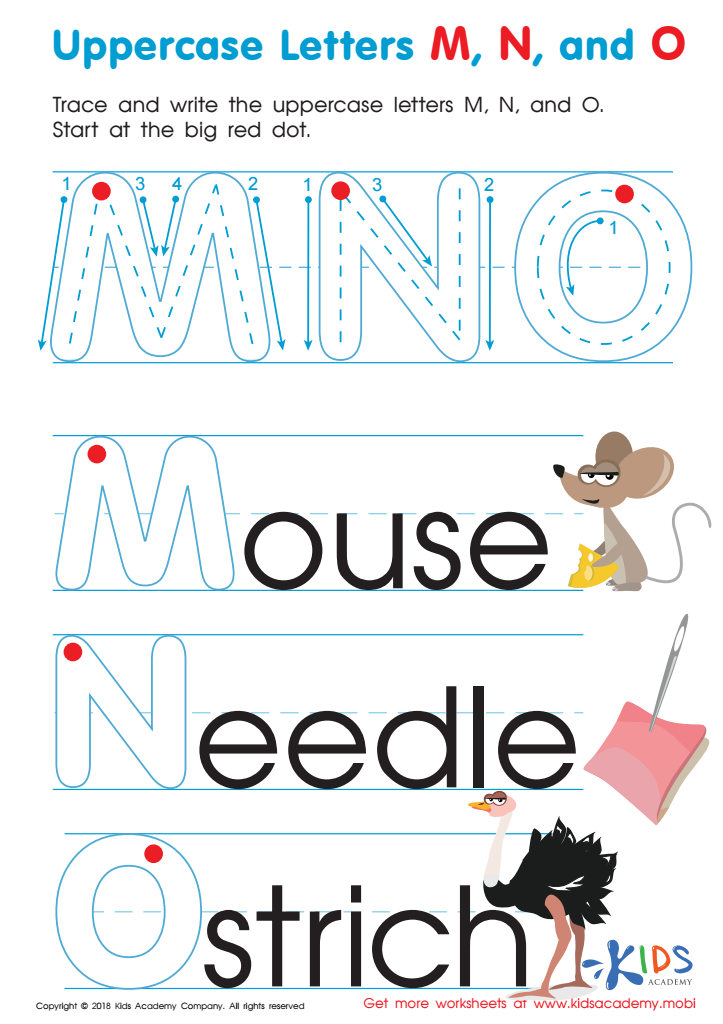
Uppercase Letters M, N, and O Worksheet
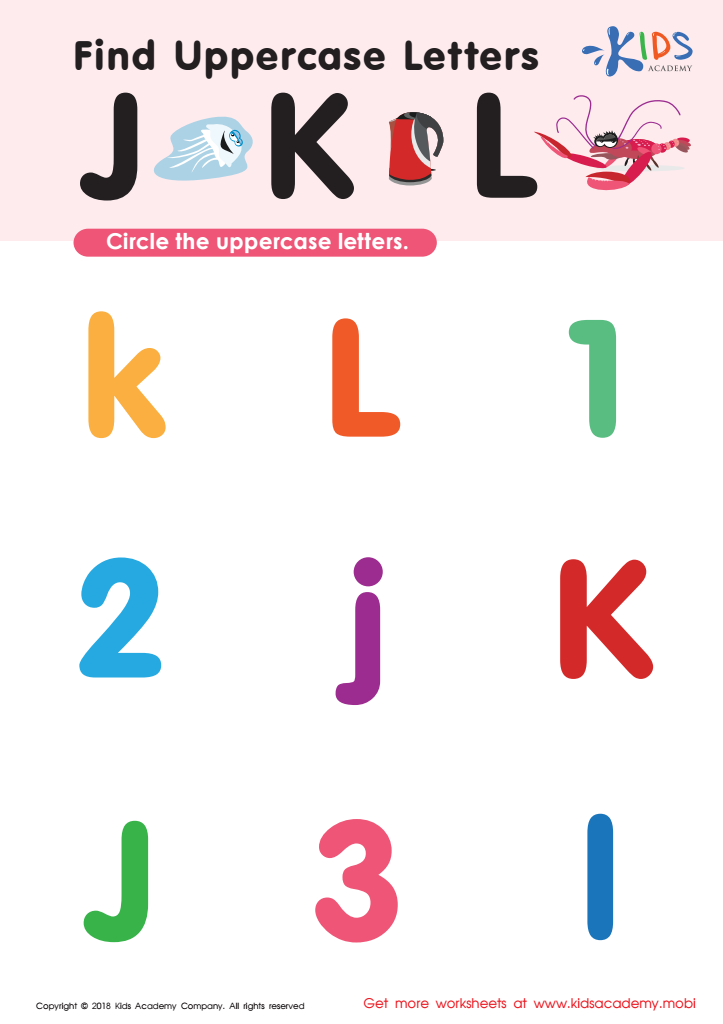
Find Uppercase Letters J, K, and L Worksheet
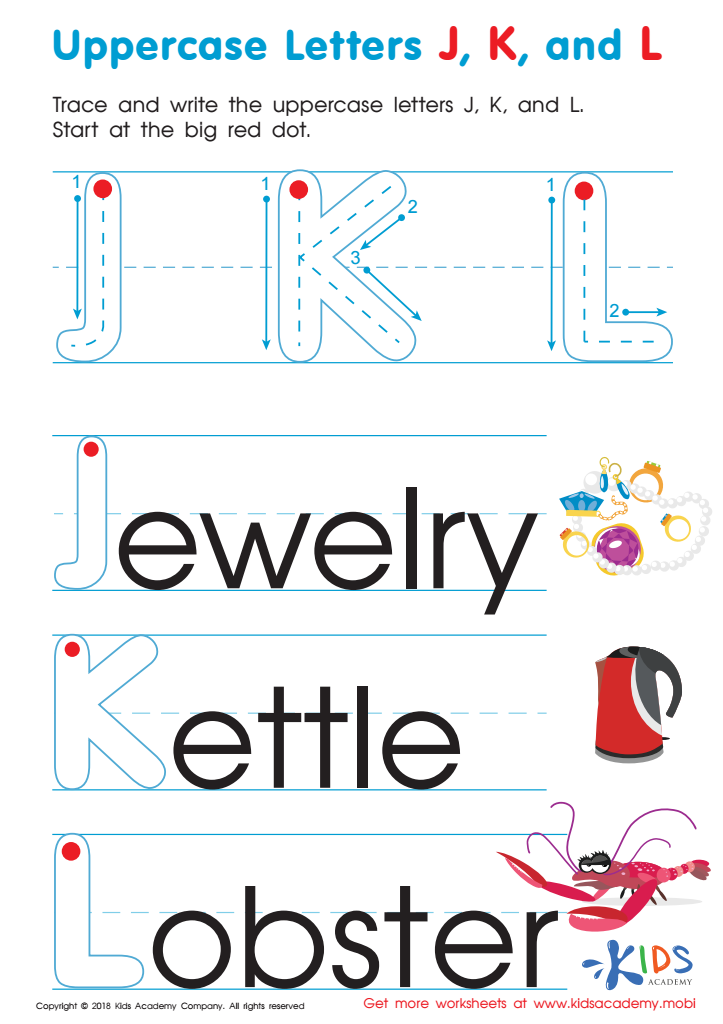
Uppercase Letters J, K, and L Worksheet
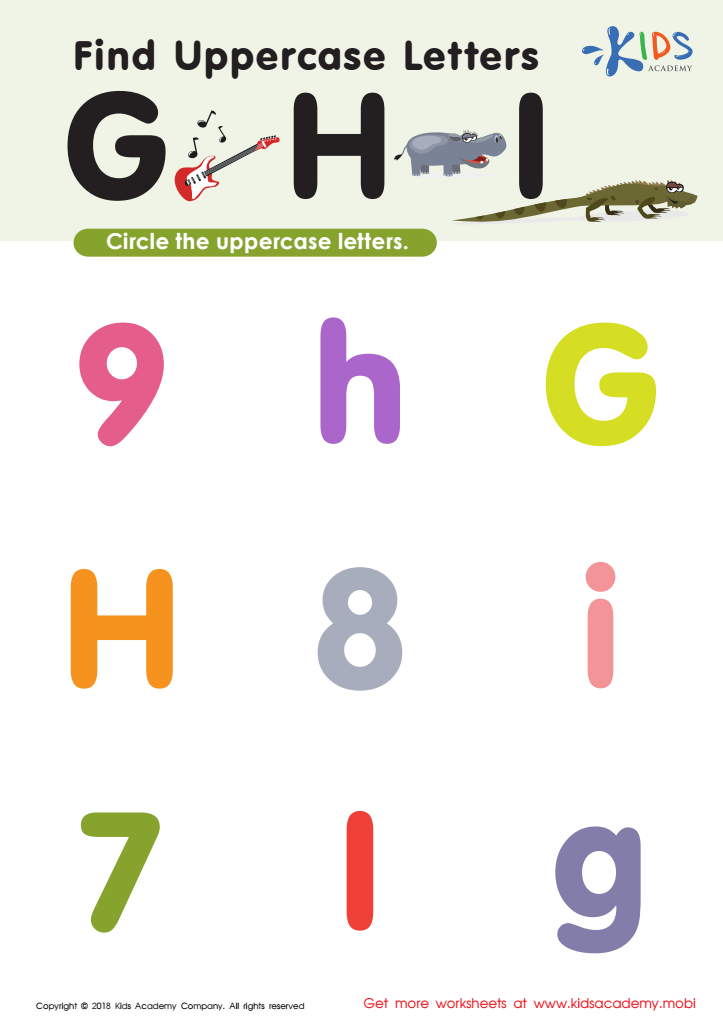
Find Uppercase Letters G, H, and I Worksheet
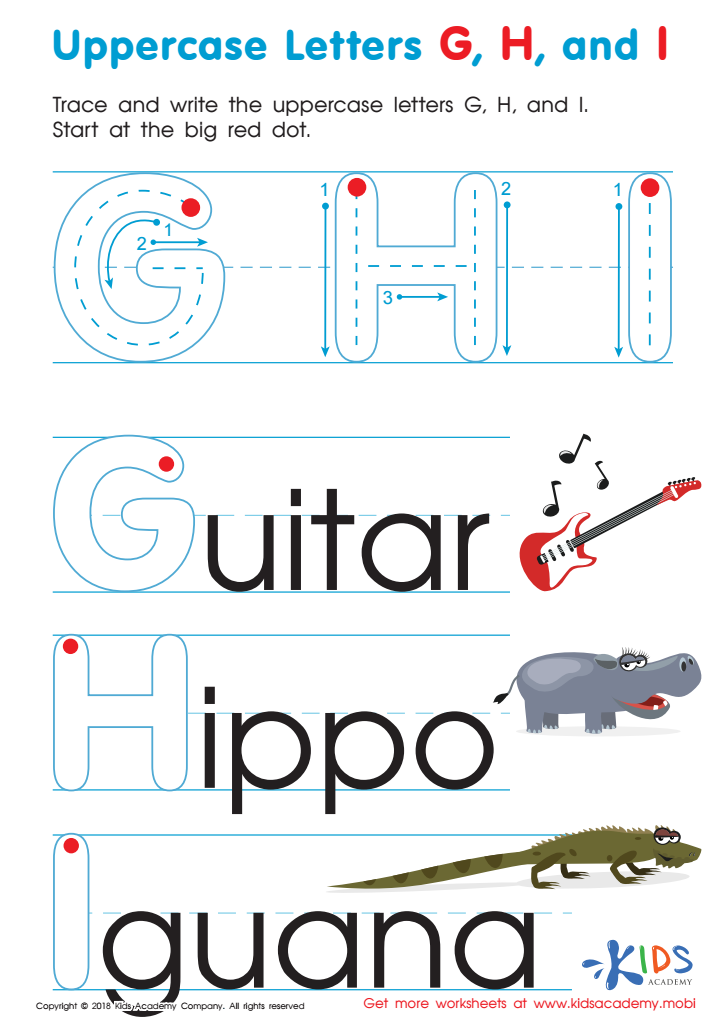
Uppercase Letters G, H, and I Worksheet
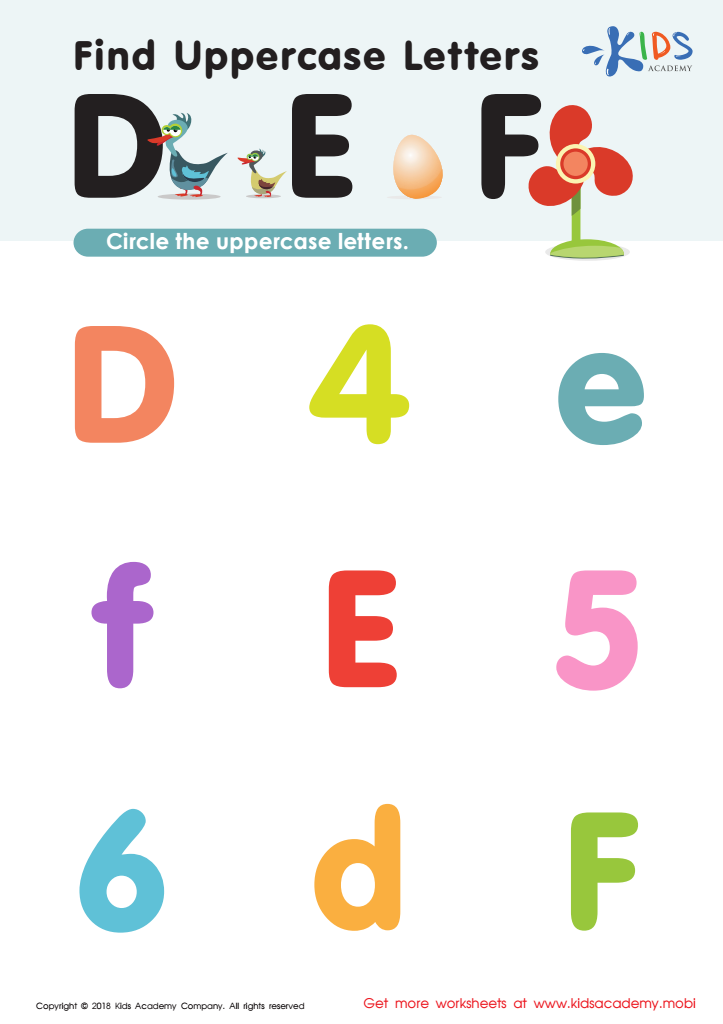
Find Uppercase Letters D, E, and F Worksheet
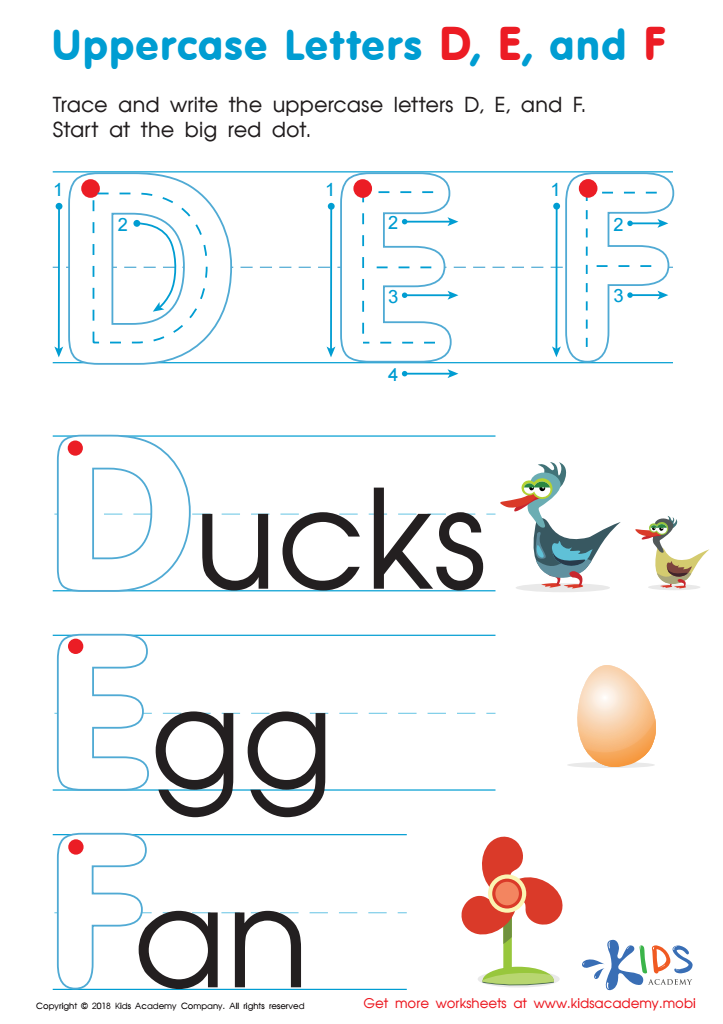
Uppercase Letters D, E, and F Worksheet

Find Uppercase Letters A, B, and C Worksheet






Understanding and differentiating between uppercase and lowercase letters is crucial for children aged 4-9 because it lays the foundation for their literacy skills. At this age, children are in the process of learning how to read and write, which are essential for their academic success and lifelong communication abilities.
Uppercase letters are typically taught first because they are simpler in form and easier for young hands to replicate. However, lowercase letters are more prevalent in written text, so recognizing and using them becomes crucial as children progress in their reading abilities. Proficiency in both cases ensures children's ability to read books, follow written instructions, and eventually express their own thoughts in writing.
Furthermore, knowing when to use uppercase and lowercase letters reinforces the understanding of grammar rules and sentence structure, such as capitalizing the first letter in a sentence or using capital letters for proper nouns. This not only improves their writing quality but also their comprehension.
Neglecting this aspect can lead to confusion and literacy struggles, making it essential for parents and teachers to emphasize and support the learning of both uppercase and lowercase letters. By doing so, they prepare children for more advanced literacy skills and boost their confidence as competent readers and writers.







