Our Planet and Environment Worksheets for Ages 4-9 - Page 4
82 filtered results
-
From - To
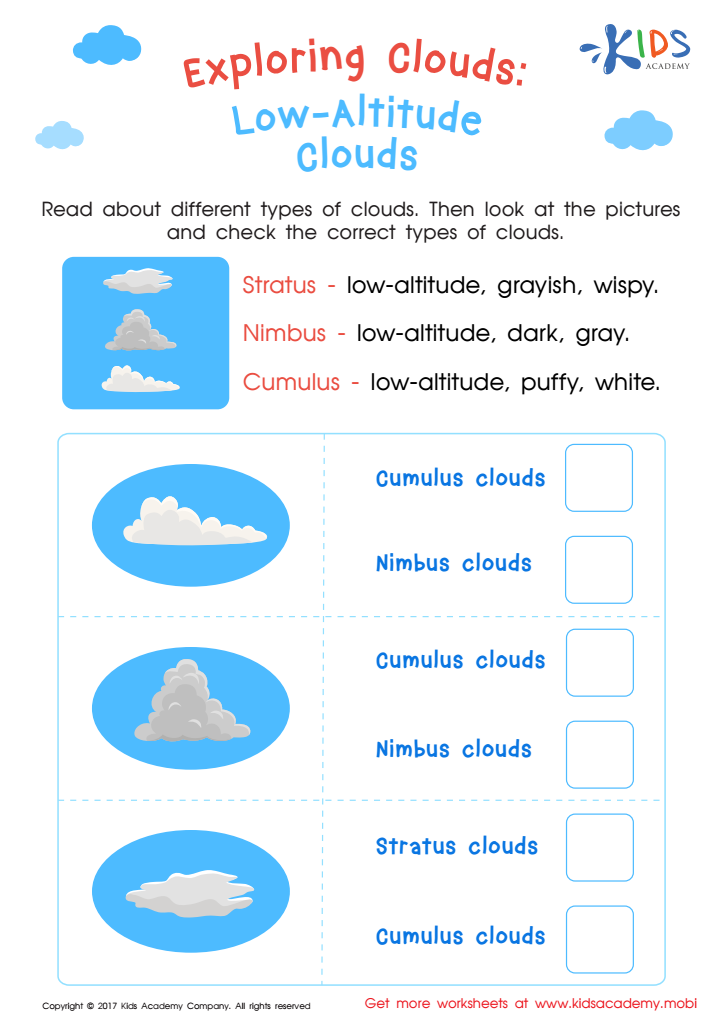
Exploring Clouds: Low Altitude Clouds Printable
 Assign to My Students
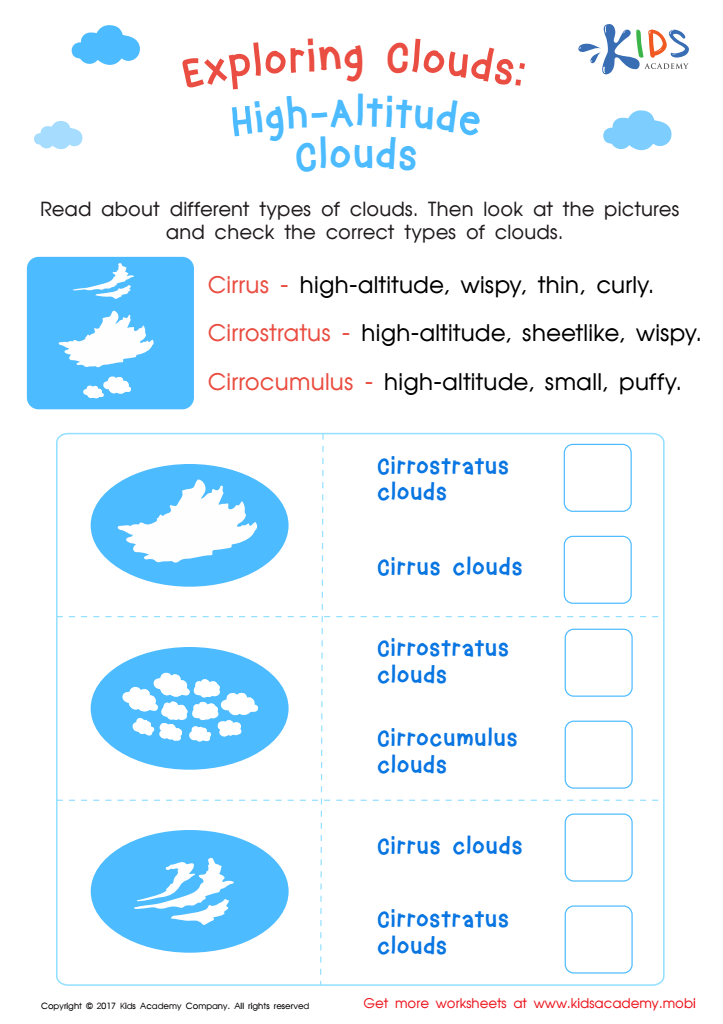
Exploring Clouds: High Altitude Clouds Worksheet
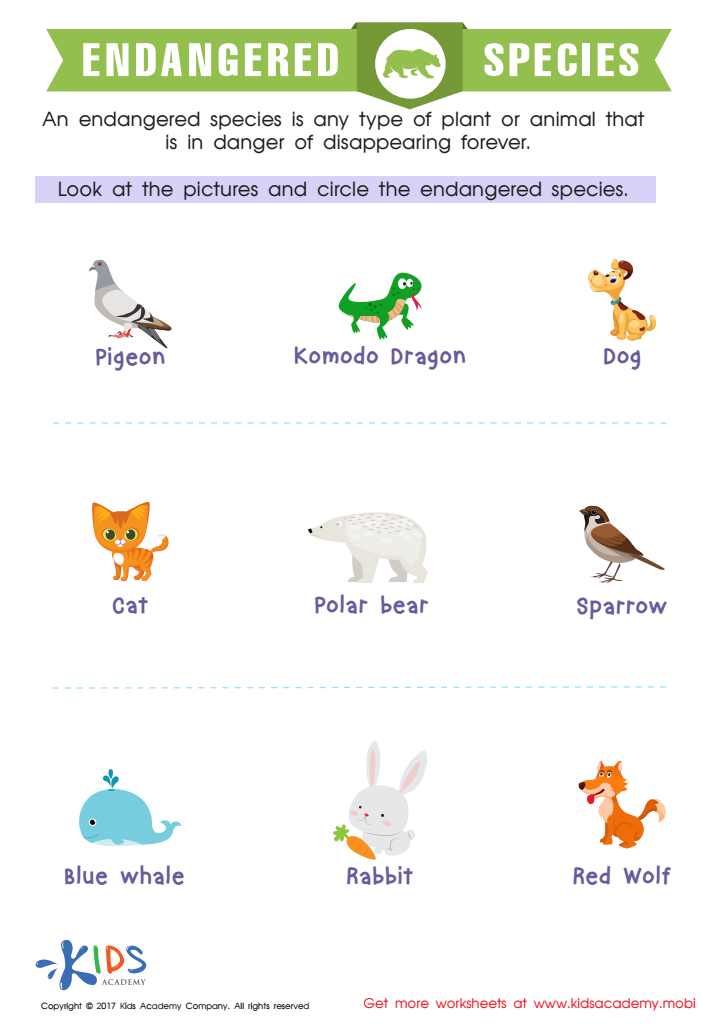
Endangerd Species Printable
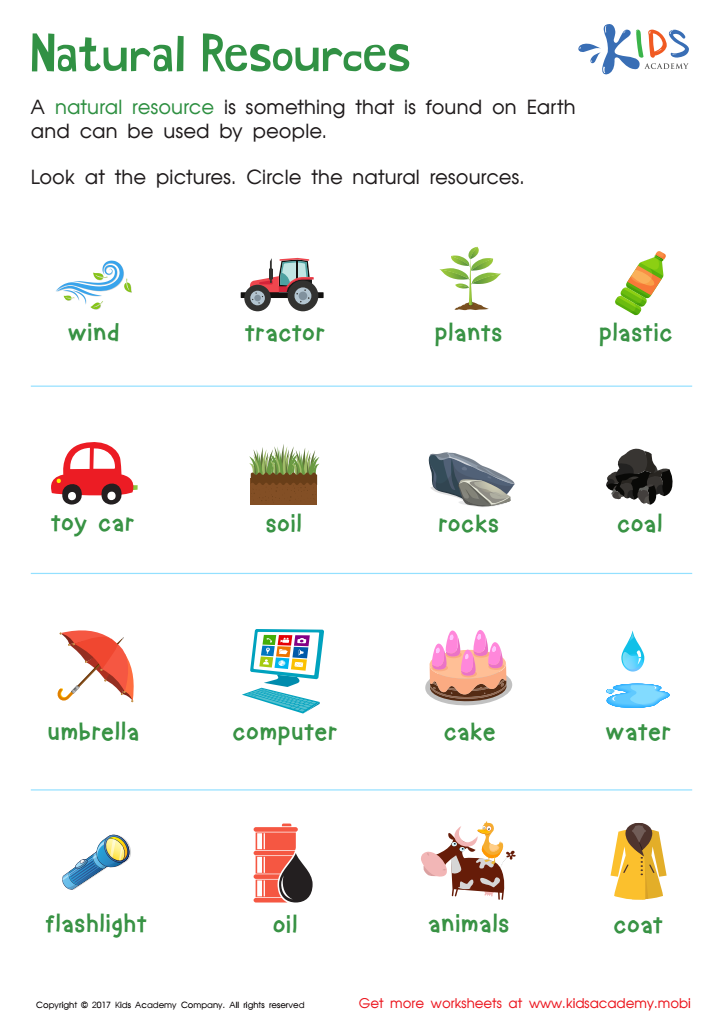
Natural Resources Worksheet
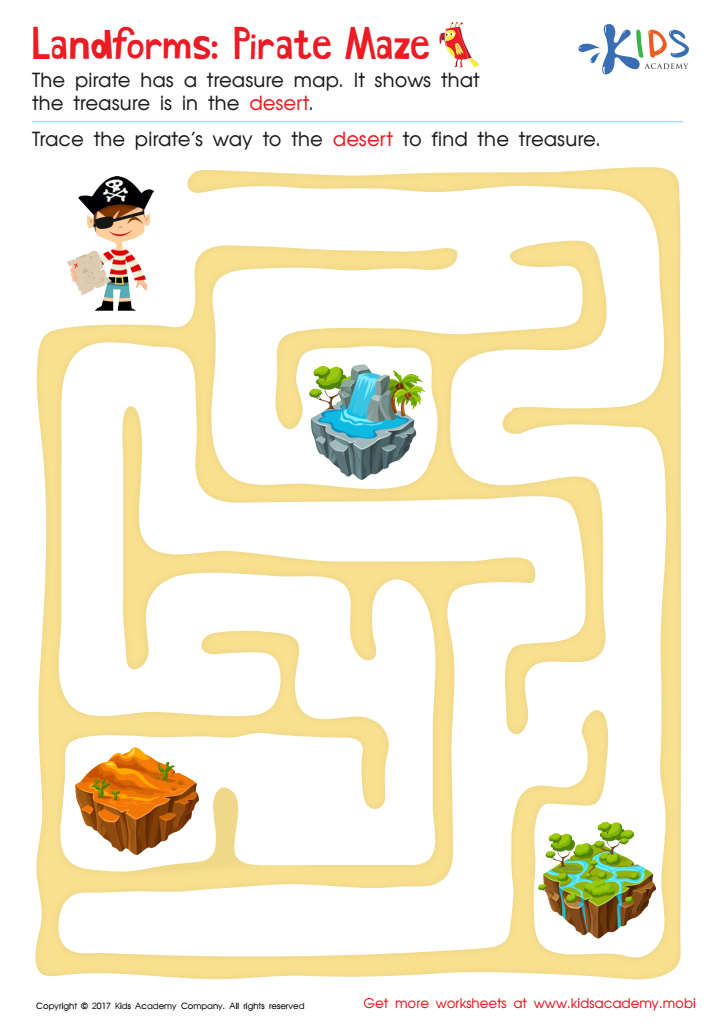
Landforms: Pirate Maze Printable
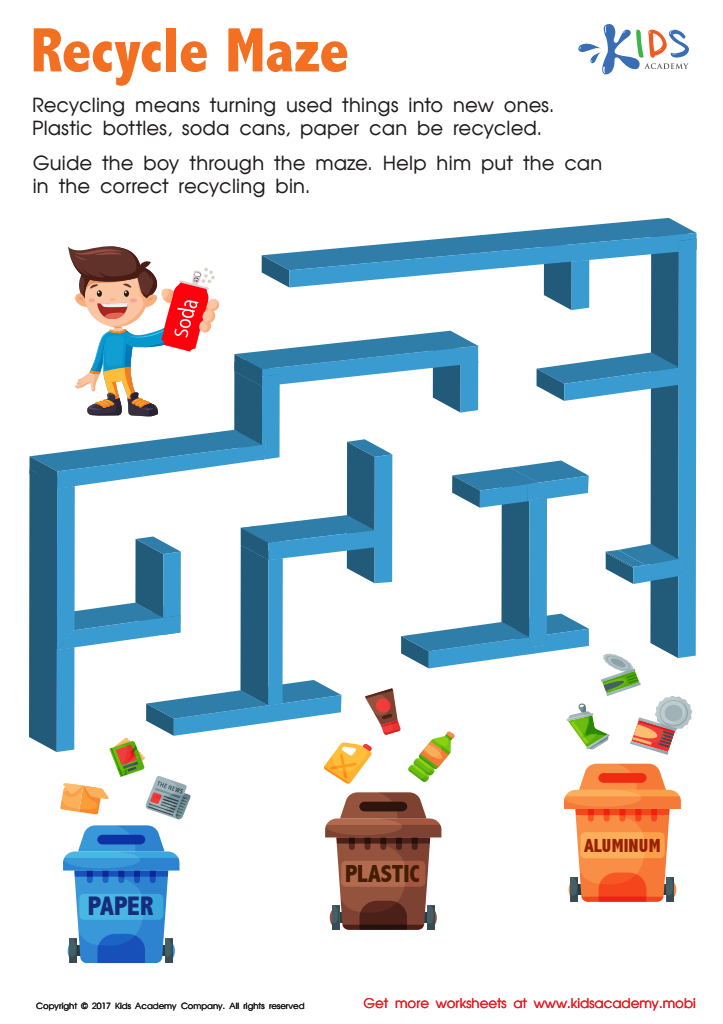
Recycle Maze Worksheet
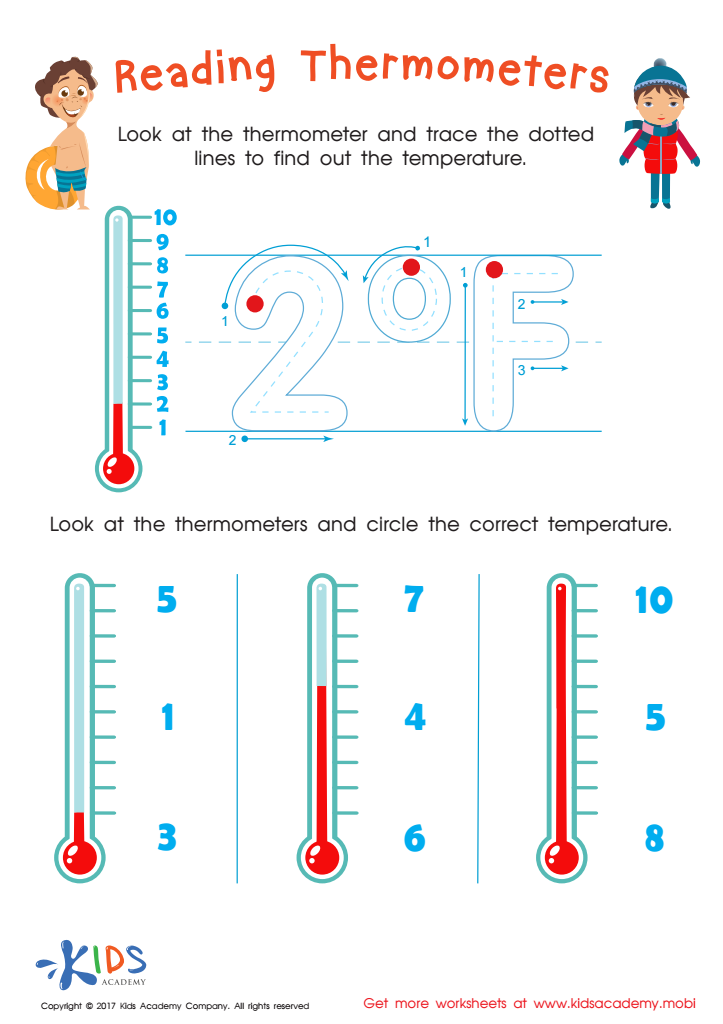
Reading Thermometers Printable
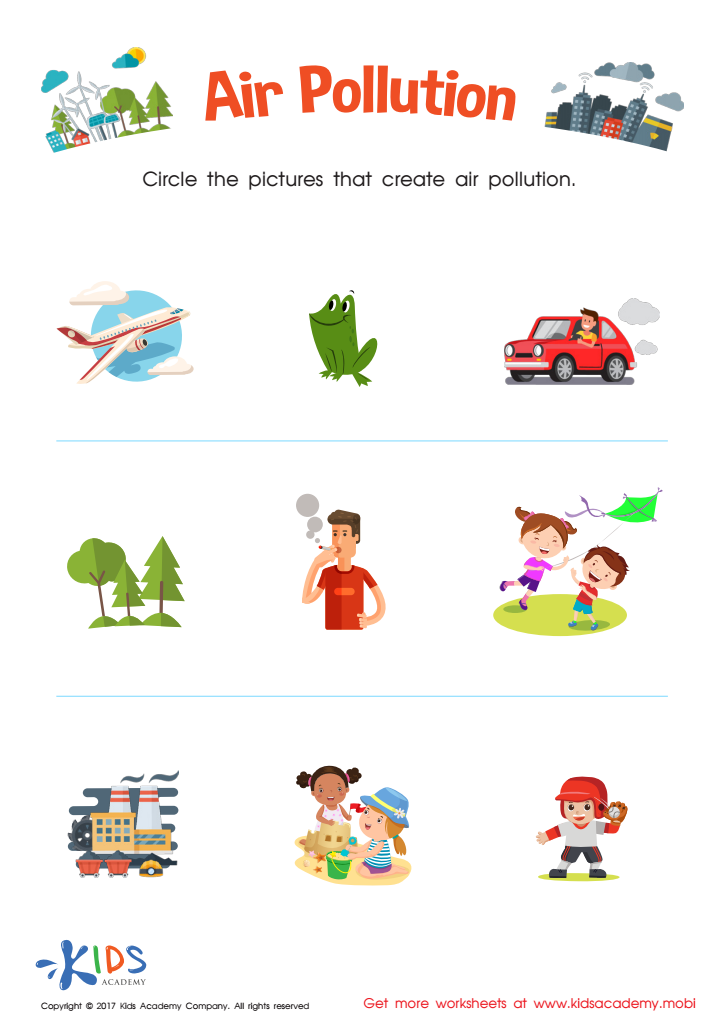
Air Pollution Worksheet
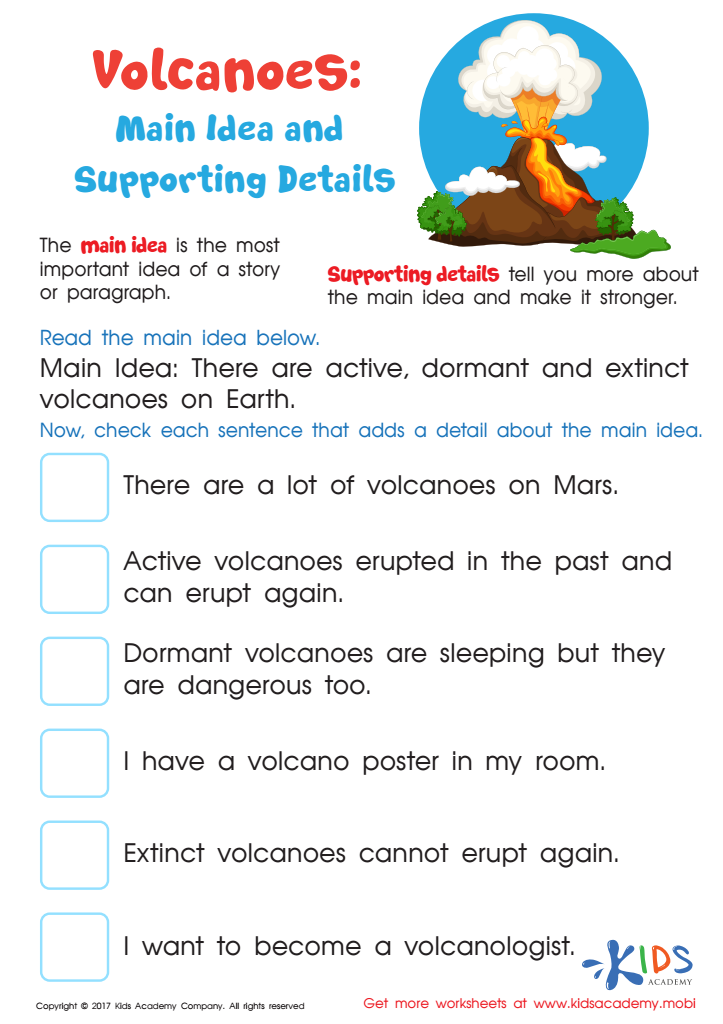
Volcano Facts Worksheet
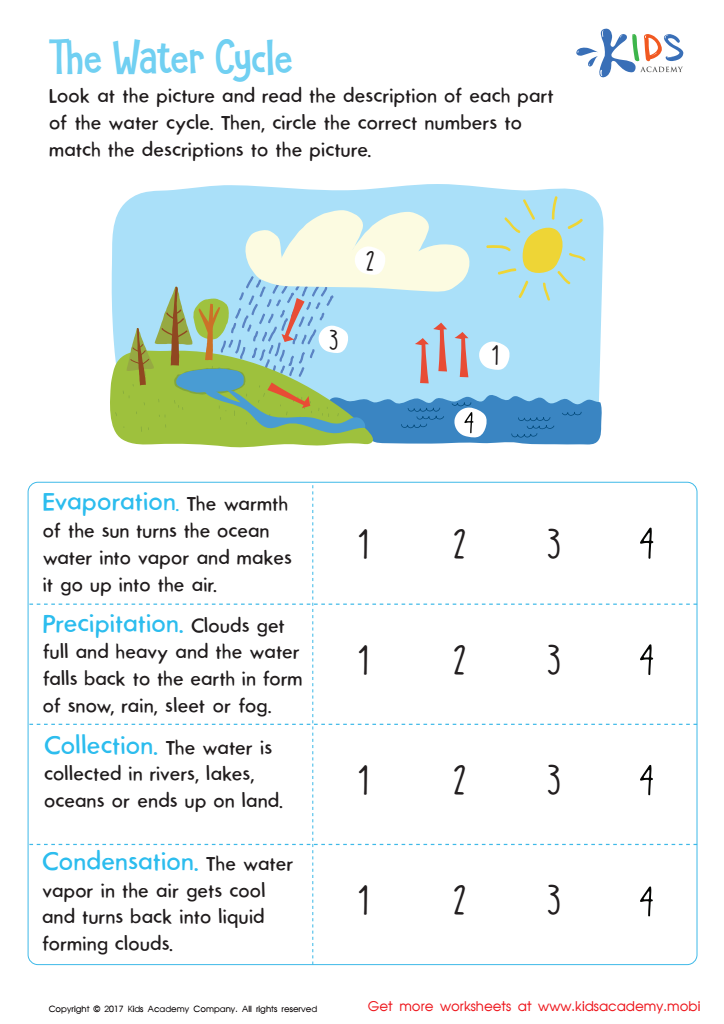
The Water Cycle Worksheet





Parents and teachers play pivotal roles in shaping young minds and teaching children about our planet and environment from an early age, specifically ages 4 to 9, is crucial for several reasons. Firstly, children in this age range are highly impressionable and capable of forming lifelong habits. Instilling an understanding and appreciation for nature helps them develop a sense of responsibility and stewardship toward the environment.
Secondly, teaching children about the environment fosters curiosity and a love of learning. It encourages them to ask questions about the world around them, promoting critical thinking and scientific inquiry. This can lead to greater academic success as they build foundational skills in observing and understanding complex systems.
By introducing kids to concepts like recycling, conservation, and the importance of biodiversity, we also empower them to take actionable steps in their own lives. Simple acts, such as recycling paper or conserving water, can become part of their daily routines, positively impacting the planet. These lessons promote empathy and respect for other living beings, fostering a more compassionate worldview.
Ultimately, educating young children about environmental issues plants the seeds for a more sustainable future. They grow up to be informed citizens who can make informed choices, advocate for positive change, and inspire others to protect our shared home.







