Letter B Worksheets for Ages 5-6
3 filtered results
-
From - To
Dive into the world of letters with our captivating Letter B Worksheets, specially designed for children ages 5-6! These engaging worksheets are perfect for young learners eager to explore the alphabet, focusing on mastering the letter B through a variety of activities. From tracing and writing to identifying objects beginning with B, our worksheets offer a balanced mix of fun and education, ensuring your child's first steps into literacy are filled with excitement and learning. Ideal for both classroom and at-home use, our Letter B Worksheets for Ages 5-6 are your go-to resource for nurturing early reading and writing skills.
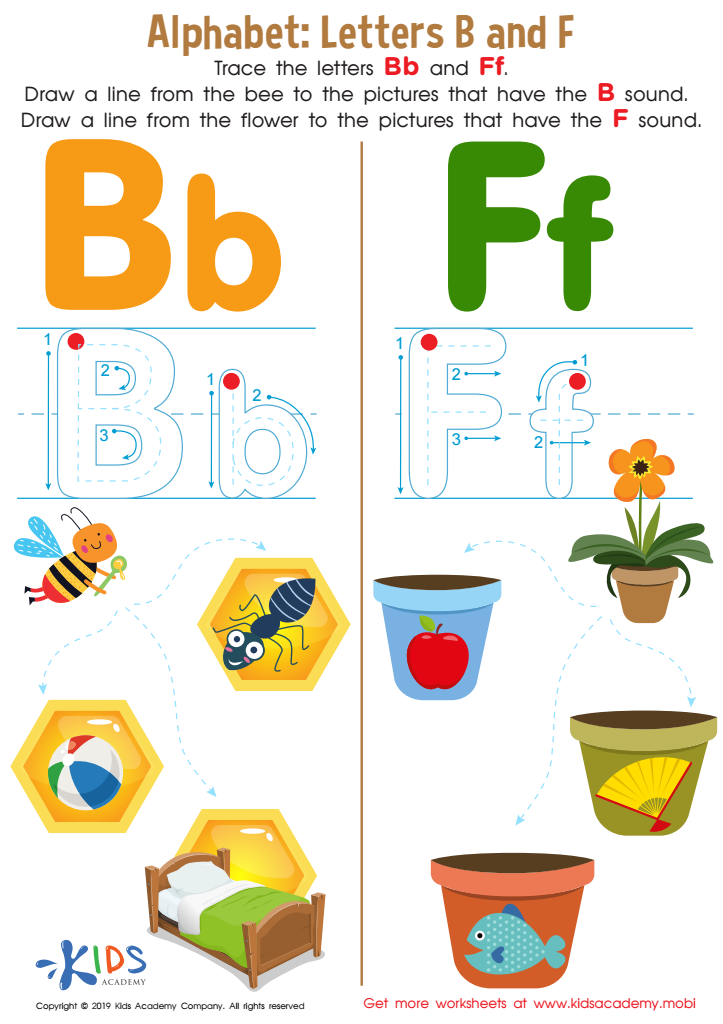
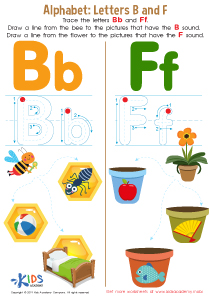
Letters B and F Tracing Worksheet
 Assign to My Students
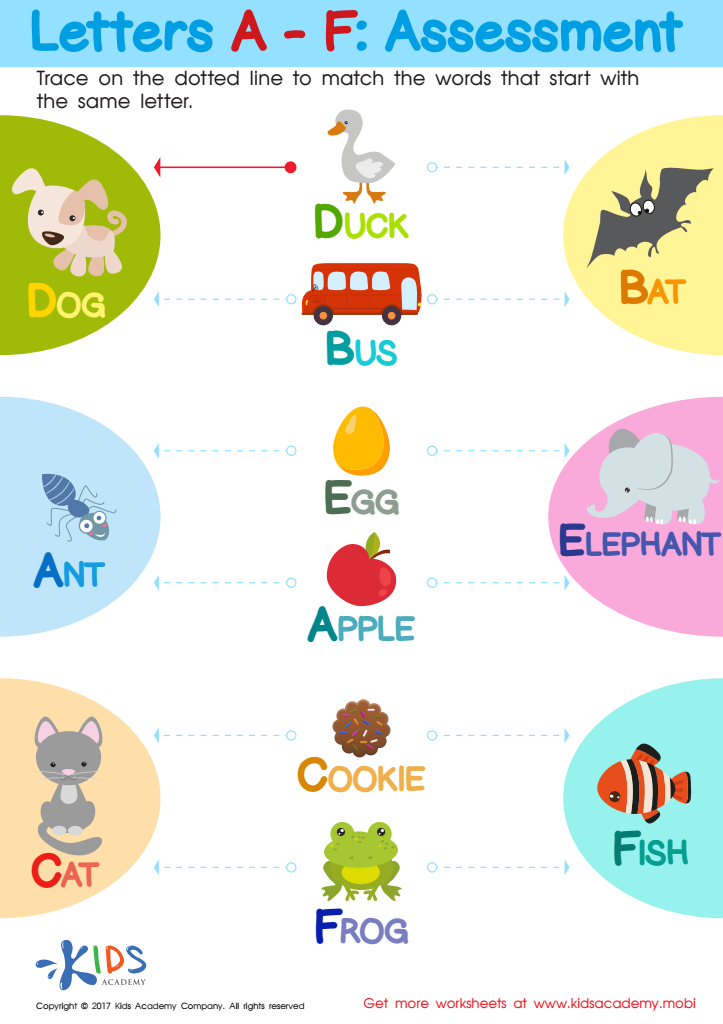
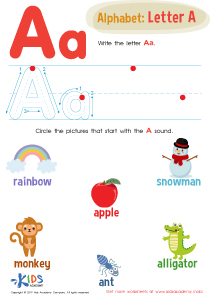
Letters A - F Worksheet
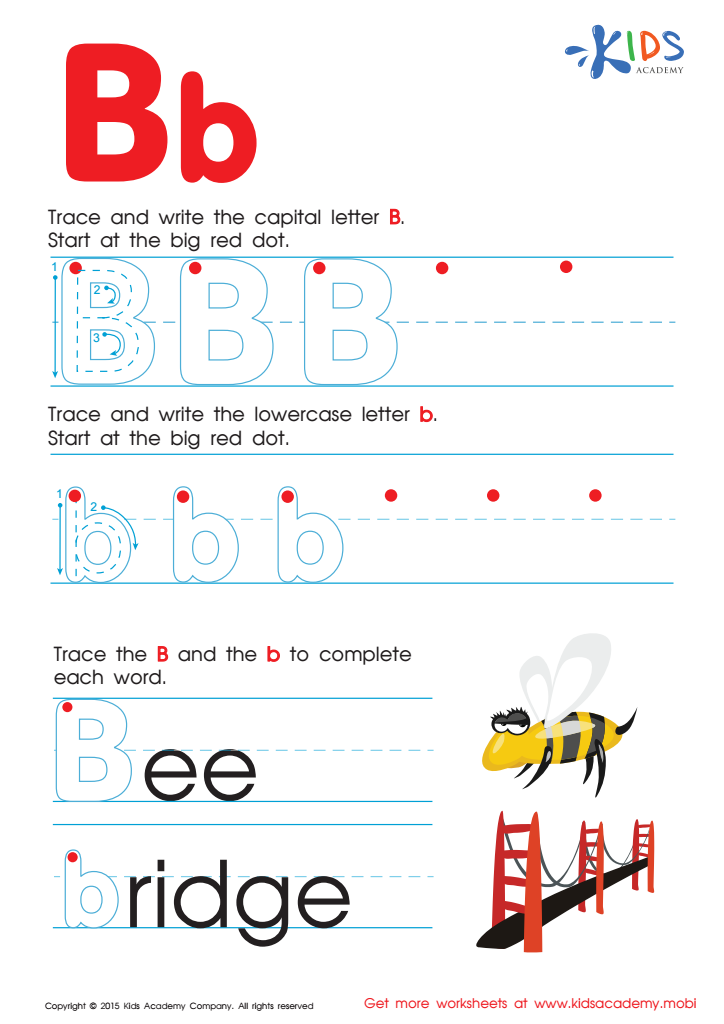
Letter B Tracing Page







Worksheets centered on Letter B are incredibly beneficial tools for young learners, particularly for ages 5-6, a critical period in their literacy development. At this age, children are at a foundational stage where they begin to recognize letters, associate them with sounds, and gradually learn to form words. Letter B worksheets are specifically designed to target these essential skills through engaging and age-appropriate activities.
For children aged 5-6, the emphasis on Letter B through worksheets serves multiple purposes. Firstly, it helps in enhancing their phonemic awareness, allowing them to distinguish and replicate the ‘b’ sound, a fundamental aspect of phonics that supports reading and spelling. Additionally, these worksheets often include activities that improve handwriting skills, guiding children on how to correctly form the letter B, both in its uppercase and lowercase variants. This practice is crucial for developing fine motor skills and establishing a strong foundation for writing fluency.
Moreover, Letter B worksheets for ages 5-6 often incorporate fun elements such as coloring pages, matching games, and puzzles that revolve around words starting with B. These activities not only make learning enjoyable but also expand vocabulary and comprehension through context, making them an invaluable resource for early childhood education. By focusing on Letter B, educators and parents provide young learners with a structured yet stimulating approach to literacy that paves the way for their future academic success.