Addition and Subtraction Word Problems Worksheets for Ages 5-7 - Page 4
90 filtered results
-
From - To
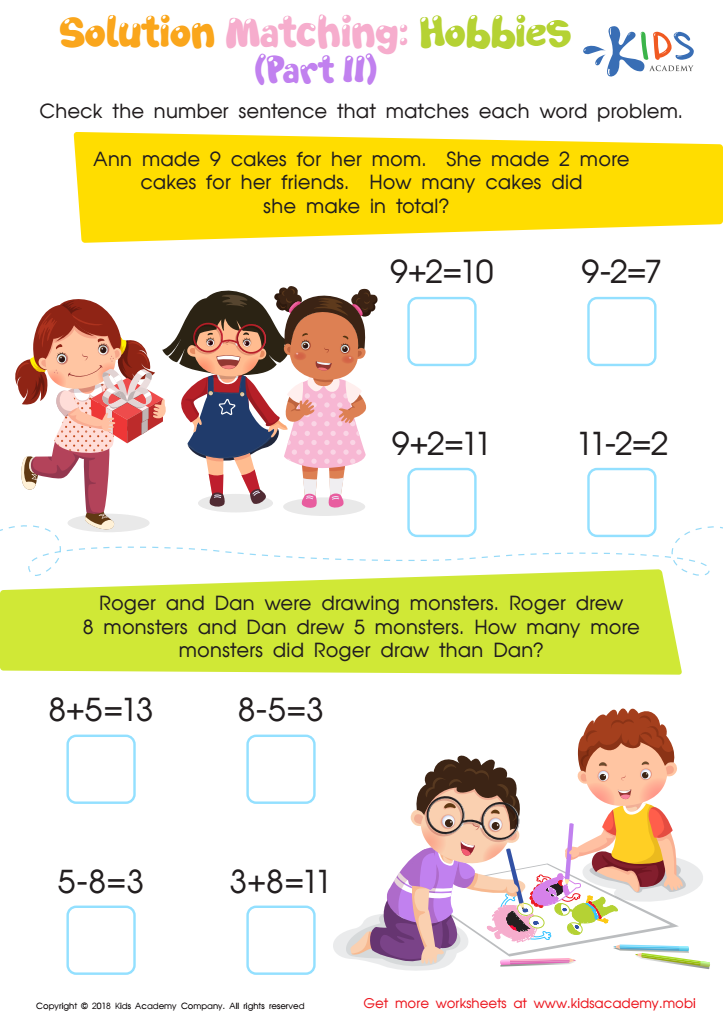
Solution Matching: Hobbies. Part 2 Worksheet
 Assign to My Students
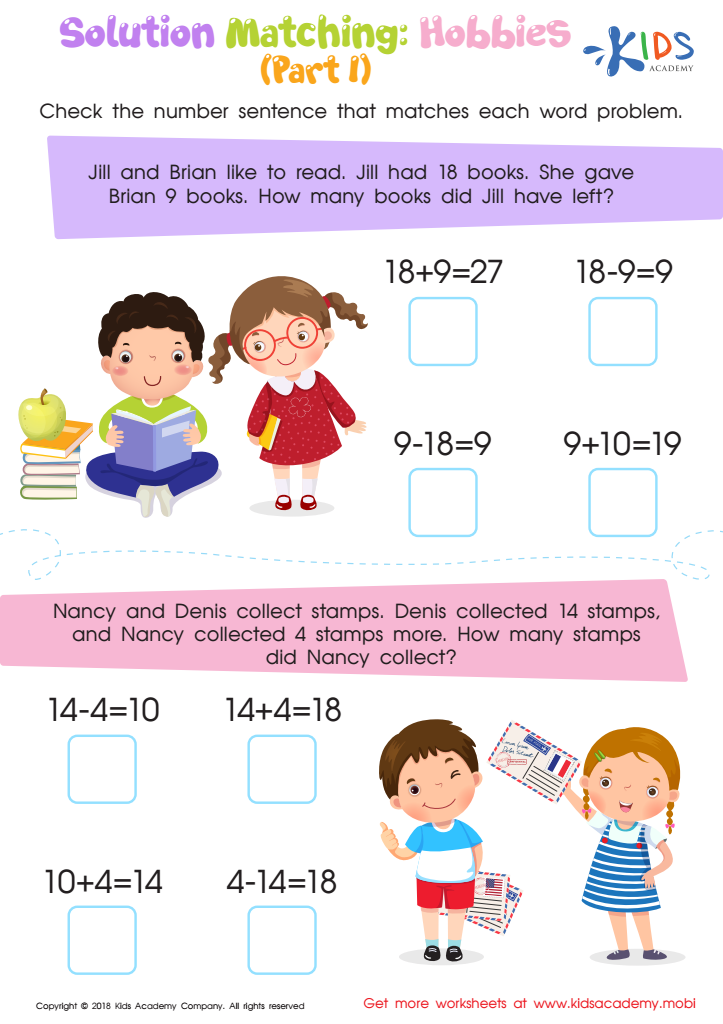
Solution Matching: Hobbies. Part 1 Worksheet
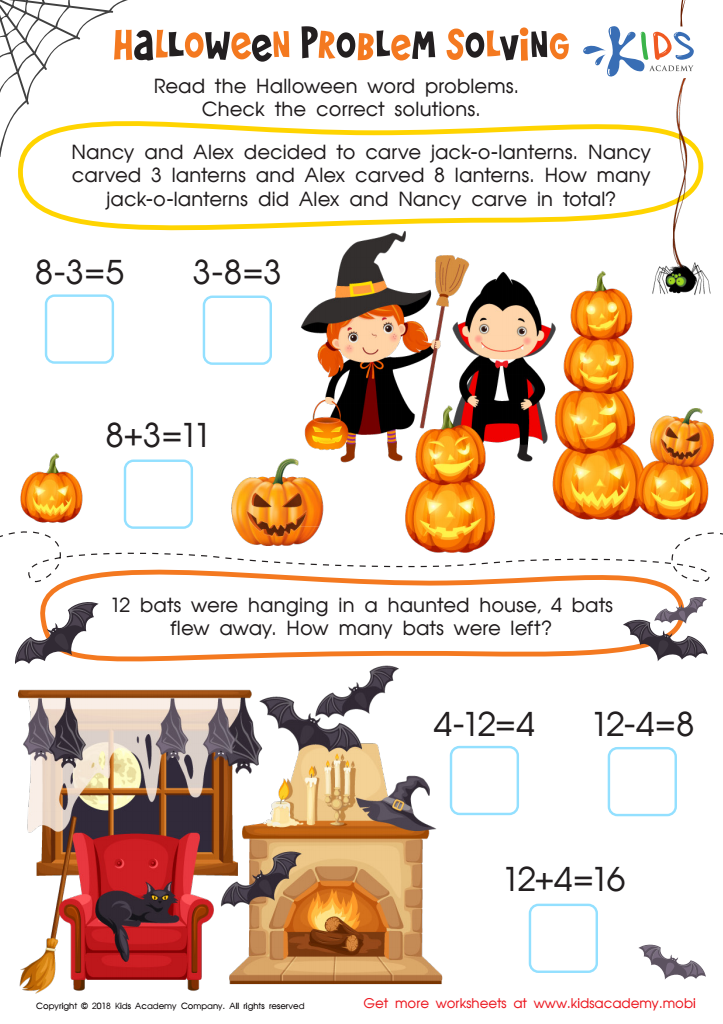
Halloween Problem Solving Worksheet
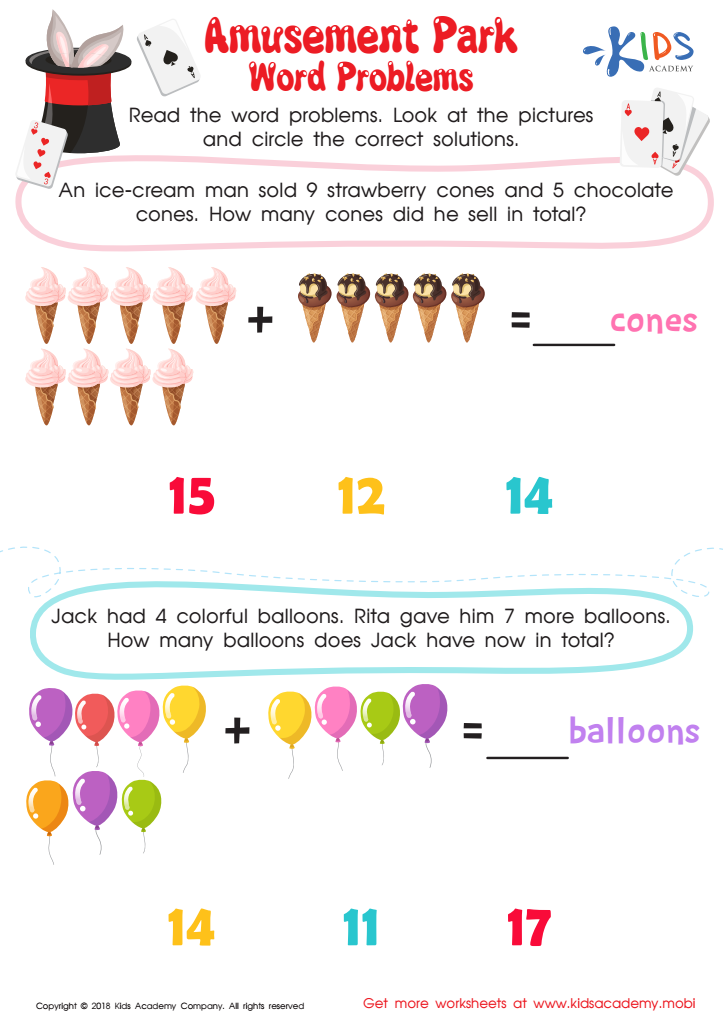
Amusement Park Word Problems Worksheet
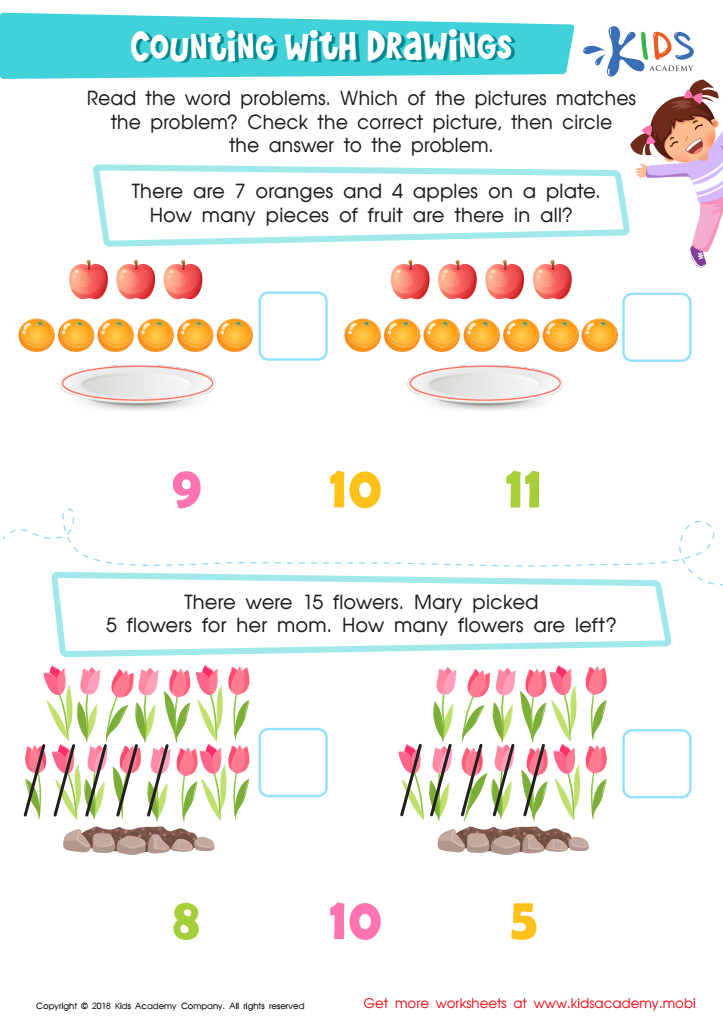
Counting with Drawings:Fruits & Flowers Worksheet
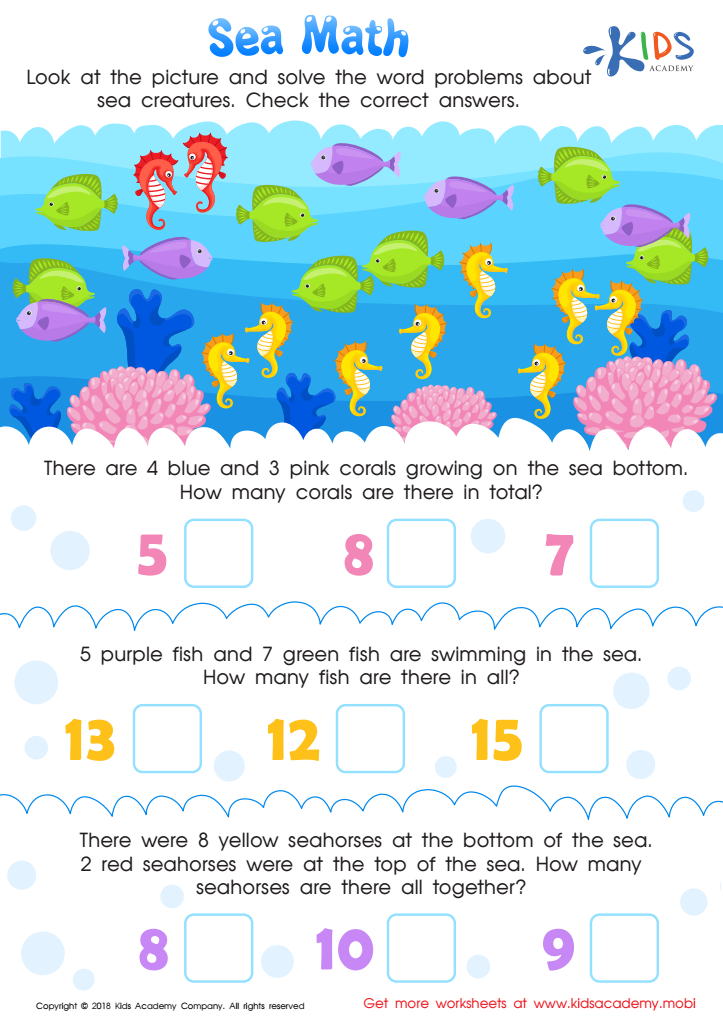
Sea Math Worksheet
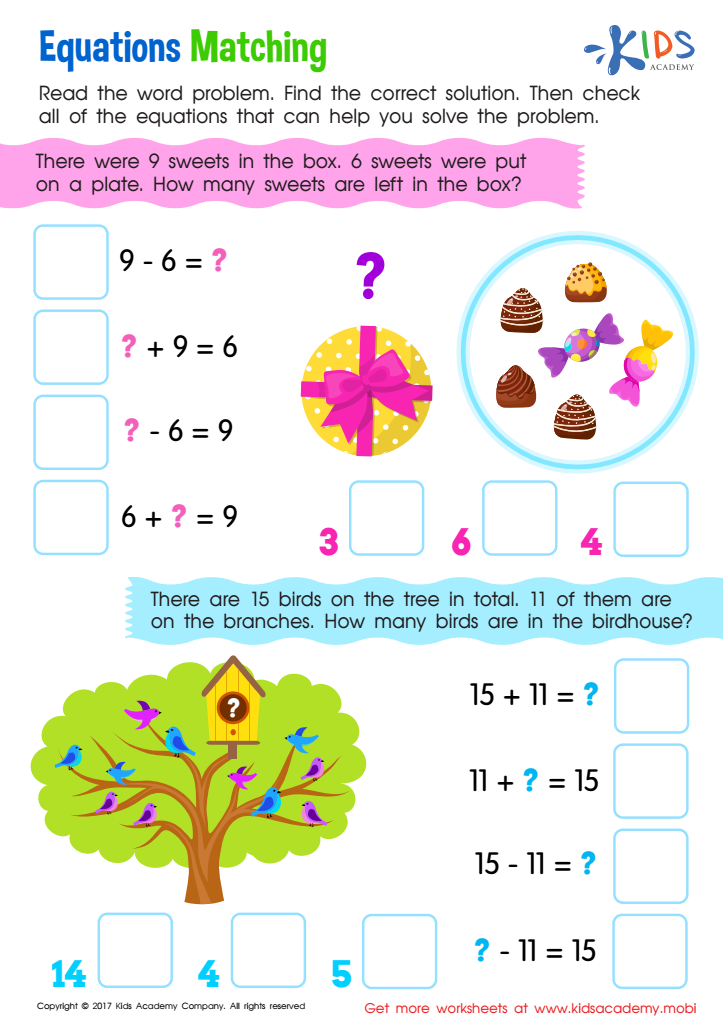
Equations Matching Word Problems Worksheet
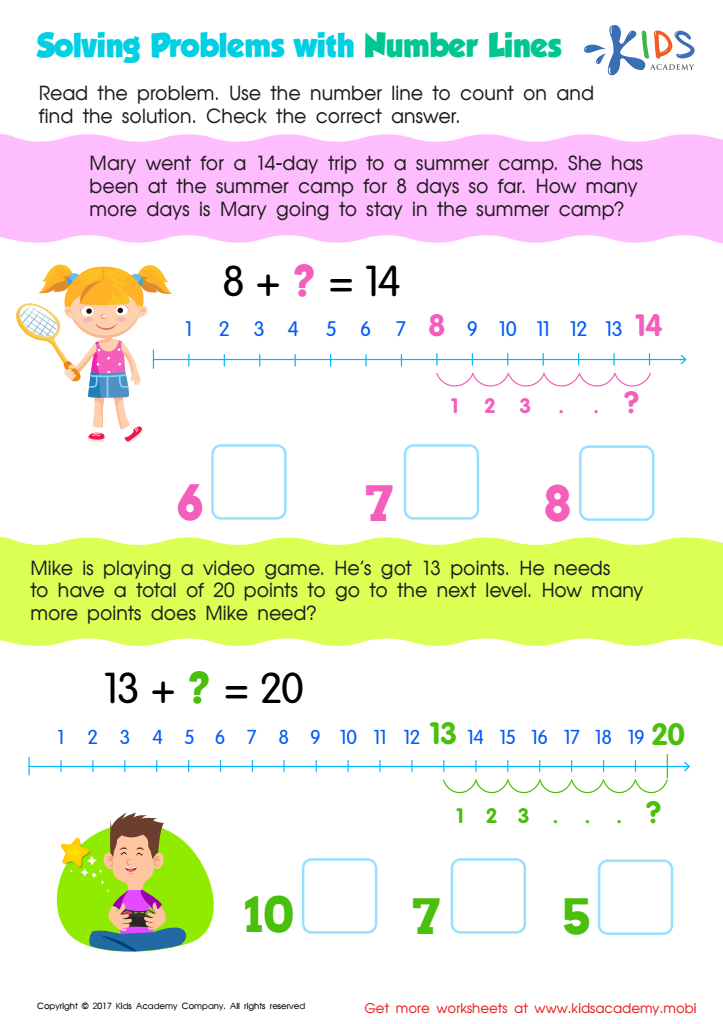
Solving Problems: Number Lines Worksheet
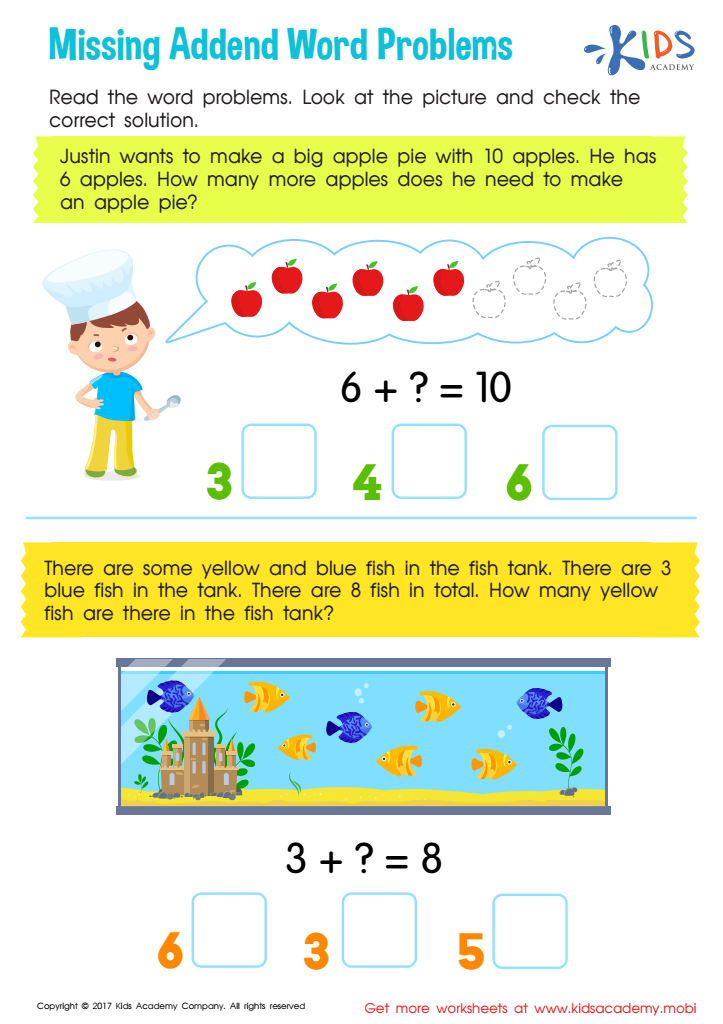
Missing Addend Word Problems Worksheet
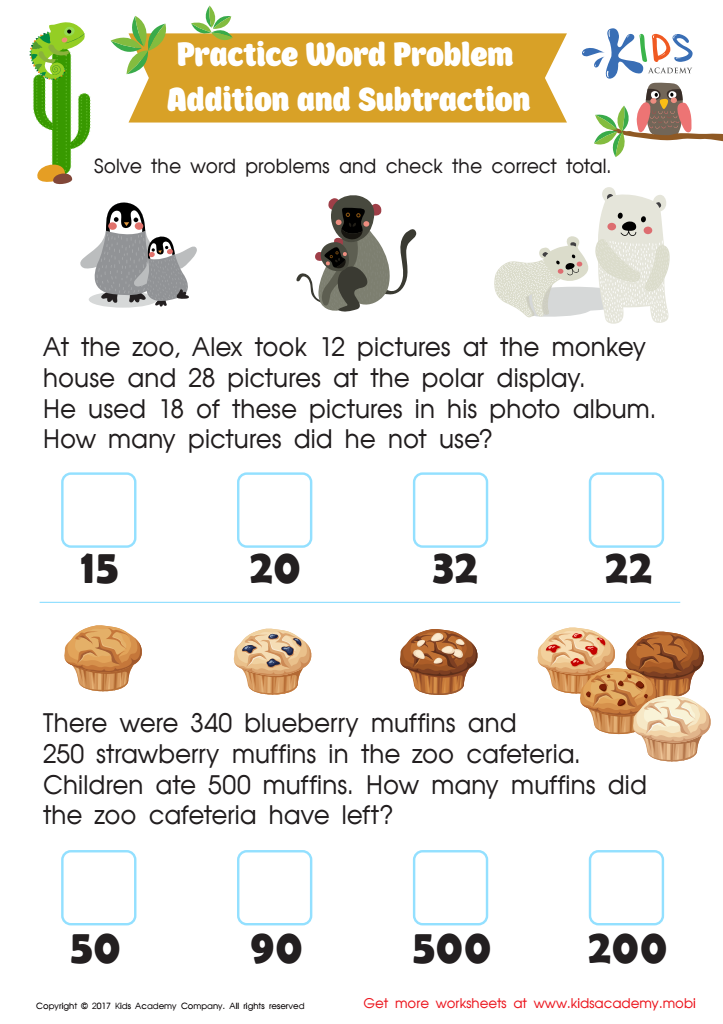
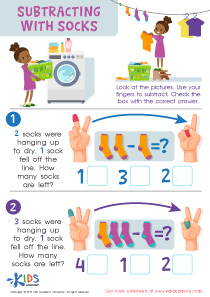
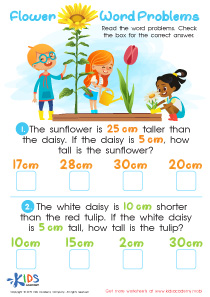
Addition and Subtraction: Word Problems Worksheet
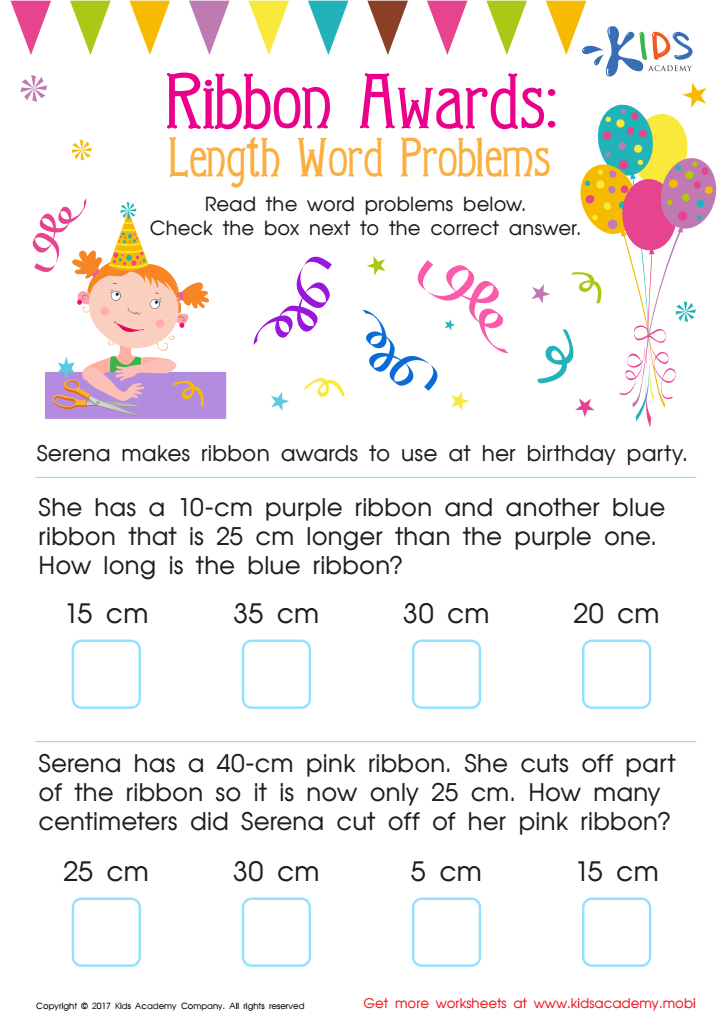
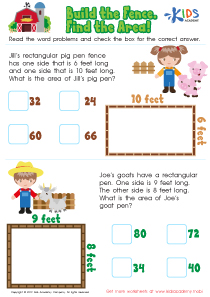
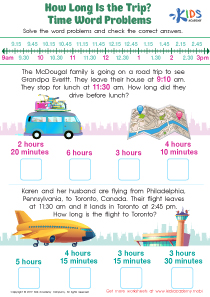
Length Word Problems Worksheet
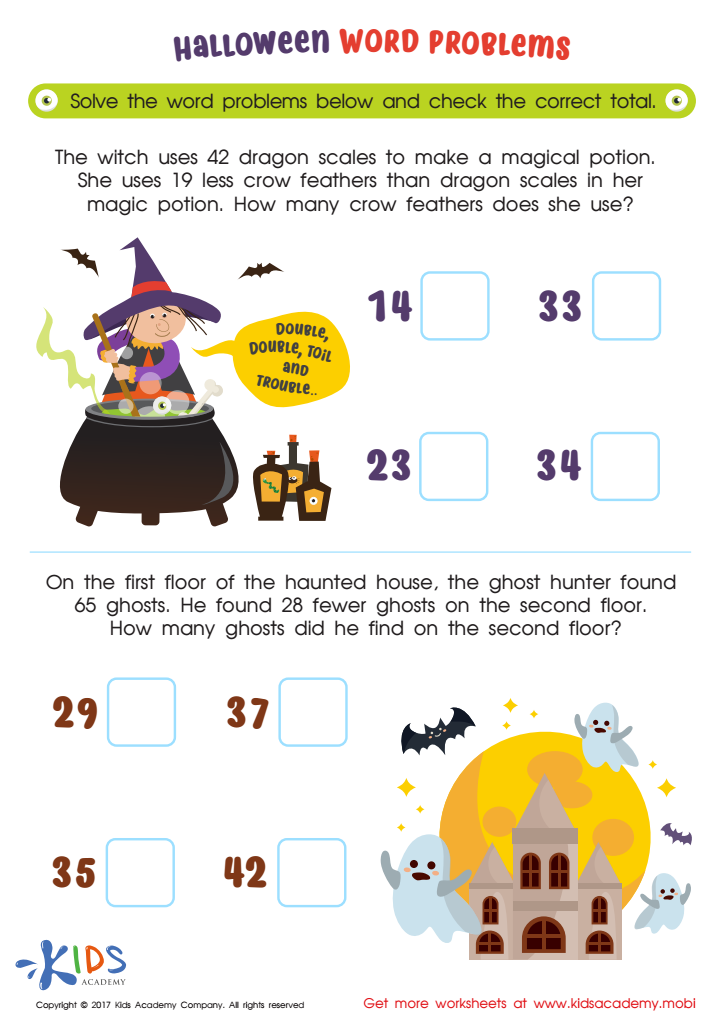
Halloween Word Problems Printable
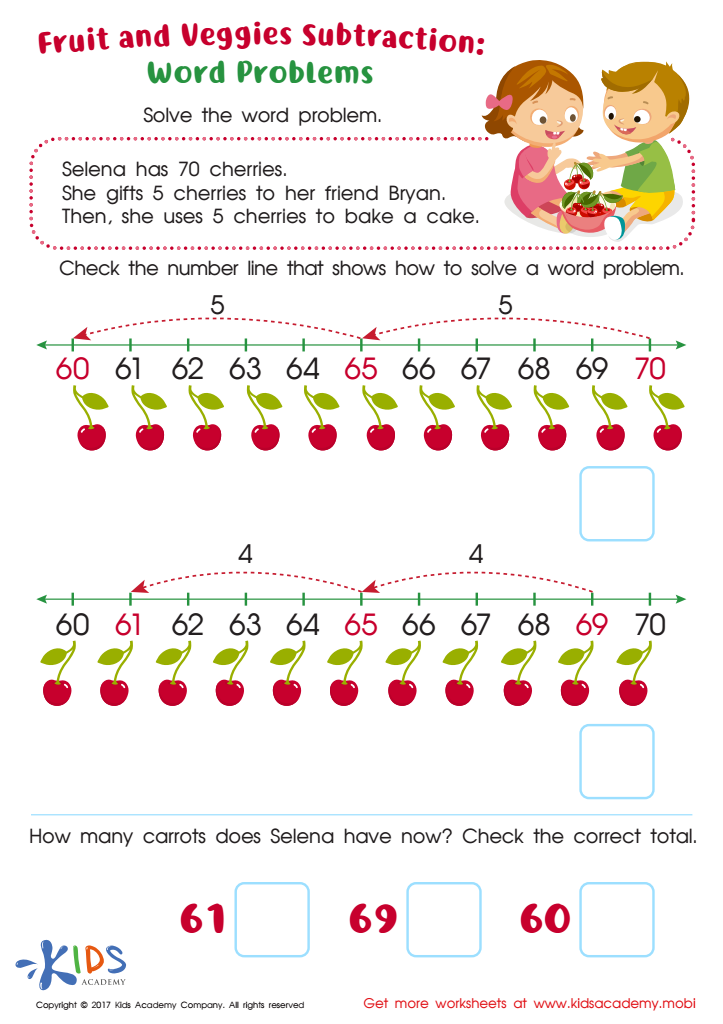
Subtraction Word Problems Free Printable
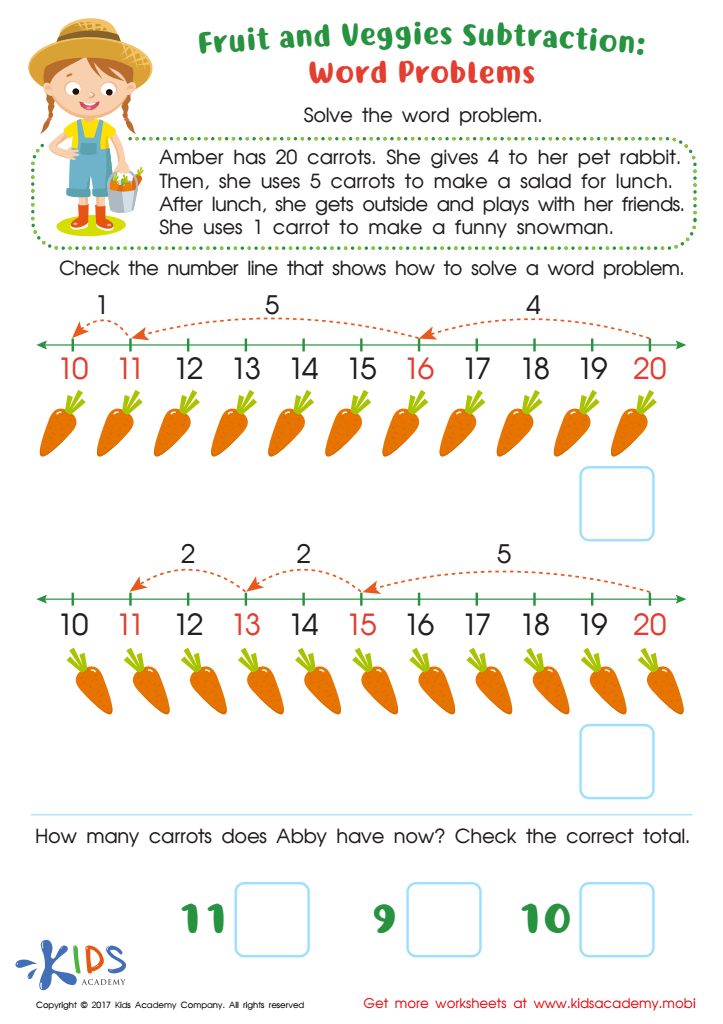
Subtraction Word Problems Printable
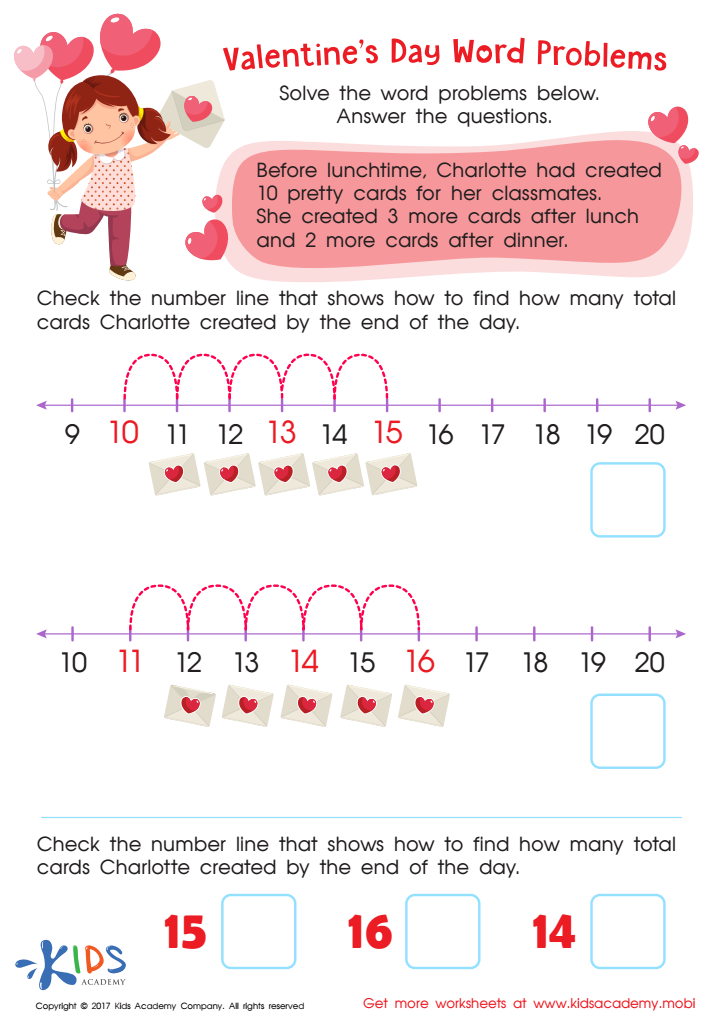
Valentines Day Word Problem Worksheet
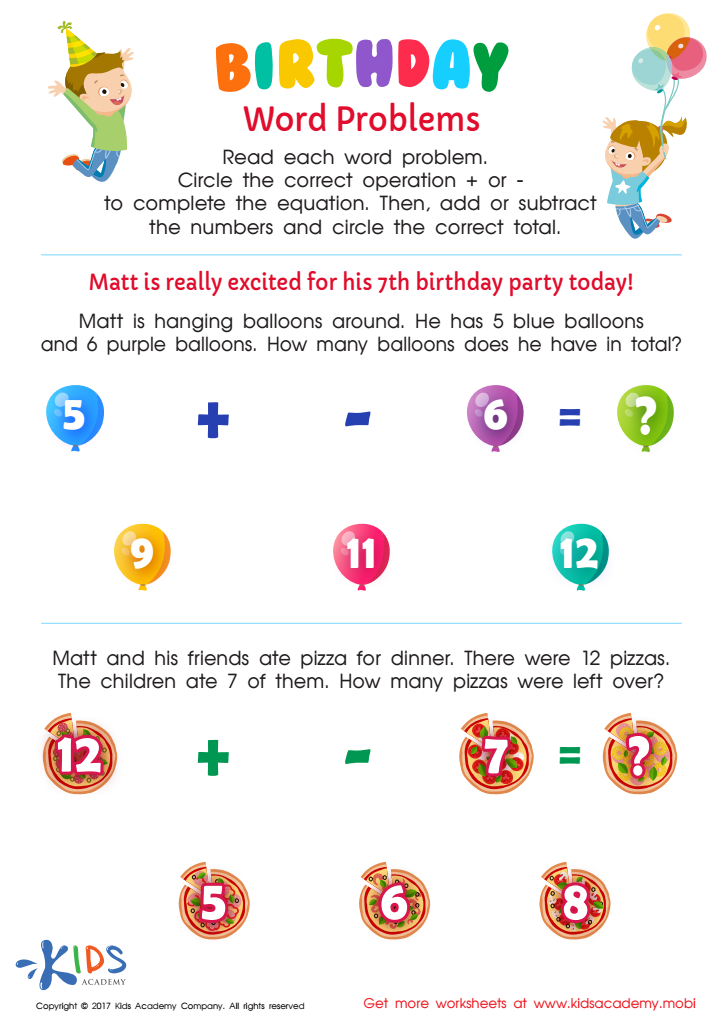
Birthday Word Problems Substraction Worksheet
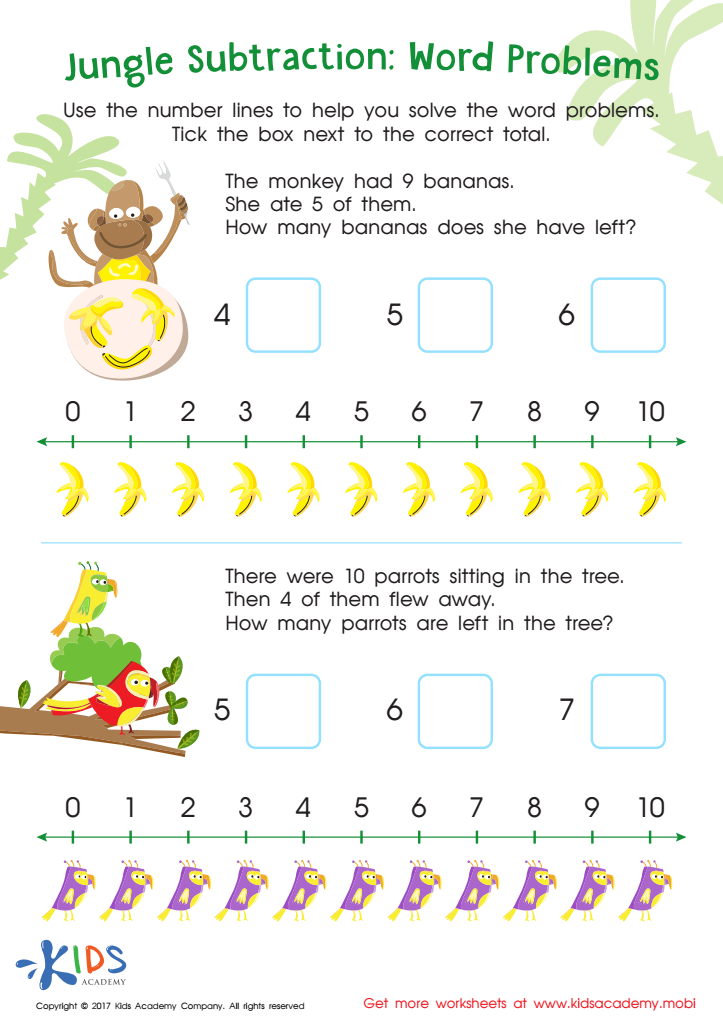
Jungle Subtraction Word Problems Substraction Worksheet
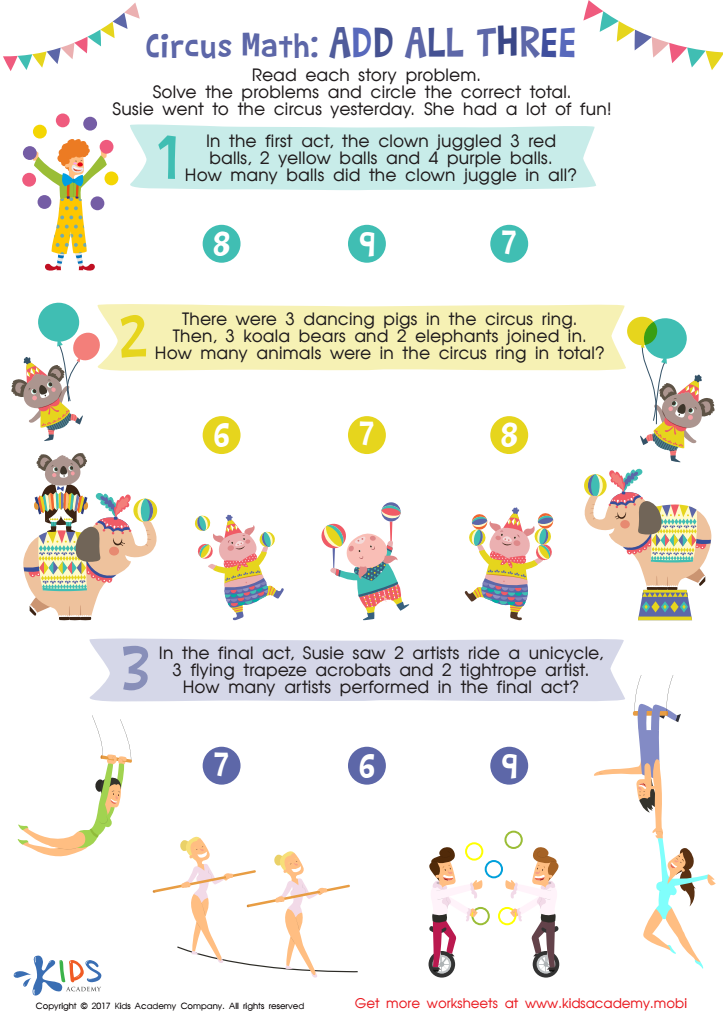
Circus Math Printable








Parents and teachers play a vital role in developing early math skills, particularly through addition and subtraction word problems for children aged 5-7. These problems are not just math exercises; they enhance critical thinking, problem-solving abilities, and comprehension skills. Word problems contextualize math in real-life situations, helping children understand the relevance of numerical concepts.
Additionally, they support language development, as kids learn to decode the language used in math problems, grasp important keywords (like "total," "how many more," or "left"), and translate them into mathematical operations. This fosters a dual skill set: numerical and linguistic, which is essential for overall cognitive development.
Moreover, working on word problems provides an opportunity for parents and teachers to engage collaboratively with children. This interaction boosts confidence and encourages a positive attitude toward math, helping to prevent math anxiety as the child progresses in their education. In a broader sense, establishing a strong foundation in addition and subtraction through word problems sets the stage for more complex mathematical concepts, ensuring students are better prepared for future academic challenges. Emphasizing these skills today lays the groundwork for a lifelong appreciation of mathematics.