Elementary Phonics Worksheets for Ages 5-8 - Page 2
35 filtered results
-
From - To
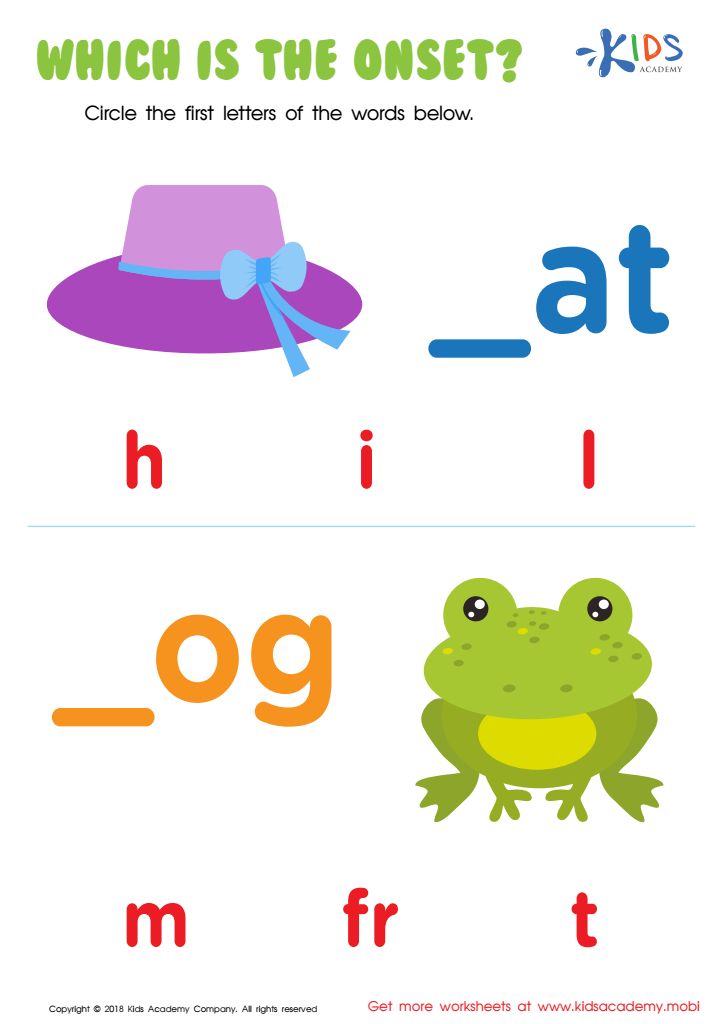
Which Is the Onset? Worksheet
 Assign to My Students
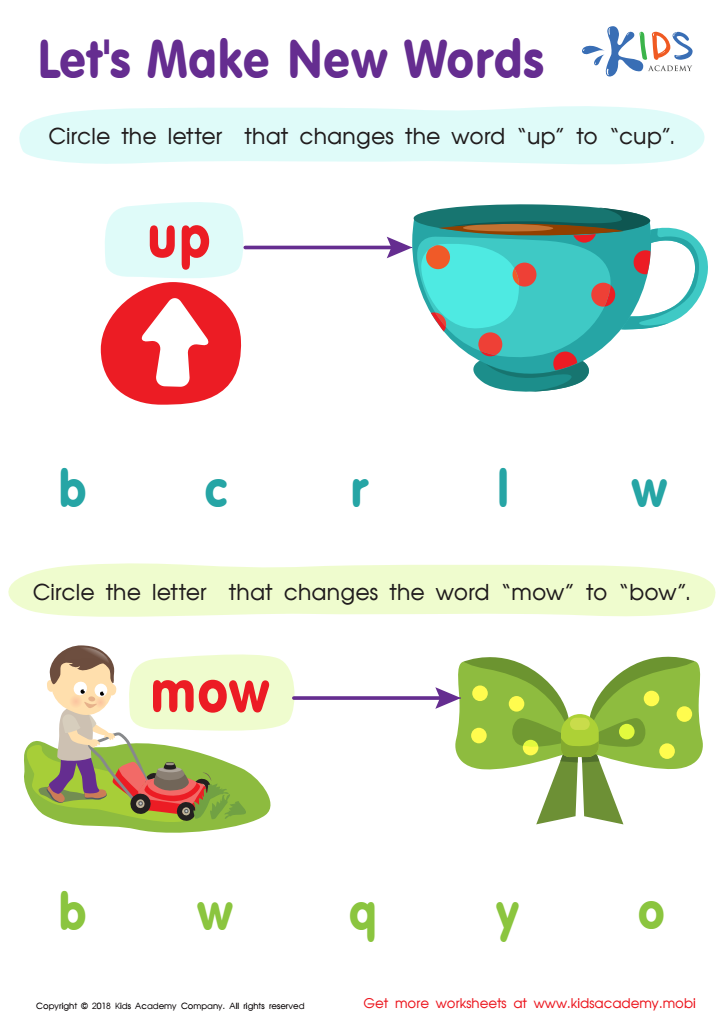
Let's Make New Words Worksheet
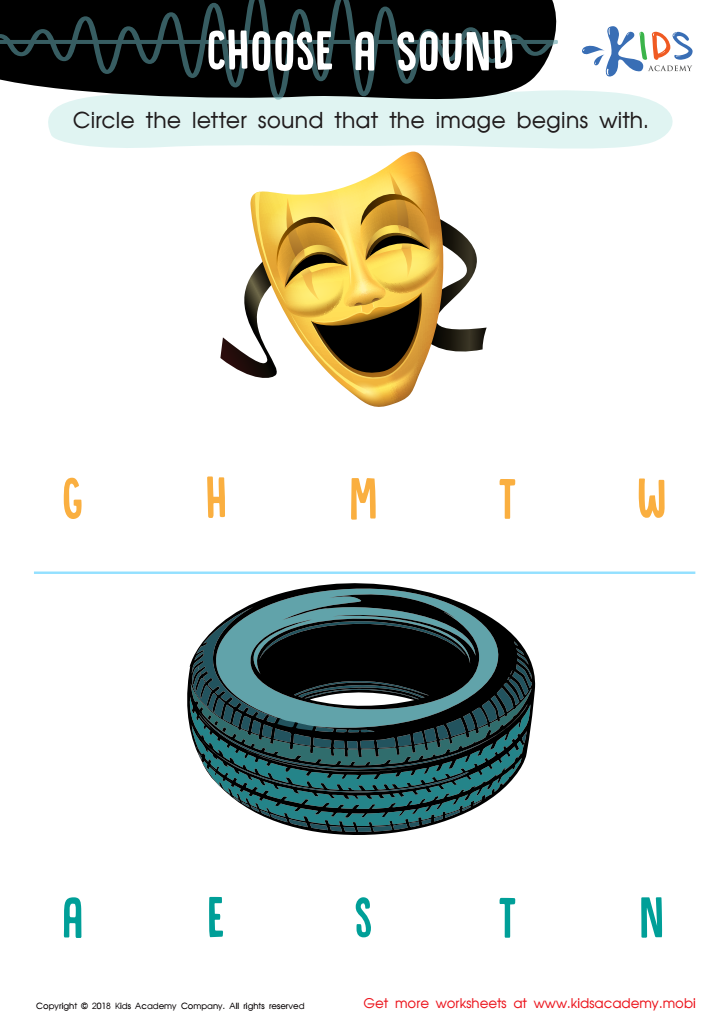
Choose a Sound Worksheet
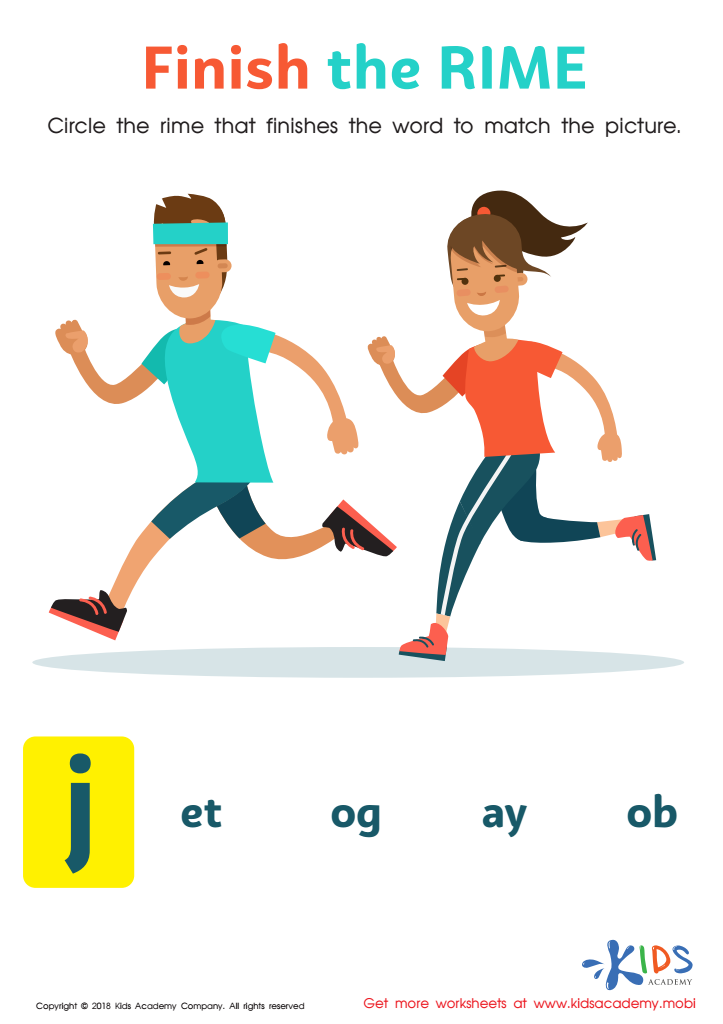
Finish the Rime Worksheet
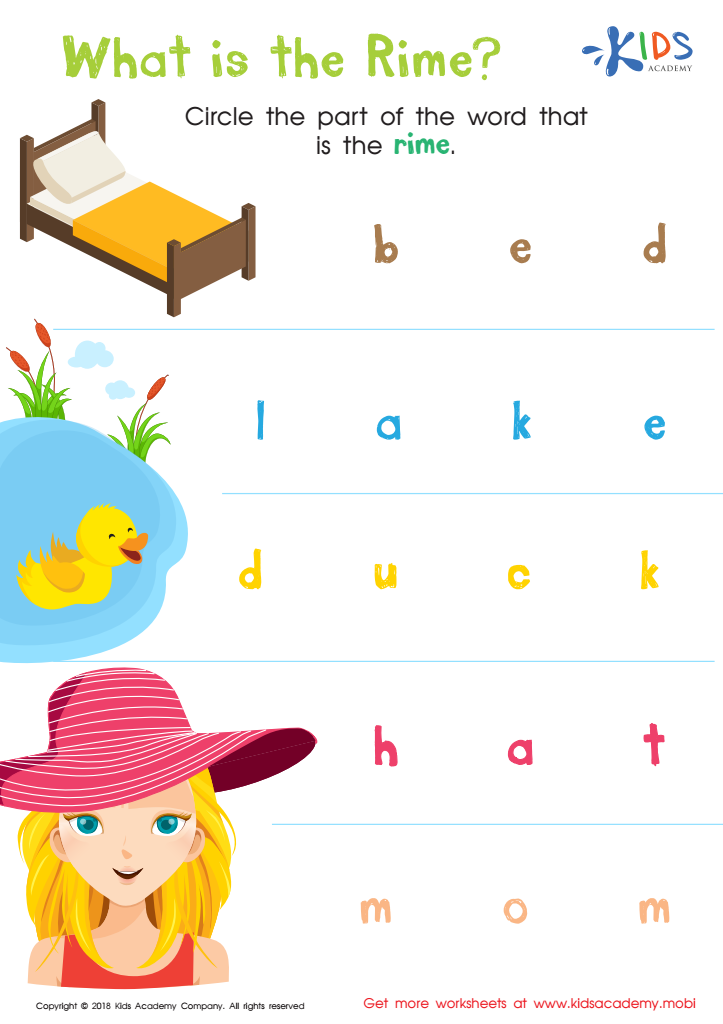
What Is the Rime? Worksheet
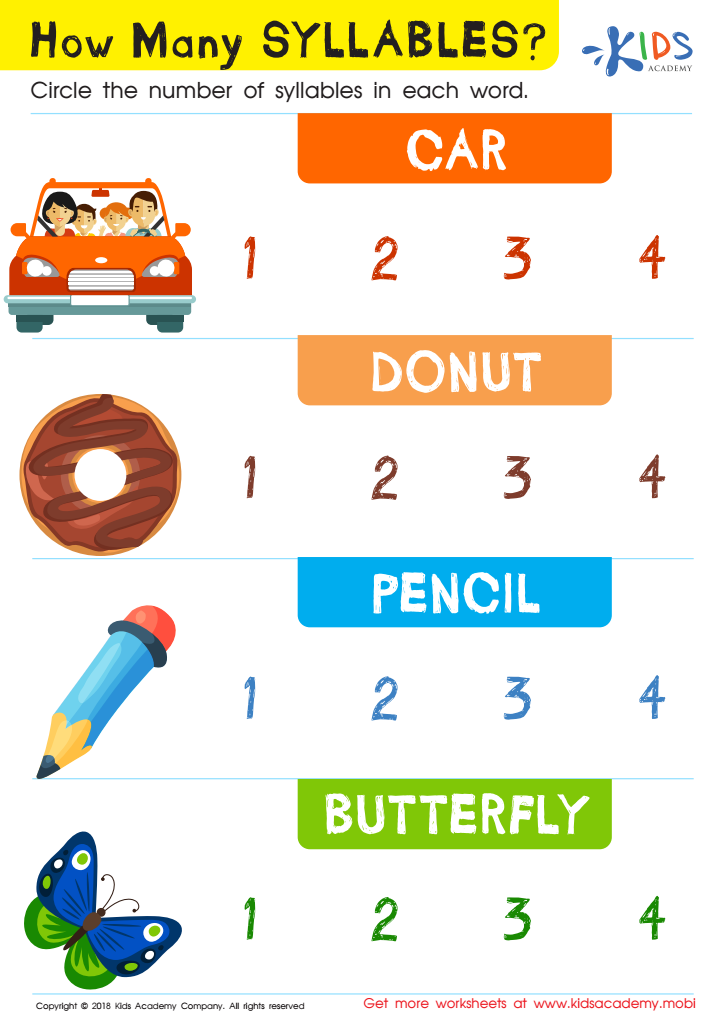
How Many Syllables? Worksheet
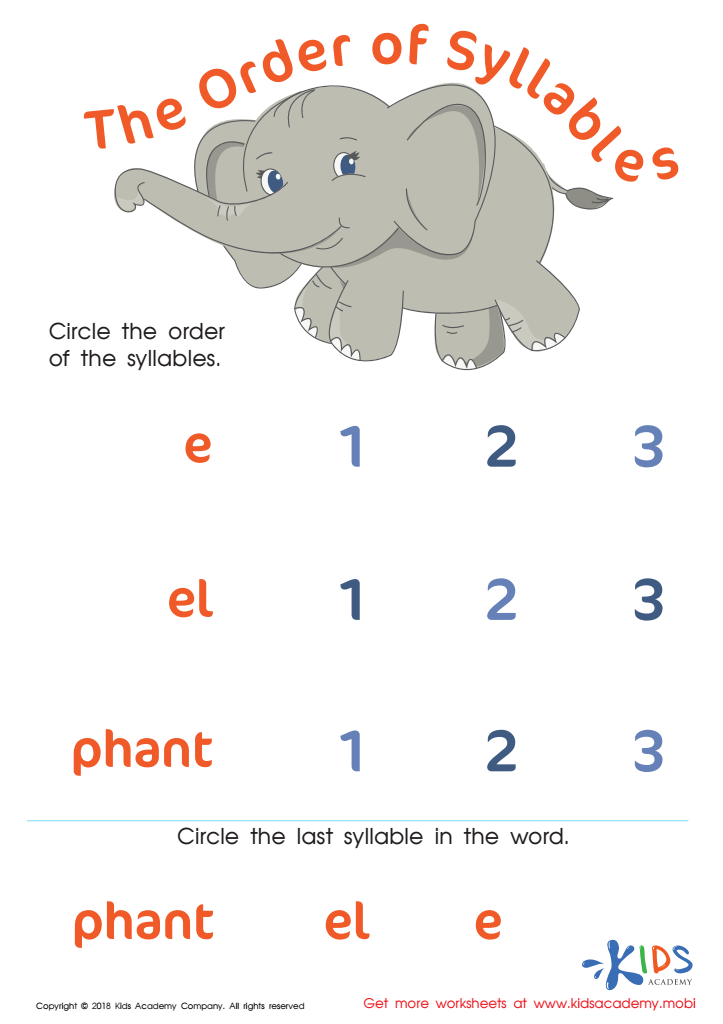
The Order of Syllables Worksheet
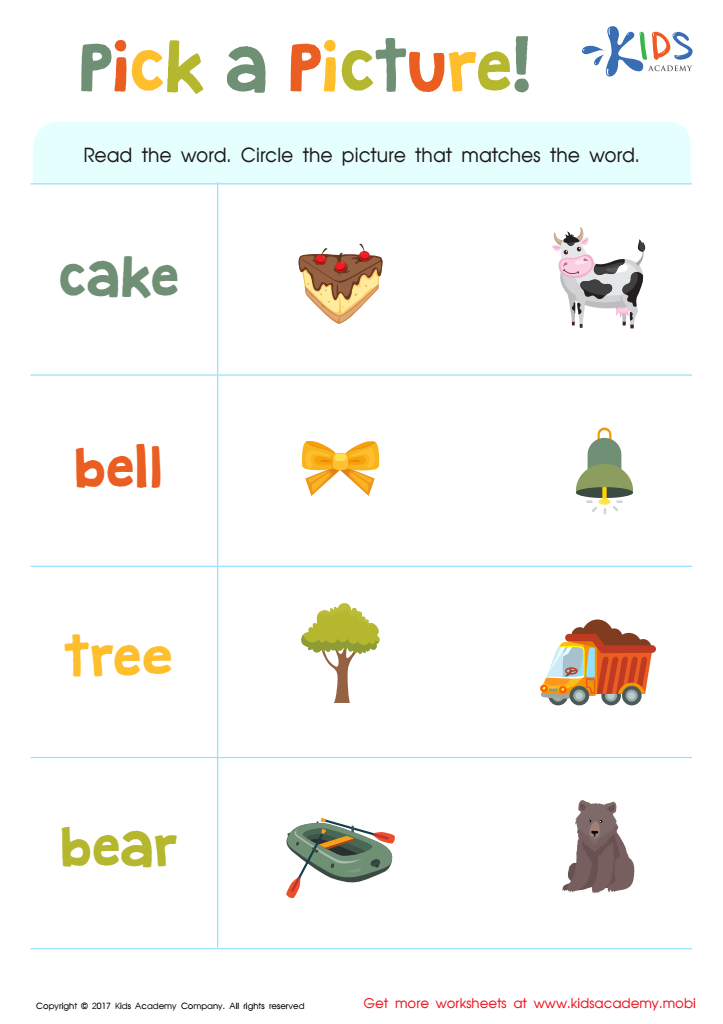
Pick a Picture Word Recognition Worksheet
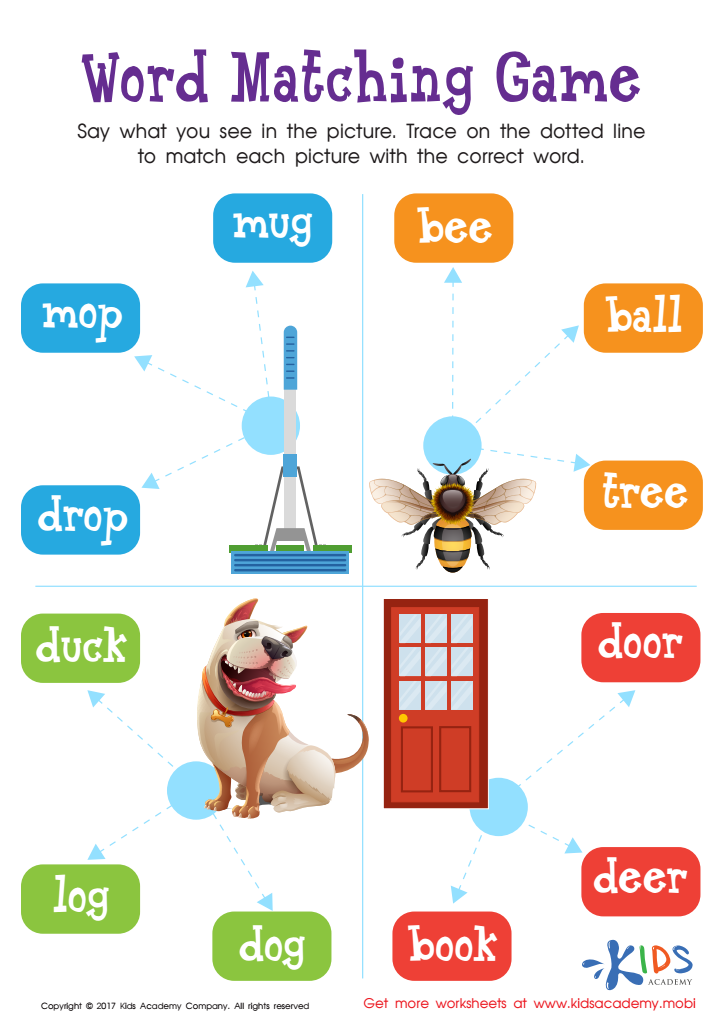
Word Matching Game Worksheet
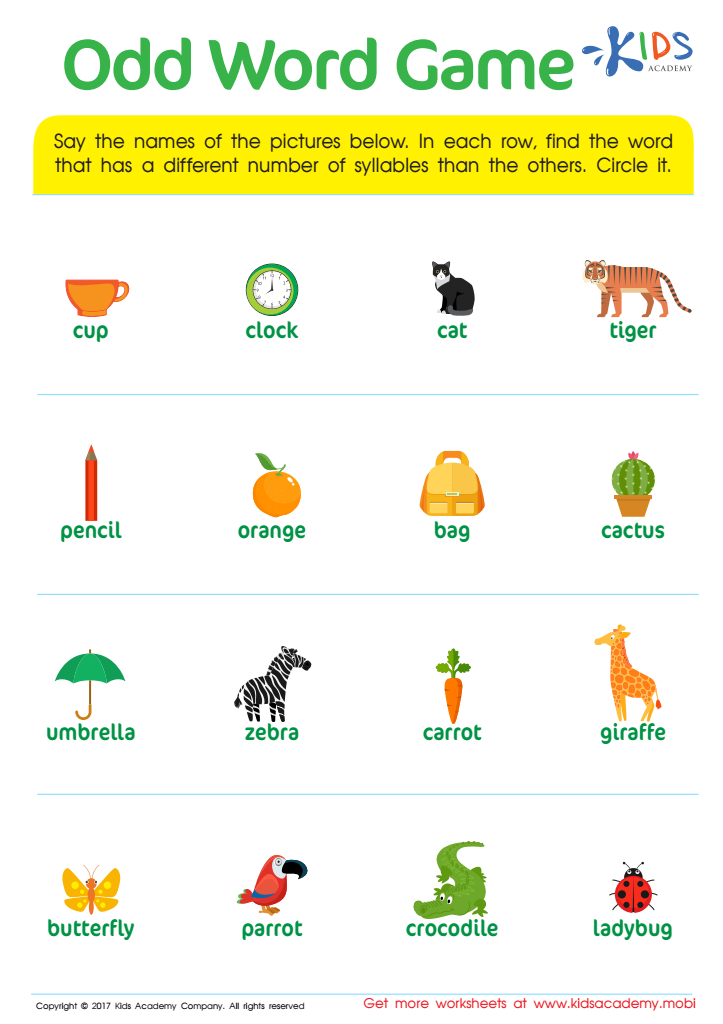
Count Syllables: Odd Word Game Worksheet
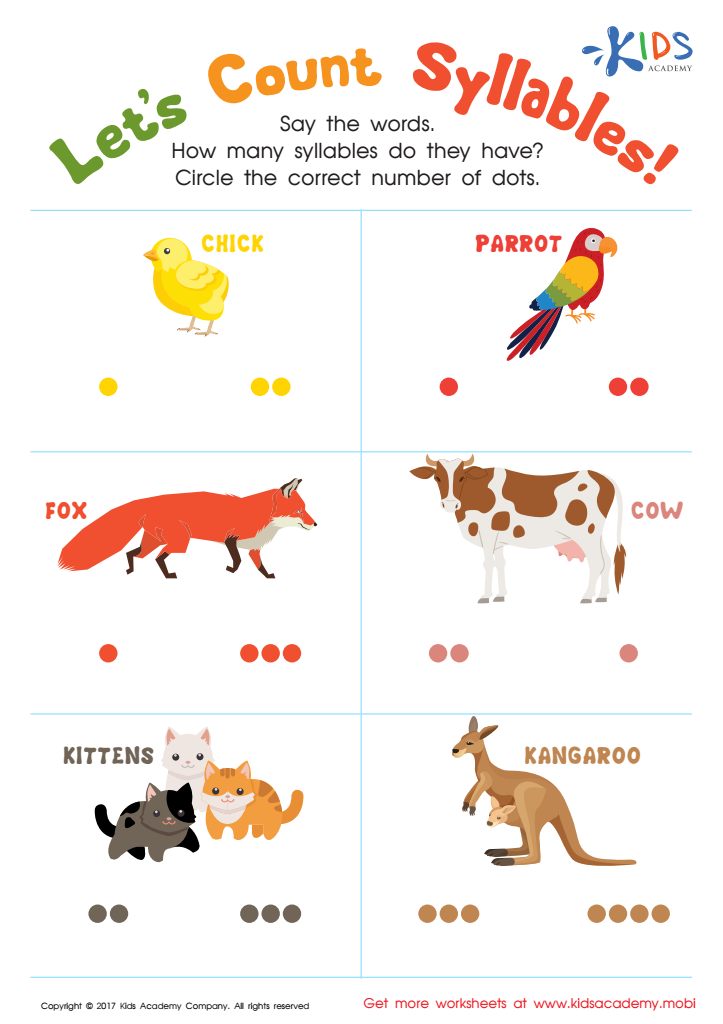
Lets Count Syllables Worksheet




Elementary phonics is fundamental for children aged 5-8 because it lays the foundation for reading and writing proficiency. For parents and teachers, understanding and prioritizing phonics is essential since it is the cornerstone of literacy. Phonics teaches children how to connect sounds with letters and blends, enabling them to decode words accurately. When children grasp these essential skills early on, they experience improved reading fluency, comprehension, and increased vocabulary.
For parents, an active role in phonics education means better supporting their child's learning at home. Engaging with children in activities like reading aloud and phonics games can reinforce classroom teachings and create a positive, encouraging reading environment. This collaborative effort boosts a child’s confidence, making reading an enjoyable habit rather than a chore.
Teachers benefit significantly by integrating phonics into their curriculum effectively. Early introduction to phonics helps identify struggling readers promptly, allowing for timely interventions. This foundational understanding is crucial for academic success across subjects, as literacy is intertwined with other areas of learning.
Moreover, strong phonics skills can diminish the frustration that often accompanies early learning challenges. This equipping of young learners with essential tools from the start creates lifelong, self-assured readers who are ready to tackle more complex concepts with greater ease.







