Plants and Animals Worksheets for Ages 5-8 - Page 2
141 filtered results
-
From - To
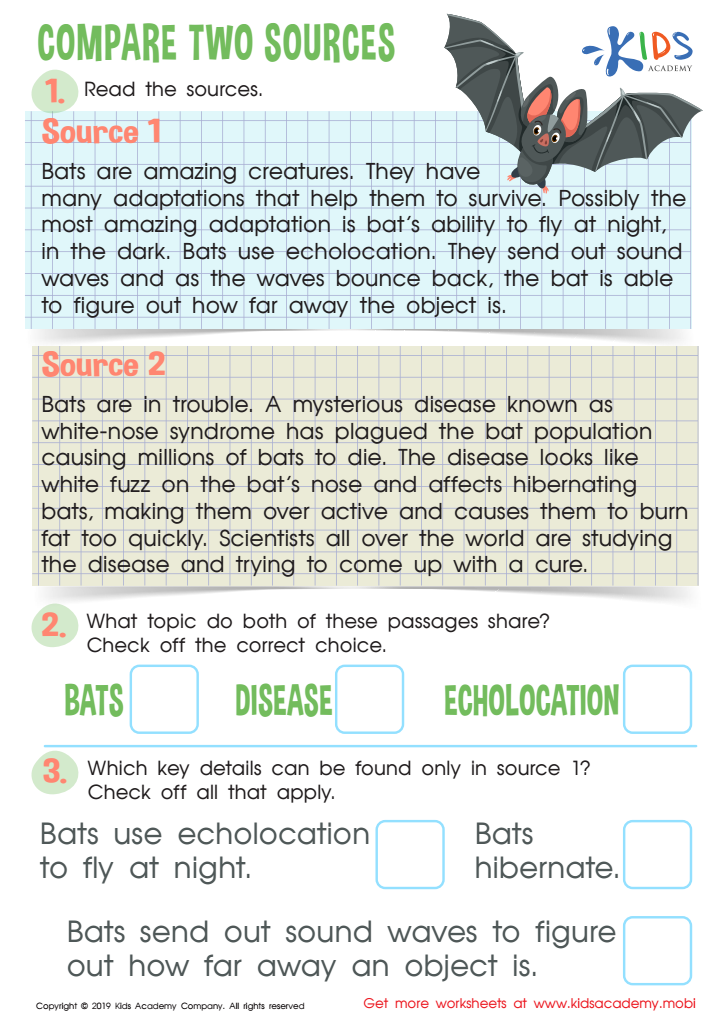
Compare Two Sources Worksheet
 Assign to My Students

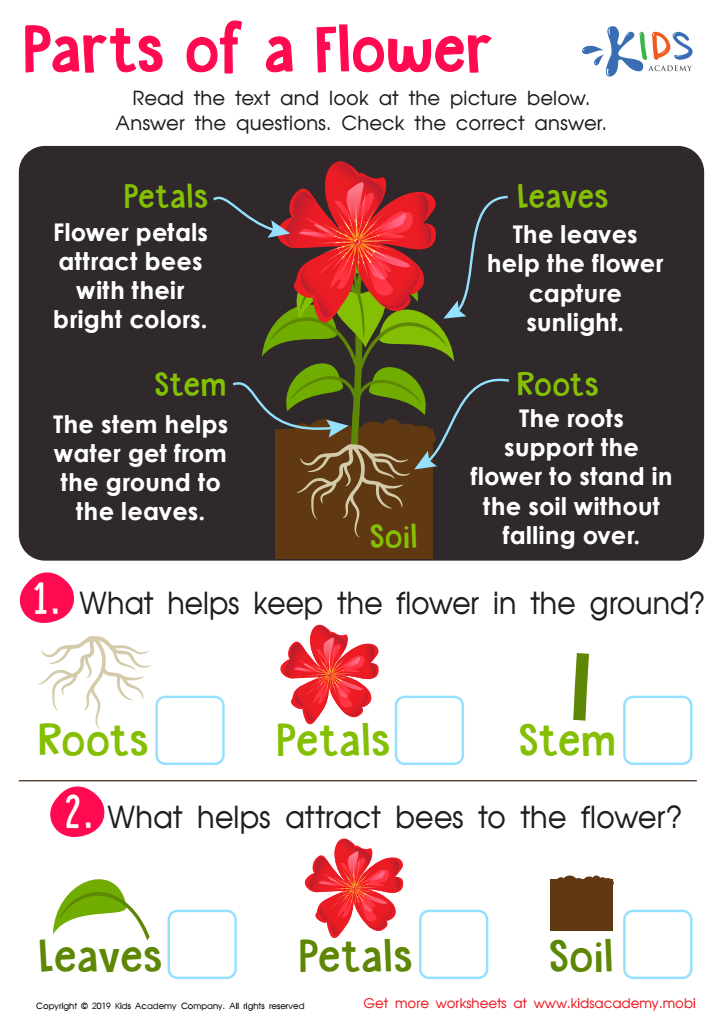
Parts of Flower Worksheet
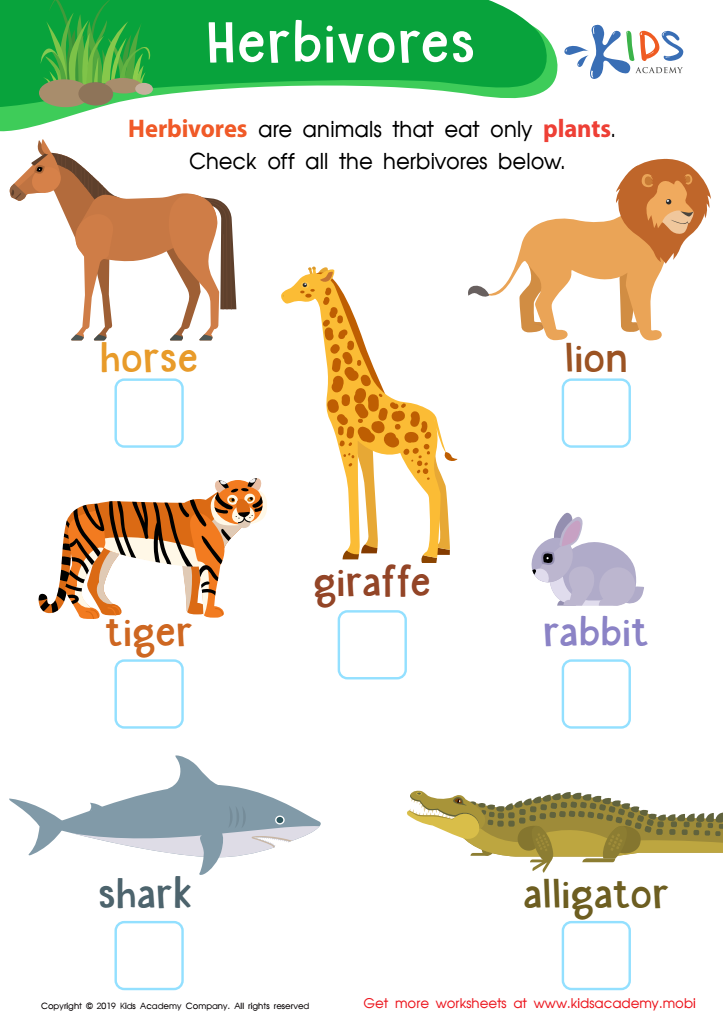
Herbivores Worksheet
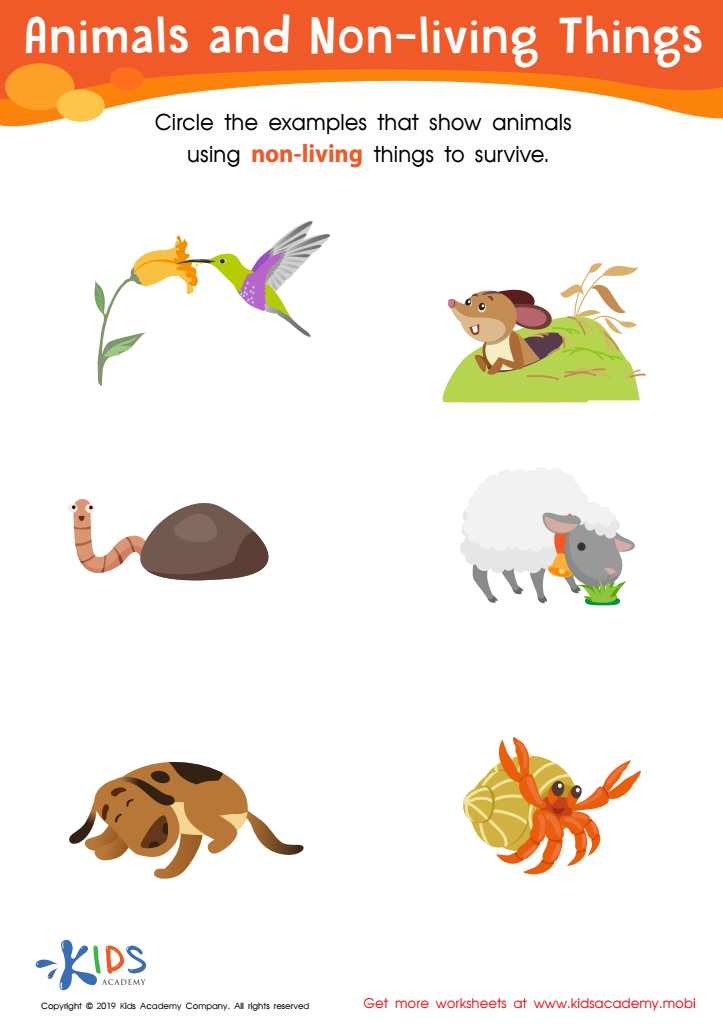
Animals and Non-Living Things Worksheet
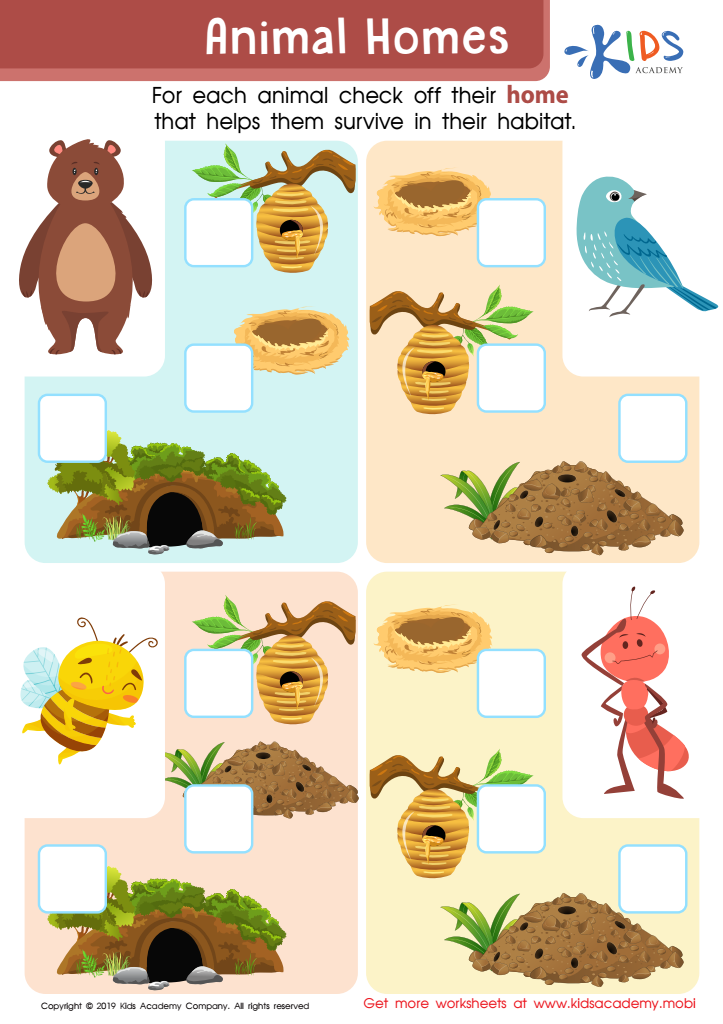
Animal Homes Worksheet
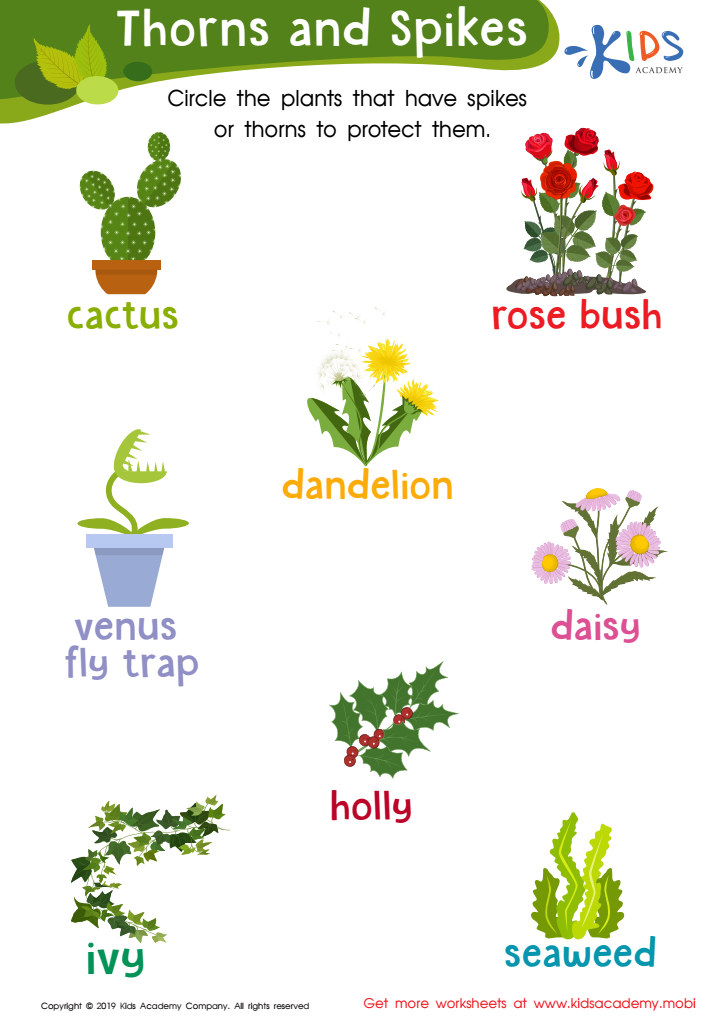
Thorns and Spikes Worksheet
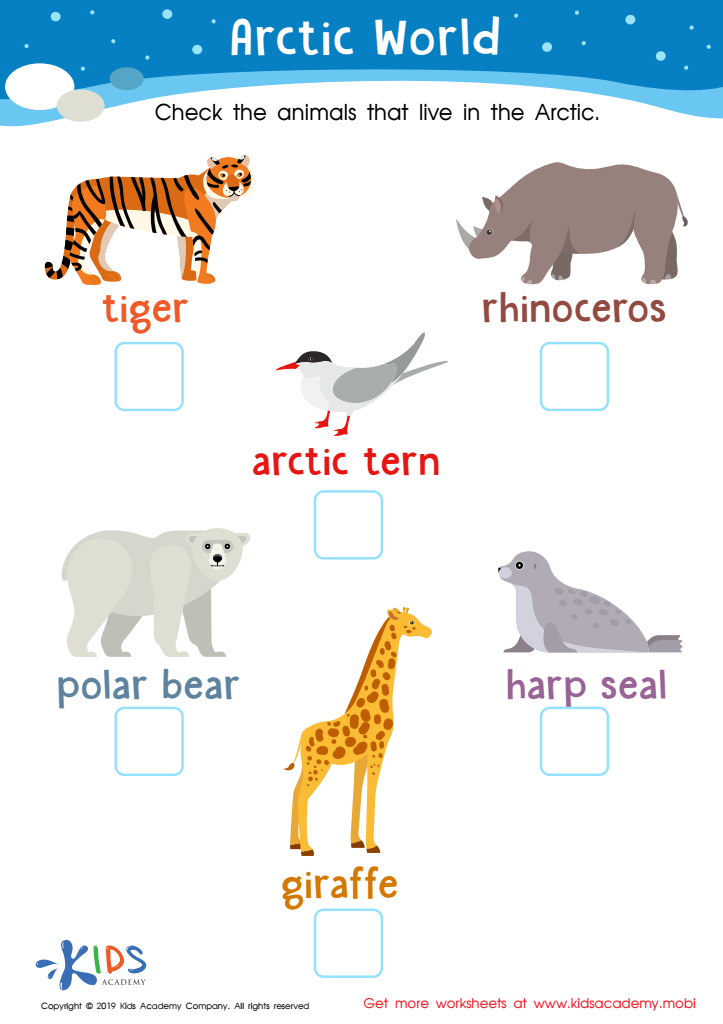
Arctic World Worksheet
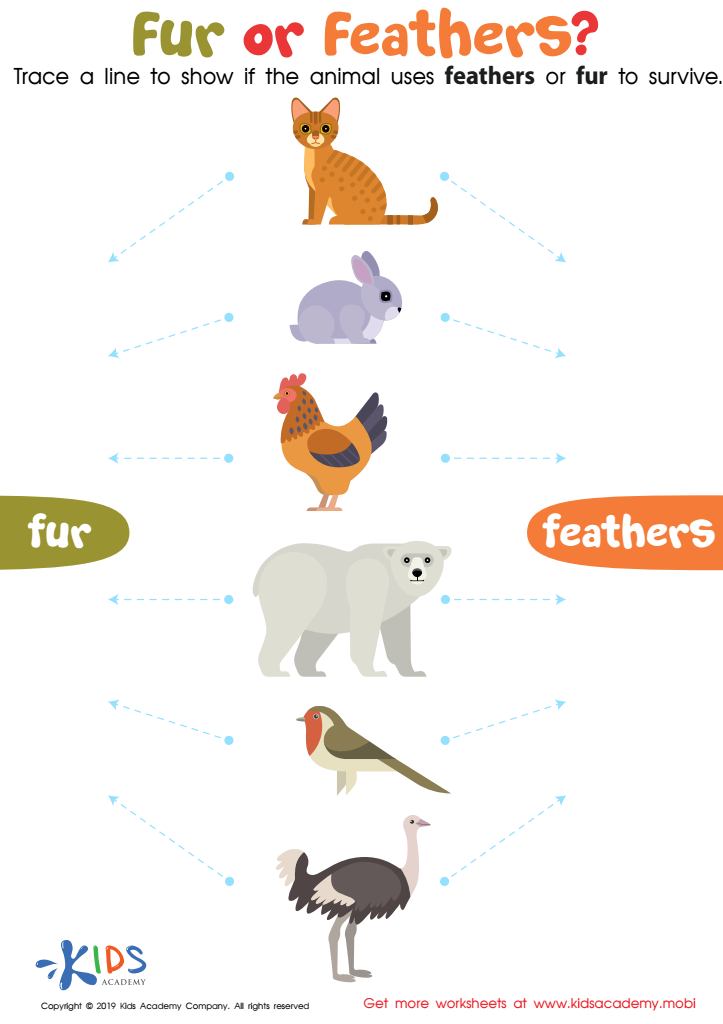
Fur or Feathers? Worksheet
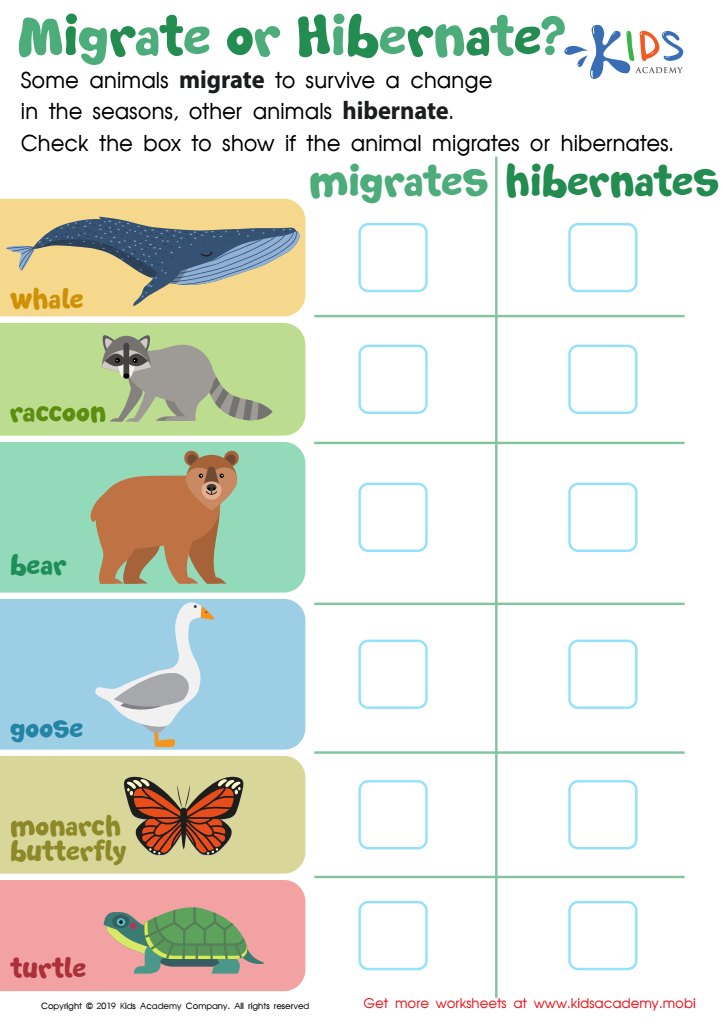
Migrate or Hibernate? Worksheet
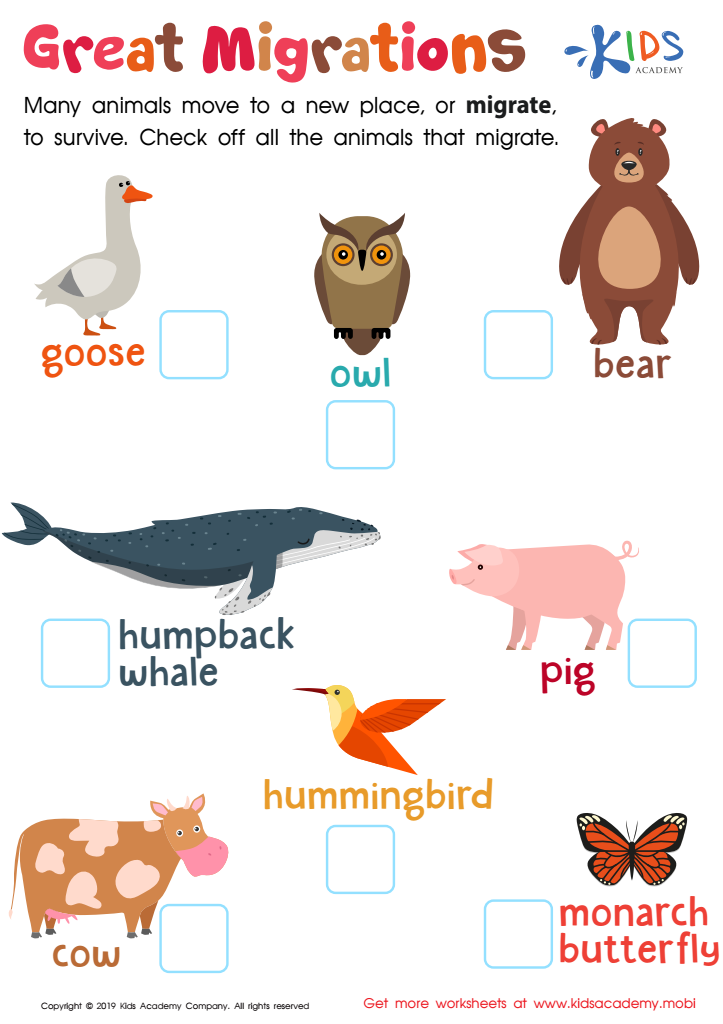
Great Migrations Worksheet
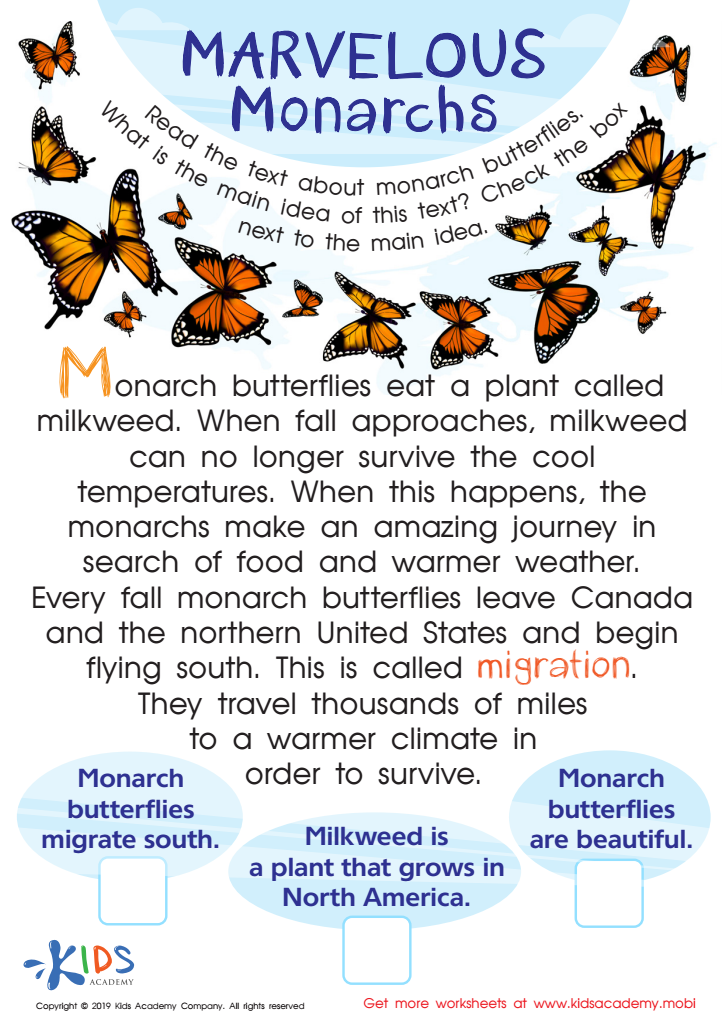
Marvelous Monarchs Worksheet
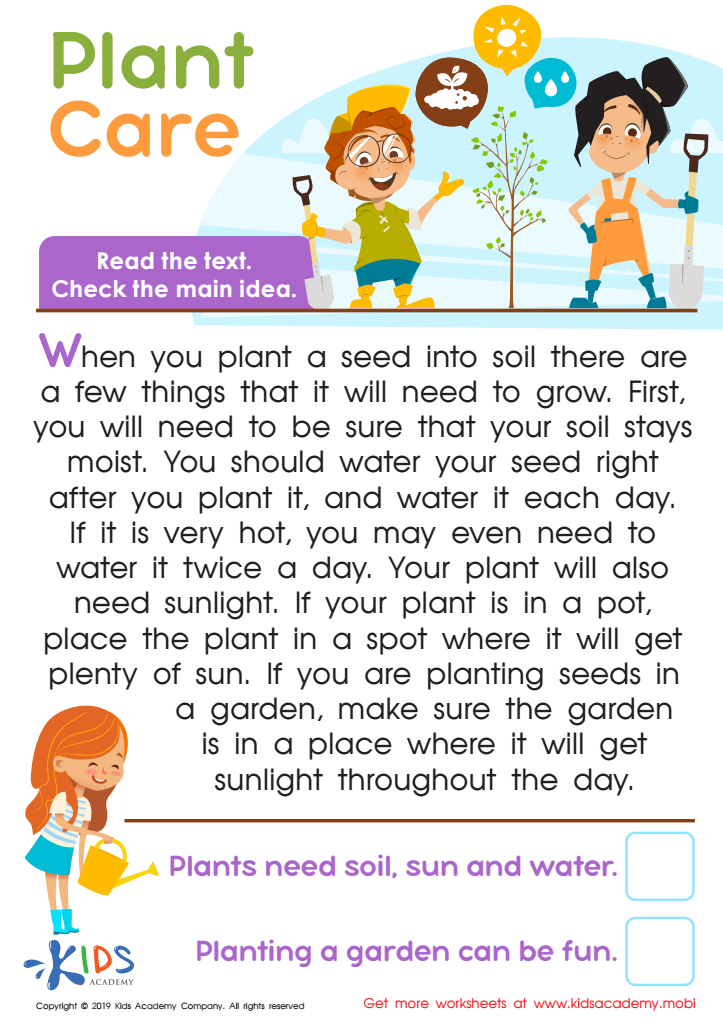
Plant Care Worksheet
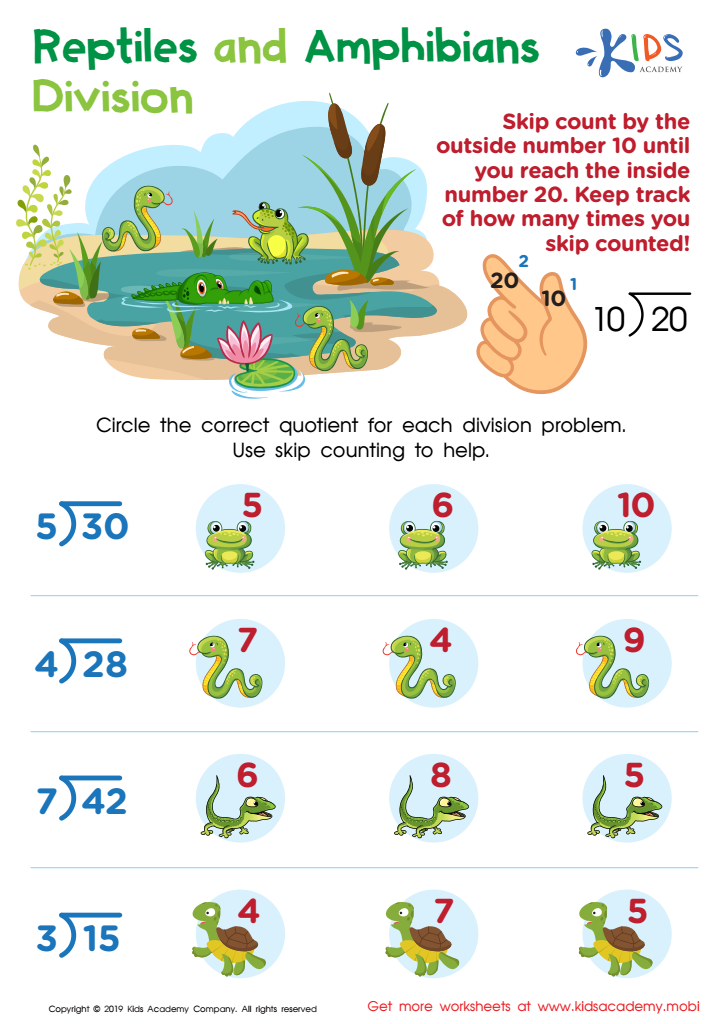
Reptile and Amphibians Division Worksheet
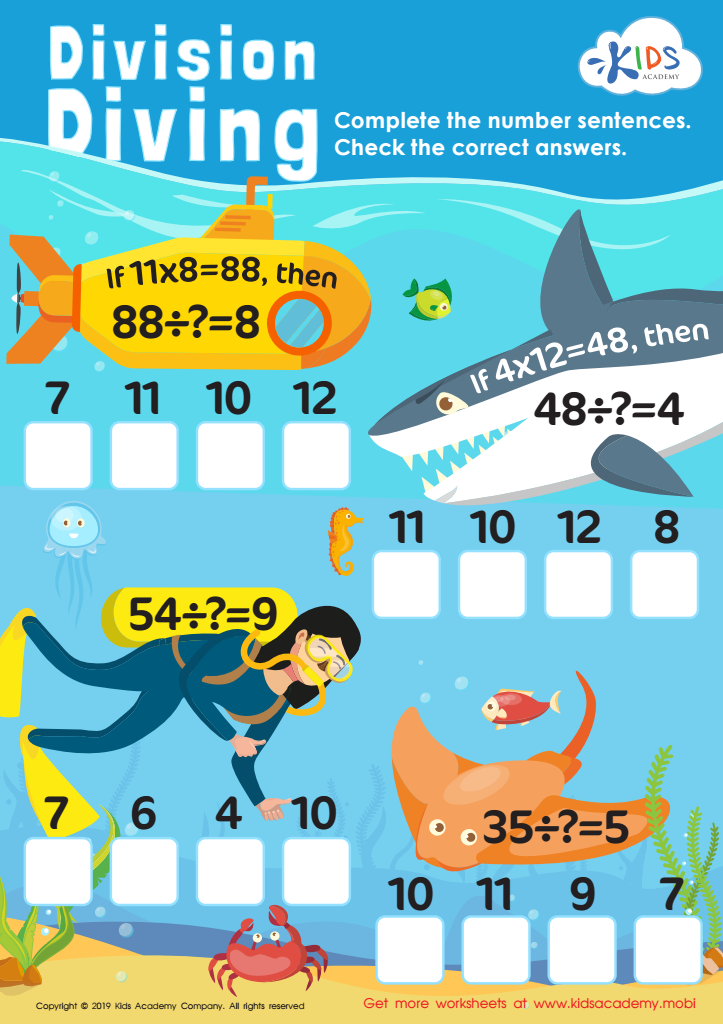
Division Diving Worksheet
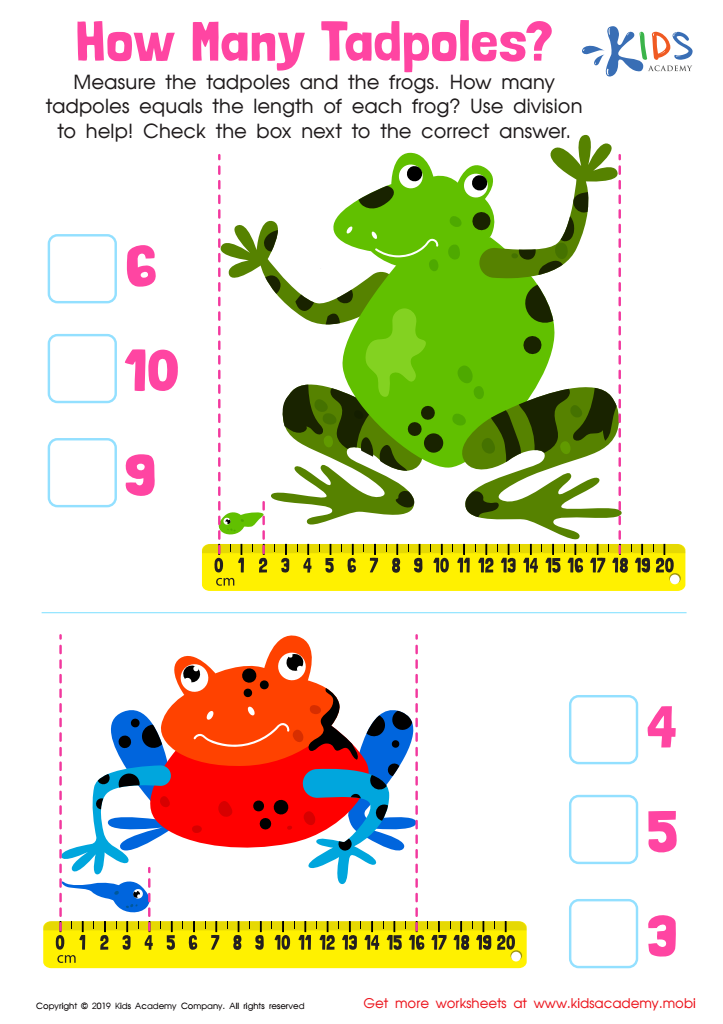
How Many Tadpoles Worksheet
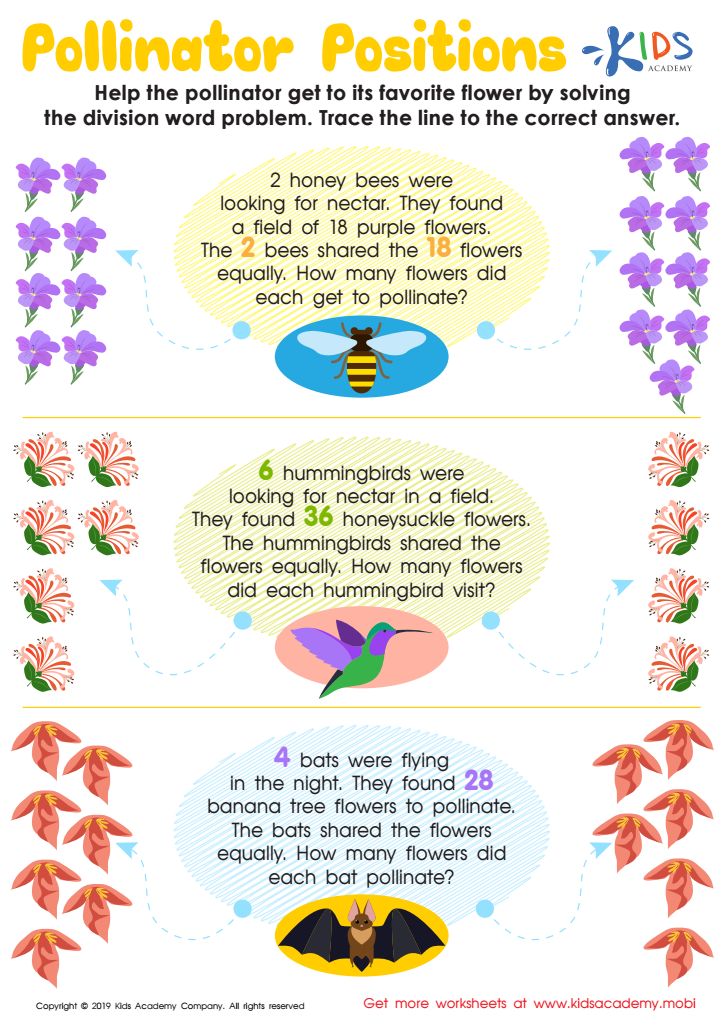
Pollinator Positions Worksheet
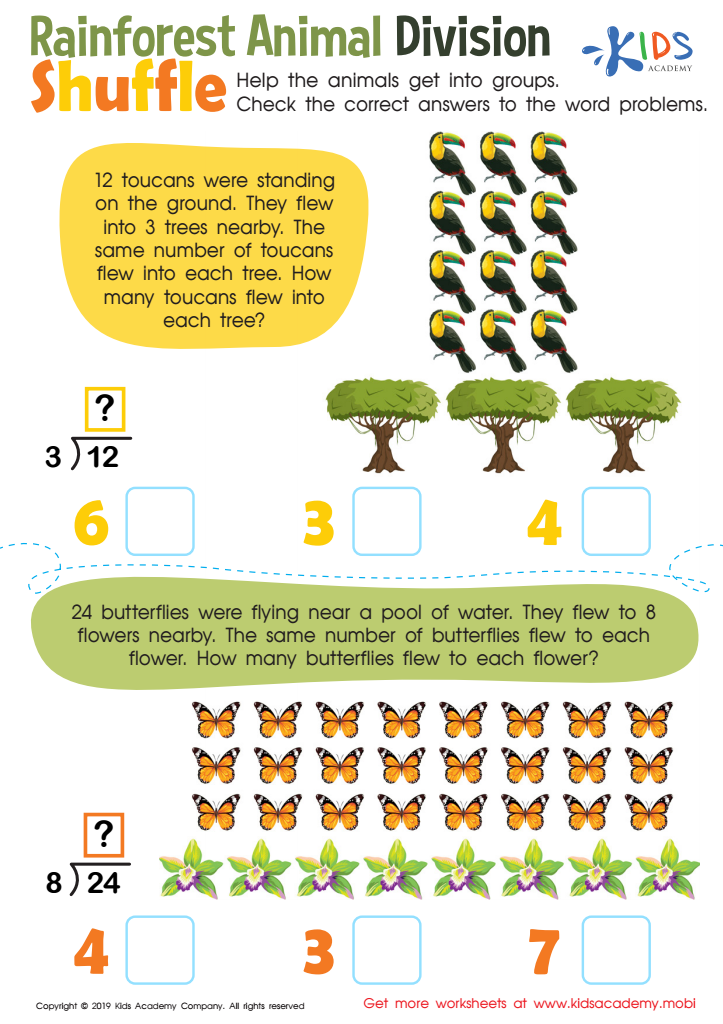
Rainforest Animal Division Worksheet
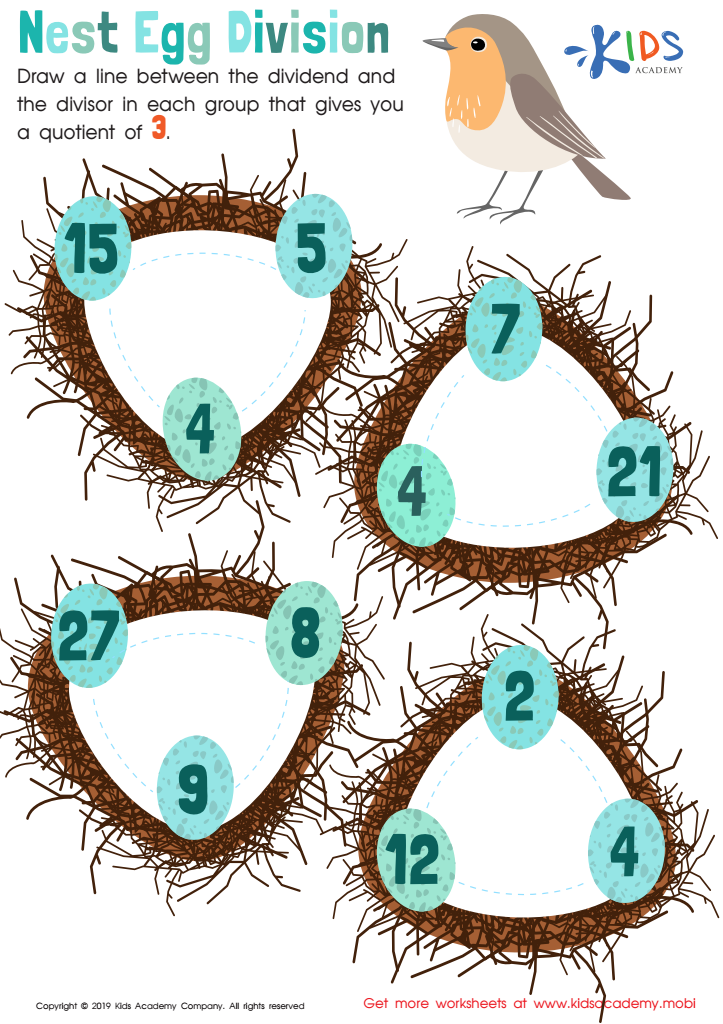
Nest Egg Division Worksheet
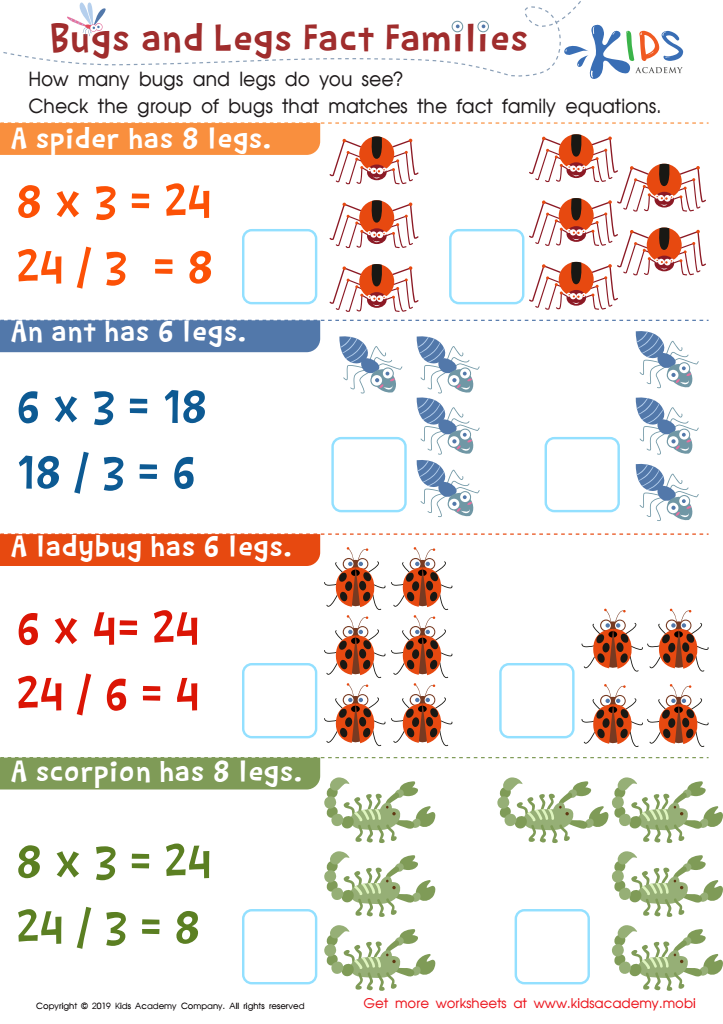
Bugs and Legs Fact Families Worksheet
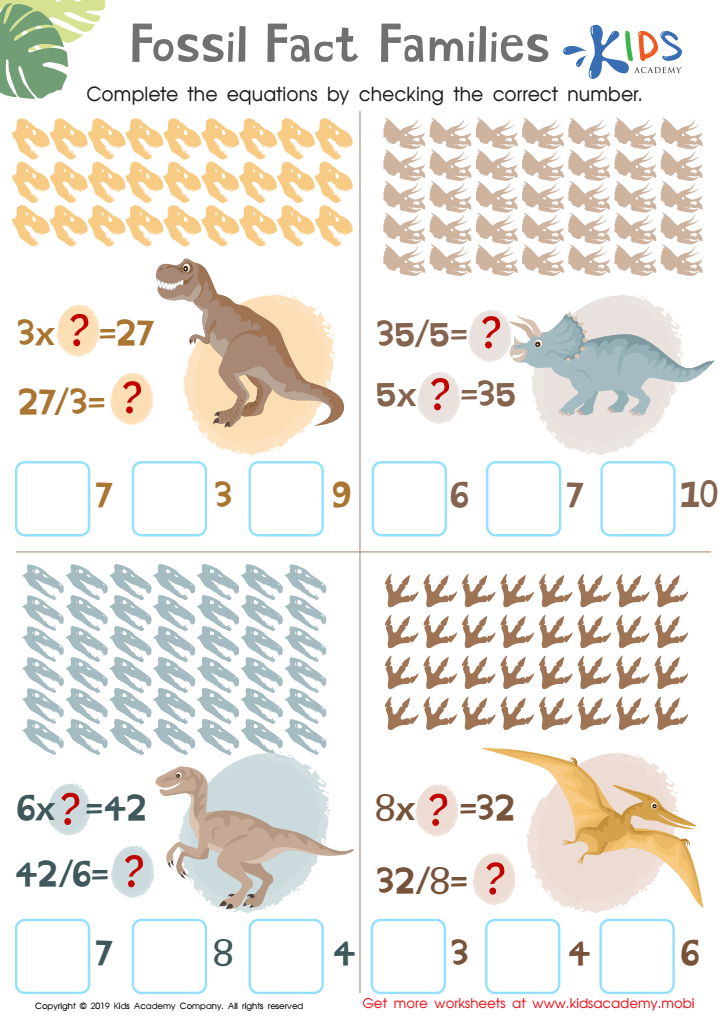
Fossil Fact Families Worksheet
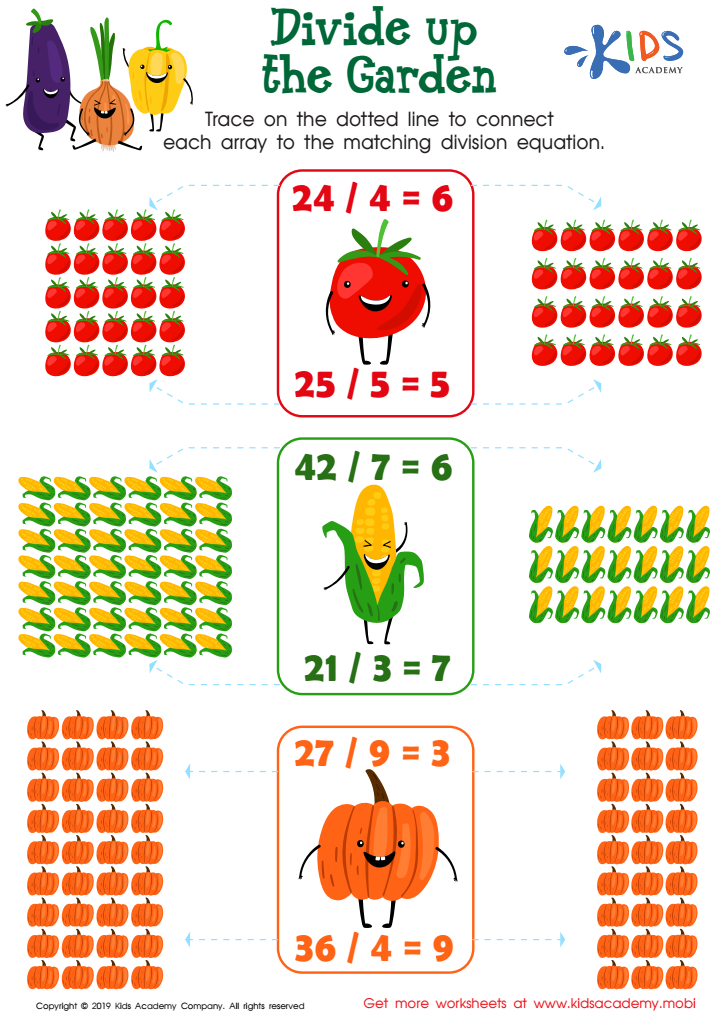
Divide up the Garden Worksheet
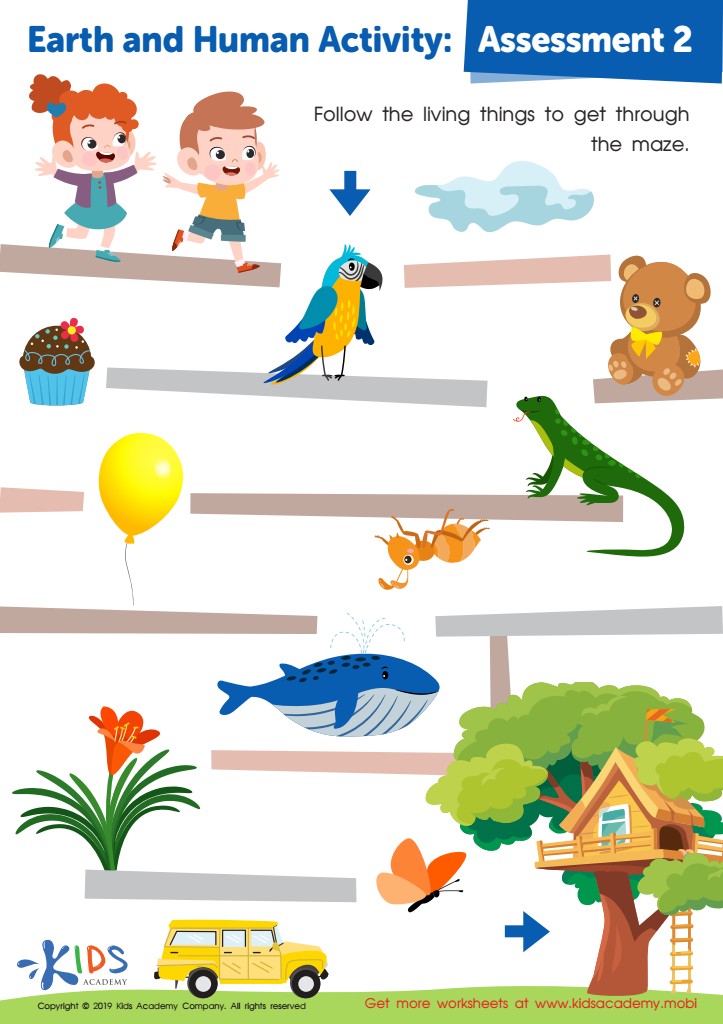
Earth and Human Activity: Assessment 2 Worksheet
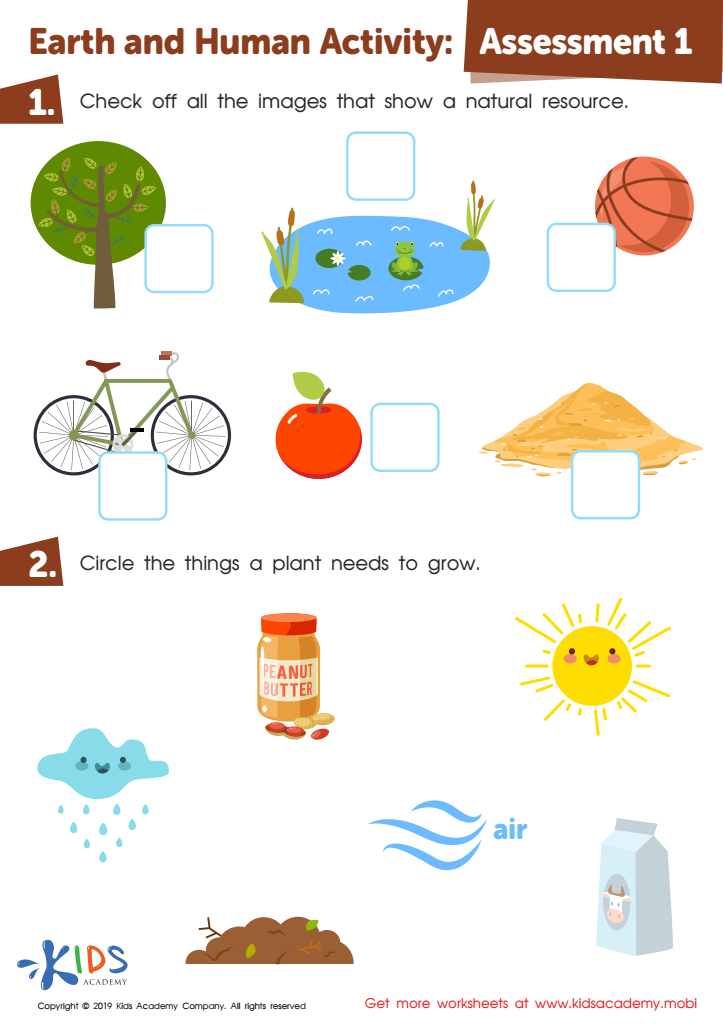
Earth and Human Activity: Assessment 1 Worksheet
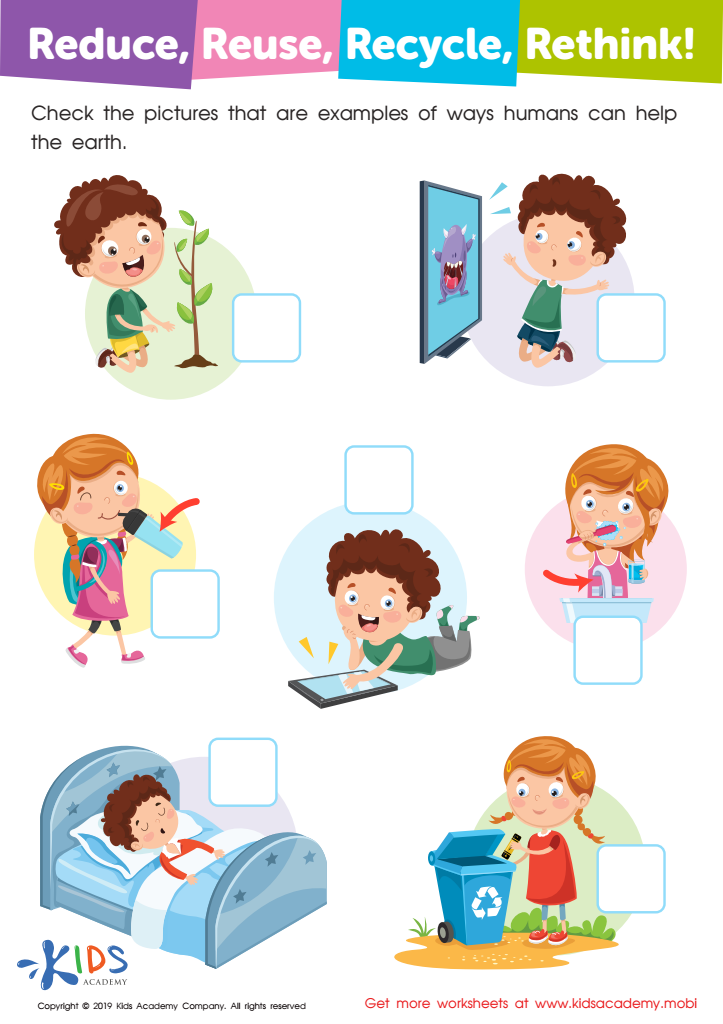
Reduce, Reuse, Recycle, Rethink Worksheet







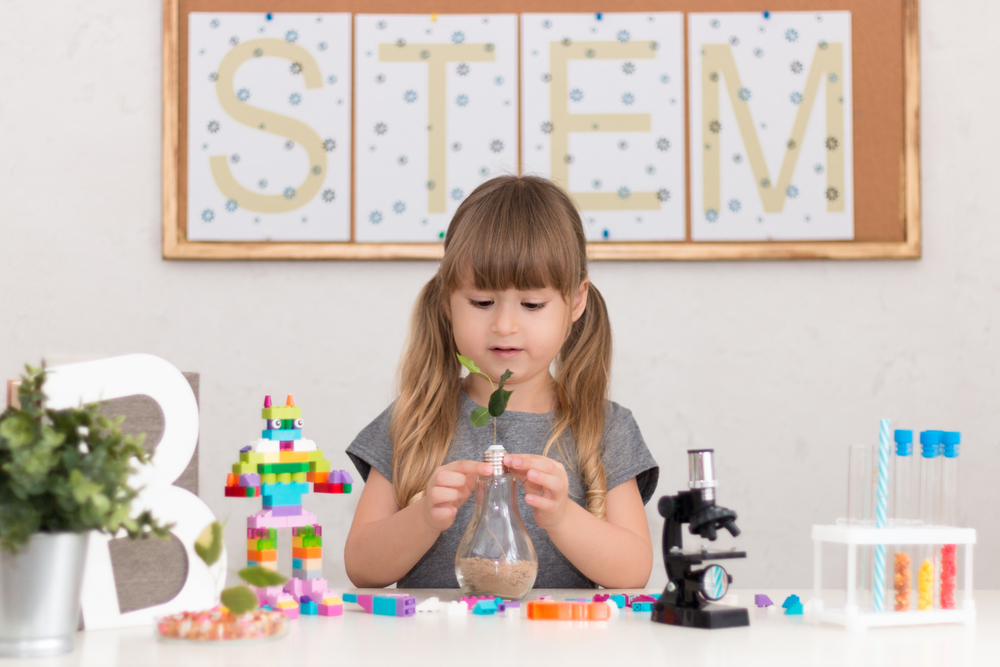
Caring about plants and animals is crucial for children aged 5-8, as it fosters a sense of stewardship for the environment. Engaging with nature enhances curiosity and promotes hands-on learning, essential at this developmental stage. Understanding plants and animals also cultivates empathy, teaching children to respect living beings and their ecosystems.
Observation of plants and animals offers valuable lessons about biodiversity, life cycles, and interdependence, laying a foundation for scientific thinking. When children learn about photosynthesis through a simple sunflower or the vital role bees play in pollination, they develop an appreciation for nature’s complexity.
Additionally, exposure to plants and animals encourages physical activity and outdoor exploration, countering the rise of sedentary lifestyles. It creates opportunities for discussion, storytelling, and collaborative activities, strengthening parent-child and teacher-student bonds.
Moreover, instilling an environmental ethic at an early age helps cultivate responsible future citizens. Familiarizing children with environmental concepts allows them to understand the importance of sustainability and conservation as they grow. Ultimately, promoting a love for plants and animals benefits not only individual children but also creates a more aware and caring society, equipped to tackle future environmental challenges.








