Alphabet Worksheets for Ages 5-9 - Page 14
356 filtered results
-
From - To
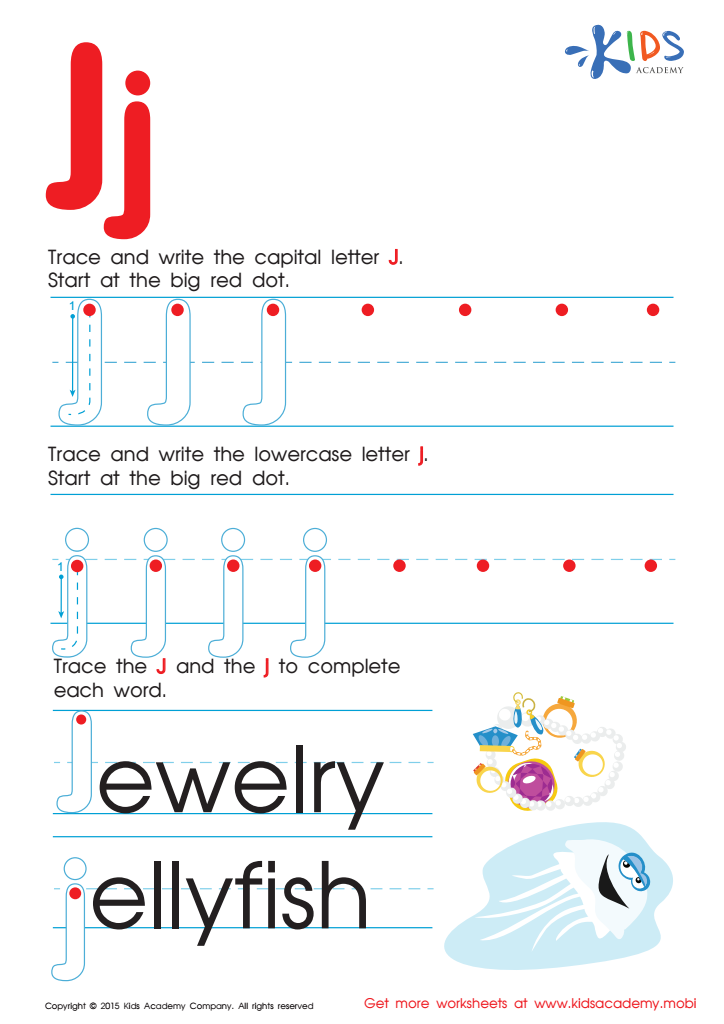
Letter J Tracing Page
 Assign to My Students
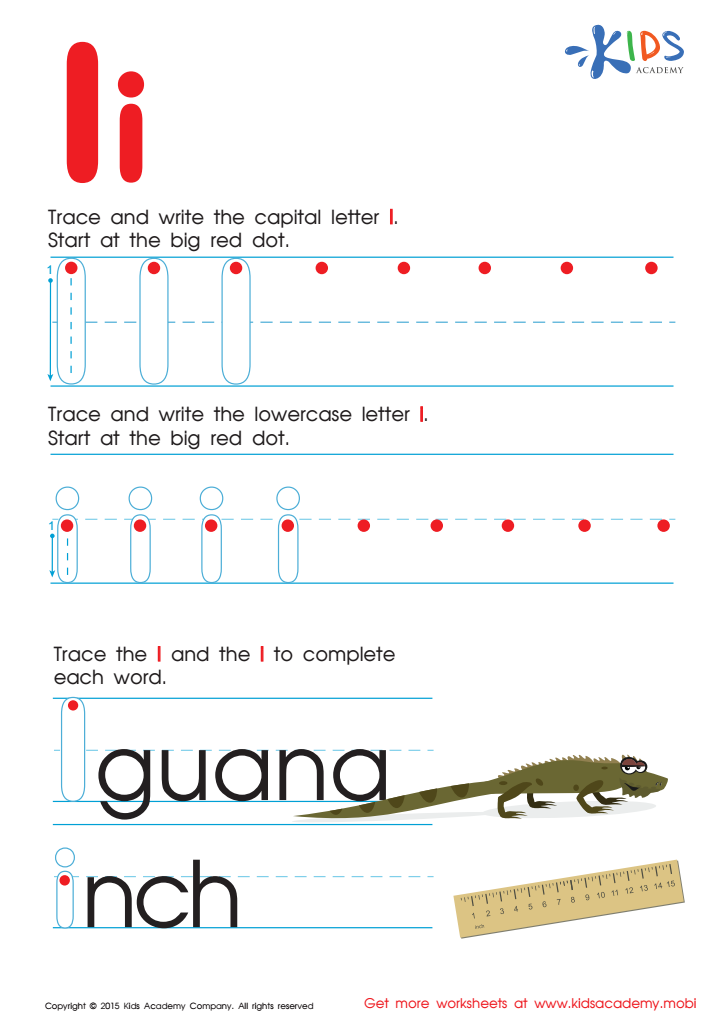
Letter I Tracing Page

Letter H Tracing Page

Letter G Tracing Page

Letter A Tracing Page
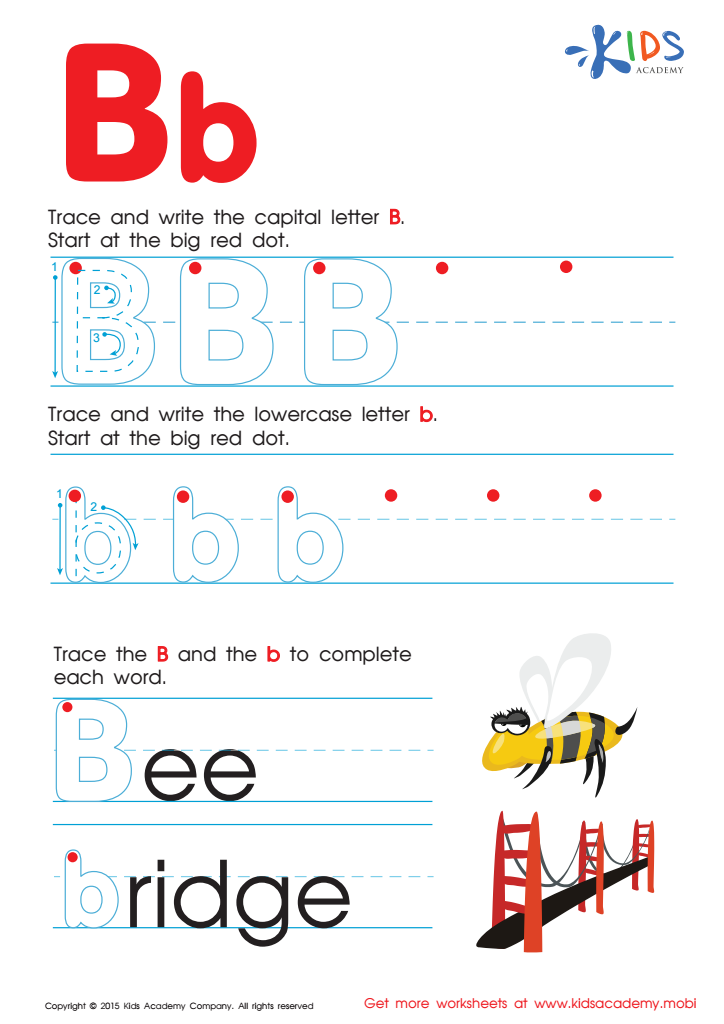
Letter B Tracing Page
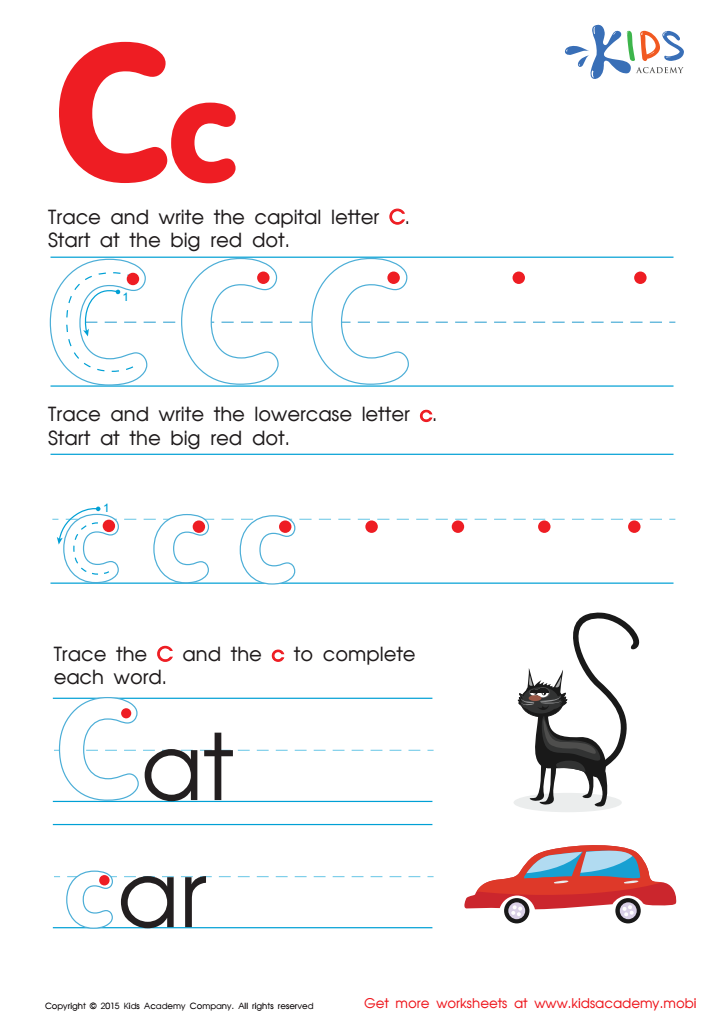
Letter C Tracing Page

Letter D Tracing Page
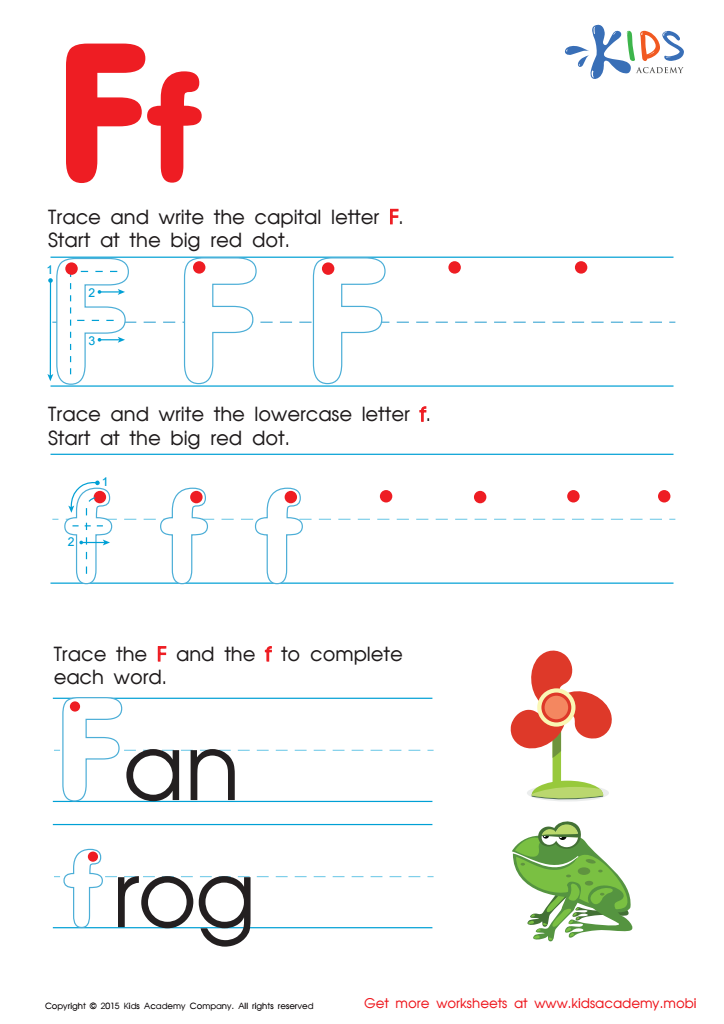
Letter F Tracing Page
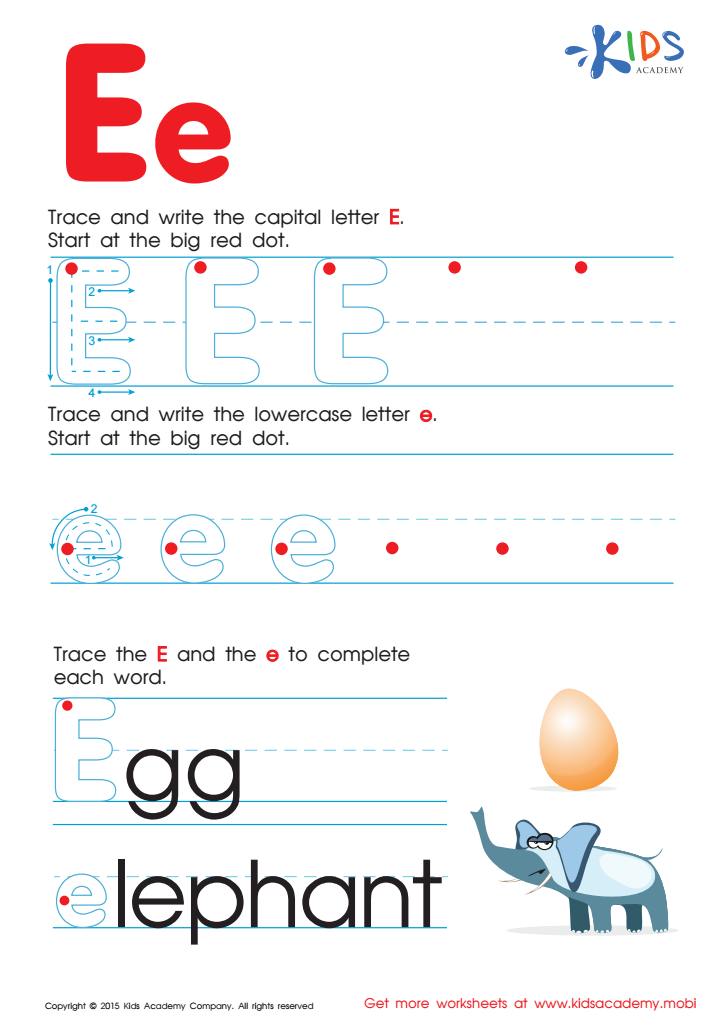
Letter E Tracing Page
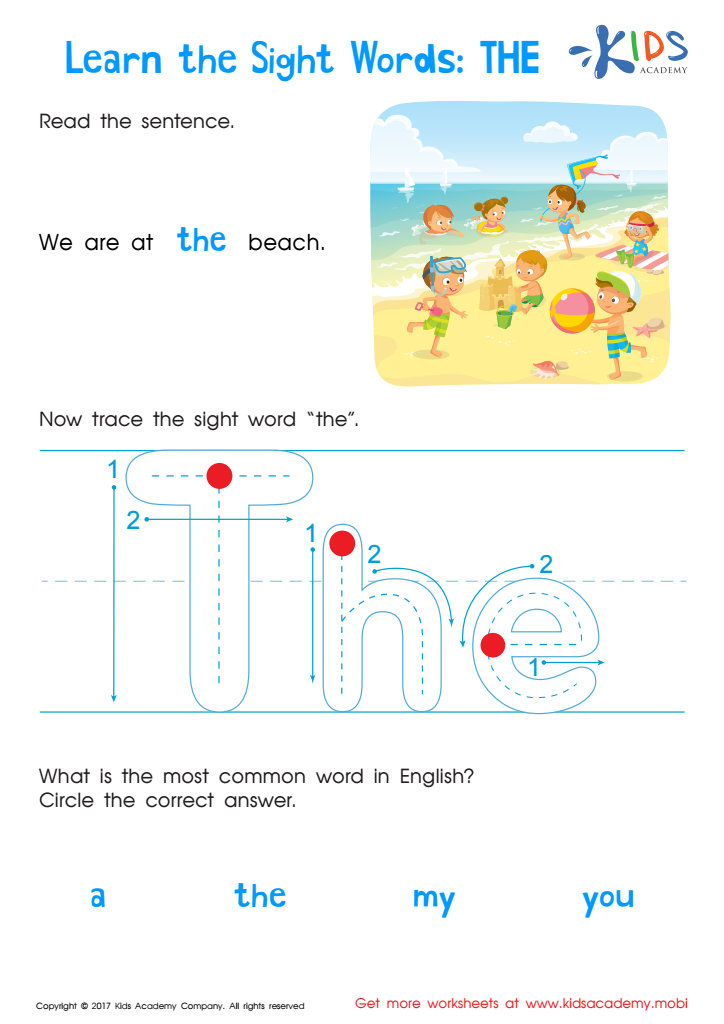
Sight Words: The Worksheet
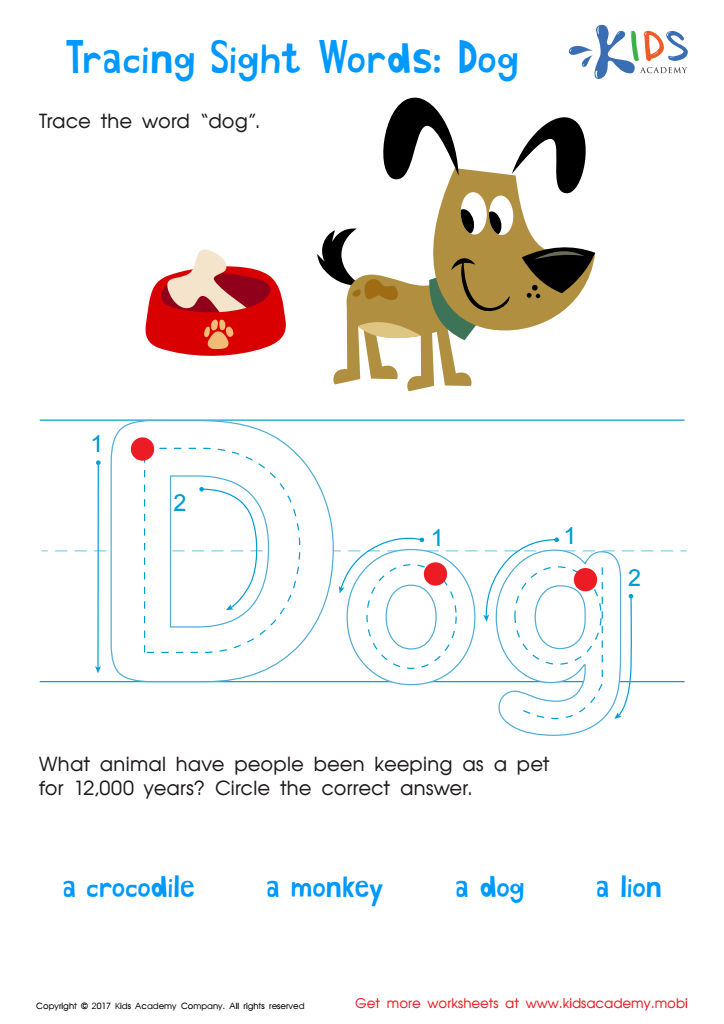
Dog Worksheet Sight Words Worksheet
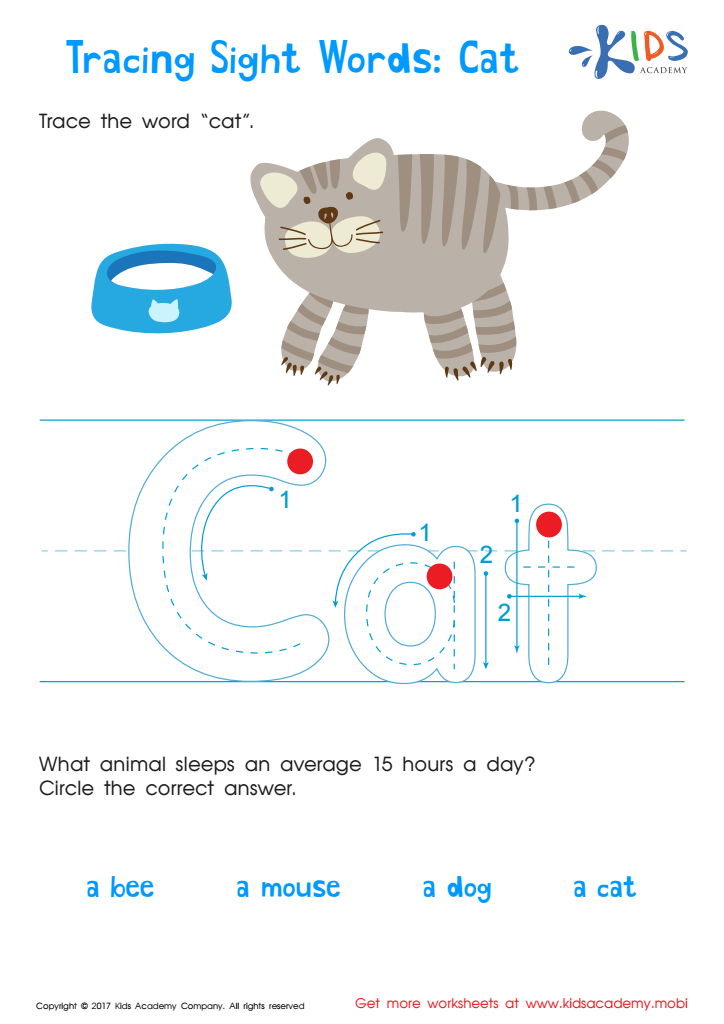
Cat Printable Sight Words Worksheet
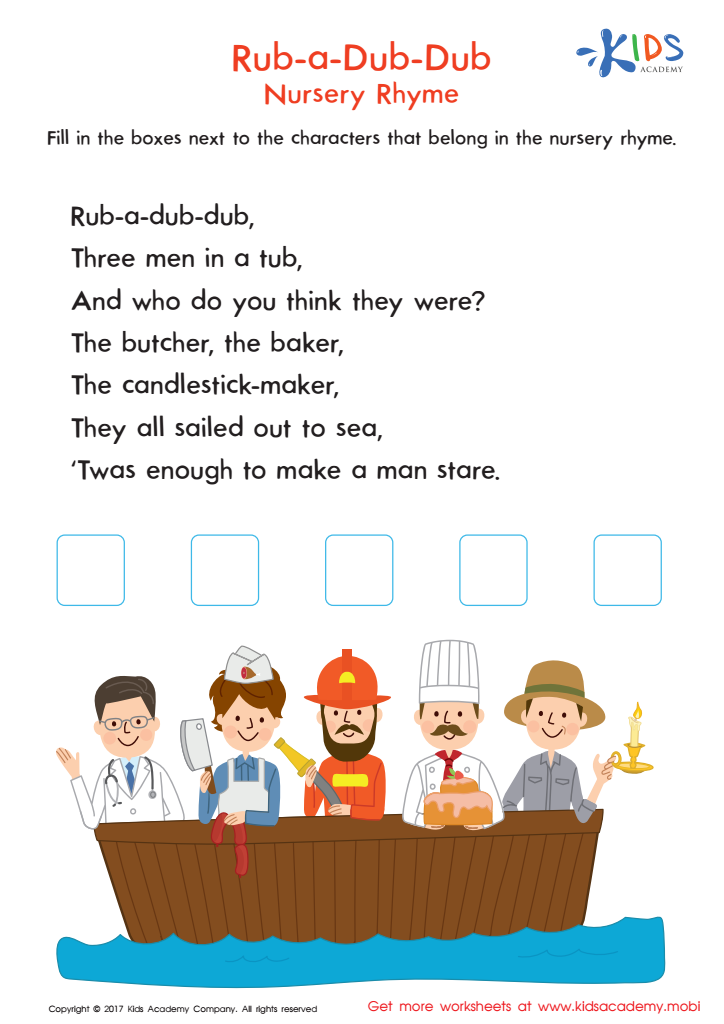
Rub a Dub Dub Printable
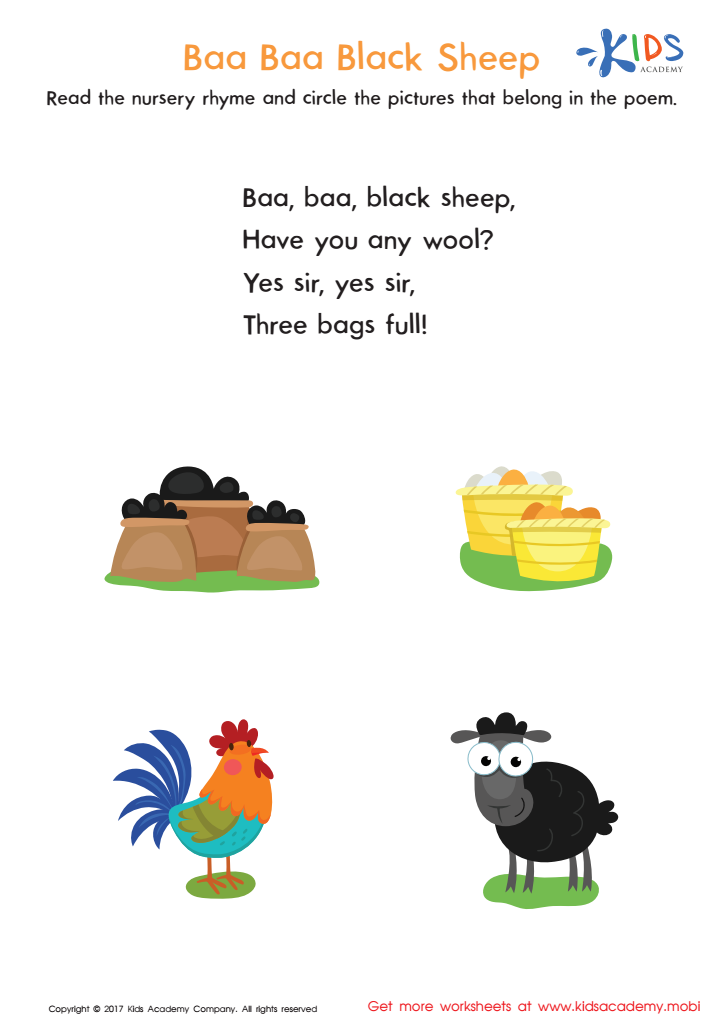
Baa Baa Black Sheep Printable
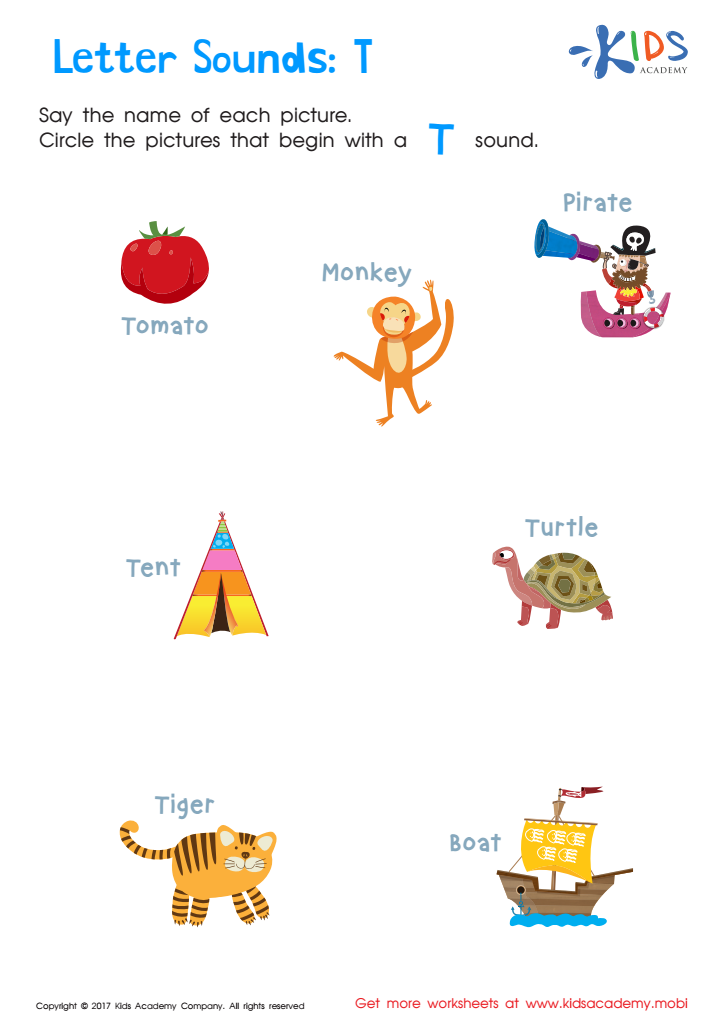
Letter T Sounds Worksheet
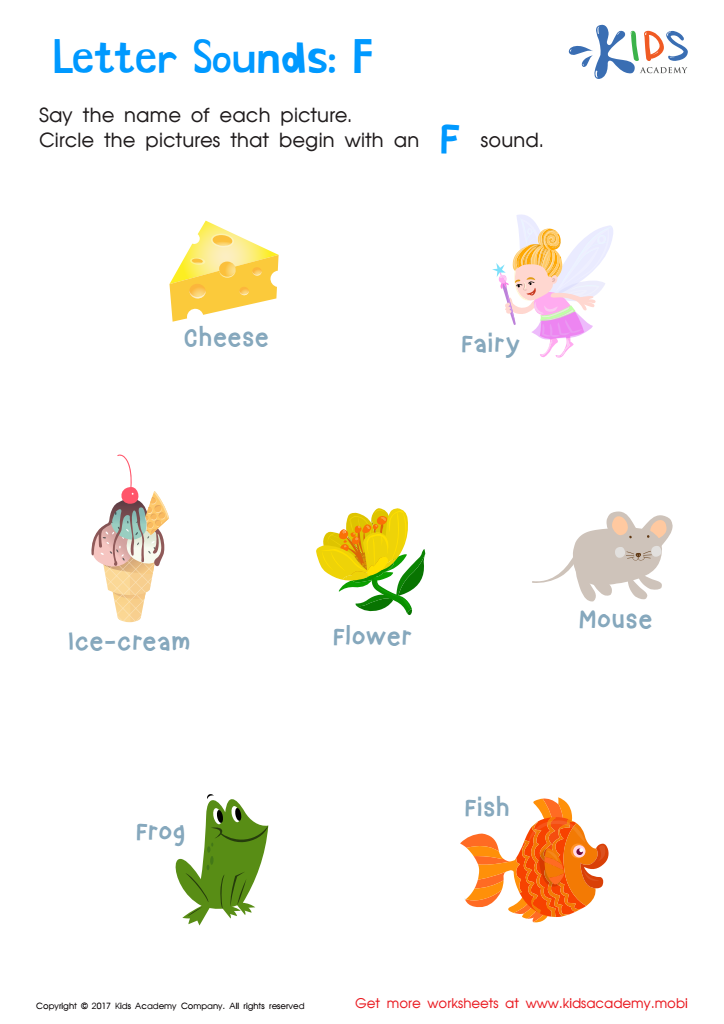
Letter F Sounds Worksheet
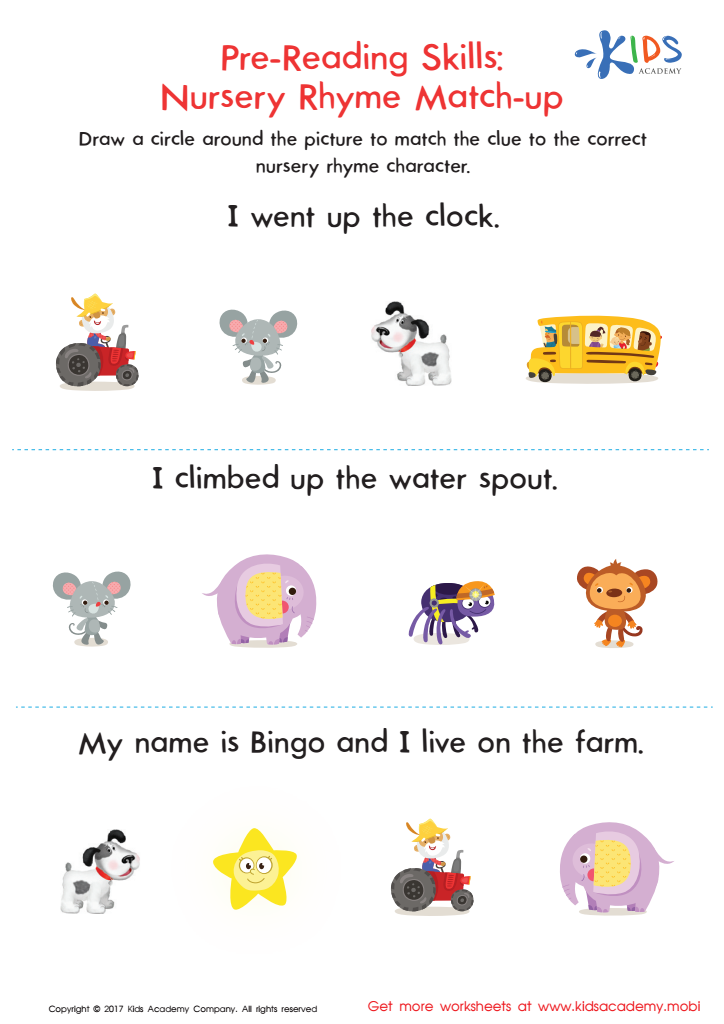
Nursery Rhyme Match–Up Worksheet
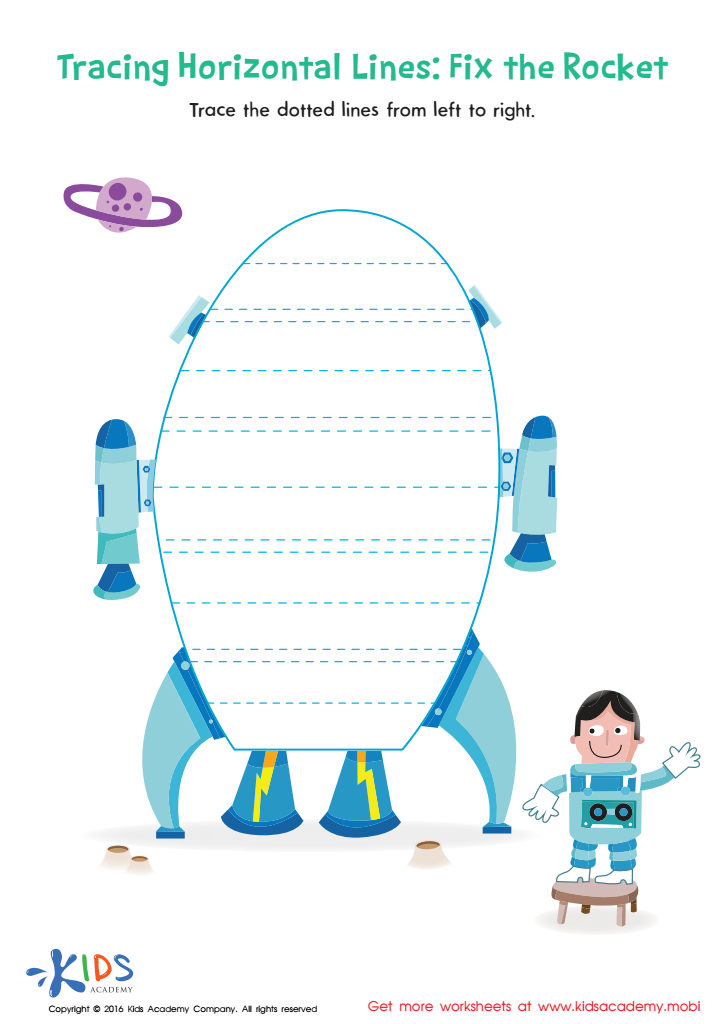
Tracing Horizontal Lines Worksheet
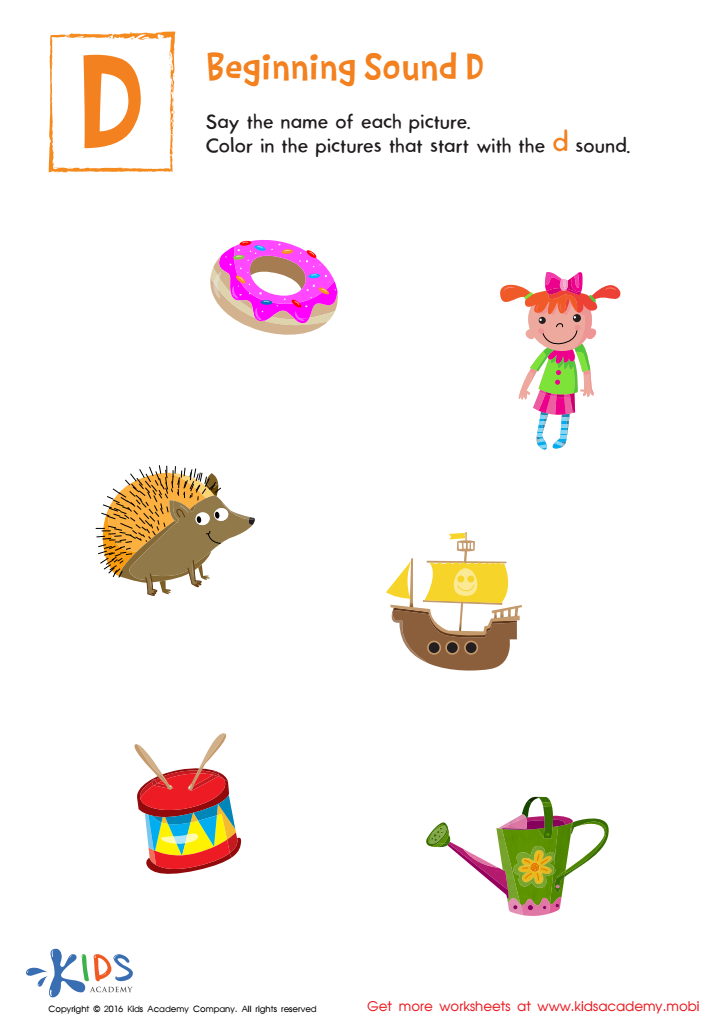
Beginning Sound D Worksheet
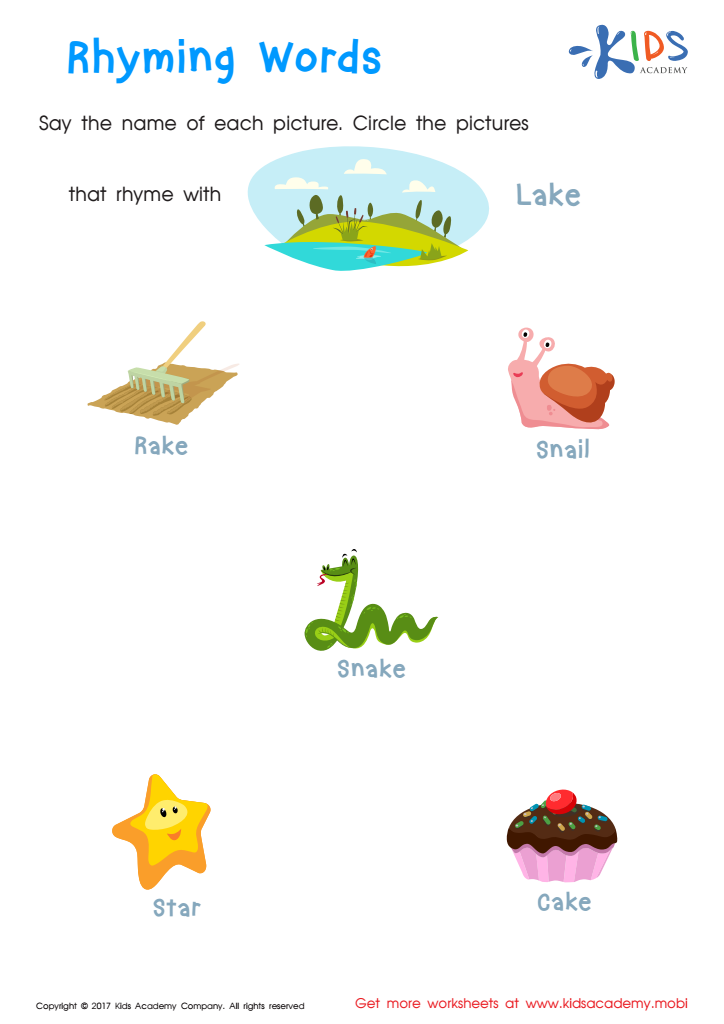
Rhyming Words Rhyming Worksheet
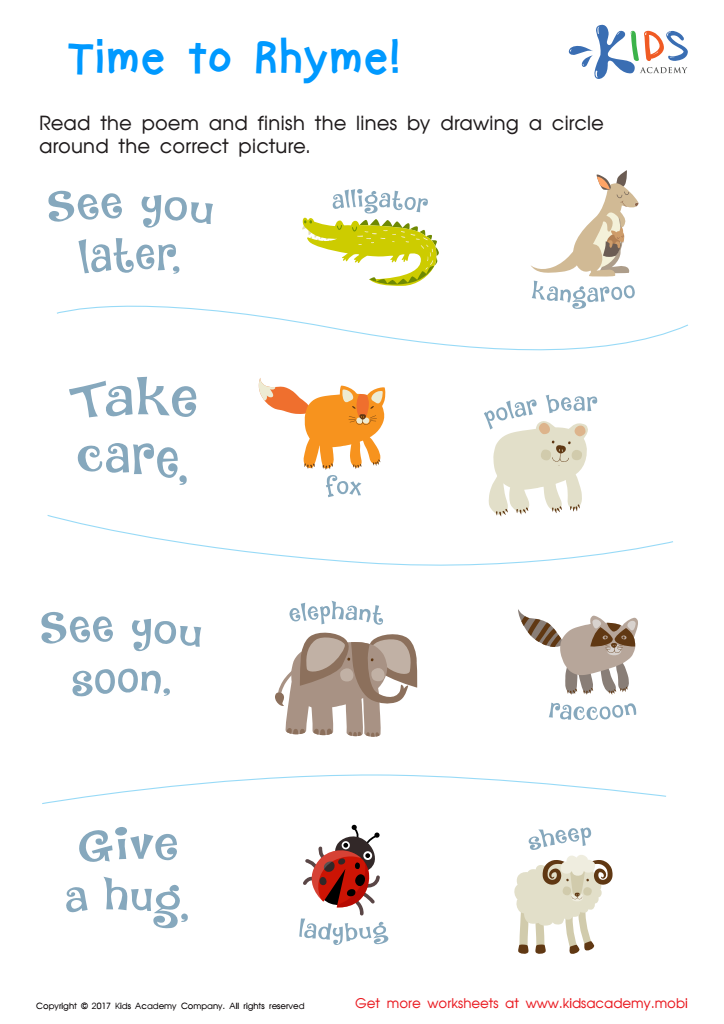
Time to Rhyme Rhyming Worksheet
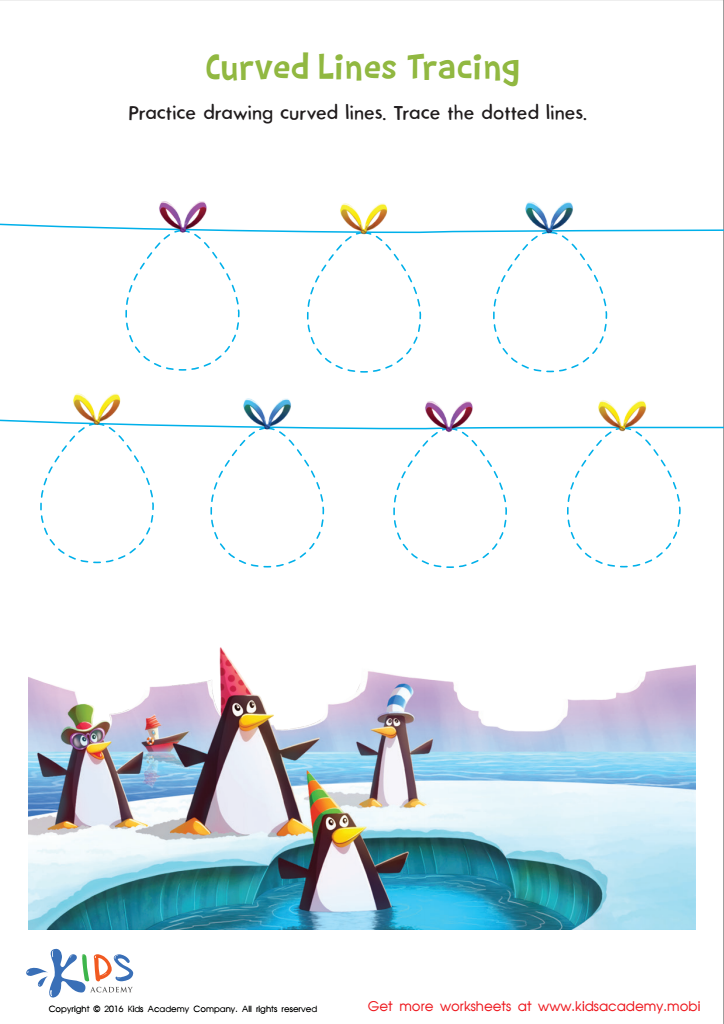
Curved Lines Tracing Worksheet






Ensuring that children aged 5-9 have a strong grasp of the alphabet is crucial for their literacy and overall educational development. During this formative period, a child’s brain is highly receptive to language acquisition. Recognizing and understanding letters is the first step towards reading and writing — fundamental skills that underpin all areas of learning.
For parents, mastering the alphabet helps children engage more confidently in daily activities, from navigating signs and simple instructions to participating in conversations. Teachers also have a vested interest; an alphabet-literate child makes smoother, faster progress not just in language arts but in all subjects that necessitate reading and comprehension.
Learning the alphabet also promotes cognitive development and fine motor skills, through activities such as tracing and writing letters. It fosters a sense of accomplishment, which builds self-esteem and encourages a lifelong love of learning.
Moreover, understanding letters sets the stage for phonics — the relationship between letters and sounds, which is essential for decoding words. For young learners, this foundational skill accelerates the journey from recognizing letters to fluently reading and comprehending complex texts.
Ultimately, caring about the alphabet at this age isn't just about learning letters; it’s about opening doors to knowledge and empowering children to explore and understand the world around them.







