Tracing Letters Worksheets for Ages 6-8 - Page 3
56 filtered results
-
From - To
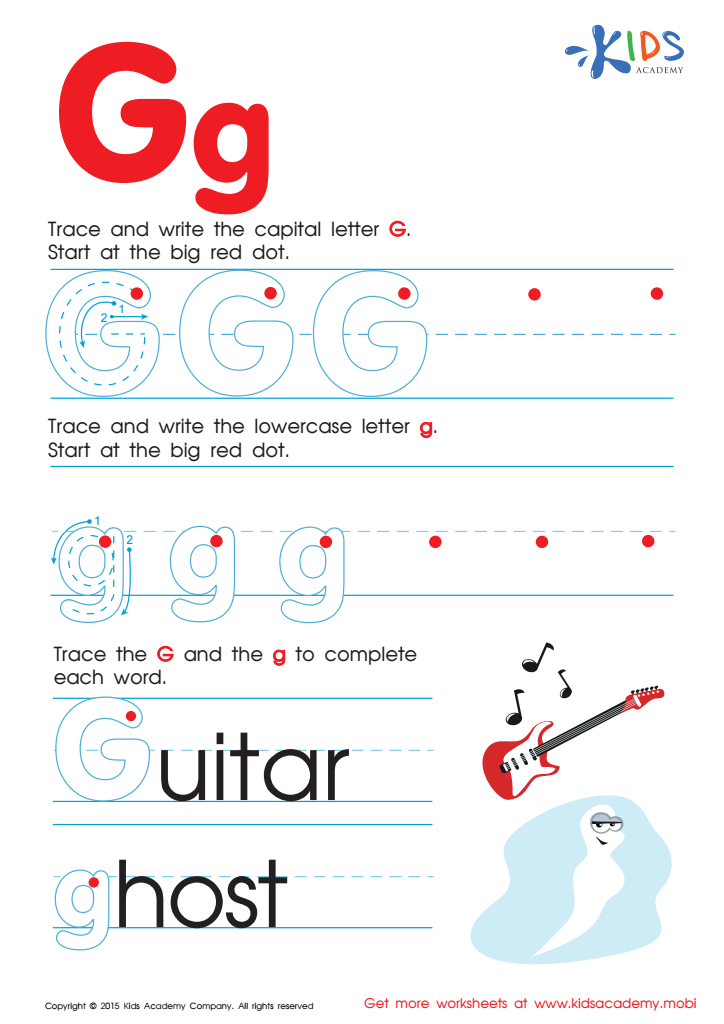
Letter G Tracing Page
 Assign to My Students
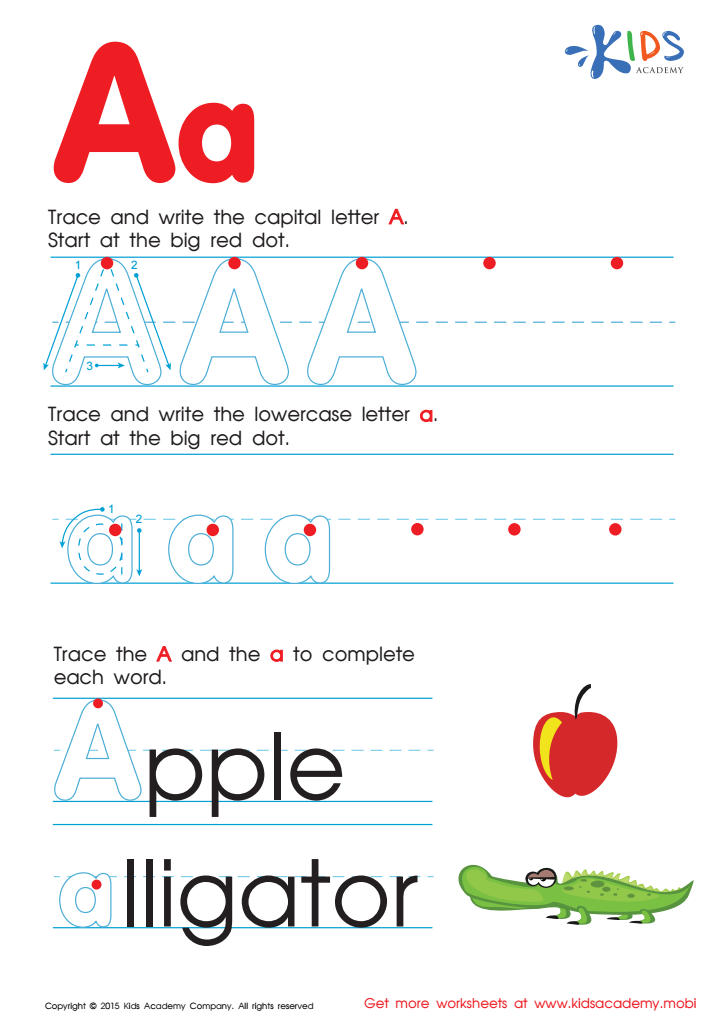
Letter A Tracing Page
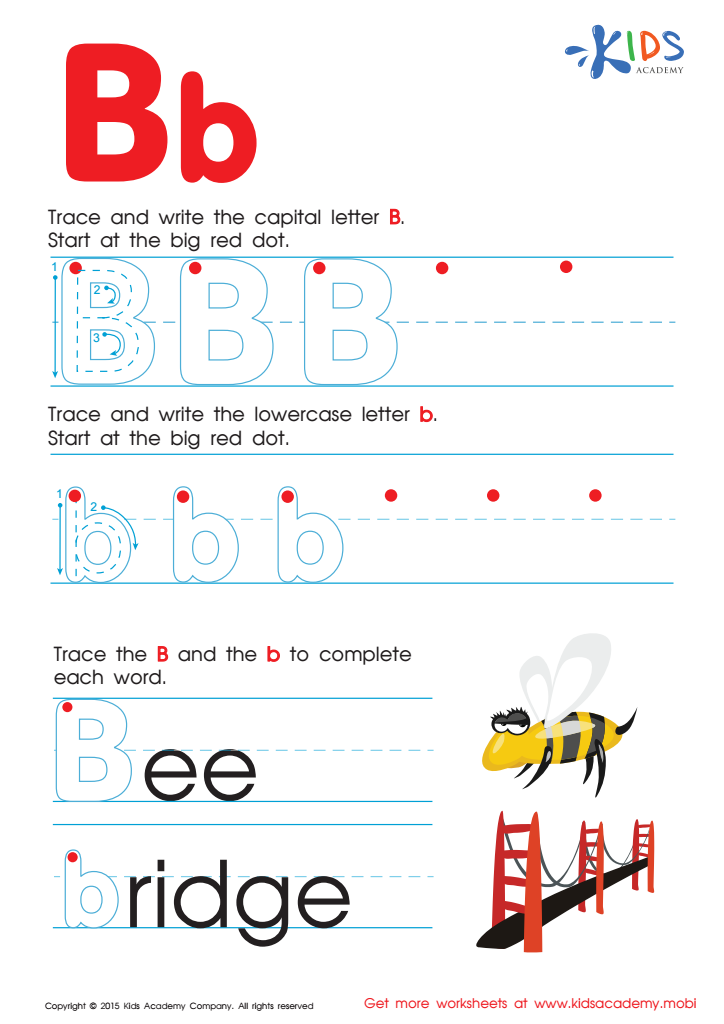
Letter B Tracing Page
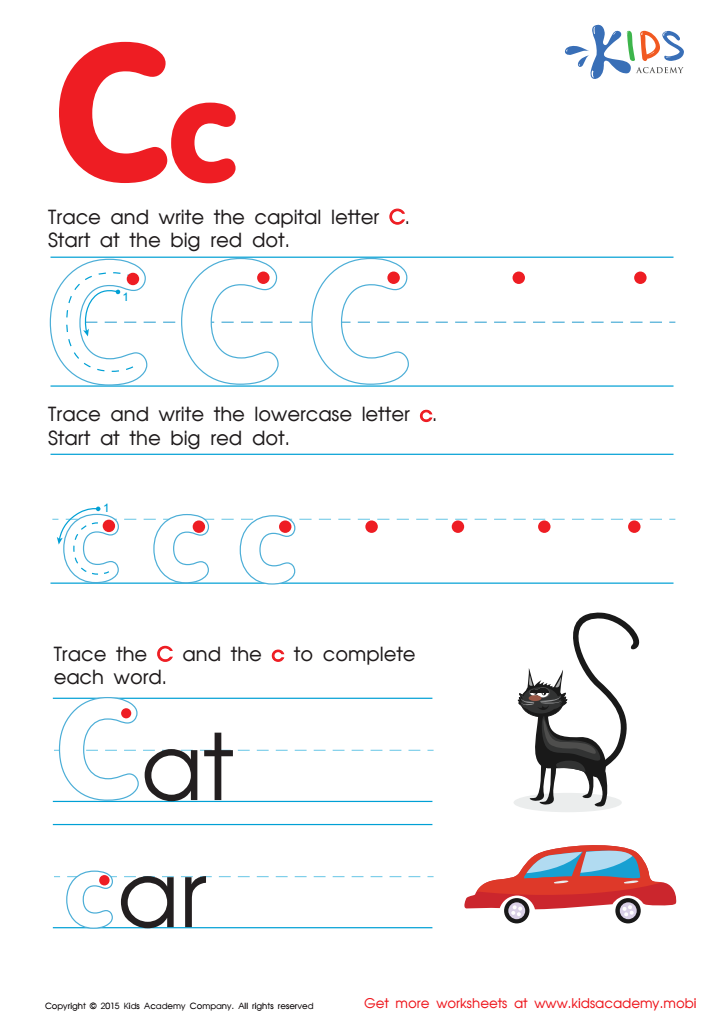
Letter C Tracing Page
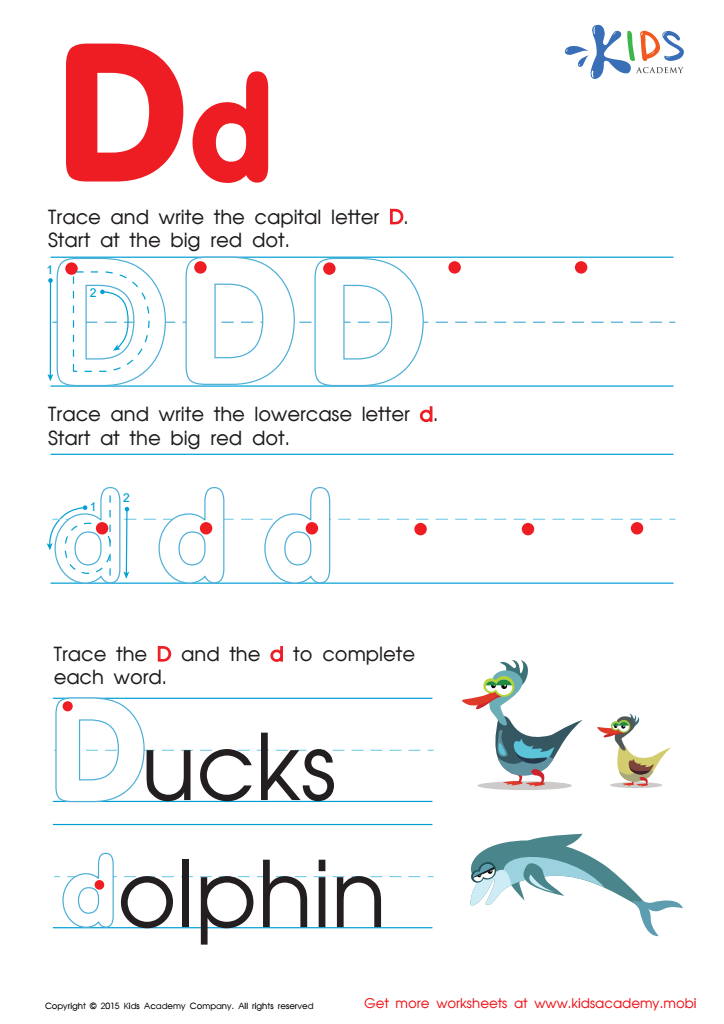
Letter D Tracing Page
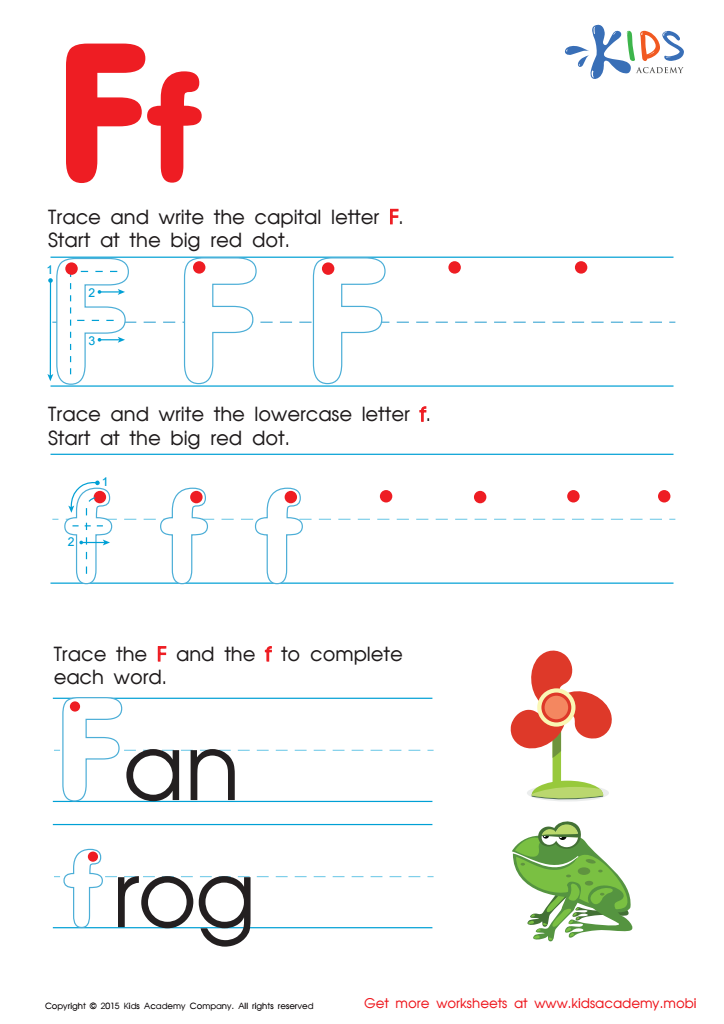
Letter F Tracing Page
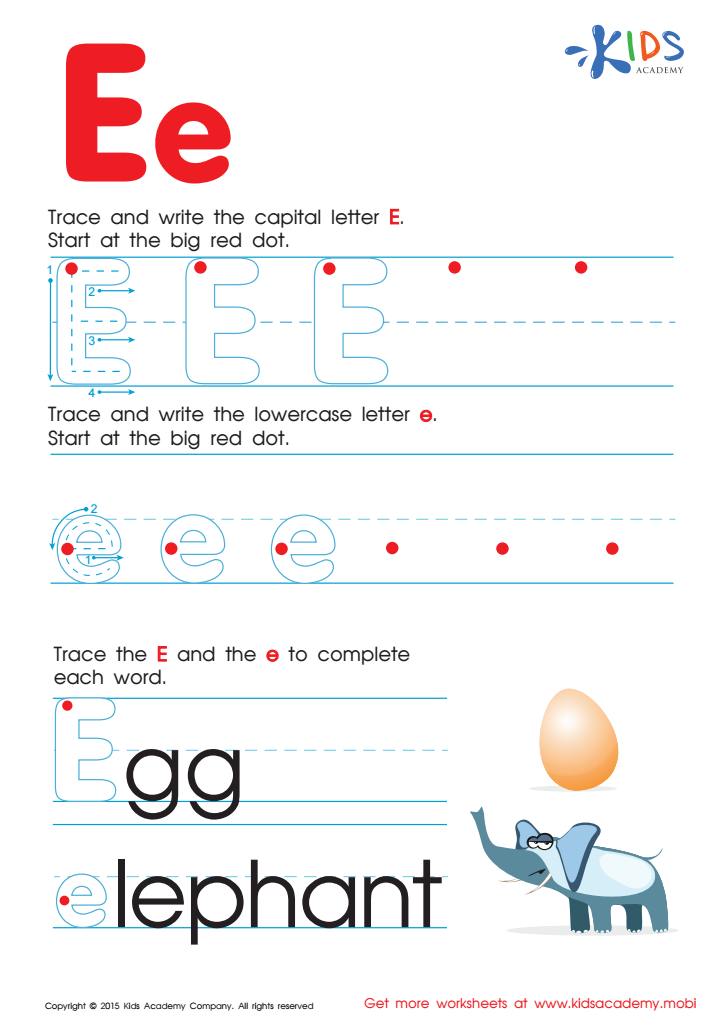
Letter E Tracing Page
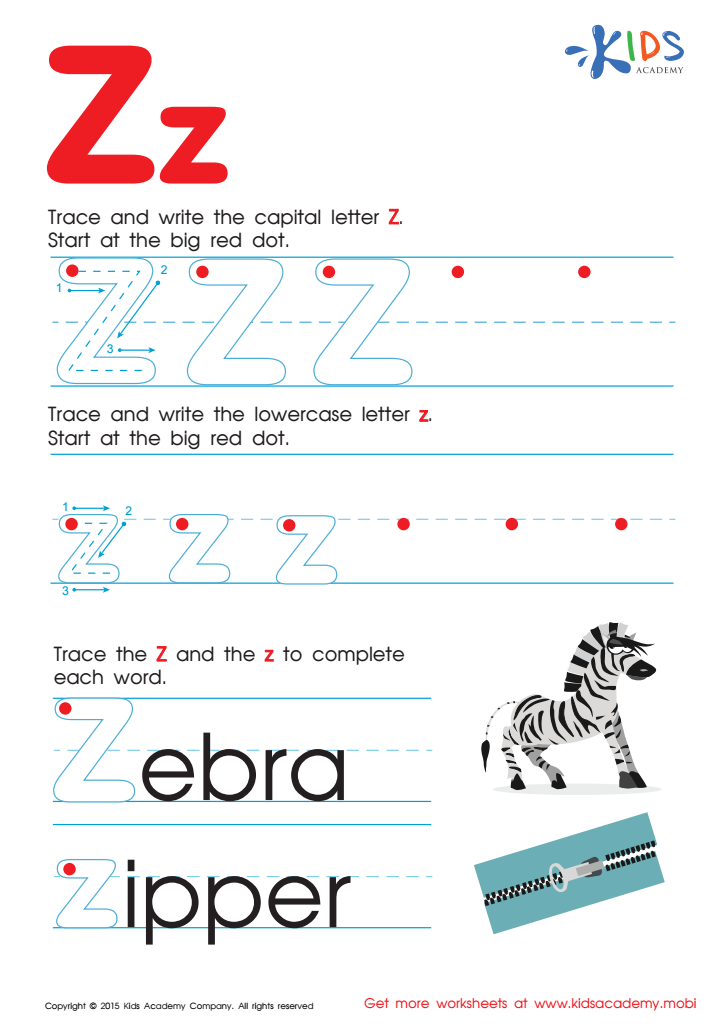
Letter Z Tracing Page






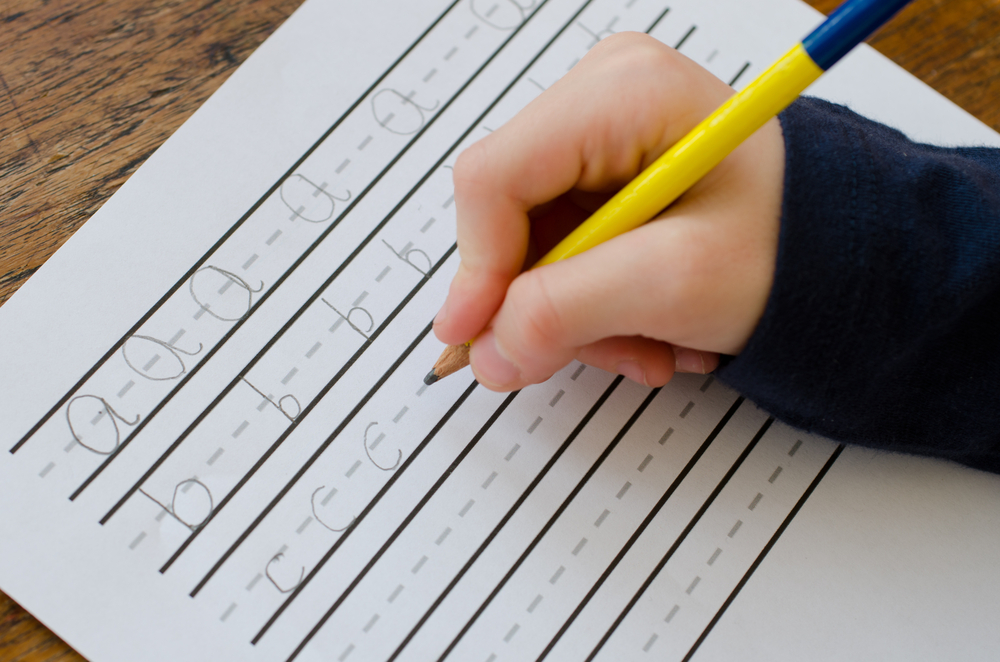

Tracing letters is an essential activity for children aged 6-8, as it serves as a foundational skill for writing and literacy development. At this stage, children are increasingly mastering fine motor skills, and tracing letters effectively aids in strengthening the muscles needed for handwriting. By engaging in this practice, children learn proper letter formation, which is crucial for legibility and confidence in their writing abilities.
Furthermore, tracing letters promotes recognition of letter shapes, leading to improved phonemic awareness and a deeper understanding of the alphabet. This, in turn, enhances reading skills as students become familiar with the letters they will encounter in texts. Additionally, tracing can be integrated with activities focusing on phonics and vocabulary, making it a versatile teaching tool.
For parents and teachers, supporting this skill reinforces the child's academic growth and lays the groundwork for future learning. Encouraging tracing can foster a love for writing and reading, gradually building the child’s confidence and independence. Overall, tracing letters is not just about acquiring handwriting skills; it plays a critical role in developing literacy, fine motor coordination, and self-esteem in early learners, making it a vital aspect of their educational journey.








