Life Science Worksheets for Ages 6-8 - Page 2
36 filtered results
-
From - To
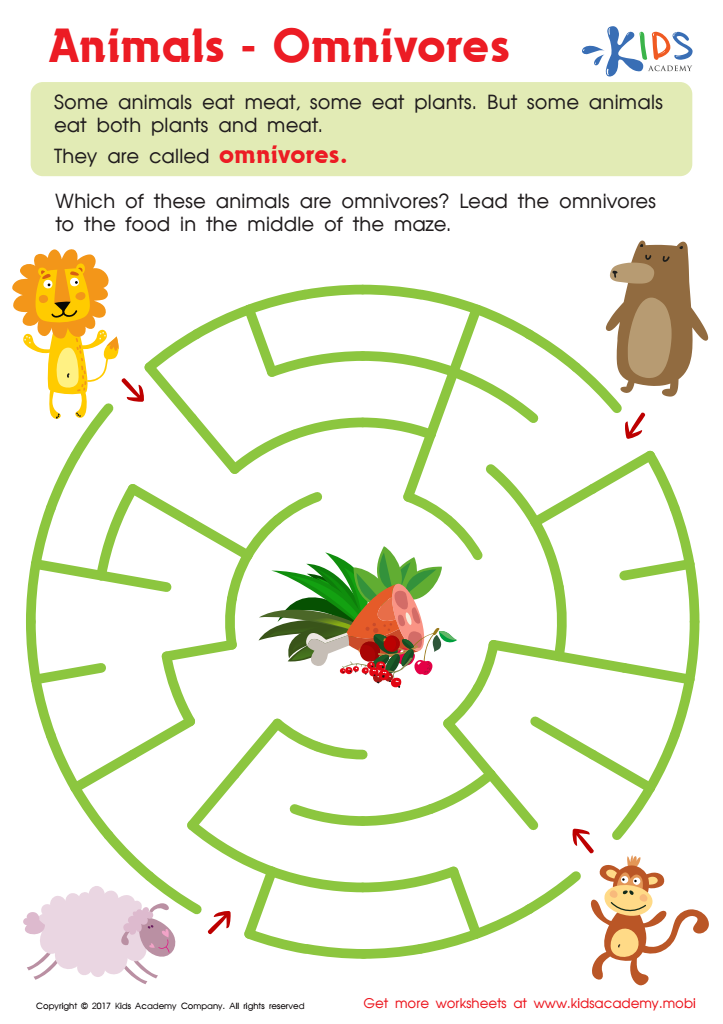
Omnivores Animals Worksheet
 Assign to My Students
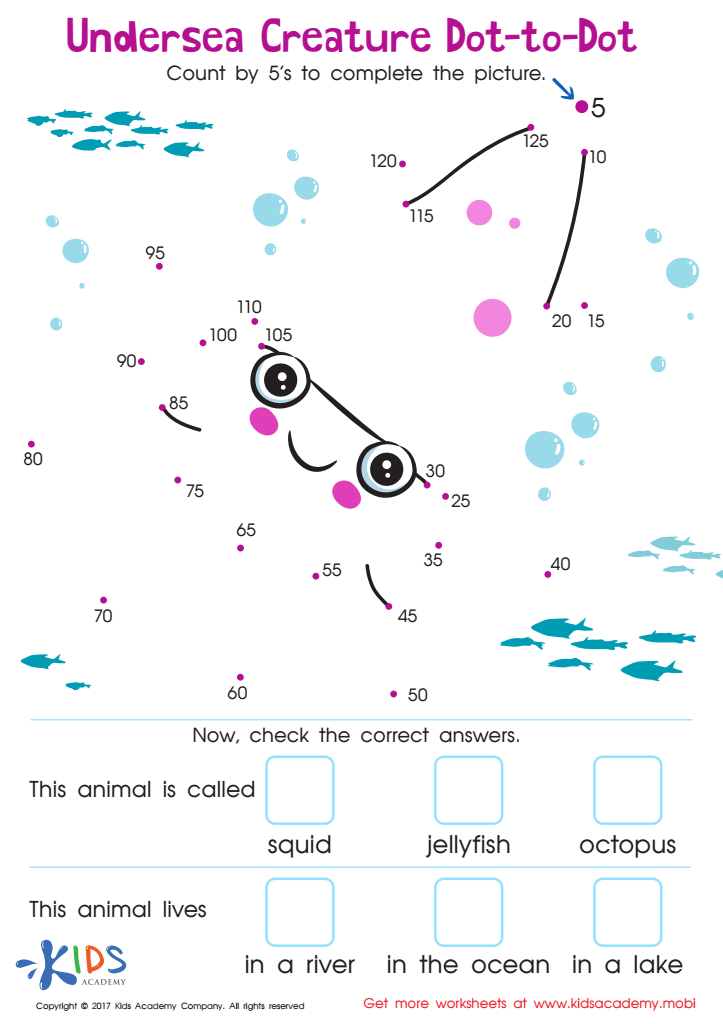
Undersea: Dot To Dot Worksheet
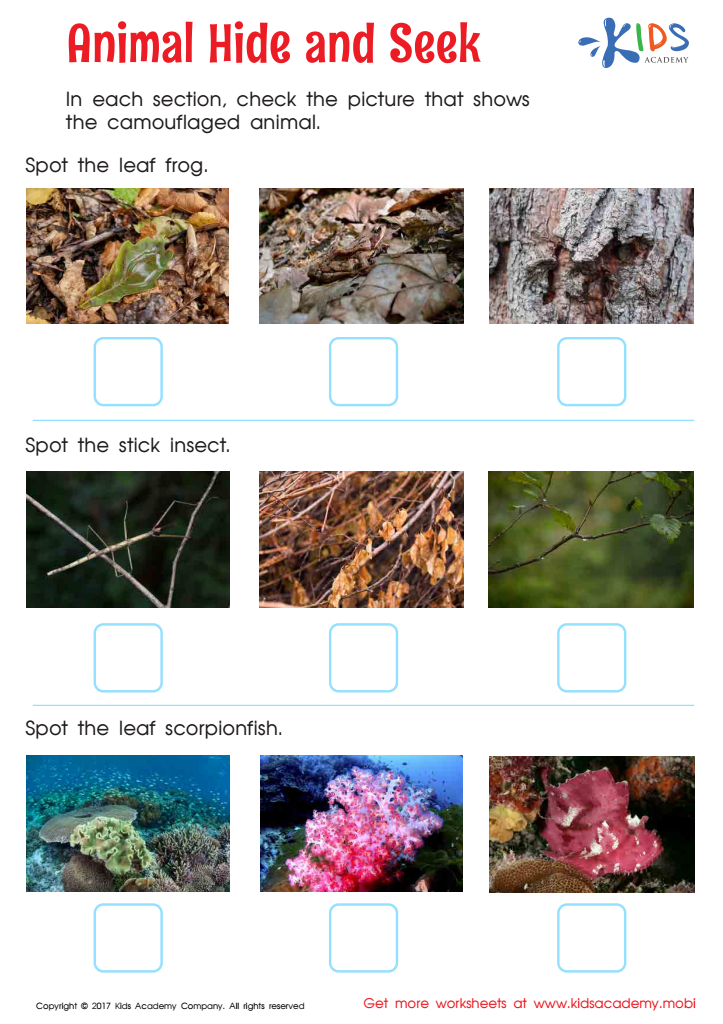
Animal Hide and Seek Worksheet
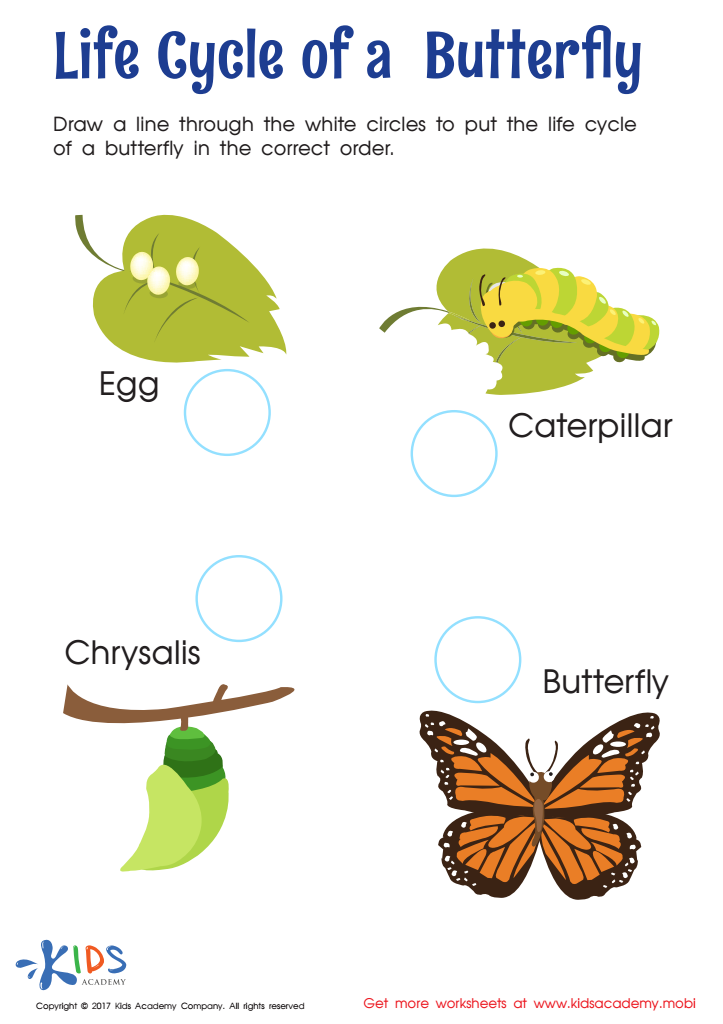
Life Cycle of Butterfly Worksheet
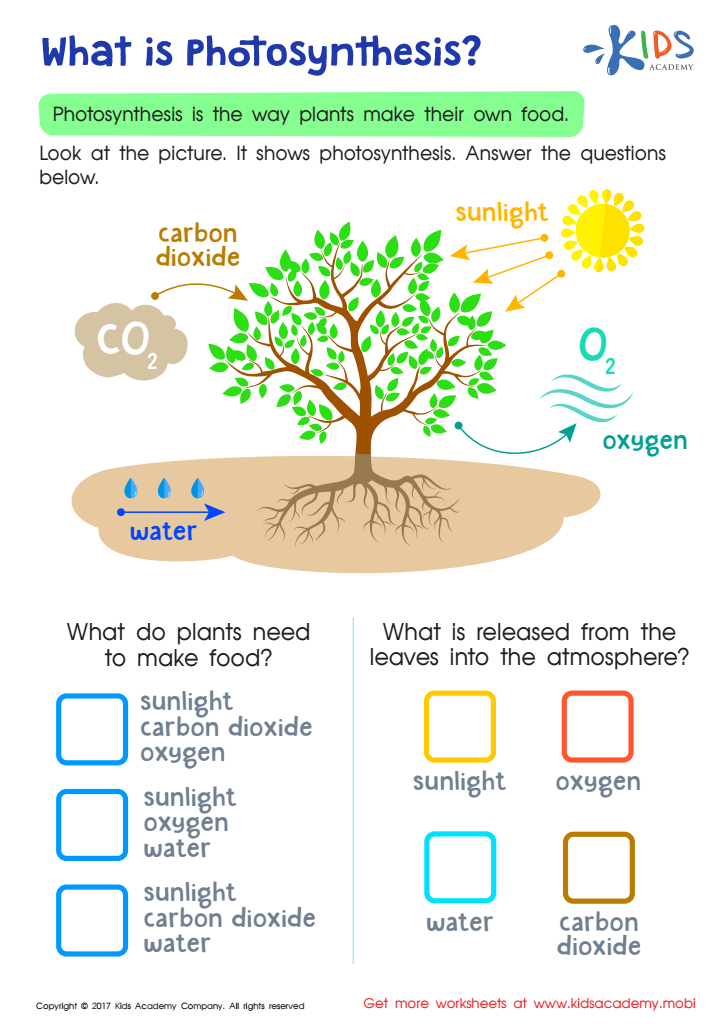
What is Photosynthesis Printable
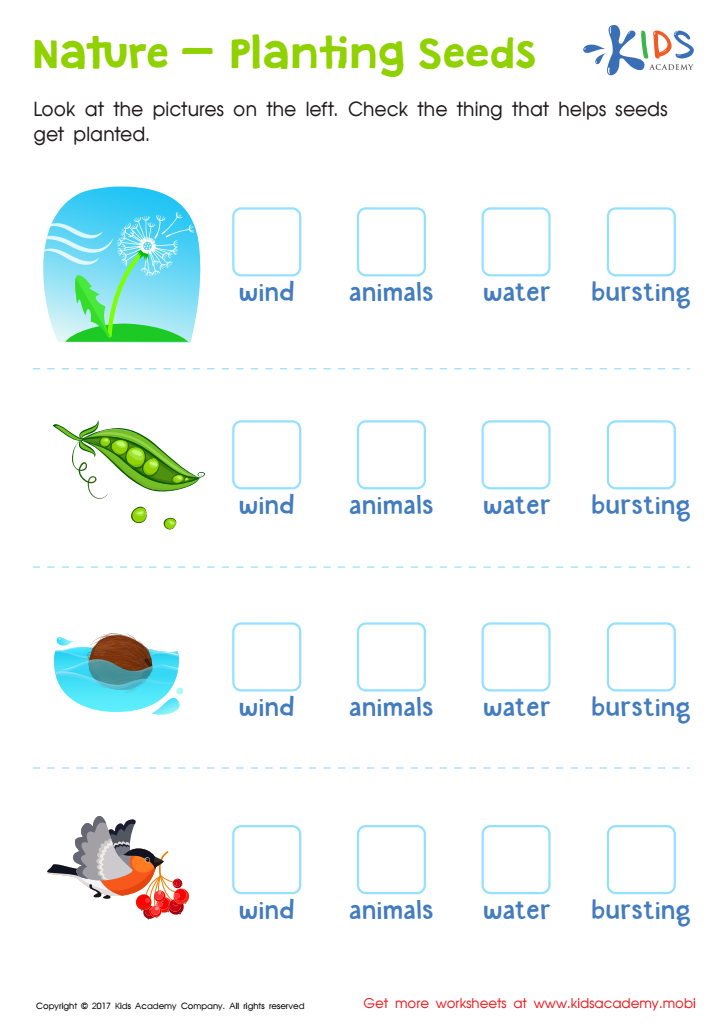
Nature Planting Seeds Worksheet
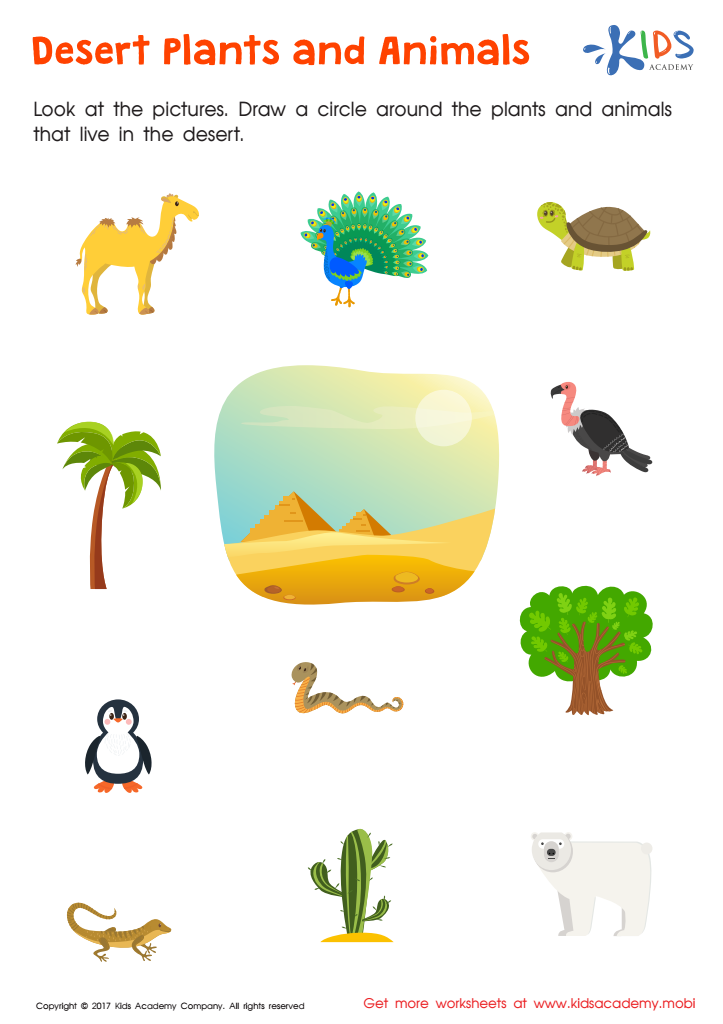
Desert Plants Animals Printable
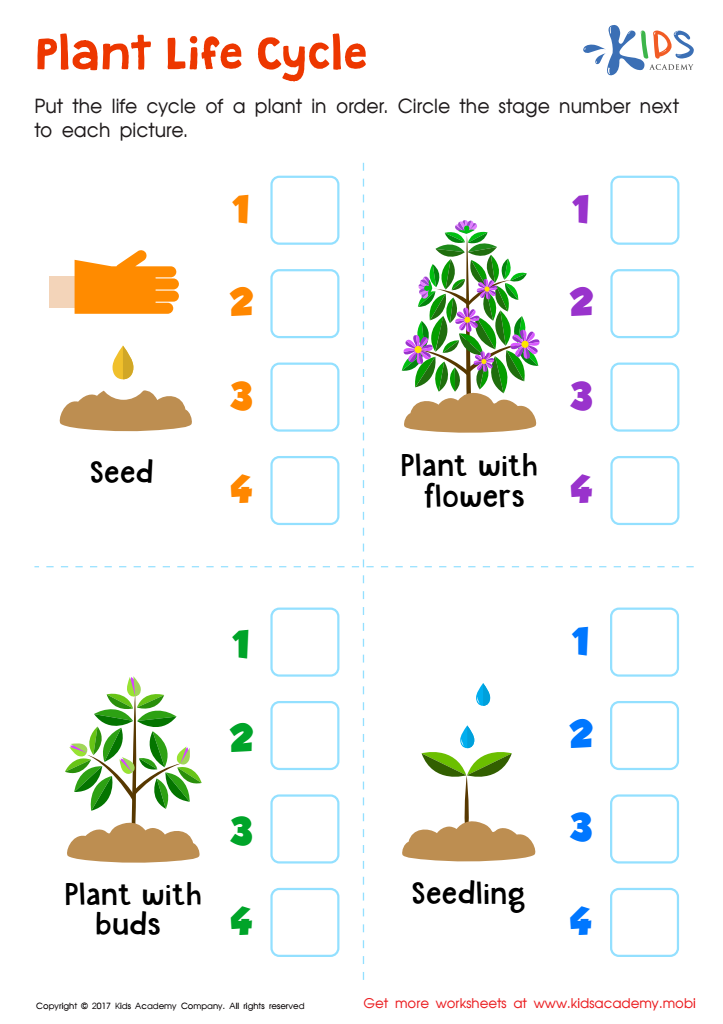
Plant Life Cycle Printable
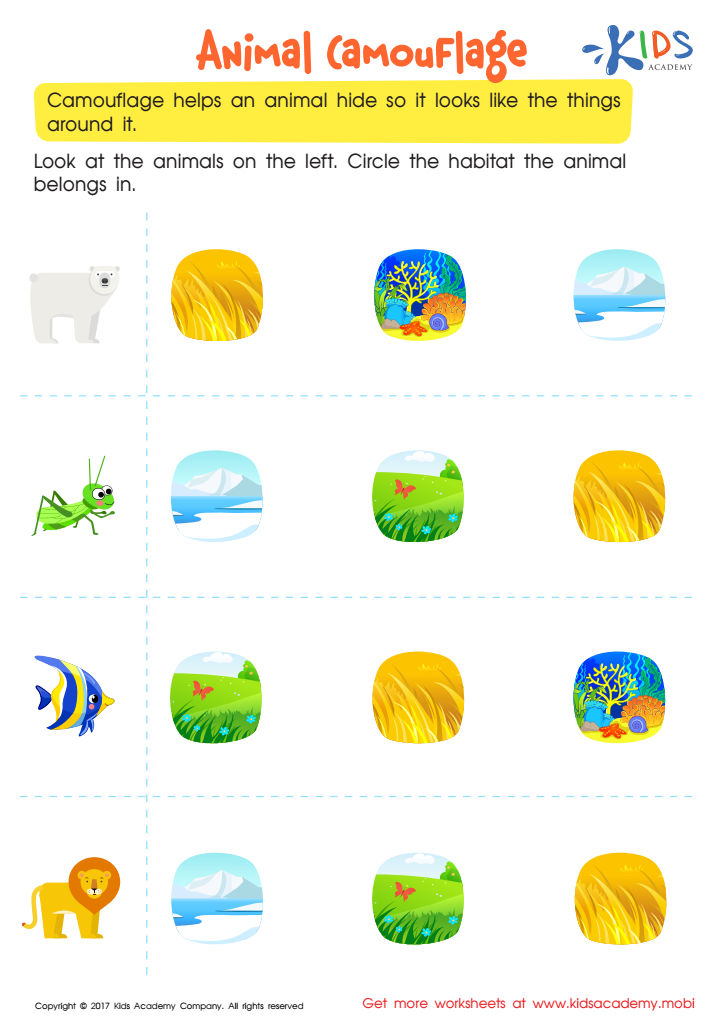
Animal Camouflage Worksheet
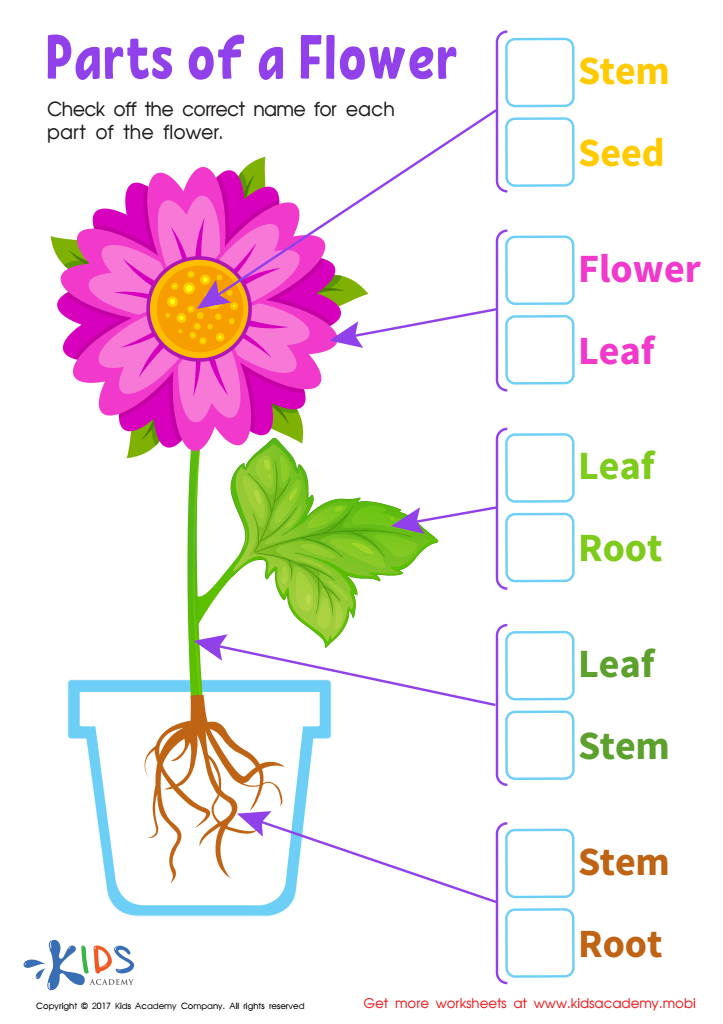
Parts Flower Printable
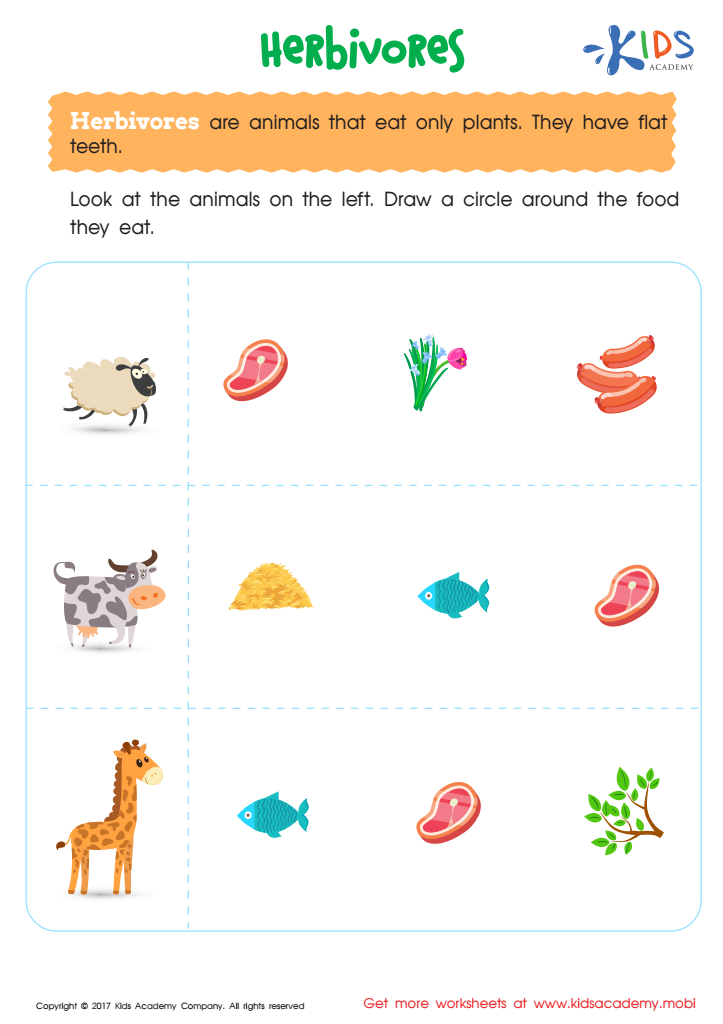
Herbivores Printable
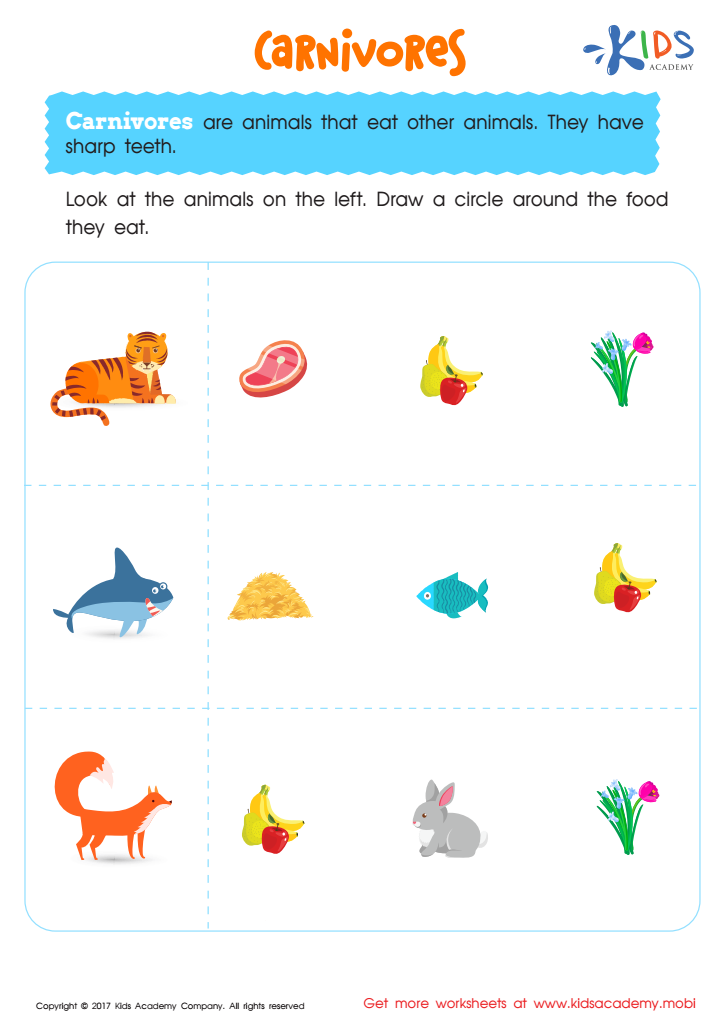
Carnivores Worksheet


%20(1).jpg)





Life science is essential for young children because it lays the foundation for understanding the natural world and fosters a lifelong interest in science. For ages 6-8, life science encourages curiosity, critical thinking, and observational skills. Kids at this age are naturally inquisitive; studying life science allows them to explore the living world, prompting questions about how organisms live, grow, and interact within ecosystems.
Parents and teachers who prioritize life science education enable children to make connections between their day-to-day experiences and broader scientific concepts. Learning about plants, animals, and human biology helps children appreciate diversity and understand the importance of caring for the environment.
Furthermore, early exposure to science promotes intellectual growth. Life science topics such as habitats, life cycles, and basic anatomy can be perfect gateways for developing descriptive language, comparative analysis, and even simple data collection methods. Engaging children in hands-on activities like growing plants, observing insects, or learning about animal care can be incredibly captivating and educational.
In essence, life science for ages 6-8 nurtures a framework where children not only gain essential knowledge but learn to appreciate the world they live in and develop respect for all forms of life. This holistic approach is crucial for their overall cognitive, emotional, and social development.








