Plants Worksheets for Ages 6-8
24 filtered results
-
From - To
Discover an engaging collection of Plants Worksheets designed specifically for children ages 6-8. These fun and educational worksheets cover essential topics like plant life cycles, parts of a plant, photosynthesis, and more. With colorful illustrations and interactive activities, children will explore the fascinating world of botany, enhancing their scientific curiosity and knowledge. Ideal for both classroom and home use, these worksheets encourage hands-on learning and critical thinking, making science enjoyable and accessible. Help your young learners blossom into budding scientists with our Plants Worksheets tailored for curious minds. Explore now and watch their knowledge grow!
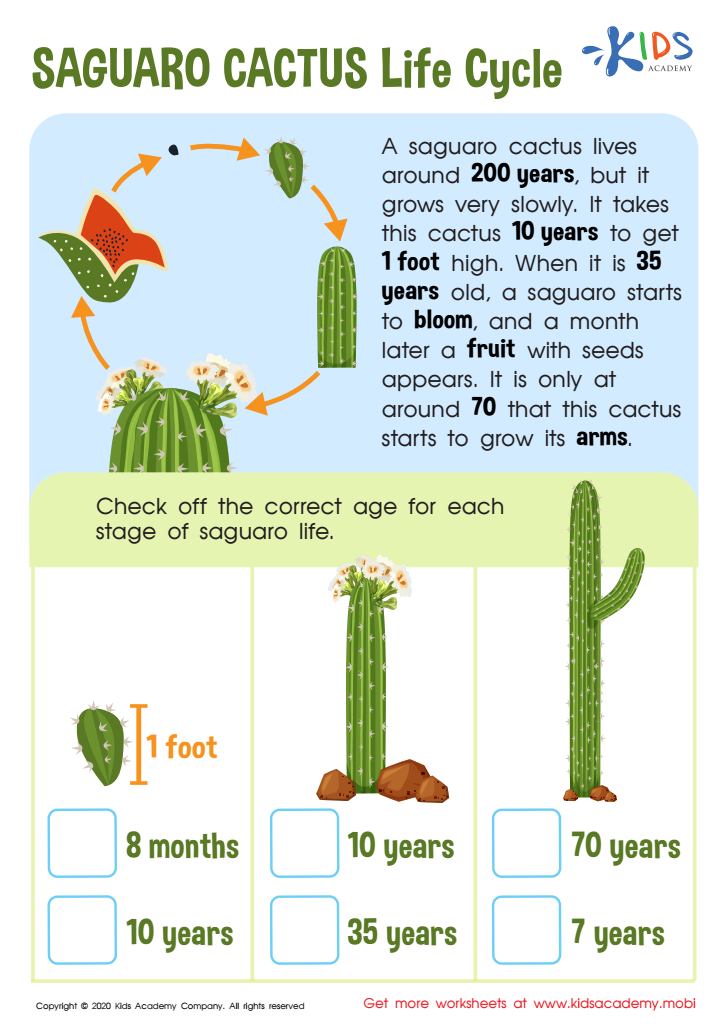
Saguaro Cactus Life Cycle Worksheet
 Assign to My Students
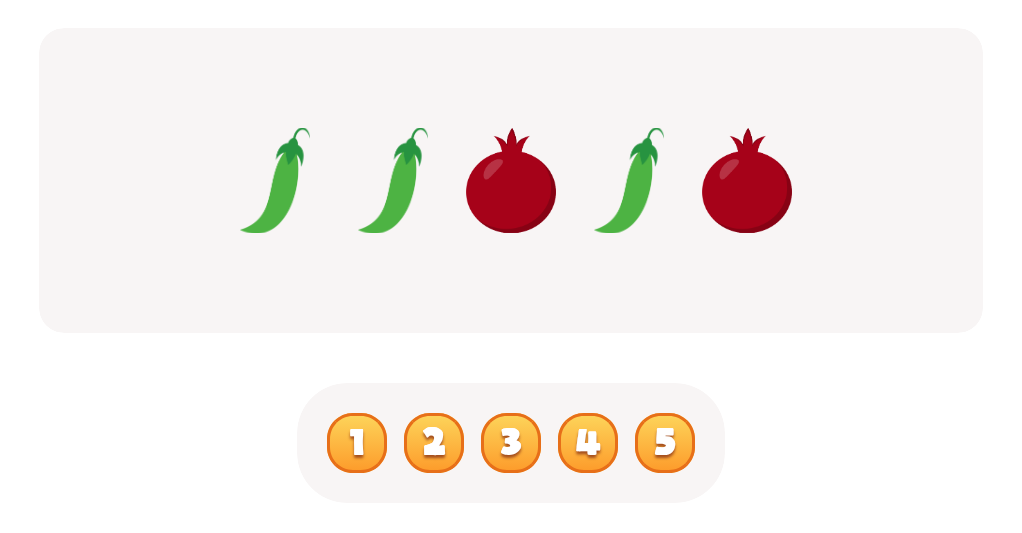

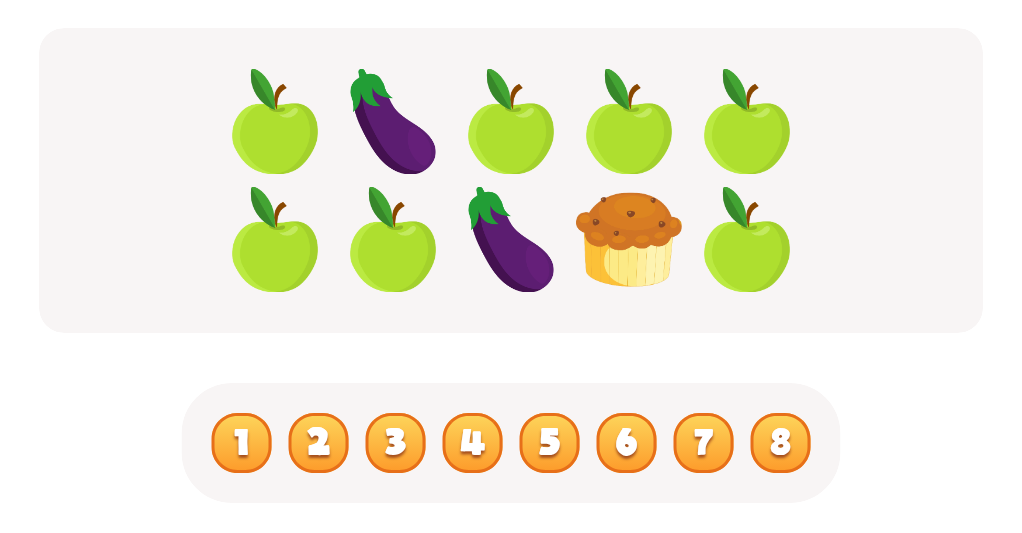


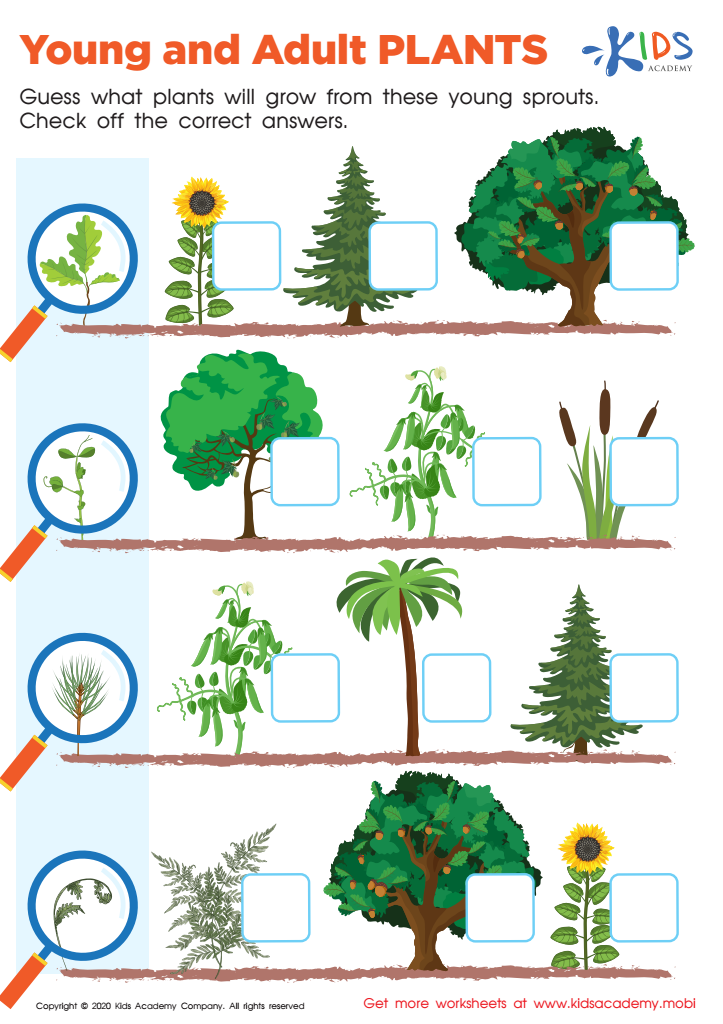
Young and Adult Plants Worksheet
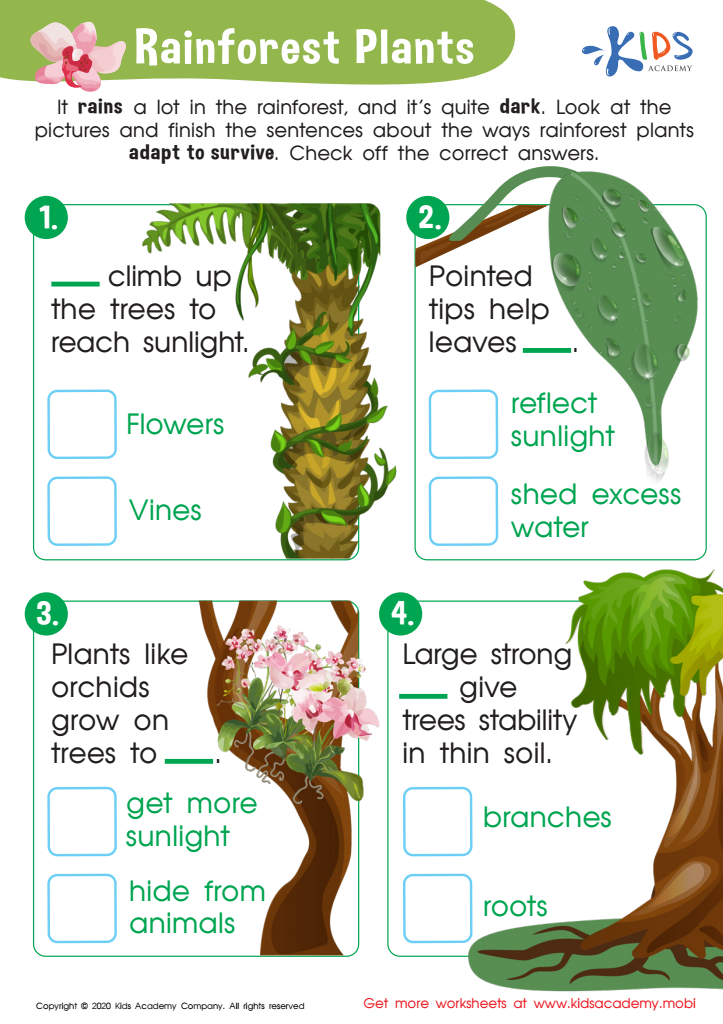
Rainforest Plants Worksheet
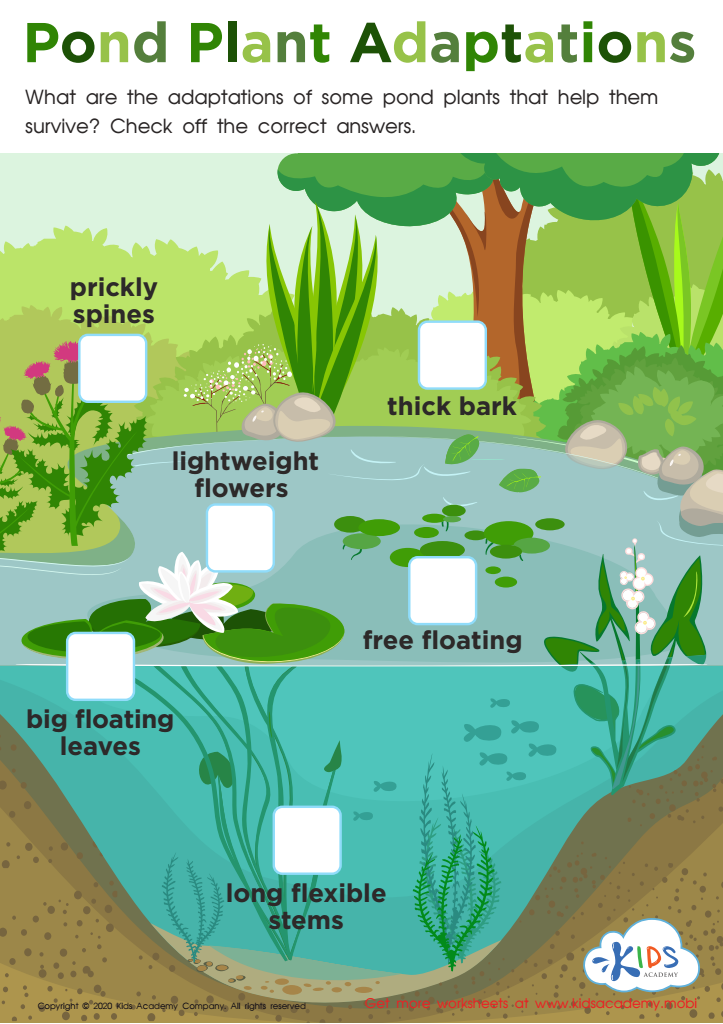
Pond Plant Adaptations
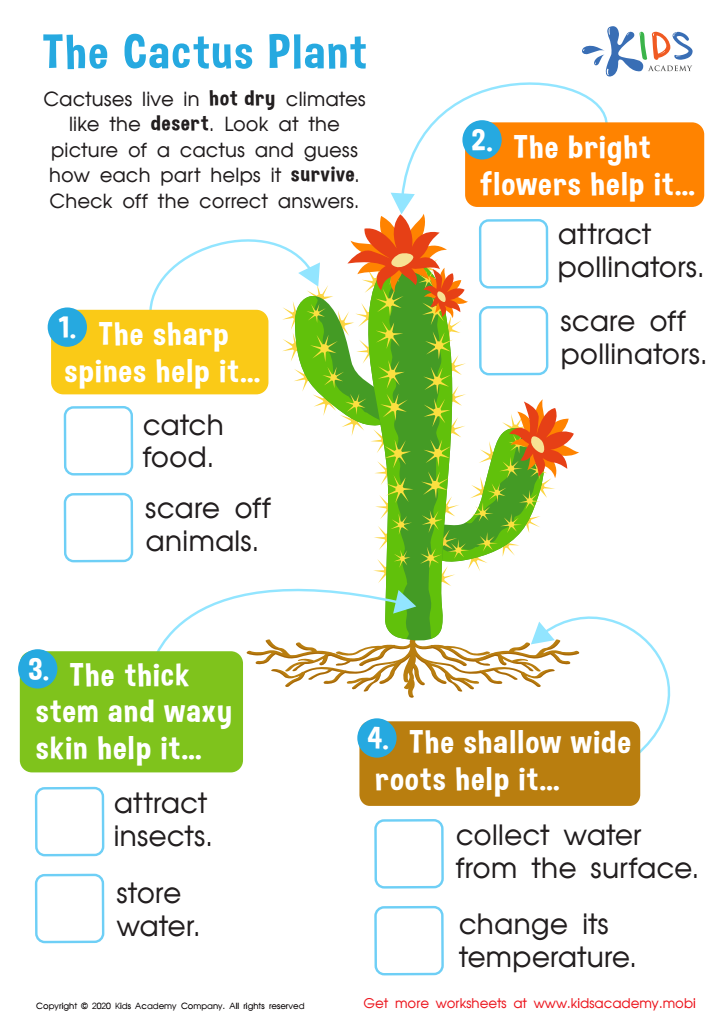
The Cactus Plant Worksheet
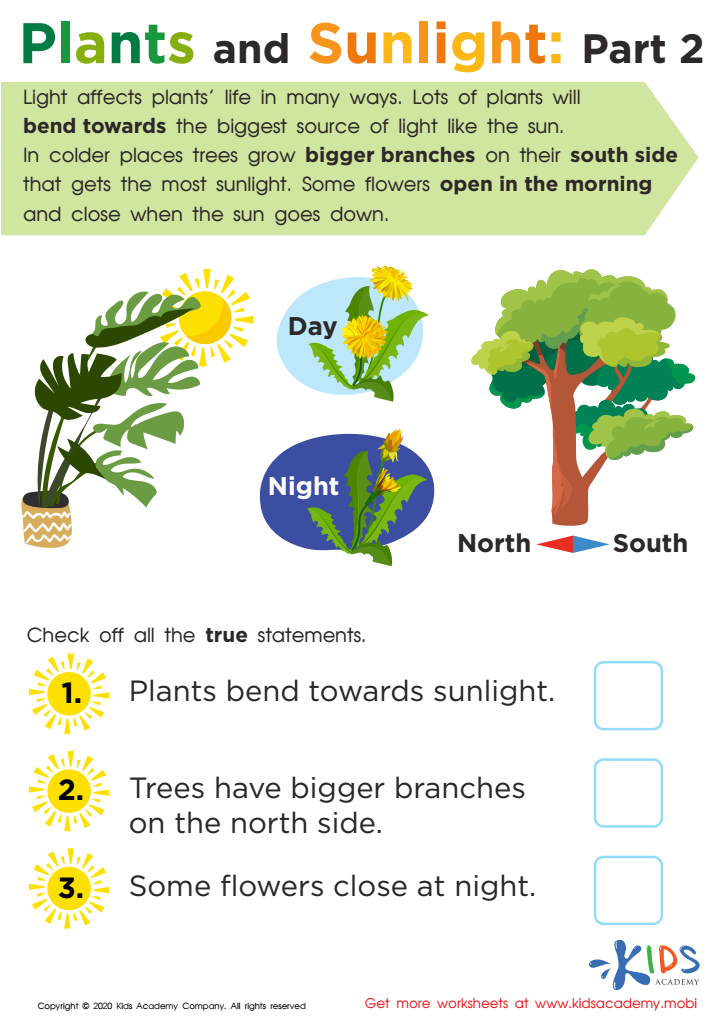
Plants and Sunlight: Part 2 Worksheet
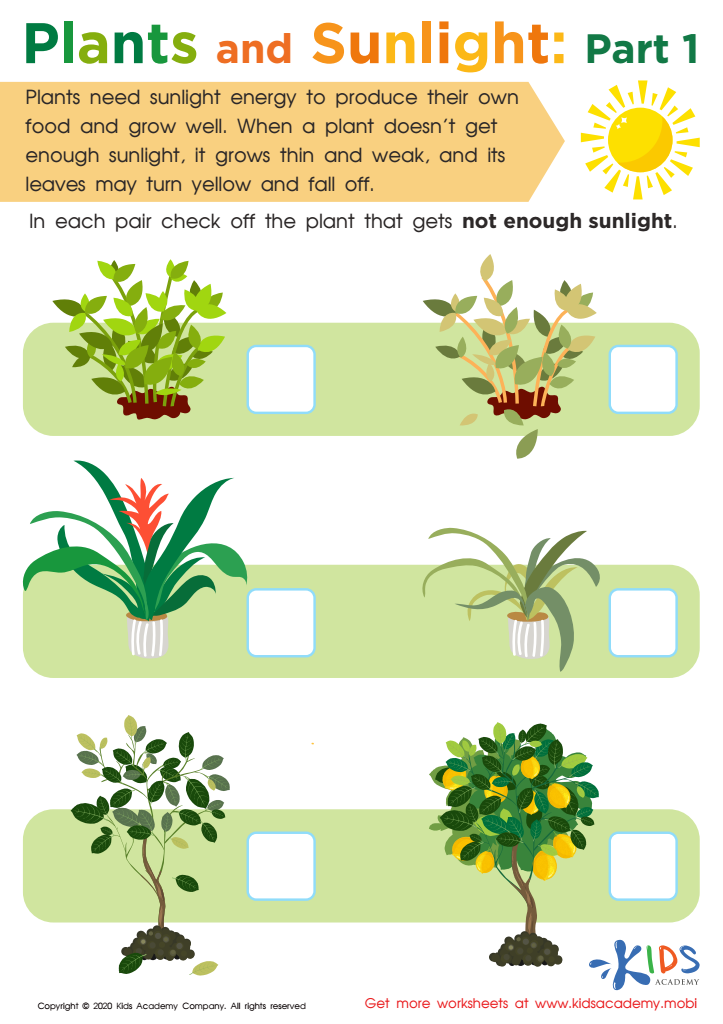
Plants and Sunlight: Part 1 Worksheet
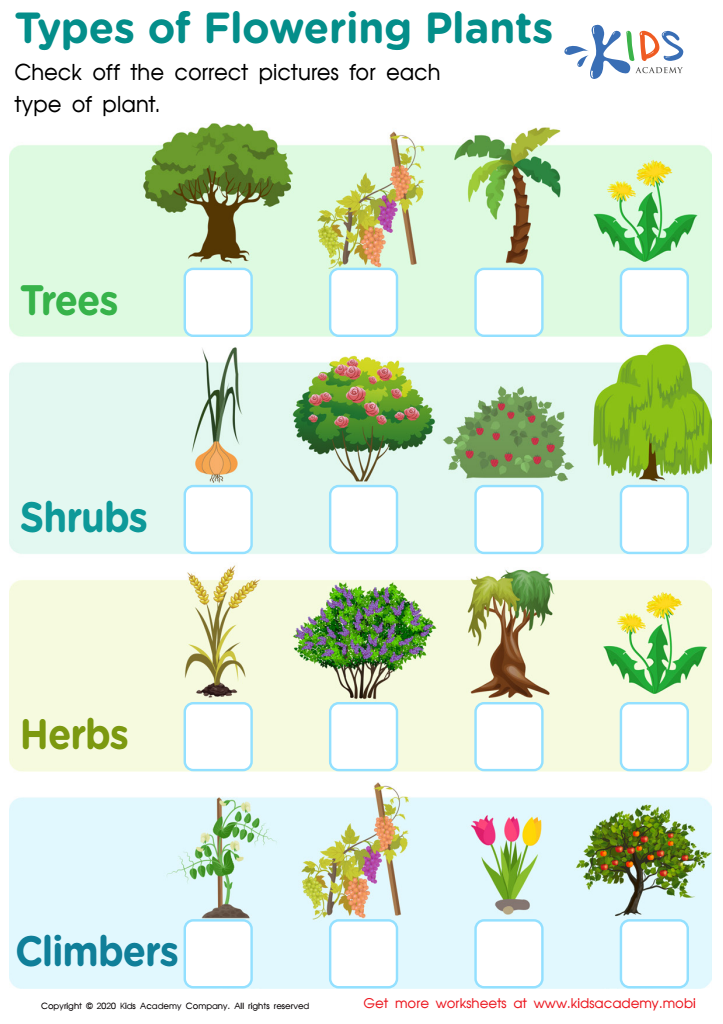
Types of Flowering Plants Worksheet
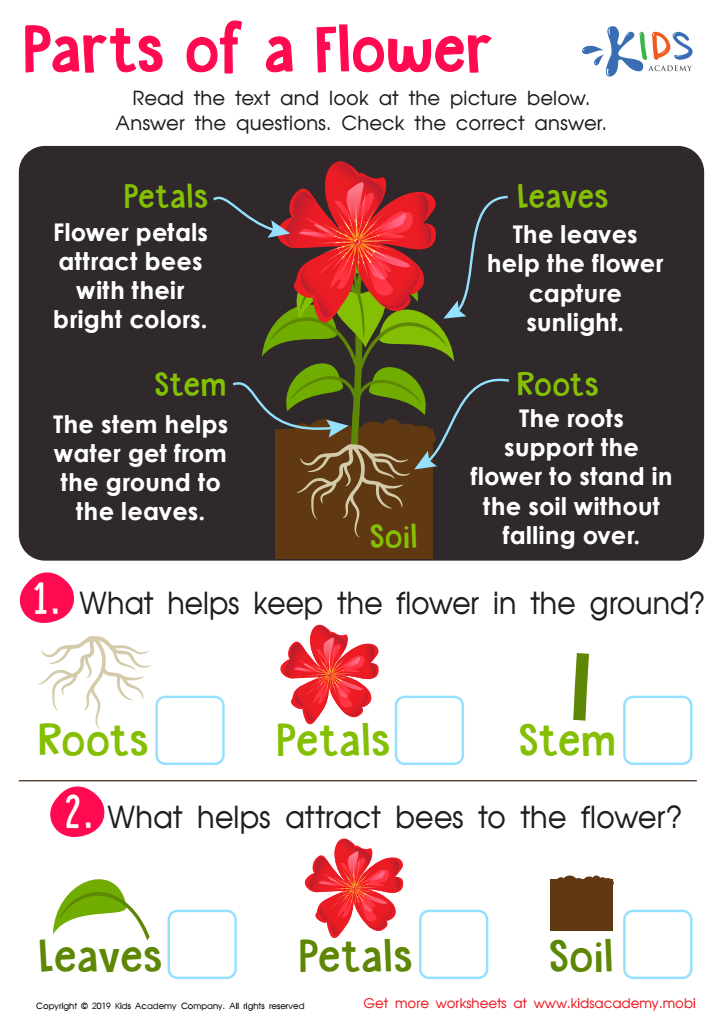
Parts of Flower Worksheet
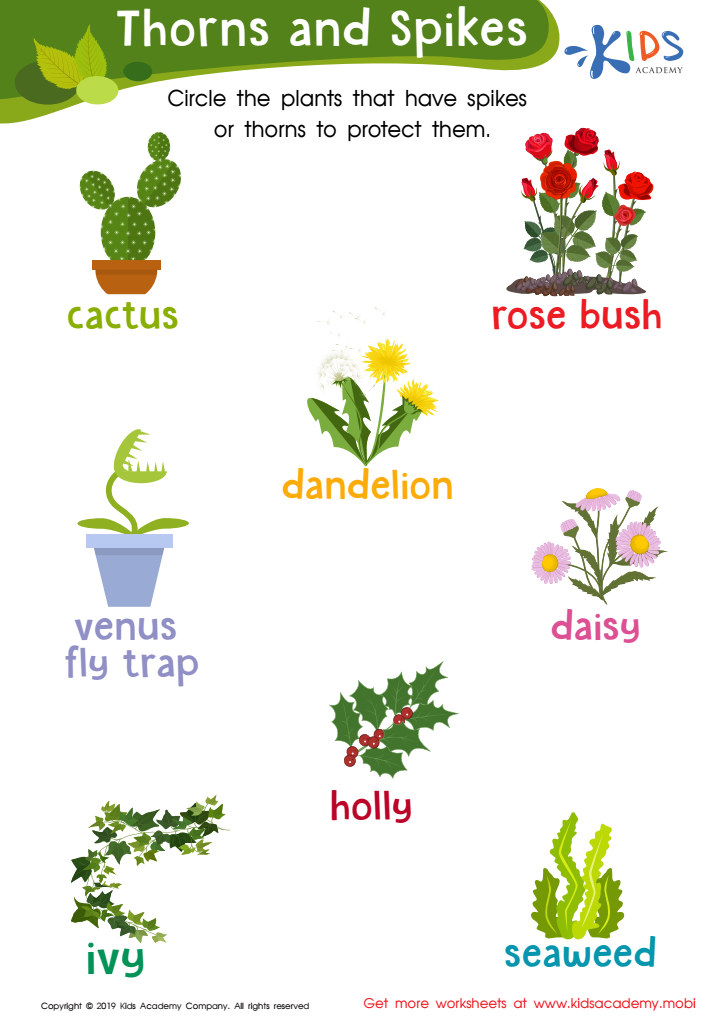
Thorns and Spikes Worksheet
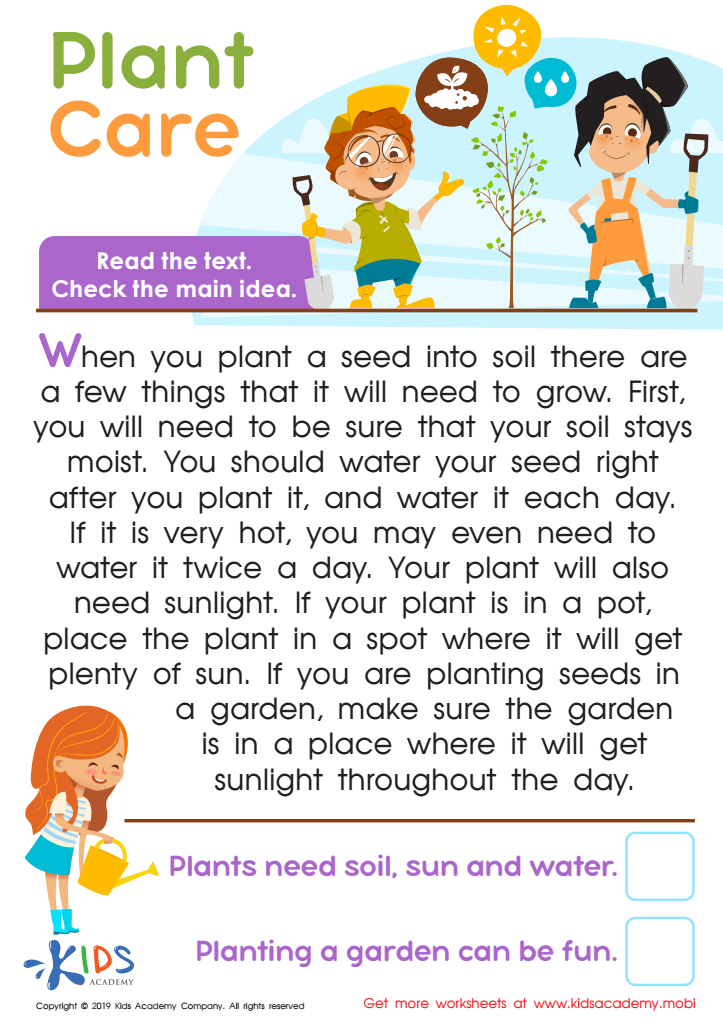
Plant Care Worksheet
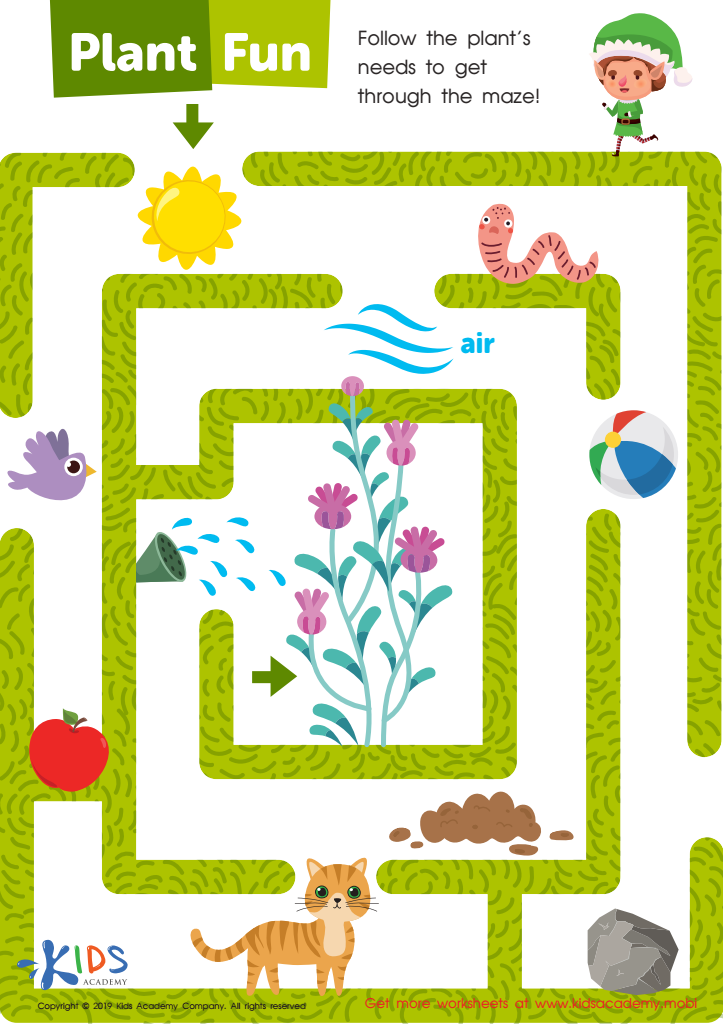
Plant Fun Worksheet
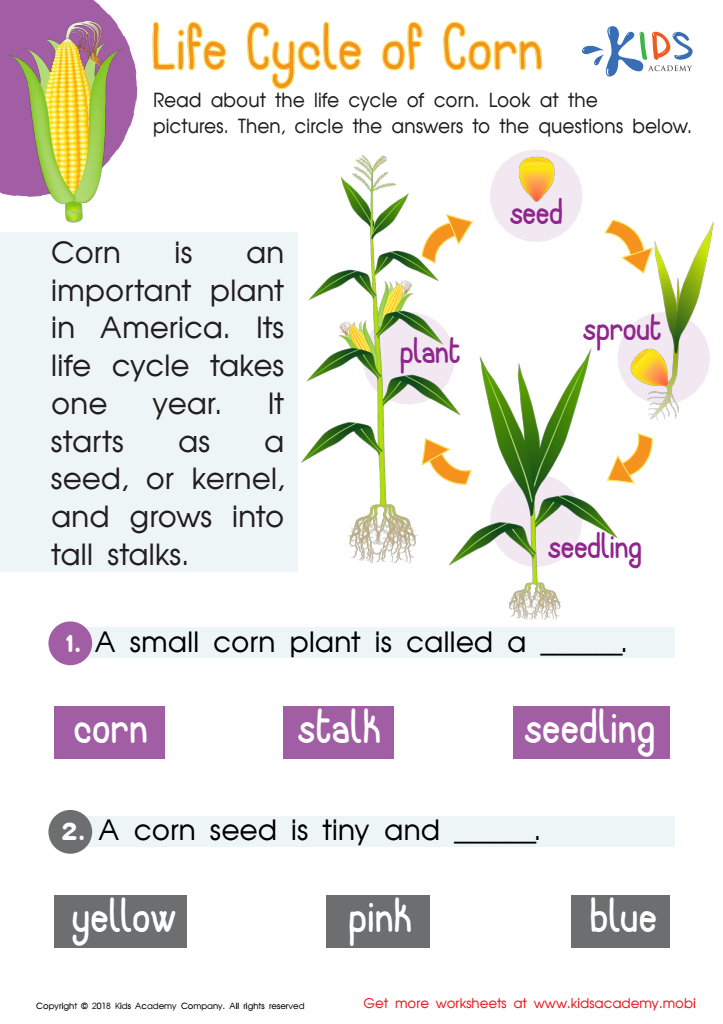
Life Cycle of Corn Worksheet
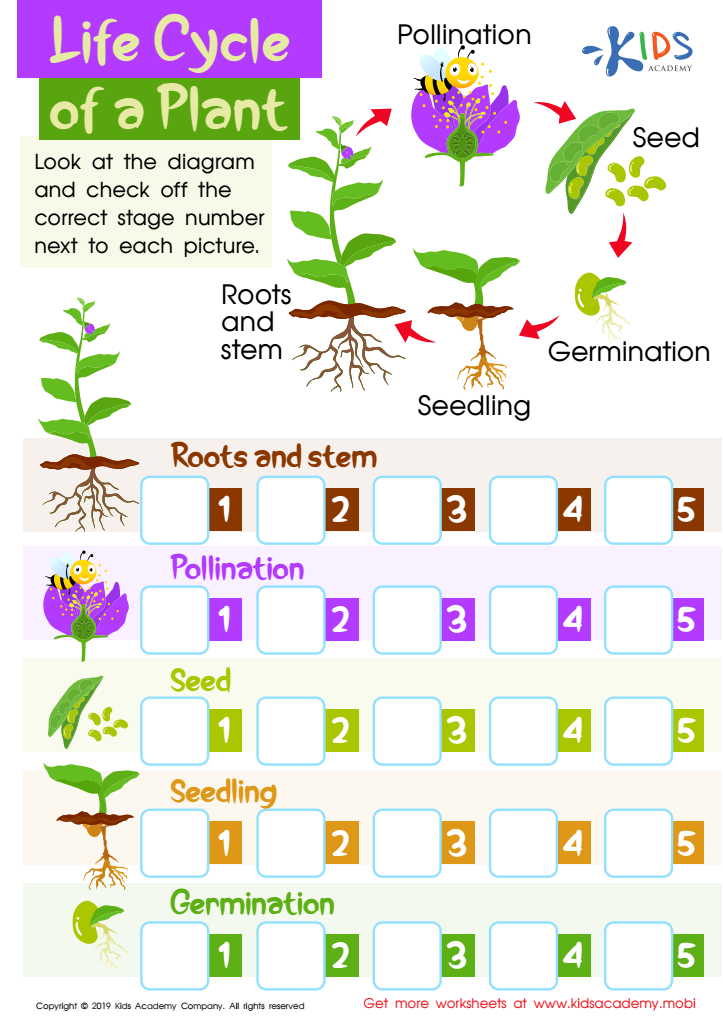
Life Cycle of a Plant Worksheet
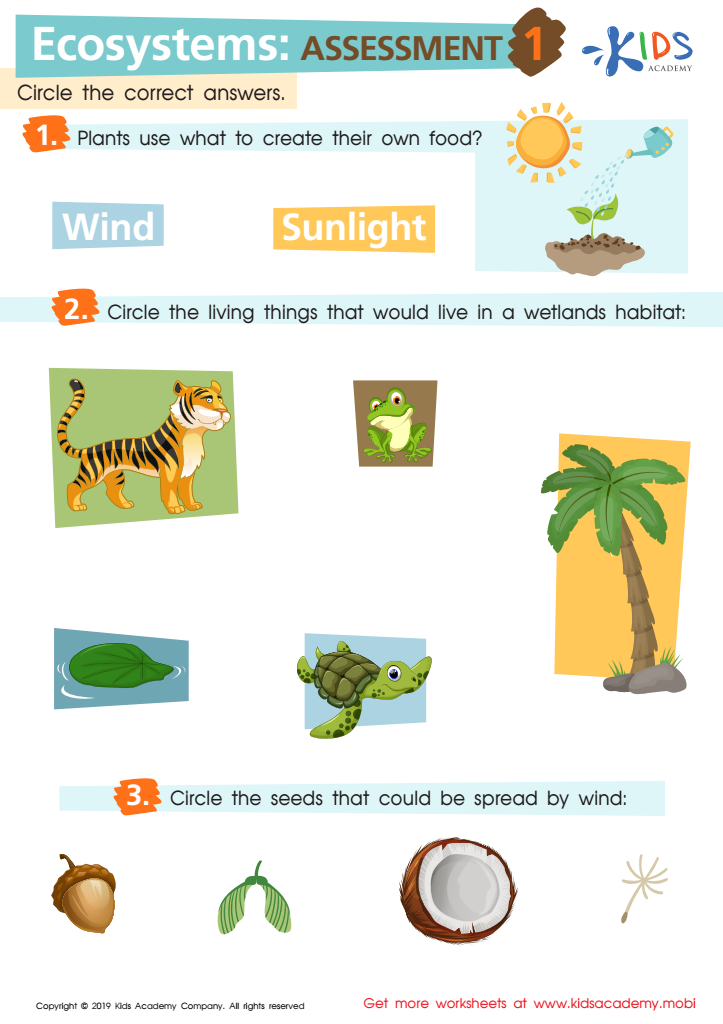
Ecosystems: Assessment 1 Worksheet
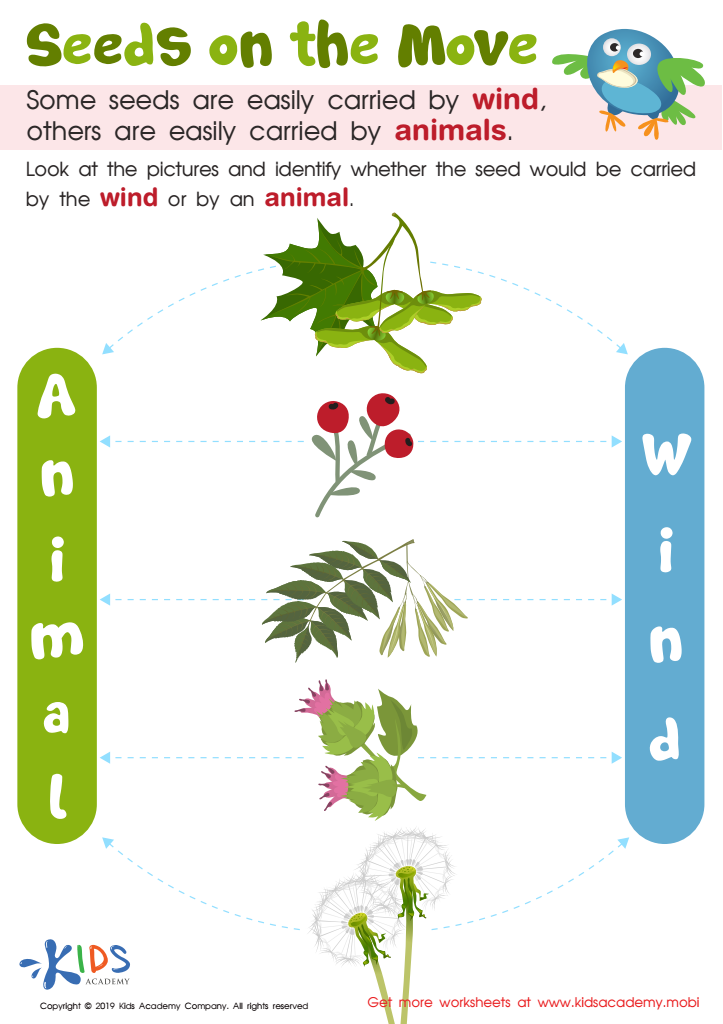
Seeds on the Move Worksheet
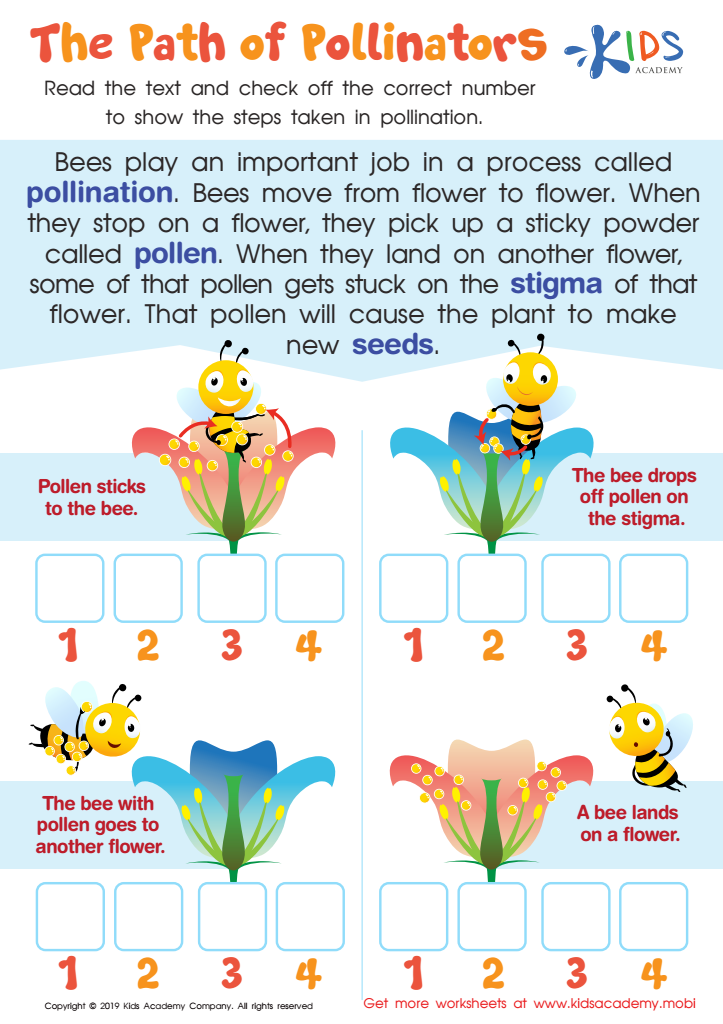
The Path of Pollinators Worksheet
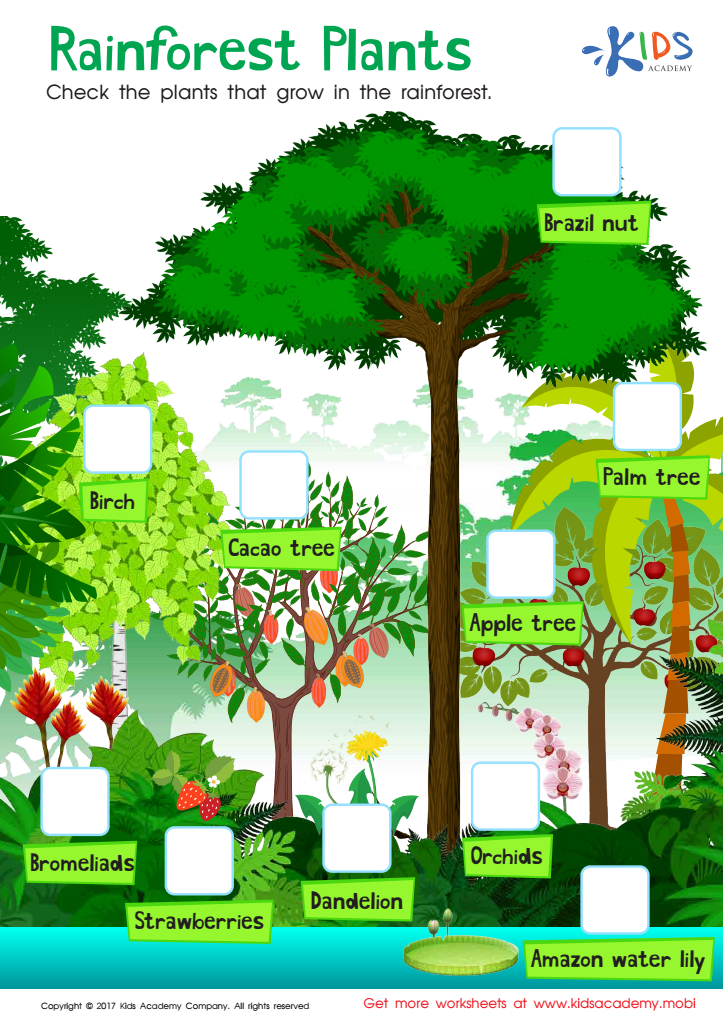
Rainforest Plants Worksheet
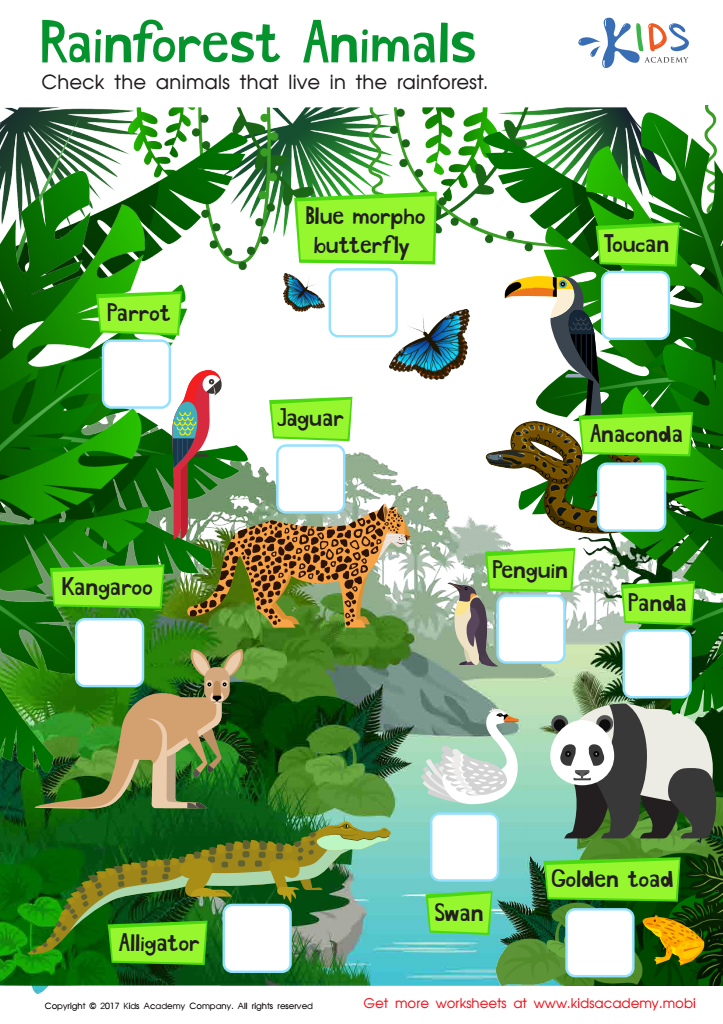
Rainforest Animals Worksheet
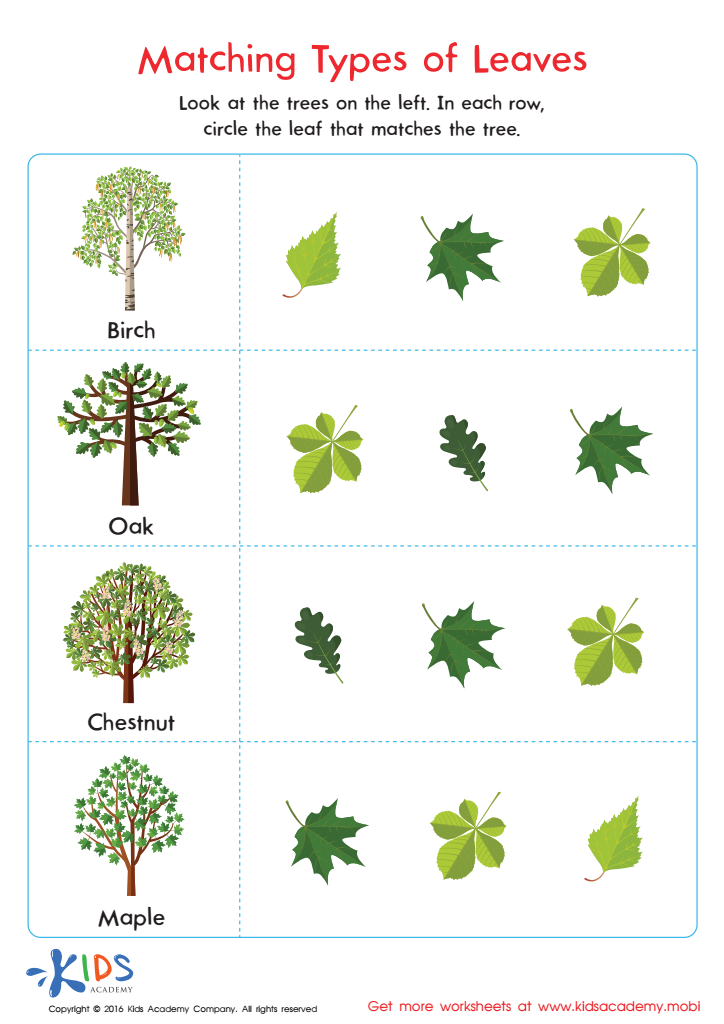
Matching Types of Leaves Printable
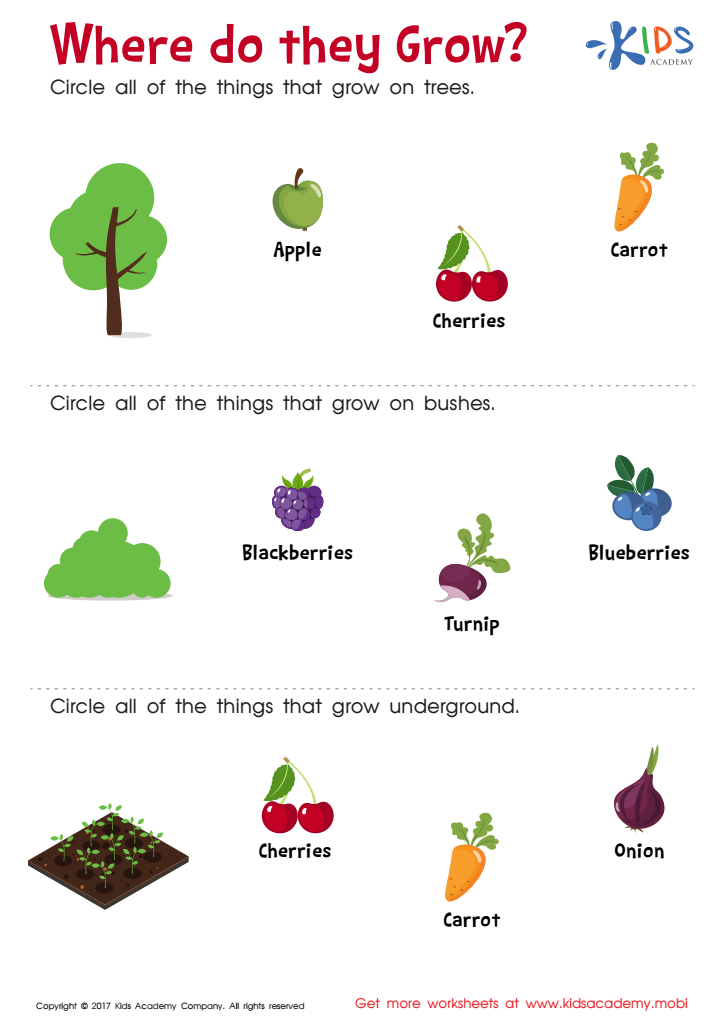
Where Do They Grow Worksheet
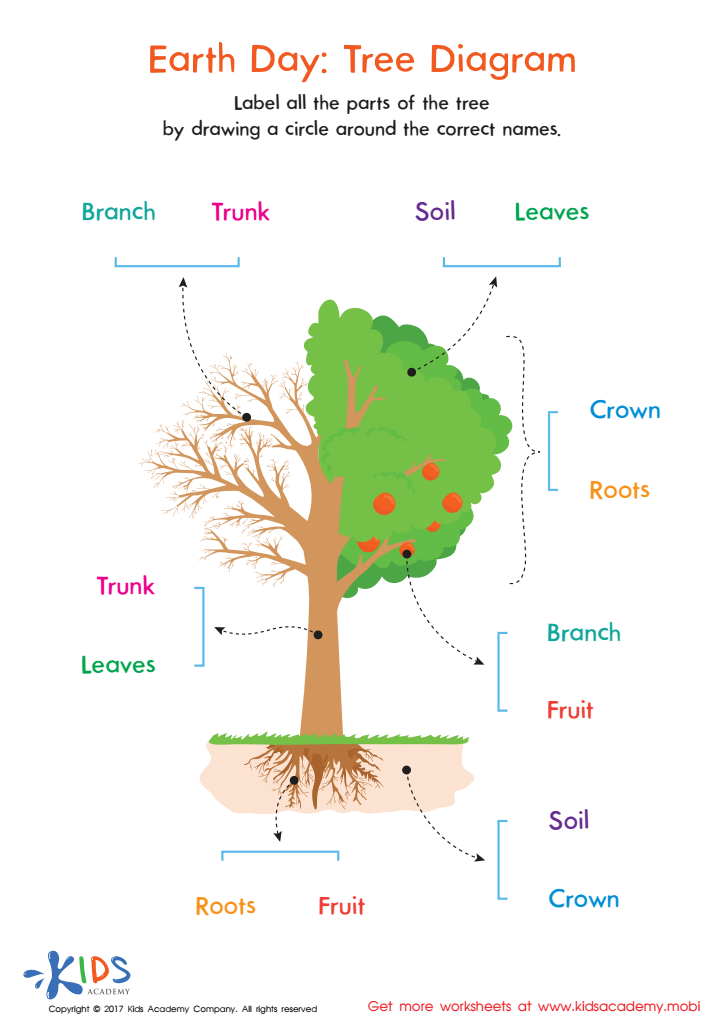
Earth Day: Tree Diagram Worksheet
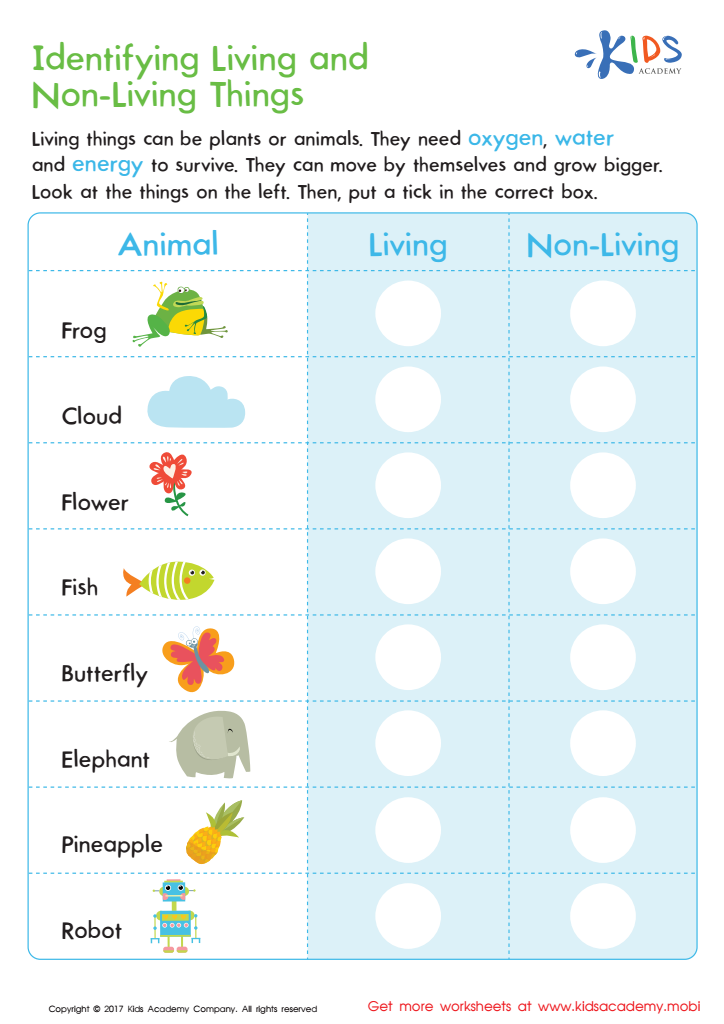
Identifying Living or Non–living Worksheet
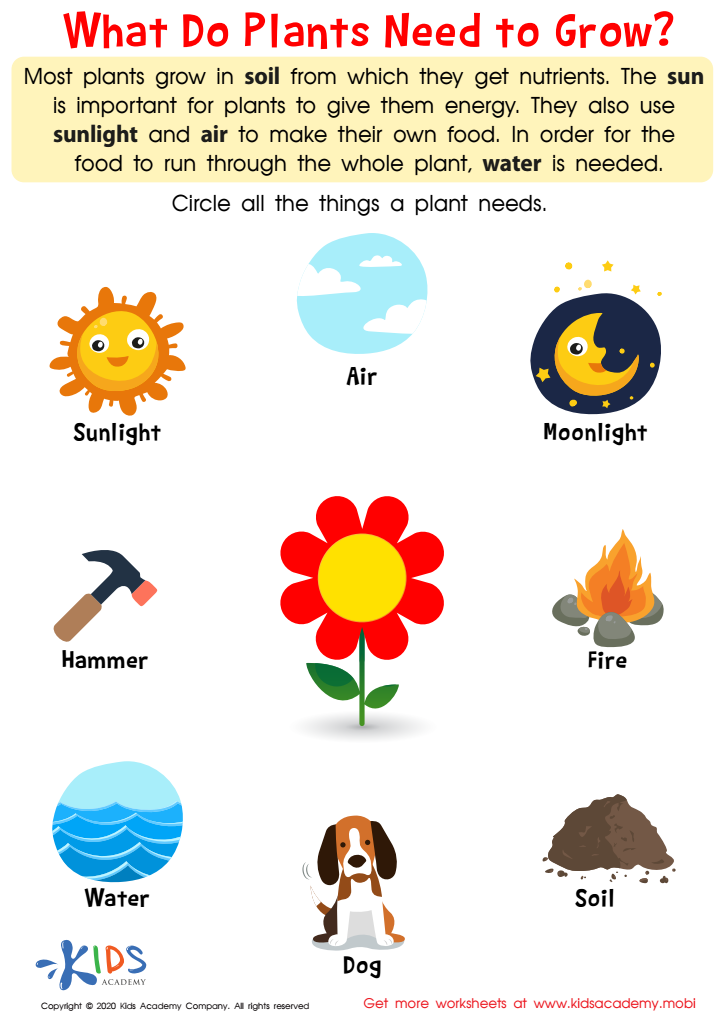
What Do Plants Need to Grow Worksheet







Introducing children ages 6-8 to plants holds immense value for their overall development and understanding of the world. Plants are a fundamental part of our ecosystem and everyday life, and learning about them can lay a strong foundation for science education. At this age, children are naturally curious and have a keen interest in exploring their environment. Engaging with plants helps to nurture this curiosity and presents a hands-on way to learn about biology, ecosystems, and the importance of nature.
For parents, teaching children about plants encourages responsibility and patience. Caring for a living thing requires regular attention, establishing a routine that can significantly contribute to a child's sense of responsibility. This practice can also foster an appreciation for the environment and develop a nurturing spirit.
For teachers, incorporating plant-based activities into the curriculum offers a multidisciplinary approach to learning. Science lessons on photosynthesis, parts of a plant, and life cycles are complemented by math skills when measuring growth, or literacy skills through journaling observations. Plant-related activities can also enhance fine motor skills and sensory experiences, making abstract concepts more tangible.
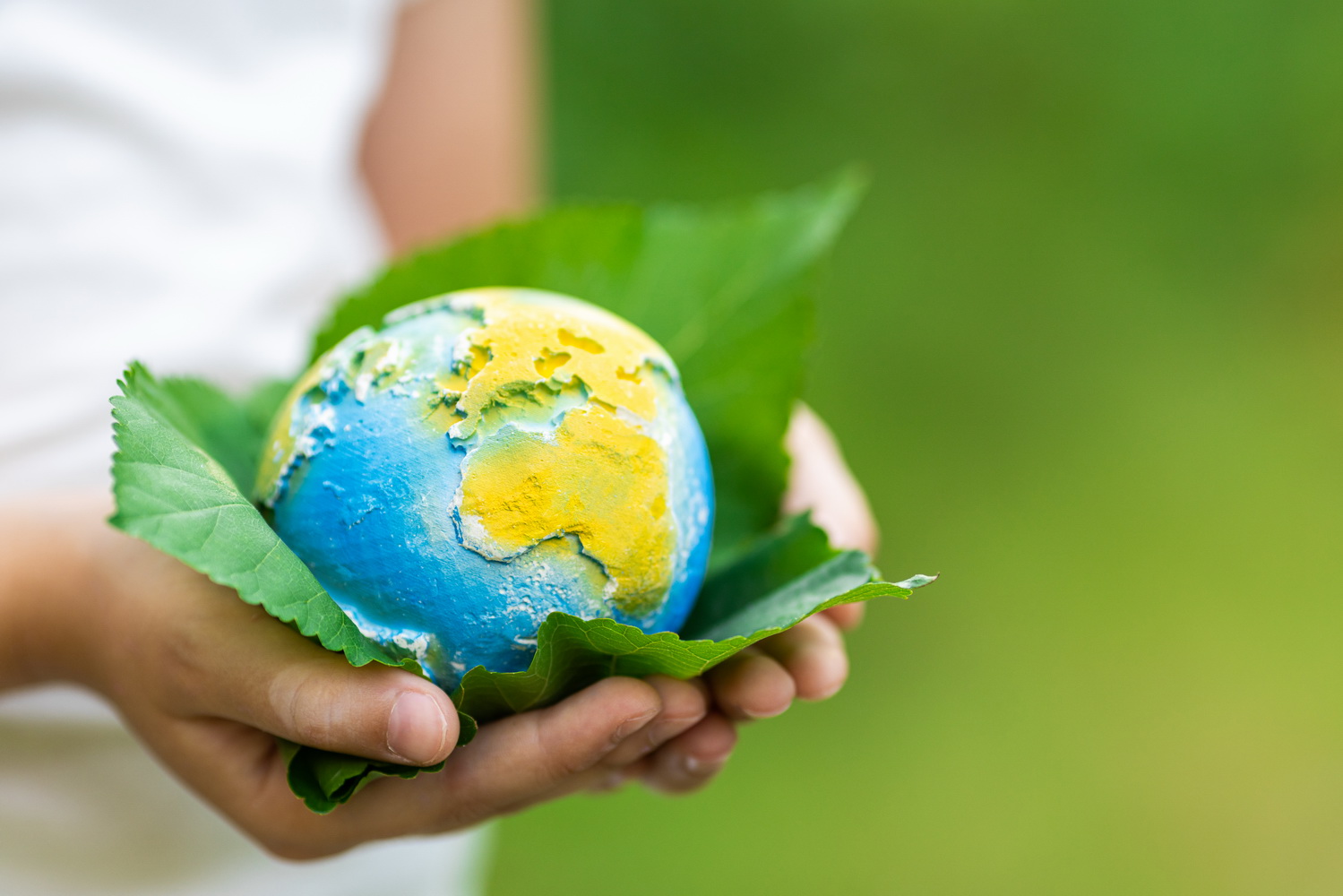
Moreover, understanding plants cultivates environmental literacy, encouraging future generations to be conscientious caretakers of the Earth. Additionally, time spent with plants can be therapeutic, promoting emotional well-being and a sense of calm in both classroom and home environments.