Tracing Letters Worksheets for Ages 6-9 - Page 3
56 filtered results
-
From - To
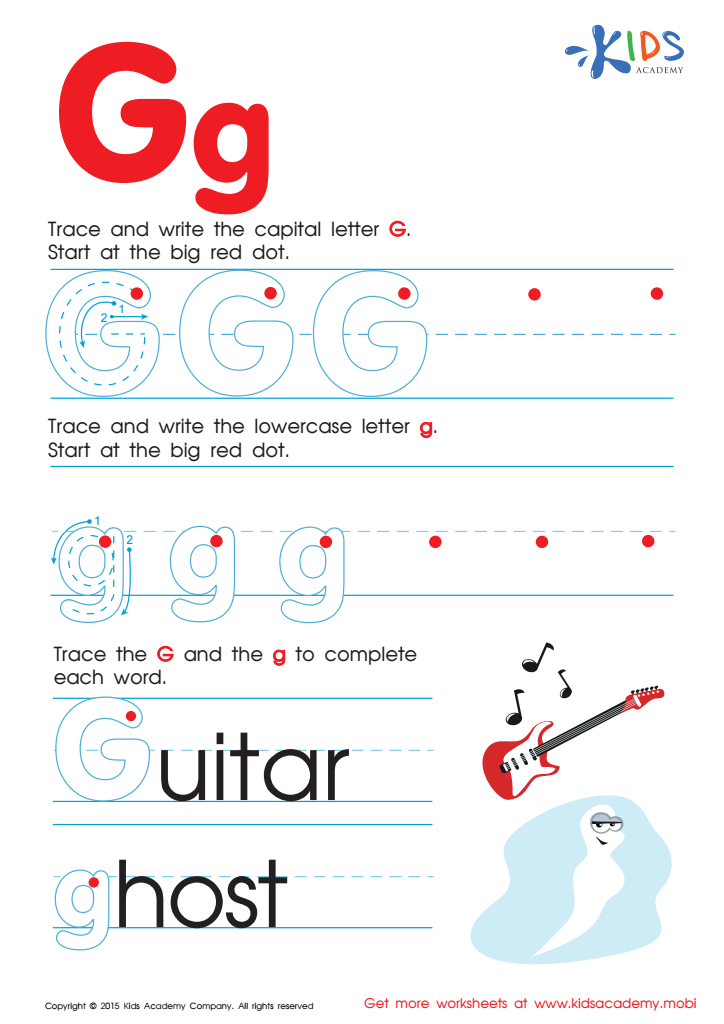
Letter G Tracing Page
 Assign to My Students
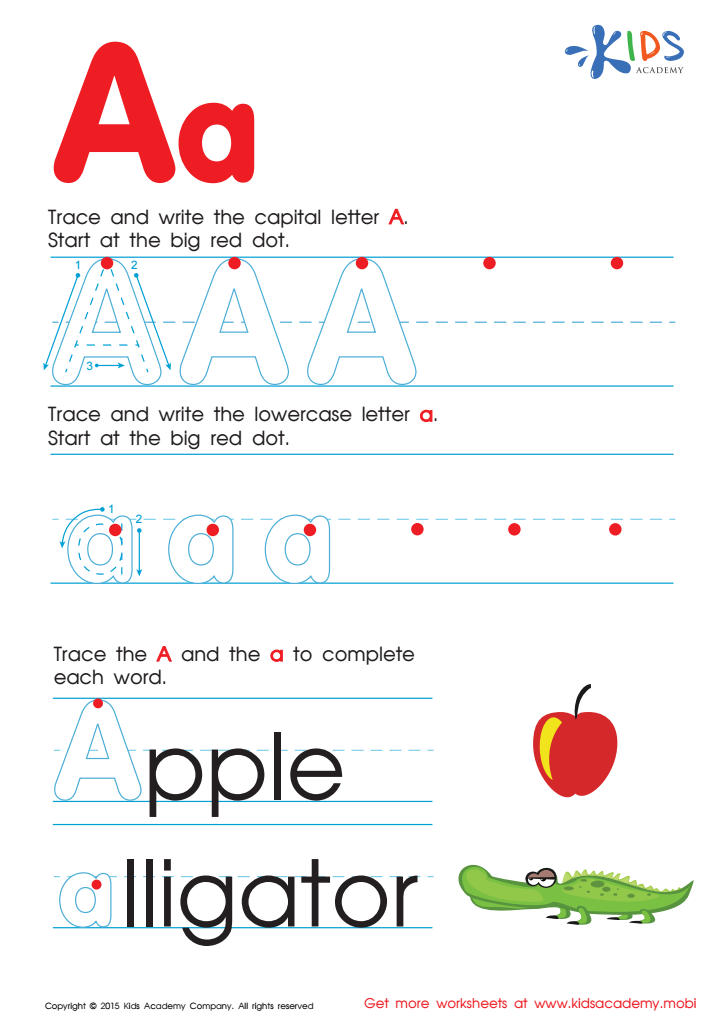
Letter A Tracing Page
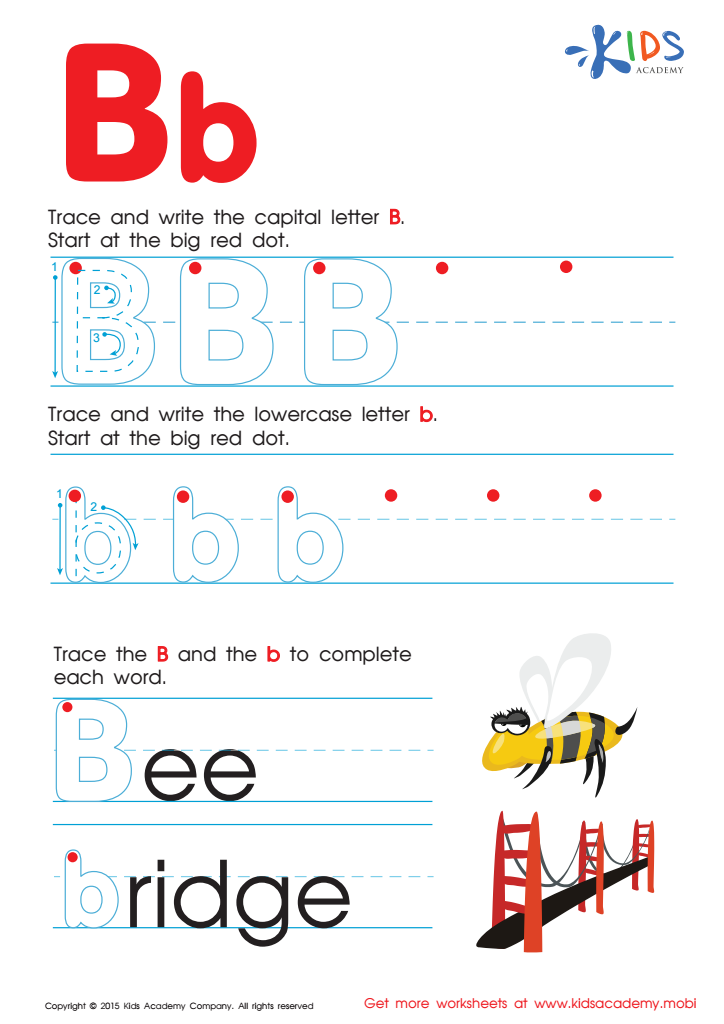
Letter B Tracing Page
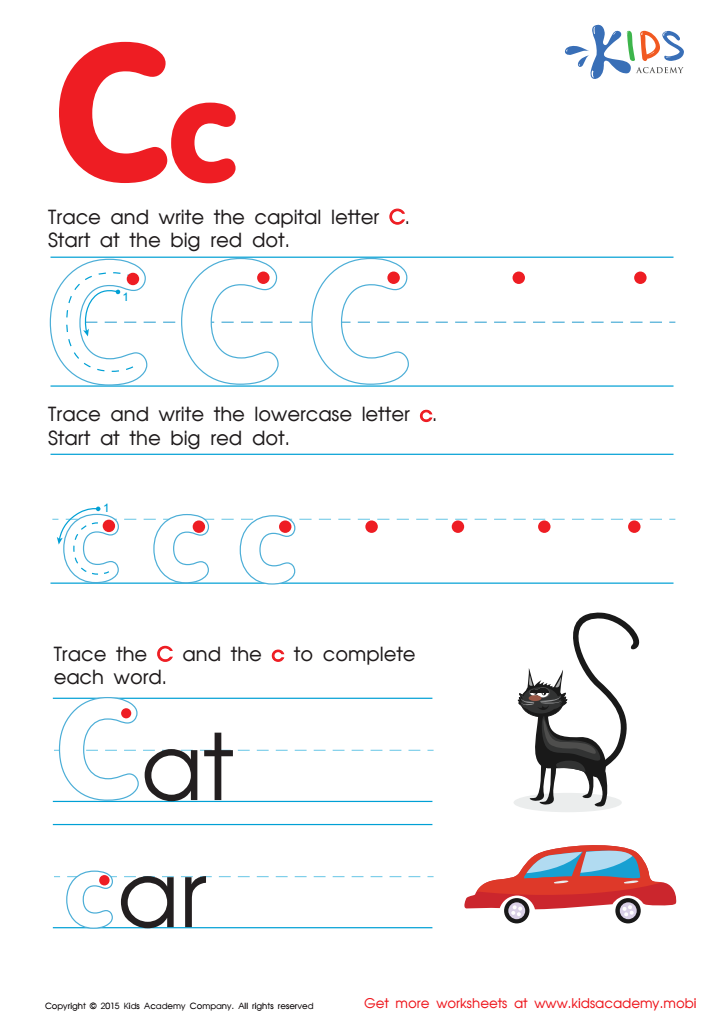
Letter C Tracing Page

Letter D Tracing Page

Letter F Tracing Page
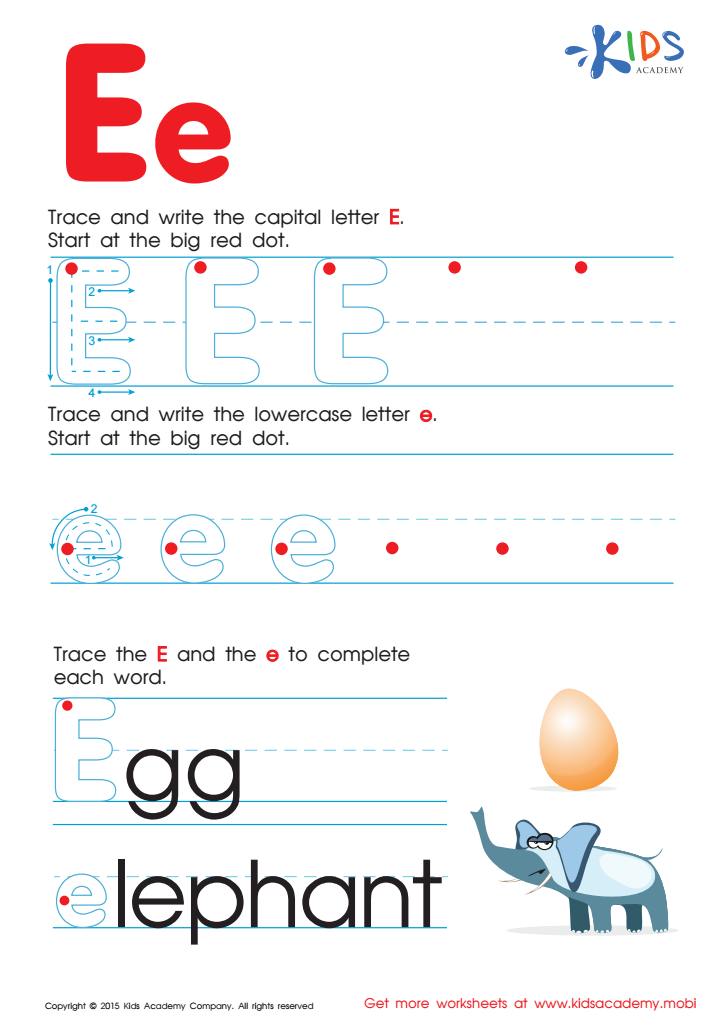
Letter E Tracing Page
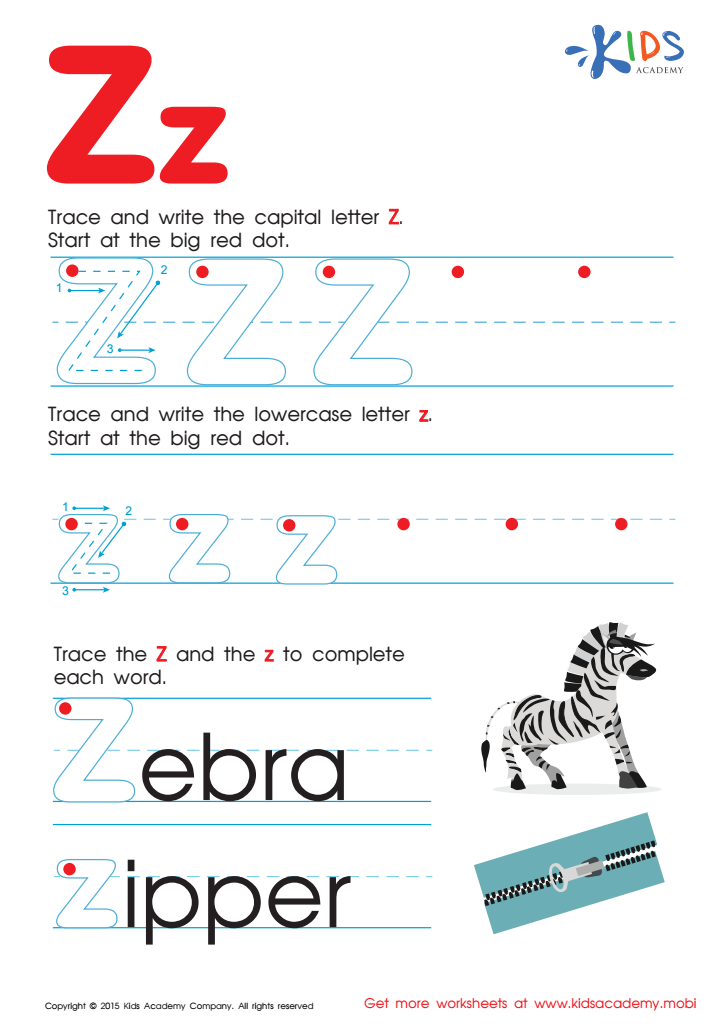
Letter Z Tracing Page







Tracing letters is a foundational skill for children aged 6 to 9, playing a crucial role in their literacy development. For parents and teachers, promoting this practice can significantly enhance young learners’ handwriting abilities, which influences their overall communication skills. Tracing helps improve motor control and coordination, laying the groundwork for effective writing. At this age, children are developing their independent writing skills, and tracing provides a structured way to learn letter formations, enabling them to write more confidently and legibly.
Moreover, tracing letters fosters an understanding of letter shapes and sounds, reinforcing phonemic awareness essential for reading. When children engage in tracing, it also cultivates focus and concentration, as it requires them to pay attention to details and patterns.
Additionally, tracing activities can cater to various learning styles, offering visual, auditory, and kinesthetic engagement. This versatility makes learning more accessible and enjoyable. By incorporating tracing into early education, parents and teachers can ensure that children build a solid literacy foundation, setting them up for success both academically and in their daily lives. Ultimately, tracing letters is an investment in a child’s future, enhancing their confidence in their writing and reading abilities.








